 Helvetti
Quotes from the Book
The more a thing is perfect, the more it feels pleasure and pain.
The devil is not as black as he is painted.
Through me you pass into the city of woe: Through me you pass into eternal pain: Through me among the people lost for aye. Justice the founder of my fabric moved: To rear me was the task of power divine, Supremest wisdom, and primeval love. Before me things create were none, save things Eternal, and eternal I shall endure. All hope abandon, ye who enter here.
O human race, born to fly upward, wherefore at a little wind dost thou so fall?
Consider your origin. You were not formed to live like brutes but to follow virtue and knowledge.
Into the eternal darkness, into fire and into ice.
The man who lies asleep will never waken fame, and his desire and all his life drift past him like a dream, and the traces of his memory fade from time like smoke in air, or ripples on a stream.
The day that man allows true love to appear, those things which are well made will fall into cofusion and will overturn everything we believe to be right and true.
There is no greater sorrow than to recall happiness in times of misery
Midway upon the journey of our life, I found myself within a forest dark, for the straightforward pathway had been lost.
Lost are we, and are only so far punished, That without hope we live on in desire.
For she doth make my veins and pulses tremble.
I did not die, and yet I lost life’s breath
Segui il tuo corso et lascia dir les genti (Follow your road and let the people say)
The mind which is created quick to love, is responsive to everything that is pleasing, soon as by pleasure it is awakened into activity. Your apprehensive faculty draws an impression from a real object, and unfolds it within you, so that it makes the mind turn thereto. And if, being turned, it inclines towards it, that inclination is love; that is nature, which through pleasure is bound anew within you.
In the middle of the journey of our life I came to myself within a dark wood where the straight way was lost. Ah, how hard a thing it is to tell what a wild, and rough, and stubborn wood this was, which in my thought renews the fear!
Those ancients who in poetry presented the golden age, who sang its happy state, perhaps, in their Parnassus, dreamt this place. Here, mankind's root was innocent; and here were every fruit and never-ending spring; these streams--the nectar of which poets sing.
I found myself within a forest dark,
There, pride, avarice, and envy are the tongues men know and heed, a Babel of depsair
If the present world go astray, the cause is in you, in you it is to be sought.
As the geometer intently seeks to square the circle, but he cannot reach, through thought on thought, the principle he needs, so I searched that strange sight.
Oh blind, oh ignorant, self-seeking cupidity whcih spurs as so in the short mortal life and steeps as through all eternity.
I found myself within a forest dark, for the straightfoward pathway had been lost. Ah me! How hard a thing is to say, what was this forest savage, rough, and stern, which in the very thought renews the fear. So bitter is it, death is little more...
Love, that exempts no one beloved from loving, seized me with pleasure of this man so strongly, that, as thou seest, it doth not yet desert me.
Midway along the journey of our life I woke to find myself in a dark wood, for I had wandered off from the straight path.
43
Love, that exempts no one beloved from loving, Seized me with pleasure of this man so strongly, That, as thou seest, it doth not yet desert me.
41
I by not doing, not by doing, lost
32
Did you know?
- The poem is divided into three canticles, Inferno, Purgatorio, and Paradiso, each containing 33 cantos, for a total of 100 with the introductory canto.
- It is written in terza rima, a rhyme scheme of interlocking three-line tercets (ABA BCB CDC) invented by Dante for the work.
- Dante set the journey during Easter week of the year 1300, beginning the night before Good Friday.
- The poem was written in the Tuscan vernacular and helped establish it as the standardized Italian language.
- Virgil represents human reason and Beatrice represents divine revelation as Dante's guides; Saint Bernard of Clairvaux leads the final cantos.
- The Divine Comedy has been translated into English more often than into any other language, with versions by Longfellow, Dorothy L. Sayers, Allen Mandelbaum, and Robert Pinsky, among others.
About Dante Alighieri
Dante Alighieri (c. 1265-1321) was a Florentine poet, writer, and political figure, widely regarded as the father of the Italian language and one of the greatest poets of the Middle Ages. Exiled from Florence in 1302, he wrote his masterpiece, the Divine Comedy, during his years away from the city.
More about the author →
About the book
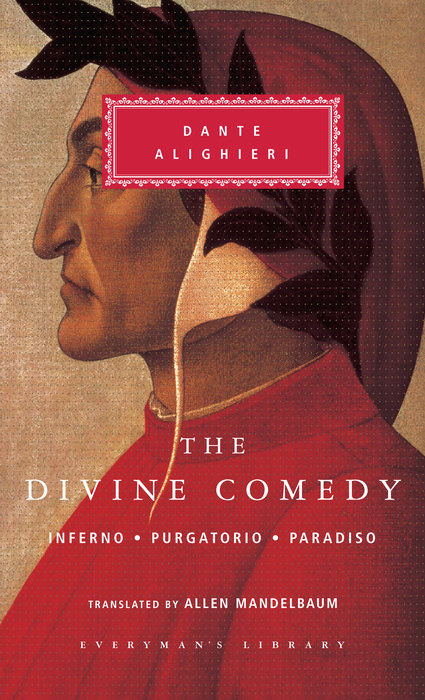
The Divine Comedy is an epic poem by the Florentine poet Dante Alighieri, composed in the early fourteenth century and completed around 1321. It narrates the journey of Dante the pilgrim through the three realms of the Christian afterlife, set during Easter week of the year 1300. Guided first by the Roman poet Virgil, he descends through the nine circles of Hell (Inferno) and climbs the terraces of Mount Purgatory (Purgatorio); his beloved Beatrice then leads him upward through the celestial spheres of Heaven (Paradiso) toward the presence of God.
At its heart the poem dramatizes divine justice and the soul's pilgrimage toward God. Across its three canticles Dante explores sin and its consequences, repentance and the penitent Christian life, and the ascent to grace through reason and faith. The work is steeped in medieval Catholic theology and Thomistic philosophy, while drawing on classical authors such as Virgil, Ovid, and Aristotle, and it weaves together historical, mythological, and contemporary figures to render moral and spiritual ideas in vivid human terms.
Written in the Tuscan vernacular rather than Latin, the poem helped establish Tuscan as the basis of the standardized Italian language and became the preeminent work of Italian literature. After falling into relative neglect during the Enlightenment, it was rediscovered by William Blake and the Romantics, and it remains one of the most celebrated works of Western literature. T. S. Eliot famously declared that Dante and Shakespeare divide the modern world between them, there being no third.
Key characters
- DanteThe pilgrim and narrator who journeys through the afterlife.
- VirgilThe Roman poet who guides Dante through Hell and Purgatory, representing human reason.
- BeatriceDante's idealized beloved who guides him through Heaven, representing divine revelation.
- Saint Bernard of ClairvauxThe guide in the final cantos of Paradiso.
Book details
- First published
- 1321
- Series
- Part of the Divine Comedy trilogy of canticles
- Author
- Dante Alighieri
- Genre
- Classics
- Goodreads rating
- 4.09 (177k ratings)
- First line
- “Nel mezzo del cammin di nostra vita (Midway upon the journey of our life).”
Critical reception
- It is regarded as the preeminent work of Italian literature and one of the greatest works of Western literature.
- T. S. Eliot wrote that Dante and Shakespeare divide the modern world between them, there being no third.
- After falling into relative obscurity during the Enlightenment, the poem was rediscovered by William Blake and nineteenth-century Romantic writers.
Series & reading order
- 1 Inferno
- 2 Purgatorio
- 3 Paradiso
Keep reading
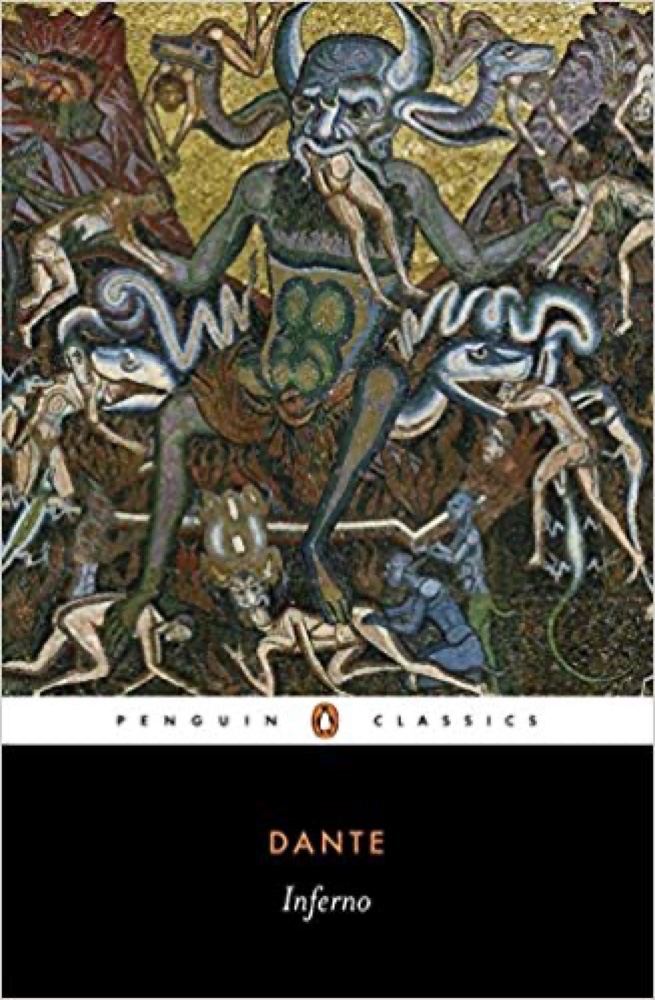 Inferno
Helvetti
Inferno
Helvetti
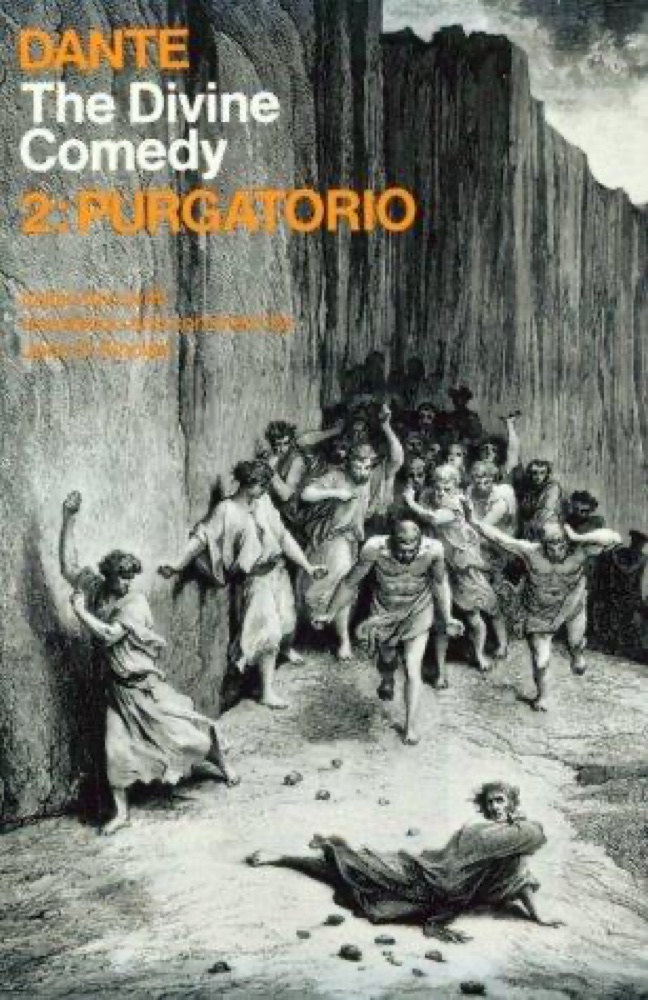 Purgatorio
 Faust
Faust
 Les Fleurs du Mal
 Paradise Lost
 Phantastes
 The Last Man
 Lord Jim
 Ulysses
 Thus Spake Zarathustra
 Daniel Deronda
 Brideshead Revisited: The Sacred and Profane Memories of Captain Charles Ryder
 She
She
 In Search of Lost Time
 Wind, Sand and Stars
 Childe Harold's Pilgrimage
 Look Homeward, Angel
 Melmoth the Wanderer
 Sacred Journey of the Peaceful Warrior
 Les Misérables
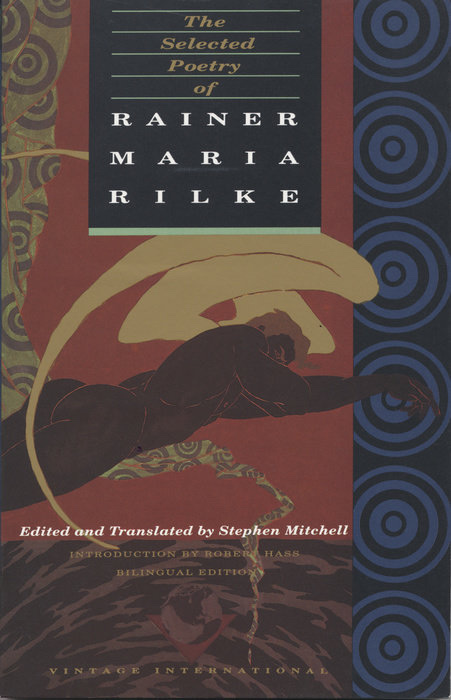 The Selected Poetry of Rainer Maria Rilke
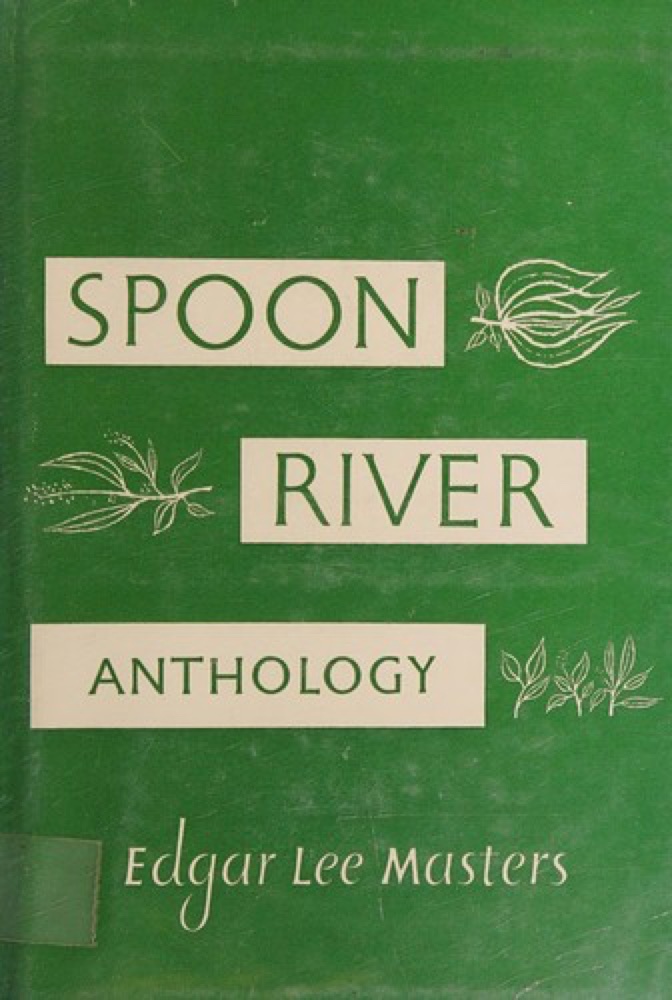 Spoon River Anthology
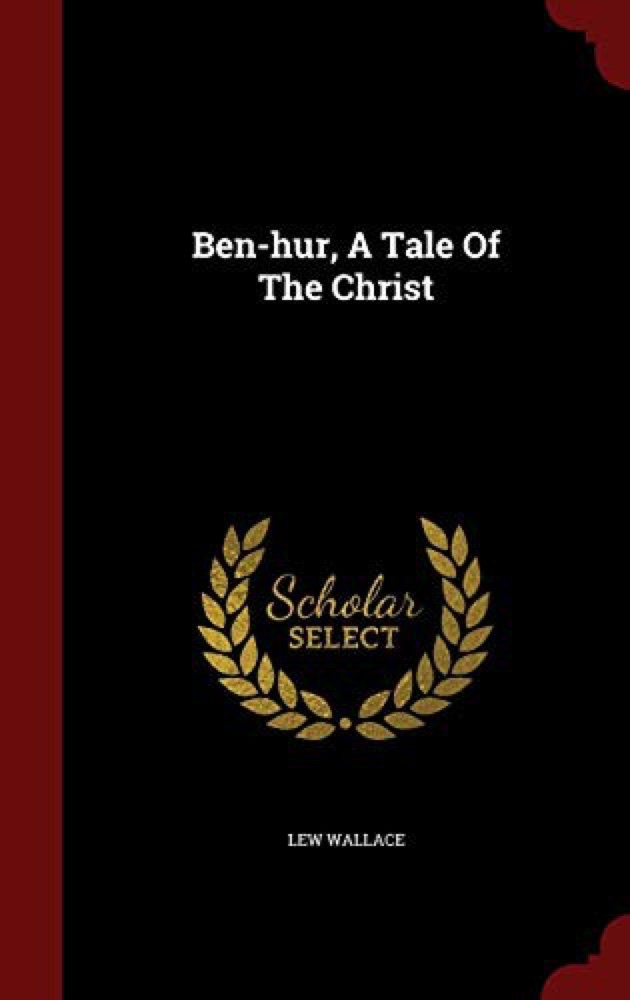 Ben-Hur: A Tale of the Christ
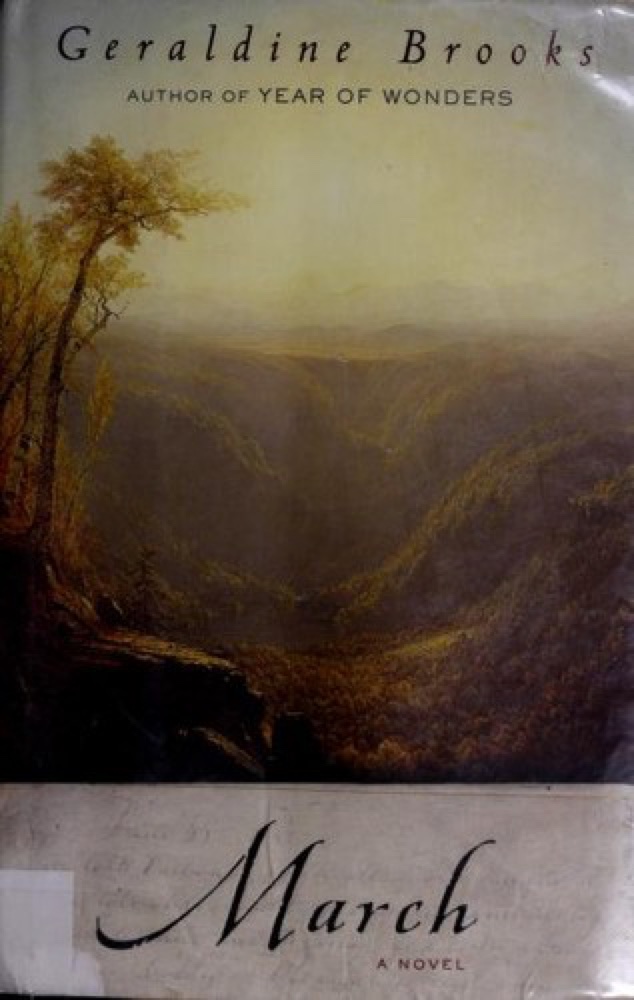 March
March
 Confessions
 The Star Rover
 The Etched City
 Poems, 1962-2012
 Prometheus Unbound
 The Complete Poems
 Doctor Zhivago
 Swann's Way
 The Collected Poems of Emily Dickinson
 Narcissus and Goldmund
 Hell
Hell
 The Story of My Life
 The Conference of the Birds
 The Complete Stories and Poems
 The Tale of Genji
 Oblomov
 To The Bright Edge of the World
 Year of Wonders
 Sexing the Cherry
 Nightwood
 Tropic of Capricorn
 Frankenstein
 Report to Greco
 A Tale of Two Cities
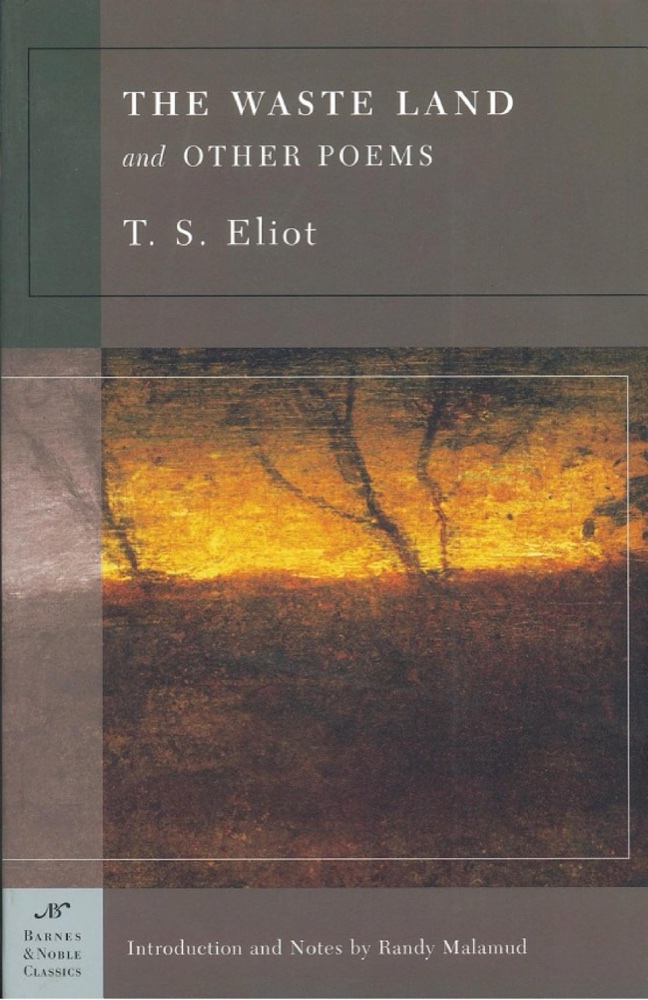 The Waste Land and Other Poems
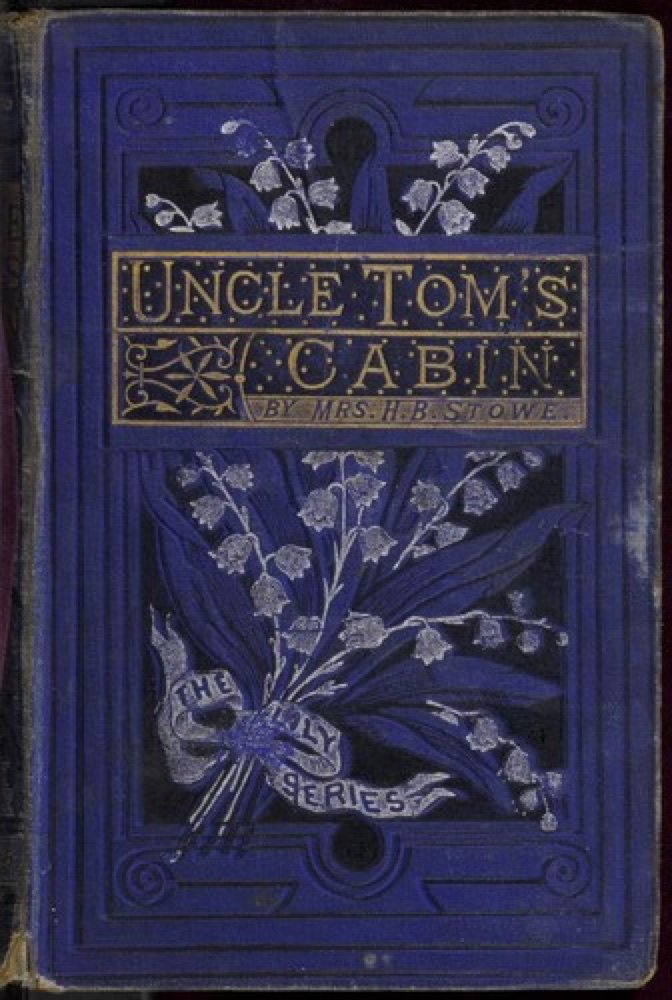 Uncle Tom's Cabin
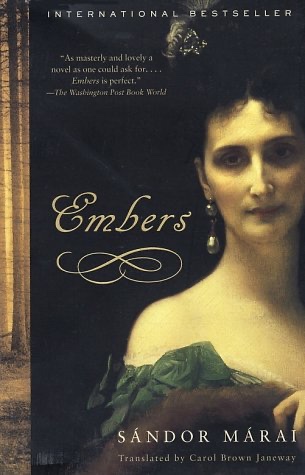 Embers
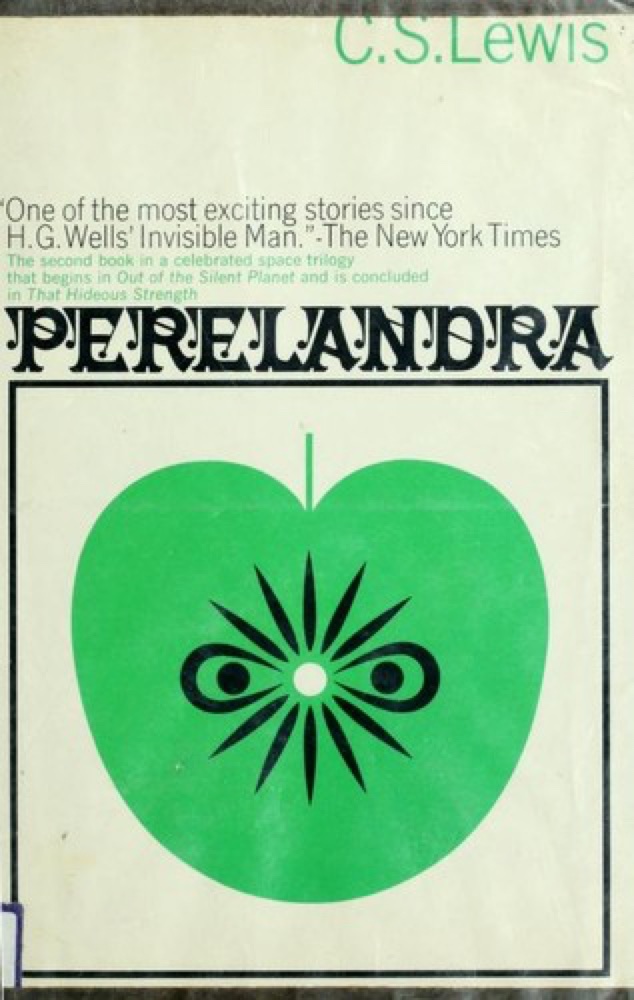 Perelandra
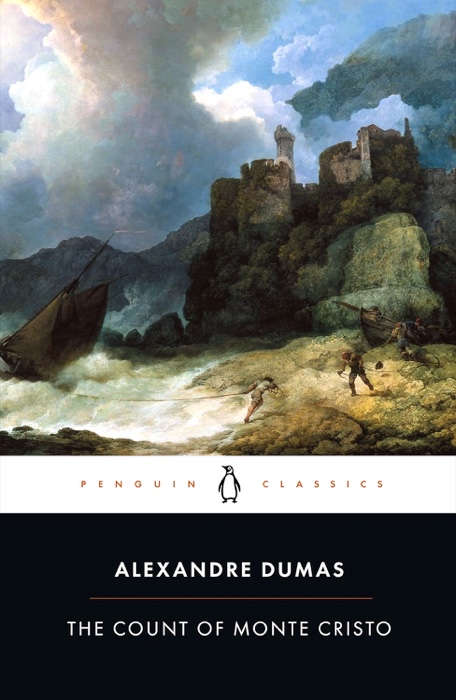 The Count of Monte Cristo
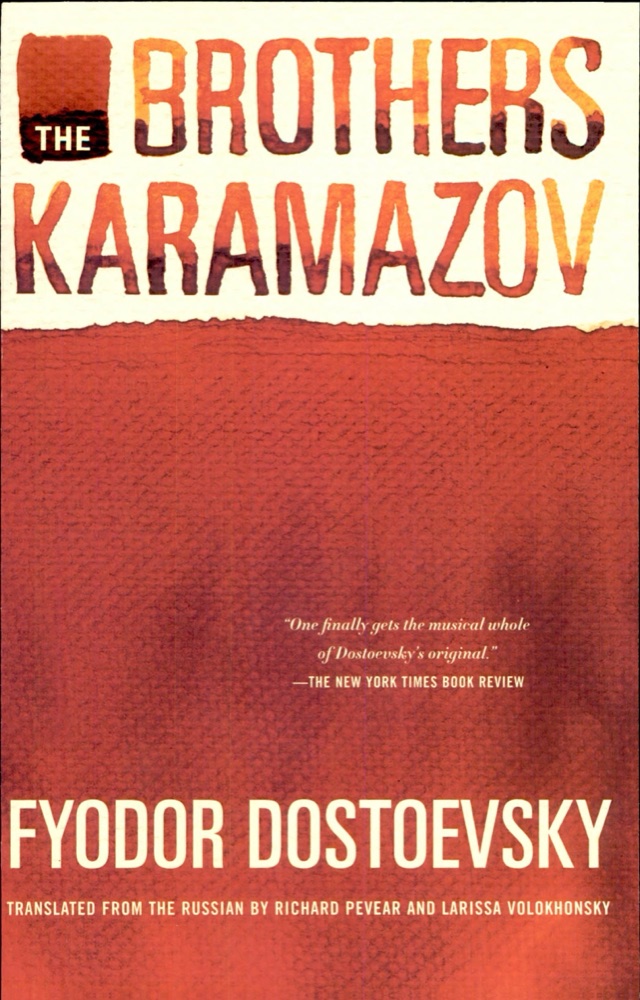 The Brothers Karamazov
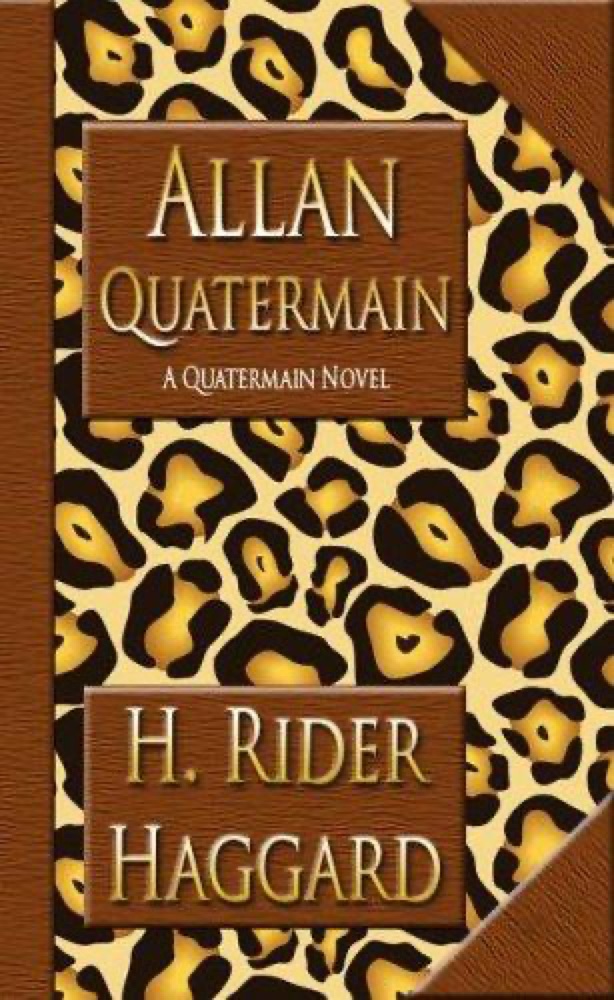 Allan Quatermain
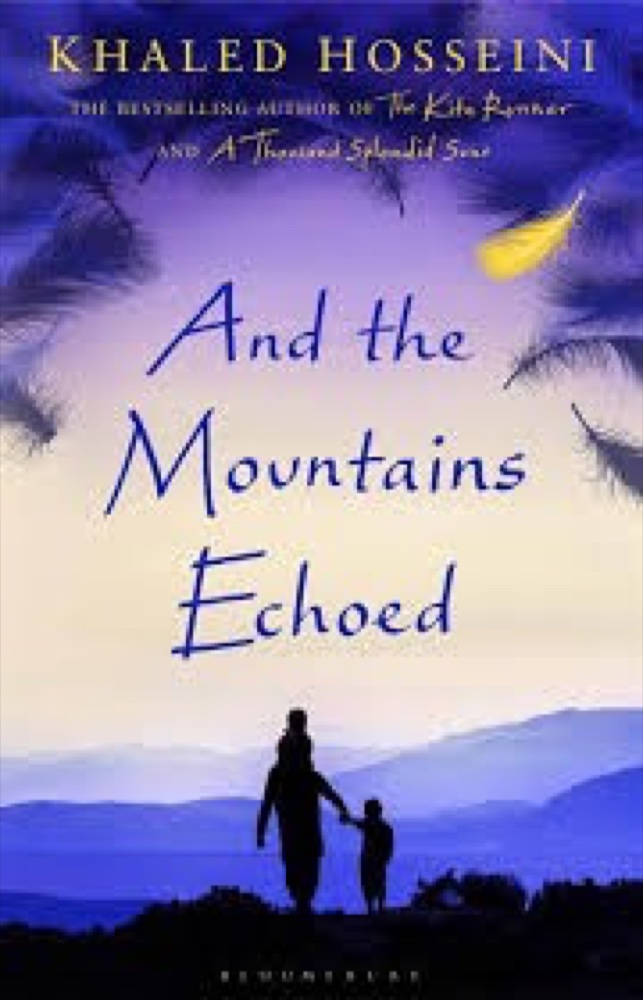 And the Mountains Echoed
 Fall of Light
 When Nietzsche Wept
 Collected Poems