 Indian Horse
Quotes from the Book
Some seeds need fire to sprout. What if you’re that seed?
10
In this world there is no death. There is only the eternal cycle of birth and rebirth moving from one body to another. Our flesh lives in the belly of a deer, in the wing of a butterfly, in every seed you plant. Our bodies nourish the roots and leaves that keep us alive. When you care for the seeds, you care for all of our ancestors. Nothing is lost. Nothing is lost.
4
My father traveled now with the stars, returned to the vast mystery that had so fascinated him all his life.
4
Maybe we all carry that instinct to return home, to the horizon line that formed us, to the place where we first knew the world. Maybe it was that instinct driving me now.
3
I decided to give Rosie all the facts I could—because that's how the corporations work against us, twisting the truth till we're at war with each other.
3
The nation that destroys its soil destroys itself.’ Franklin D. Roosevelt.
2
Everywhere I looked, I saw how seeds were holding the world together. They planted forests, covered meadows with wildflowers, sprouted in the cracks of sidewalks, or lay dormant until the long-awaited moment came, signaled by fire or rain or warmth. They filled the produce aisle in grocery stores. Seeds breathed and spoke in a language all their own. Each one was a miniature time capsule, capturing years of stories in its tender flesh. How ignorant I felt compared to the brilliance contained in a single seed.
2
Each seed was made of an embryo, a seed coat, and something nutritious, almost like a packed lunch. The Mother Plant, like me, wanted only the best for her babies. Some plants, like dandelions, scattered their seeds in the wind, while others, like some pines, needed fire to open their cones. Somehow, the Mother knew to dry her seeds almost completely so they would sleep until the time was right to wake. Each seed held a trace of life that would spark when given water, when given the appropriate conditions.
2
You wouldn’t recognize this land back then. Over thousands of years, the plants and animals worked with wind and fire until the land was covered in a sea of grass that was home to many relatives. The bison gave us everything, from thadó, our meat, to our clothing and thípi hides. His dung fertilized the soil. The prairie dogs opened up tunnels that brought air and water deep into the earth. Grasses that were as tall as a man set long roots that could withstand drought. When my grandfather was a boy, he woke each morning to the song of the meadowlark. The prairie showed us for many generations how to live and work together as one family. “And then the settlers came with their plows and destroyed the prairie in a single lifetime,” my father said. What I remember most, now, is his voice shaking with rage, his tobacco-stained fingers trembling as they held a hand-rolled cigarette, the way he drew smoke deep into his lungs.
2
I didn't ask if he knew who had lived here before his family, before the government cut the woods and prairie into 160-acre pieces. I had no patience for teaching people their own history.
2
if you can learn to come on quiet feet, and to listen, then you will never be without friends.
1
Winter felt like a preview of what it meant to die, to be released from the ties that bind us, to be free of our bodies.
1
I thought about the aftermath of the 1862 war, when thirty-eight hastily condemned warriors had been hung in Mankato, in the country's largest-ever mass execution. Their bodies were buried in shallow graves and then dug up for study by local doctors, including Dr. Mayo, who kept the body of Cut Nose for his personal examination. I thought about my father losing his teaching job, about his struggle with depression and drinking. About how angry he was that our history was not taught in schools. Instead, we had to battle sports mascots and stereotypes. Movie actors in brownface. Tourists with cameras. Welfare lines. Alcoholism. 'After stealing everything,' he would rage, 'now they want to blame us for it, too.' Social services broke up Native families, sending children like me to white foster parents. Every week, the newspapers ran stories about Indians who rolled their cars while drunk or the rise of crack cocaine on the reservations or somebody's arrest for gang-related crimes. No wonder so many Native kids were committing suicide. But there was so much more to the story of the run. What people didn't see because they chose never to look. Unlike the stone monument in New Ulm, built to memorialize the settlers' loss with angry pride, the Dakhota had created a living, breathing memorial that found healing in prayer and ceremony. What the two monuments shared, however, was remembering. We were all trying to find a way through grief.
1
Your mother was not well. Whatever it was that had come home from the boarding school with your grandmother, it lived on in Agnes. She never found a way through it. It lives on until somebody finds a way to stop it.
We all depend on each other to survive. The plants we gather give their lives; the deer gives its life. Someday we will give ours, too. You have to be respectful, knowing that a plant’s or animal’s life is a gift that allows us to live. You never take more than what you need.
Long, steamy July days created their own slow rhythm as my hands grew calloused from field work. Each morning I woke at dawn and every night I fell into bed before dark, too tired to dream. My skin, roasted to a rich brown, smelled of corn pollen; my hair was streaked by sunlight. I grew even taller, my awkward slump straightened by the act of reaching for the tassels. Corn made me strong. Every day she whispered her greetings in a flutter of green leaves.
As parents, how do we answer it? Especially when we struggle with our own challenges, not realizing when we're young how much the past has shaped us, how we carry our parents' sorrow and that of the generations that came before them?
I could sit there drinking coffee, or I could follow Darlene’s advice that there was still time to do better.
As activist and scholar Harley Eagle once said, “We need to fall back in love with the earth.
You have to heal yourself first before you can go out and change the world.
History might have cost me my family and my language, but I was reclaiming a relationship with the earth, water, stars, and seeds that was thousands of years old.
He said forgetting was easy. It’s the remembering that wears you down.
forgetting was easy. It's the remembering that wears you down.
I took pride in sizing up a person and knowing not only what they wanted but what they would settle for.
He watched with the hunger of a man who believes that success comes with owning the right machine.
What the white settlers called progress was a storm of fury thundering its way across the land, and none of us were strong enough to withstand it.
Watch on YouTube
About Diane Wilson
About the book
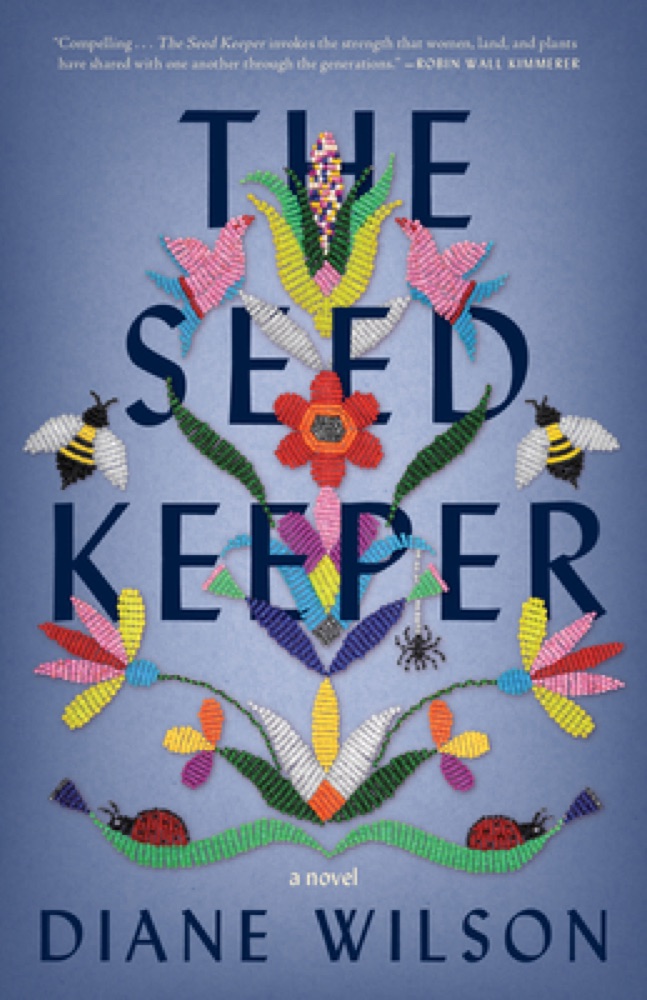
A haunting novel spanning several generations, The Seed Keeper follows a Dakhóta family's struggle to preserve their way of life, and their sacrifices to protect what matters most.
Rosalie Iron Wing has grown up in the woods with her father, Ray, a former science teacher who tells her stories of plants, of the stars, of the origins of the Dakhóta people. Until, one morning, Ray doesn't return from checking his traps. Told she has no family, Rosalie is sent to live with a foster family in nearby Mankato--where the reserved, bookish teenager meets rebellious Gaby Makespeace, in a friendship that transcends the damaged legacies they've inherited.
On a winter's day many years later, Rosalie returns to her childhood home. A widow and mother, she has spent the previous two decades on her white husband's farm, finding solace in her garden even as the farm is threatened first by drought an
Book details
- First published
- 2021
- Author
- Diane Wilson
- Genre
- Fiction
- Goodreads rating
- 4.25 (26k ratings)
The buzz
- Kirkus ReviewsReview in Kirkus Reviewsprofessional review (via Book Marks)
- Publishers WeeklyReview in Publishers Weeklyprofessional review (via Book Marks)
- Star TribuneReview in Star Tribuneprofessional review (via Book Marks)
- BooklistReview in Booklistprofessional review (via Book Marks)
- BookPageReview in BookPageprofessional review (via Book Marks)
- SierraclubReview in Sierraclubprofessional review (via Book Marks)
Keep reading
Indian Horse
 The Sea Keeper's Daughters
 The Place of Tides
 Men We Reaped
 Whiskey When We're Dry
 The Clockmaker's Daughter
 Fire Shut Up in My Bones: A Memoir
 The Night Watchman
 A Thousand Acres
 One for the Blackbird, One for the Crow
 Dreams from My Father: A Story of Race and Inheritance
 Leaving Before the Rains Come
 The Son
 A Thousand Moons
 The Girl Who Smiled Beads: A Story of War and What Comes After
 The Hour I First Believed
 High Tide in Tucson
 The Tell: A Memoir
 After the Flood
 The Round House
 The Sweet Taste of Muscadines
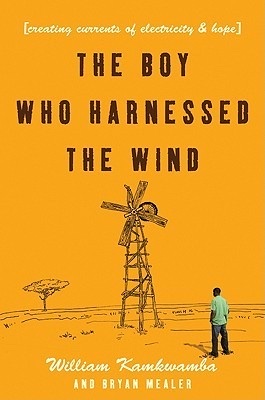 The Boy Who Harnessed the Wind: Creating Currents of Electricity and Hope
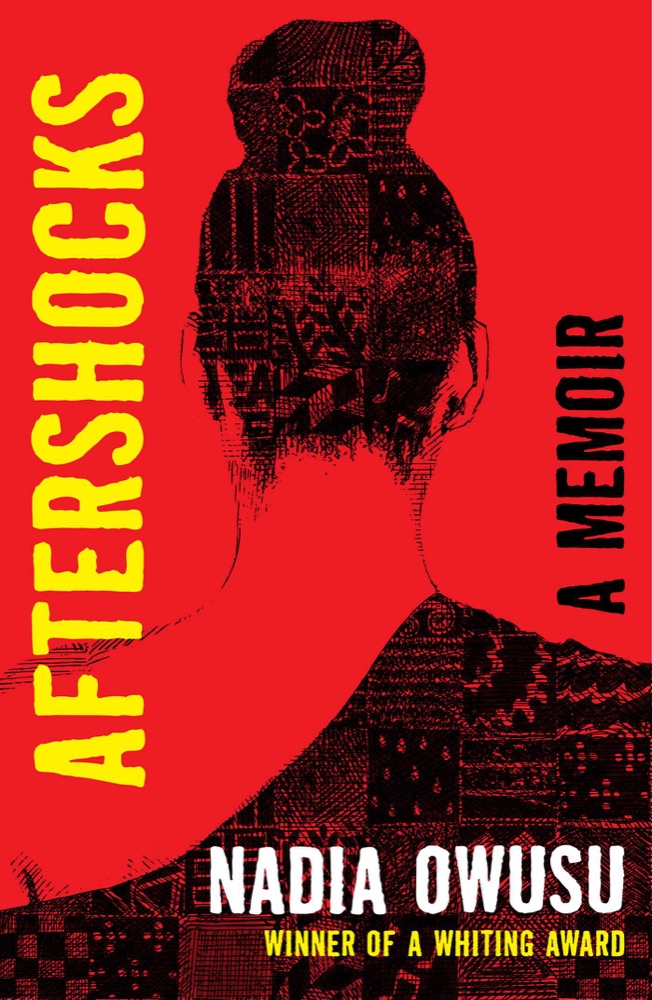 Aftershocks
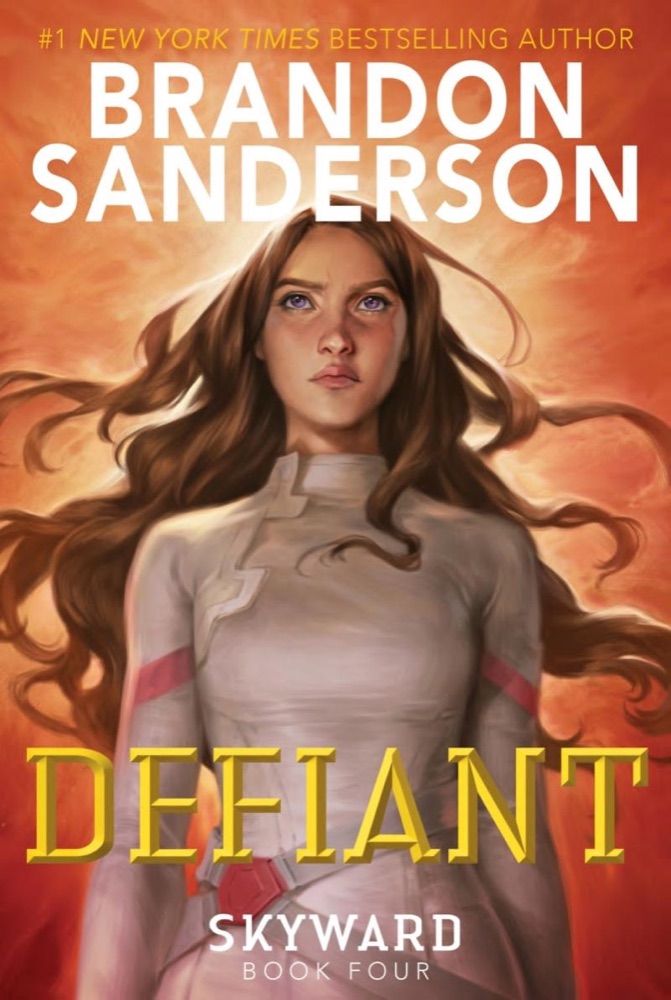 Defiant
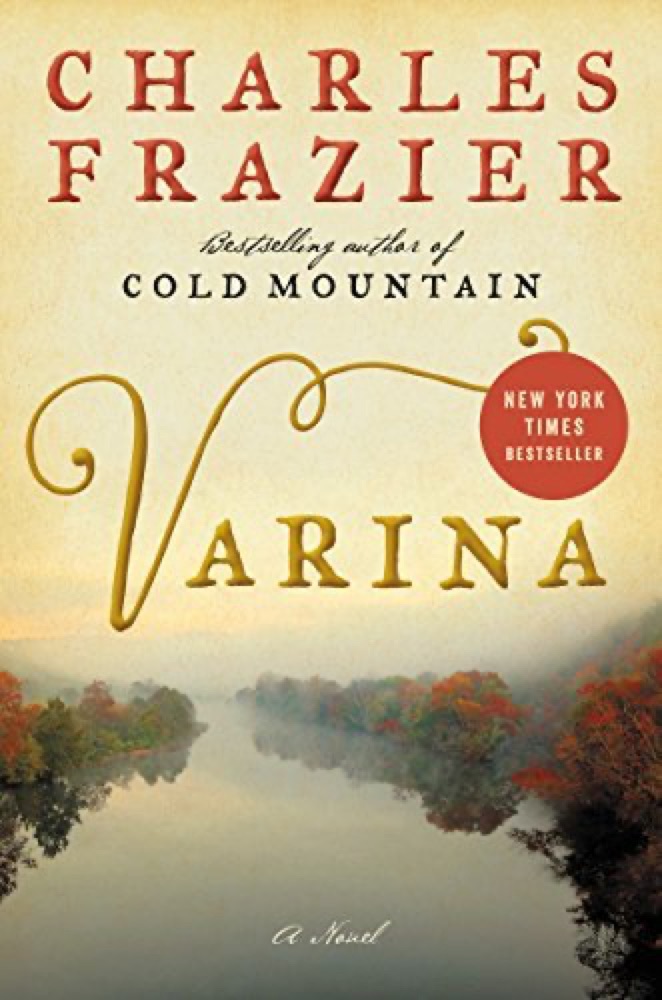 Varina
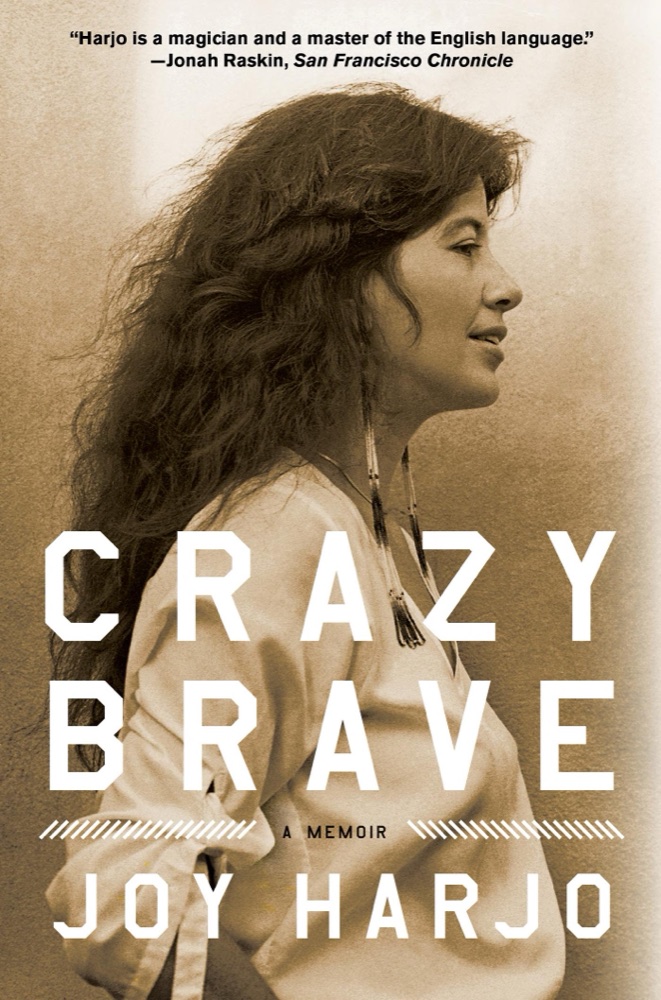 Crazy Brave
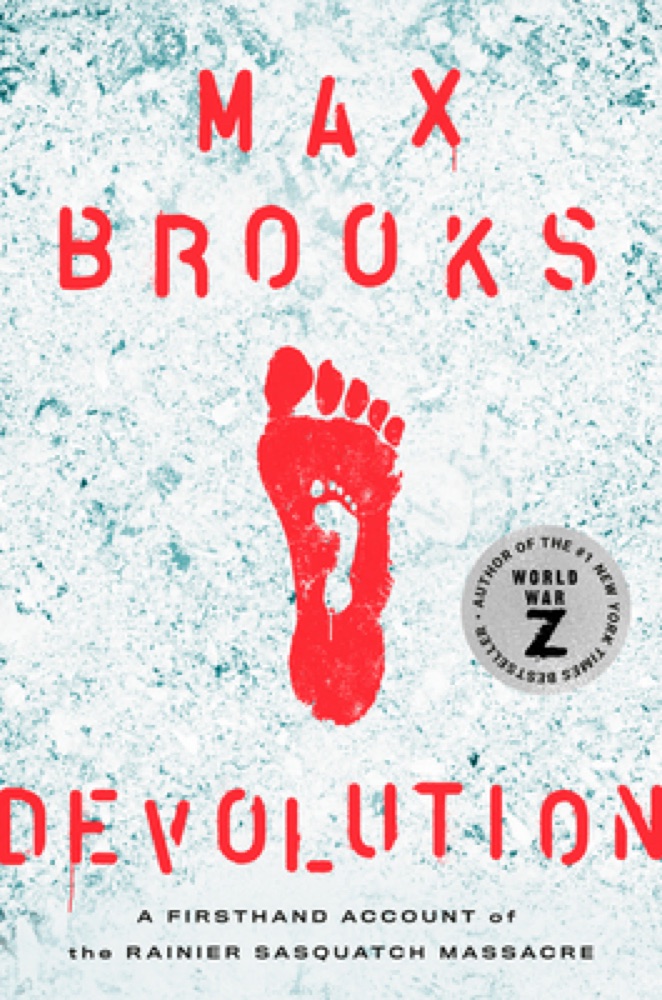 Devolution: A Firsthand Account of the Rainier Sasquatch Massacre
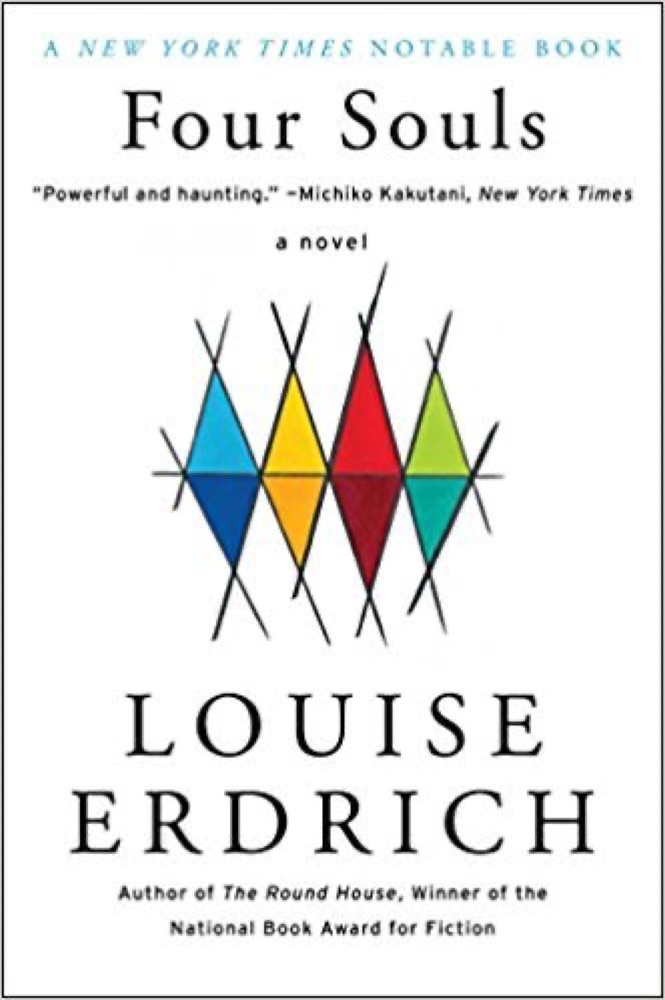 Four Souls
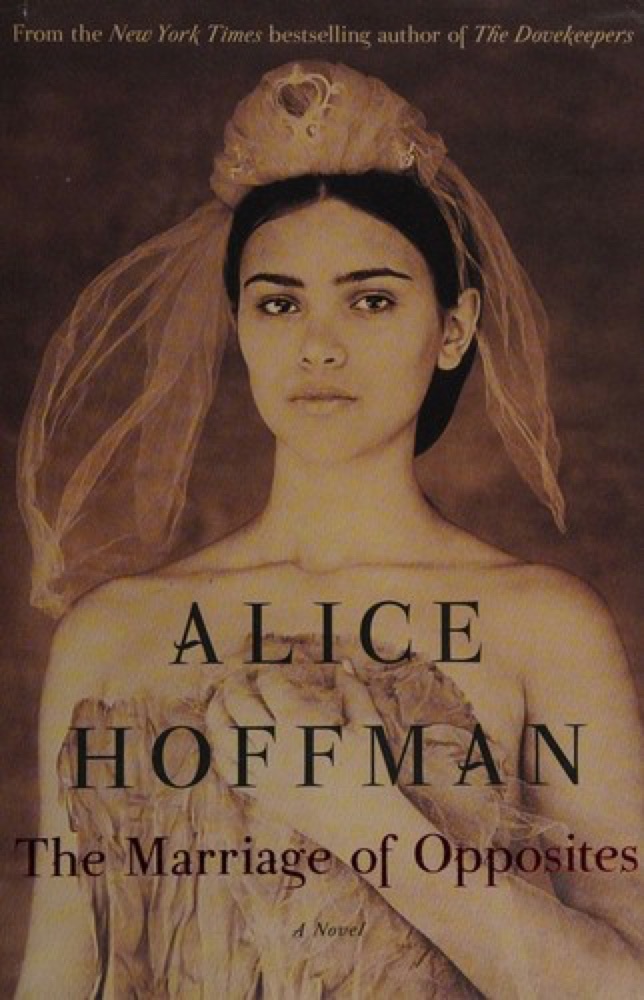 The Marriage of Opposites
 O Pioneers!
 Chances Are...
 The Stardust Grail
 How Beautiful We Were
 The Bonesetter's Daughter
 A Long Way Gone
 Borne
Borne
 Speaking Bones
 Now Is the Time to Open Your Heart
 Bittersweet
 How High We Go in the Dark
 And the Mountains Echoed
 Ohio
Ohio
 The Bone Tree
 The Water Dancer
 Little Monsters
 Echo Mountain
 Refuge: An Unnatural History of Family and Place
 Hattie Big Sky
 Dreams of Falling
 Songbirds
 Skyhunter
 The Likeness
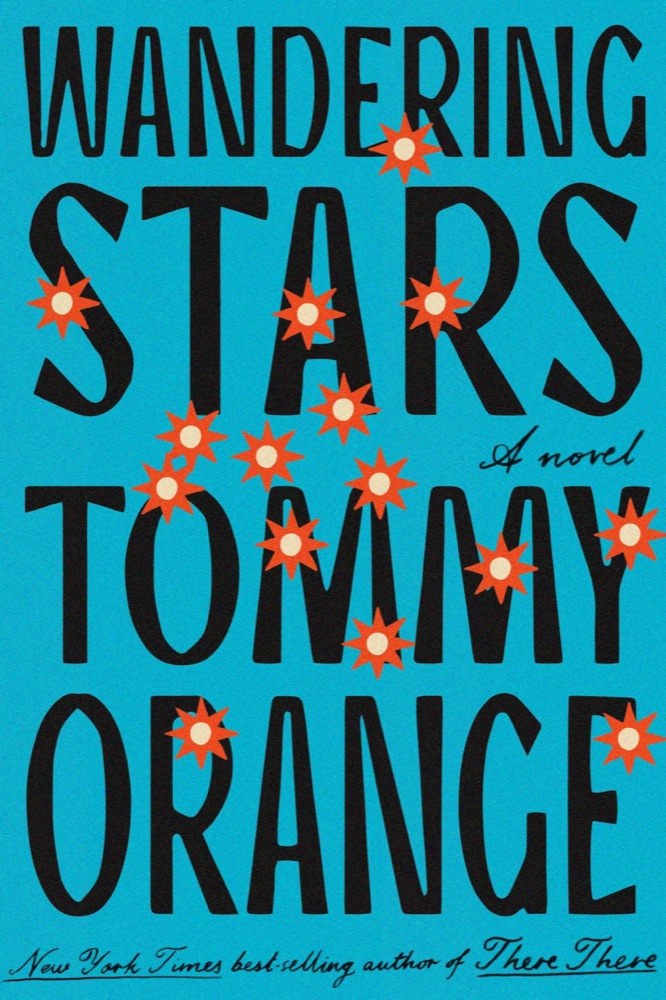 Wandering Stars
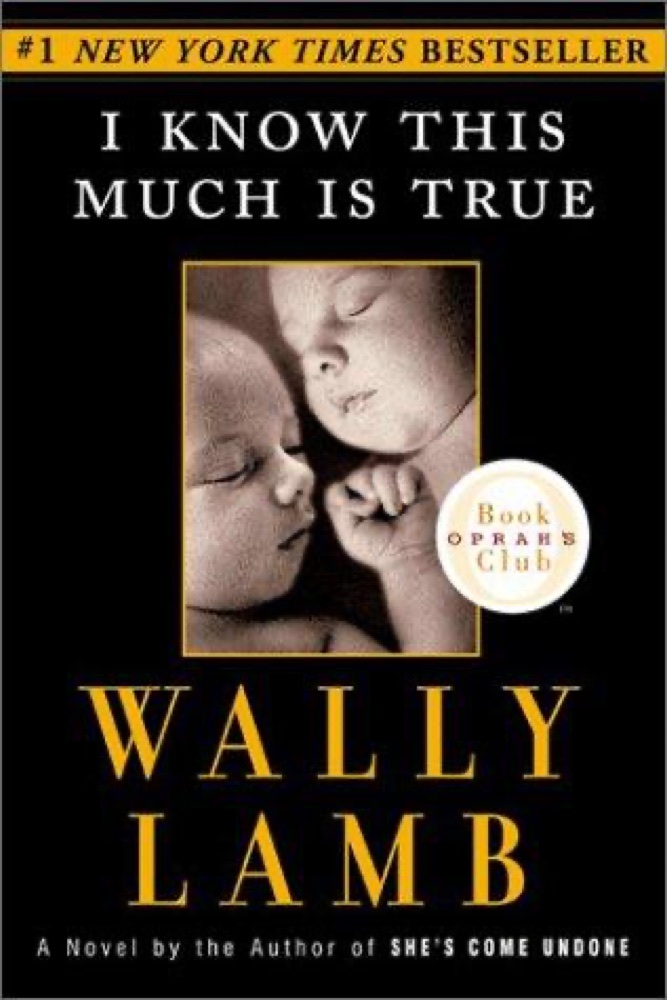 I Know This Much Is True
 Poems, 1962-2012
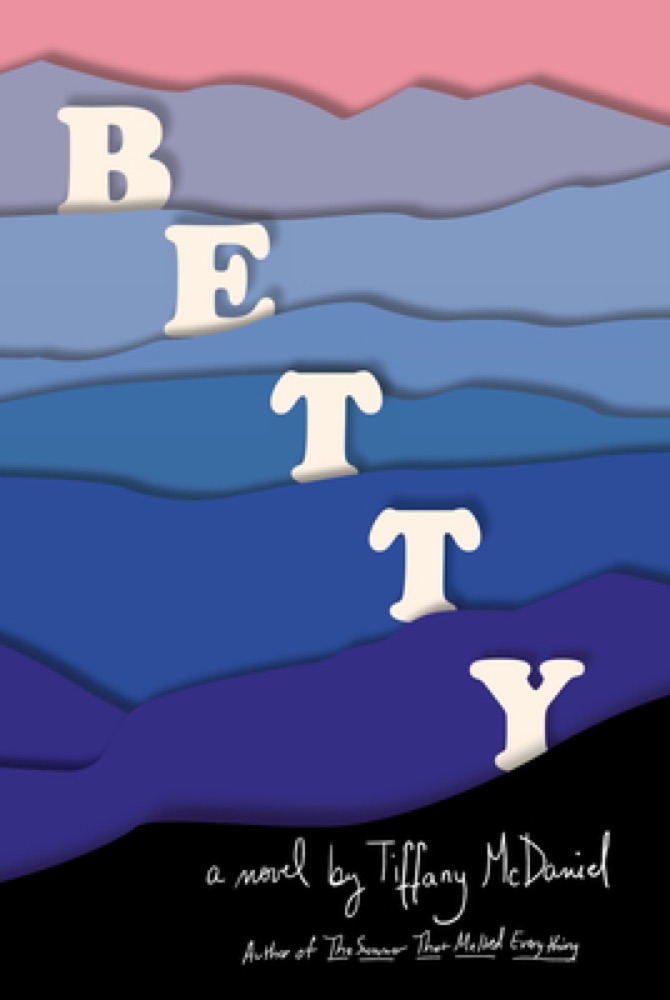 Betty
Betty
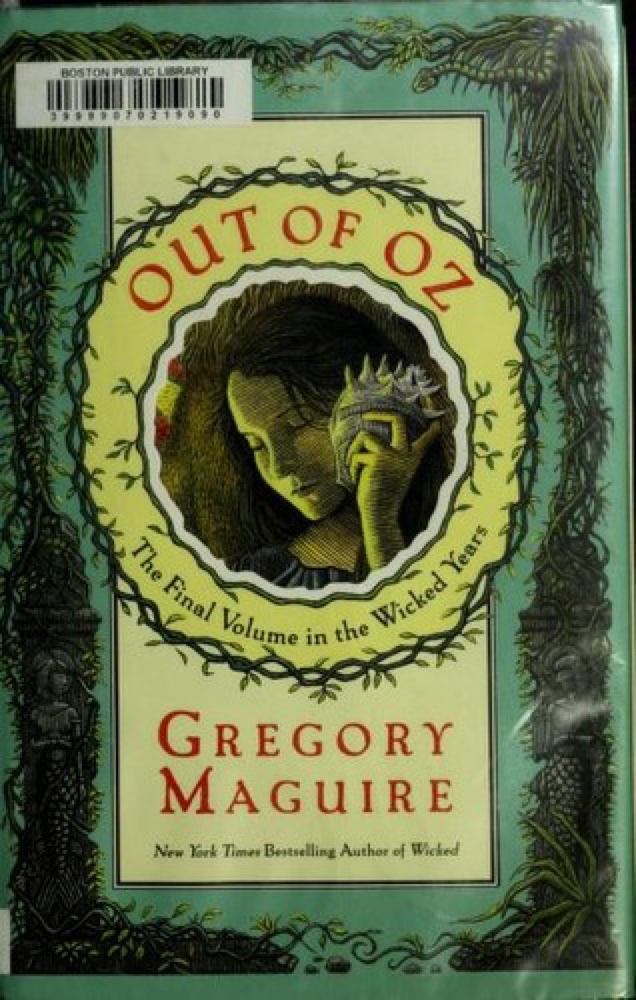 Out of Oz
 Everything Under
 The Quick and the Dead
 The Good Daughters