
 The Round House
Quotes from the Book
Lastly, if you should ever doubt that a series of dry words in a government document can shatter spirits and demolish lives, let this book erase that doubt. Conversely, if you should be of the conviction that we are powerless to change those dry words, let this book give you heart.
31
When he needed to calm his mind, he opened a book. Any book. He had never failed to feel refreshed, even if the book was no good.
22
And Patrice thought another thing her mother said was definitely true—you never really knew a man until you told him you didn’t love him. That’s when his true ugliness, submerged to charm you, might surface.
19
Things started going wrong, as far as Zhaanat was concerned, when places everywhere were named for people—political figures, priests, explorers—and not for the real things that happened in these places—the dreaming, the eating, the death, the appearance of animals. This confusion of the chimookomaanag between the timelessness of the earth and the short span here of mortals was typical of their arrogance.
18
Because everything was alive, responsive in its own way, capable of being hurt in its own way, capable of punishment in its own way, Zhaanat’s thinking was built on treating everything around her with great care.
17
It was something about being an Indian. And the government. The government acted like Indians owed them something, but wasn’t it the other way around? She hadn’t been educated in a boarding school or educated in any way about Indians. From her Catholic schooling, she would never have known about Indians at all except as a bunch of heathens who were vanquished or conveniently died off. She’d hardly known her family and was as assimilated as an Indian could be. And people hardly ever recognized her as an Indian. So why did she firmly see herself as an Indian? Why did she value this? Why did she not long for the anonymity of whiteness, the ease of it, the pleasures of fitting in? When people found out why she looked a little different, they would often say, “I never thought of you as an Indian.” And it would be said as a compliment. But it felt more like an insult.
16
In all, 113 tribal nations suffered the disaster of termination; 1.4 million acres of tribal land was lost. Wealth flowed to private corporations, while many people in terminated tribes died early, in poverty. Not one tribe profited. By the end, 78 tribal nations, including the Menominee, led by Ada Deer, regained federal recognition; 10 gained state but not federal recognition; 31 tribes are landless; 24 are considered extinct.
15
Patrice had come to think that humans treated the concept of God, or Gizhe Manidoo, or the Holy Ghost, in a childish way. She was pretty sure that the rules and trappings of ritual had nothing to do with God, that they were ways for people to imagine they were doing things right in order to escape from punishment, or harm, like children. She had felt the movement of something vaster, impersonal yet personal, in her life. She thought that maybe people in contact with that nameless greatness had a way of catching at the edges, a way of being pulled along or even entering this thing beyond experience.
11
The services that the government provides to Indians might be likened to rent. The rent for use of the entire country of the United States. *
11
An enemy has to be defeated in battle, but an adversary’s different. You must outwit an adversary.
10
You know any Mormons?" asked Martin Cross "I don't think so." "They haven't got to you. They'll come around yet. It's in their religion to change Indians into whites." "I thought that was a government job.
9
one explanation did not rule out the other, that charged electrons could be spirits, that nothing ruled out anything else, that mathematics was a rigorous form of madness,
9
You cannot feel time grind against you. Time is nothing but everything, not the seconds, minutes, hours, days, years. Yet this substanceless substance, this bending and shaping, this warping, this is the way we understand our world.
8
The sun was low in the sky, casting slant regal light. As they plodded along, the golden radiance intensified until it seemed to emanate from every feature of the land. Trees, brush, snow, hills. She couldn’t stop looking. The road led past frozen sloughs that bristled with scorched reeds. Clutches of red willow burned. The fans and whips of branches glowed, alive. Winter clouds formed patterns against the fierce gray sky. Scales, looped ropes, the bones of fish. The world was tender with significance.
8
When Thomas thought of his father, peace stole across his chest and covered him like sunlight.
7
They both started laughing in that desperate high-pitched way people laugh when their hearts are broken.
7
Juggie Blue: We don’t want to leave our homes We are poor, but even poor people can love their land. You do not need money to love your home.
6
As animals subject to the laws of earth, we think time is experience. But time is more a substance, like air, only of course not air. It is in fact a holy element.
6
Don’t you want to be a U.S. citizen?” “What?” said Thomas. “We are citizens.” “Vote? You already can vote?” “Sure, back in 1924 we got the vote. After the black man, after the women. But we got the vote.
6
Everything ceased. She listened hard. Nothing, nothing, nothing. But she could feel the calm breathing of the night. She put on her mother’s mitts, took the ax, stepped out the door. Outside, there was resounding silence. The black sky was a poem beyond meaning.
5
She slowed to pick her way through places where water was seeping up through the mats of dying grass. Rain tapping through the brilliant leaves the only sound. She stopped. The sense of something there, with her, all around her, swirling and seething with energy. How intimately the trees seized the earth. How exquisitely she was included. Patrice closed her eyes and felt a tug. Her spirit poured into the air like song.
5
The average man is proof the average woman can take a joke,” he said.
5
Government is more like sex than people think. When you are having good sex, you don't appreciate it enough. When you are having bad sex, it is all you can think about.
4
The stars were impersonal. But they took human shapes and arranged themselves in orders that conveyed directions to the next life. There was no time where he was going. He’d always thought that inconceivable. For years now he’d understood that time was all at once, back and forth, upside down. As animals subject to the laws of earth, we think time is experience. But time is more a substance, like air, only of course not air. It is in fact a holy element.
4
The world was tender with significance.
4
They stood inside their own quiet like a pocket.
4
Why would she waste her time figuring out men when she was a person who had slept with a bear?
3
You can never get enough of the ones you love, thought Thomas,
3
The trees were having a last bedtime drink of the great waters that flowed along down there. Like him, before they went to sleep. Beneath that layer of water he sensed beings. They moved so slowly that humans were usually not aware of their existence. But he did feel their movements down in those regions. And yet deeper, far deeper, below those beings, there was the fire of creation, which had been buried at the center of the earth by stars.
3
Watch on YouTube
About Louise Erdrich
We have collected 195 quotes from 9 books by Louise Erdrich on BookQuoters.
More about the author →More by Louise Erdrich
The Round House
 The Last Report on the Miracles at Little No Horse
 The Master Butchers Singing Club
 The Painted Drum
About the book
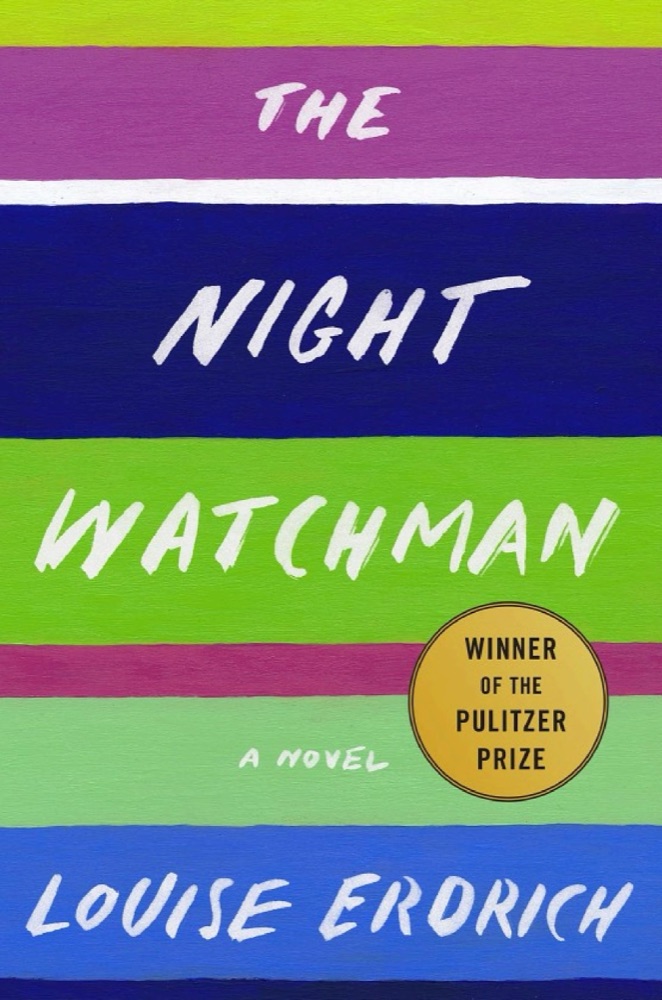
Based on the extraordinary life of National Book Award-winning author Louise Erdrich’s grandfather who worked as a night watchman and carried the fight against Native dispossession from rural North Dakota all the way to Washington, D.C., this powerful novel explores themes of love and death with lightness and gravity and unfolds with the elegant prose, sly humor, and depth of feeling of a master craftsman.
Thomas Wazhashk is the night watchman at the jewel bearing plant, the first factory located near the Turtle Mountain Reservation in rural North Dakota. He is also a Chippewa Council member who is trying to understand the consequences of a new “emancipation” bill on its way to the floor of the United States Congress. It is 1953 and he and the other council members know the bill isn’t about freedom; Congress is fed up with Indians. The bill is a “termination” that threatens the rights
Book details
- First published
- 2020
- Author
- Louise Erdrich
- Genre
- Fiction
- Goodreads rating
- 4.08 (98k ratings)
The buzz
- The New York TimesReview in The New York Timesprofessional review (via Book Marks)
- The Washington PostReview in The Washington Postprofessional review (via Book Marks)
- The Wall Street JournalReview in The Wall Street Journalprofessional review (via Book Marks)
- The Times Literary SupplementReview in The Times Literary Supplementprofessional review (via Book Marks)
- LA Review of BooksReview in LA Review of Booksprofessional review (via Book Marks)
- The Boston GlobeReview in The Boston Globeprofessional review (via Book Marks)
Keep reading
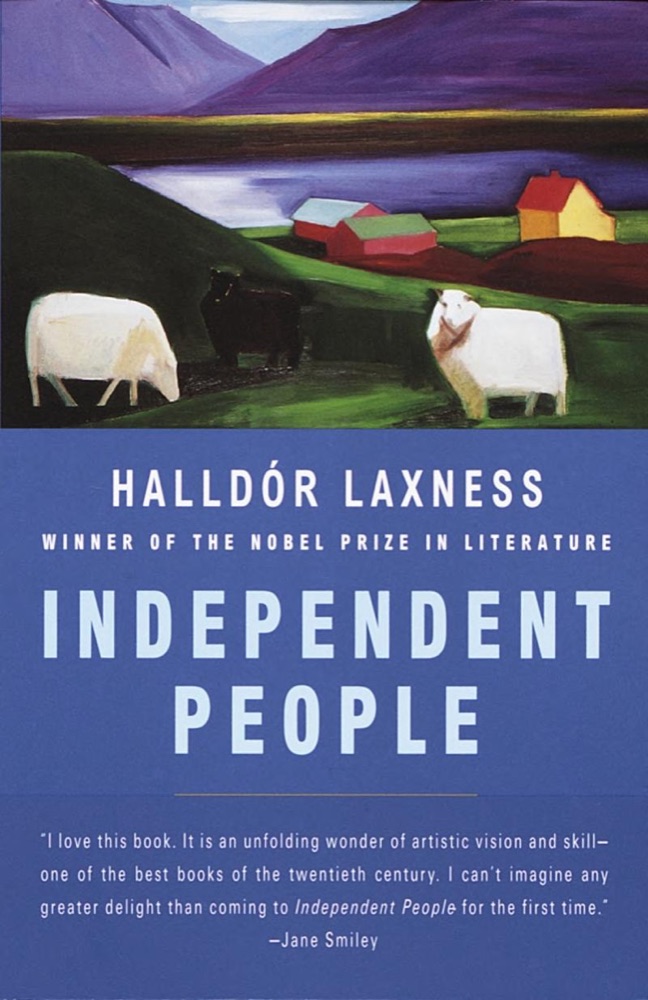 Independent People
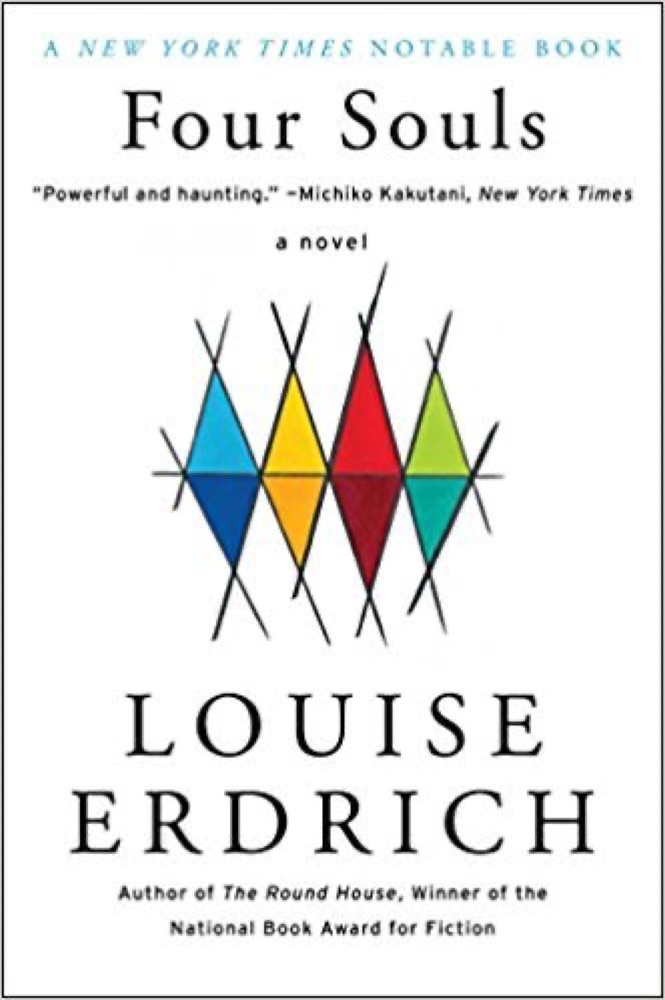 Four Souls
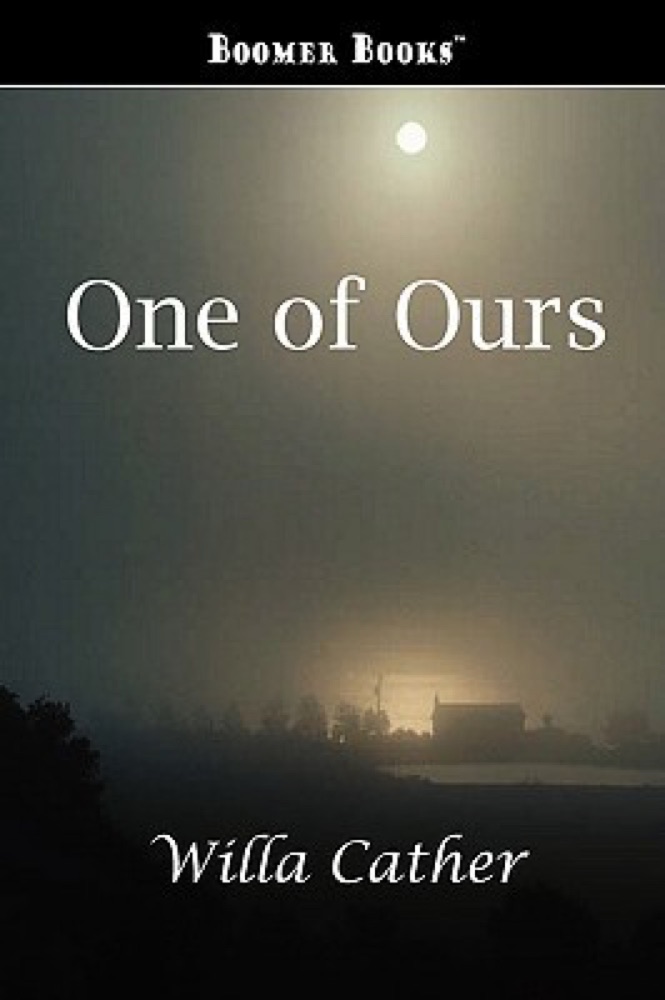 One of Ours
 A Thousand Moons
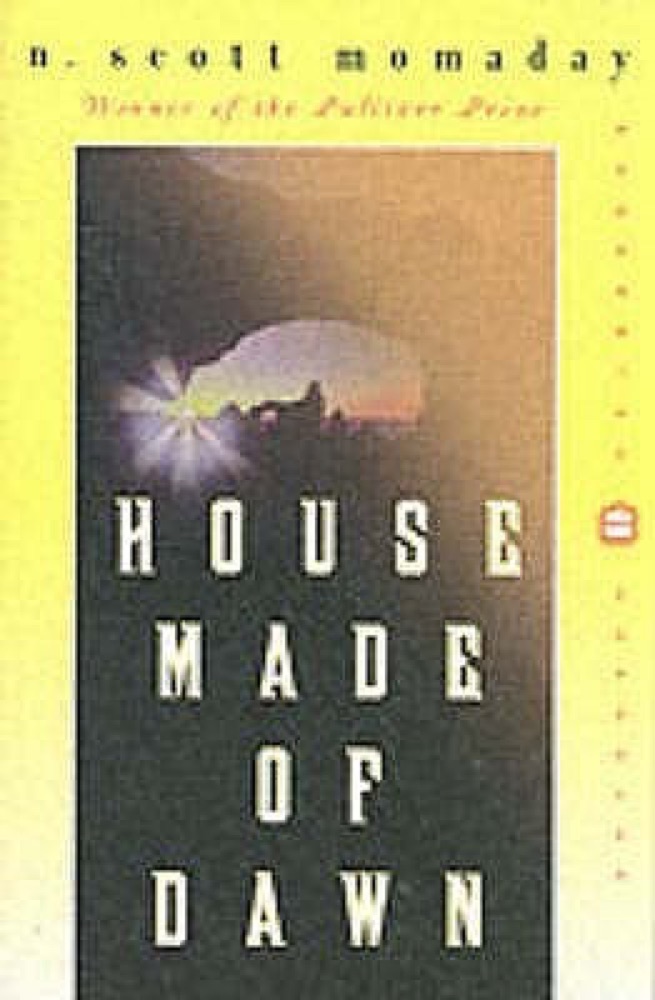 House Made of Dawn
 Green Dolphin Street
 The Clockmaker's Daughter
 The Ministry of Utmost Happiness
 State of Wonder
The Last Report on the Miracles at Little No Horse
State of Wonder
The Last Report on the Miracles at Little No Horse
 Always Coming Home
 The Book of Love
 All the King's Men
 Winter's Tale
 The Etched City
 Sometimes a Great Notion
 Wandering Stars
 The Quick and the Dead
 In Sunlight and in Shadow
 The Sea Keeper's Daughters
 Varina
 The Brutal Telling
 Bradbury Stories: 100 of His Most Celebrated Tales
 The Wolf Gift
 You Can't Go Home Again
 Death Watch
The Round House
Death Watch
The Round House
 Sky Full of Elephants
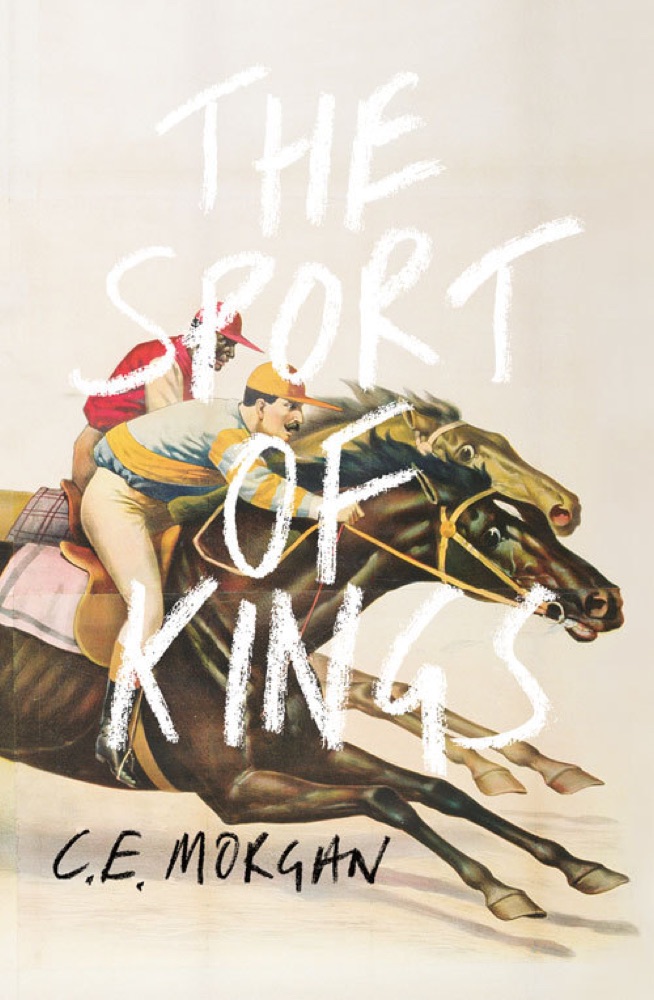 The Sport of Kings
 Now Is the Time to Open Your Heart
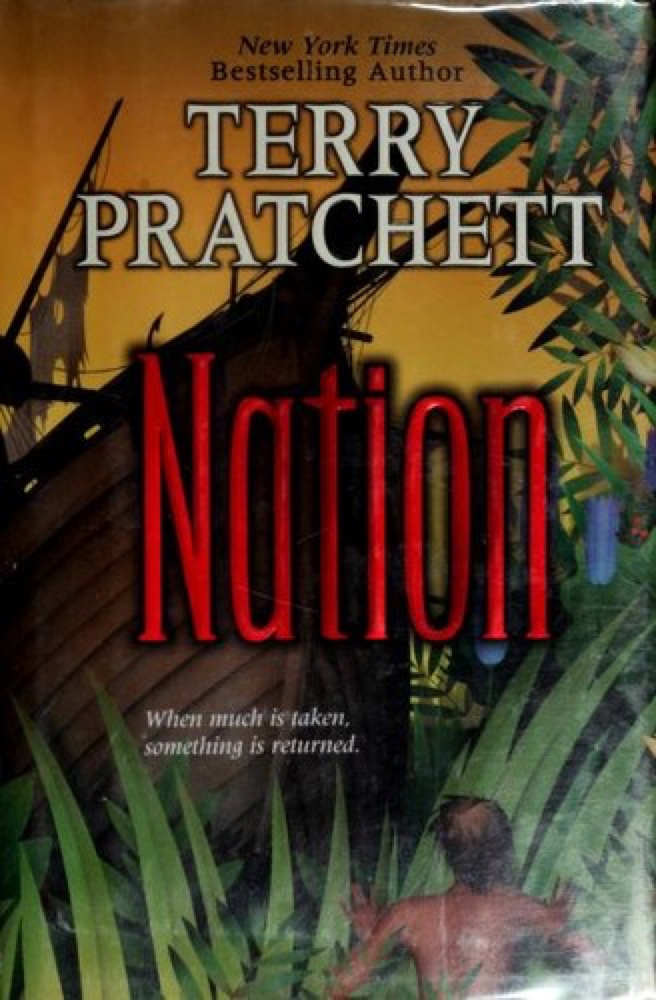 Nation
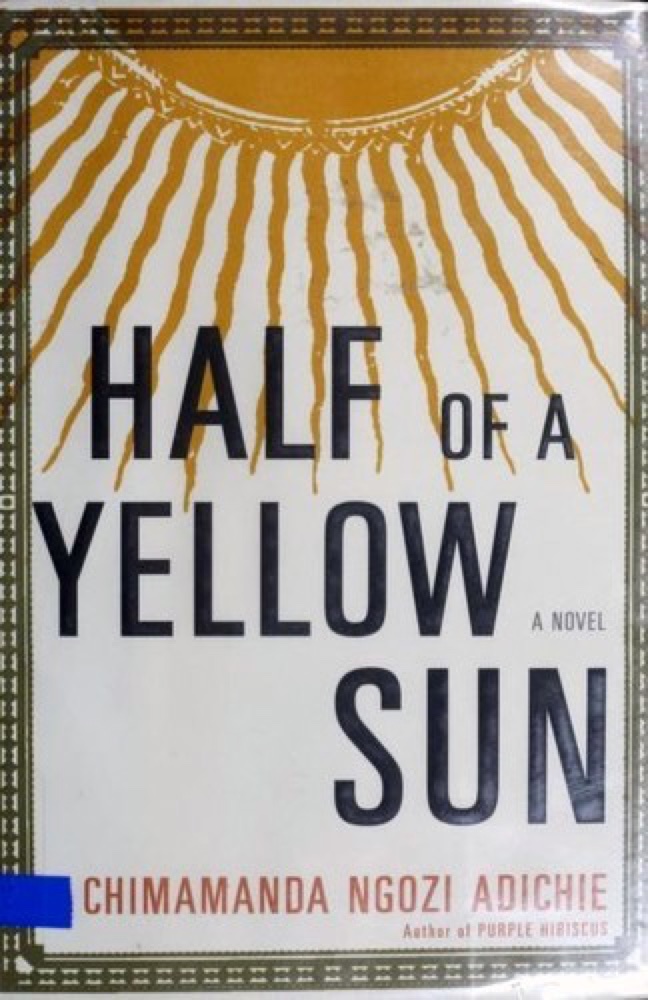 Half of a Yellow Sun
 A Song Flung Up to Heaven
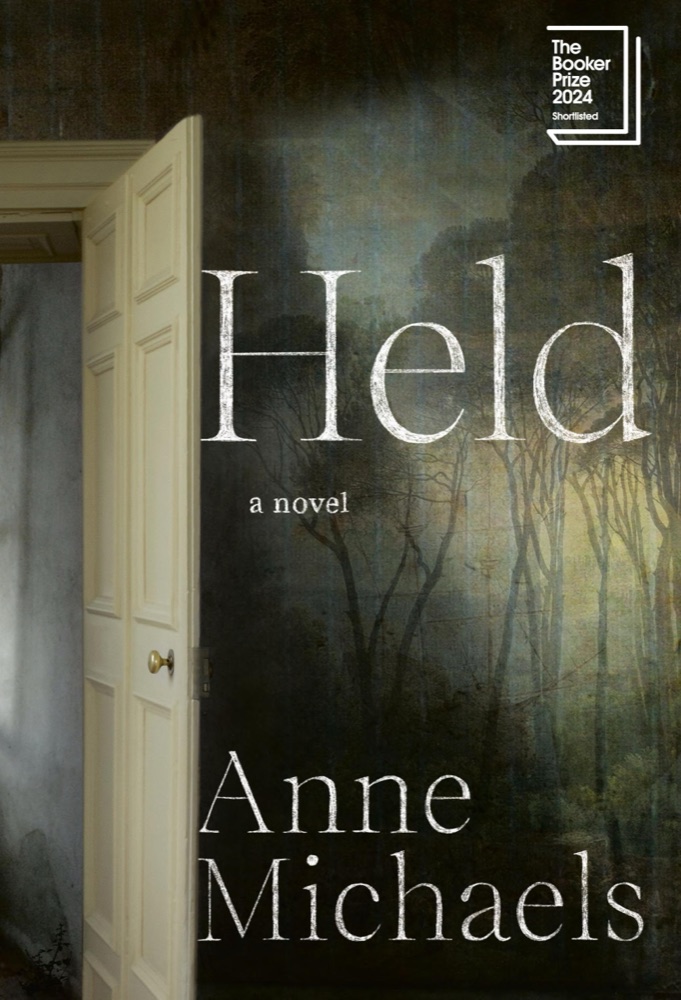 Held
Held
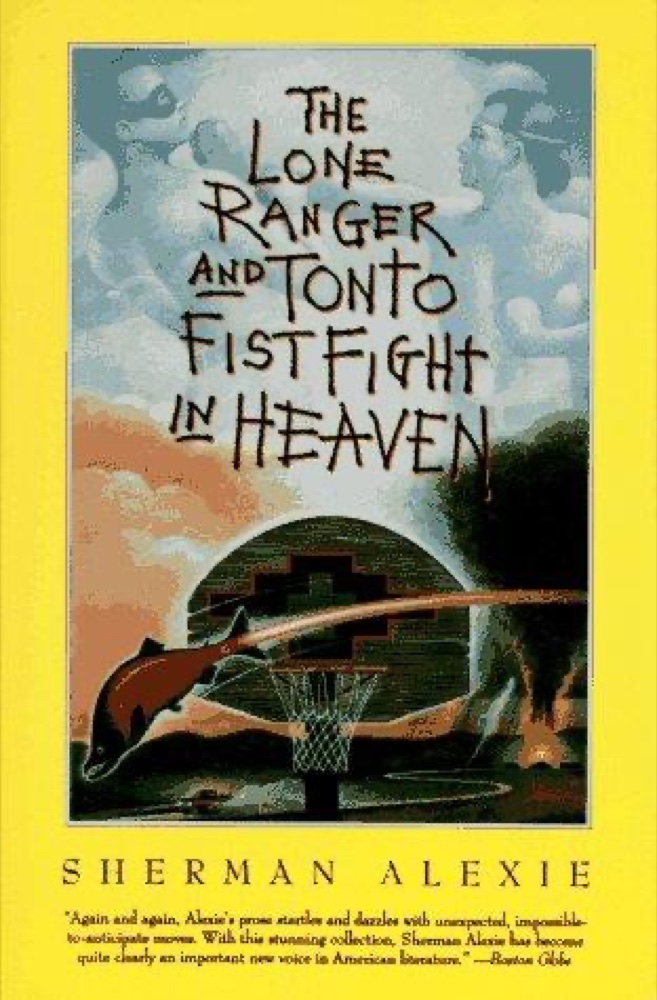 The Lone Ranger and Tonto Fistfight in Heaven
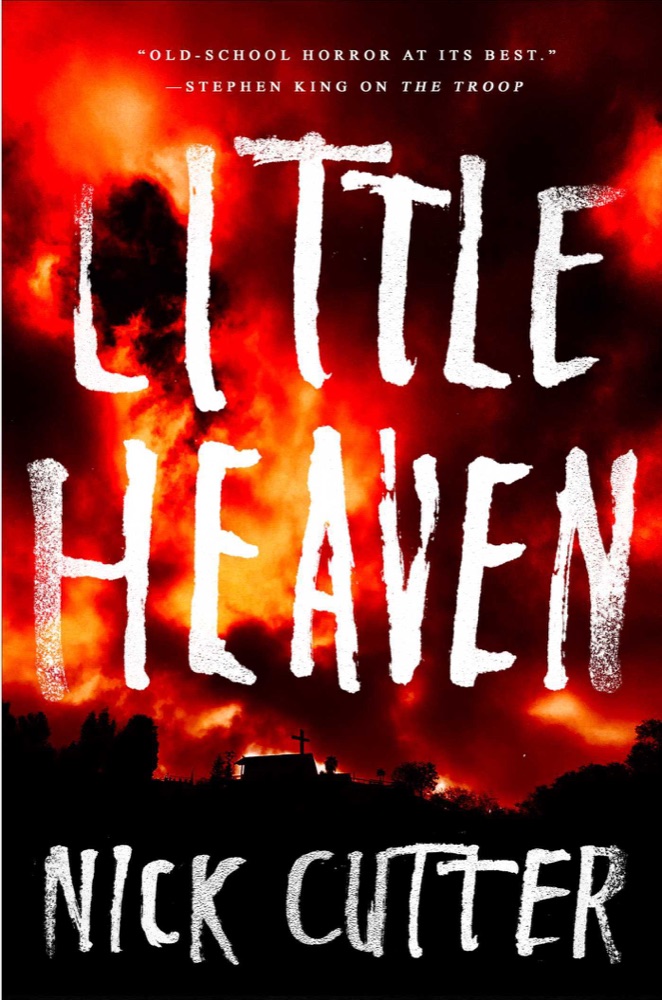 Little Heaven
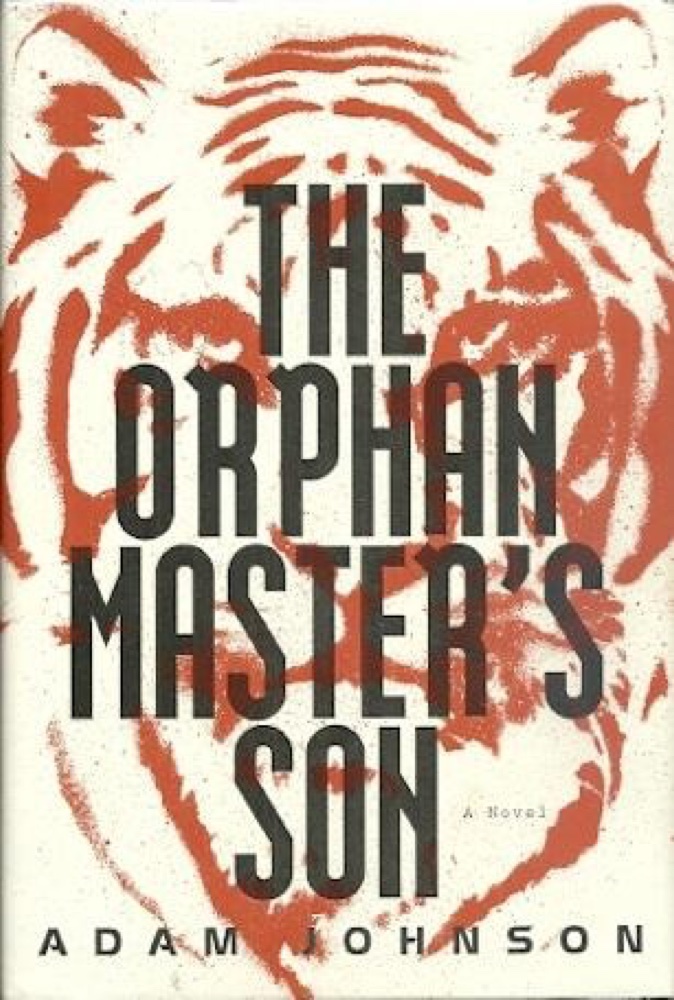 The Orphan Master's Son
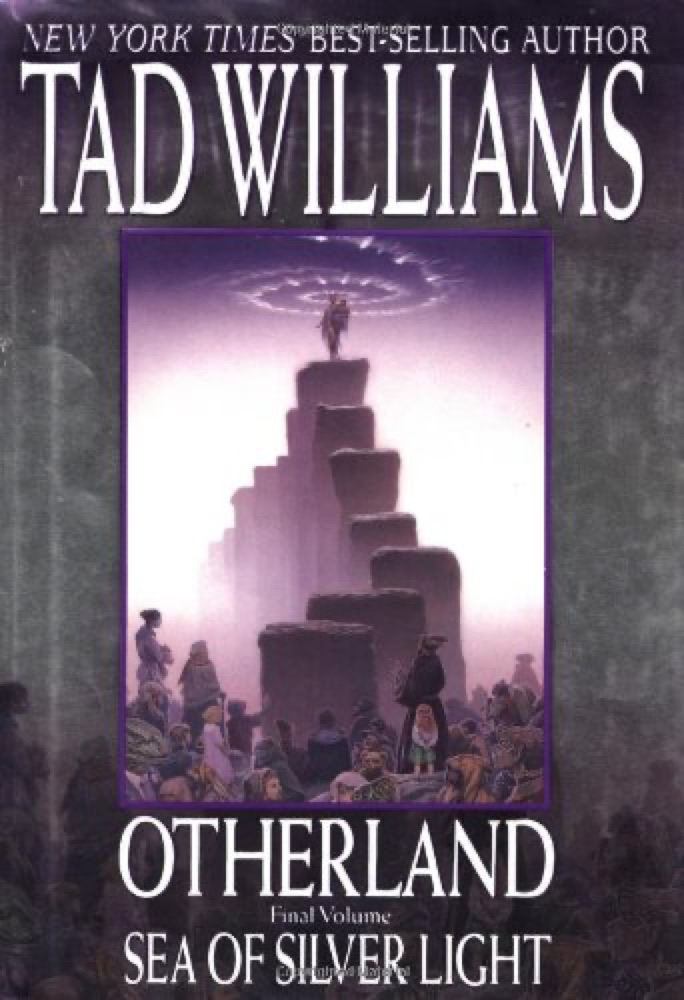 Sea of Silver Light
 The Wars
 The Blind Man's Garden
 The Illustrated Man
 The Enchanted
 Beasts of a Little Land
 The Known World
 Out of Oz
 West with the Night
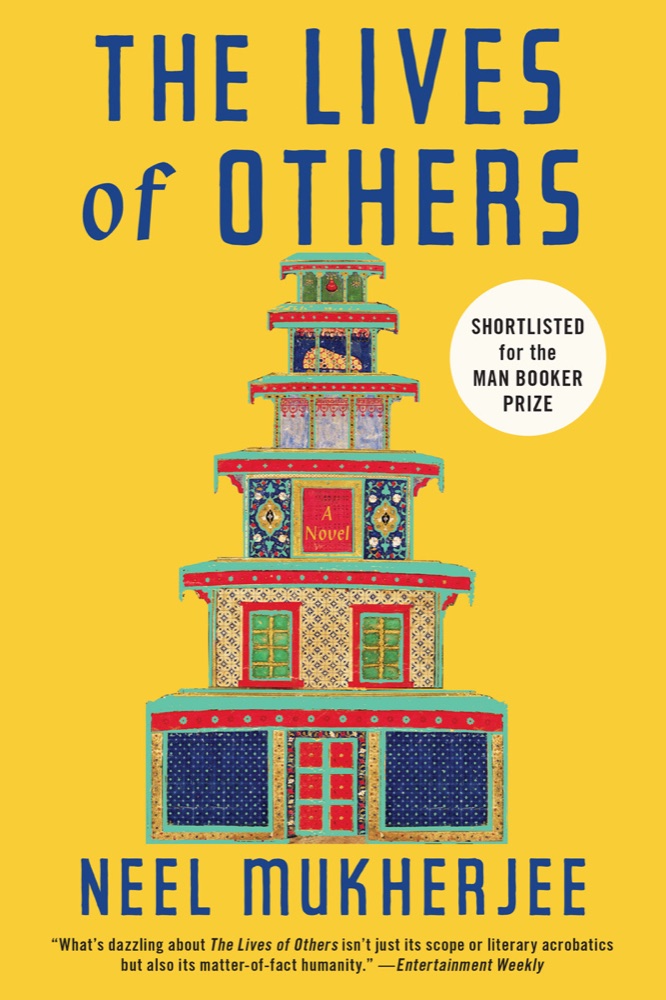 The Lives of Others
 The Dean's Watch
 Ohio
Ohio
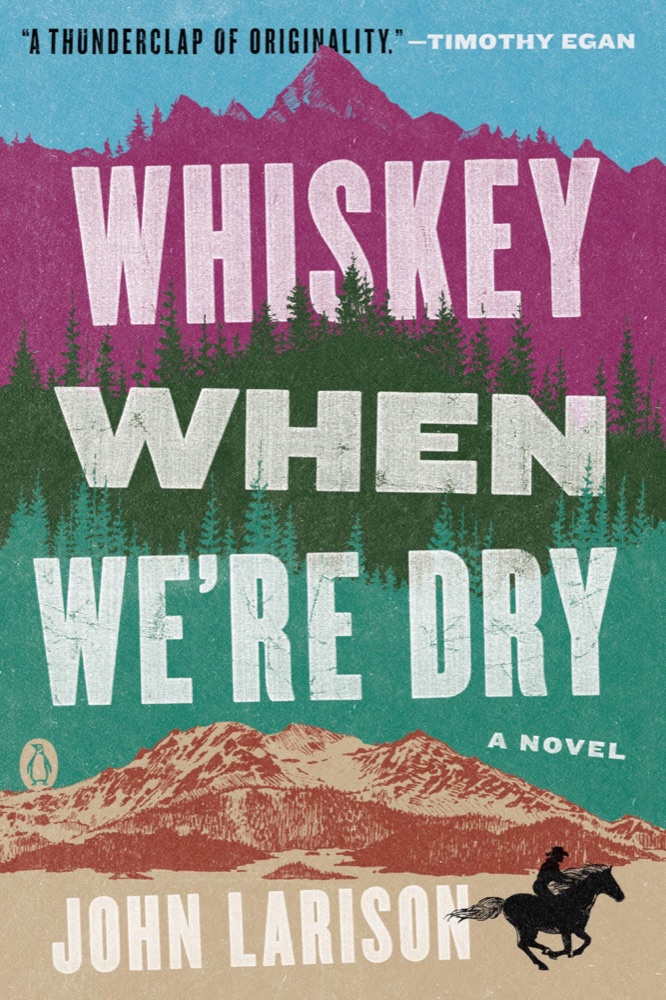 Whiskey When We're Dry
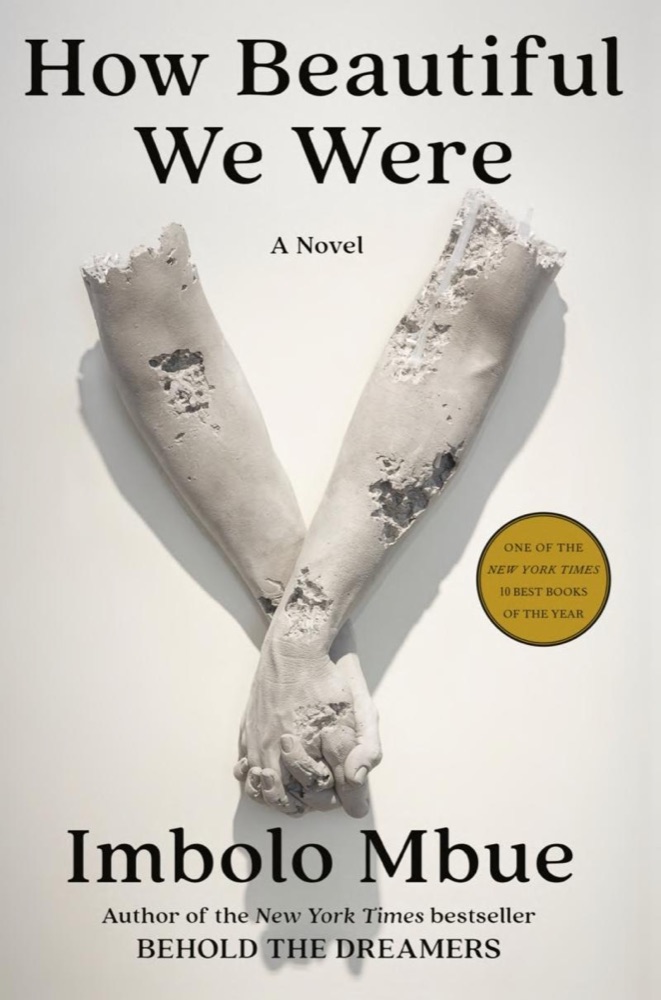 How Beautiful We Were
 The Love Songs of W.E.B. Du Bois
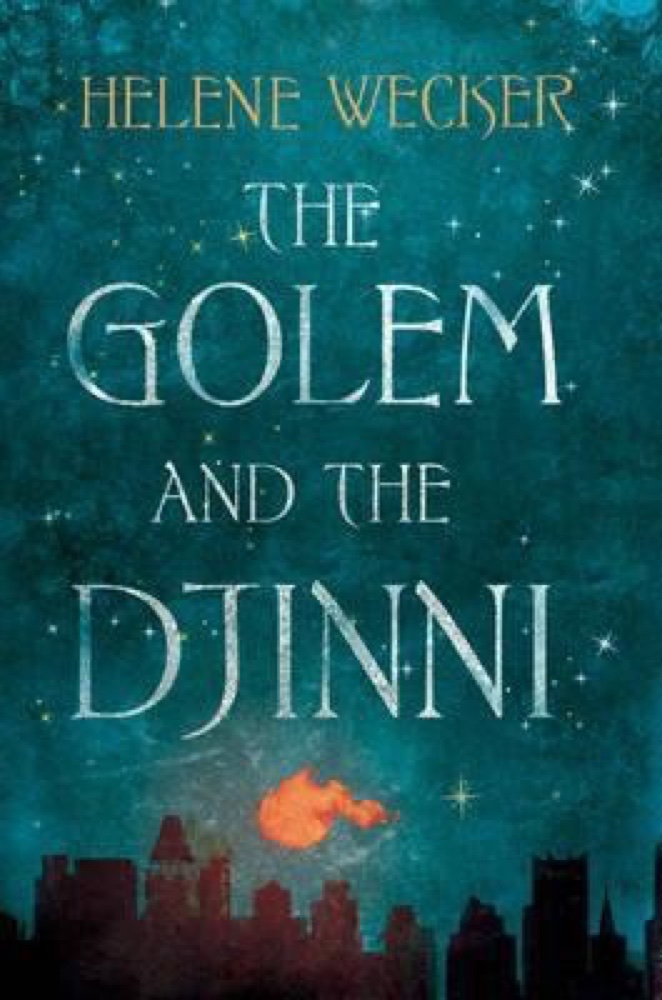 The Golem and the Jinni
 10 Minutes 38 Seconds in This Strange World
 The Emperor of Gladness
 Snow Falling on Cedars
 The Stone Gods
 Another Country
 Boy's Life
 A Rule Against Murder