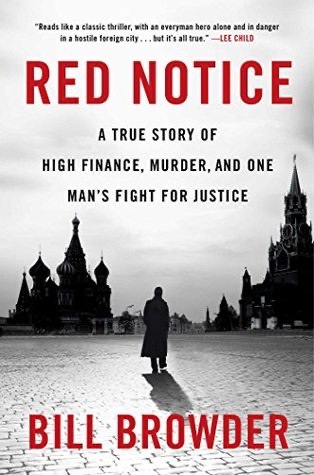
 Red Notice: A True Story of High Finance, Murder, and One Man's Fight for Justice
Quotes from the Book
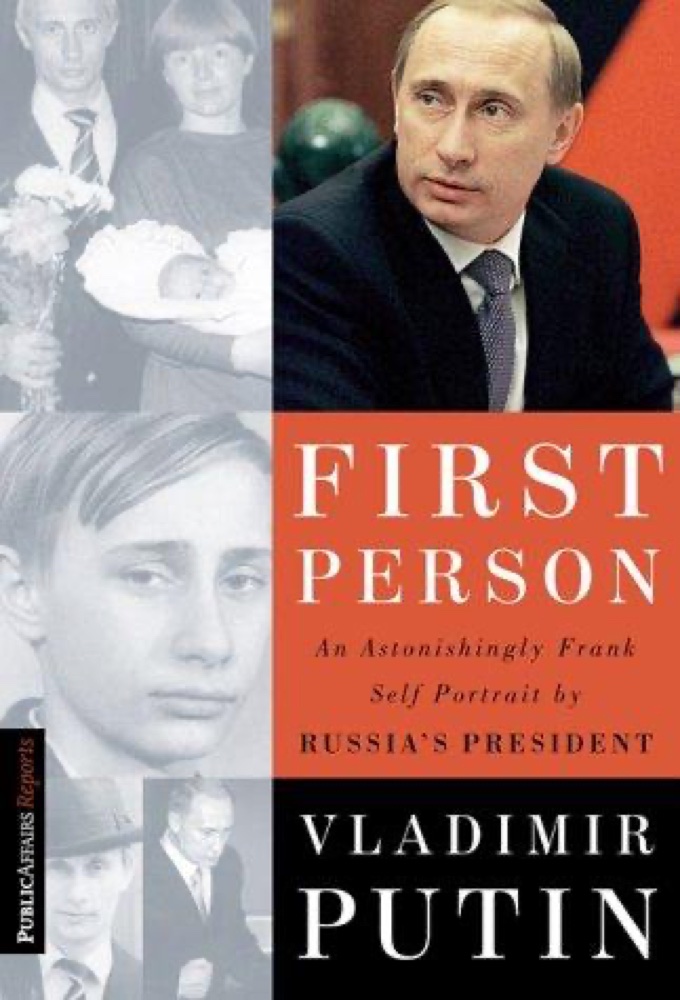
I have some rules of my own. One of them is never to regret anything. Over time, I came to the conclusion that this was the right thing to do. As soon as you start regretting and looking back, you start to sour. You always have to think about the future. You always have to look ahead. Of course you have to analyze your past mistakes, but only so that you can learn and correct the course of your life.
called the commander, “You know, Anatoly Aleksandrovich is unable to come. He is sick.” “Really? Alright, well, thanks for telling me.” Two weeks later, I met the commander, and he said to me, insulted, “So he was sick, huh?” It turned out he had seen Sobchak meeting Pugacheva at the airport on television and that he had gone to her concert. And then he made an unkind remark about Lyudmila Borisovna, although she had nothing to do with it. “So he has time to meet with those . . . even when he’s sick. And he has no time to be involved with government business?” When Sobchak flew off to Paris, where were
But do the governors themselves need that? Are they ready to line up under the vertikal? They are. After all, the governors are part of the country, and they also suffer from management weaknesses. Not everyone is going to like everything. You can’t please everybody, but you can find some common approaches. I was also interested in learning more about the country. I had only ever worked in St. Petersburg, apart from the time I spent abroad. . . . Of course, my seven years of experience in Peter was good experience, both administrative and managerial. But Peter isn’t the whole country. I wanted to travel and see things. So, why did you drop that interesting job and go to work as director of the FSB? Do you have some affinity for the agencies? No. I wasn’t asked whether or not I wanted to go, and they had given me no inkling that I was even being considered for such an appointment. The president simply signed a decree. . . .
Did you suffer? Terribly. In fact, it tore my life apart. Up until that time I didn’t really understand the transformation that was going on in Russia. When I had come home from the GDR, it was clear to me that something was happening. But during the days of the coup, all the ideals, all the goals that I had had when I went to work for the
KGB, collapsed. Of course it was incredibly difficult to go through this. After all, most of my life had been devoted to work in the agencies. But I had made my choice.
Have you read the things that were published in Moskovskiye Novosti and Ogonyok in those days? For instance, General Kalugin’s exposures?10 Kalugin is a traitor. I saw Kalugin during my time in Leningrad when he was deputy head of the Directorate. He was an absolute loafer. A loafer, perhaps, but he remembers you. He doesn’t remember anything. He does remember, and he says that from the point of view of the intelligence service, you worked in a province and had nothing to show for your performance. Oh, he doesn’t remember a thing. He couldn’t remember me. I had no contact with him, nor did I meet him. It is I who remembers him, because he was a big boss and everybody knew him. As to whether he knew me, there were hundreds of us.
So there was basically the same kind of conflict in Peter as Yeltsin had with the Supreme Soviet [parliament]? Yes. But it is important to note that there wasn’t the same division between the law-enforcement agencies that there had been in 1991. The FSB11 leadership—Viktor Cherkesov was the head—announced their support for the mayor from the start. The FSB introduced a number of measures advocating the arrest of extremists who were plotting provocations, planning to blow things up, or trying to destabilize the situation. And that was the end of it.
If he gave an assignment, he didn’t really care how it was done or who did it or what problems they had. It just had to get done, and that was that.
They invited a large investor, Coca-Cola, to take over a plot of land in Pulkovo Heights and install high-capacity power and communications cables, hoping that other companies would follow suit. It worked. After Coca-Cola developed their piece of land, Gillette came, then Wrigley, and then some pharmaceutical companies. An economic zone thus took shape within the city, where total investment now exceeds half a billion dollars. Furthermore, with the Committee’s encouragement, the city’s infrastructure began to be modernized to create the conditions necessary for successful business. The first major deal that Putin supported was the completion of a fiber-optic cable to Copenhagen. This project had been initiated back in the Soviet era but never completed. Now the efforts were successful, providing St. Petersburg with world-class international telephone connections.
Or stay in Chechnya and wait to be attacked? What should we do? I have said what we must do. We must go through the mountain caves and scatter and destroy all those who are armed. Perhaps after the presidential elections, we should introduce direct presidential rule there for a couple of years. We must rebuild the economy and the social services, show the people that normal life is possible. We must pull the young generation out of the environment of violence in which it is living. We must put a program of education in place . . . We must work. We must not abandon Chechnya as we did before. In fact, we did a criminal thing back then, when we abandoned the Chechen people and undermined Russia. Now we must work hard, and then transfer to full fledged political procedures, allowing them and us to decide how we can coexist. It is unavoidable fact: We must live together. We have no plans to deport Chechens, as Stalin once solved the problem. And Russia has no other choice. Nobody can impose a solution on us by force but we are prepared to take maximum consideration of Chechen
Watch on YouTube
About Vladimir Putin
We have collected 10 quotes from 1 book by Vladimir Putin on BookQuoters.
More about the author →Book details
- Author
- Vladimir Putin
- Genre
- History
- Goodreads rating
- 3.65 (737 ratings) →
The buzz
- The New York TimesReview in The New York Timesprofessional review (via Book Marks)
- The Washington PostReview in The Washington Postprofessional review (via Book Marks)
- The GuardianReview in The Guardianprofessional review (via Book Marks)
- Kirkus ReviewsReview in Kirkus Reviewsprofessional review (via Book Marks)
- Publishers WeeklyReview in Publishers Weeklyprofessional review (via Book Marks)
- BooklistReview in Booklistprofessional review (via Book Marks)
Keep reading
Red Notice: A True Story of High Finance, Murder, and One Man's Fight for Justice
 A Russian Journal
 Patriot: A Memoir
 The Man Without a Face: The Unlikely Rise of Vladimir Putin
 The Gulag Archipelago 1918-1956
 Moscow Rules
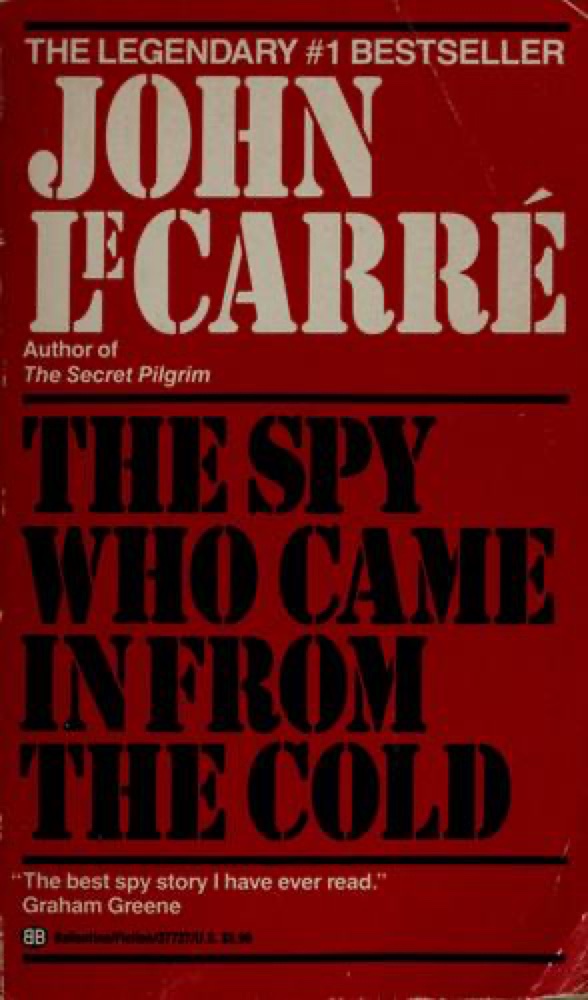 The Spy Who Came In from the Cold
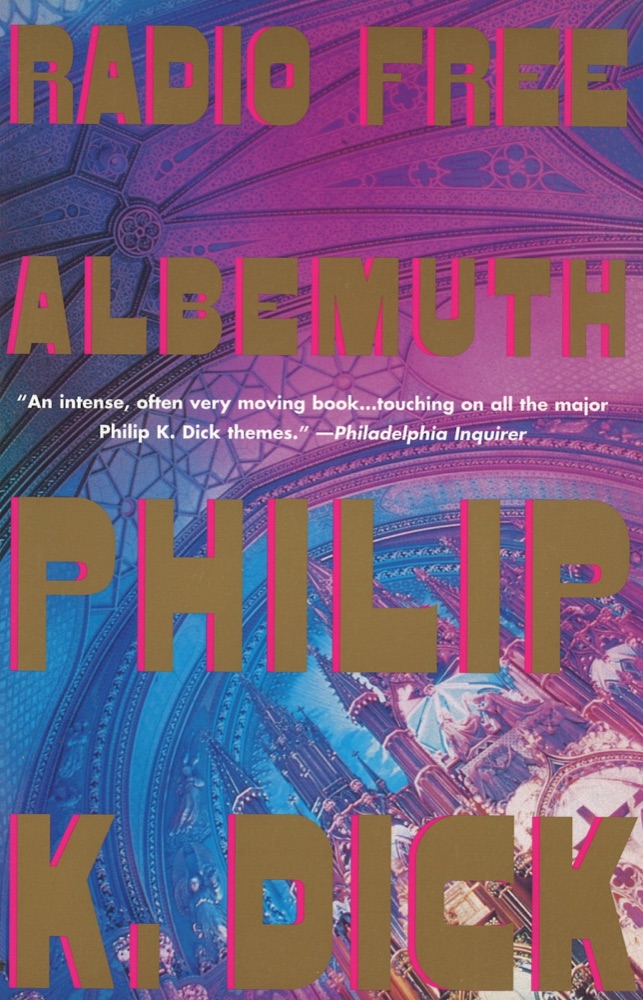 Radio Free Albemuth
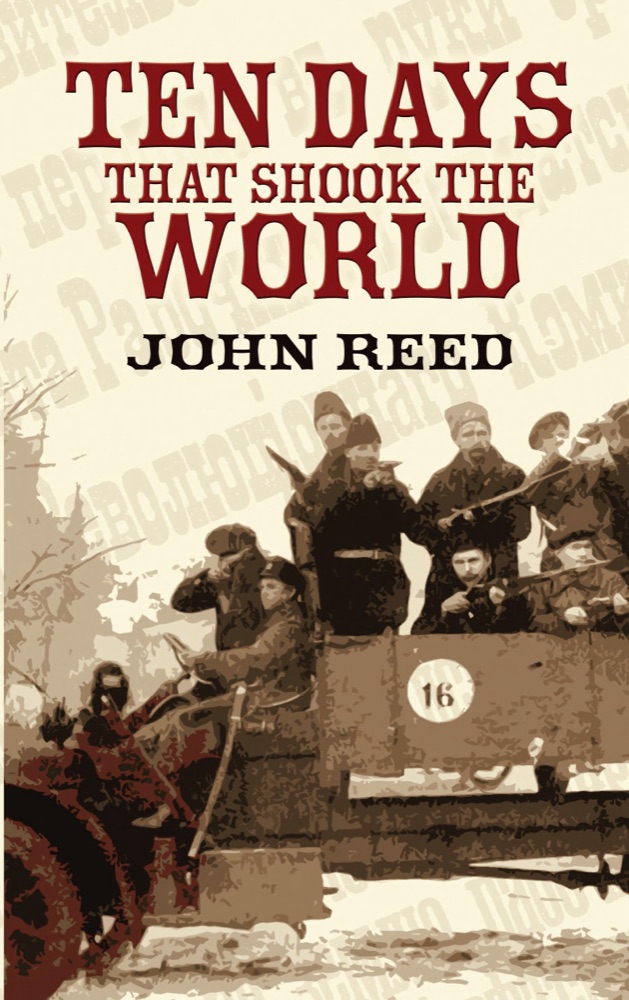 Ten Days that Shook the World
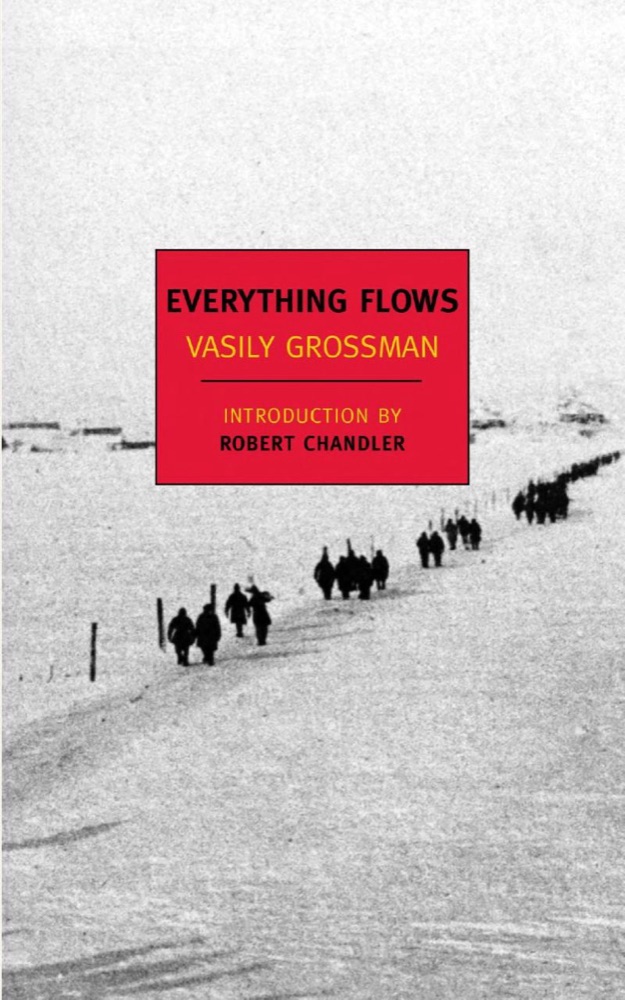 Everything Flows
 Imperium
 The Twelve Chairs
 Night Soldiers
 Dancing in the Light
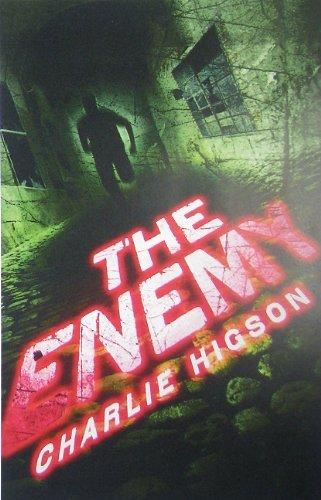 The Enemy
 Our Country Friends
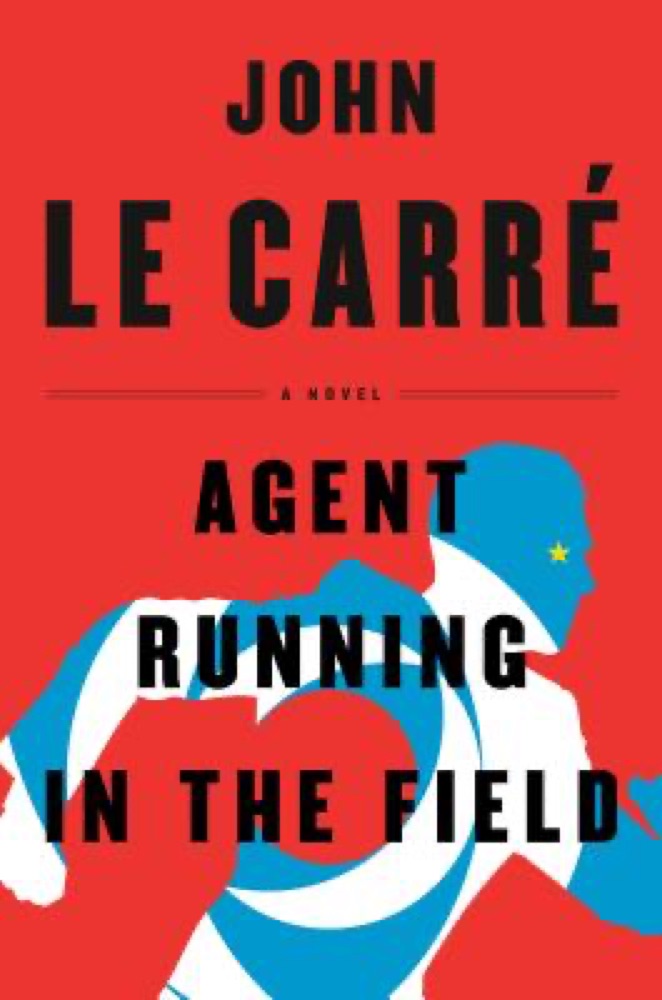 Agent Running in the Field
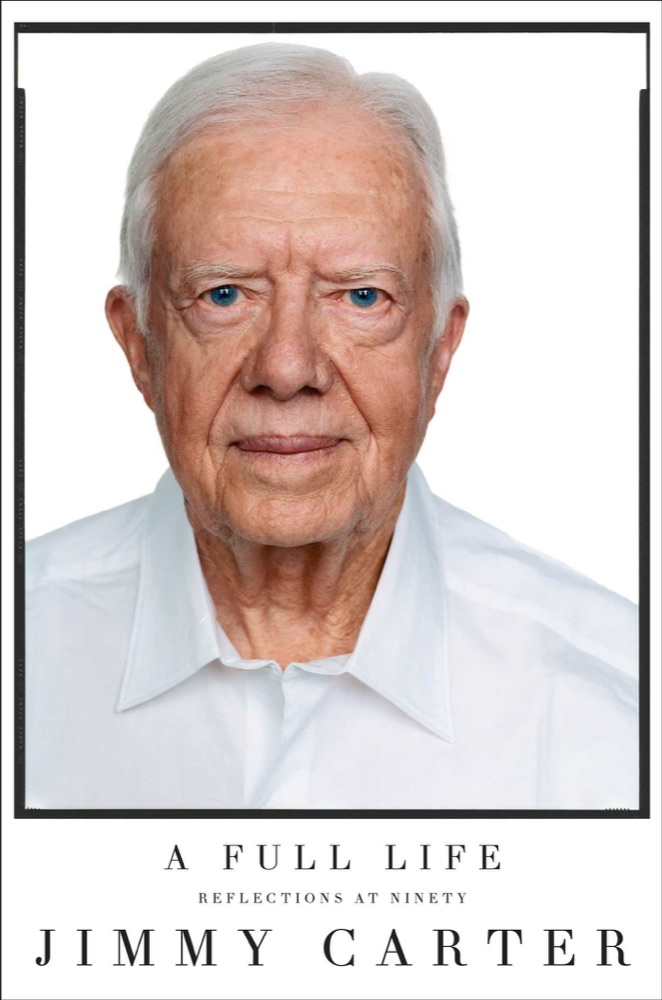 A Full Life: Reflections at Ninety
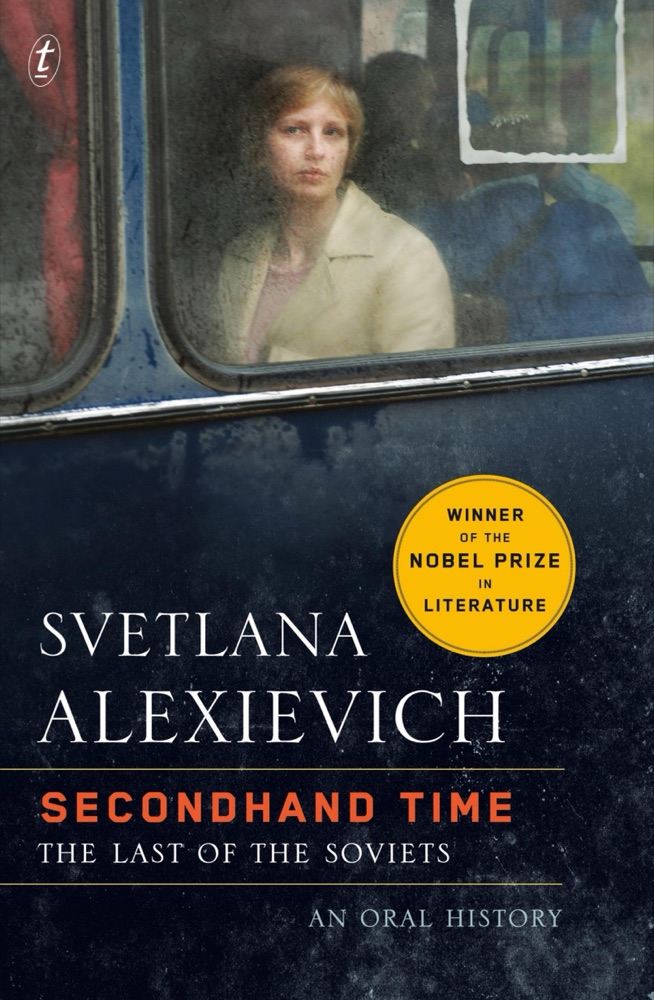 Secondhand Time: The Last of the Soviets
 Reamde
 Epitaph for a Spy
 The Russia House
 Free: A Child and a Country at the End of History
 Homeland
 Border: A Journey to the Edge of Europe
 Executive Orders
 New Watch
 Winter of the World
 East of the West: A Country in Stories
 Ivanov
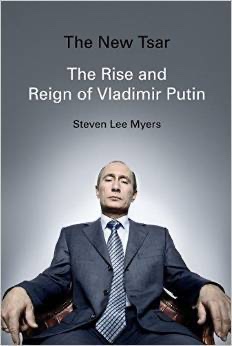 The New Tsar: The Rise and Reign of Vladimir Putin
 The Hundred-Year-Old Man Who Climbed Out of the Window and Disappeared
 The Final Days
 The Idiot
 Darkness at Noon
 Transition
 The Aquariums of Pyongyang: Ten Years in the North Korean Gulag
 Red Russia
 The Defector
 The Road Back
 The Winds of War
 Act of Treason
 The Girl with Seven Names: A North Korean Defector’s Story
 Destination Unknown
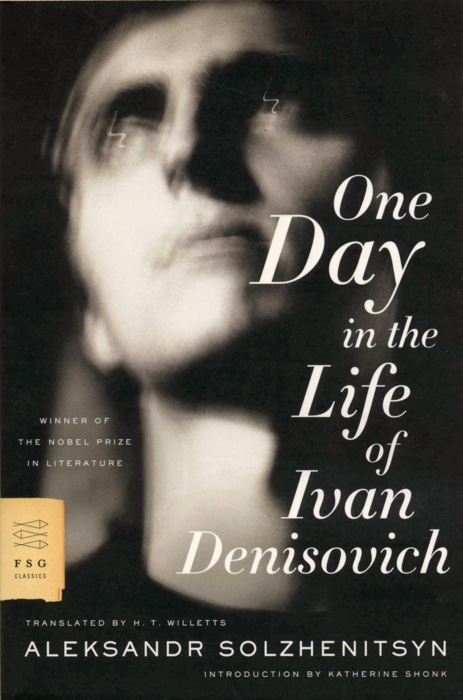 One Day in the Life of Ivan Denisovich
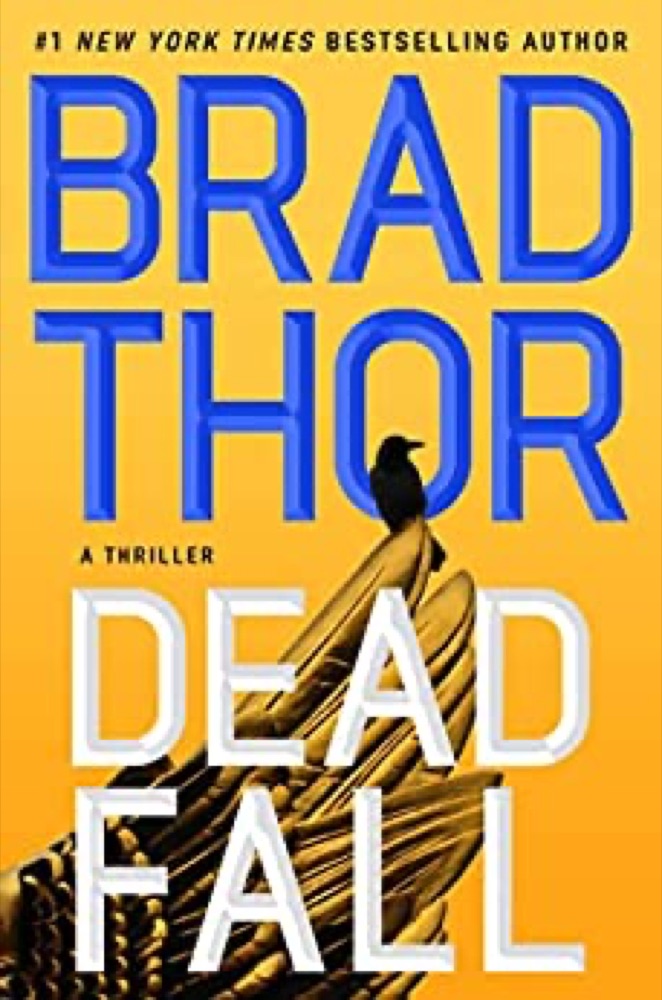 Dead Fall
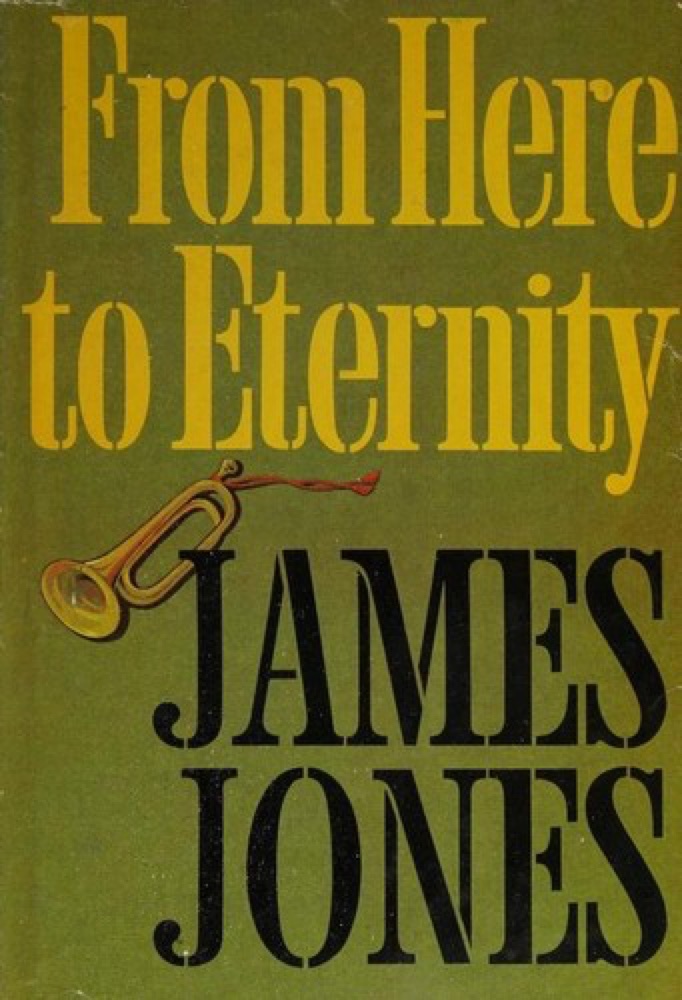 From Here to Eternity
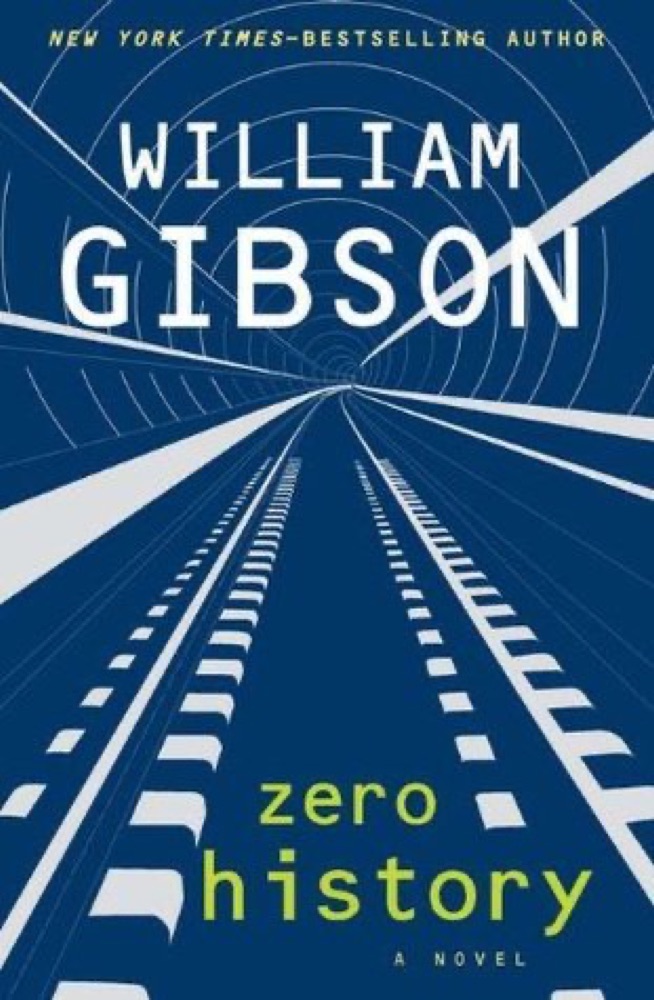 Zero History
 Witness
 The Redbreast
 The Mark of the Assassin
 Koba the Dread: Laughter and the Twenty Million
 Decision Points
 Raven Stratagem
 If Not Now, When?
 Cancer Ward
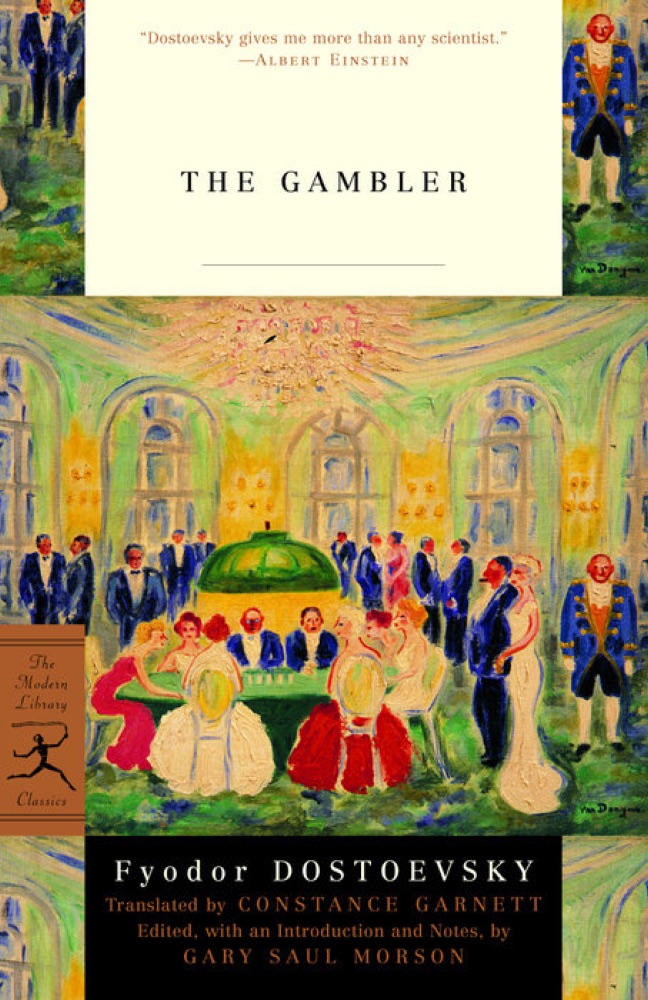 The Gambler
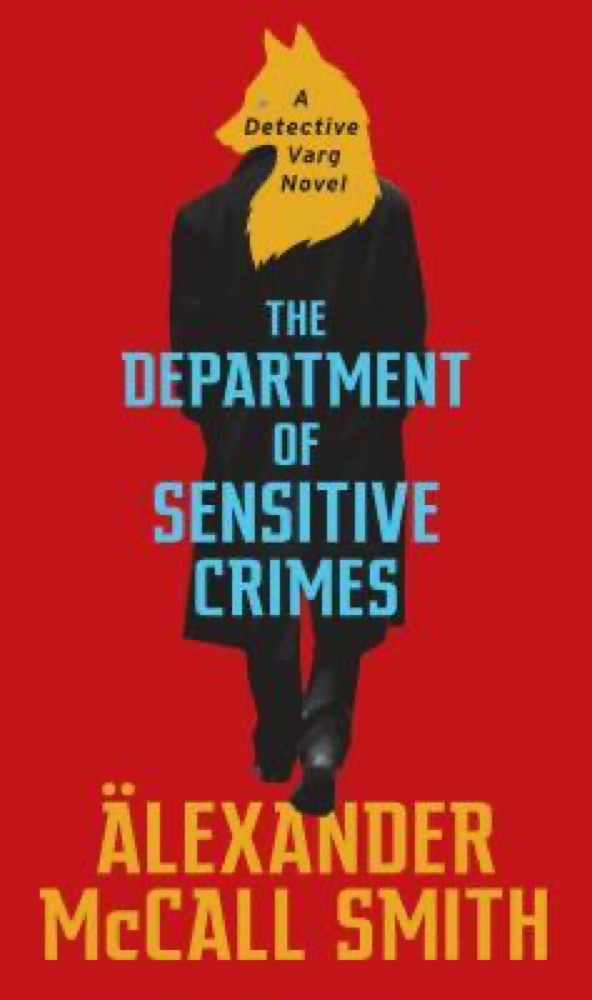 The Department of Sensitive Crimes
 Closing the Ring
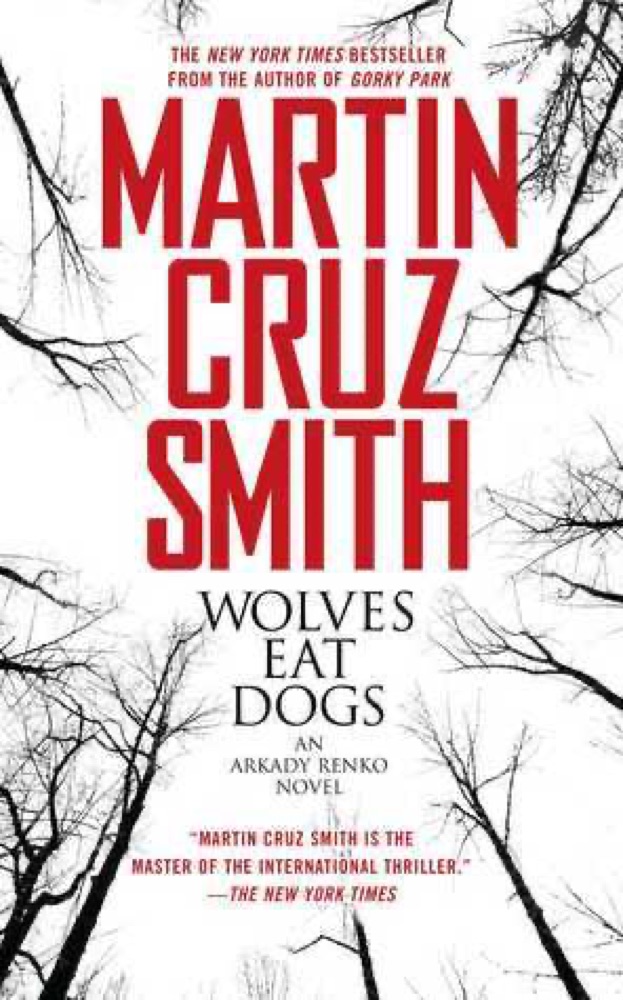 Wolves Eat Dogs