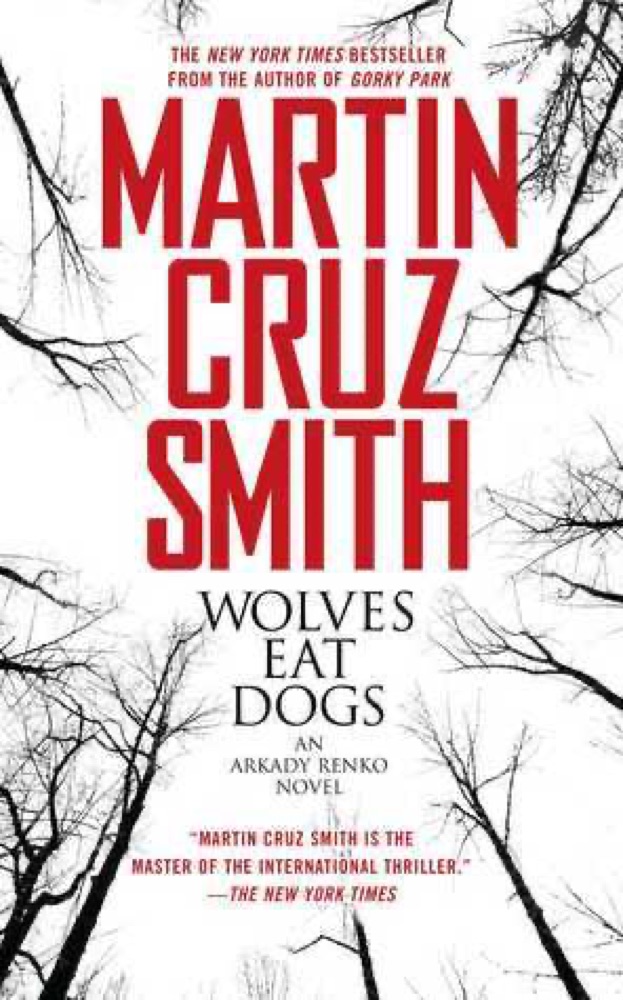
 Wolves Eat Dogs
Quotes from the Book
Stalin gothic was not so much an architectural style as a form of worship. Elements of Greek, French, Chinese and Italian masterpieces had been thrown into the barbarian wagon and carted to Moscow and the Master Builder Himself, who had piled them one on the other into the cement towers and blazing torches of His rule, monstrous skyscrapers of ominous windows, mysterious crenellations and dizzying towers that led to the clouds, and yet still more rising spires surmounted by ruby stars that at night glowed like His eyes. After His death, His creations were more embarrassment than menace, too big for burial with Him, so they stood, one to each part of town, great brooding, semi-Oriental temples, not exorcised but used.
Proust said that you could seduce any woman if you were willing to sit and listen to her complain until four in the morning.
Well, love was no fading violet; love was a weed that flourished in the dark. Has anyone ever explained it?
There are not many road signs in Russia, you know. He laughed. If you don't know where the road goes, you shouldn't be on it.
There are two kinds of vodka, good and very good.’ Who
These enemies of society are to be driven out of New York regardless of their constitutional rights.’ The
In an unjust society a man may violate laws for valid social or economic reasons. In a just society there are no valid reasons except mental illness.
All nights should be so dark, all winters so warm, all headlights so dazzling. The
That’s why I tell the children not to chew gum. First it’s gum, then rock music, then marijuana and . . .
he never knows what he’s saying. He says everything, so he has to be right some of the time.
By definition prostitutes did not exist, because prostitution has been eliminated by the Revolution. Charges could be brought against them for spreading venereal disease, performing depraved acts or leading a nonproductive life, but by law there were no whores.
The decree against parasitism was originally formulated for Gypsies, then broad-mindedly expanded to include dissidents and all sorts of profiteers,
The chief investigator for Special Cases was a composite of the most ordinary features, a stencil of a man.
Two days ago, I was lunching at the Writers Union with the eminent historian Tomashevski. That's the sort of man you should know. Respected, charming, hasn't produced a piece of work in ten years. He has a system, which he explained to me. First, he submits an outline for a biography to the Academy to be absolutely sure his approach is consistent with Party policy. A crucial first step, as you'll see later. Now, the person he studies is always an important figure - that is, someone from Moscow - hence Tomashevski must do his Russian research close to home for two years. But this historical character also traveled, yes, lived for some years in Paris or London; hence Tomashevski must do the same, apply for and receive permission for foreign residence. Four years have passed. The Academy and the Party are rubbing their hands in anticipation of this seminal study of the important figure by the eminent Tomashevski. And now Tomashevski must retire to the solitude of a dacha outside Moscow to tend his garden and creatively brood over his cartons of research. Two more years pass in seminal thought. And just as Tomashevski is about to commit himself to paper, he checks with the Academy again only to learn that Party policy has totally about-faced; his hero is a traitor, and with regrets all around, Tomashevski must sacrifice his years of labor for the greater good. Naturally, they are only too happy to urge Tomashevski to start a new project, to plow under his grief with fresh labor. Tomashevski is now studying a very important historical figure who lived for some time in the South of France. He says there is always a bright future for Soviet historians, and I believe him.
Interrogation is largely a process of rebirth done in the clumsiest fashion possible, a system in which the midwife attempts to deliver the same baby a dozen times in a dozen different ways.
Watch on YouTube
About Martin Cruz Smith
We have collected 24 quotes from 2 books by Martin Cruz Smith on BookQuoters.
More about the author →More by Martin Cruz Smith
Wolves Eat Dogs
Book details
- Author
- Martin Cruz Smith
- Genre
- Fiction
- Goodreads rating
- 4.04 (71k ratings) →
Keep reading
 The Secret Agent
 Dead Souls
 Enchantment
 The Twelve Chairs
 Europe Central
 City of Dark Magic
 Cocaine
 Under Western Eyes
 Skinny Legs and All
 Ragtime
 Another Roadside Attraction
 New Watch
 Gaudy Night
 Selected Stories
 Cannery Row
 Red Russia
 Selected Stories of Anton Chekhov
 City of Thieves
 Sixty Stories
 Quicksilver
 Our Country Friends
 Fall of Giants
 The Enchantress of Florence
 The Gone-Away World
 One Day in the Life of Ivan Denisovich
 Antic Hay
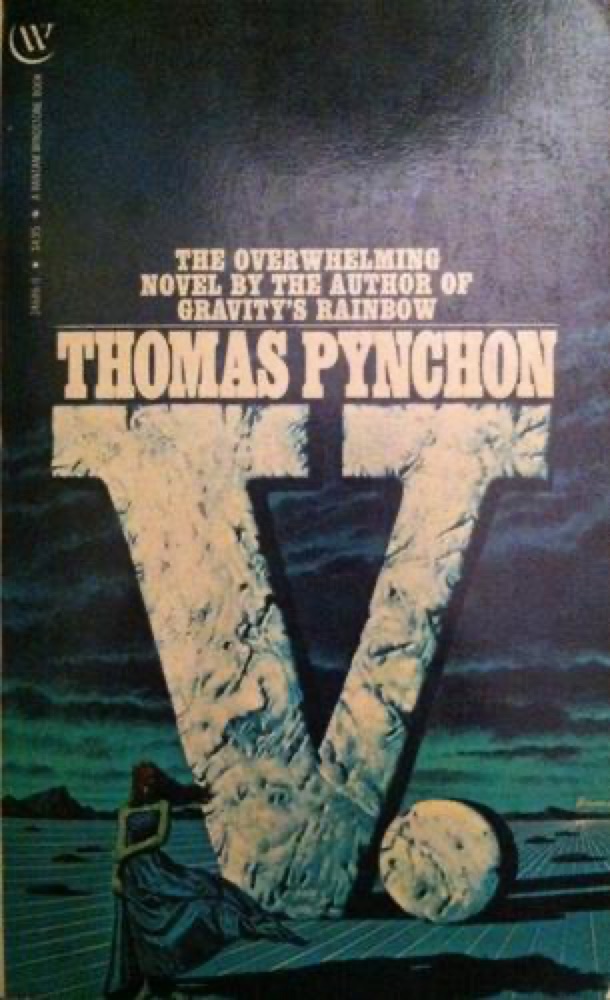 V.
V.
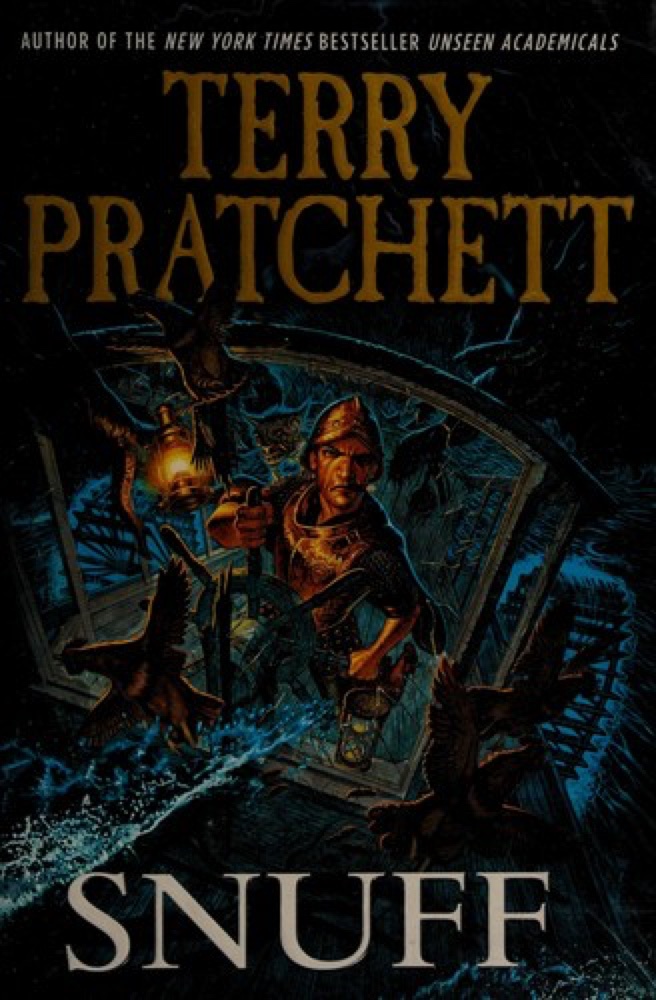 Snuff
Snuff
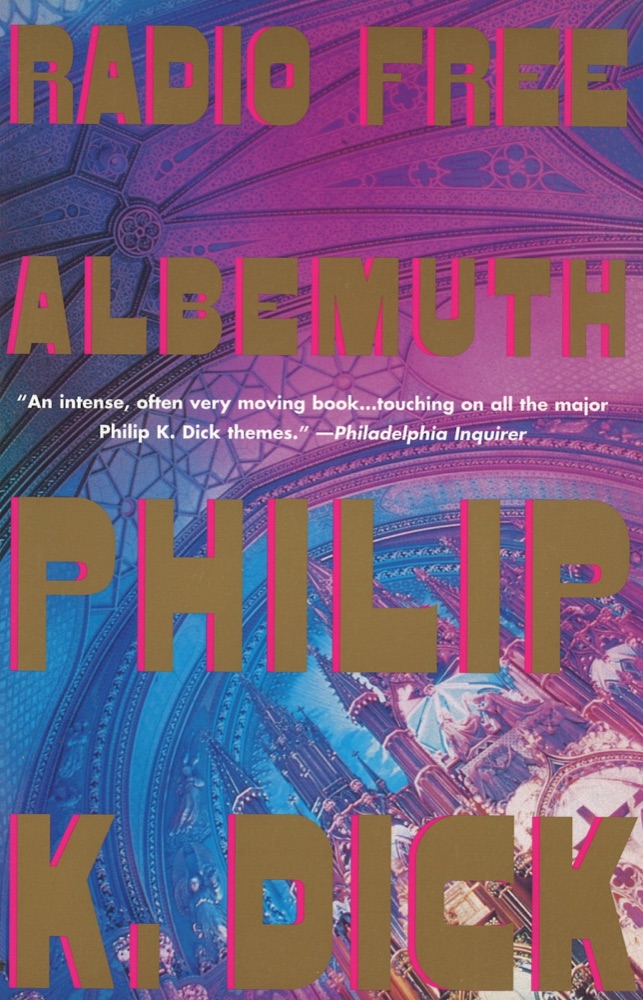 Radio Free Albemuth
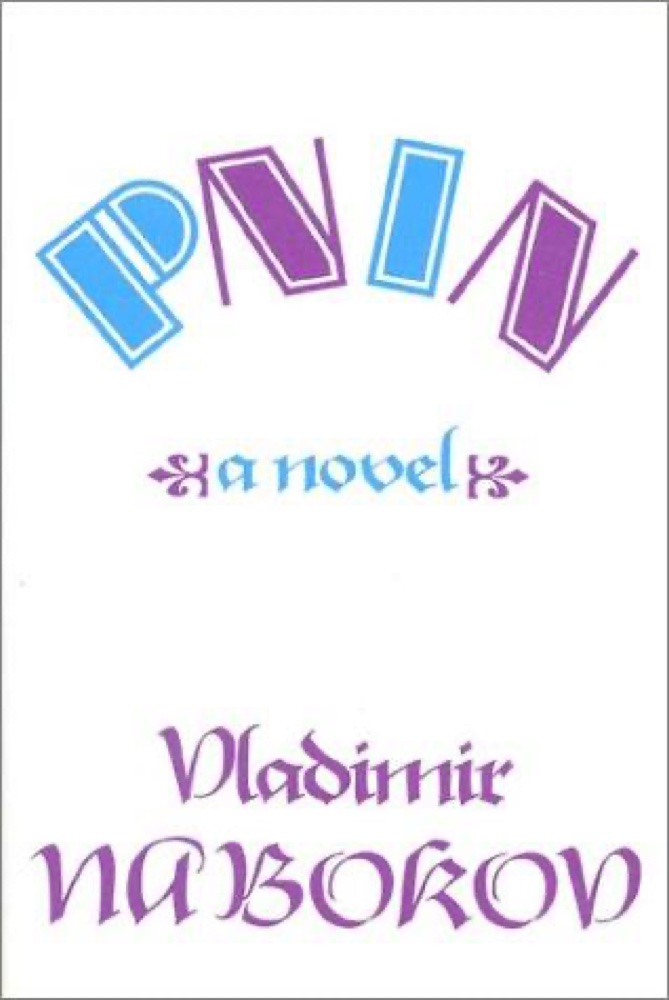 Pnin
Pnin
 The Complete Saki
 Tortilla Flat
 Black Lamb and Grey Falcon
 Gravity's Rainbow
 The House of the Dead
 The Naked and the Dead
 Hercule Poirot: The Complete Short Stories
 The Napoleon of Notting Hill
 Reamde
 Ravelstein
 The Big Over Easy
 It Can't Happen Here
 Point Counter Point
 Complete Works of Oscar Wilde
 The Diamond Age
 The Eighth Life
 My Father's House
 Authority
 Red Mars
 Man and Superman
 Kim
Kim
 The First Circle
 Practical Demonkeeping
 The Prague Cemetery
 Everything Flows
 Dhalgren
 Selected Stories of Philip K. Dick
 Creation Lake
 Border: A Journey to the Edge of Europe