
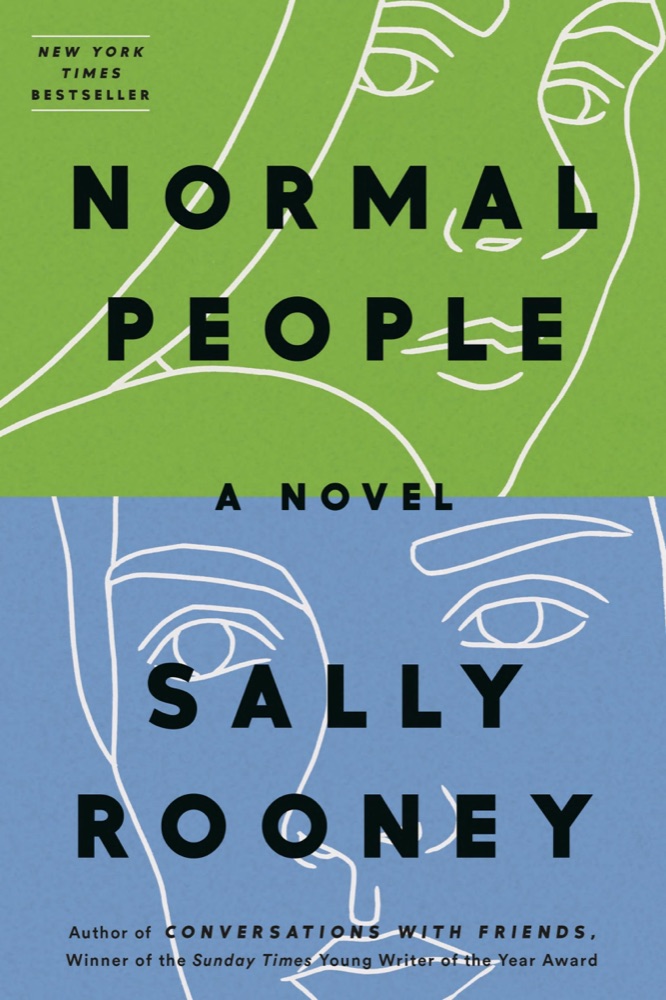
 Normal People
Quotes from the Book
Sometimes you need people to be perfect and they can’t be and you hate them forever for not being even though it isn’t their fault and it’s not yours either. You just needed something they didn’t have in them to give you.
275
what if life is just a collection of essentially unrelated experiences? Why does one thing have to follow meaningfully from another?
196
Yes I would like he thinks to live in such a way that I could vanish into thin air at any time without affecting anyone and in fact I feel that for me this would constitute the perfect and perhaps the only acceptable life. At the same time I want desperately to be loved.
166
Well, if that's suffering, he thinks, let me suffer. Yes. To love whoever I have left. And if ever I lose someone, let me descend into a futile and prolonged rage, yes, despair, wanting to break things, furniture, appliances, wanting to get into fights, to scream, to walk in front of a bus, yes. Let me suffer, please. To love just these few people, to know myself capable of that, I would suffer every day of my life.
142
It doesn't always work, but I do my best. See what happens. Go on in any case living.
106
How often in life he has found himself a frustrated observer of apparently impenetrable systems, watching other people participate effortlessly in structures he can find no way to enter or even understand. So often that it’s practically baseline, just normal existence for him. And this is not only due to the irrational nature of other people, and the consequent irrationality of the rules and processes they devise; it’s due to Ivan himself, his fundamental unsuitedness to life. He knows this. He feels himself to have been formed, somehow, with something other than life in mind.
92
Yes, the world makes room for goodness and decency, he thinks: and the task of life is to show goodness to others, not to complain about their failings.
82
You can drive yourself crazy thinking about different things you could have done in the past.
61
And yet, accepting the premise, allowing life to mean nothing for a moment, doesn’t it simply feel good
49
Nonetheless, it is better to feel hopeful and optimistic about one’s life on earth while engaged in the never-ending struggle to pay rent, than to feel despondent and depressed while engaged in the same non-optional struggle anyway.
48
I just want to say, I’m on your side. I know I’ve never done anything to help you, Ivan, but in principle, in spirit. I’ve been on your side all along.
45
We’re being hard on ourselves in a way, he remarks, because both our lives involve some voluntary exposure to what other people might call defeat. Which I think requires a certain degree of courage.
44
She lets out a trembling kind of laugh. Well, if there is a God, she says, I'm sure he loves you very much. He lowers his eyes. Yeah, I can feel that sometimes, he says. Like when I'm with you, I can. If you don't mind me saying that.
41
But it is a pleasure, isn't it, on a crisp September night in Dublin to walk with long free strides along a quiet street. In the prime of his life. Incumbent on him now to enjoy such fleeting pleasures. Next minute might die. Happens every day to someone.
39
But I’m very happy that I met you. And even knowing that you’re alive, I feel like my life will be a lot better. Just being able to remember – being with you, and having such a nice experience together.
38
Once you meet your soulmate, there’s no point pretending, is there? Feeling of solace you get when she’s near you. To live the right life.
35
The demands of other people do not dissolve; they only multiply. More and more complex, more difficult. Which is another way, she thinks, of saying: more life, more and more of life.
33
She has been contained before, contained and directed, by the trappings of ordinary life. Now she no longer feels contained or directed by anything at all. Life has slipped free of its netting. She can do very strange things now, she can find herself a very strange person. Young men can invite her into holiday cottages for sexual reasons. It means nothing. That isn't true: it means something, but the meaning is unfamiliar.
30
Didn’t human sexuality at its base always involve a pathetic sort of throbbing insecurity, awful to contemplate?
27
The inexchangeable pleasure of her conversation. Just to walk the streets saying things, anything, just the act itself, walking together at the same speed, and talking, purely to amuse and please one another, to make each other stupidly laugh, for no further accomplishment, no higher purpose, to let their words rise and disperse forever in the damp brackish air.
26
To remember that God is not the nice man Jesus, who liked everybody and went around healing the sick; that God is, on the contrary, the one who makes people sick, who condemns people to death, for incomprehensible reasons. Jesus the healer, the listener, teacher, friend of sinners, seems in Margaret’s mind to be practically on the brink of murmuring: Sorry about my dad… Jesus is easy to love and God much harder.
25
Because a living person has their own reality, he says. The person who's gone has no reality anymore, except in thoughts. And once they're gone from thoughts, they actually are completely gone. If I don't think about him, literally, I'm ending his existence.
25
No one is perfect. Sometimes you need people to be perfect and they can’t be and you hate them forever for not being even though it isn’t their fault and it’s not yours either. You just needed something they didn’t have in them to give you. And then in other people’s lives you do the same thing, you’re the person who lets everyone down, who fails to make anything better, and you hate yourself so much you wish you were dead.
22
Nobody when they're rejected believes it's really for extraneous reasons. And it almost never is for extraneous reasons, because mutual attraction — which even makes sense from an evolutionary perspective — is simply the strangest reason to do anything, overriding all the contrary principles and making them fall away into nothing.
21
From that so firmly suppressed feeling, present all along, that when he looks at her, when he speaks to her, he is addressing not only the superficial but also the deep concealed parts of her personality – without meaning to, without knowing how not to.
18
There is more to life than great chess. Okay, great chess is still a part of life, and it can be a very big part, very intense, satisfying, and pleasant to dwell on in the mind's eye: but nonetheless, life contains many things. Life itself, he thinks, every moment of life, is as precious and beautiful as any game of chess ever played, if only you know how to live.
18
To do what little good he can with his life. To ask for nothing more, to bow his head, pitifully grateful, God’s humble and grateful servant. Can he imagine anything less like himself? And yet here he is, defeated, relieved, forgiving everything, praying only to be forgiven.
16
He doesn’t want after all for others to be poor, doesn’t even want to be rich. No. He only wants what he has always wanted: to be right, to be once and for all proven right.
16
Is the word ‘passionate’, or is it not, basically an obscene item of vocabulary? No, it isn’t. But is it like a small bandage placed over an item of vocabulary that is in fact obscene? Maybe, yes. A word with blood running through it, a red word. In casual conversation it’s better to use words that are grey or beige.
16
Ivan, since unlike his brother he doesn’t assign an idiotically high, practically moral degree of value to the concept of normality, which phrased in another way means conformity with the dominant culture.
14
Did you know?
- The title refers both to a short musical interlude and to a chess opening tactic, echoing the novel's themes of transition and the chess-playing brother Ivan.
- It became one of Ireland's fastest-selling books of 2024.
- The novel appeared on roughly twenty 'Best Books of 2024' lists.
- Peter's sections are written in a fragmented, stream-of-consciousness style that differs from Rooney's earlier prose.
- It is Sally Rooney's fourth novel.
About Sally Rooney
Sally Rooney is an Irish novelist born in 1991 in County Mayo, known for Conversations with Friends, Normal People, and Beautiful World, Where Are You. Her work is noted for its spare prose and close attention to relationships, class, and communication among young people.
More about the author →More by Sally Rooney
About the book
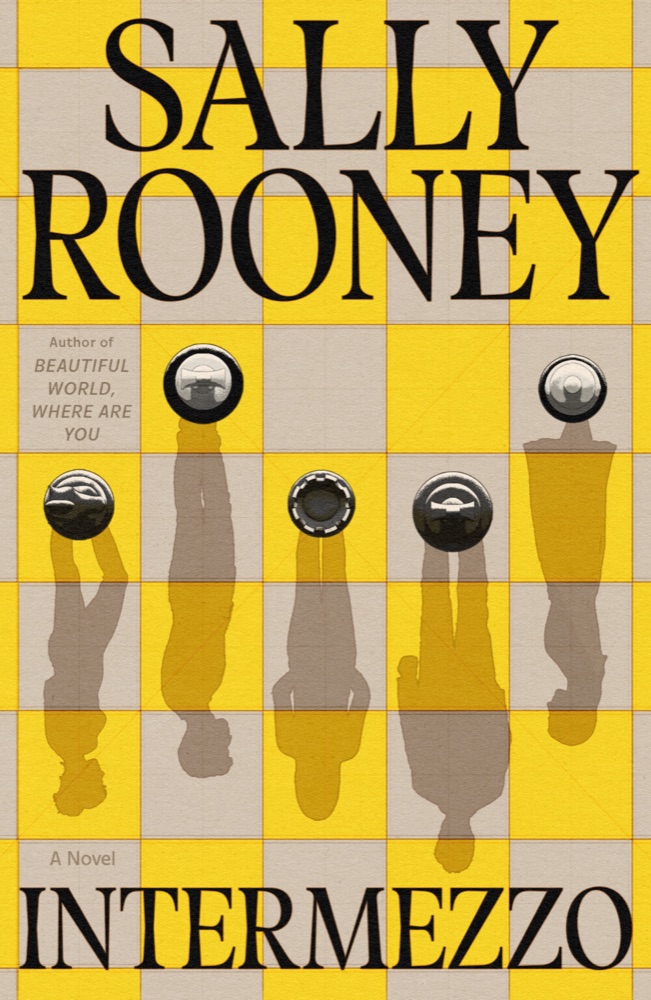
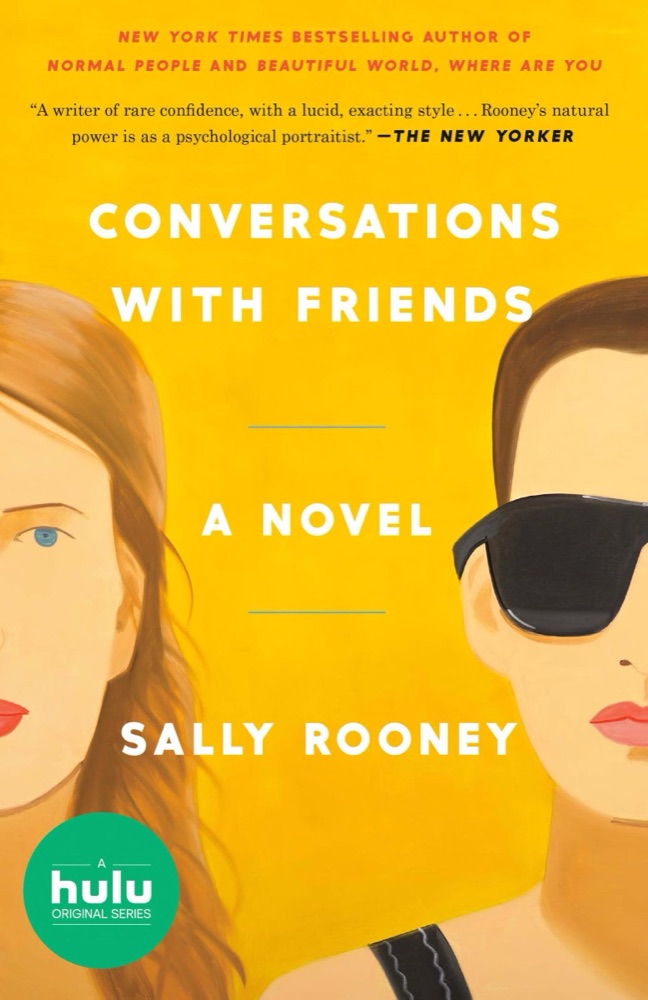
Intermezzo is Sally Rooney's fourth novel, published in 2024. It follows two Irish brothers, Peter and Ivan Koubek, in the weeks after the death of their father. Peter, a thirty-two-year-old human rights lawyer in Dublin, is torn between Sylvia, a former girlfriend living with chronic pain, and Naomi, a younger college student. Ivan, twenty-two and a competitive chess player, begins a relationship with Margaret, an arts center director in her thirties. As grief reshapes their lives, the brothers' clashing temperaments and Peter's disapproval of Ivan's relationship drive them into conflict.
Rooney uses the brothers' parallel stories to explore grief, sibling rivalry, age-gap relationships, and the distance between people's principles and their private conduct. The title's musical and chess connotations frame a book preoccupied with transition, timing, and what happens in the interval between one state and the next. As in her earlier work, intimacy, miscommunication, and the ethics of love are central concerns, but here they are filtered through mourning and the obligations of family.
The novel was a major commercial and critical event, becoming one of Ireland's fastest-selling books of 2024 and appearing on numerous best-of-the-year lists. Reviewers widely praised its emotional depth and ambition, including a more experimental, fragmented prose style in Peter's sections, while some found its tone or relationship dynamics divisive. It won the Sky Arts Award for Literature in 2025.
Key characters
- Peter KoubekA thirty-two-year-old Dublin human rights lawyer torn between two women while grieving his father
- Ivan KoubekPeter's younger brother, a twenty-two-year-old competitive chess player
- Margaret KearnsAn arts center director in her thirties who begins a relationship with Ivan
- NaomiA college student in a relationship with Peter
- SylviaAn English professor and Peter's former girlfriend who lives with chronic pain
Book details
- First published
- 2024
- Length
- 448 pages
- Reading time
- 7 hours
- Author
- Sally Rooney
- Genre
- Fiction
- Goodreads rating
- 3.79 (387k ratings)
- First line
- “Didn't seem fair on the young lad.”
Critical reception
- Reviewers widely praised the novel's emotional depth and ambition.
- Some critics found its tone or its age-gap relationship dynamics divisive.
- It was a major commercial success and one of Ireland's fastest-selling books of 2024.
If you liked this, read…
- 1Normal PeopleRooney's earlier novel with the same close attention to intimacy and miscommunication
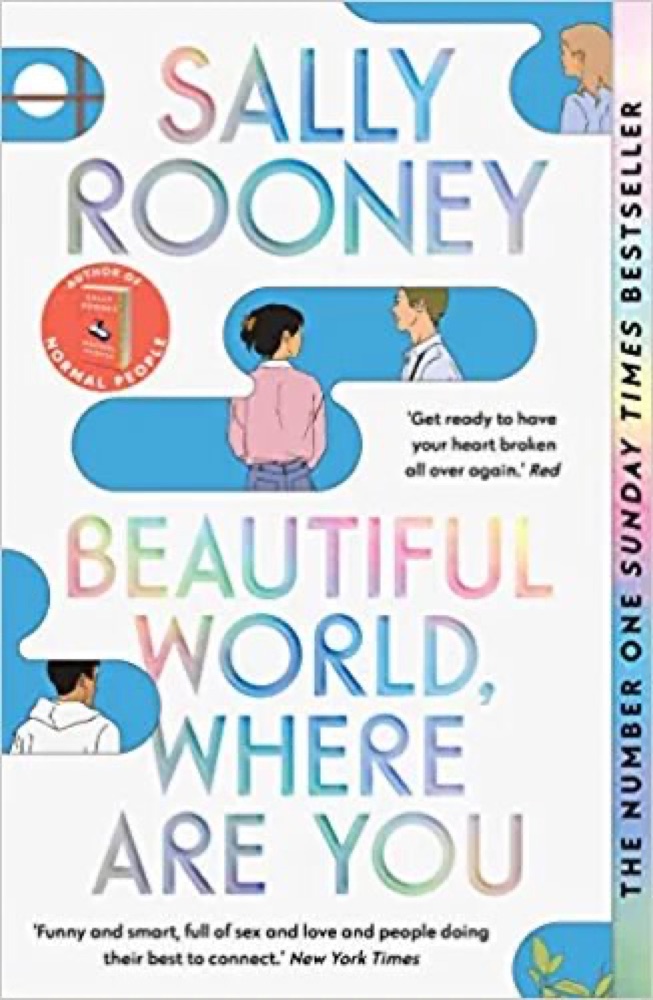
- 2Beautiful World, Where Are YouAnother Rooney novel weighing love and principle among adults in contemporary Ireland
Keep reading
 Beautiful World, Where Are You
 Say Goodbye for Now
 The Proposal
 Panenka
 A Little Life
 Adultery
 Here I Am
 A Well-Tempered Heart
 Doctor Zhivago
 Eat, Pray, Love
 No One Writes Back
 Dream Count
 Children of the Mind
 Dying to Know You
 Seven Types of Ambiguity
 So Much More
 Real Life
 Someday
 Have You Seen Luis Velez?
 First Person Singular: Stories
 The Night We Met
 A Small Indiscretion
 Less Is Lost
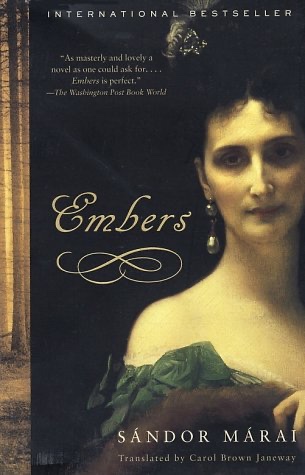 Embers
 Stay
Stay
 A Lady for a Duke
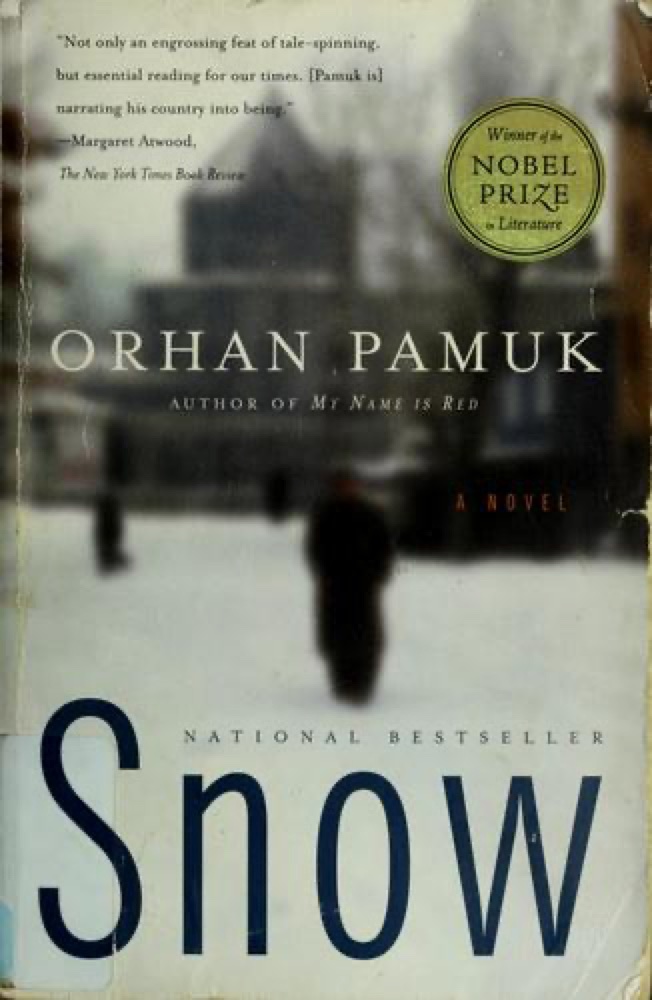 Snow
Snow
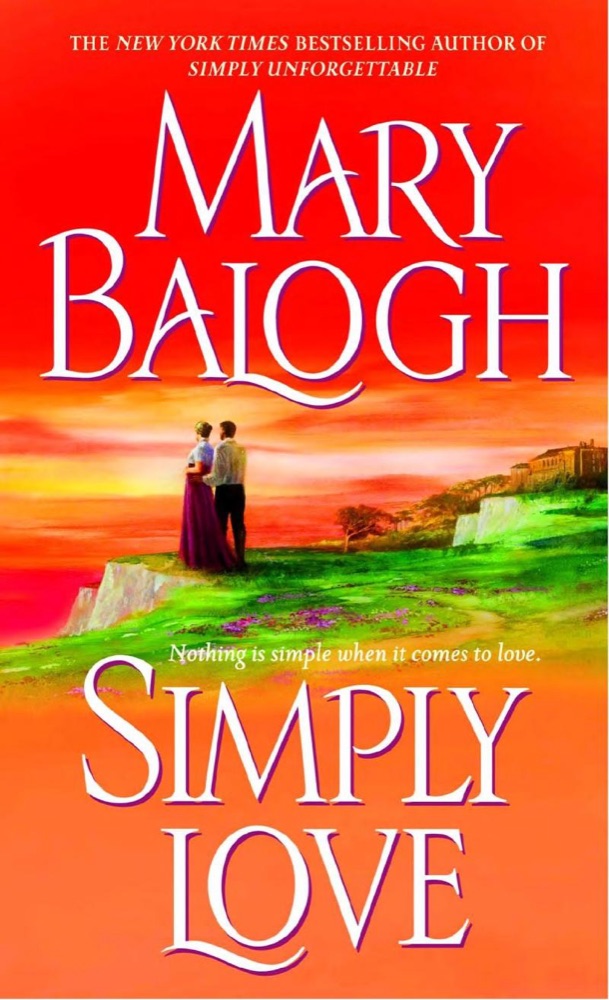 Simply Love
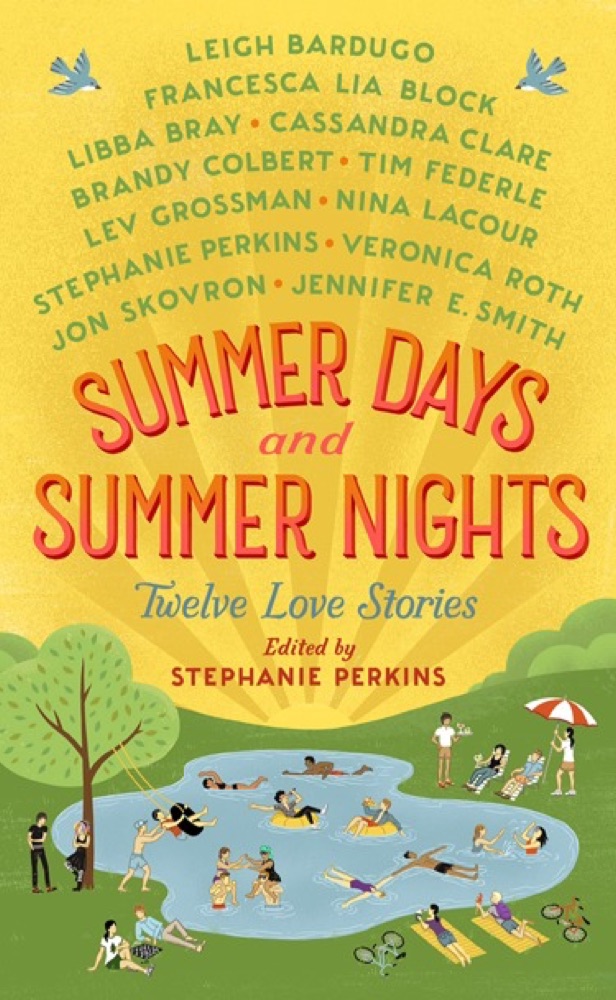 Summer Days and Summer Nights: Twelve Love Stories
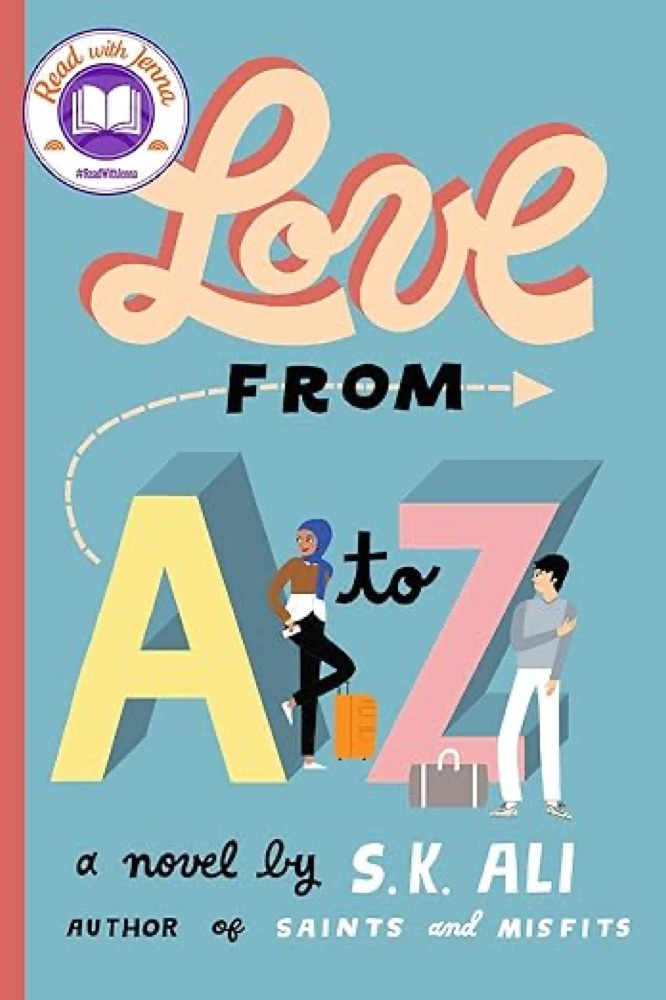 Love from A to Z
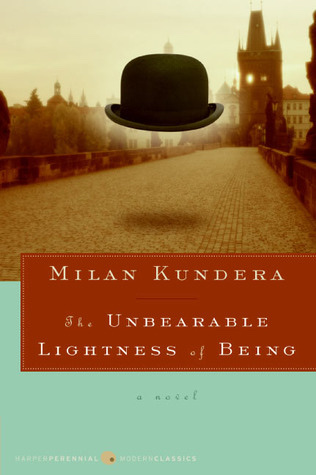 The Unbearable Lightness of Being
 The Edge of Never
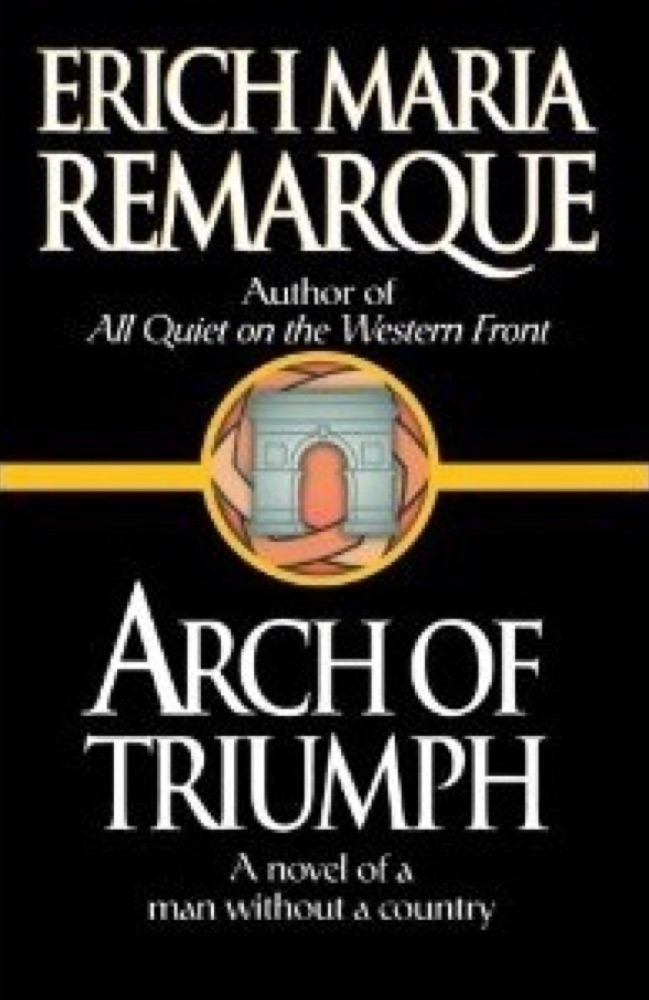 Arch of Triumph
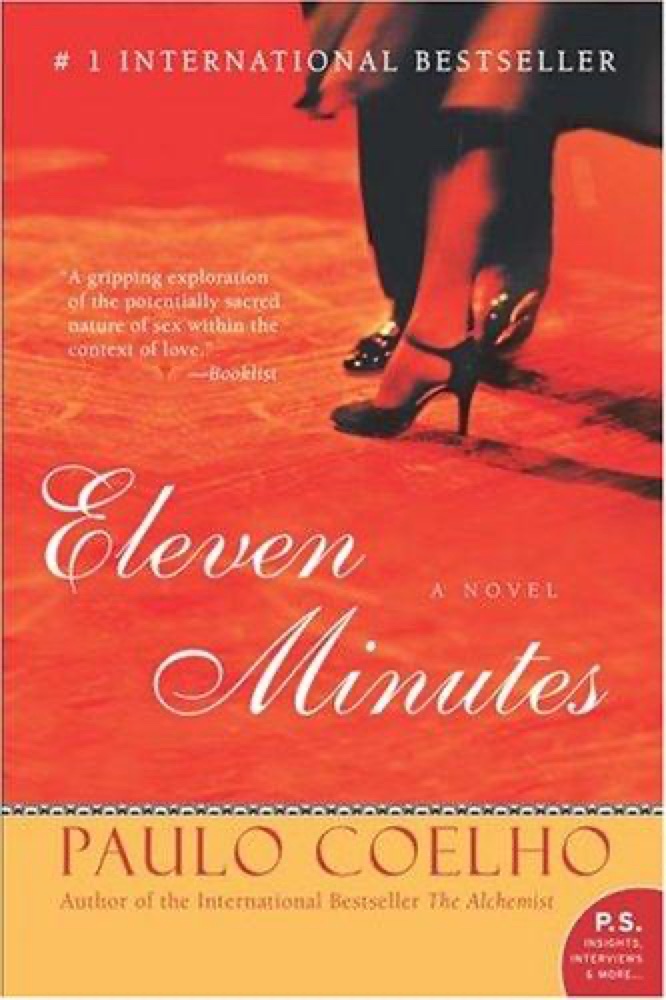 Eleven Minutes
 Trust: Betrayed
 Girl with Curious Hair
 The Fall
 Men Without Women
 The Last Song
 Under the Udala Trees
 The Zahir
 The Rescue
 Anastasia
 A Single Man
 Charmed Thirds
 The Passion
 The Memory of Light
 Life of Pi
 Committed: A Skeptic Makes Peace with Marriage
 Varina
 The Choice
 What I Loved
 The Time of My Life
 Dear Dolly
 Any Human Heart
 Without Merit
 The Brothers Karamazov
 Life Will Be the Death of Me: . . . and you too!
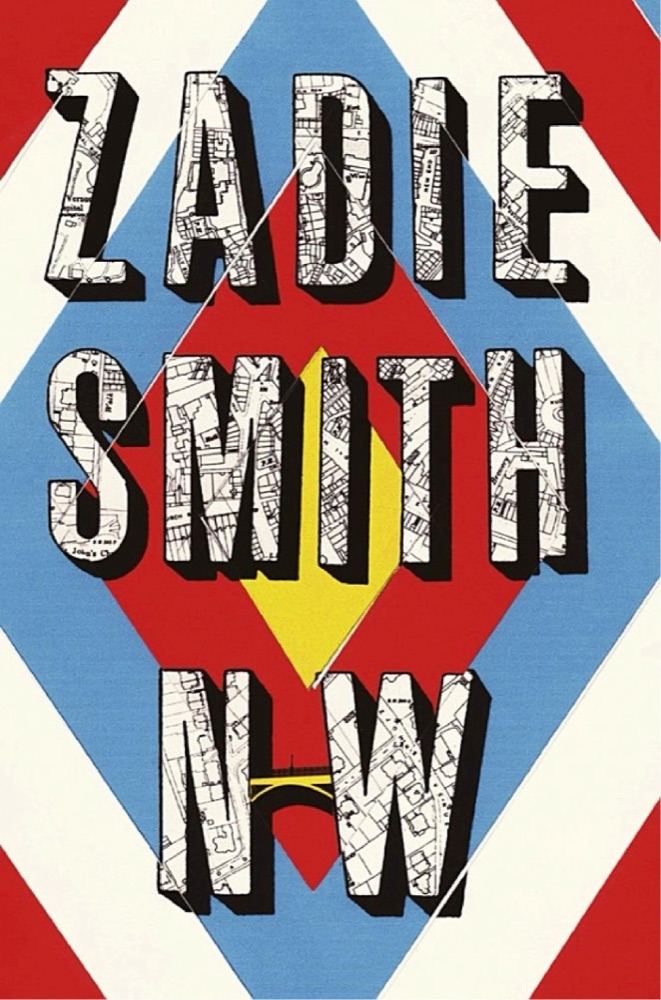 NW
NW
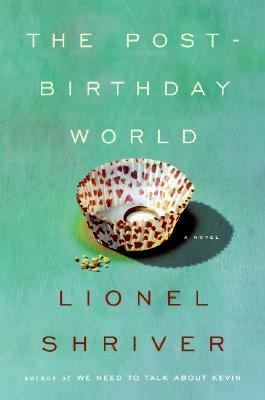 The Post-Birthday World