 The Hunchback of Notre-Dame
Quotes from the Book
He never went out without a book under his arm, and he often came back with two.
Even the darkest night will end and the sun will rise.
What Is Love? I have met in the streets a very poor young man who was in love. His hat was old, his coat worn, the water passed through his shoes and the stars through his soul
The power of a glance has been so much abused in love stories, that it has come to be disbelieved in. Few people dare now to say that two beings have fallen in love because they have looked at each other. Yet it is in this way that love begins, and in this way only.
To love another person is to see the face of God.
Not being heard is no reason for silence.
Laughter is sunshine, it chases winter from the human face.
To love or have loved, that is enough. Ask nothing further. There is no other pearl to be found in the dark folds of life.
Those who do not weep, do not see.
Promise to give me a kiss on my brow when I am dead. --I shall feel it." She dropped her head again on Marius' knees, and her eyelids closed. He thought the poor soul had departed. Eponine remained motionless. All at once, at the very moment when Marius fancied her asleep forever, she slowly opened her eyes in which appeared the sombre profundity of death, and said to him in a tone whose sweetness seemed already to proceed from another world:-- "And by the way, Monsieur Marius, I believe that I was a little bit in love with you.
If I speak, I am condemned. If I stay silent, I am damned!
You ask me what forces me to speak? a strange thing; my conscience.
You who suffer because you love, love still more. To die of love, is to live by it.
Teach the ignorant as much as you can; society is culpable in not providing a free education for all and it must answer for the night which it produces. If the soul is left in darkness sins will be committed. The guilty one is not he who commits the sin, but he who causes the darkness.
Life's great happiness is to be convinced we are loved.
A man is not idle because he is absorbed in thought. There is visible labor and there is invisible labor.
There is nothing like a dream to create the future.
He was fond of books, for they are cool and sure friends
When love has fused and mingled two beings in a sacred and angelic unity, the secret of life has been discovered so far as they are concerned; they are no longer anything more than the two boundaries of the same destiny; they are no longer anything but the two wings of the same spirit. Love, soar.
A garden to walk in and immensity to dream in--what more could he ask? A few flowers at his feet and above him the stars.
The future has several names. For the weak, it is impossible; for the fainthearted, it is unknown; but for the valiant, it is ideal.
The pupil dilates in darkness and in the end finds light, just as the soul dilates in misfortune and in the end finds God.
He fell to the seat, she by his side. There were no more words. The stars were beginning to shine. How was it that the birds sing, that the snow melts, that the rose opens, that May blooms, that the dawns whitens behind the black trees on the shivering summit of the hills? One kiss, and that was all. Both trembled, and they looked at each other in the darkness with brilliant eyes. They felt neither the cool night, nor the cold stone, nor the damp ground, nor the wet grass; they looked at each other, and their hearts were full of thought. They had clasped hands, without knowing it. She did not ask him; did not even think where and how he had managed to get into the garden. It seemed so natural to her that he should be there. From time to time Marius’ knee touched Cosette’s. A touch that thrilled. At times, Cosette faltered out a word. Her soul trembled on her lips like a drop of dew on a flower. Gradually, they began to talk. Overflow succeeded to silence, which is fullness. The night was serene and glorious above their heads. These two beings, pure as spirits, told each other everything, their dreams, their frenzies, their ecstasies, their chimeras, their despondencies, how they had adored each other from afar, how they had longed for each other, their despair when they had ceased to see each other. They had confided to each other in an intimacy of the ideal, which already, nothing could have increased, all that was most hidden and most mysterious in themselves. They told each other, with a candid faith in their illusions, all that love, youth and the remnant of childhood that was theirs, brought to mind. These two hearts poured themselves out to each other, so that at the end of an hour, it was the young man who had the young girl’s soul and the young girl who had the soul of the young man. They interpenetrated, they enchanted, they dazzled each other. When they had finished, when they had told each other everything, she laid her head on his shoulder, and asked him: "What is your name?" My name is Marius," he said. "And yours?" My name is Cosette.
There is something more terrible than a hell of suffering--a hell of boredom.
Before him he saw two roads, both equally straight; but he did see two; and that terrified him--he who had never in his life known anything but one straight line. And, bitter anguish, these two roads were contradictory.
Love is the foolishness of men, and the wisdom of God.
...Nobody knows like a woman how to say things that are both sweet and profound. Sweetness and depth, this is all of woman; this is Heaven.
I have been loving you a little more every minute since this morning.
To die for lack of love is horrible. The asphyxia of the soul.
That figure stood for a long time wholly in the light; this arose from a certain legendary dimness evolved by the majority of heroes, and which always veils the truth for a longer or shorter time; but to-day history and daylight have arrived. That light called history is pitiless; it possesses this peculiar and divine quality, that, pure light as it is, and precisely because it is wholly light, it often casts a shadow in places where people had hitherto beheld rays; from the same man it constructs two different phantoms, and the one attacks the other and executes justice on it, and the shadows of the despot contend with the brilliancy of the leader. Hence arises a truer measure in the definitive judgments of nations. Babylon violated lessens Alexander, Rome enchained lessens Caesar, Jerusalem murdered lessens Titus, tyranny follows the tyrant. It is a misfortune for a man to leave behind him the night which bears his form.
There can be no vacuum in the human heart. Certain demolitions take place, and it is right they should, on condition that they are followed by reconstructions.
Taking the obedience of the soldier for the consent of the nation--such a confidence is the destruction of thrones.
Did you know?
- The novel was first published in 1862 in Brussels during Hugo's exile on Guernsey.
- It was originally issued in five volumes.
- More than a quarter of the novel is devoted to digressive essays that do not advance the plot, including a lengthy section on the Battle of Waterloo.
- Hugo visited the Waterloo battlefield in 1861 while completing the manuscript.
- Hugo described the novel as a progress "from evil to good, from injustice to justice, from falsehood to truth, from night to day."
About Victor Hugo
Victor Hugo (1802–1885) was a French poet, novelist, and dramatist of the Romantic movement, and one of the most celebrated figures in French literature. He is best known for the novels Les Misérables and The Hunchback of Notre-Dame.
More about the author →More by Victor Hugo
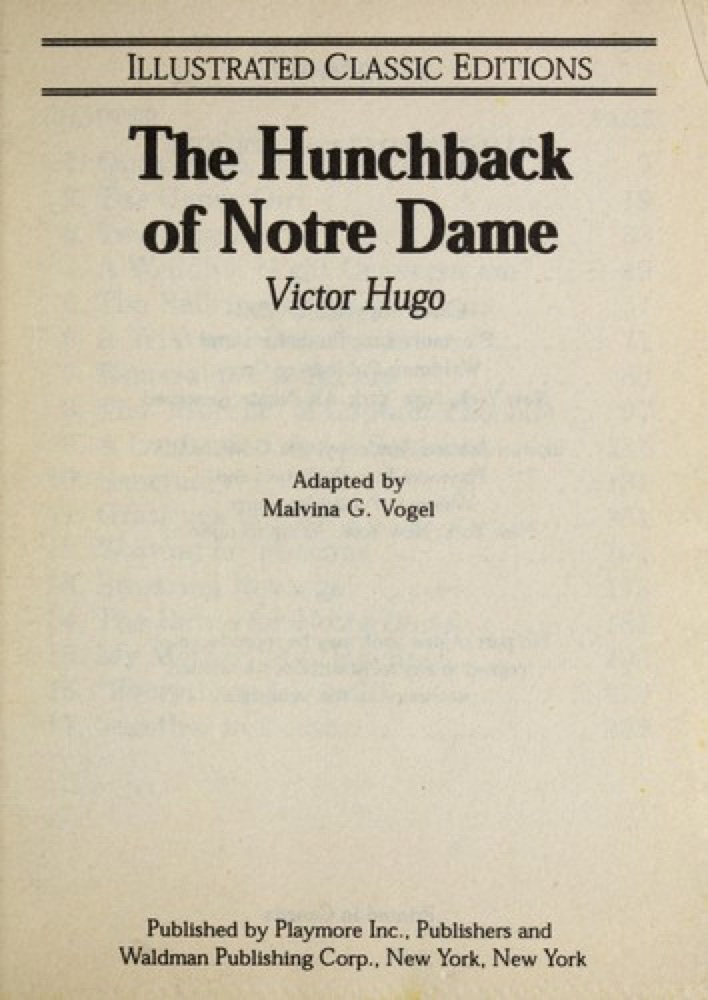
The Hunchback of Notre-Dame
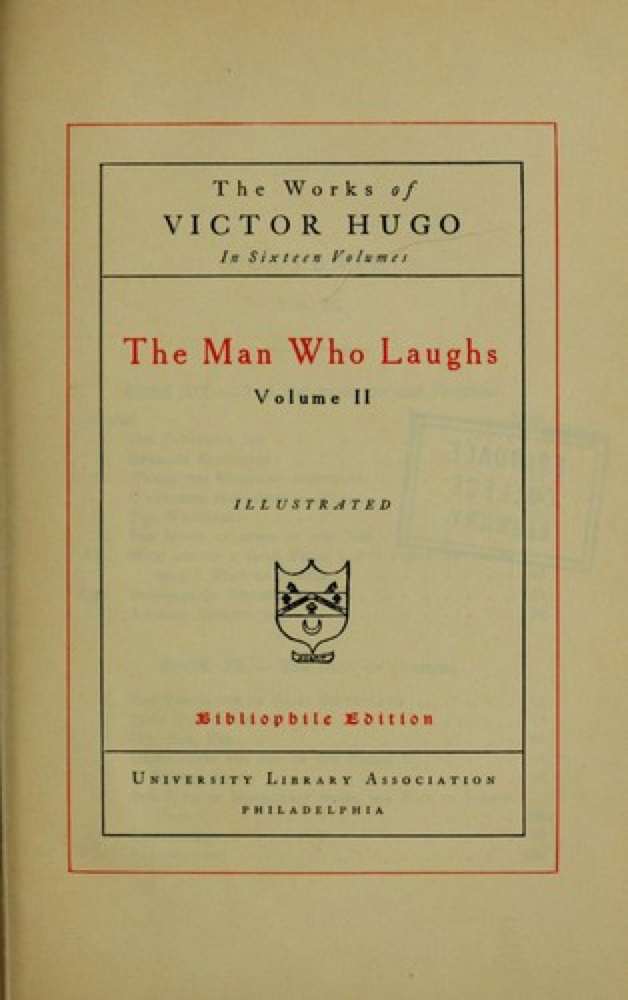 The Man Who Laughs
 The Last Day of a Condemned Man
 The Toilers of the Sea
About the book
Les Misérables, published in 1862 by Victor Hugo, follows the ex-convict Jean Valjean across the tumultuous decades of early nineteenth-century France, from 1815 through the June Rebellion of 1832. Sentenced to nineteen years of hard labor for stealing a loaf of bread, Valjean is transformed by an act of mercy from Bishop Myriel and spends the rest of his life seeking redemption, all while relentlessly pursued by the police inspector Javert. Along the way he takes in Cosette, the mistreated daughter of the doomed factory worker Fantine, and their fates become entangled with the young revolutionary Marius and the students manning the barricades.
Beyond its sweeping plot, the novel is a vast meditation on justice, mercy, poverty, and social inequality. Hugo interweaves the personal story of Valjean with long digressive essays on subjects such as the Battle of Waterloo, the Paris sewers, convent life, and the language of the streets; by one count more than a quarter of the book is devoted to such material. Hugo described the work's arc as a progress "from evil to good, from injustice to justice, from falsehood to truth, from night to day," using individual suffering to indict the structures that produce it.
Widely regarded as one of the greatest novels of the nineteenth century, Les Misérables has never gone out of print and has shaped popular culture far beyond the page. Its characters and moral conflicts have been adapted repeatedly for film, television, and the stage, most famously in the long-running musical by Boublil and Schönberg. The book endures as both a gripping human drama and an enduring plea for compassion toward the poor and the outcast.
Key characters
- Jean ValjeanEx-convict seeking redemption after serving nineteen years for stealing bread.
- JavertObsessive police inspector who relentlessly pursues Valjean.
- FantineDesperate mother who sacrifices everything for her daughter Cosette.
- CosetteAbused orphan rescued and raised by Valjean.
- Marius PontmercyYoung revolutionary student who falls in love with Cosette.
- ÉponineStreet urchin tragically in love with Marius.
- ThénardierCorrupt innkeeper and recurring criminal antagonist.
- Bishop MyrielCompassionate clergyman whose mercy inspires Valjean's transformation.
- EnjolrasIdealistic leader of the revolutionary students at the barricade.
Book details
- First published
- 1862
- Length
- 1462 pages
- Reading time
- 89 hours
- Author
- Victor Hugo
- Genre
- Classics
- Goodreads rating
- 4.21 (857k ratings) →
Movie & TV adaptations
- IMDb
- IMDb
- IMDb
- IMDb
If you liked this, read…
- 1The Hunchback of Notre-DameHugo's other great social novel of injustice and outcasts in France.
- 2The Count of Monte CristoSweeping French epic of imprisonment, injustice, and moral reckoning.
- 3A Tale of Two CitiesDickens's novel of revolution, sacrifice, and redemption in France.
Keep reading
 Arch of Triumph
 Doctor Zhivago
 A Soldier of the Great War
 Oblomov
 Prince Lestat
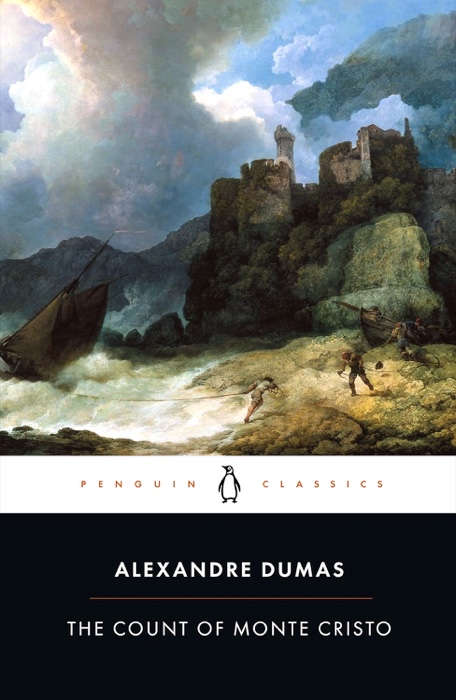 The Count of Monte Cristo
 Ben-Hur: A Tale of the Christ
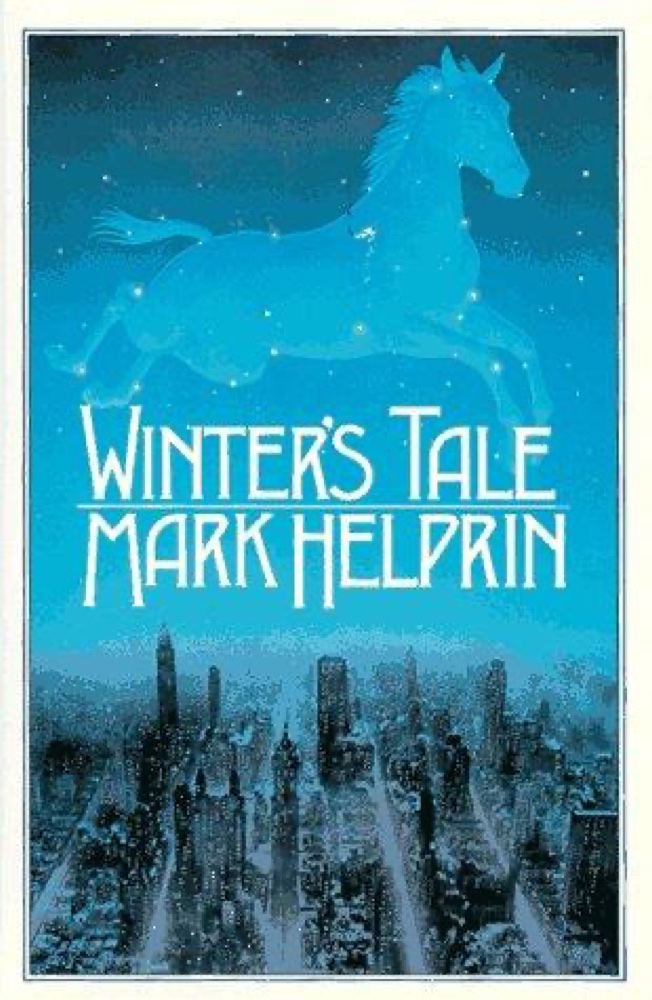 Winter's Tale
 Lord Jim
 Atonement
 Requiem
 The Passion
 Purgatorio
 Nicholas Nickleby
 Dracula
 Light Years
 Shantaram
 A Room with a View
 Bel Canto
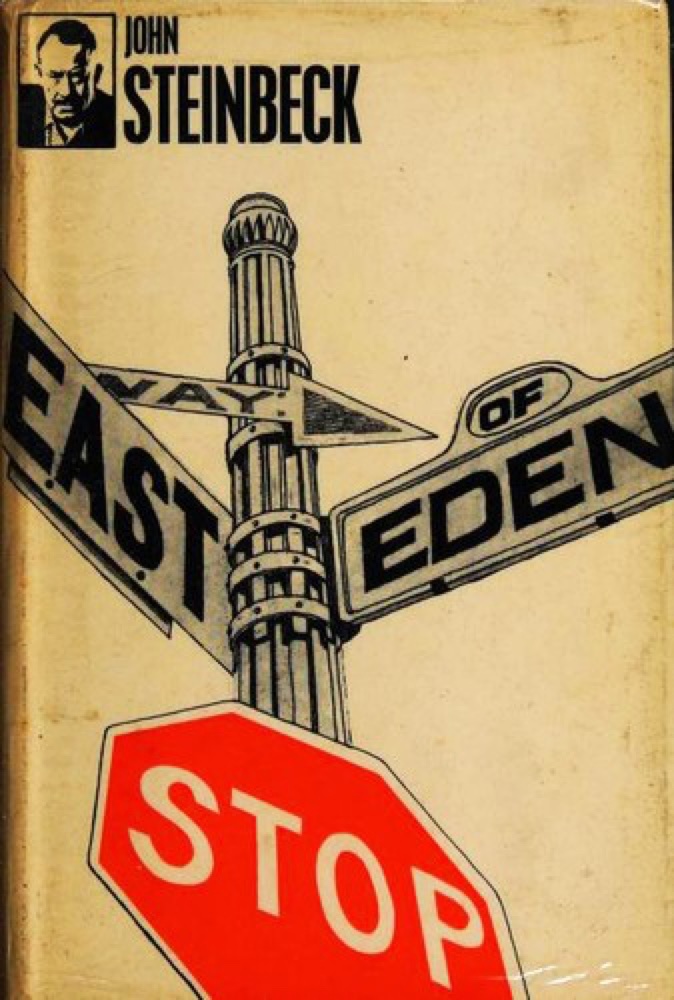 East of Eden
 Anna Karenina
 Teardrop
 Wind, Sand and Stars
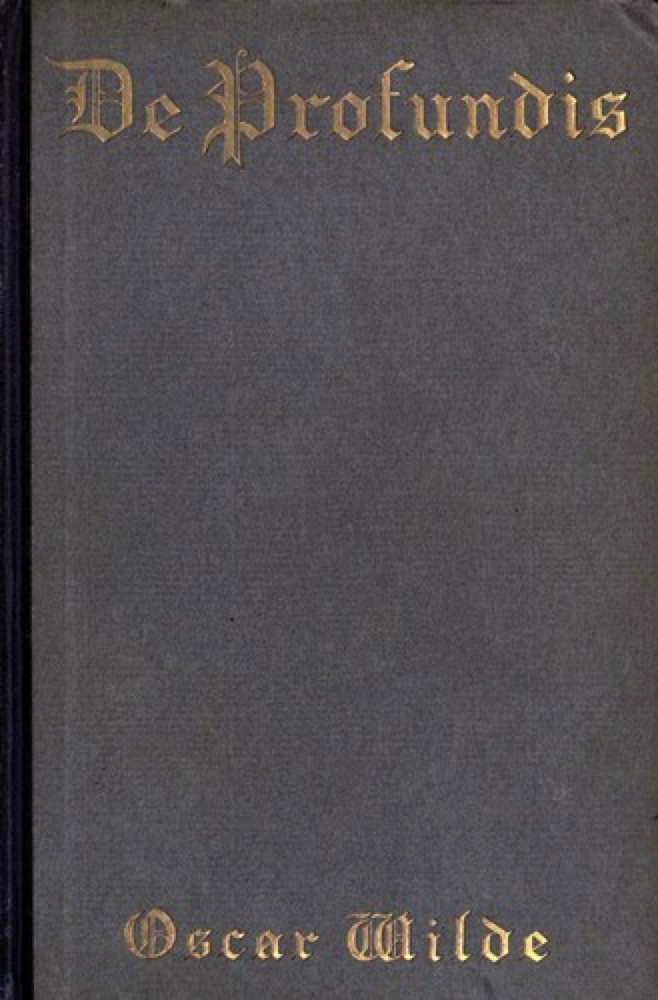 De Profundis
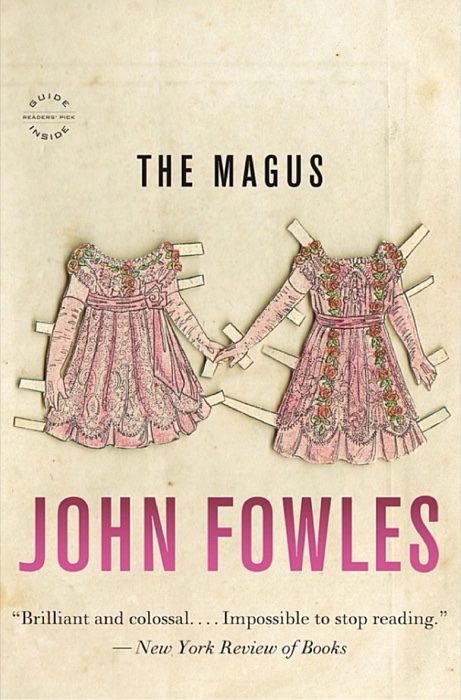 The Magus
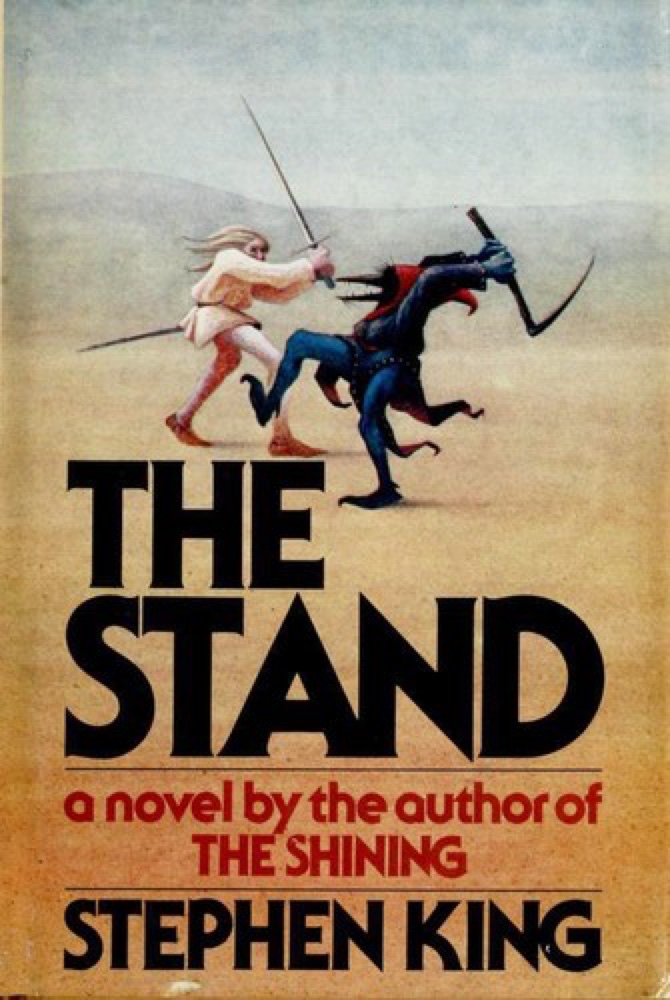 The Stand
 The Map of the Sky
 Hell
Hell
 The Beautiful
 Embers
 The Odyssey
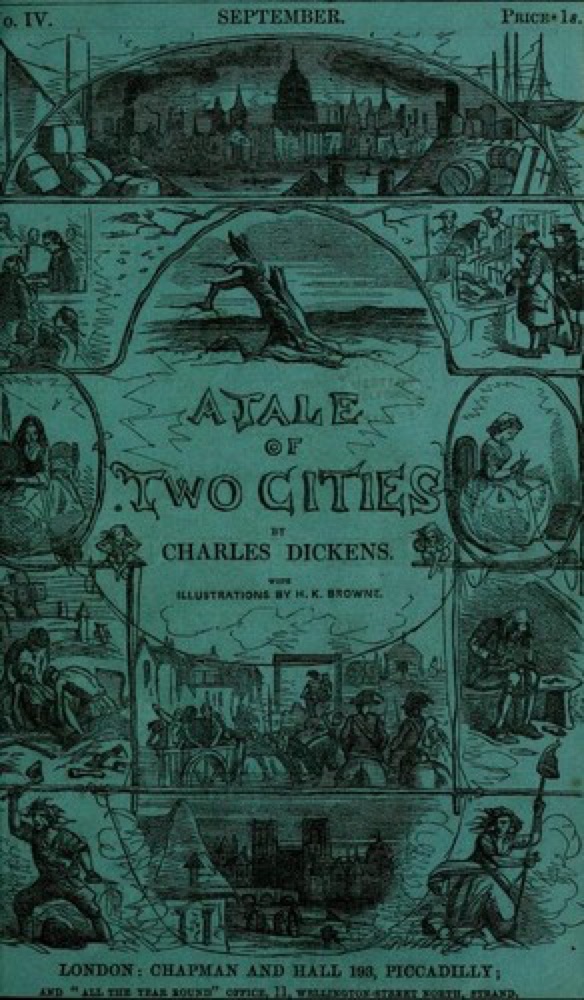 A Tale of Two Cities
 The Brothers Karamazov
 Light in August
 Phantastes
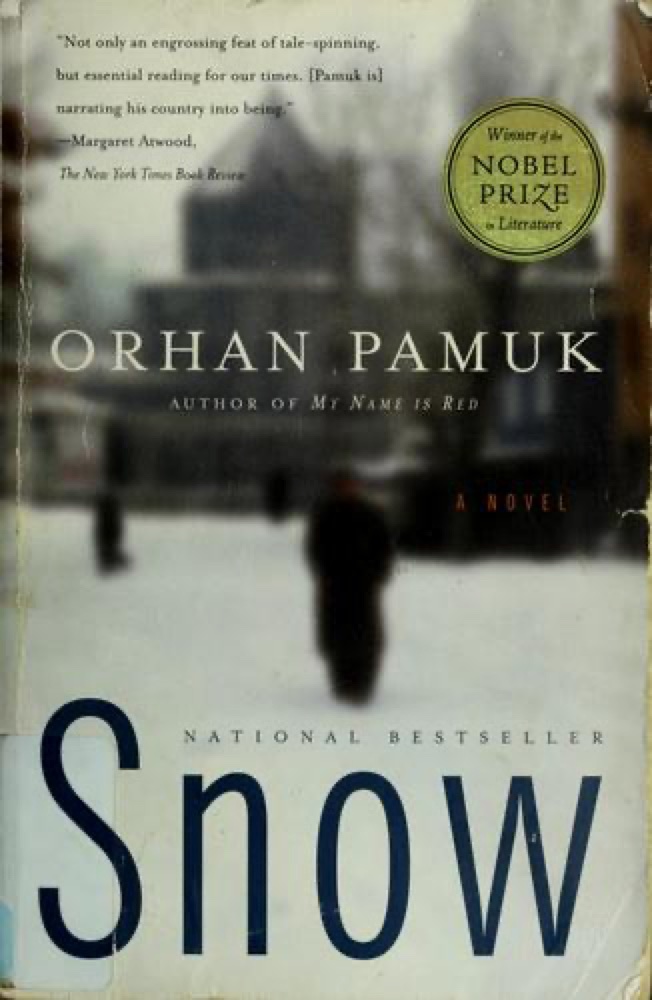 Snow
Snow
 Stardust
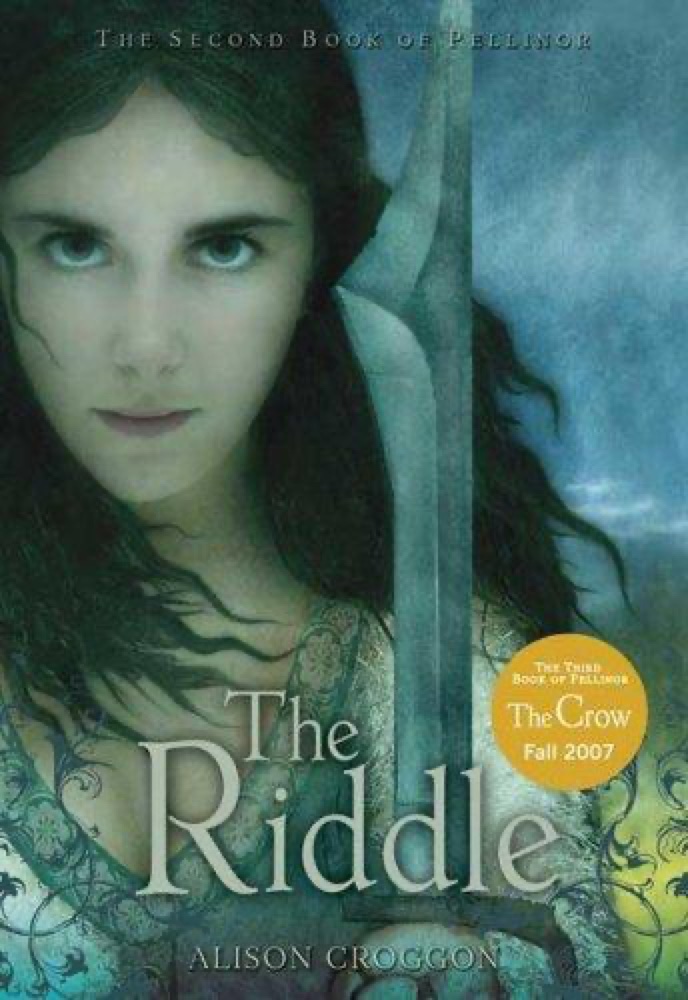 The Riddle
 Gilead
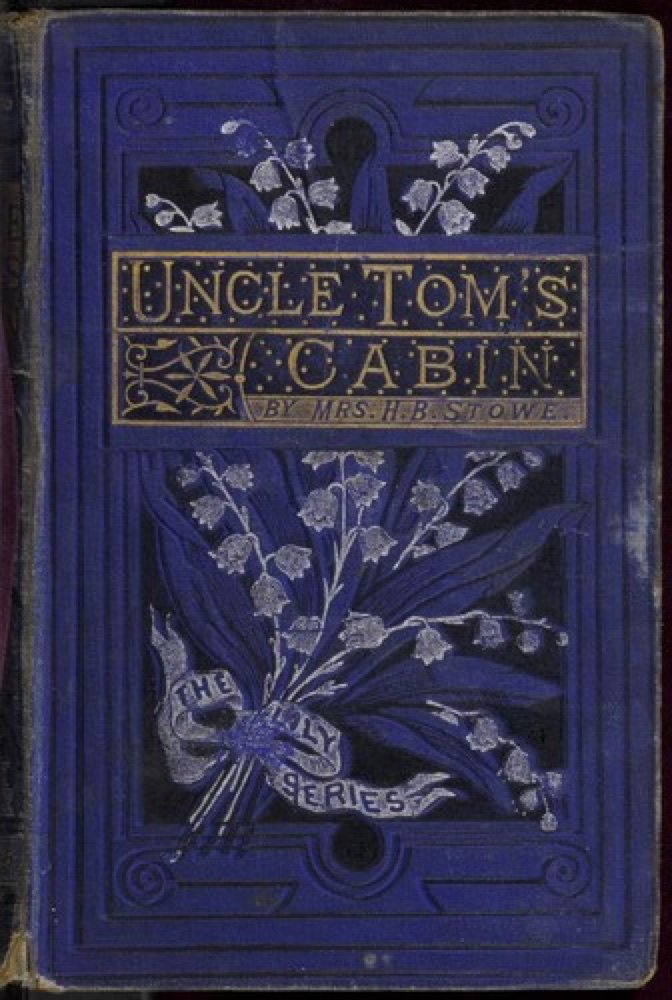 Uncle Tom's Cabin
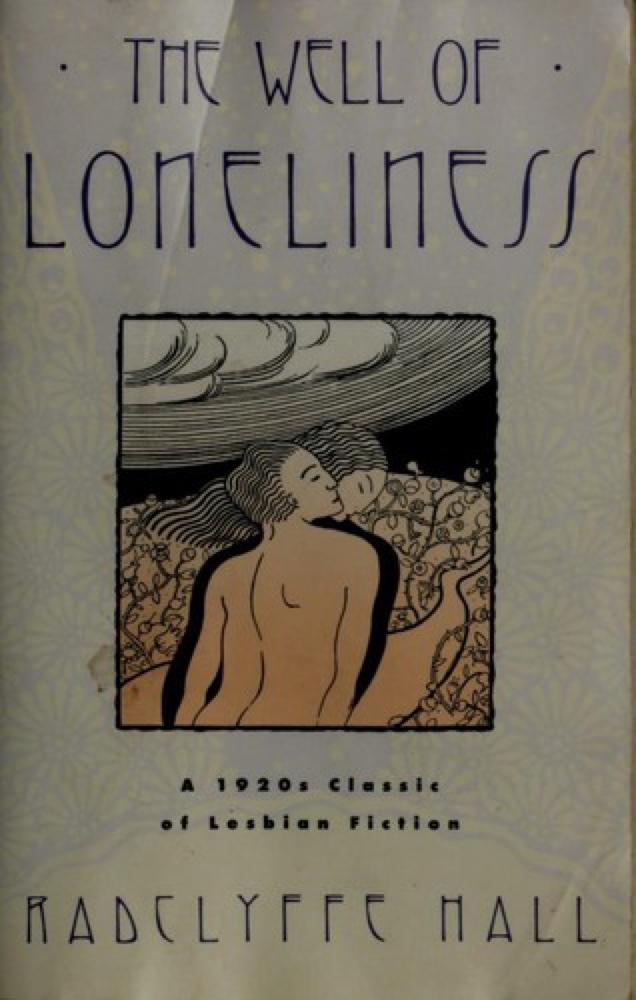 The Well of Loneliness
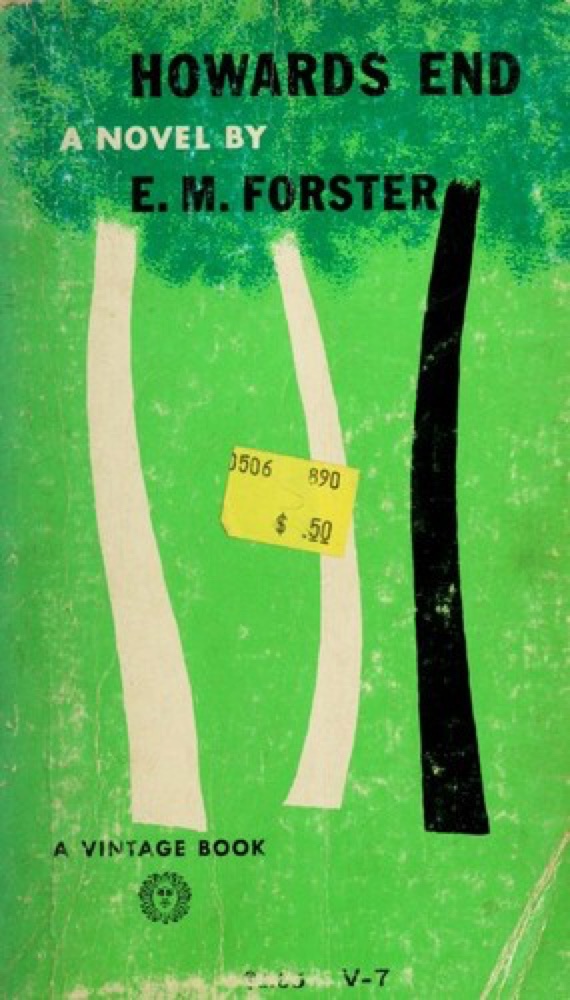 Howards End
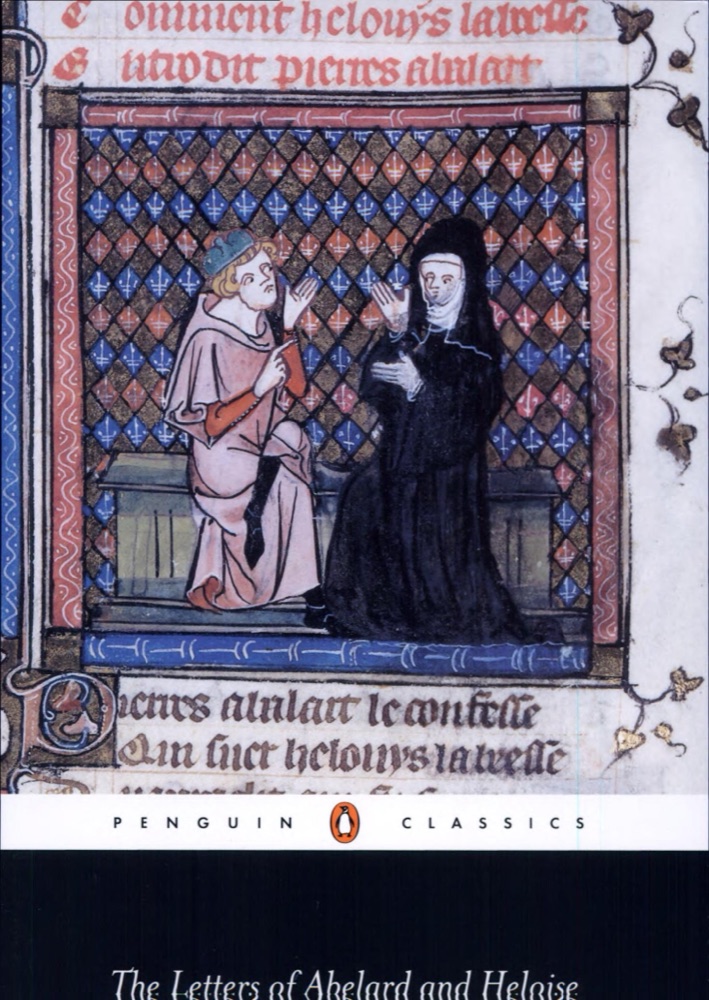 The Letters of Abélard and Héloïse
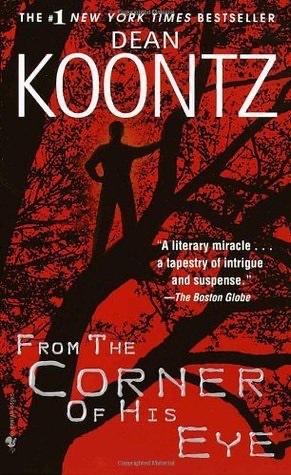 From the Corner of His Eye
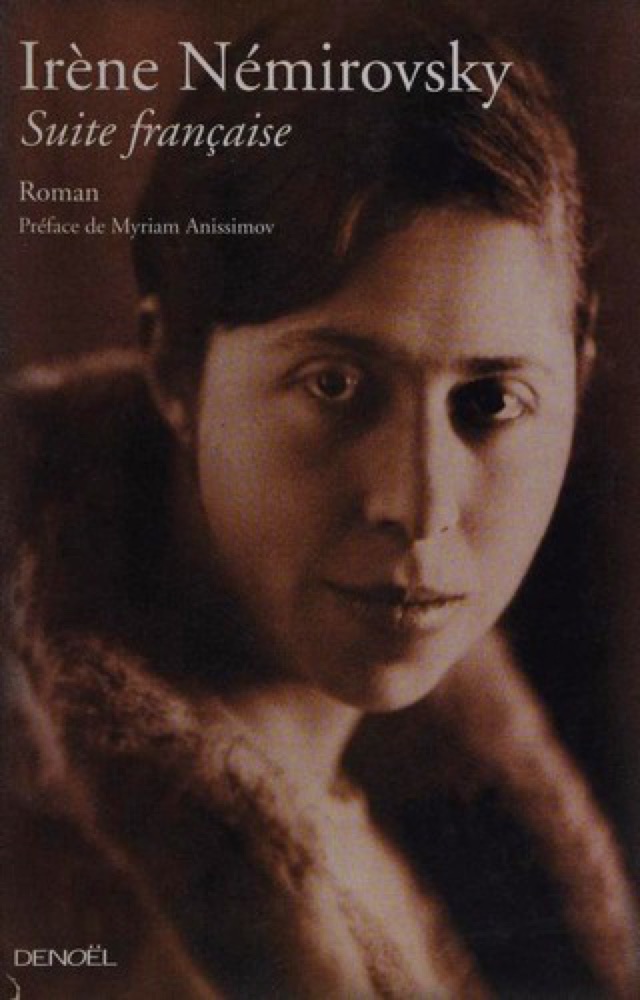 Suite Française
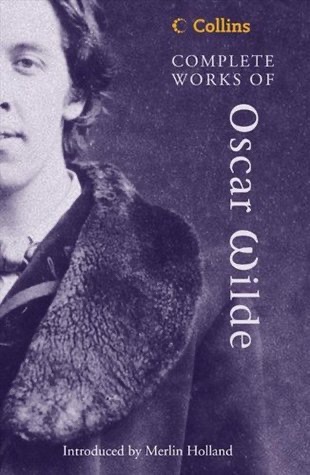 Complete Works of Oscar Wilde
 Daniel Deronda
 Jayber Crow
 Villette
 The Picture of Dorian Gray
 Trust: Betrayed
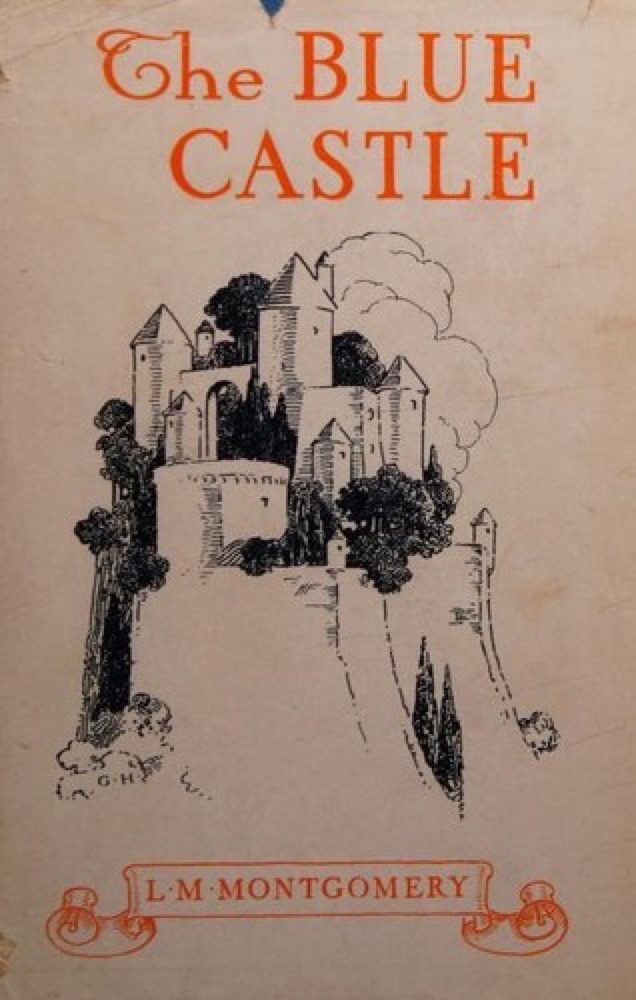 The Blue Castle
 A Tale of Love and Darkness
The Hunchback of Notre-Dame
A Tale of Love and Darkness
The Hunchback of Notre-Dame
 Lovely War
 Our Mutual Friend
 The Vampire Lestat
 Hamlet
 Possession
 The Unbearable Lightness of Being