

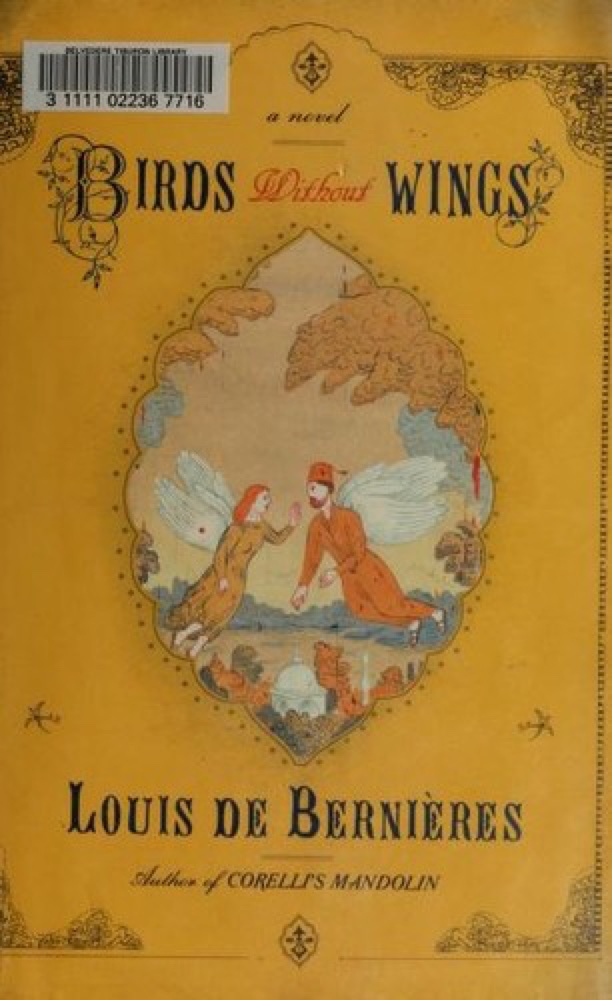
 Birds Without Wings
Quotes from the Book
Love is a temporary madness, it erupts like volcanoes and then subsides. And when it subsides, you have to make a decision. You have to work out whether your roots have so entwined together that it is inconceivable that you should ever part. Because this is what love is. Love is not breathlessness, it is not excitement, it is not the promulgation of promises of eternal passion, it is not the desire to mate every second minute of the day, it is not lying awake at night imagining that he is kissing every cranny of your body. No, don't blush, I am telling you some truths. That is just being "in love", which any fool can do. Love itself is what is left over when being in love has burned away, and this is both an art and a fortunate accident.
Love is a temporary madness. It erupts like an earthquake and then subsides. And when it subsides you have to make a decision. You have to work out whether your roots have become so entwined together that it is inconceivable that you should ever part. Because this is what love is. Love is not breathlessness, it is not excitement, it is not the promulgation of promises of eternal passion. That is just being "in love" which any of us can convince ourselves we are. Love itself is what is left over when being in love has burned away, and this is both an art and a fortunate accident. Your mother and I had it, we had roots that grew towards each other underground, and when all the pretty blossom had fallen from our branches we found that we were one tree and not two.
Did you know that childhood is the only time in our lives when insanity is not only permitted to us, but expected?
We should care for each other more than we care for ideas, or else we will end up killing each other.
Love is a kind of dementia with very precise and oft-repeated clinical symptoms. You blush in each other's presence, you both hover in places where you expect the other to pass, you are both a little tongue-tied, you both laugh inexplicably and too long, you become quite nauseatingly girlish, and he becomes quite ridiculously gallant. You have also grown a little stupid.
Love is not breathlessness; It is not excitement; It is not the promulgation of promises of eternal passion. That is just being “in love”, which any of us can convince ourselves we are. Love itself is what is left over when being in love has burned away, and this is both an art and a fortunate accident.
Symmetry is only a property of dead things. Did you ever see a tree or a mountain that was symmetrical? It’s fine for buildings, but if you ever see a symmetrical human face, you will have the impression that you ought to think it beautiful, but that in fact you find it cold. The human heart likes a little disorder in its geometry, Kyria Pelagia. Look at your face in a mirror, Signorina, and you will see that one eyebrow is a little higher than the other, that the set of the lid of your left eye is such that the eye is a fraction more open that the other. It is these things that make you both attractive and beautiful, whereas…otherwise you would be a statue. Symmetry is for God, not for us.
History is the propaganda of the victors.
I know you have not thought about it. Italians always act without thinking, it's the glory and the downfall of your civilisation. A German plans a month in advance what his bowel movements will be at Easter, and the British plan everything in retrospect, so it always looks as though everything occurred as they intended. The French plan everything whilst appearing to be having a party, and the Spanish...well, God knows. Anyway, Pelagia is Greek, that's my point.
When you fall in love, it is a temporary madness. It erupts like an earthquake, and then it subsides. And when it subsides, you have to make a decision. You have to work out whether your roots are become so entwined together that it is inconceivable that you should ever part. Because this is what love is. Love is not breathlessness, it is not excitement, it is not the desire to mate every second of the day. It is not lying awake at night imagining that he is kissing every part of your body. No... don't blush. I am telling you some truths. For that is just being in love; which any of us can convince ourselves we are. Love itself is what is left over, when being in love has burned away. Doesn't sound very exciting, does it? But it is!
[She] knew that it was not precisely a body that one loved. One loved the man who shone out through the eyes and used its mouth to smile and speak.
The garden where you sit Has never a need of flowers, For you are the blossoms And only a fool or the blind Would fail to know it
Every Greek, man, woman, and child, has to two Greeks inside. We even have technical terms for them. They are a part of us, as inevitable as the fact that we all write poetry and the fact that every single one of us thinks that he knows everything that there is to know. We are all hospitable to strangers, we all are nostalgic for something, our mothers all treat their grown sons like babies, our sons all treat their mothers a sacred and beat their wives, we all hate solitude, we all try to find out from a stranger whether or not we are related, we all use every long word we know as often as we possibly can, we all go out for a walk in the evening so that we can look over each others' fences, we all think that we are equal to the best. Do you understand?" The captain was perplexed, "You didn't tell me about the two Greeks inside every Greek." "I didn't? Well, I must have wandered off the point.
Love is a temporary madness; it erupts like volcanoes and then subsides. And when it subsides you have to make a decision. You have to work out whether your roots have so entwined together that it is inconceivable that you should ever part. Because this is what love is. Love is not breathlessness, it is not excitement, it is not the promulgation of eternal passion. That is just being in love, which any fool can do. Love itself is what is left over when being in love has burned away, and this is both an art and a fortunate accident. Those that truly love have roots that grow towards each other underground, and when all the pretty blossoms have fallen from their branches, they find that they are one tree and not two.” ~Louis de Bernieres
Love itself is what is left over when being "in love" has burned away, and this is both an art and a fortunate accident.
Don't give into him at all. Deny yourself. Because then your eyes will not be clouded by a madness that you cannot control, and then you will be able to learn to see him as he is. Do you understand?
No man is a man until he has been a soldier.
Antonio, I speak to you from beyond the grave, in seriousness. I have loved you with all my shameful heart, as much as I once loved Francisco, and I have conquered any envy that I might have felt. If a dead man may have a wish, it is that you should find your future with Pelagia. She is beautiful and sweet, there is no one who deserves you more, and no one else worthy of you. I wish that you will have children together, and I wish that once or twice you will tell them about their Uncle Carlo that they never saw. As for me, I hoist my knapsack on my shoulders and buckle the webbing, I put my arm through the sling of my rifle, and I open the veil to march into the unknown as soldiers always will. Remember me. Carlo.
All their lovers' talk began with the phrase "After the war". After the war, when we're married, shall we live in Italy? There are nice places. My father thinks I wouldn't like it, but I would. As long as I'm with you. After the war, if we have a girl, can we call her Lemoni? After the war, if we've a son, we've got to call him Iannis. After the war, I'll speak to the children in Greek, and you can seak to them in Italian, and that way they'll grow bilingual. After the war, I'm going to write a concerto, and I'll dedicate it to you. After the war, I'm going to train to be a doctor, and I don't care if they don't let women in, I'm still going to do it. After the war I'll get a job in a convent, like Vivaldi, teaching music, and all the little girls will fall in love with me, and you'll be jealous. After the war, let's go to America, I've got relatives in Chicago. After the war we won't bring our children with any religion, they can make their own minds up when they're older. After the war, we'll get our own motorbike, and we'll go all over Europe, and you can give concerts in hotels, and that's how we'll live, and I'll start writing poems. After the war I'll get a mandola so that I can play viola music. After the war I'll love you, after the war, I'll love you, I'll love you forever, after the war.
Fascism is fundamentally and at bottom an aesthetic conception, and . . . it is your function as creators of beautiful things to portray with the greatest efficacy the sublime beauty and inevitable reality of the Fascist ideal.
Love is a temporary madness. It erupts like an earthquake and then subsides. And when it subsides you have to make a decision. You have to work out whether your roots have become so entwined together that it is inconceivable that you should ever part. Because this is what love is.
I have been driven to search everywhere just to find myself mentioned. I am mentioned almost nowhere, but where I find myself, I find myself condemned.
Men are sometimes driven by things that to a women make no sense, but she did know that Corelli had to be with his boys. Honour and common sense; in the light of the other, both of them are ridiculous.
He showed his daughter how to use cushions to vary his position and relieve the monotony of pressure that corrupts the flesh, but he made her leave the room for all those tasks which would normally fall to the lot of a woman, and which show the greatest love.
Love is a kind of dementia with very precise and oft-repeated clinical symptoms.
Inside, the doctor filled an eyedropper with goat milk and began to drip it into the back of the marten's throat. It filled him with immense medical satisfaction when eventually it urinated on the knee of his trousers. This indicated healthy renal functioning.
Love itself is what is left over when being in love has burned away.
That is morality,I make myself imagine that it is personal.
Watch on YouTube
About Louis de Bernières
We have collected 56 quotes from 2 books by Louis de Bernières on BookQuoters.
More about the author →More by Louis de Bernières
Birds Without Wings
Book details
- Author
- Louis de Bernières
- Genre
- Fiction
- Goodreads rating
- 4.04 (94k ratings) →
Keep reading
 The Passion
 A Soldier of the Great War
 Just Above My Head
 Arch of Triumph
 Doctor Zhivago
 Lovely War
 Trust: Betrayed
 A History of the World in 10½ Chapters
 The Volcano Lover: A Romance
 Shantaram
 The Good Soldier
 The Symposium
 Our Chemical Hearts
 Identity
 Oblomov
 A Room with a View
 De Profundis
 Sexus
Sexus
 The Feast of Love
 The Kreutzer Sonata
 Narcissus and Goldmund
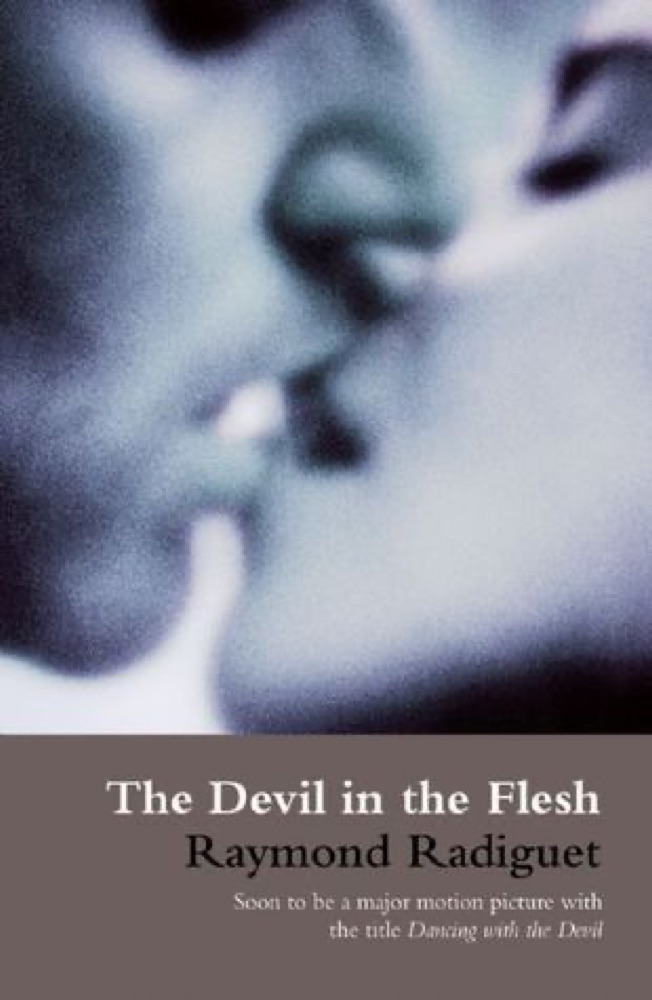 The Devil in the Flesh
 Juliet
 The Joke
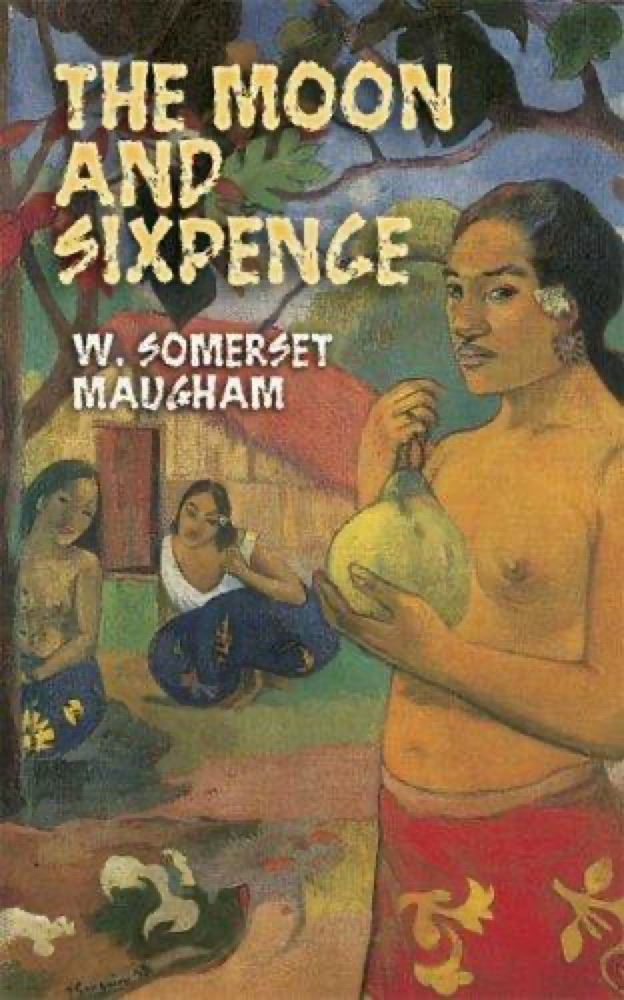 The Moon and Sixpence
 The End of the Affair
 The Valley of Amazement
 The Magus
 The Unbearable Lightness of Being
 Loving Frank
 On Beauty
 Less Is Lost
 The Swan Thieves
 The Brothers Karamazov
 The Gargoyle
 Hannibal
 The Kindly Ones
 In Sunlight and in Shadow
 What I Loved
 The Interpretation of Murder
 Enduring Love
 Requiem
 Parade's End
 Tropic of Cancer
 Either/Or: A Fragment of Life
 Christmas Holiday
 Origin
 Self-Help
 Women in Love
 East of Eden
 Nutshell
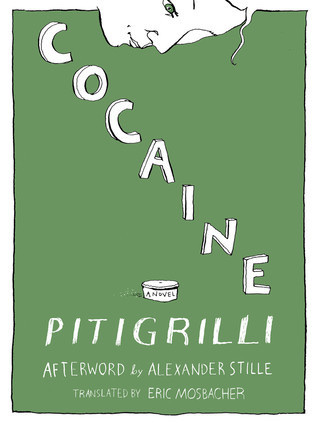 Cocaine
 Jazz
Jazz
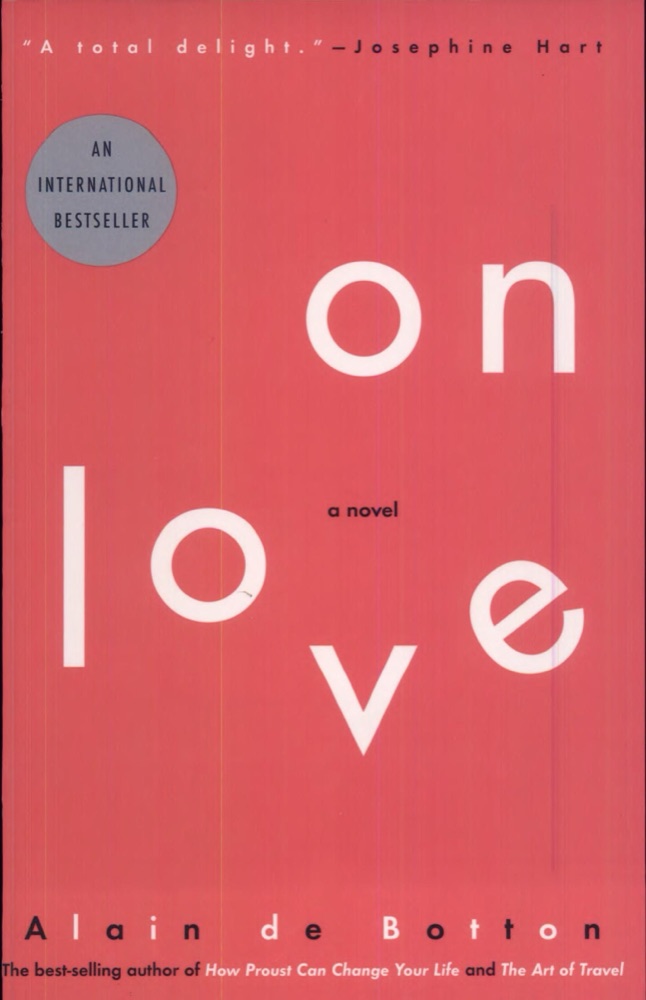 On Love
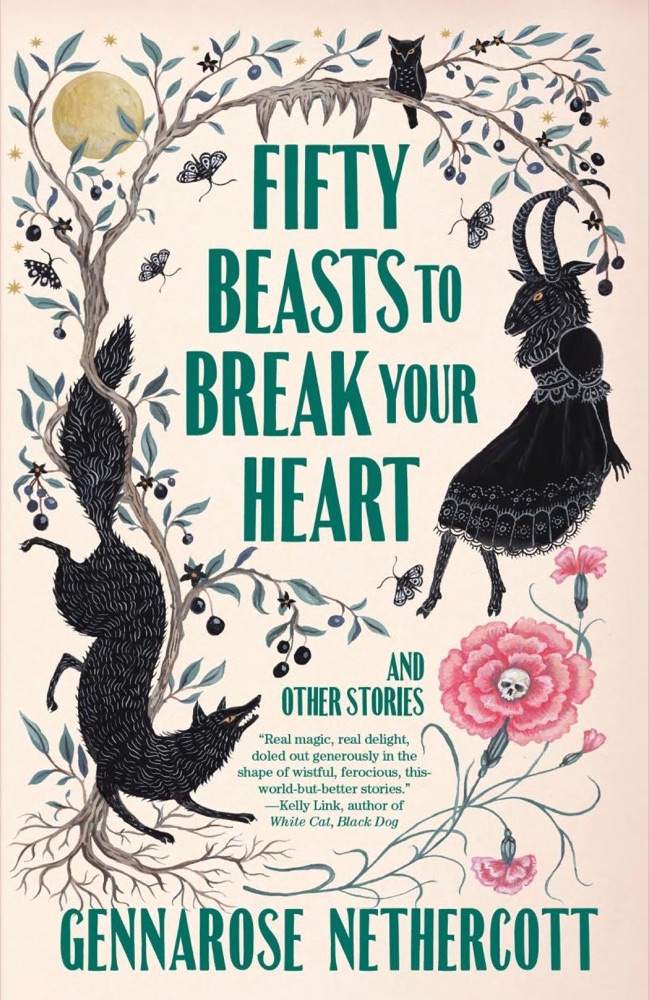 Fifty Beasts to Break Your Heart: And Other Stories
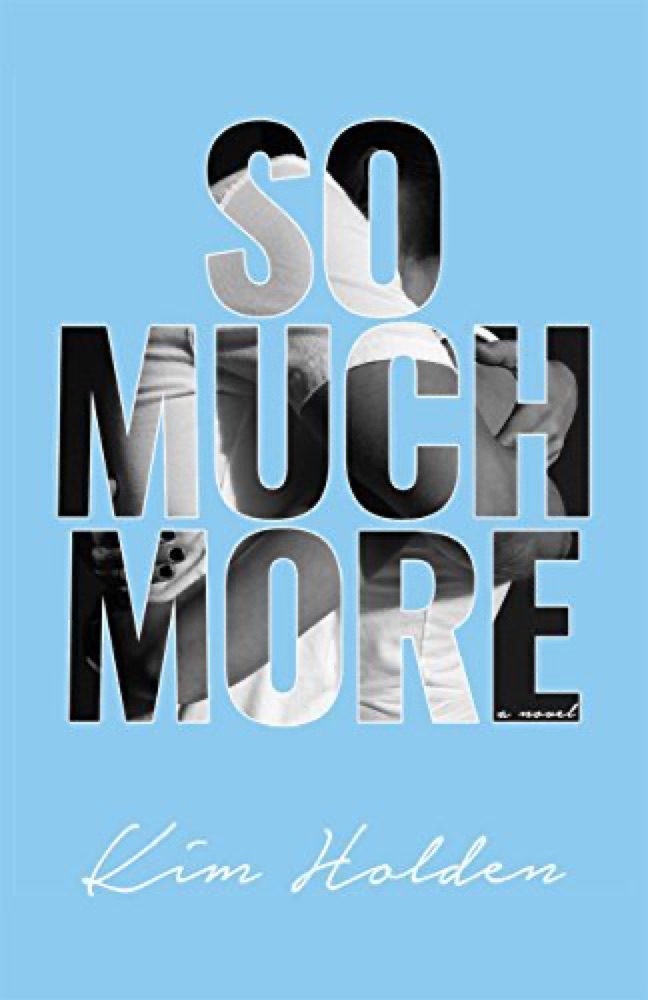 So Much More
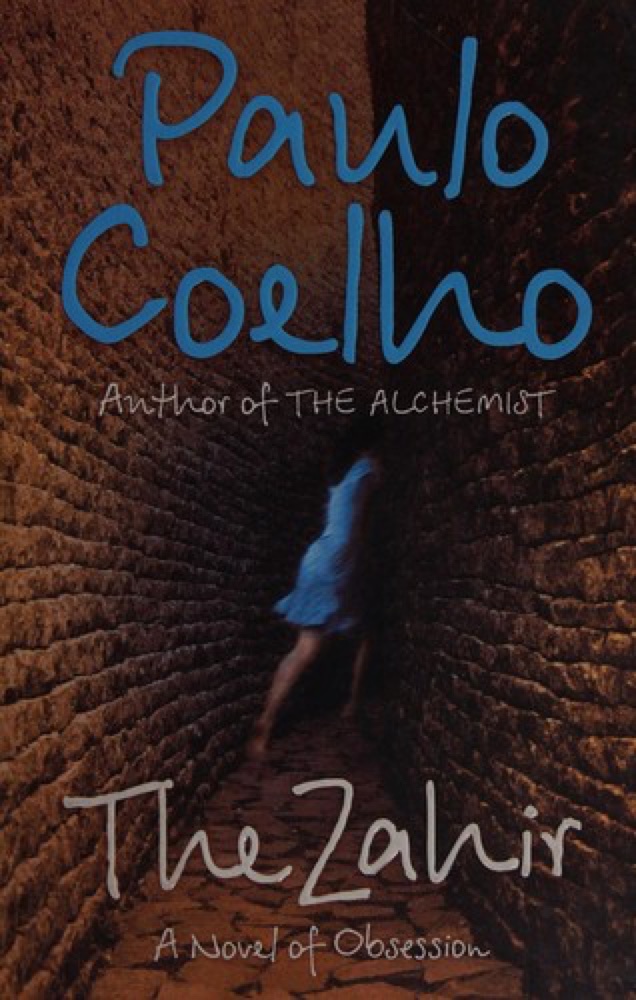 The Zahir
 Shadow Man
 Girl with Curious Hair
 Brideshead Revisited: The Sacred and Profane Memories of Captain Charles Ryder