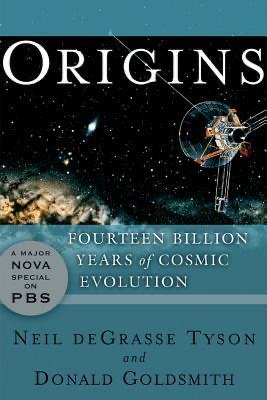
 Origins: Fourteen Billion Years of Cosmic Evolution
Quotes from the Book
When you are 31 years, 7 months, 9 hours, 4 minutes, and 20 seconds old, you’ve lived your billionth second.
10
And the cosmos ends. Not with a bang but with a whimper.
4
Astronomy, because of that peculiar history, has a fascinating legacy of early contributions by women.
3
We are born of this universe, we live in this universe, and the universe is in us.
3
Intelligence and longevity do not seem to be correlated.
2
The future is 1/39 as long as the past.
2
It’s like asking what is south of the South Pole
2
If a particle can fall into a black hole, it can come out of a white hole.
2
Since four coordinates are needed, we know that we live in a four-dimensional universe
2
Dark matter particles should be passing through your body right now.
2
Dark matter is dark; that means it does not interact with photons
2
You can picture the universe as an enormous loaf of raisin bread rising in the oven
2
It is often true that groundbreaking discoveries are made from poor data at the leading edge
2
As a scientist, you must embrace the inconstancy of knowledge.
2
We simply organized the information differently—that’s all we did. And the New York Times was making a federal case out of it.
2
Decade by decade: estimates of Pluto’s size got smaller and smaller.
2
Stephen Hawking the reputation of being the smartest person alive. Most of us agree.
2
Your body has to come up with about 100 watts of energy to keep yourself warm
2
the hottest part of the day on Earth is not at noon, but sometime after noon, because the ground absorbs visible light
2
We are seeing these nearby stars, not as they are at the present moment, but as they were 4 years ago
2
People who navigate by the stars know that the altitude of Polaris you observe is equal to your latitude on Earth.
2
If you must know, the brightest star in the nighttime sky is Sirius, the Dog Star.
2
There are people, who walk around every day, asserting that we are alone in this cosmos. They simply have no concept of large numbers, no concept of the size of the cosmos.
2
don’t count things, but instead count the ways things can happen.
2
Between 1 and 10 quadrillion ants live on (and in) Earth,
2
The universe today is 13.8 billion years old. By 22 billion years, the Sun will have finished its main-sequence lifetime and will have become a white dwarf. The Andromeda galaxy will have crashed into the Milky Way.
2
Here’s the story of how Pluto lost its planetary status and was demoted to an ice ball in the outer solar system. It’s also about my role in this at the Rose Center for Earth and Space at the American Museum of Natural History.
2
Our star, and most stars, are made mostly of hydrogen, which is the number one element in the universe: 90% of all atomic nuclei are hydrogen, about 8% are helium, and the remaining 2% comprise all the other elements in the periodic table. All
2
We begin with the stars, then ascend up and away out to the galaxy, the universe, and beyond. What did Buzz Lightyear say in Toy Story? “To Infinity and Beyond!” It’s a big universe. I
2
Watch on YouTube
About Neil deGrasse Tyson
We have collected 183 quotes from 7 books by Neil deGrasse Tyson on BookQuoters.
More about the author →More by Neil deGrasse Tyson
Origins: Fourteen Billion Years of Cosmic Evolution
 Astrophysics for People in a Hurry
 Starry Messenger: Cosmic Perspectives on Civilization
 Space Chronicles: Facing the Ultimate Frontier
About the book
A NEW YORK TIMES BESTSELLER
Welcome to the Universe is a personal guided tour of the cosmos by three of today's leading astrophysicists. Inspired by the enormously popular introductory astronomy course that Neil deGrasse Tyson, Michael A. Strauss, and J. Richard Gott taught together at Princeton, this book covers it all--from planets, stars, and galaxies to black holes, wormholes, and time travel.
Describing the latest discoveries in astrophysics, the informative and entertaining narrative propels you from our home solar system to the outermost frontiers of space. How do stars live and die? Why did Pluto lose its planetary status? What are the prospects of intelligent life elsewhere in the universe? How did the universe begin? Why is it expanding and why is its expansion accelerating? Is our universe alone or part of an infinite multiverse? Answering these and many other questions,
Book details
- First published
- 2016
- Author
- Neil deGrasse Tyson
- Genre
- Nonfiction
- Goodreads rating
- 4.25 (3k ratings)
Keep reading
Astrophysics for People in a Hurry
Origins: Fourteen Billion Years of Cosmic Evolution
 Cosmos
 Death by Black Hole: And Other Cosmic Quandaries
 A Brief History of Time
 The End of Everything
 A Briefer History of Time
 Black Holes and Baby Universes and Other Essays
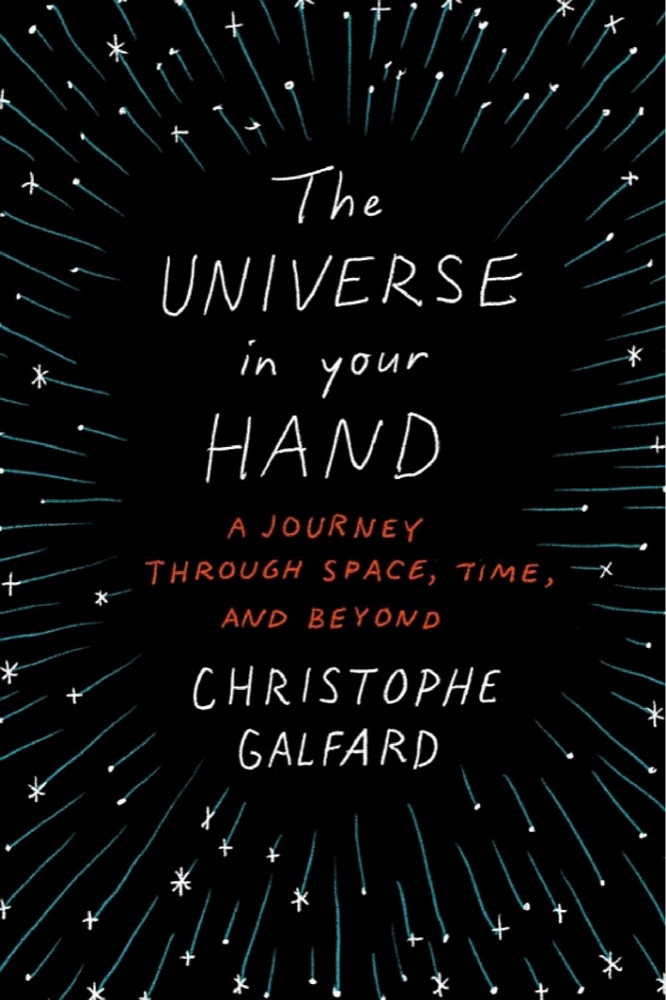 The Universe in Your Hand: A Journey Through Space, Time, and Beyond
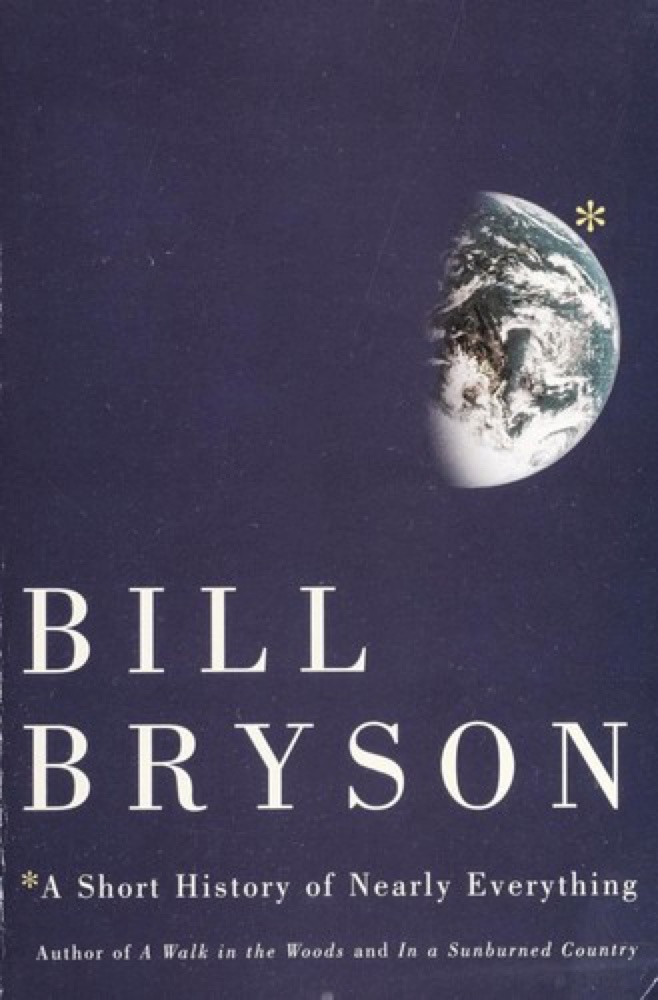 A Short History of Nearly Everything
 From Eternity to Here: The Quest for the Ultimate Theory of Time
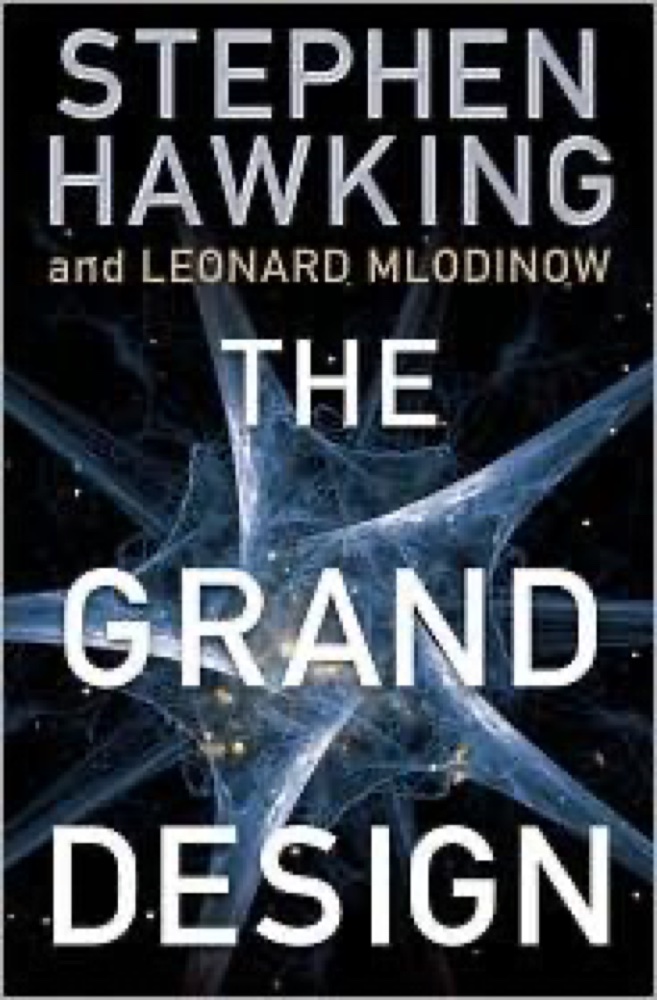 The Grand Design
 Death's End
 A Universe from Nothing: Why There Is Something Rather Than Nothing
 Parallel Worlds: A Journey Through Creation, Higher Dimensions, and the Future of the Cosmos
 The Fabric of the Cosmos: Space, Time, and the Texture of Reality
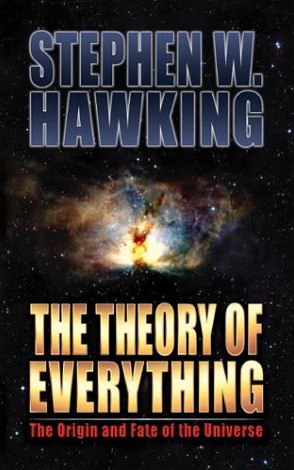 The Theory of Everything: The Origin and Fate of the Universe
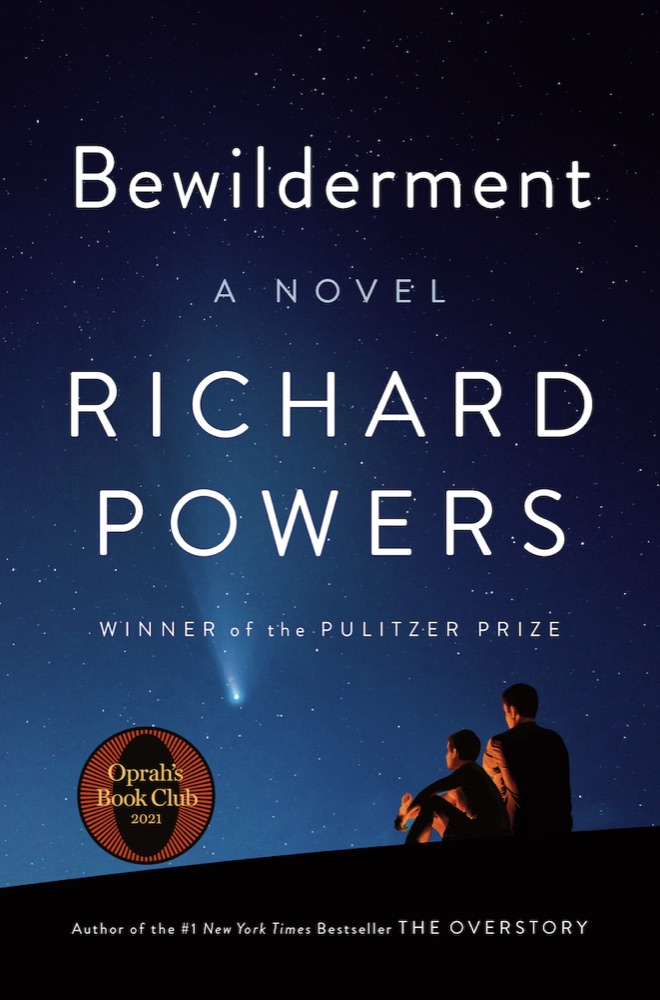 Bewilderment
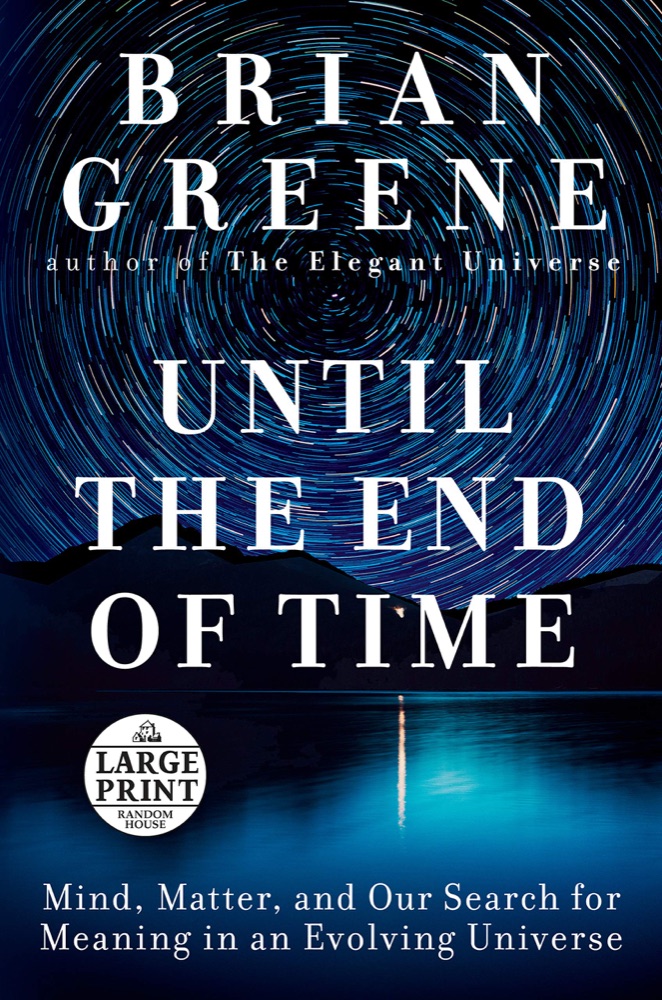 Until the End of Time: Mind, Matter, and Our Search for Meaning in an Evolving Universe
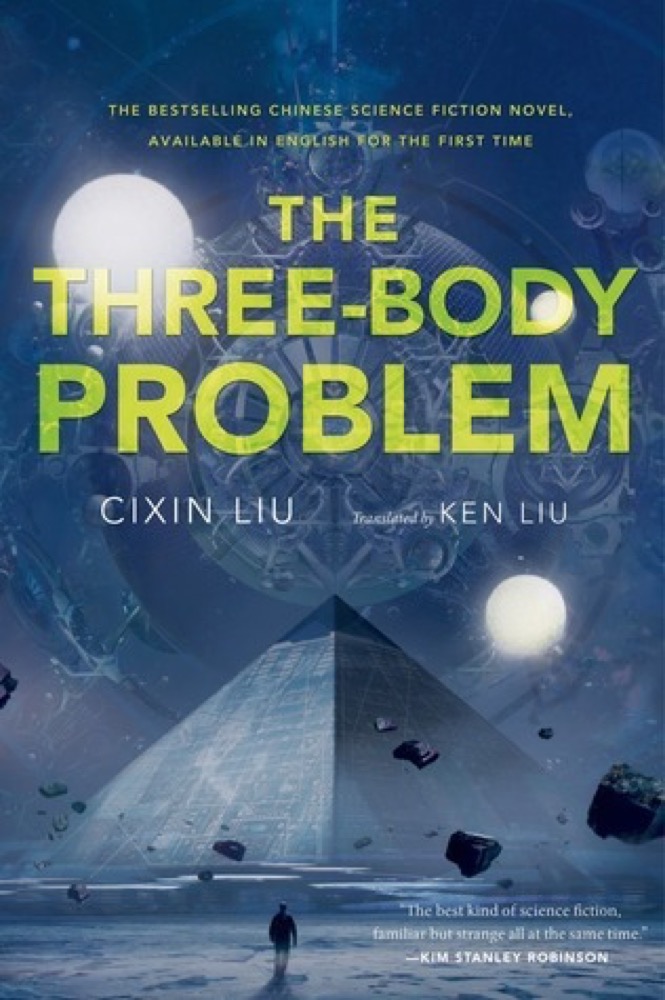 The Three-Body Problem
 The Complete Cosmicomics
 Pale Blue Dot: A Vision of the Human Future in Space
 The Restaurant at the End of the Universe
 The Elegant Universe: Superstrings, Hidden Dimensions, and the Quest for the Ultimate Theory
 Physics of the Impossible: A Scientific Exploration Into the World of Phasers, Force Fields, Teleportation, and Time Travel
 The Particle at the End of the Universe: How the Hunt for the Higgs Boson Leads Us to the Edge of a New World
 Brief Answers to the Big Questions
 How I Killed Pluto and Why It Had It Coming
 Packing for Mars: The Curious Science of Life in the Void
 The Big Picture: On the Origins of Life, Meaning, and the Universe Itself
 The Feynman Lectures on Physics
 A Deepness in the Sky
 The Accidental Universe: The World You Thought You Knew
 Unweaving the Rainbow: Science, Delusion and the Appetite for Wonder
 Chariots of The Gods
 Our Mathematical Universe: My Quest for the Ultimate Nature of Reality
 Orbital
 The Black Hole War: My Battle with Stephen Hawking to Make the World Safe for Quantum Mechanics
 The Future of Humanity: Terraforming Mars, Interstellar Travel, Immortality and Our Destiny Beyond Earth
 Blue Remembered Earth
 The Fifth Science
 Helgoland: Making Sense of the Quantum Revolution
 Exhalation
 The Wandering Earth
 To Be Taught, If Fortunate
 2312
2312
 The End of Time: The Next Revolution in Our Understanding of the Universe
 Billions & Billions: Thoughts on Life and Death at the Brink of the Millennium
 The Second Ship
 The Temporal Void
 13 Things That Don't Make Sense: The Most Baffling Scientific Mysteries of Our Time
 2061: Odyssey Three
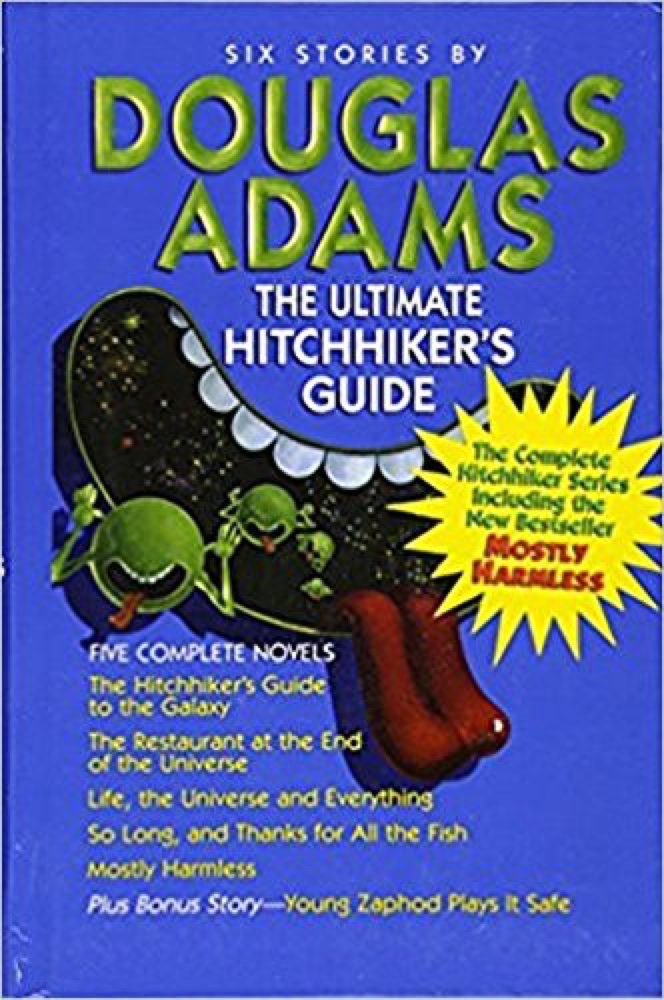 The Ultimate Hitchhiker's Guide
 Solaris
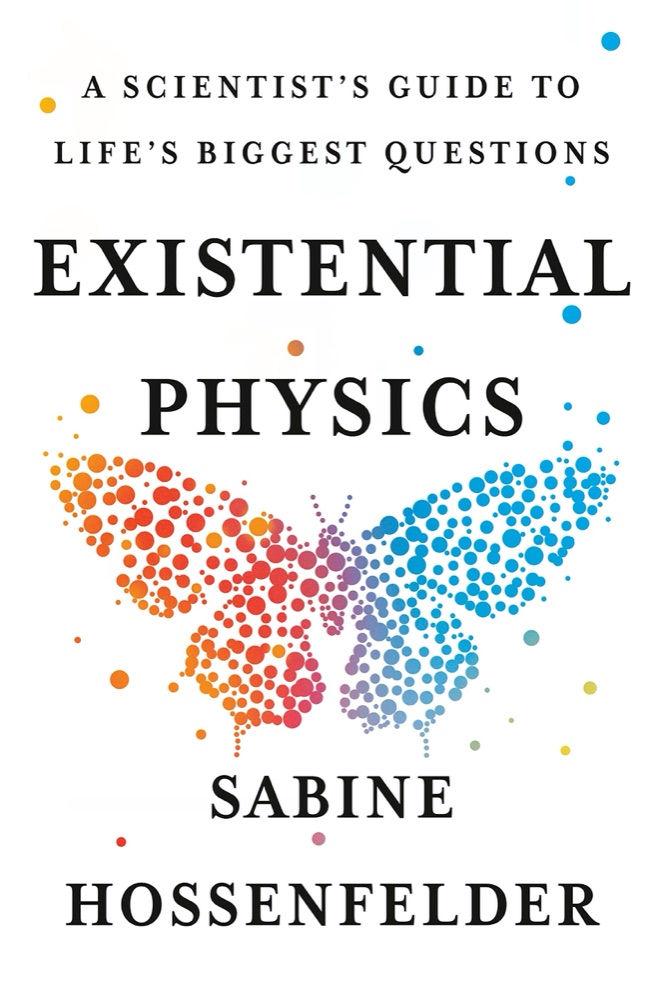 Existential Physics: A Scientist's Guide to Life's Biggest Questions
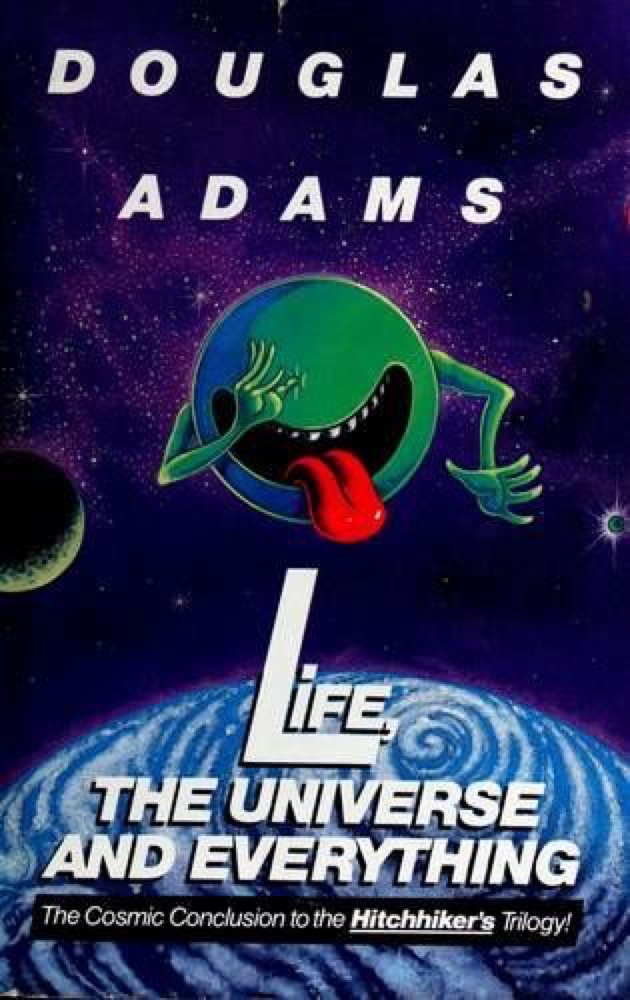 Life, the Universe and Everything
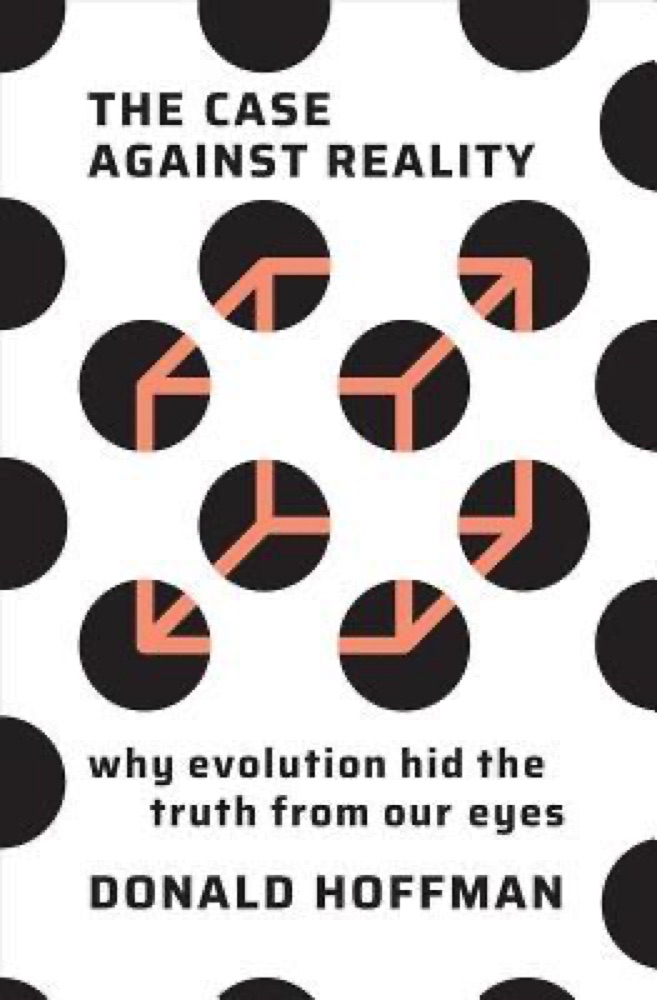 The Case Against Reality: Why Evolution Hid the Truth from Our Eyes
 The Magic of Reality: How We Know What's Really True
 Star Maker