
 Space Chronicles: Facing the Ultimate Frontier
Quotes from the Book
Finding out that something you have just discovered is considered all but impossible is one of the joys of science.
5
There is nothing particularly special about that location of the centre of mass. If you were to find yourself at the precise spot that is the centre of mass of the earth-moon system, the only thing unusual that you would notice is that there would be one thousand miles of rock on top of your head. Pluto is only about twice the size of Charon, so if you put Pluto and Charon on the cosmic seesaw you would find that the balance point is a little bit outside Pluto, rather than inside it. Again, there is nothing particularly special going on there. If you were to find yourself at that precise spot, you would only notice that you were very, very cold and could no longer breathe.
5
Words simply mean what people think they mean when they say them.
3
Pluto was part of their mental landscape, the one they had constructed to organize their thinking about the solar system and their own place within it. Pluto seemed like the edge of existence. Ripping Pluto out of that landscape caused what felt like an inconceivably empty hole.
3
The original ancient Greek meaning of the word planet was simply “wanderer,
2
Most of the fathers were scientists. Most of the mothers were not.
2
I grew up in Huntsville, Alabama, a thoroughly dedicated rocket town. The father of everyone I knew—mine included—was some sort of engineer working to build the Apollo rockets to send men to the moon. For a while as a child, I thought that when you grew up you became a rocket engineer if you were a boy and you married a rocket engineer if you were a girl; few other options in the world appeared to exist.
2
Lilah did little more than sleep and eat and cry, which to me was the most fascinating thing in the entire universe. Why did she cry? When did she sleep? What made her eat a lot one day and little the next? Was she changing with time? I did what any obsessed person would do in such a case: I recorded data, plotted it, calculated statistical correlations. First I just wrote on scraps of paper and made charts on graph paper, but I very quickly became more sophisticated. I wrote computer software to make a beautifully colored plot showing times when Diane fed Lilah, in black; when I fed her, in blue (expressed mother's milk, if you must know); Lilah's fussy times, in angry red; her happy times, in green. I calculated patterns in sleeping times, eating times, length of sleep, amounts eaten. Then, I did what any obsessed person would do these days; I put it all on the Web.
2
Enough, woman who needs no sleep! It is past my bedtime! But I will ponder your suggestions in the morning when I wake up, which will be long after you've already risen.
2
Discovery is exciting, no matter how big or small or close or distant....
2
I was teaching introductory geology at Caltech for the first time. I’m not a geologist. I’ve never taken a single class in geology. If you gave me a handful of different types of rocks, chances are I could identify only a small number of them. I still get confused by the meanings of strike and dip. Luckily, most of my students didn’t realize this.
1
It was becoming more and more clear that if the asteroids were the schools of minnows swimming among the pod of whales, then Pluto and the Kuiper belt objects were simply a previously overlooked collection of sardines swimming in a faraway sea.
1
The word planet should be reserved for the small number of truly important things in the solar system.
1
Dear Dr. Ortiz— Congratulations on your discovery! We found the object, too, about six months ago and have been studying it in detail for the past few months. It has a few interesting properties that you might find interesting. Most interestingly, it has a satellite, and the orbital solution gives a system mass of about 28% of that of the Pluto-Charon system. It’s still probably the biggest KBO around but it has a sufficiently high albedo that it is not quite as big or massive as Pluto. I’ve got a paper describing the satellite that, ironically, I was planning to submit tomorrow. I will forward the paper to you as I submit it. I am sure that I will get inquiries about your new object from different people; is there [or is there going to be] a website describing your survey or your discovery that I can point people to? Again, congratulations on a very nice discovery!
1
But as I had learned earlier, the trick was not to figure out how not to be stupid, the trick was to be smart instead.
Craters on Mercury have to be named for deceased poets; moon of Uranus are named for Shakespearean characters. For this type of object in the Kuiper belt, the rules said that the name had to be a creation deity in a mythology
Her first words, after a considerable pause, were: “You are such a shit.
But figuring out where to point the telescopes in the first place and why you’re doing it is much harder.
felt that antagonistic indignation that can be pulled off particularly well on the Internet.
In 1997 I began working as an assistant professor at Caltech, and I realized that I didn’t really know what I was doing.
I had a hunch. Officially, scientists don’t work on hunches. We work on hypotheses and observations and plenty of evidence. Hunches don’t get you research funding, tenure at your university, or access to the world’s largest telescopes. But a hunch was all I had.
After 'cat', Lilah next learned 'flower'. Flowers (scrunch up nose as if sniffing) were everywhere, first only outside on plants, but soon she generalized to flowers on her clothes or her shoes, or in pictures in books and magazines. I wanted to hook up wires and do experiments and comparisons and studies to understand it all. 'You want to do what?' Diane would say. But really, who wouldn't?
Those early weeks were a blur. Like most new parents, I slept no more than two or three hours at the longest. How tired was I? One morning I piled a load of laundry into the washing machine, scooped a plastic cup of laundry detergent from the box, and poured it into the receptacle in the washing machine. The detergent filled the receptacle and then spilled over the edges. This had never happened before. I had never scooped out more detergent than could fit into the receptacle. I thought hard. I stared at the detergent. I stared at the object in my hand. It was not the small detergent scoop, but a big plastic cup. Why would there be a big plastic cup in the detergent box? I read the side of the detergent box, then it became clear that this was not detergent but kitty litter. I had just loaded the washing machine full of kitty litter. I pondered what would happen if I started the washing machine with kitty litter inside -- the clumping kind! -- and then spent the next thirty minutes trying desperately to get every last bit of litter out of the machine. Then I went to get some sleep; I could do laundry later.
Her real name will come later, but her current code name is Petunia.
Watch on YouTube
About Mike Brown
We have collected 24 quotes from 1 book by Mike Brown on BookQuoters.
More about the author →About the book
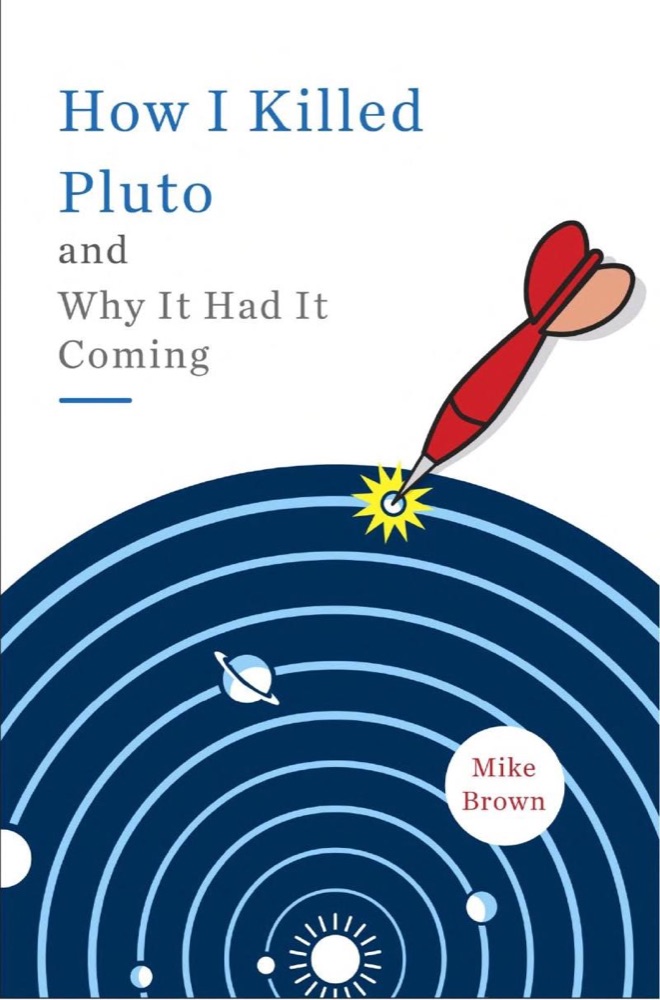
The solar system most of us grew up with included nine planets, with Mercury closest to the sun and Pluto at the outer edge. Then, in 2005, astronomer Mike Brown made the discovery of a a tenth planet, Eris, slightly bigger than Pluto. But instead of its resulting in one more planet being added to our solar system, Brown’s find ignited a firestorm of controversy that riled the usually sedate world of astronomy and launched him into the public eye. The debate culminated in the demotion of Pluto from real planet to the newly coined category of “dwarf” planet. Suddenly Brown was receiving hate mail from schoolchildren and being bombarded by TV reporters—all because of the discovery he had spent years searching for and a lifetime dreaming about.
Filled with both humor and drama, How I Killed Pluto and Why It Had It Coming is Mike Brown’s engaging first-person account of the most tumultuous
Book details
- First published
- 2010
- Author
- Mike Brown
- Genre
- Nonfiction
- Goodreads rating
- 4.06 (10k ratings)
Keep reading
Space Chronicles: Facing the Ultimate Frontier
 Packing for Mars: The Curious Science of Life in the Void
 The Three-Body Problem
 Songs of Distant Earth
 The Hitchhiker's Guide to the Galaxy
 Death by Black Hole: And Other Cosmic Quandaries
 The Curious Incident of the Dog in the Night-Time
 Blue Remembered Earth
 2312
2312
 The Salmon of Doubt
 Bewilderment
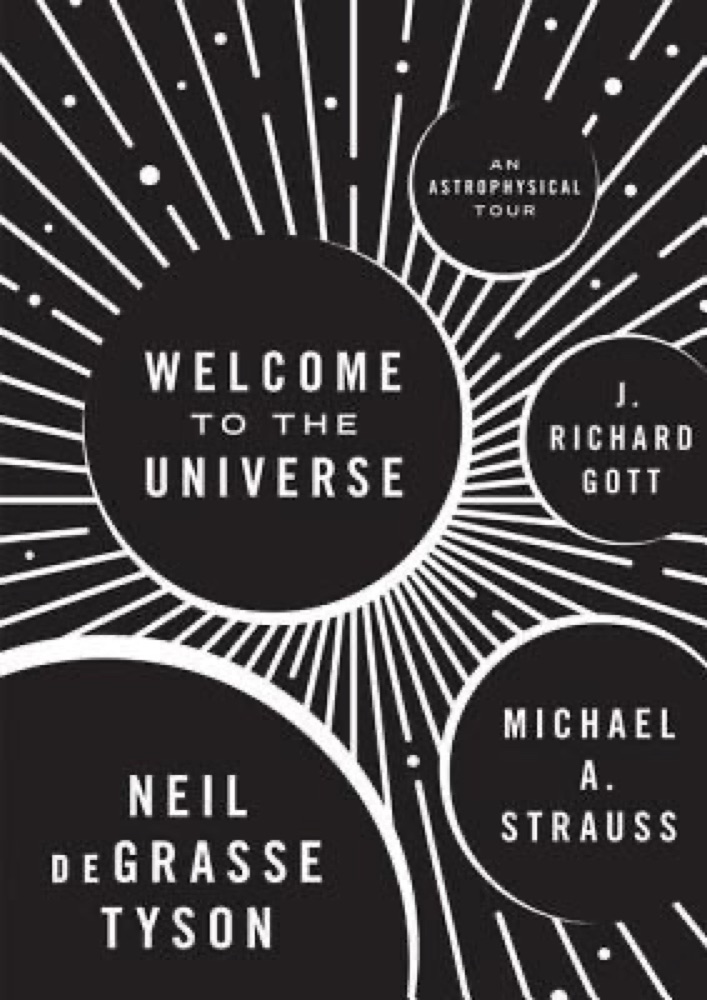 Welcome to the Universe: An Astrophysical Tour
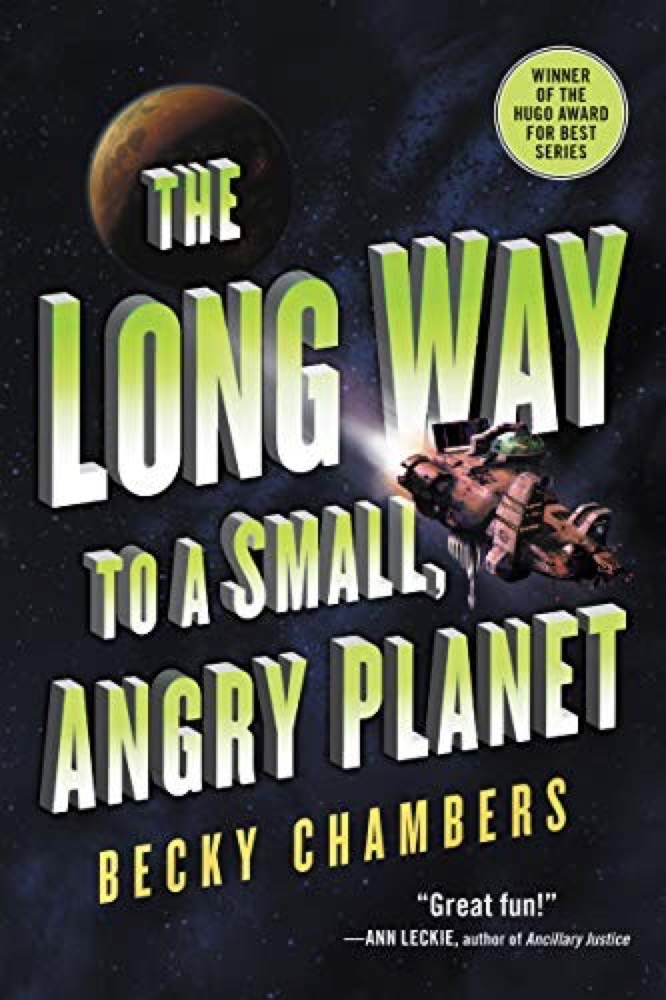 The Long Way to a Small, Angry Planet
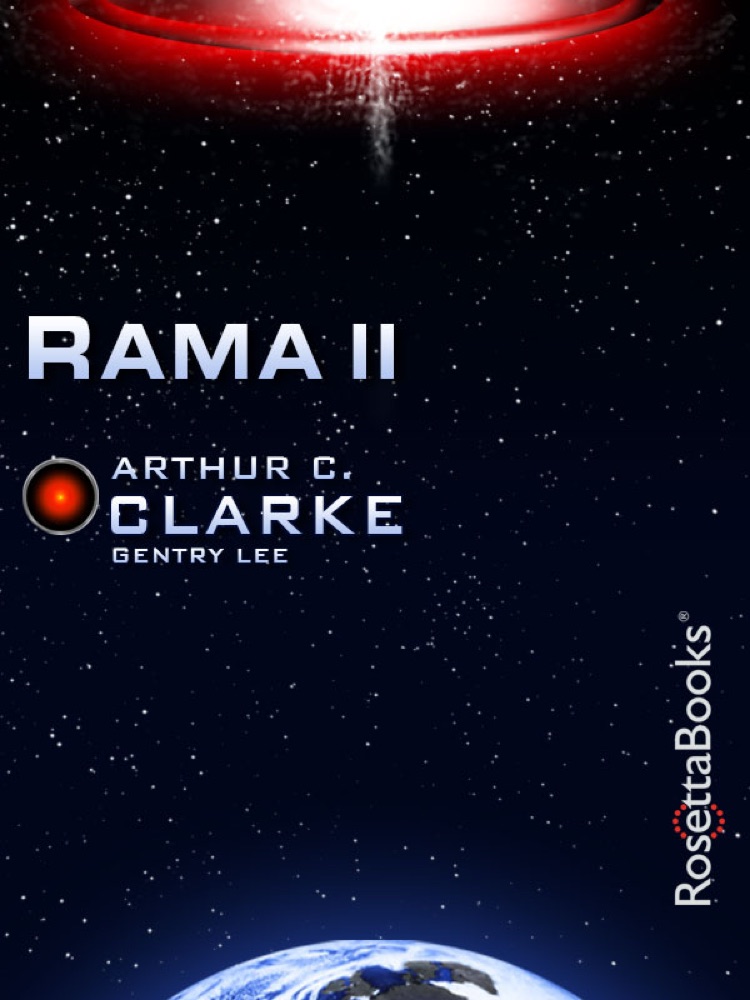 Rama II
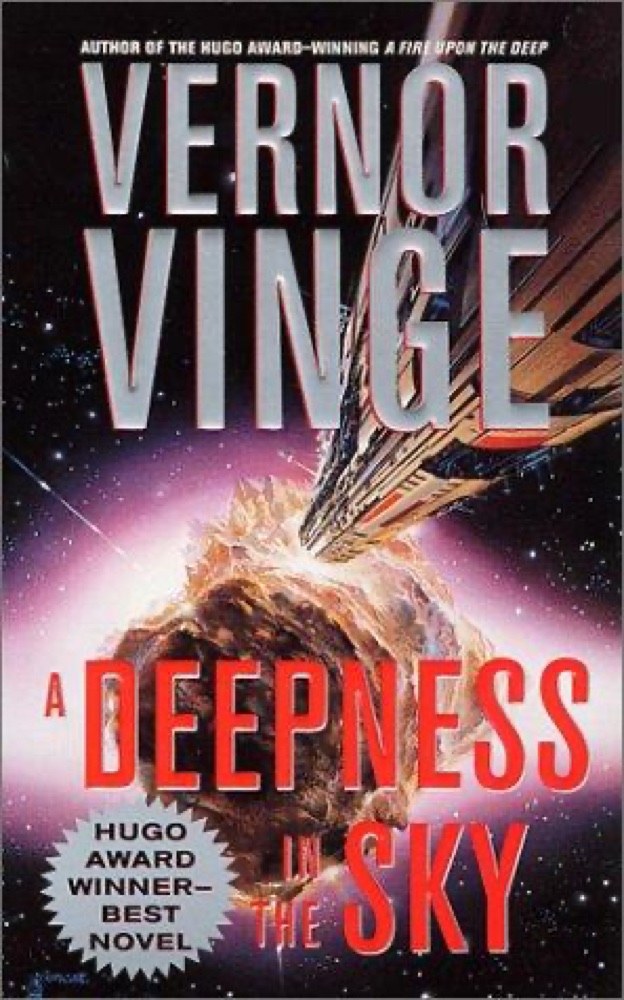 A Deepness in the Sky
 Contact
 The Second Ship
 Maelstrom
 2010: Odyssey Two
 A Closed and Common Orbit
 The Star Diaries
 Revelation Space
 Leviathan Wakes
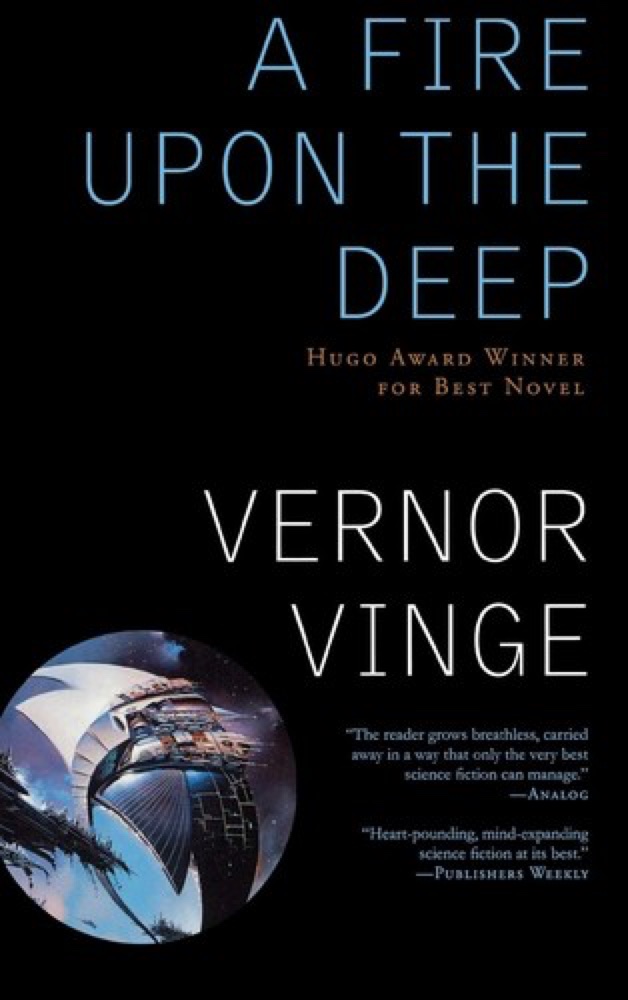 A Fire Upon the Deep
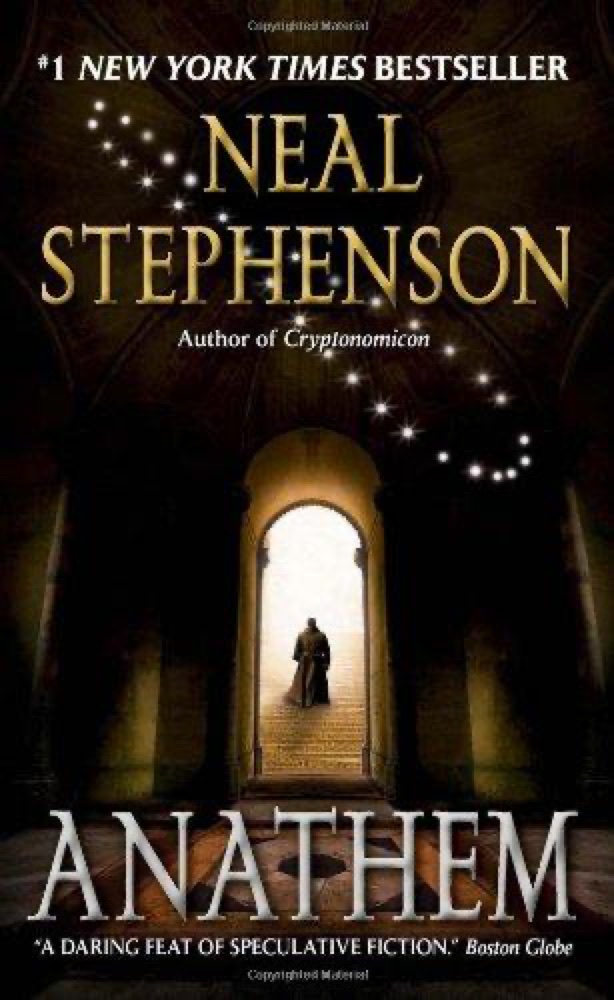 Anathem
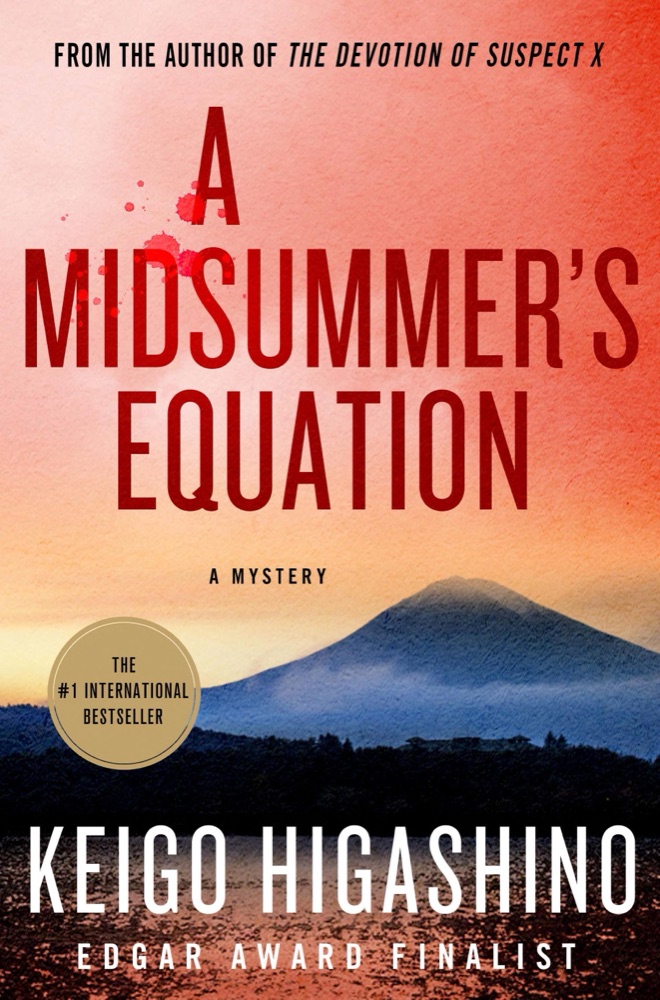 A Midsummer's Equation
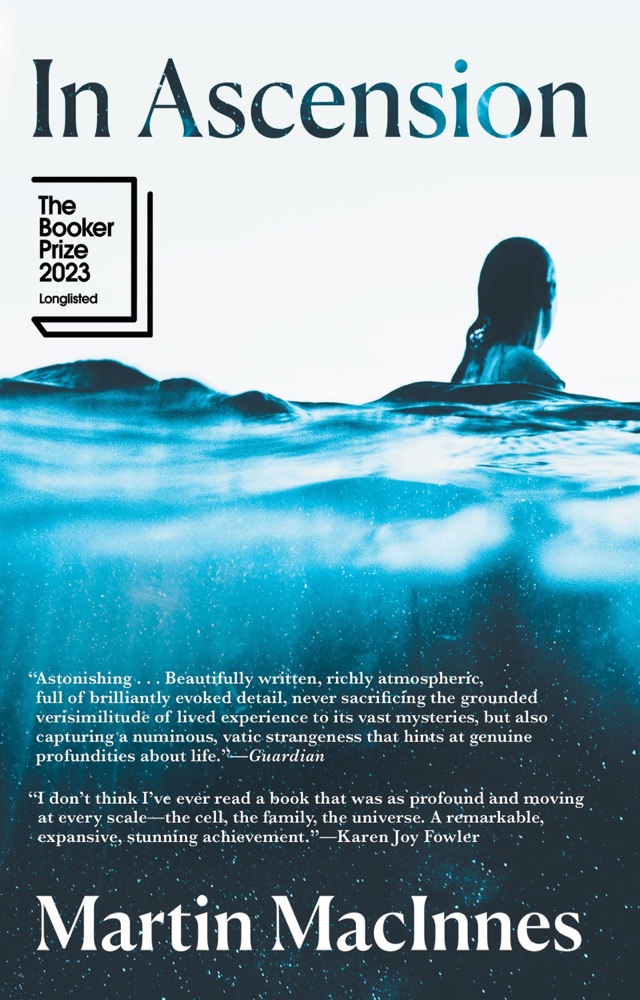 In Ascension
 Cryptonomicon
 Influx
 A Short History of Nearly Everything
 Life, the Universe and Everything
 On the Steel Breeze
 The Fifth Science
 Playground
 Carrying the Fire: An Astronaut's Journey
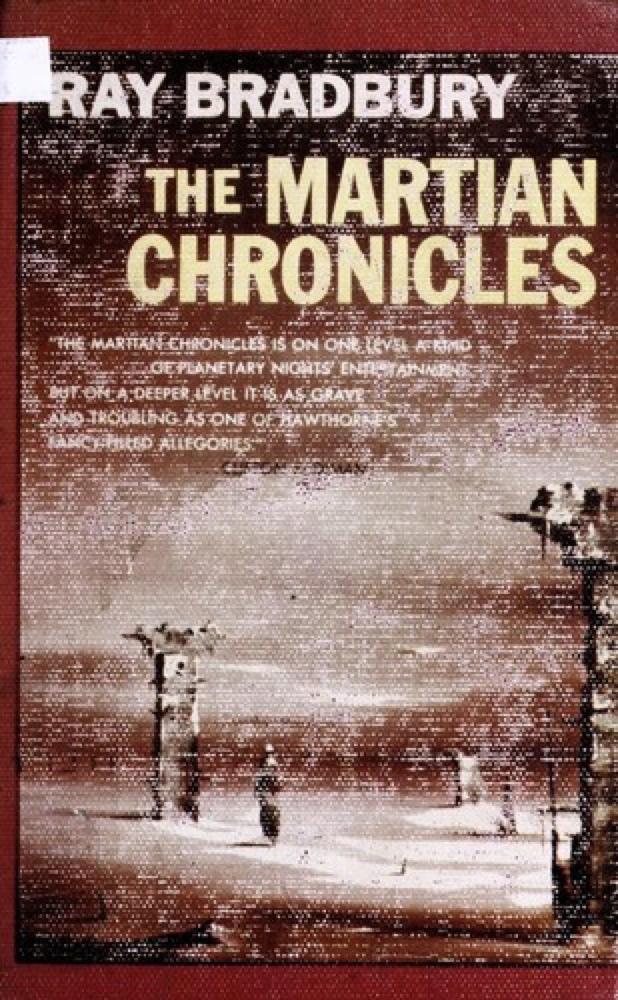 The Martian Chronicles
 Living with a Wild God: A Nonbeliever's Search for the Truth about Everything
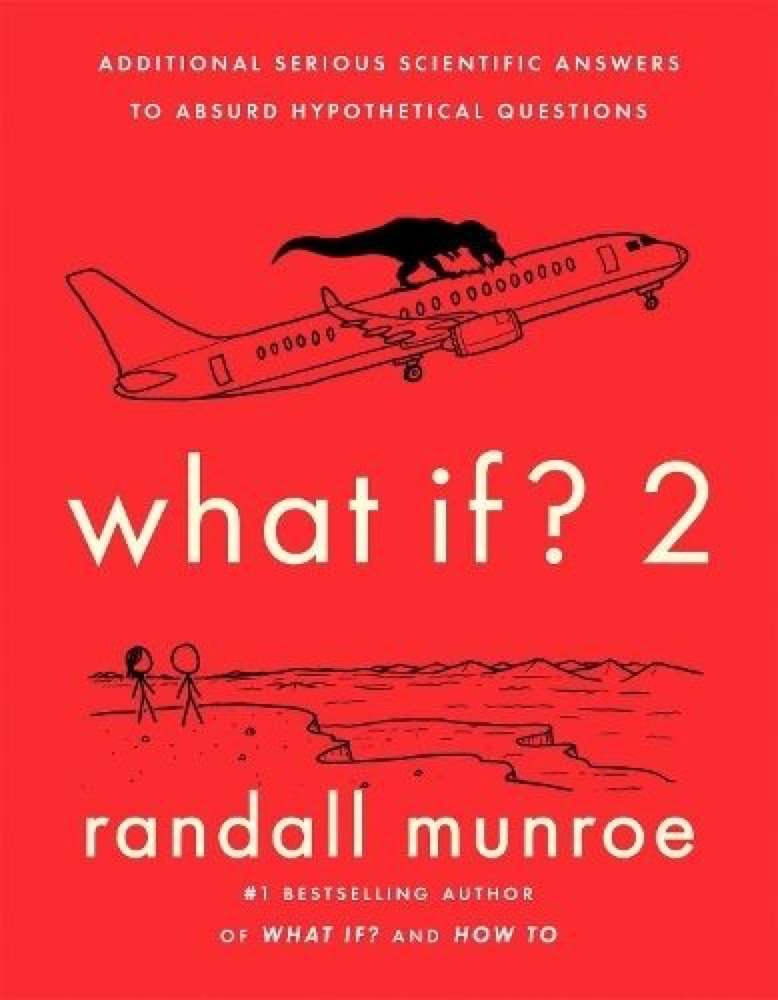 What If?: Serious Scientific Answers to Absurd Hypothetical Questions
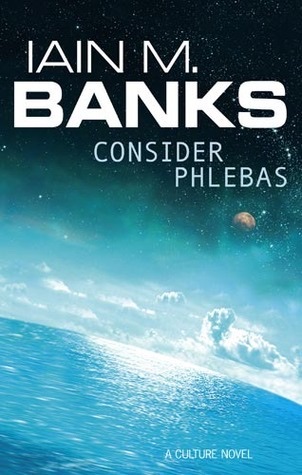 Consider Phlebas
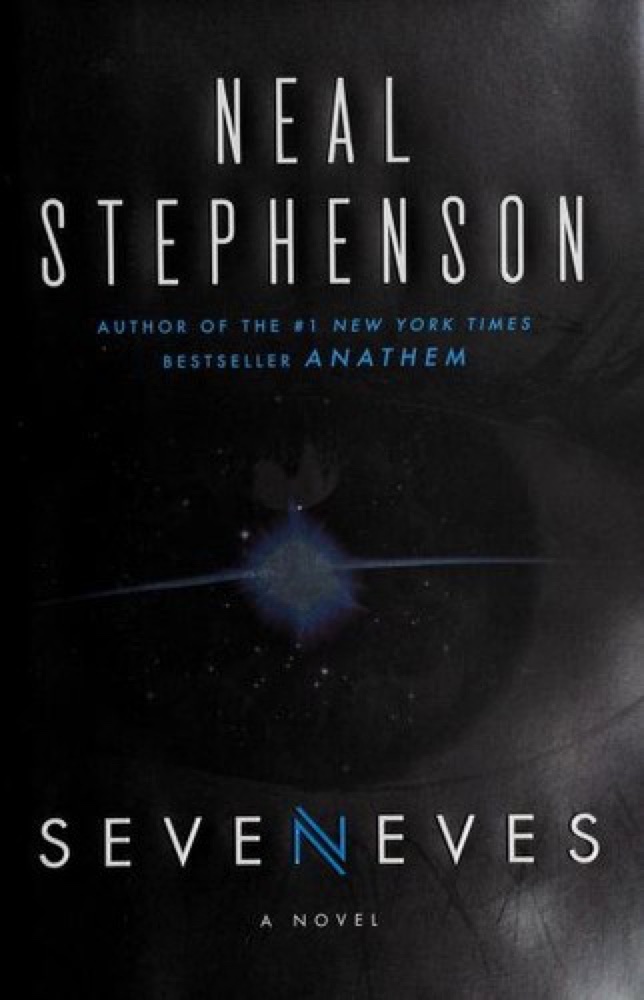 Seveneves
 Solaris
 The Stone Gods
 Echopraxia
 The Last Continent
 Heaven's River
 The Complete Cosmicomics
 Genome
 Fluke: Or, I Know Why the Winged Whale Sings
 Blindsight
 Death's End
 Parasite
 Pyramids
 Armada
 Artemis
 Saturn's Children
 The Kraken Wakes
 Caliban’s War
 The Martian
 The Long Earth
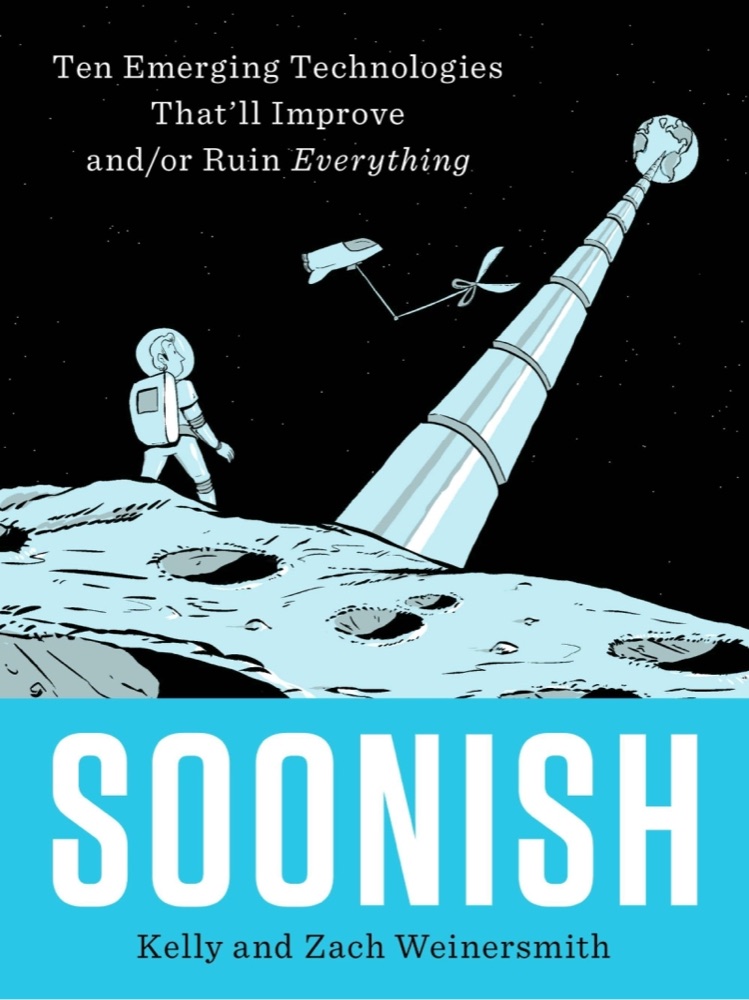 Soonish: Ten Emerging Technologies That'll Improve and/or Ruin Everything