
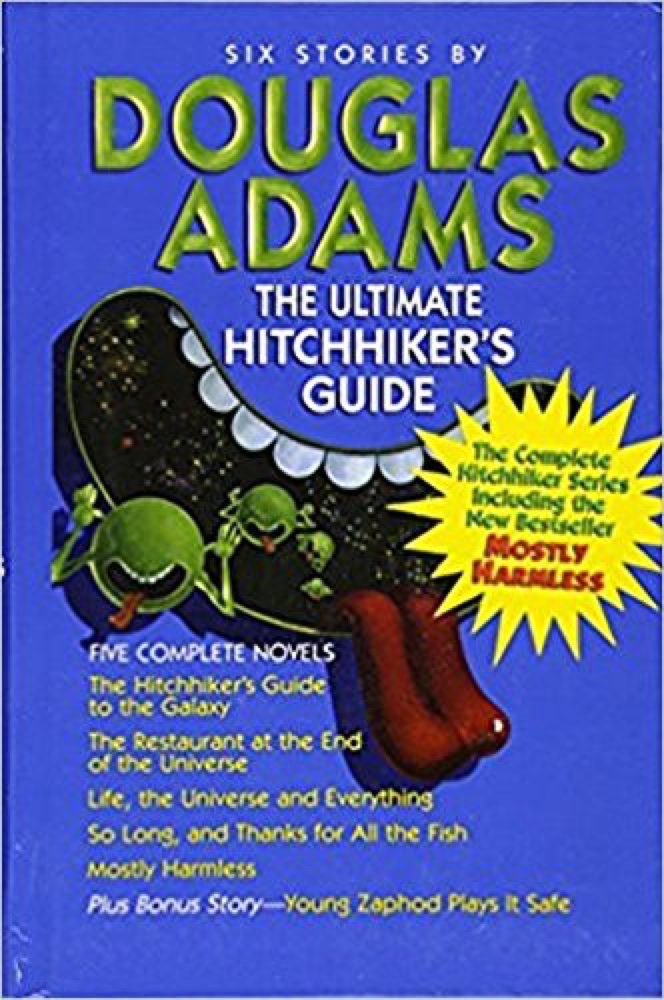
 The Ultimate Hitchhiker's Guide
Quotes from the Book
The Guide says there is an art to flying", said Ford, "or rather a knack. The knack lies in learning how to throw yourself at the ground and miss.
It is a mistake to think you can solve any major problems just with potatoes.
We can't win against obsession. They care, we don't. They win.
My doctor says that I have a malformed public-duty gland and a natural deficiency in moral fibre and that I am therefore excused from saving universes.
Just believe everything I tell you, and it will all be very, very simple." "Ah, well, I'm not sure I believe that.
and then I decided I was a lemon for a couple of weeks.
What I need... is a strong drink and a peer group.
The point is, you see," said Ford, "that there is no point in driving yourself mad trying to stop yourself going mad. You might just as well give in and save your sanity for later.
That young girl is one of the least benightedly unintelligent organic life forms it has been my profound lack of pleasure not to be able to avoid meeting.
I have detected disturbances in the wash.' 'The wash?' 'The space-time wash.' 'Are we talking about some sort of Vogon laundromat, or what are we talking about?' 'Eddies in the space-time continuum.' 'Ah...is he. Is he.' 'What?' 'Er, who is Eddy, then, exactly?
In the end, it was the Sunday afternoons he couldn't cope with, and that terrible listlessness which starts to set in at about 2:55, when you know that you've had all the baths you can usefully have that day, that however hard you stare at any given paragraph in the papers you will never actually read it, or use the revolutionary new pruning technique it describes, and that as you stare at the clock the hands will move relentlessly on to four o'clock, and you will enter the long dark teatime of the soul.
Having solved all the major mathematical, physical, chemical, biological, sociological, philosophical, etymological, meteorological and psychological problems of the Universe except for his own, three times over, [Marvin] was severely stuck for something to do, and had taken up composing short dolorous ditties of no tone, or indeed tune. The latest one was a lullaby. Marvin droned, Now the world has gone to bed, Darkness won't engulf my head, I can see in infrared, How I hate the night. He paused to gather the artistic and emotional strength to tackle the next verse. Now I lay me down to sleep, Try to count electric sheep, Sweet dream wishes you can keep, How I hate the night.
Arthur felt happy. He was terribly pleased that the day was for once working out so much according to plan. Only twenty minutes ago he had decided he would go mad, and now here he was already chasing a Chesterfield sofa across the fields of prehistoric Earth.
Arthur shook his head and sat down. He looked up. “I thought you must be dead …” he said simply. “So did I for a while,” said Ford, “and then I decided I was a lemon for a couple of weeks. I kept myself amused all that time jumping in and out of a gin and tonic.
You may not instantly see why I bring the subject up, but that is because my mind works so phenomenally fast, and I am at a rough estimate thirty billion times more intelligent than you. Let me give you an example. Think of a number, any number.” “Er, five,” said the mattress. “Wrong,” said Marvin. “You see?
The Somebody Else's Problem field is much simpler and more effective, and what's more can be run for over a hundred years on a single torch battery. This is because it relies on people's natural disposition not to see anything they don't want to, weren't expecting, or can't explain.
Zaphod Beeblebrox crawled bravely along a tunnel, like the hell of a guy he was. He was very confused, but he continued crawling doggedly anyway because he was that brave.
The longest and most destructive party ever held is now into its fourth generation and still no one shows any signs of leaving. Somebody did once look at his watch, but that was eleven years ago now, and there has been no follow up.
Numbers written on restaurant bills within the confines of restaurants do not follow the same mathematical laws as numbers written on any other pieces of paper in any other parts of the Universe. This single fact took the scientific world by storm.
Deep in the fundamental heart of mind and Universe there is a reason.
The lights were off so that his heads could avoid looking at each other because neither of them was currently a particular engaging sight, nor had they been since he had made the error of looking into his soul. It had indeed been an error. It had been late one night-- of course. It had been a difficult day-- of course. There had been soulful music playing on the ship's sound system-- of course. And he had, of course, been slightly drunk. In other words, all the usual conditions that bring on a bout of soul searching had applied, but it had, nevertheless, clearly been an error.
Zaphod did not want to tangle with them and, deciding that just as discretion is the better part of valor, so was cowardice is the better part of discretion, he valiantly hid himself in a closet.
Time is the worst place, so to speak, to get lost in, as Arthur Dent could testify, having been lost in both time and space a good deal. At least being lost in space kept you busy.
You're a jerk,' repeated the alien, 'a complete asshole.
The bowler approached the wicket at a lope, a trot, and then a run. He suddenly exploded in a flurry of arms and legs, out of which flew a ball.
No one really knows what mattresses are meant to gain from their lives either. They are large, friendly, pocket-sprung creatures that live quiet private lives in the marshes of Sqornshellous Zeta. Many of them get caught, slaughtered, dried out, shipped out and slept on. None of them seems to mind this and all of them are called Zem.
He inched his way up the corridor as if he would rather be yarding his way down it, which was true.
The technology involved in making anything invisible is so infinitely complex that nine hundred and ninety-nine billion, nine hundred and ninety-nine million, nine hundred and ninety-nine thousand, nine hundred and ninety-nine times out of a trillion it is much simpler and more effective just to take the thing away and do without it.
I don't believe it. Prove it to me and I still won't believe it.
Did you know?
- It is the third book in the Hitchhiker's Guide to the Galaxy series.
- The story grew in part out of ideas Adams had originally developed for a rejected Doctor Who film treatment.
- Cricket, and specifically the theft of the Ashes from Lord's Cricket Ground, is central to the plot.
- The novel introduces the planet Krikkit and its universe-destroying robots.
- It was later adapted for BBC Radio 4 in 2004 as part of the Tertiary Phase.
About Douglas Adams
Douglas Adams (1952-2001) was an English author, humorist, and screenwriter best known for The Hitchhiker's Guide to the Galaxy, which began as a BBC radio comedy before expanding into a series of novels.
More about the author →More by Douglas Adams
The Ultimate Hitchhiker's Guide
 The Hitchhiker's Guide to the Galaxy
 So Long, and Thanks for All the Fish
 Mostly Harmless
About the book
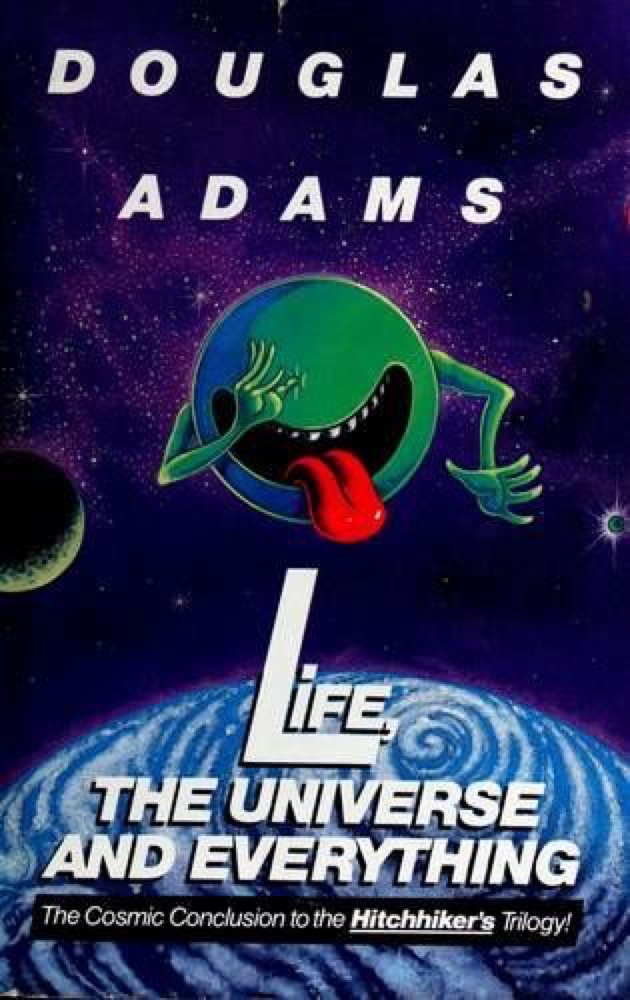
"Life, the Universe and Everything" is the third novel in Douglas Adams's comic science-fiction series The Hitchhiker's Guide to the Galaxy, first published in 1982. It follows Arthur Dent and Ford Prefect as they are pulled off a prehistoric Earth and thrown across space and time, where they and their companions become entangled in a scheme by the killer robots of the planet Krikkit, whose xenophobic inhabitants seek to wipe out the rest of the universe.
The plot turns on a set of scattered components, including the stolen Ashes from a cricket match at Lord's, which the Krikkit robots need to reassemble the key that will free their world from a time-lock imprisonment. Old faces from earlier books, among them the depressed robot Marvin, the two-headed Zaphod Beeblebrox, Trillian, and the planet-designer Slartibartfast, are drawn in as the mystery reaches back to an ancient super-intelligence called Hactar.
Blending absurdist humour, science-fiction adventure, and a very English sensibility, the novel continues the tone Adams established in the earlier Hitchhiker's books while telling a more plot-driven story rooted in cricket imagery. Along with the rest of the series, it helped cement Adams's reputation as one of the most beloved comic writers in modern science fiction.
Key characters
- Arthur DentBewildered human Earthman and reluctant traveller
- Ford PrefectArthur's alien friend and a researcher for the Guide
- SlartibartfastElderly planet designer who recruits Arthur and Ford
- Zaphod BeeblebroxTwo-headed former Galactic President
- TrillianHuman astrophysicist travelling with the group
- MarvinChronically depressed and highly intelligent android
Book details
- First published
- 1982
- Length
- 160 pages
- Reading time
- 2 hours
- Author
- Douglas Adams
- Genre
- Classics
- Goodreads rating
- 4.16 (254k ratings) →
- First line
- “The regular early morning yell of horror was the sound of Arthur Dent waking up and suddenly remembering where he was.”
Series & reading order
- 1 The Hitchhiker's Guide to the Galaxy
- 2 The Restaurant at the End of the Universe
- 3 Life, the Universe and Everything
- 4 So Long, and Thanks for All the Fish
- 5 Mostly Harmless
If you liked this, read…
- 1The Restaurant at the End of the UniverseThe preceding Hitchhiker's novel with the same characters and humour
- 2Good OmensComic apocalyptic fantasy with a similar British wit
- 3RedshirtsMetafictional comic science fiction in a similar vein
Keep reading
The Ultimate Hitchhiker's Guide
The Hitchhiker's Guide to the Galaxy
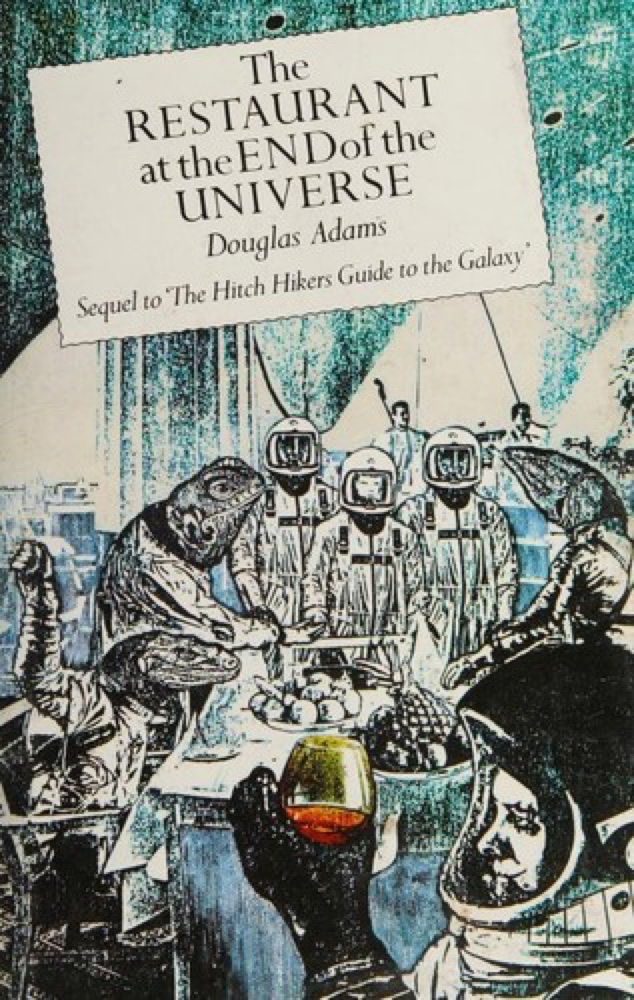 The Restaurant at the End of the Universe
 The Adventures of Augie March
 Fathers and Sons
 A Madness of Angels
 Anathem
 Timequake
 False Memory
 Endymion
 Flight Behavior
 Breakfast of Champions
 Thief of Time
 Revelation Space
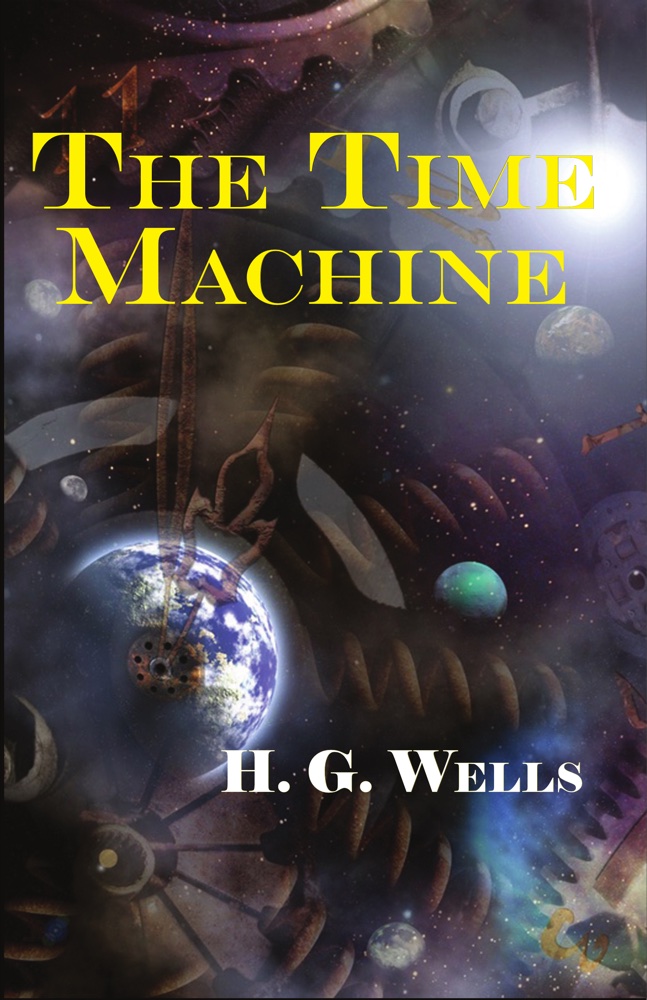 The Time Machine
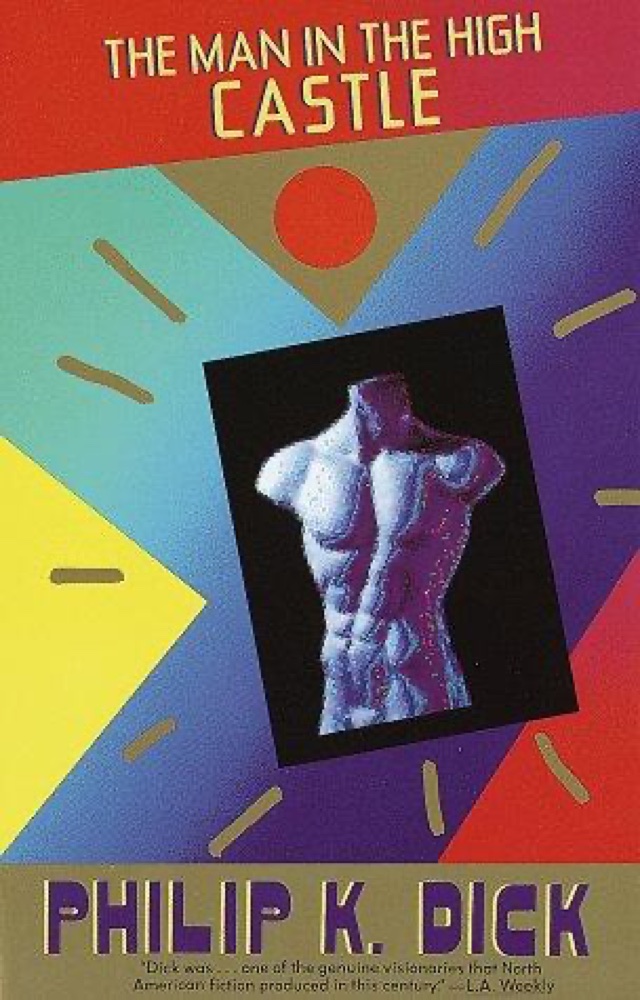 The Man in the High Castle
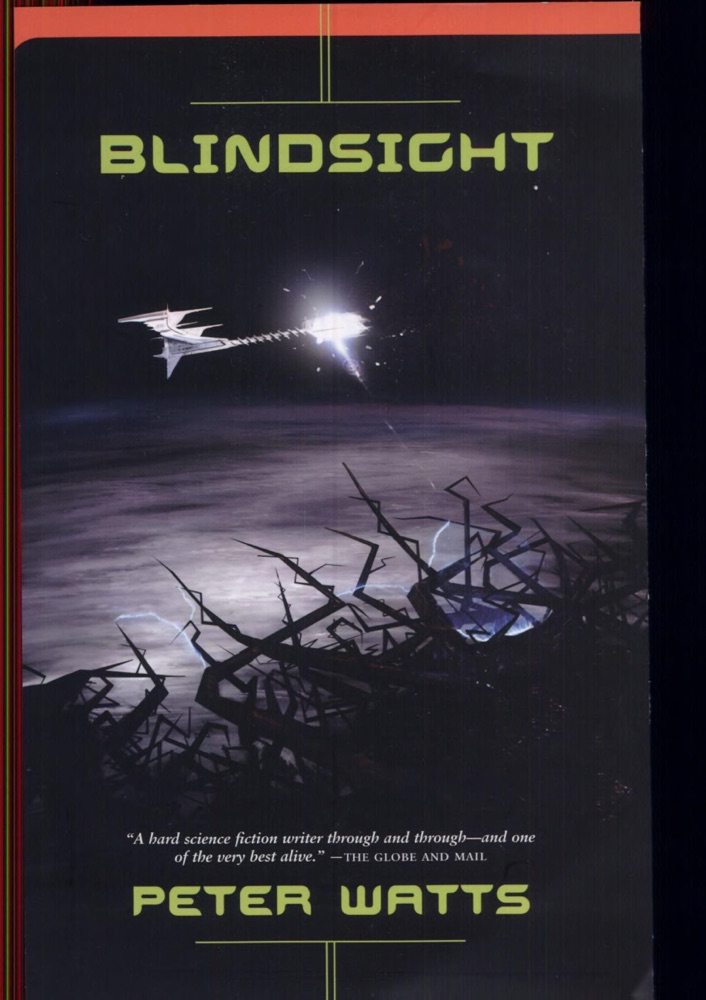 Blindsight
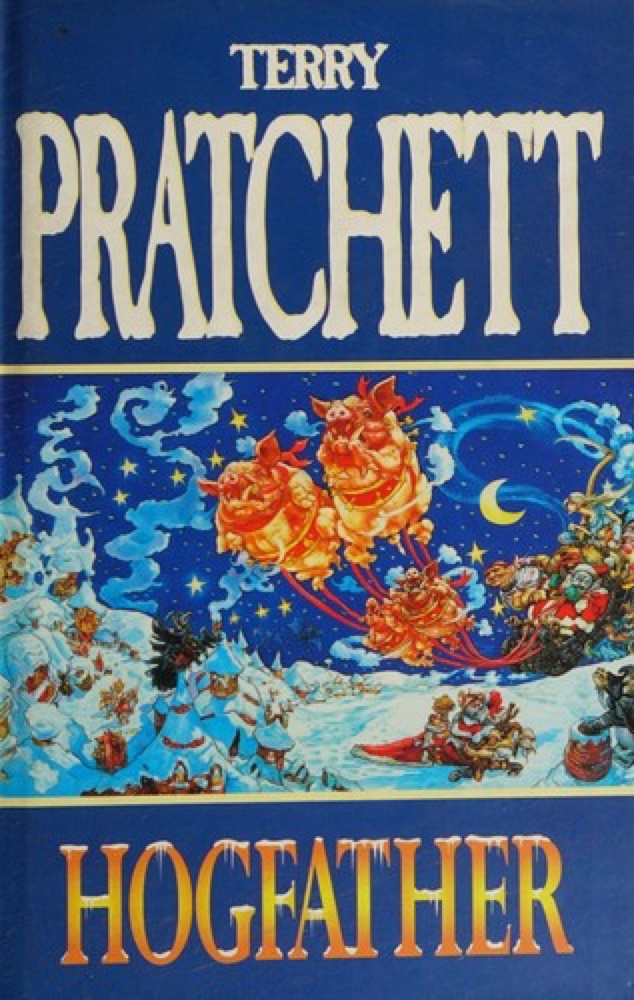 Hogfather
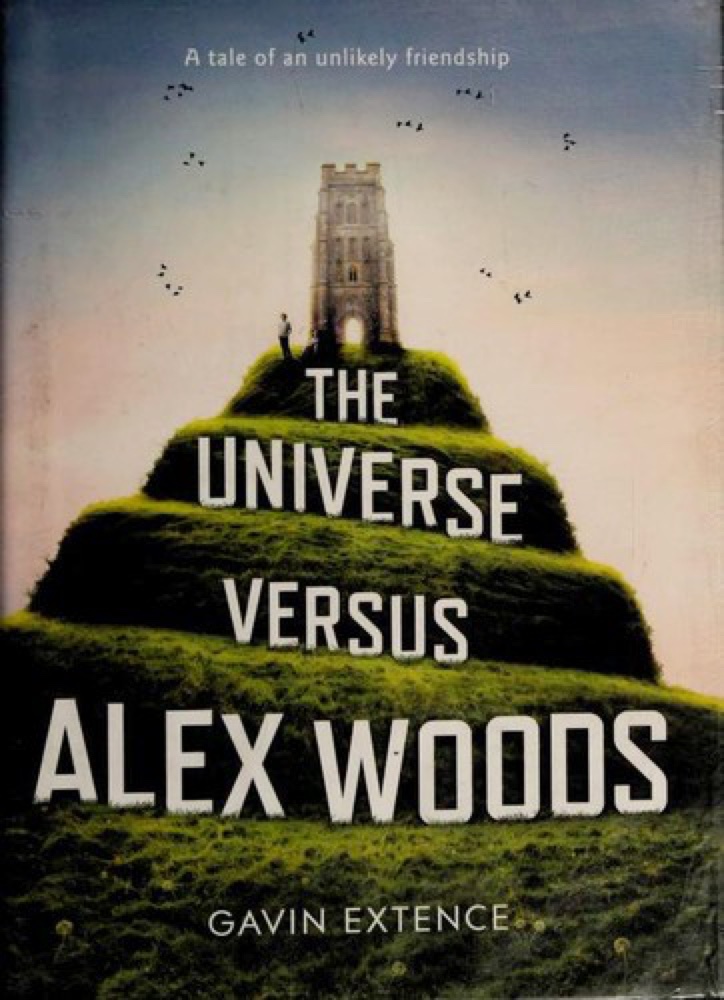 The Universe Versus Alex Woods
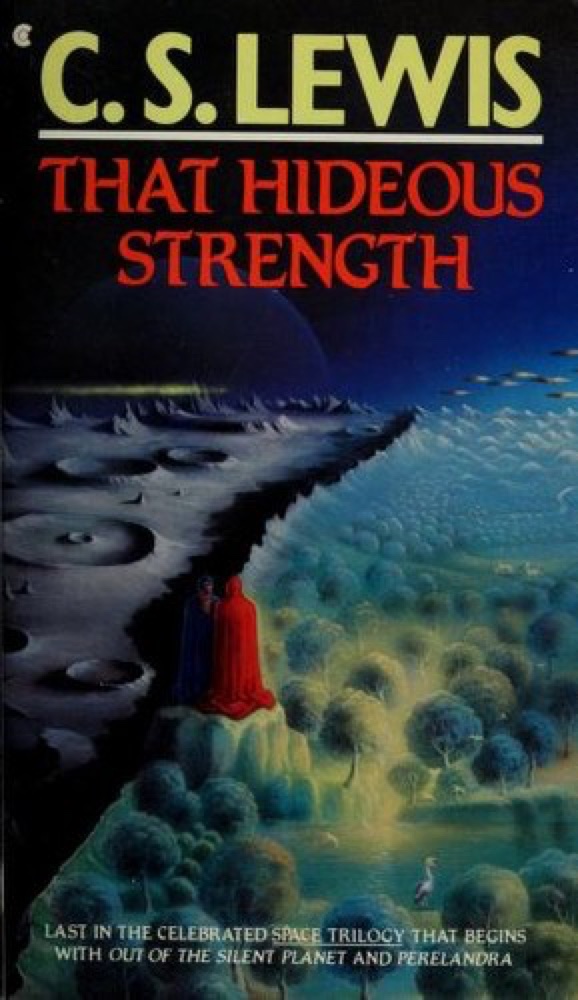 That Hideous Strength
 Foucault's Pendulum
 Authority
 The Killer Inside Me
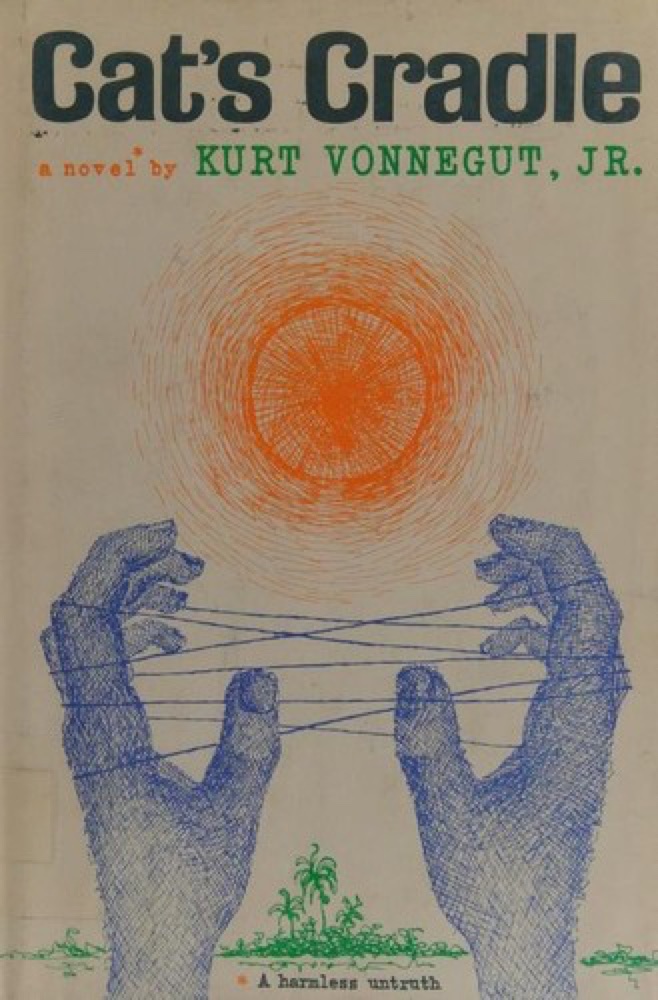 Cat's Cradle
 Henderson the Rain King
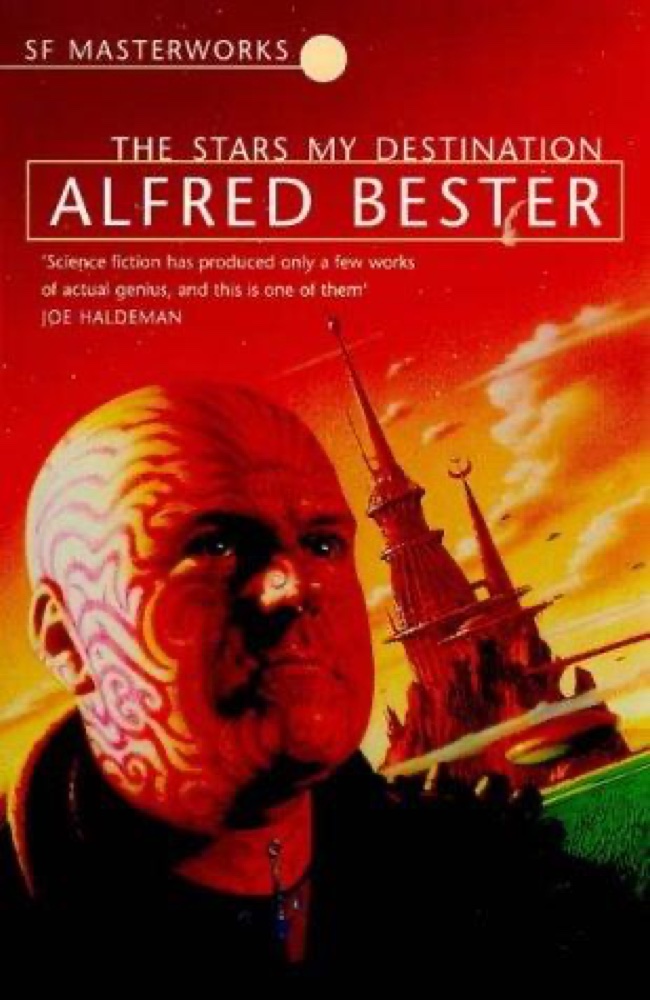 The Stars My Destination
 Hard-Boiled Wonderland and the End of the World
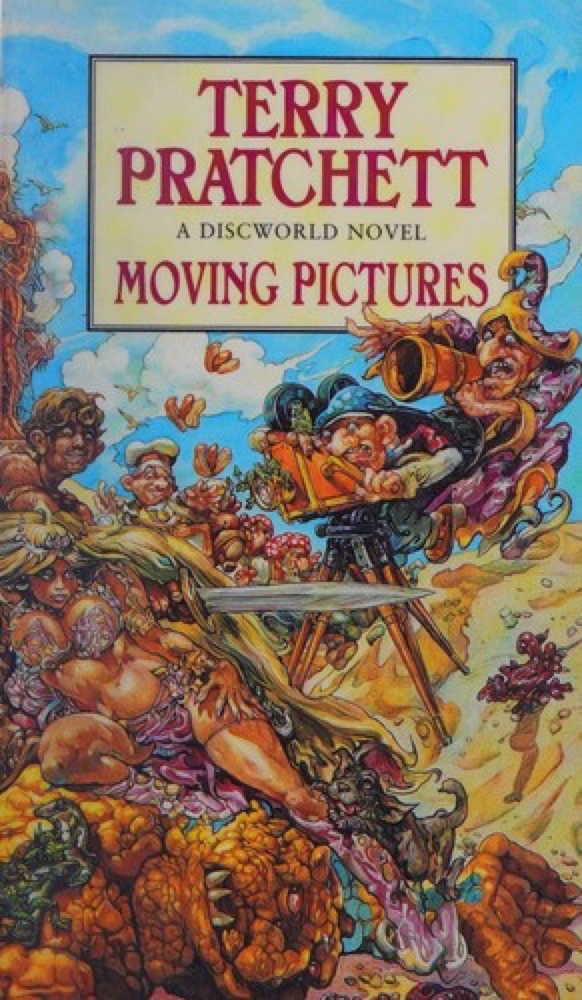 Moving Pictures
 The Gone-Away World
 Influx
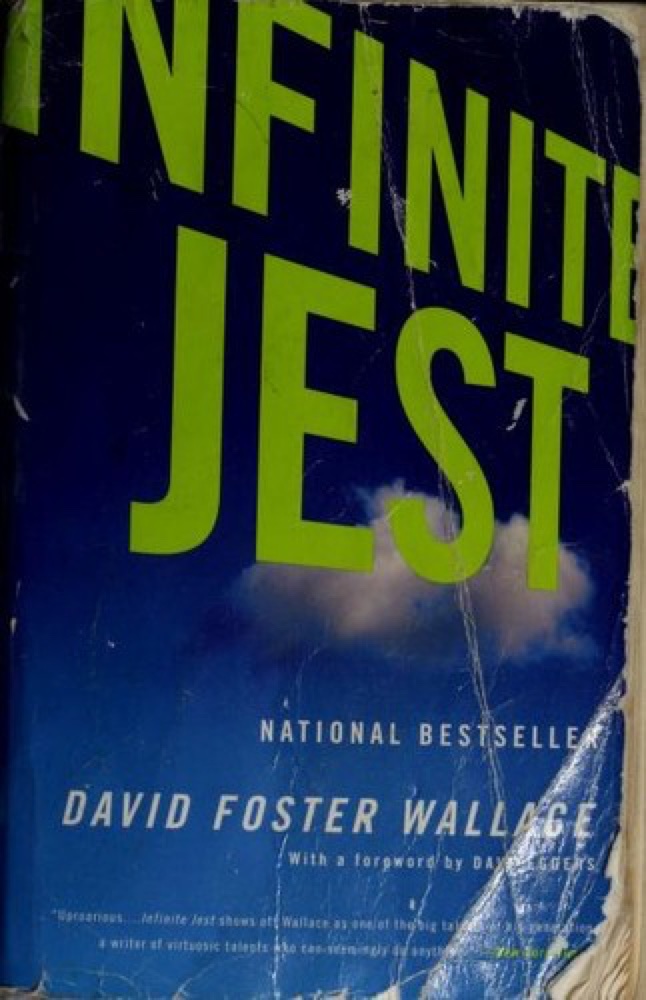 Infinite Jest
 Dhalgren
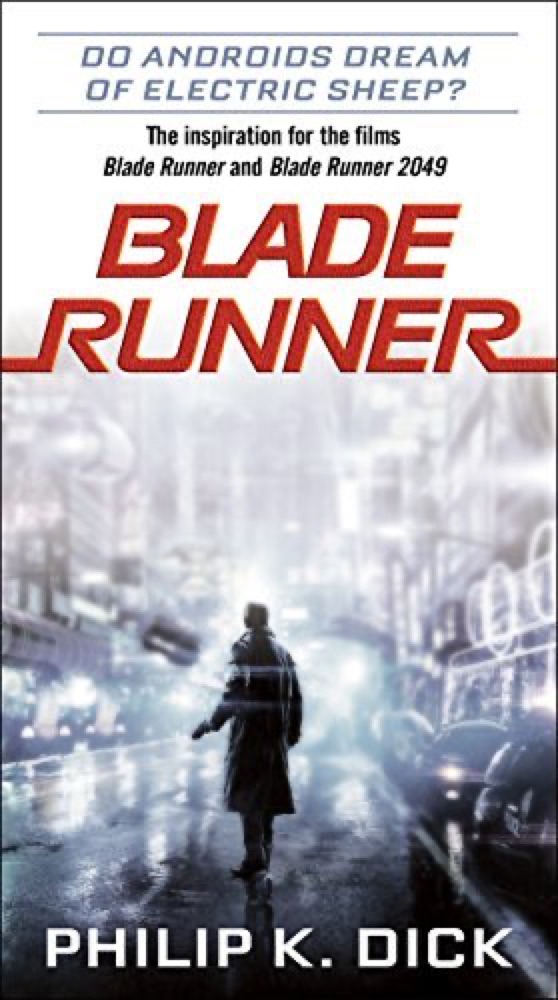 Do Androids Dream of Electric Sheep?
 Diary of a Drug Fiend
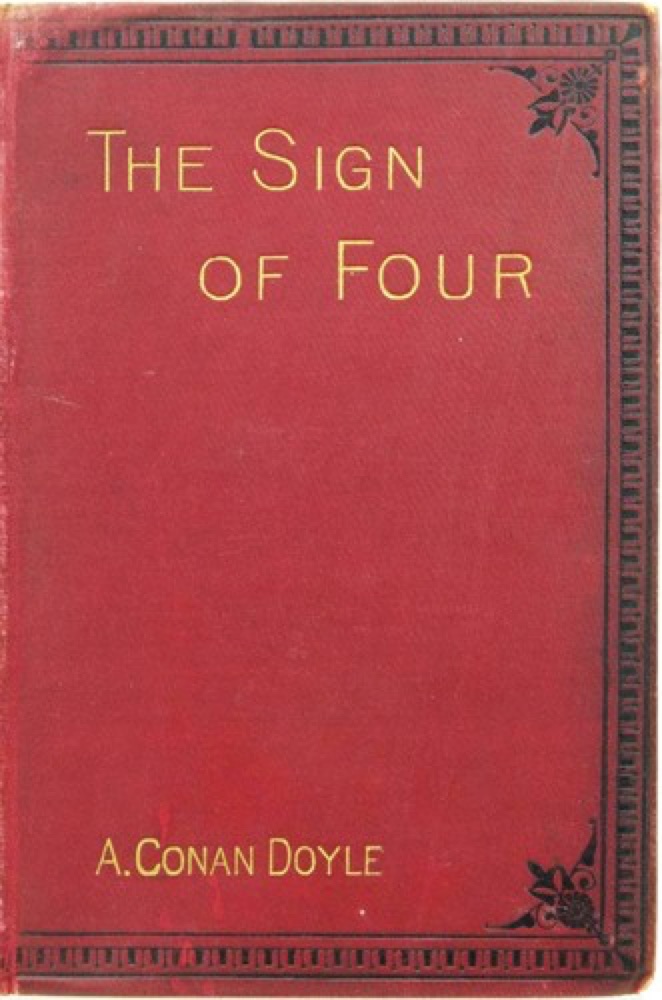 The Sign of Four
 Dead Beat
 Cryptonomicon
 The Woman Who Died a Lot
 Caliban’s War
 Leviathan
 A Long Way Down
 Point Omega
 Highly Illogical Behavior
 Oblivion
 Parasite
 Suspect
 The Hour I First Believed
 The Curious Incident of the Dog in the Night-Time
 A Fraction of the Whole
 Songs of Distant Earth
 A Wild Sheep Chase
 A Scanner Darkly
 The Illustrated Man
 Watchmen
 Microserfs
 The Long Way to a Small, Angry Planet
 The Sea, the Sea
 The Idiot
 Stranger in a Strange Land