
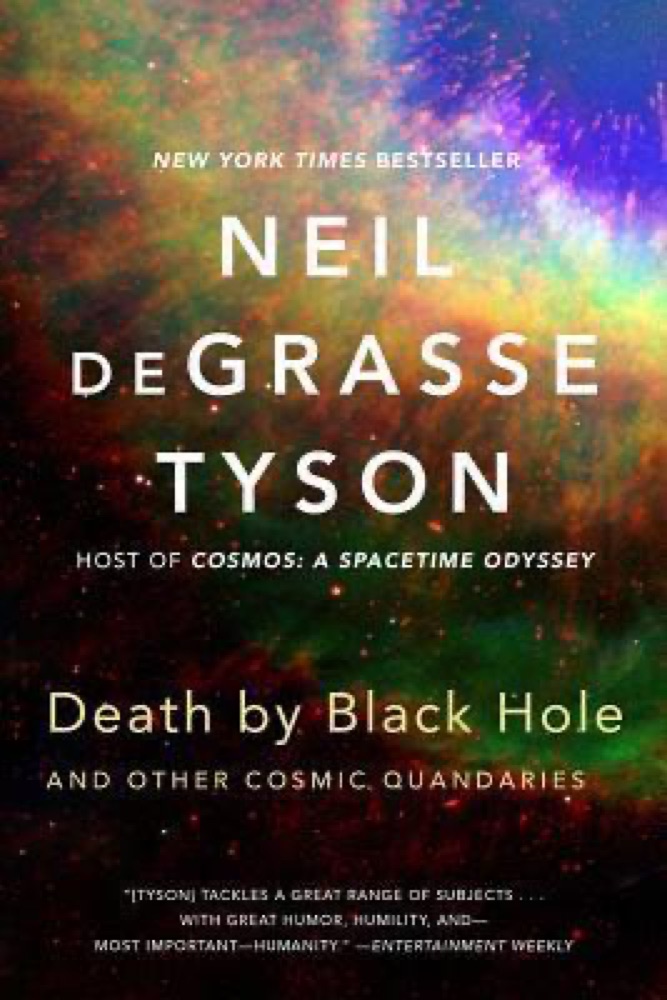
 Death by Black Hole: And Other Cosmic Quandaries
Quotes from the Book
There are reasons to doubt that what we call the laws of physics necessarily apply everywhere in the universe—or that they were applicable to every time in its history.
8
Every advance [in Science] will most likely tell us as much about ourselves as it will about the universe we inhabit. We are all collections of chemicals made in the cataclysmic explosions of stars; we are stardust, or nuclear waste, depending on your perspective.
5
The definitive study of the herd instincts of astronomers has yet to be written, Fernie said, but there are times when we resemble nothing so much as a herd of antelope, heads down in tight formation, thundering with firm determination in a particular direction across the plain. At a given signal from the leader we whirl about, and, with equally firm determination, thunder off in quite a different direction, still in tight parallel formation. (quoting an observation made by astronomer J. Donal Fernie)
4
Studies show that neurotic and psychiatric disorders are more common among those who attempt to keep conscious control of life and suppress its unwelcome quirks. Sanity, paradoxically, may lie in accepting that you are not in control.
2
We are pouring huge amounts of energy into the biological effort to understand where life came from, how it arose on planet Earth, because it matters to us; it is, perhaps our deepest question. Really, it boils down to this: Are we special? The best summation has been attributed to the science fiction writer Arthur C. Clarke: "Sometimes I think we're alone in the universe, and sometimes I think we're not," he said. "In either case the idea is quite staggering." Clarke is right. If we are alone, that's extraordinary. If we are not , that's even better. Were we to discover that we are one of many life-forms on a planet that is one of many inhabited worlds, we would have a new perspective on being human - on being alive, even. And if we discover that some of that life beyond Earth is intelligent, a whole new vista of possible human experience opens up before us.
2
Sometimes, the idea that science is a neutral, careful, bias-avoiding discipline has a bad day.
1
The third oddity was the surface on which Lawrence was doing his own succussion. It was a huge, black leather-bound King James Bible. Having done three raps on the Bible, his fist clenched around a vial containing a homeopathic remedy made from amethyst, Lawrence looked up. His face said, "I wish you hadn't seen that". "You don't have to use a Bible," he assured me.
1
Then there is the “intelligent” signal from outer space that has defied explanation for thirty years; the enigma of our sense of free will despite all scientific evidence to the contrary; the spacecraft that are being pushed off course by an unknown force; the trouble we have explaining the origin of both sex and death using our best biological theories … the list goes on.
...we had bypassed Romeo and Juliet and gone straight to Macbeth.
Skeptics might argue that pharmaceutical companies will fight anything that casts their products in a dubious light - especially if it results in people using lower doses across the board - but the truth is that, for many drug companies, reliable information on the placebo effect can't come soon enough. To pass muster, a drug must outperform placebo. But a 2001 study of antidepressant drug trials showed that while drug efficacy is rising, placebo rates are rising faster. It's almost ironic; the factors behind this are many and varied, but a significant contributor is our society's knowledge of - and belief in - the power of medicines. The pharmaceutical industry's palpable success means that unless something radical happens, it could soon be, like the Red Queen, running to stand still.
These coupling certainly do not fit with the mainstream idea that genes, or at least organisms, are hell-bent on reproducing themselves. They do fit, however, with the idea of a social role for sex, and they fit with the idea that sexual reproduction is a spandrel, a by-product of some other phenomenon. If Roughgarden is on to something, she believes it could have cultural as well as scientific implications. The orthodoxy of biology has corroded our culture like battery acid, she says, In general, we play out the roles prescribed for us by that culture - aggressive male and coy female - because deviation from its "norm" results in emotional and physical violence, bigotry, personal guilt, and criminalized behaviors. If biology has been getting it wrong though, the new orthodoxy could trigger an infusion of tolerance; perhaps the anomalous prevalence of sexual reproduction will end up having deeper repercussions outside of science than within it.
Watch on YouTube
About Michael Brooks
We have collected 11 quotes from 1 book by Michael Brooks on BookQuoters.
More about the author →About the book
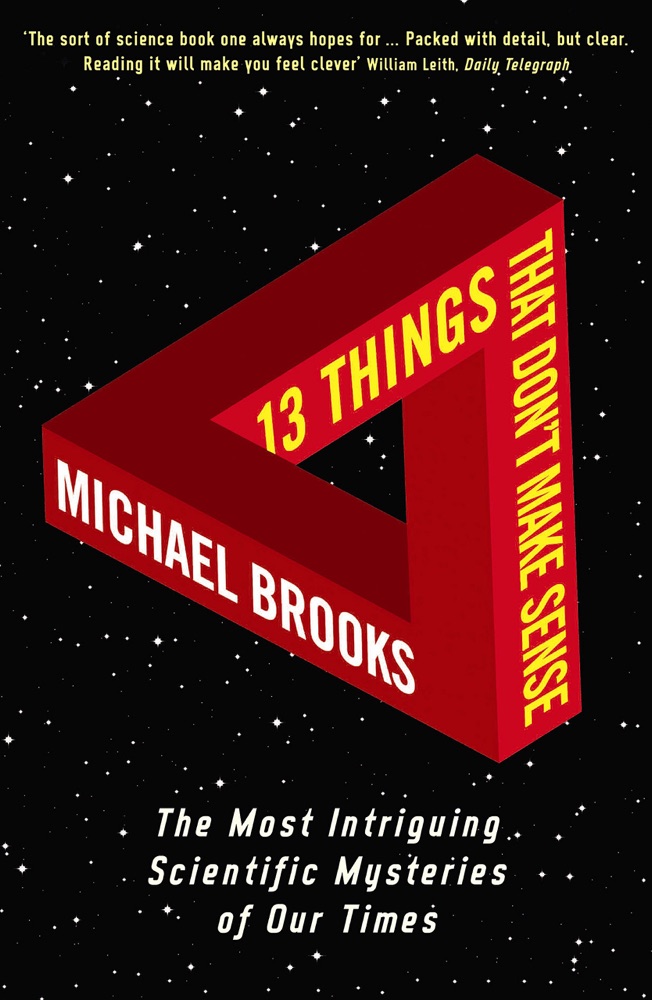
Ninety-six per cent of the universe is missing. The effects of homeopathy don’t go away under rigorous scientific conditions. The laws of nature aren’t what they used to be. Thirty years on, no one has an explanation for a seemingly intelligent signal received from outer space. The US Department of Energy is re-examining cold fusion because the experimental evidence seems too solid to ignore. The placebo effect is put to work in medicine while doctors can’t agree whether it even exists.
In an age when science is supposed to be king, scientists are beset by experimental results they simply can’t explain. But, if the past is anything to go by, these anomalies contain the seeds of future revolutions. While taking readers on an entertaining tour d’horizon of the strangest of scientific findings – involving everything from our lack of free will to Martian methane that offers new evidence of
Book details
- First published
- 2009
- Author
- Michael Brooks
- Genre
- Nonfiction
- Goodreads rating
- 3.75 (6k ratings)
Keep reading
Death by Black Hole: And Other Cosmic Quandaries
 The Demon-Haunted World: Science as a Candle in the Dark
 Astrophysics for People in a Hurry
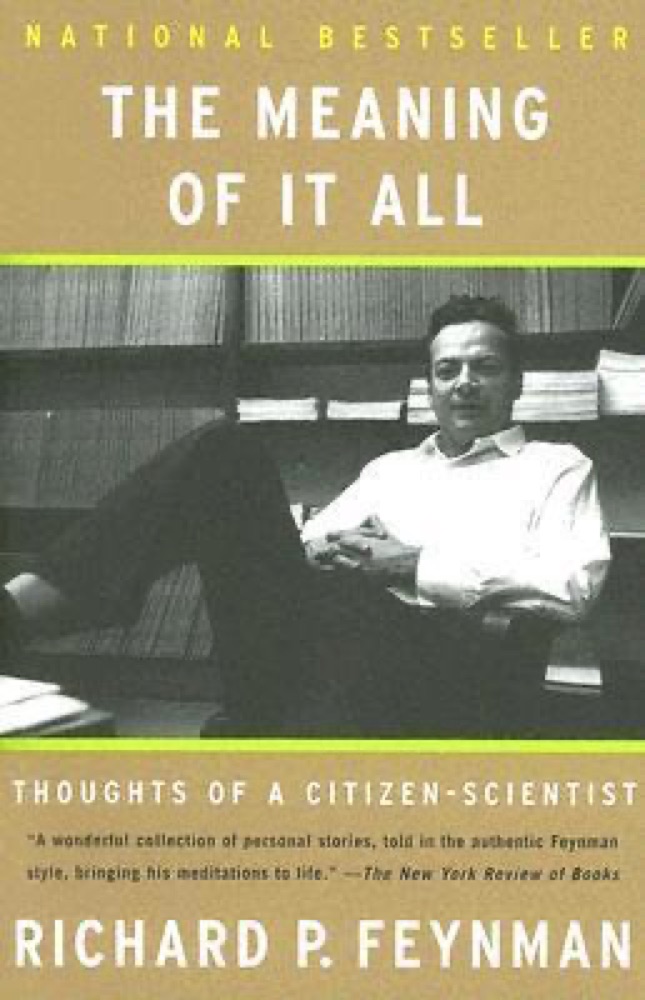 The Meaning of It All: Thoughts of a Citizen-Scientist
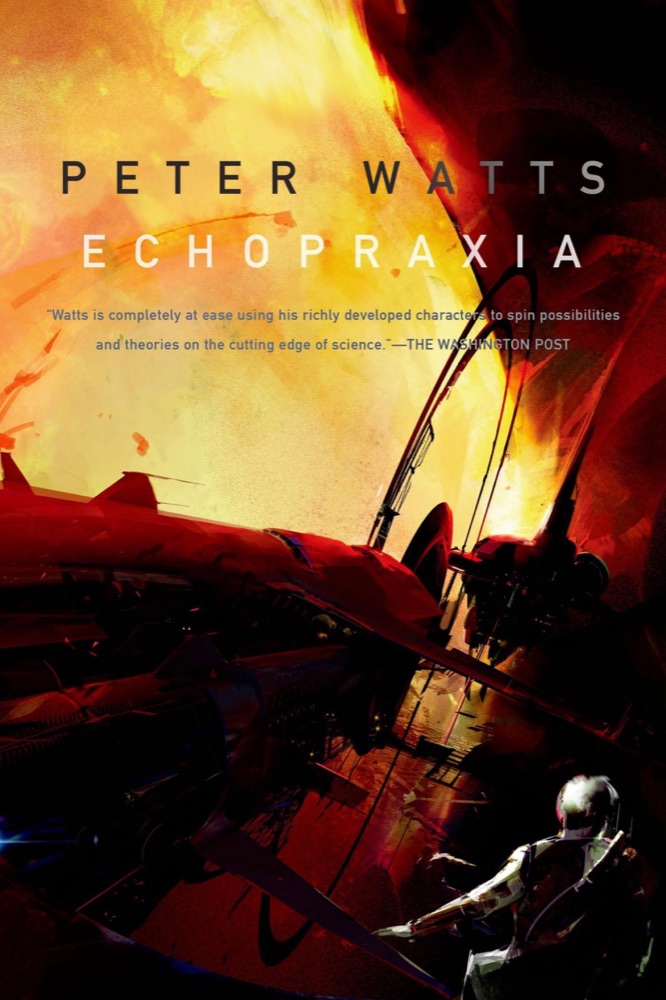 Echopraxia
 The Accidental Universe: The World You Thought You Knew
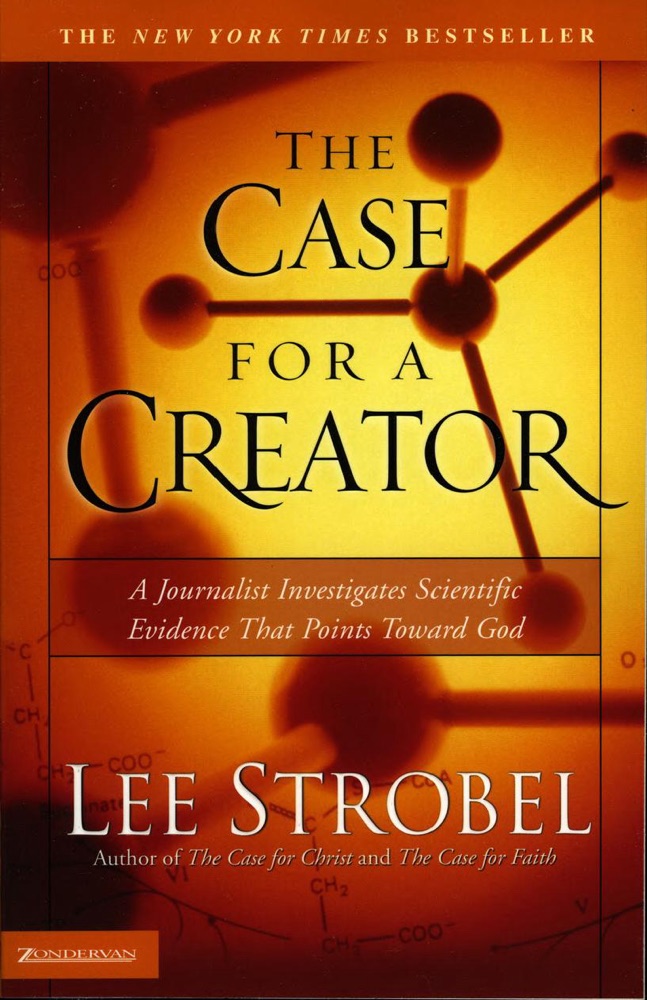 The Case for a Creator: A Journalist Investigates Scientific Evidence That Points Toward God
 A Short History of Nearly Everything
 Space Chronicles: Facing the Ultimate Frontier
 Living with a Wild God: A Nonbeliever's Search for the Truth about Everything
 The Big Picture: On the Origins of Life, Meaning, and the Universe Itself
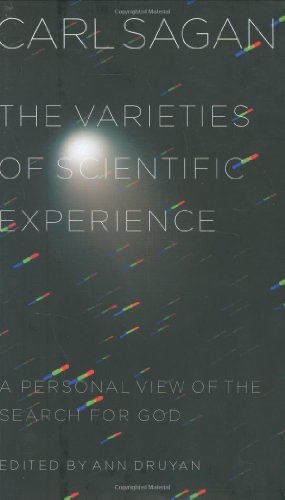 The Varieties of Scientific Experience: A Personal View of the Search for God
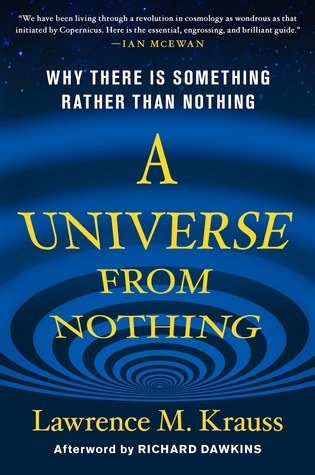 A Universe from Nothing: Why There Is Something Rather Than Nothing
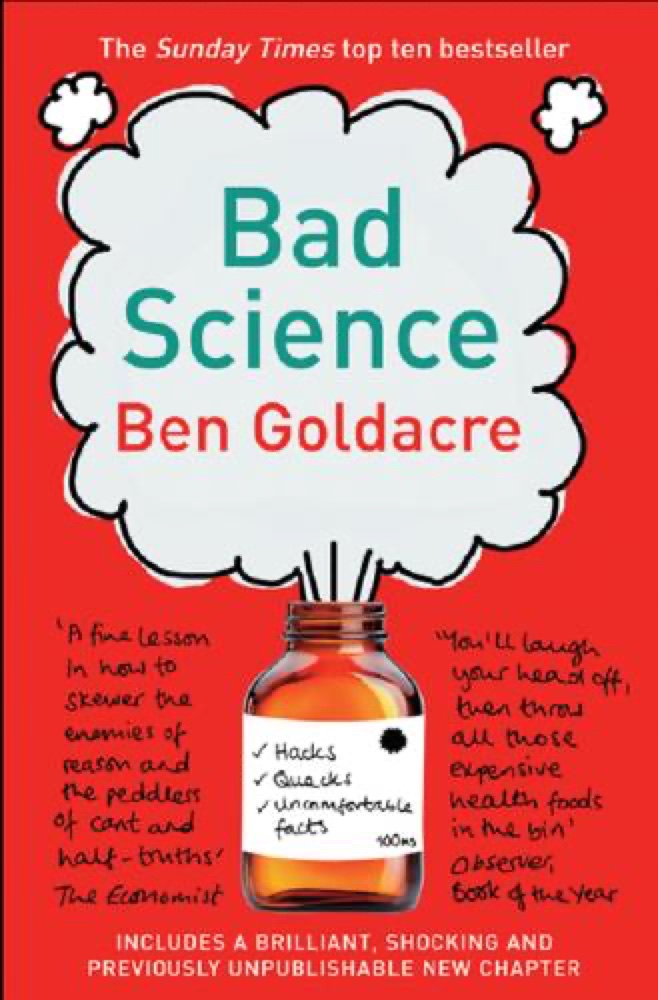 Bad Science
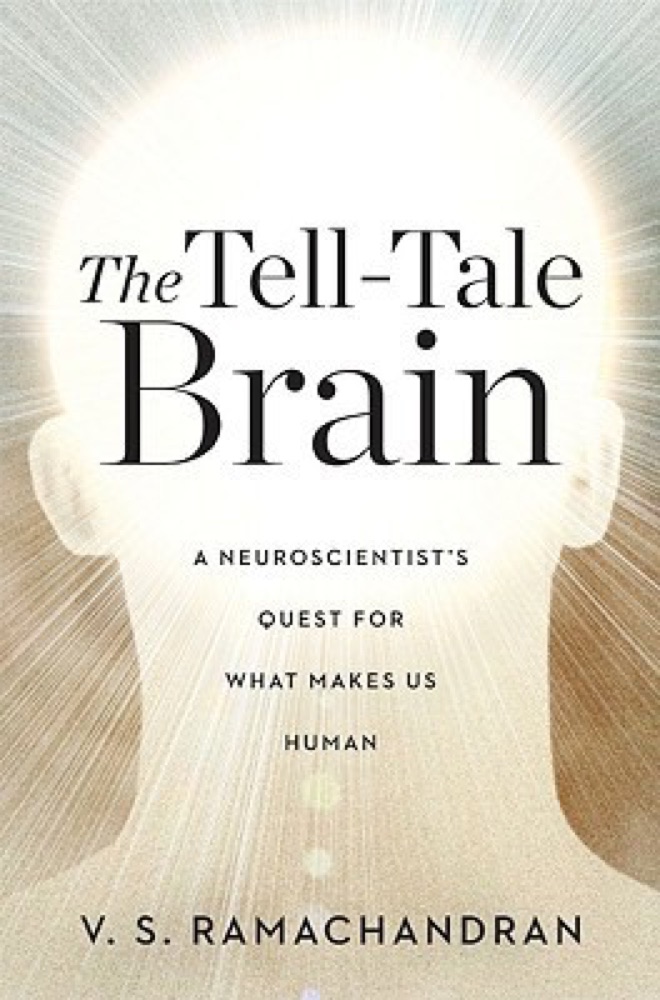 The Tell-Tale Brain: A Neuroscientist's Quest for What Makes Us Human
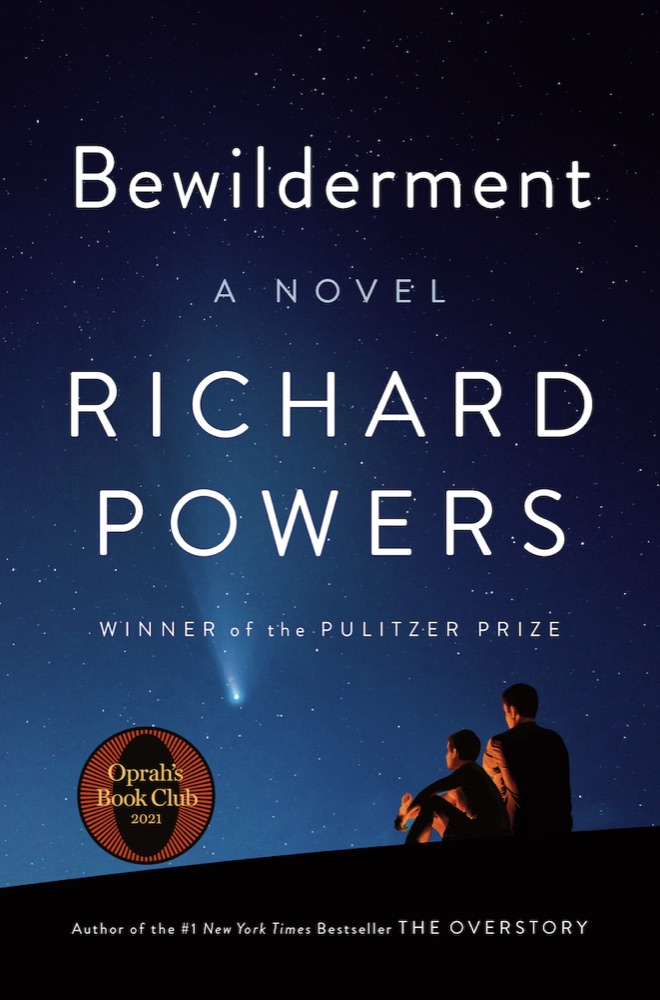 Bewilderment
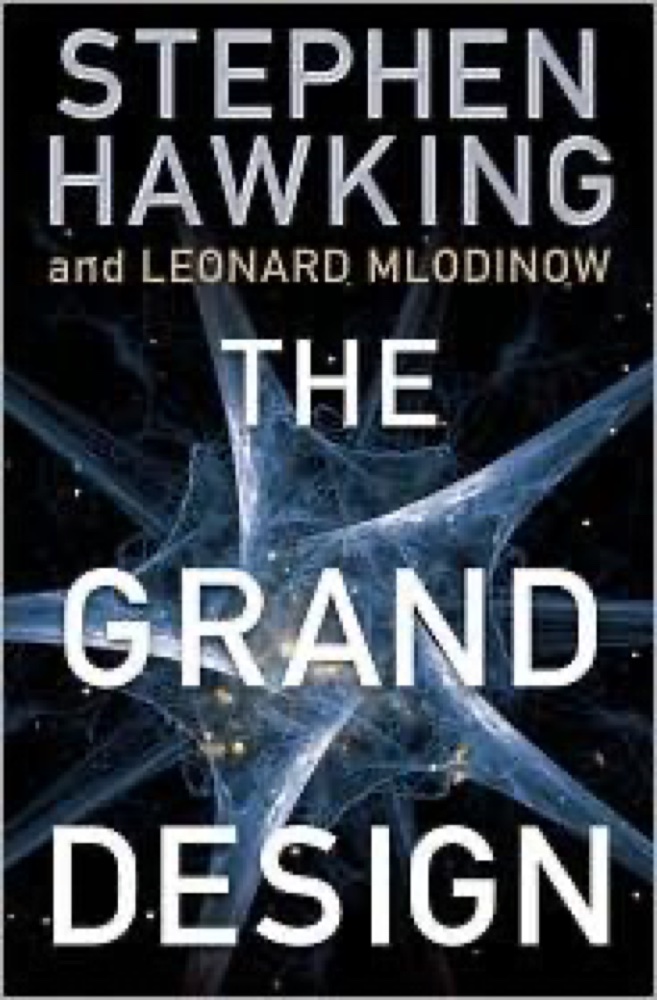 The Grand Design
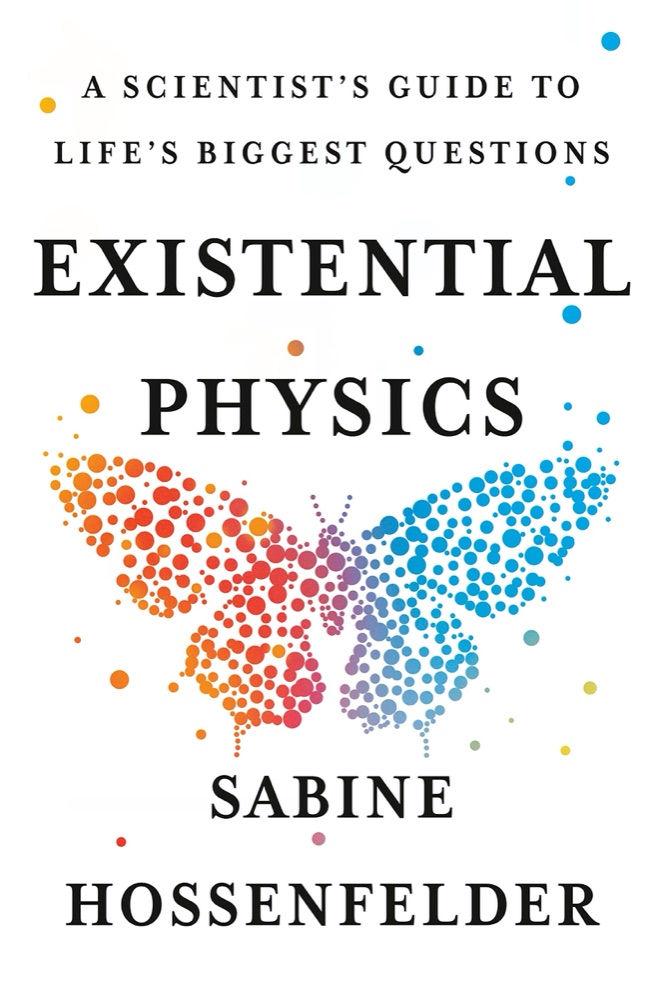 Existential Physics: A Scientist's Guide to Life's Biggest Questions
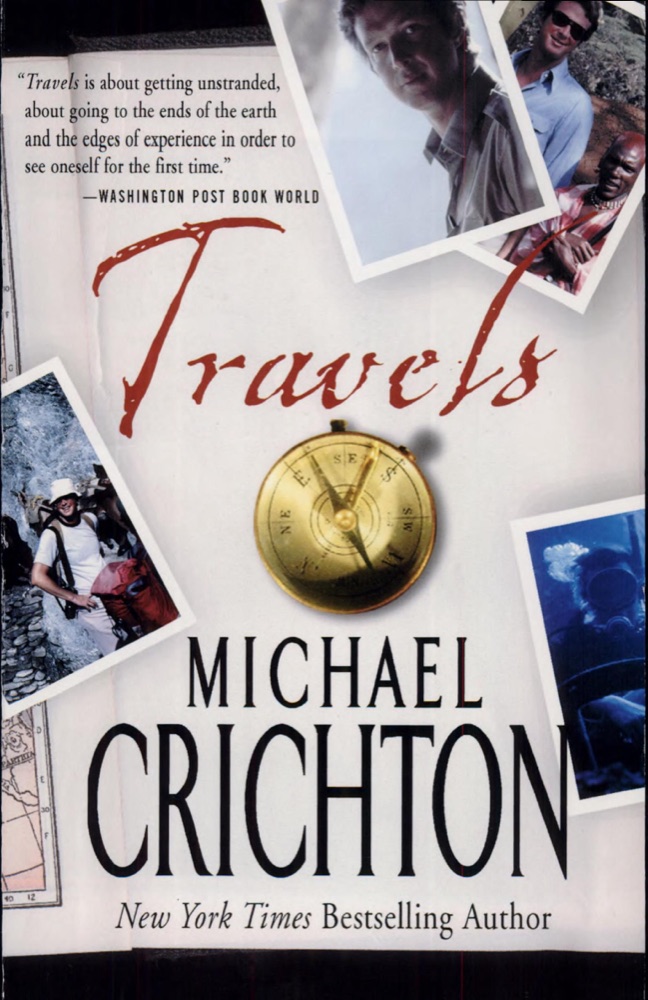 Travels
 What Is Real?: The Unfinished Quest for the Meaning of Quantum Physics
 A Devil's Chaplain: Reflections on Hope, Lies, Science, and Love
 Darwin's Dangerous Idea: Evolution and the Meanings of Life
 The Cosmic Serpent: DNA and the Origins of Knowledge
 Black Holes and Baby Universes and Other Essays
 The Magic of Reality: How We Know What's Really True
 The Three-Body Problem
 Chaos: Making a New Science
 Spook: Science Tackles the Afterlife
 Undeniable: Evolution and the Science of Creation
 Dragons of Eden: Speculations on the Evolution of Human Intelligence
 From Eternity to Here: The Quest for the Ultimate Theory of Time
 A Hunter-Gatherer's Guide to the 21st Century: Evolution and the Challenges of Modern Life
 The Gene: An Intimate History
 The Blind Watchmaker: Why the Evidence of Evolution Reveals a Universe Without Design
 A Brief History of Time
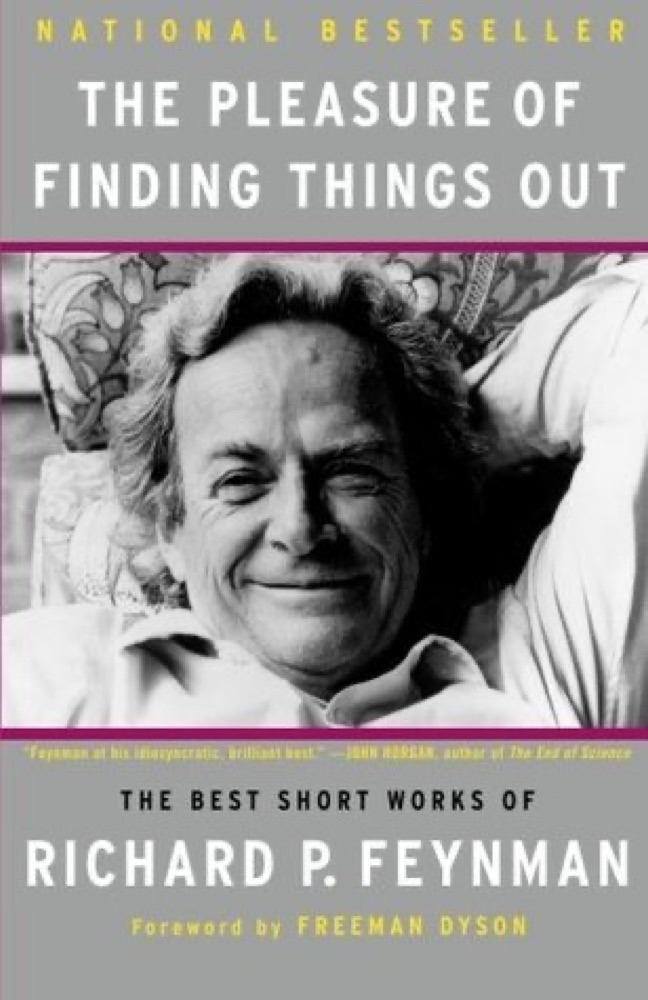 The Pleasure of Finding Things Out: The Best Short Works of Richard P. Feynman
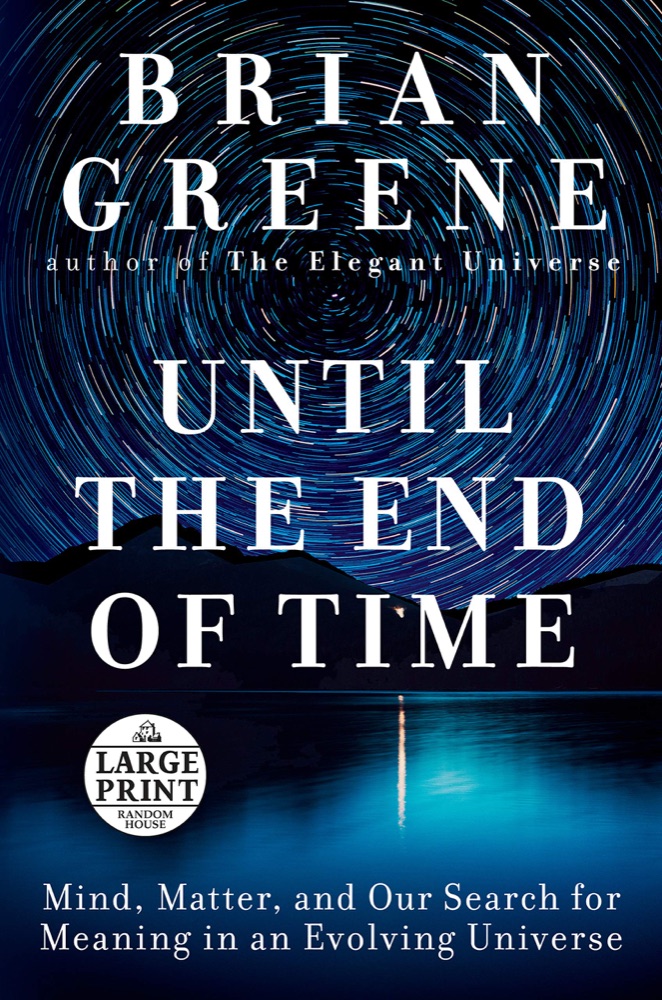 Until the End of Time: Mind, Matter, and Our Search for Meaning in an Evolving Universe
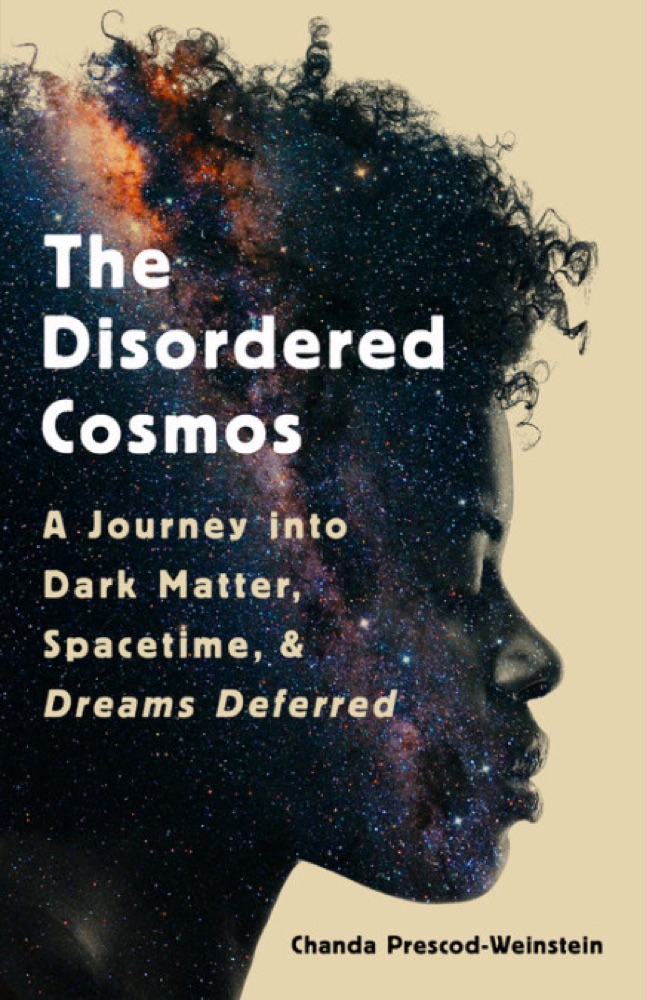 The Disordered Cosmos: A Journey into Dark Matter, Spacetime, and Dreams Deferred
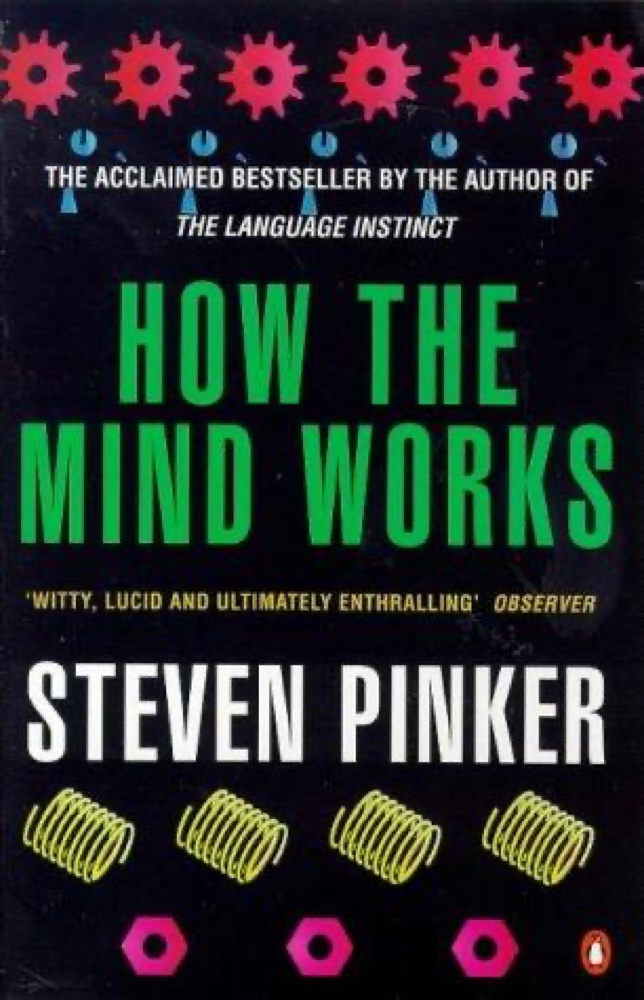 How the Mind Works
 Why Fish Don’t Exist: A Story of Loss, Love, and the Hidden Order of Life
 Jurassic Park
 The Fifth Science
 Genome
 Exhalation
 Maelstrom
 The Occult
 A Language Older Than Words
 But What If We're Wrong? Thinking About the Present As If It Were the Past
 Fiasco
 Why Does the World Exist?: An Existential Detective Story
 Parasite
 Our Mathematical Universe: My Quest for the Ultimate Nature of Reality
 The Lost World
 The Star Diaries
 Why People Believe Weird Things: Pseudoscience, Superstition, and Other Confusions of Our Time
 Real Magic: Ancient Wisdom, Modern Science, and a Guide to the Secret Power of the Universe
 21 Lessons for the 21st Century
 Blindsight
 The Lives of a Cell: Notes of a Biology Watcher