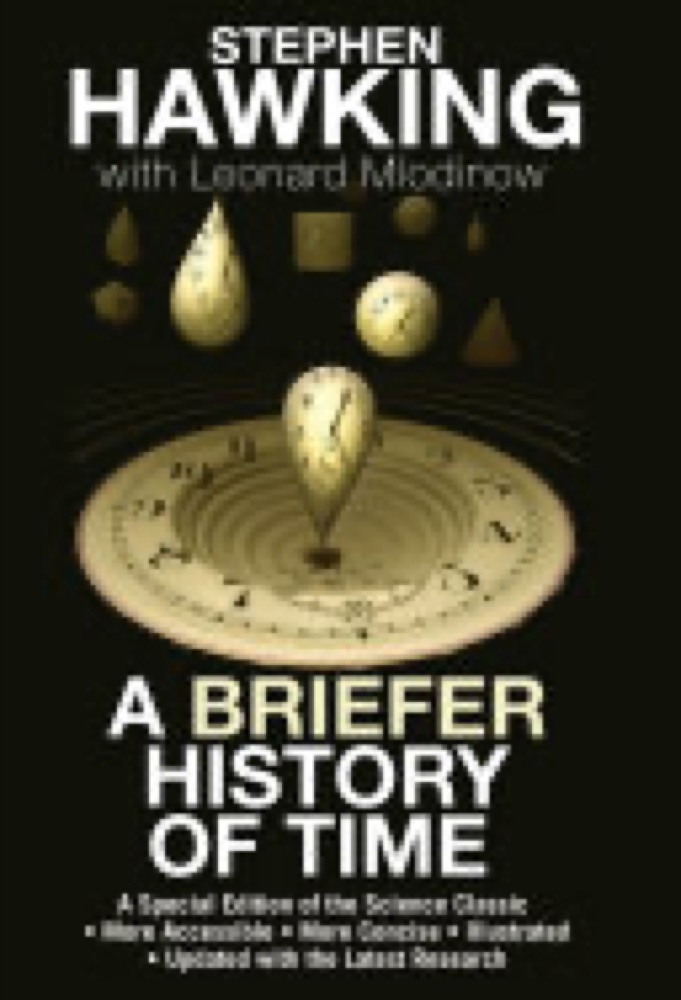
 A Briefer History of Time
Quotes from the Book
I have noticed that even those who assert that everything is predestined and that we can change nothing about it still look both ways before they cross the street.
545
Time and space are finite in extent, but they don't have any boundary or edge. They would be like the surface of the earth, but with two more dimensions.
77
We got through all of Genesis and part of Exodus before I left. One of the main things I was taught from this was not to begin a sentence with And. I pointed out that most sentences in the Bible began with And, but I was told that English had changed since the time of King James. In that case, I argued, why make us read the Bible? But it was in vain. Robert Graves was very keen on the symbolism and mysticism in the Bible at that time.
26
There is no way that we can predict the weather six months ahead beyond giving the seasonal average
20
The people who actually make the advances in theoretical physics don't think in these categories that the philosophers and the historians of science subsequently invent for them
17
There's a sick joke that the reason we have not been contacted by an alien civilization is that civilizations tend to destroy themselves when they reach our stage. But I have sufficient faith in the good sense of public to believe that we might prove this wrong.
11
When you're faced with the possibility of an early death, it makes you realize that life is worth living and there are a lots of things you want to do.
11
Black holes might be useful for getting rid of garbage or even some of one's friends.
7
Whatever happens on earth, the rest of the universe will carry on regardless.
5
Although in principle we know the equations that govern the whole of biology, we have not been able to reduce the study of human behavior to a branch of applied mathematics.
5
A society in which the individual feels responsible for his or her actions is more likely to work together and survive to spread its values.
4
...it is surely better to strive for a complete understanding than to despair of the human mind.
3
Things are as they are because we are
2
When you are faced with the possibility of an early death, it makes you realize that life is worth living and that there are lots of things you want to do.
2
the W and Z particles were observed at the CERN laboratory in Geneva in 1983 and another Nobel Prize was awarded in 1984
2
IS THE END IN SIGHT FOR THEORETICAL PHYSICS?
2
I had six or seven close friends, most of whom I’m still in touch with. We used to have long discussions and arguments about everything from radio-controlled models to religion, and from parapsychology to physics. One of the things we talked about was the origin of the universe and whether it required a God to create it and set it going. I had heard that light from distant galaxies was shifted toward the red end of the spectrum and this was supposed to indicate that the universe was expanding. (A shift to the blue would have meant it was contracting.) But I was sure there must be some other reason for the red shift. Maybe light got tired, and more red, on its way to us. An essentially unchanging and everlasting universe seemed so much more natural. It was only after about two years of Ph.D. research that I realized I had been wrong.
1
THE ORIGIN OF THE UNIVERSE
1
There is a real problem here. The people who ought to study and argue such questions
Watch on YouTube
About Stephen W. Hawking
We have collected 65 quotes from 3 books by Stephen W. Hawking on BookQuoters.
More about the author →More by Stephen W. Hawking
A Briefer History of Time
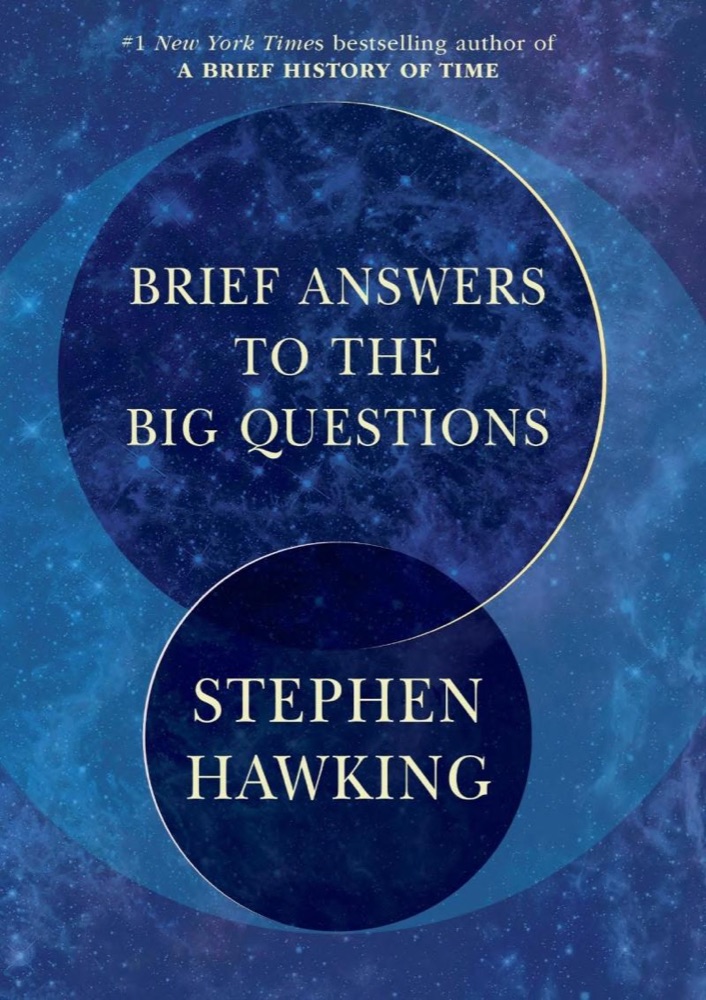 Brief Answers to the Big Questions
About the book
NY Times bestseller. 13 extraordinary essays shed new light on the mysteries of the universe & on one of the most brilliant thinkers of our time. In his phenomenal bestseller A Brief History of Time, Stephen Hawking literally transformed the way we think about physics, the universe, reality itself. In these thirteen essays and one remarkable extended interview, the man widely regarded as the most brilliant theoretical physicist since Einstein returns to reveal an amazing array of possibilities for understanding our universe. Building on his earlier work, Hawking discusses imaginary time, how black holes can give birth to baby universes, and scientists’ efforts to find a complete unified theory that would predict everything in the universe. With his characteristic mastery of language, his sense of humor and commitment to plain speaking, Stephen Hawking invites us to know him better—and t
Book details
- First published
- 1993
- Author
- Stephen W. Hawking
- Genre
- Nonfiction
- Goodreads rating
- 4.18 (19k ratings)
Keep reading
 The Grand Design
Brief Answers to the Big Questions
The Grand Design
Brief Answers to the Big Questions
 A Brief History of Time
 Death's End
 The Big Picture: On the Origins of Life, Meaning, and the Universe Itself
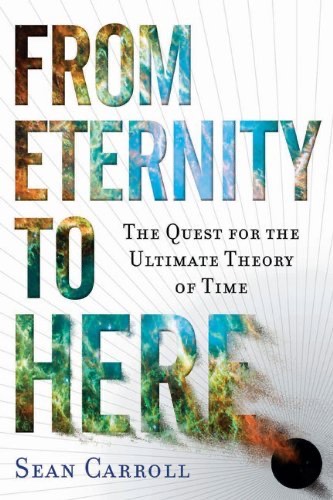 From Eternity to Here: The Quest for the Ultimate Theory of Time
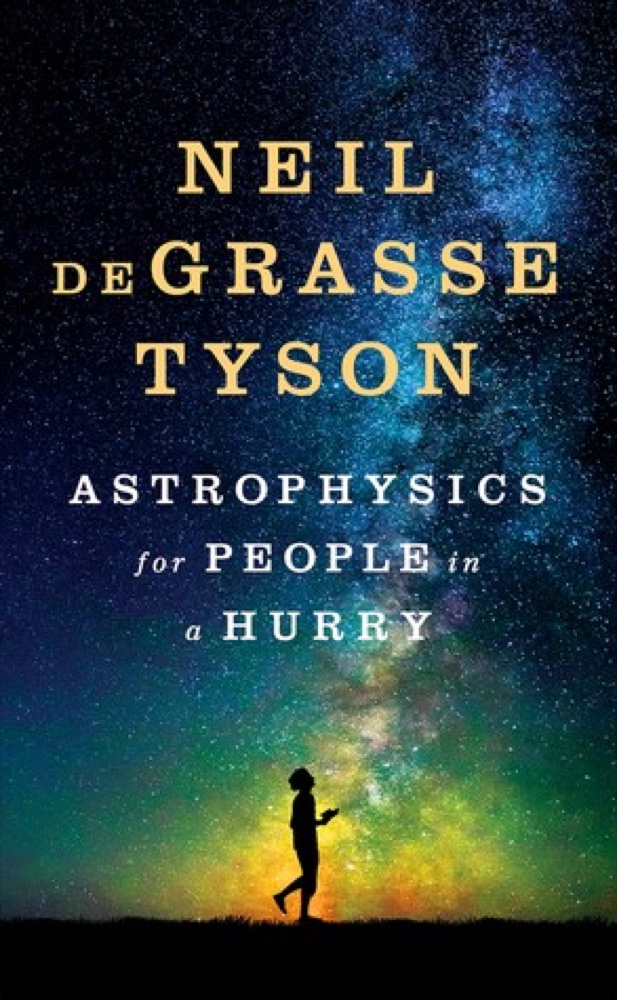 Astrophysics for People in a Hurry
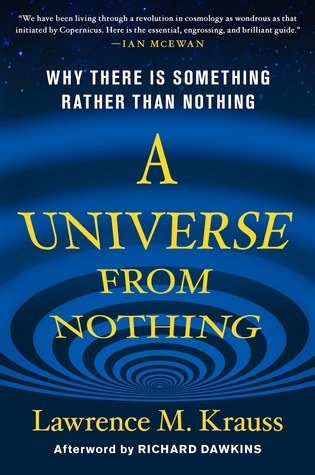 A Universe from Nothing: Why There Is Something Rather Than Nothing
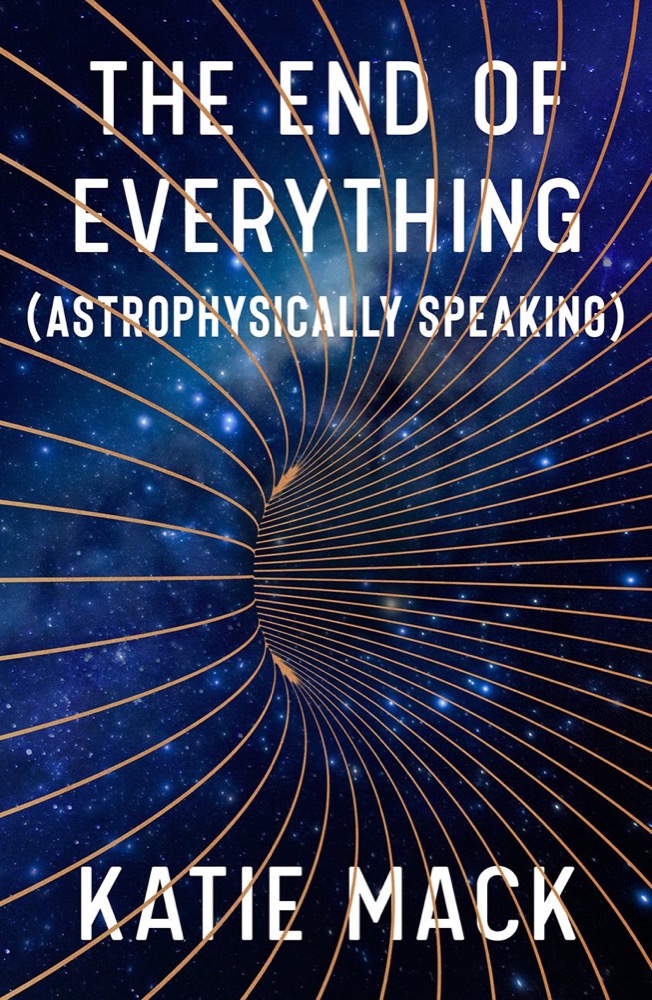 The End of Everything
 The Meaning of It All: Thoughts of a Citizen-Scientist
 Existential Physics: A Scientist's Guide to Life's Biggest Questions
 Why Does the World Exist?: An Existential Detective Story
A Briefer History of Time
Why Does the World Exist?: An Existential Detective Story
A Briefer History of Time
 Billions & Billions: Thoughts on Life and Death at the Brink of the Millennium
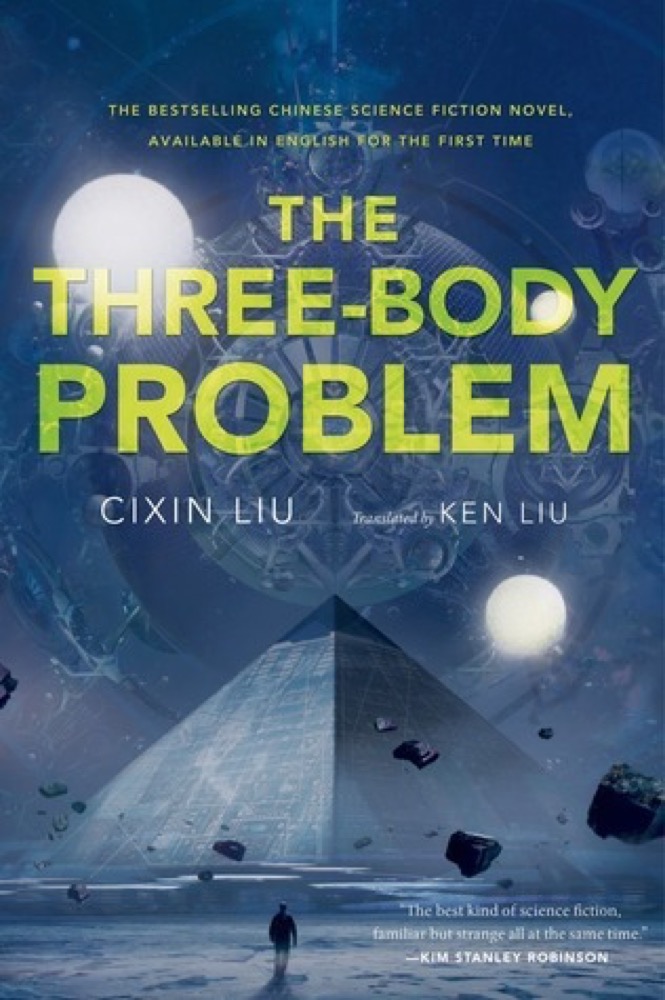 The Three-Body Problem
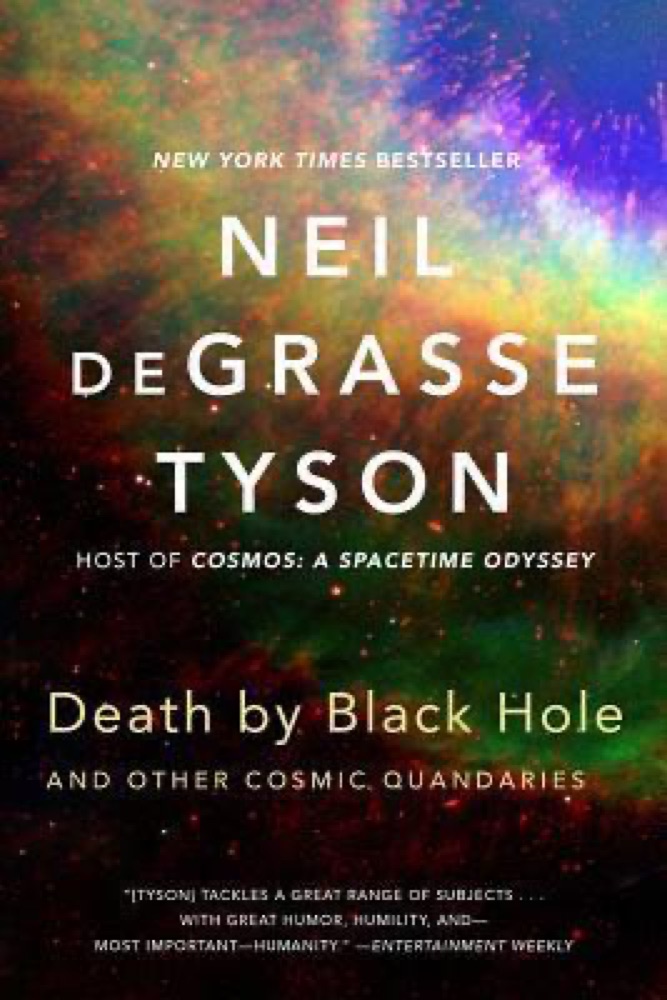 Death by Black Hole: And Other Cosmic Quandaries
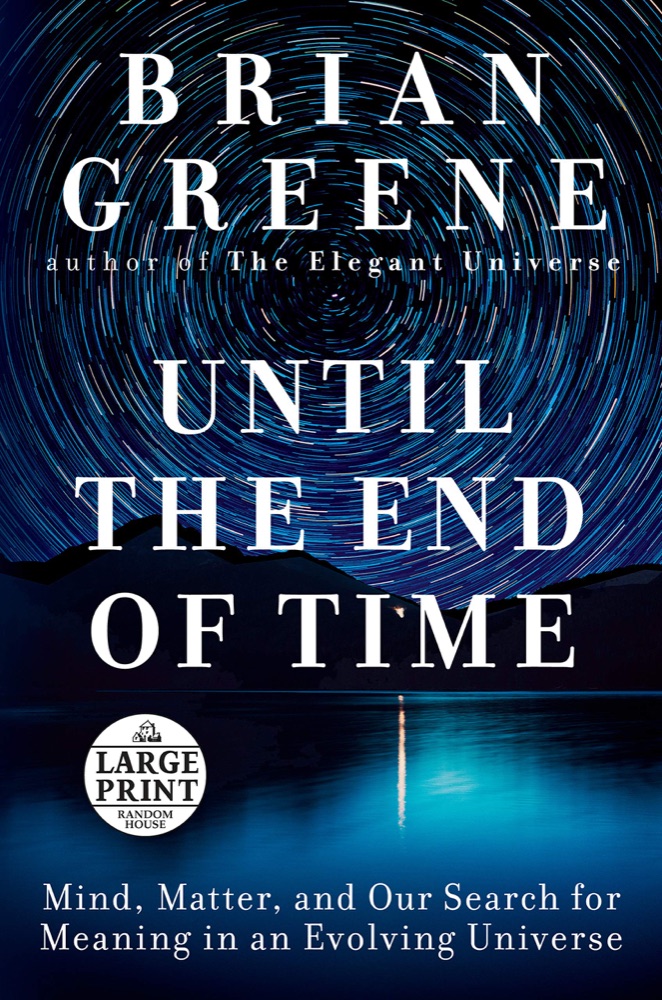 Until the End of Time: Mind, Matter, and Our Search for Meaning in an Evolving Universe
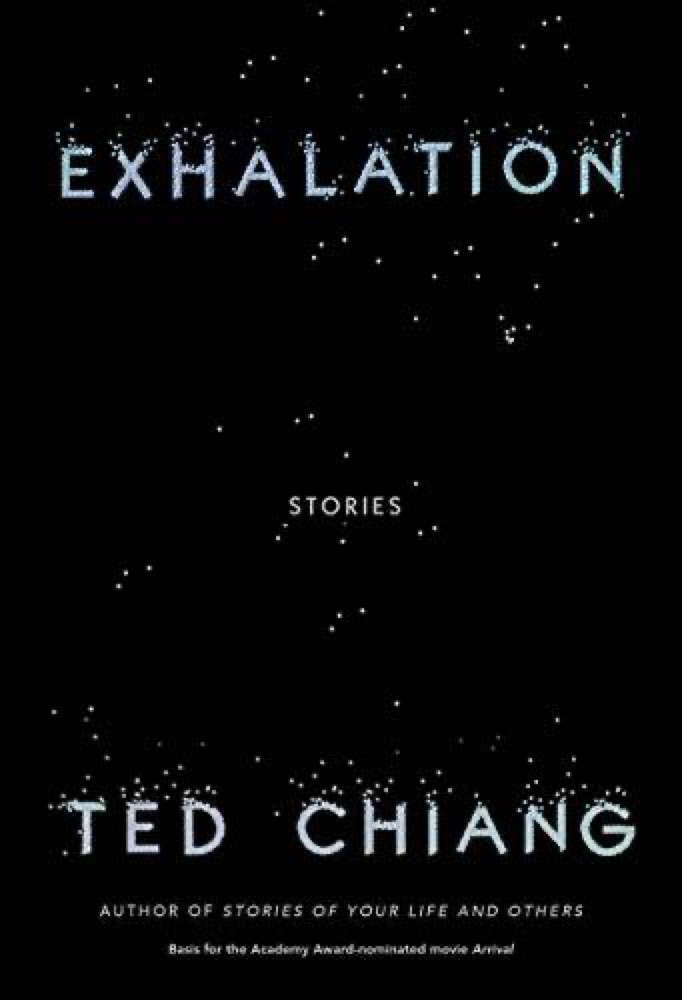 Exhalation
 A Short History of Nearly Everything
 The Fifth Science
 Welcome to the Universe: An Astrophysical Tour
 House Harkonnen
 The Accidental Universe: The World You Thought You Knew
 The Varieties of Scientific Experience: A Personal View of the Search for God
 Parallel Worlds: A Journey Through Creation, Higher Dimensions, and the Future of the Cosmos
 Our Mathematical Universe: My Quest for the Ultimate Nature of Reality
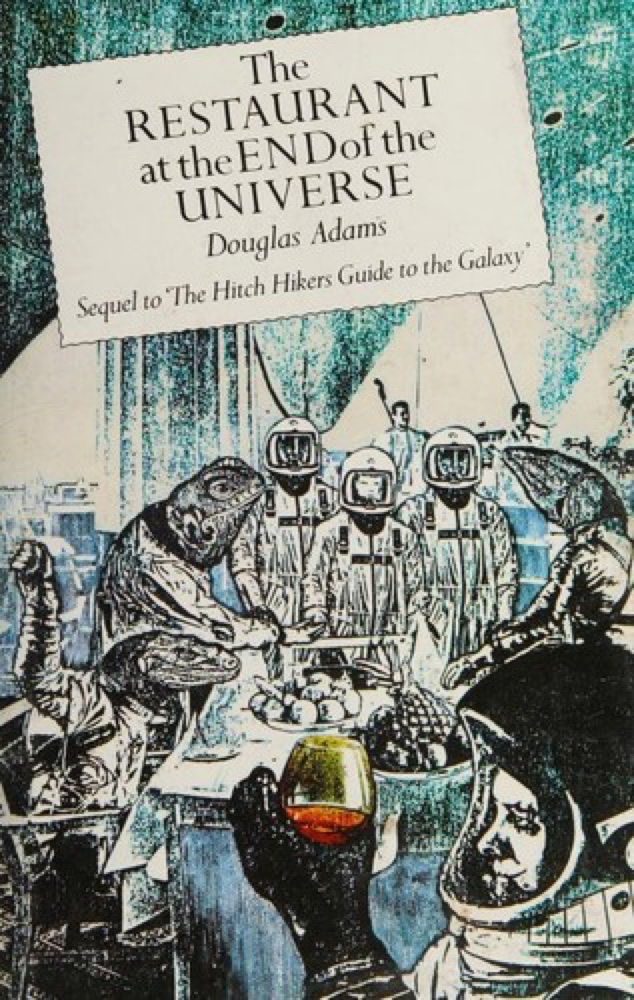 The Restaurant at the End of the Universe
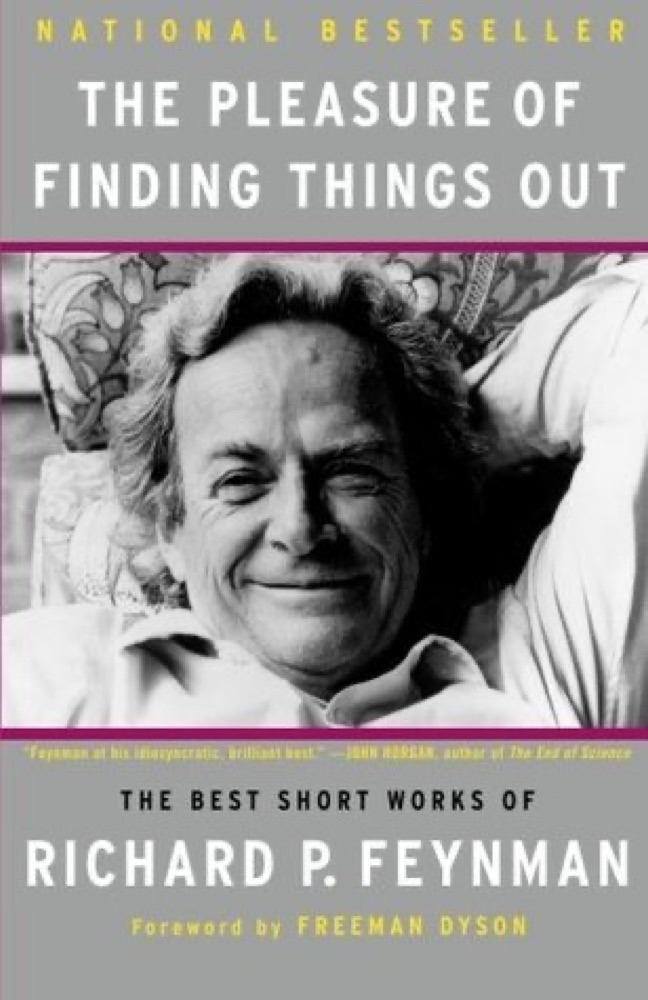 The Pleasure of Finding Things Out: The Best Short Works of Richard P. Feynman
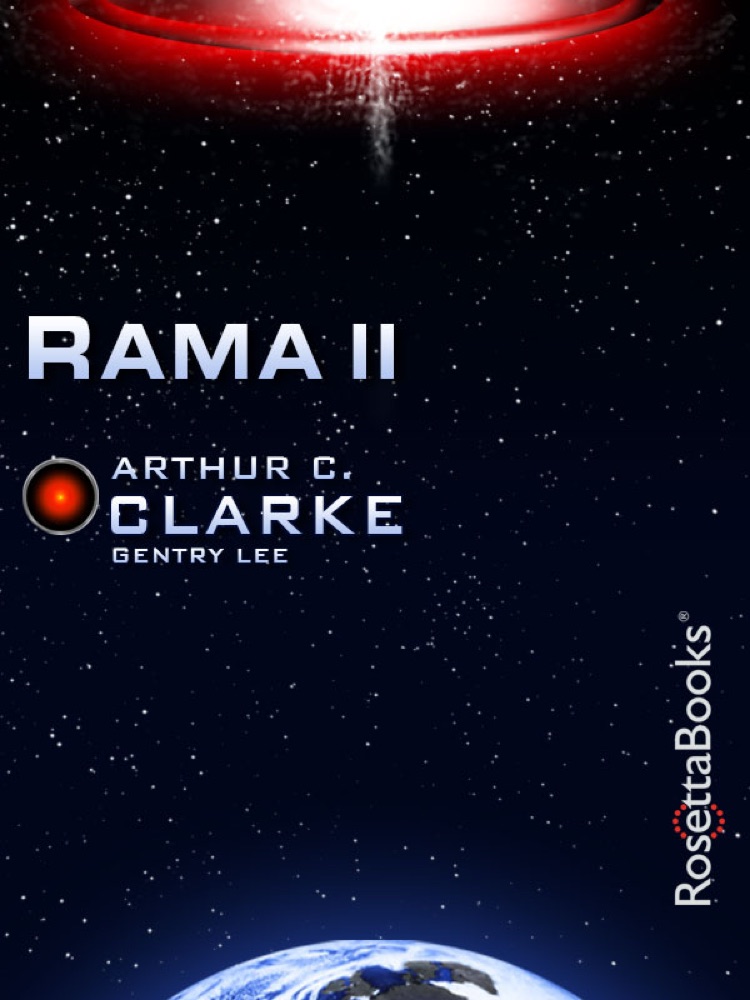 Rama II
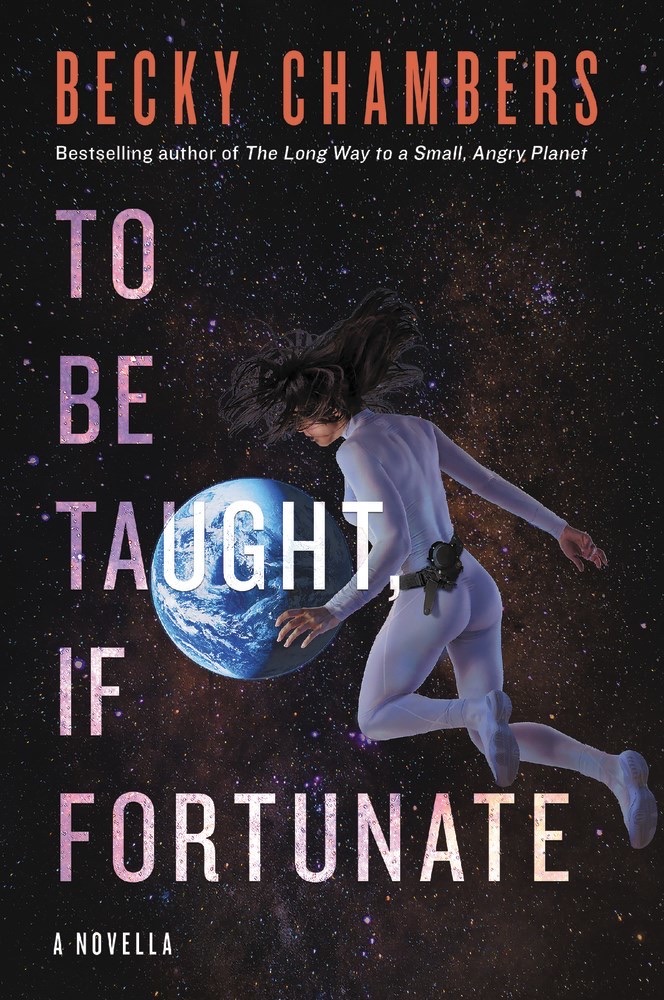 To Be Taught, If Fortunate
 A Devil's Chaplain: Reflections on Hope, Lies, Science, and Love
 Helgoland: Making Sense of the Quantum Revolution
 Genesis
 Bewilderment
 Songs of Distant Earth
 Genome
 2312
2312
 The Lost World
 Unweaving the Rainbow: Science, Delusion and the Appetite for Wonder
 Chariots of The Gods
 Jurassic Park
 Blue Remembered Earth
 Echopraxia
 What Do You Care What Other People Think?
 Rationality: From AI to Zombies
 The Blind Watchmaker: Why the Evidence of Evolution Reveals a Universe Without Design
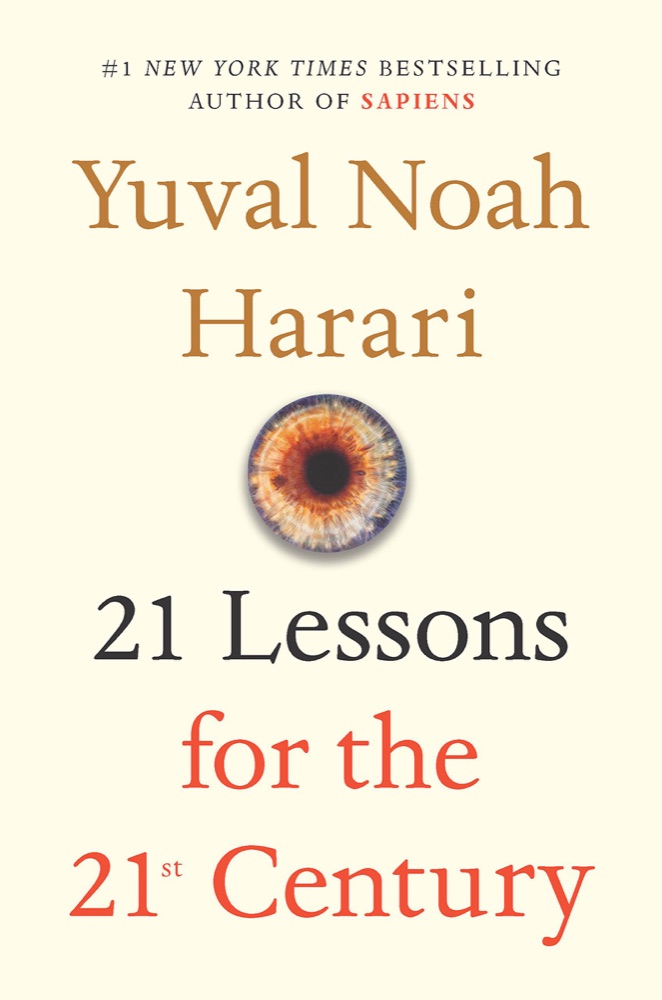 21 Lessons for the 21st Century
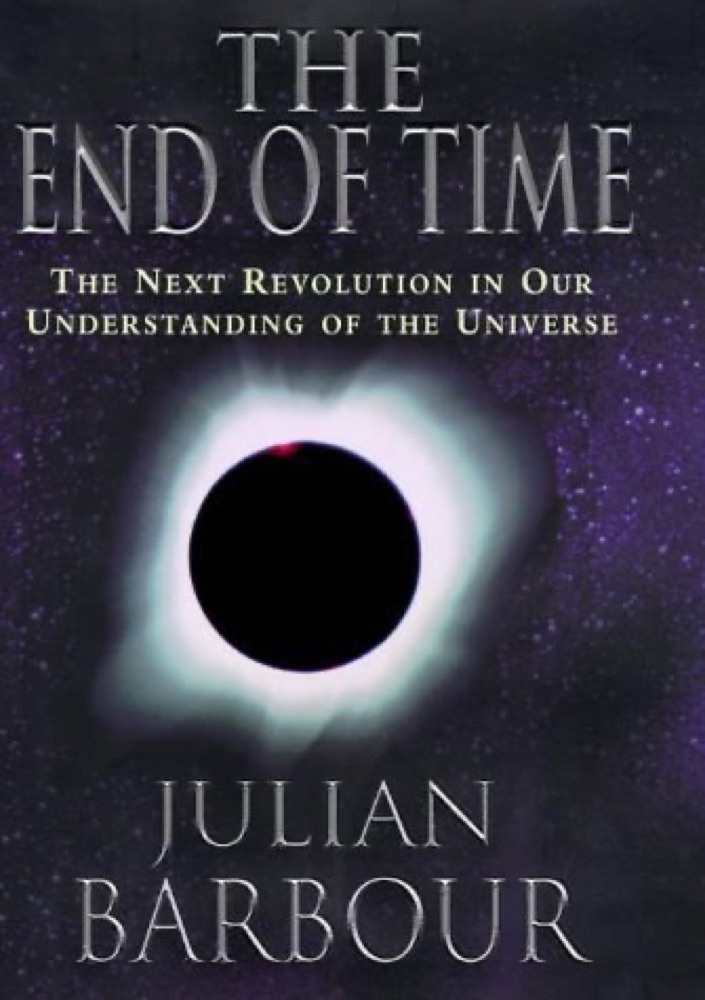 The End of Time: The Next Revolution in Our Understanding of the Universe
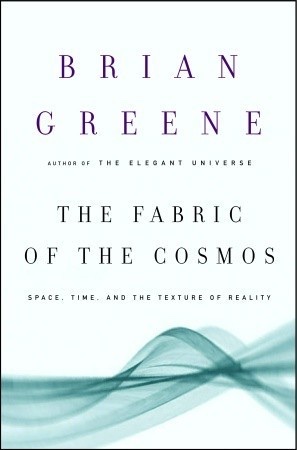 The Fabric of the Cosmos: Space, Time, and the Texture of Reality
 In the Light of What We Know
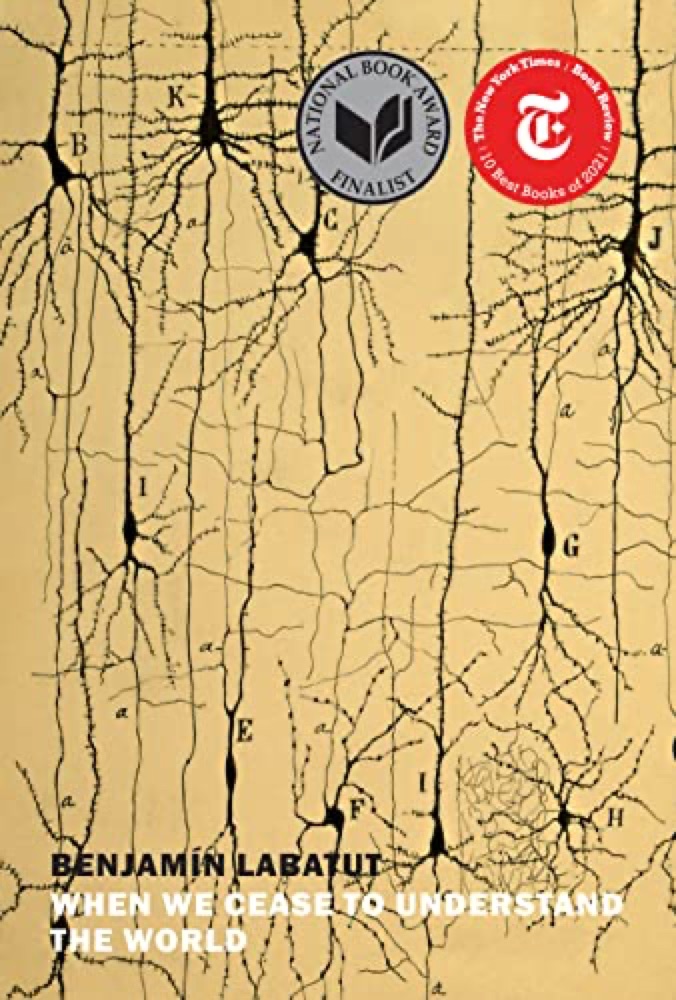 When We Cease to Understand the World
 Influx
 The Shockwave Rider
 Living with a Wild God: A Nonbeliever's Search for the Truth about Everything
 Random Acts Of Heroic Love
 The Case for a Creator: A Journalist Investigates Scientific Evidence That Points Toward God
 Arcadia
 Metaphysics
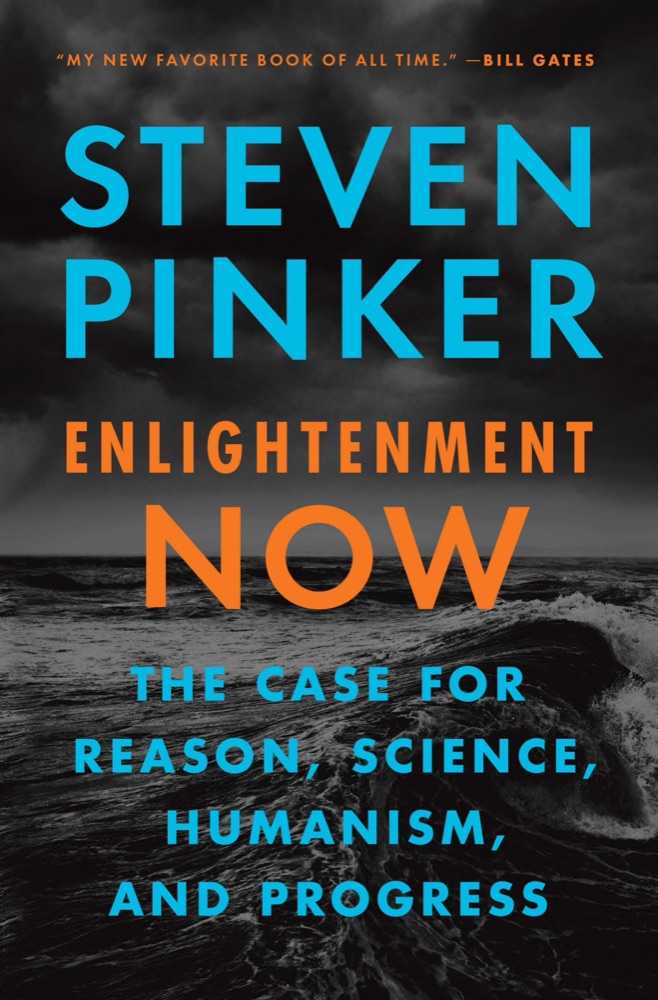 Enlightenment Now: The Case for Reason, Science, Humanism, and Progress