
 Contact
Quotes from the Book
Every one of us is, in the cosmic perspective, precious. If a human disagrees with you, let him live. In a hundred billion galaxies, you will not find another.
The nitrogen in our DNA, the calcium in our teeth, the iron in our blood, the carbon in our apple pies were made in the interiors of collapsing stars. We are made of starstuff.
If you wish to make an apple pie from scratch, you must first invent the universe.
What an astonishing thing a book is. It's a flat object made from a tree with flexible parts on which are imprinted lots of funny dark squiggles. But one glance at it and you're inside the mind of another person, maybe somebody dead for thousands of years. Across the millennia, an author is speaking clearly and silently inside your head, directly to you. Writing is perhaps the greatest of human inventions, binding together people who never knew each other, citizens of distant epochs. Books break the shackles of time. A book is proof that humans are capable of working magic." [Cosmos, Part 11: The Persistence of Memory (1980)]
We are like butterflies who flutter for a day and think it is forever.
Books permit us to voyage through time, to tap the wisdom of our ancestors.
We are a way for the cosmos to know itself.
Books permit us to voyage through time, to tap the wisdom of our ancestors. The library connects us with the insight and knowledge, painfully extracted from Nature, of the greatest minds that ever were, with the best teachers, drawn from the entire planet and from all our history, to instruct us without tiring, and to inspire us to make our own contribution to the collective knowledge of the human species. I think the health of our civilization, the depth of our awareness about the underpinnings of our culture and our concern for the future can all be tested by how well we support our libraries.
The beauty of a living thing is not the atoms that go into it, but the way those atoms are put together.
we make our world significant by the courage of our questions and the depth of our answers
The absence of evidence is not the evidence of absence.
Exploration is in our nature. We began as wanderers, and we are wanderers still. We have lingered long enough on the shores of the cosmic ocean. We are ready at last to set sail for the stars.
The Cosmos is all that is or was or ever will be. Our feeblest contemplations of the Cosmos stir us -- there is a tingling in the spine, a catch in the voice, a faint sensation, as if a distant memory, of falling from a height. We know we are approaching the greatest of mysteries.
There’s as many atoms in a single molecule of your DNA as there are stars in the typical galaxy. We are, each of us, a little universe.
If I finish a book a week, I will read only a few thousand books in my lifetime, about a tenth of a percent of the contents of the greatest libraries of our time. The trick is to know which books to read.
The size and age of the Cosmos are beyond ordinary human understanding. Lost somewhere between immensity and eternity is our tiny planetary home. In a cosmic perspective, most human concerns seem insignificant, even petty. And yet our species is young and curious and brave and shows much promise. In the last few millennia we have made the most astonishing and unexpected discoveries about the Cosmos and our place within it, explorations that are exhilarating to consider. They remind us that humans have evolved to wonder, that understanding is a joy, that knowledge is prerequisite to survival. I believe our future depends on how well we know this Cosmos in which we float like a mote of dust in the morning sky.
The Hindu religion is the only one of the world’s great faiths dedicated to the idea that the Cosmos itself undergoes an immense, indeed an infinite, number of deaths and rebirths. It is the only religion in which the time scales correspond to those of modern scientific cosmology. Its cycles run from our ordinary day and night to a day and night of Brahma, 8.64 billion years long. Longer than the age of the Earth or the Sun and about half the time since the Big Bang.
Books break the shackles of time, proof that humans can work magic.
One glance at (a book) and you hear the voice of another person - perhaps someone dead for thousands of years. Across the millenia, the author is speaking, clearly and silently, inside your head, directly to you. Writing is perhaps the greatest of human inventions, binding together people, citizens of distant epochs, who never knew one another. Books break the shackles of time.
The surface of the Earth is the shore of the cosmic ocean. On this shore, we've learned most of what we know. Recently, we've waded a little way out, maybe ankle-deep, and the water seems inviting. Some part of our being knows this is where we came from. We long to return, and we can, because the cosmos is also within us. We're made of star stuff. We are a way for the cosmos to know itself.
Books are like seeds. They can lie dormant for centuries and then flower in the most unpromising soil.
You are worth about 3 dollars worth in chemicals.
We inhabit a universe where atoms are made in the centers of stars; where each second a thousand suns are born; where life is sparked by sunlight and lightning in the airs and waters of youthful planets; where the raw material for biological evolution is sometimes made by the explosion of a star halfway across the Milky Way; where a thing as beautiful as a galaxy is formed a hundred billion times - a Cosmos of quasars and quarks, snowflakes and fireflies, where there may be black holes and other universe and extraterrestrial civilizations whose radio messages are at this moment reaching the Earth. How pallid by comparison are the pretensions of superstition and pseudoscience; how important it is for us to pursue and understand science, that characteristically human endeavor.
We are star stuff which has taken its destiny into its own hands.
Atoms are mainly empty space. Matter is composed chiefly of nothing.
Observation: I can't see a thing. Conclusion: Dinosaurs.
In the vastness of space and the immensity of time, it is my joy to share a planet and an epoch with Annie. [Dedication to Sagan's wife, Ann Druyan, in Cosmos]
If we long for our planet to be important, there is something we can do about it. We make our world significant by the courage of our questions and by the depth of our answers.
It is said that men may not be the dreams of the god, but rather that the gods are the dreams of men.
About Carl Sagan
We have collected 219 quotes from 9 books by Carl Sagan on BookQuoters.
More about the author →
Book details
- Author
- Carl Sagan
- Genre
- History
- Goodreads rating
- 4.40 (162k ratings) →
Keep reading
 Astrophysics for People in a Hurry
 Until the End of Time: Mind, Matter, and Our Search for Meaning in an Evolving Universe
 Welcome to the Universe: An Astrophysical Tour
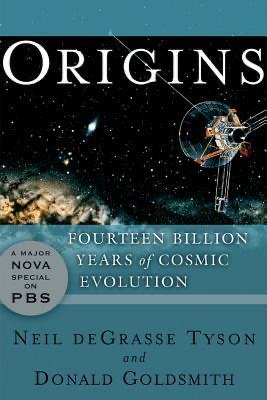 Origins: Fourteen Billion Years of Cosmic Evolution
 Bewilderment
 Unweaving the Rainbow: Science, Delusion and the Appetite for Wonder
 The Big Picture: On the Origins of Life, Meaning, and the Universe Itself
 A Universe from Nothing: Why There Is Something Rather Than Nothing
 A Short History of Nearly Everything
 Pale Blue Dot: A Vision of the Human Future in Space
 The Grand Design
 The Accidental Universe: The World You Thought You Knew
 The End of Everything
 A Brief History of Time
 For Small Creatures Such as We: Rituals for Finding Meaning in Our Unlikely World
 Orbital
 Death's End
 The Fifth Science
 Chariots of The Gods
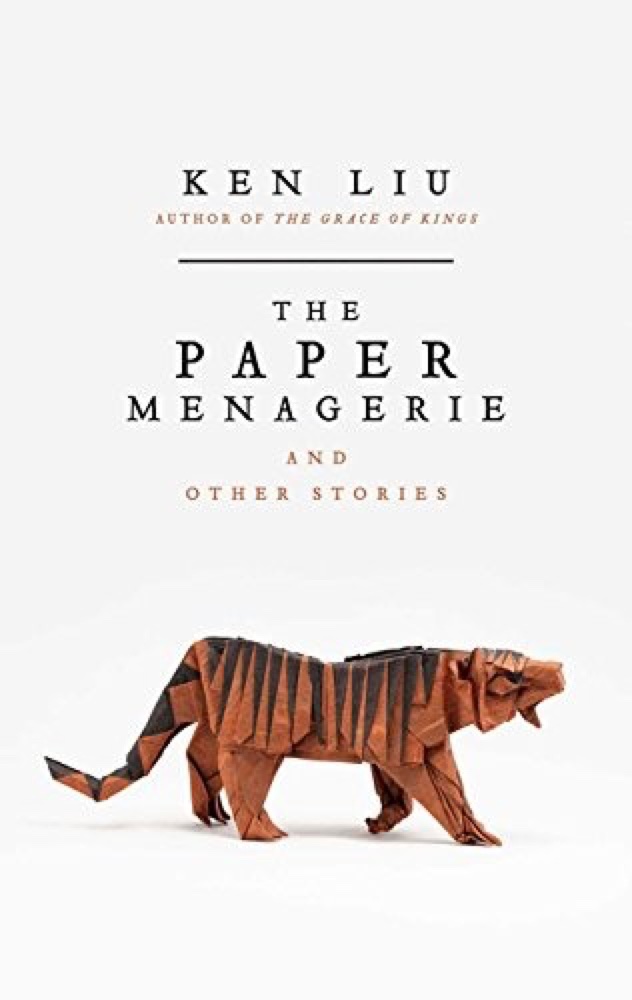 The Paper Menagerie and Other Stories
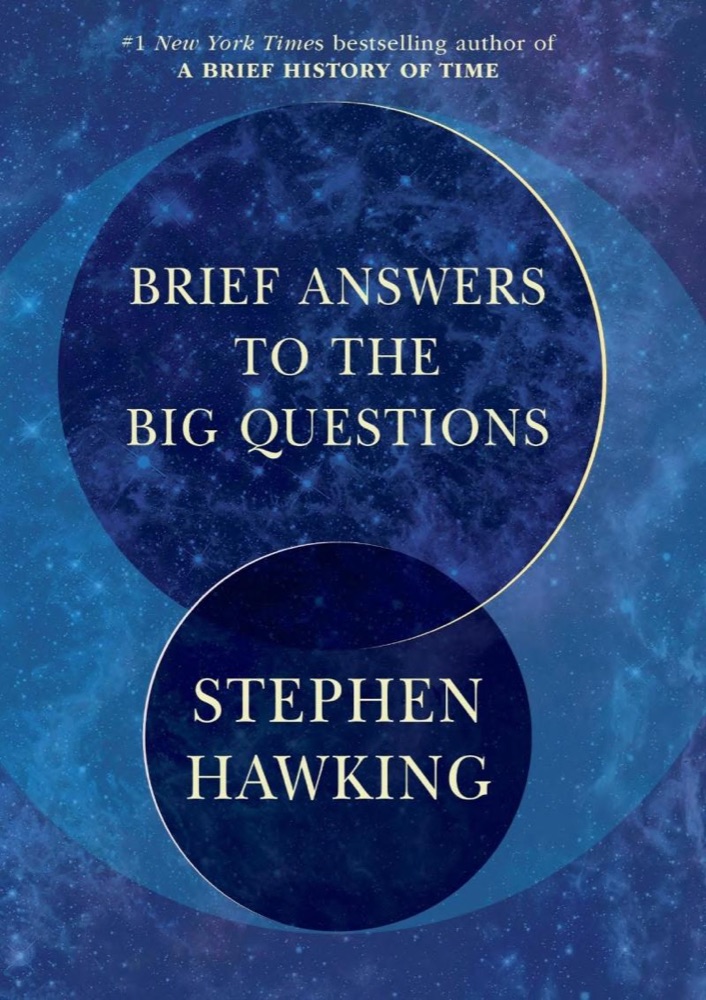 Brief Answers to the Big Questions
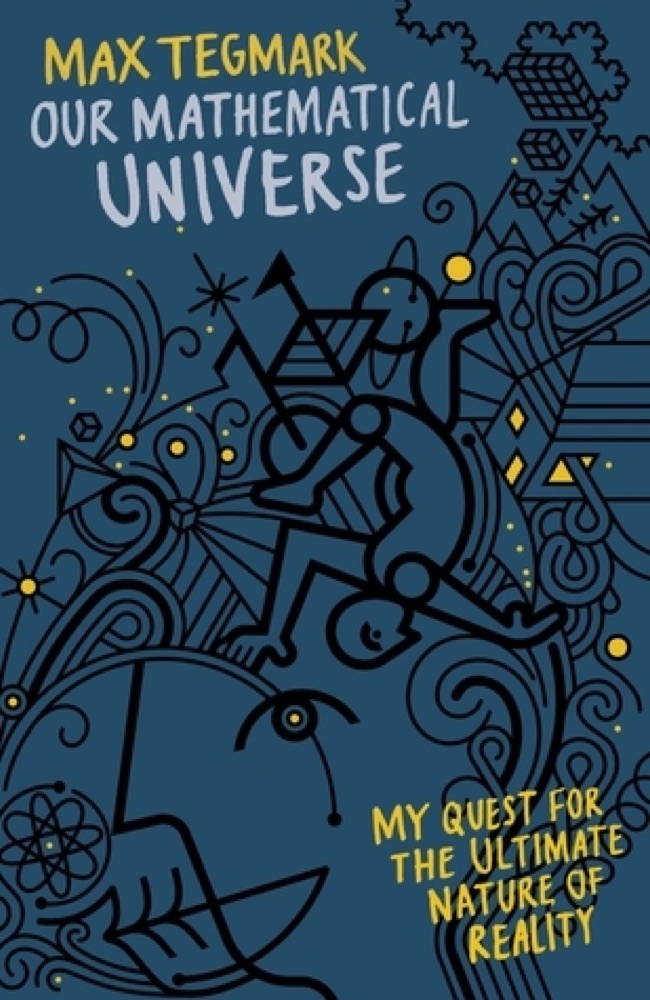 Our Mathematical Universe: My Quest for the Ultimate Nature of Reality
Contact
Our Mathematical Universe: My Quest for the Ultimate Nature of Reality
Contact
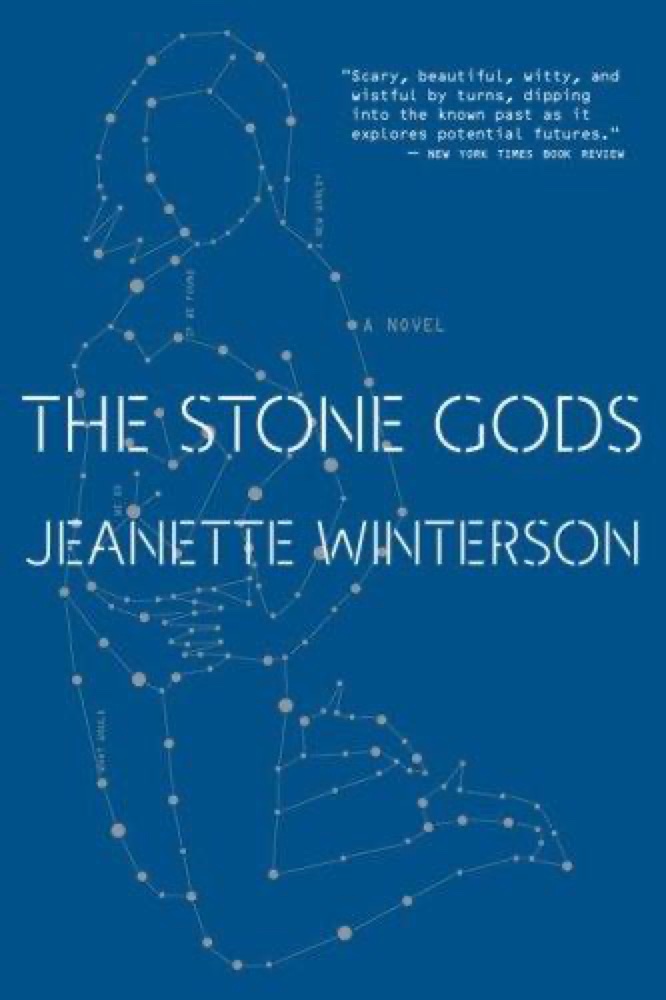 The Stone Gods
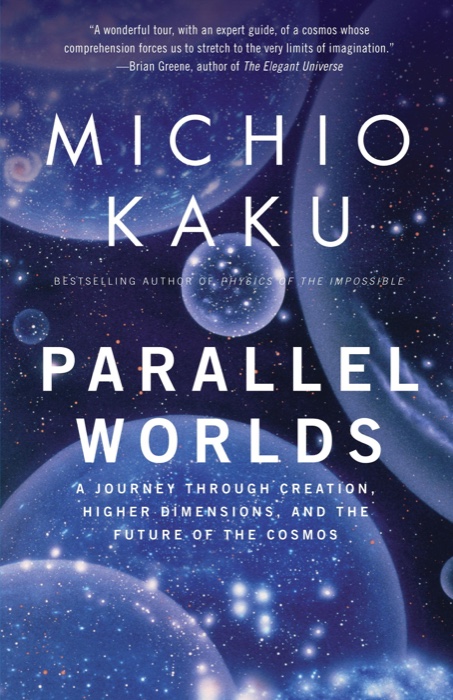 Parallel Worlds: A Journey Through Creation, Higher Dimensions, and the Future of the Cosmos
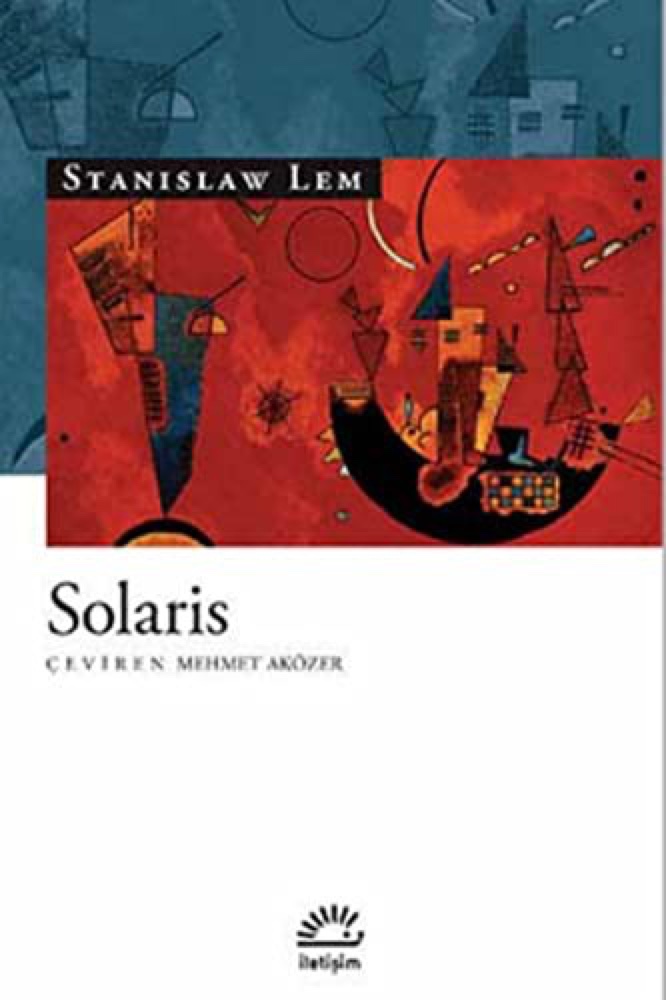 Solaris
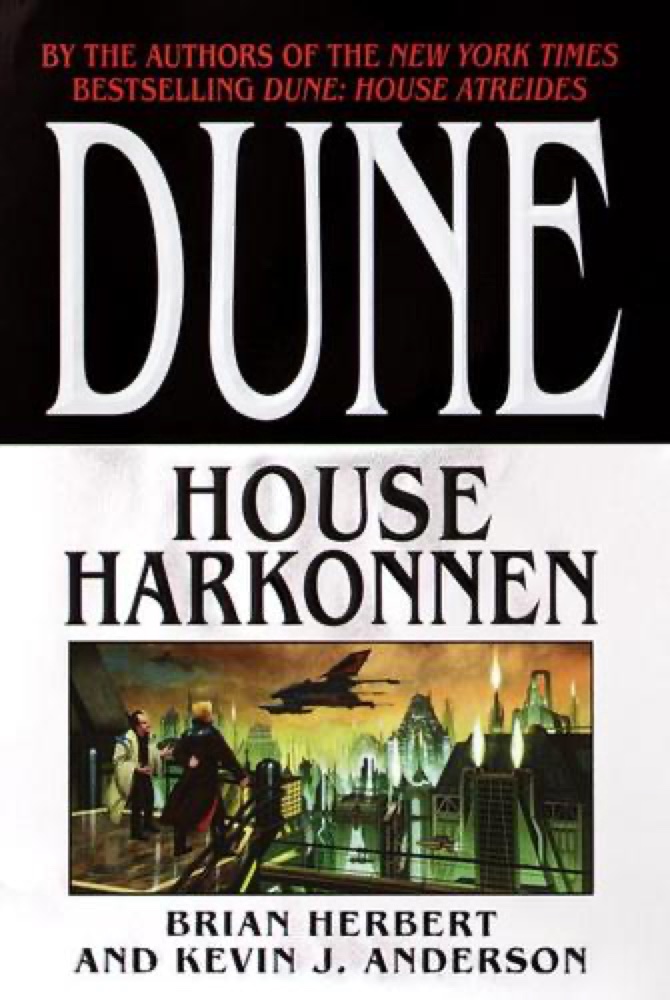 House Harkonnen
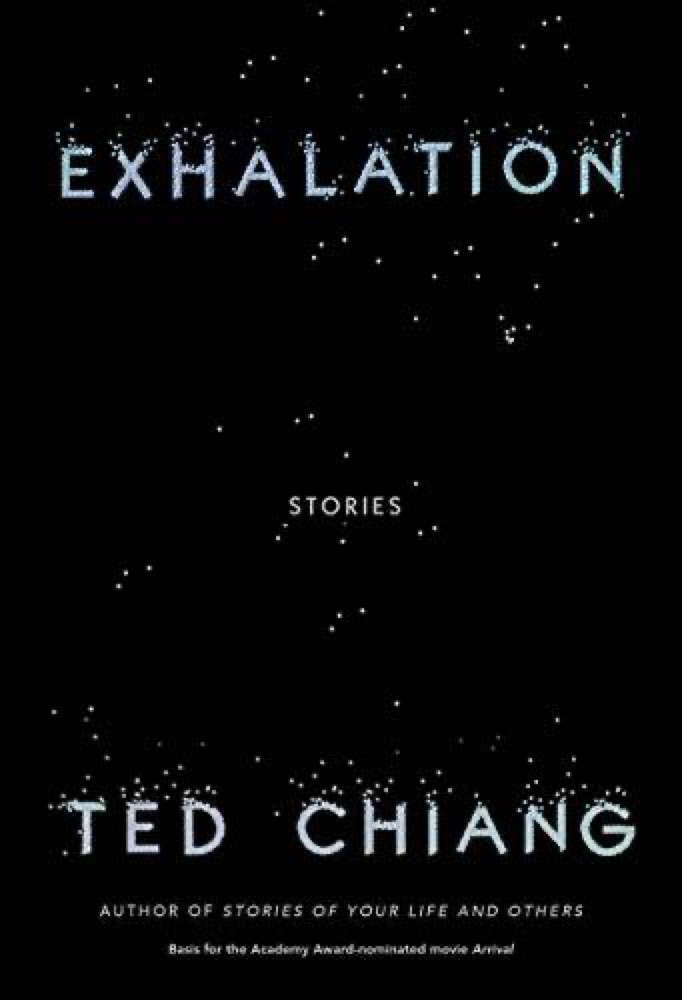 Exhalation
 The Complete Cosmicomics
 Genome
 The Varieties of Scientific Experience: A Personal View of the Search for God
 Black Holes and Baby Universes and Other Essays
 The Lives of a Cell: Notes of a Biology Watcher
 The Anthropocene Reviewed: Essays on a Human-Centered Planet
 Blue Remembered Earth
 The Abundance
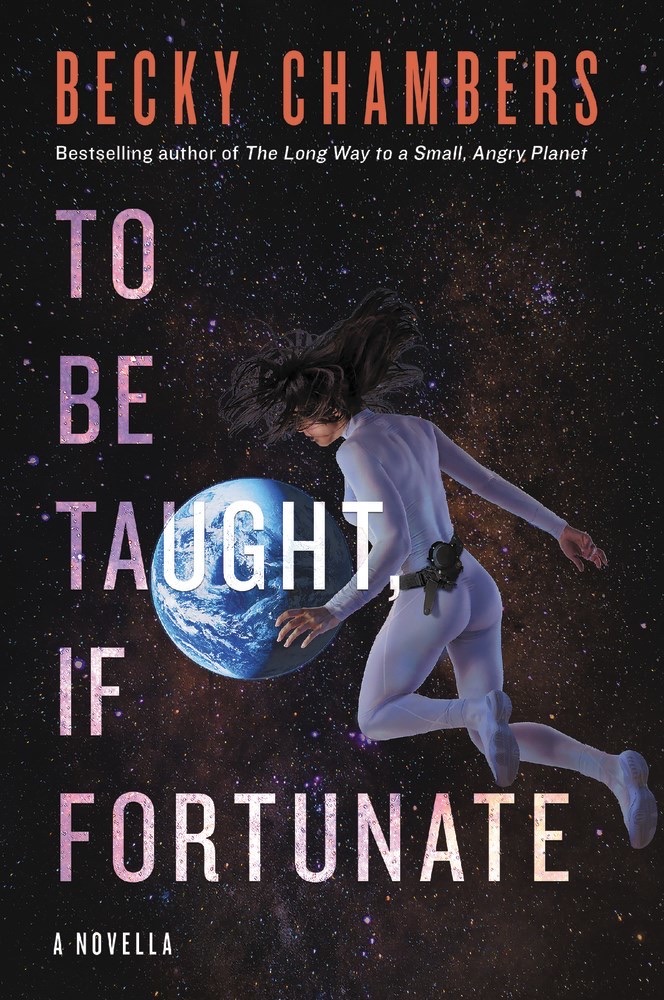 To Be Taught, If Fortunate
 Dark Matter
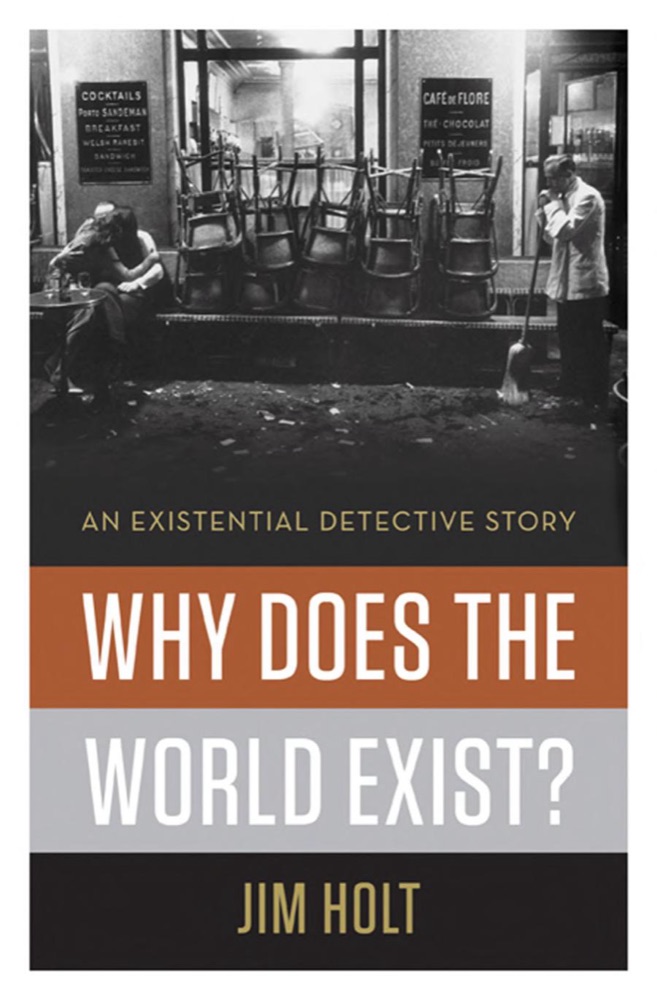 Why Does the World Exist?: An Existential Detective Story
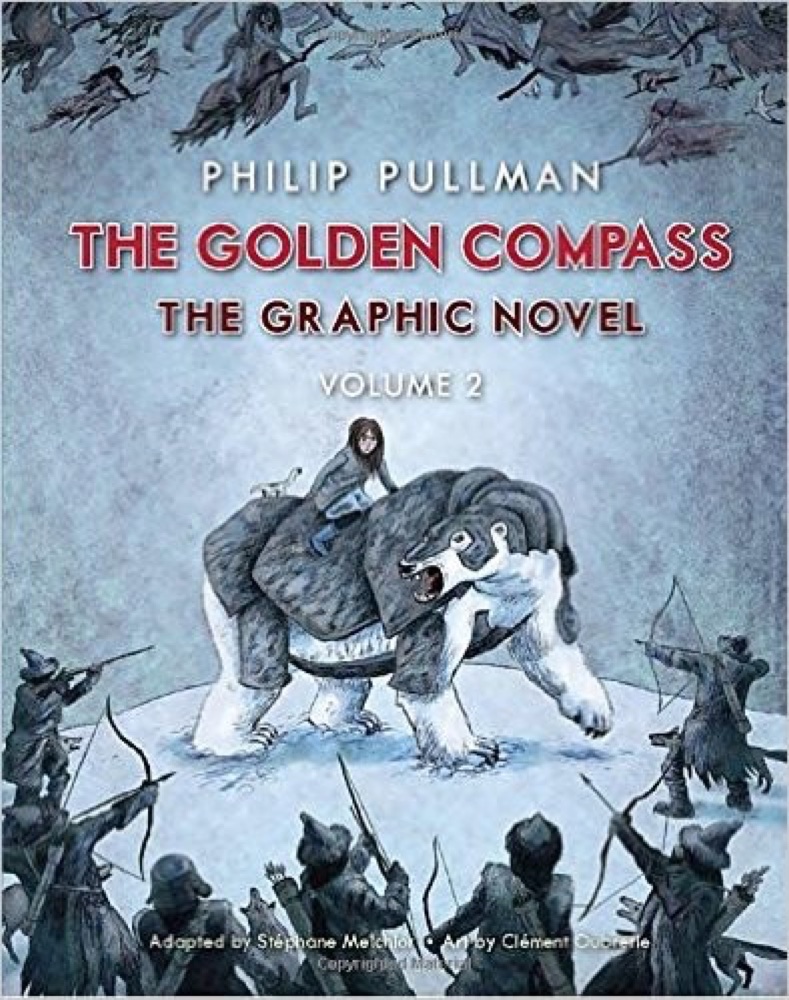 The Golden Compass
 In Ascension
 A Briefer History of Time
 Jeremy Fink and the Meaning of Life
 The Three-Body Problem
 The Convoluted Universe, Book 1
 A Devil's Chaplain: Reflections on Hope, Lies, Science, and Love
 Weight: The Myth of Atlas and Heracles
 Why Fish Don’t Exist: A Story of Loss, Love, and the Hidden Order of Life
 The Ascent of Man
 The Overstory
 The Book of Form and Emptiness
 The Stardust Grail
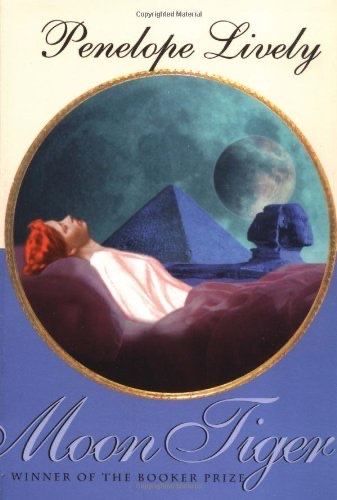 Moon Tiger
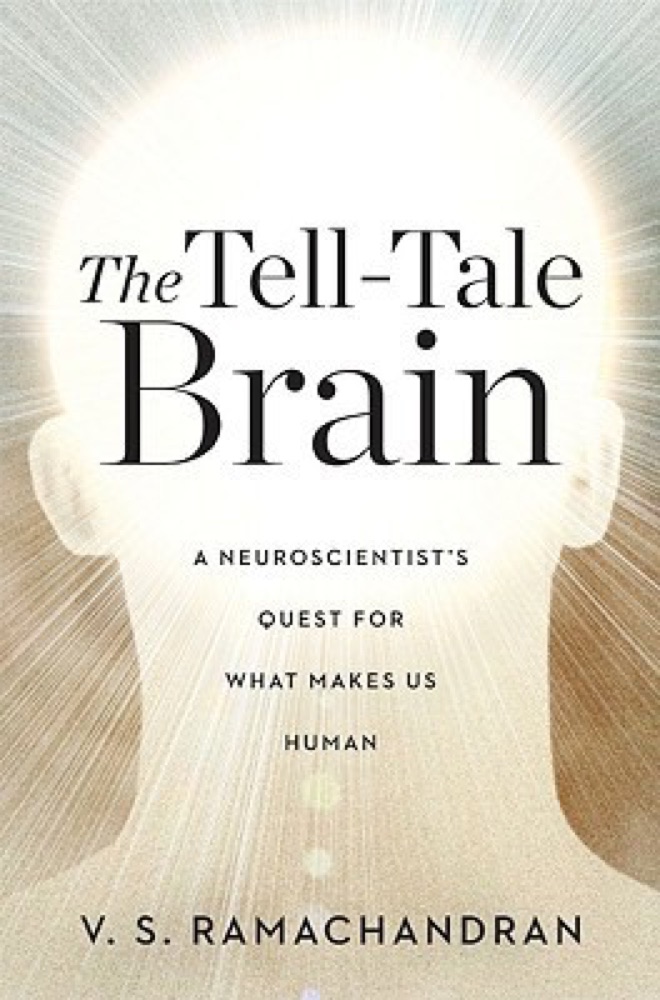 The Tell-Tale Brain: A Neuroscientist's Quest for What Makes Us Human
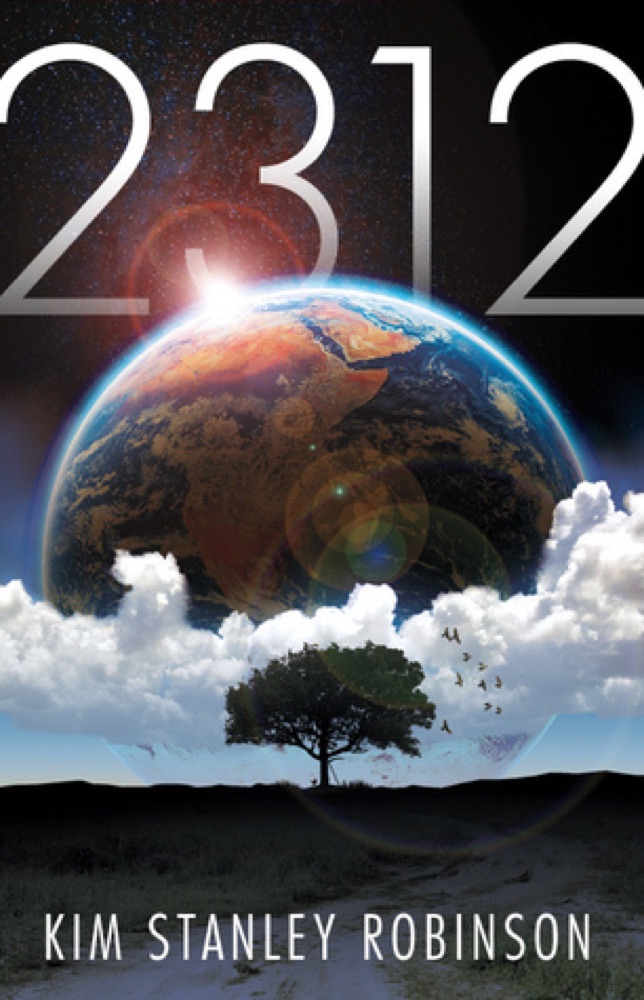 2312
2312
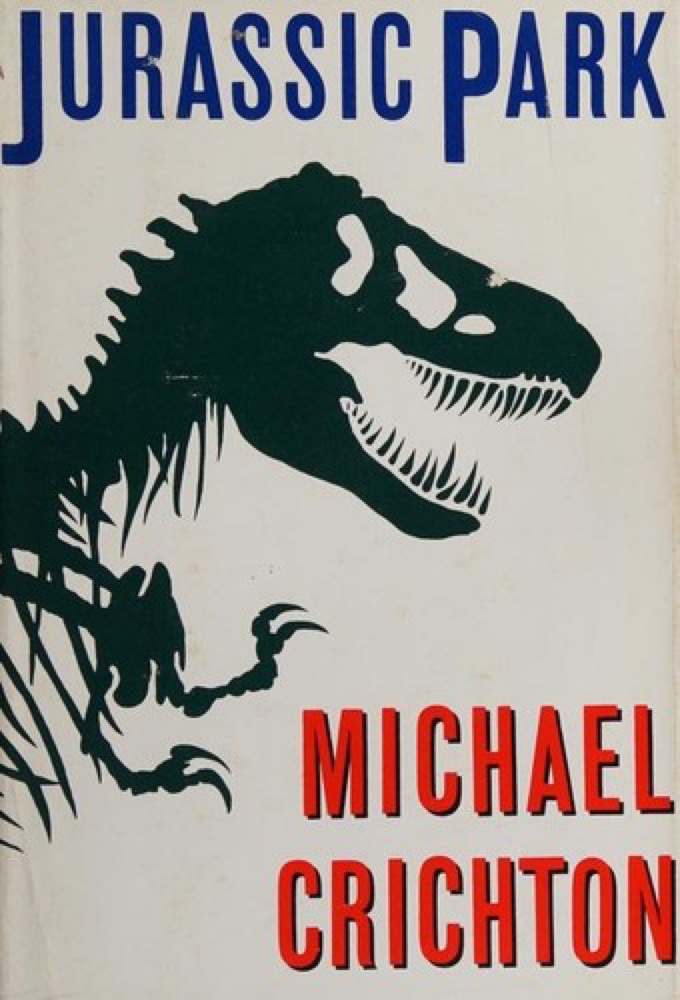 Jurassic Park
 Maya
Maya
 The Power of Myth
 The Order of Time
 A Natural History of the Senses