
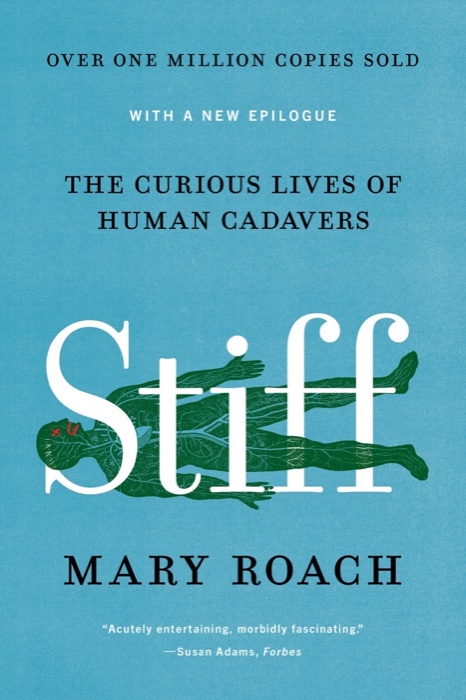
 Stiff: The Curious Lives of Human Cadavers
Quotes from the Book
Yes, the money could be better spent on Earth. But would it? Since when has money saved by government redlining been spent on education and cancer research? It is always squandered. Let's squander some on Mars. Let's go out and play.
To the rocket scientist, you are a problem. You are the most irritating piece of machinery he or she will ever have to deal with. You and your fluctuating metabolism, your puny memory, your frame that comes in a million different configurations. You are unpredictable. You're inconstant. You take weeks to fix. The engineer must worry about the water and oxygen and food you'll need in space, about how much extra fuel it will take to launch your shrimp cocktail and irradiated beef tacos. A solar cell or a thruster nozzle is stable and undemanding. It does not excrete or panic or fall in love with the mission commander. It has no ego. Its structural elements don't start to break down without gravity, and it works just fine without sleep. To me, you are the best thing to happen to rocket science. The human being is the machine that makes the whole endeavor so endlessly intriguing.
The nobility of the human spirit grows harder for me to believe in. War, zealotry, greed, malls, narcissism. I see a backhanded nobility in excessive, impractical outlays of cash prompted by nothing loftier than a species joining hands and saying “I bet we can do this.” Yes, the money could be better spent on Earth. But would it? Since when has money saved by government red-lining been spent on education and cancer research? It is always squandered. Let’s squander some on Mars. Let’s go out and play.
Space doesn't just encompass the sublime and the ridiculous. It erases the line between.
People can't anticipate how much they'll miss the natural world until they are deprived of it. I have read about submarine crewmen who haunt the sonar room, listening to whale songs and colonies of snapping shrimp. Submarine captains dispense 'periscope liberty'- a chance to gaze at clouds and birds and coastlines and remind themselves that the natural world still exists. I once met a man who told me that after landing in Christchurch, New Zealand, after a winter at the South Pole research station, he and his companions spent a couple days just wandering around staring in awe at flowers and trees. At one point, one of them spotted a woman pushing a stroller. 'A baby!' he shouted, and they all rushed across the street to see. The woman turned the stroller and ran.
He has a minor in explosives and the slightly bitter, misanthropic personality of someone who shouldn't.
The suffix 'naut' comes from the Greek and Latin words for ships and sailing. Astronaut suggests 'a sailor in space.' Chimponaut suggests 'a chimpanzee in sailor pants'.
the act of vomiting deserves your respect. It's an orchestral event of the gut.
As when astronaut Mike Mulhane was asked by a NASA psychiatrist what epitaph he'd like to have on his gravestone, Mulhane answered, "A loving husband and devoted father," though in reality, he jokes in "Riding Rockets," "I would have sold my wife and children into slavery for a ride into space.
No one is excluded from the astronaut corps based on penis size.
My interpreter Sayuri is folding a piece of notebook paper. She is at step 21, where the crane's body is inflated. The directions show a tiny puff besides an arrow pointing at the bird. It makes sense if you already know what to do. Otherwise, it's wonderfully surreal: Put a cloud inside a bird.
Gravitation is the lust of the cosmos.
Upon the occasion of history's first manned flight - in the 1780's aboard the Montgolfier brothers' hot-air balloons - someone asked Franklin what use he saw in such frivolity. "What use," he replied, "is a newborn baby?
NASA might do well to adopt the Red Bull approach to branding and astronautics. Suddenly the man in the spacesuit is not an underpaid civil servant; he's the ultimate extreme athlete. Red Bull knows how to make space hip.
Gravity is why there are suns and planets in the first place. It is practically God.
I will tell you sincerely and without exaggeration that the best part of lunch today at the NASA Ames cafeteria is the urine. It is clear and sweet, though not in the way mountain streams are said to be clear and sweet. More in the way of Karo syrup. The urine has been desalinated by osmotic pressure. Basically it swapped molecules with a concentrated sugar solution. Urine is a salty substance (though less so than the NASA Ames chili), and if you were to drink it in an effort to rehydrate yourself, it would have the opposite effect. But once the salt is taken care of and the distasteful organic molecules have been trapped in an activated charcoal filter, urine is a restorative and surprisingly drinkable lunchtime beverage. I was about to use the word unobjectionable, but that's not accurate. People object. They object a lot.
Under the section heading “Experiments with Human Subjects” – a heading that, were I a doctor previously employed by Nazi Germany, I might have rephrased –
The V-2’s directional system was notoriously erratic. In May 1947, a V-2 launched from White Sands Proving Ground headed south instead of north, missing downtown Juarez, Mexico, by 3 miles. The Mexican government’s response to the American bombing was admirably laid back. General Enrique Diaz Gonzales and Consul General Raul Michel met with United States officials, who issued apologies and an invitation to come to “the next rocket shoot” at White Sands. The Mexican citizenry was similarly nonchalant. “Bomb Blast Fails to Halt Spring Fiesta,” said the El Paso Times headline, noting that “many thought the explosion was a cannon fired for the opening of the fiesta.
Borman's dumping urine. Urine [in] approximately one minute." Two lines further along, we see Lovell saying, "What a sight to behold!
Gravity disappears again, and we rise up off the floor like spooks from a grave. It's like the Rapture in here every thirty seconds.
No one goes out to play anymore. Simulation is becoming reality.
(As brain cells die from oxygen starvation, euphoria sets in, and one last, grand erection.)
Hydromedusa tectifera are, like post-war Nazis, native to Argentina, Paraguay, and Brazil.
What’s different? Sweat, risk, uncertainty, inconvenience. But also, awe. Pride. Something ineffably splendid and stirring.
I remember watching Morin walk away from me, the endearing gait and the butt that got lubed for science, and thinking, 'Oh my god, they're just people.
Given the complexity of the chore, “escapees,” as free-floating fecal material is known in astronautical circles, plagued the crews. Below is an excerpt from the Apollo 10 mission transcript, starring Mission Commander Thomas Stafford, Lunar Module Pilot Gene Cernan, and Command Module Pilot John Young, orbiting the moon 200,000-plus miles from the nearest bathroom. CERNAN:…You know once you get out of lunar orbit, you can do a lot of things. You can power down…And what’s happening is— STAFFORD: Oh—who did it? YOUNG: Who did what? CERNAN: What? STAFFORD: Who did it? [laughter] CERNAN: Where did that come from? STAFFORD: Give me a napkin quick. There’s a turd floating through the air. YOUNG: I didn’t do it. It ain’t one of mine. CERNAN: I don’t think it’s one of mine. STAFFORD: Mine was a little more sticky than that. Throw that away. YOUNG: God almighty. [And again eight minutes later, while discussing the timing of a waste-water dump.] YOUNG: Did they say we could do it anytime? CERNAN: They said on 135. They told us that—Here’s another goddam turd. What’s the matter with you guys? Here, give me a— YOUNG/STAFFORD: [laughter]… STAFFORD: It was just floating around? CERNAN: Yes. STAFFORD: [laughter] Mine was stickier than that. YOUNG: Mine was too. It hit that bag— CERNAN: [laughter] I don’t know whose that is. I can neither claim it nor disclaim it. [laughter] YOUNG: What the hell is going on here?
many space psychology experiments these days focus on ways to detect stress or depression in a person who doesn’t intend to tell you about it.
to test. Would weightlessness put them off their game? It did. The turtles moved “slowly and insecurely” and did not attack a piece of bait placed directly in front of them. Then again, the water in which they swam was repeatedly floating up out of the jar and forming an “ovoid cupola.” Who could eat? Von Beckh quickly moved on from turtles to Argentinean pilots. Under the section heading “Experiments with Human Subjects”—a heading that, were I a doctor previously employed by Nazi Germany, I might have rephrased—von Beckh reports on the efforts of the pilots to mark X’s inside small boxes during regular and weightless flight. During weightlessness, many of the letters strayed from the boxes, indicating that pilots might experience difficulties maneuvering their planes and doing crossword puzzles during air battles. The following year, von Beckh was recruited by the Aeromedical Research Laboratory at Holloman Air Force
Watch on YouTube
About Mary Roach
We have collected 198 quotes from 7 books by Mary Roach on BookQuoters.
More about the author →More by Mary Roach
Stiff: The Curious Lives of Human Cadavers
 Bonk: The Curious Coupling of Science and Sex
 Gulp: Adventures on the Alimentary Canal
 Spook: Science Tackles the Afterlife
Book details
- Author
- Mary Roach
- Genre
- History
- Goodreads rating
- 3.95 (61k ratings) →
Keep reading
 Carrying the Fire: An Astronaut's Journey
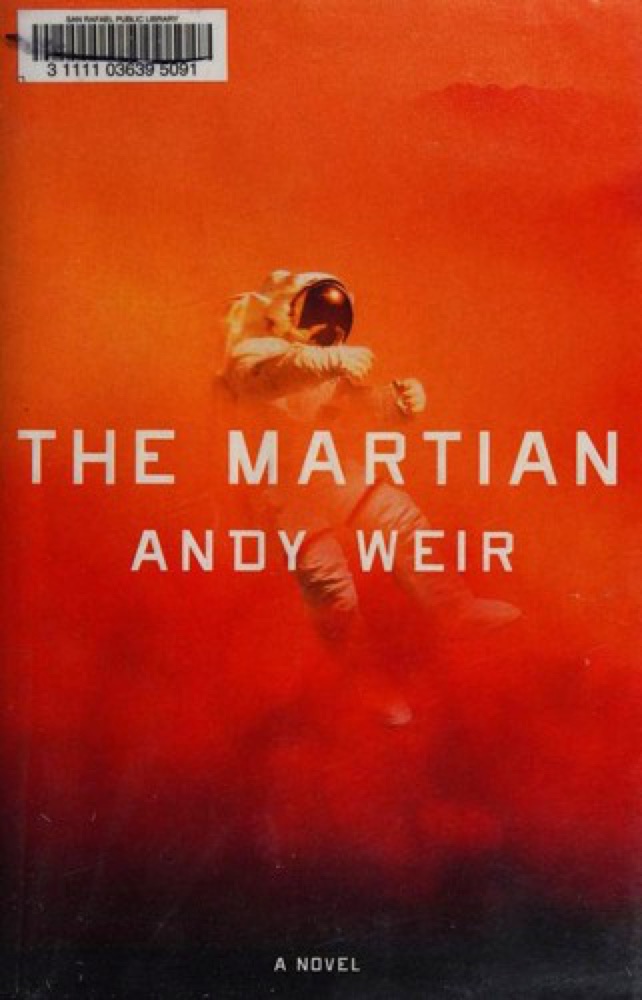 The Martian
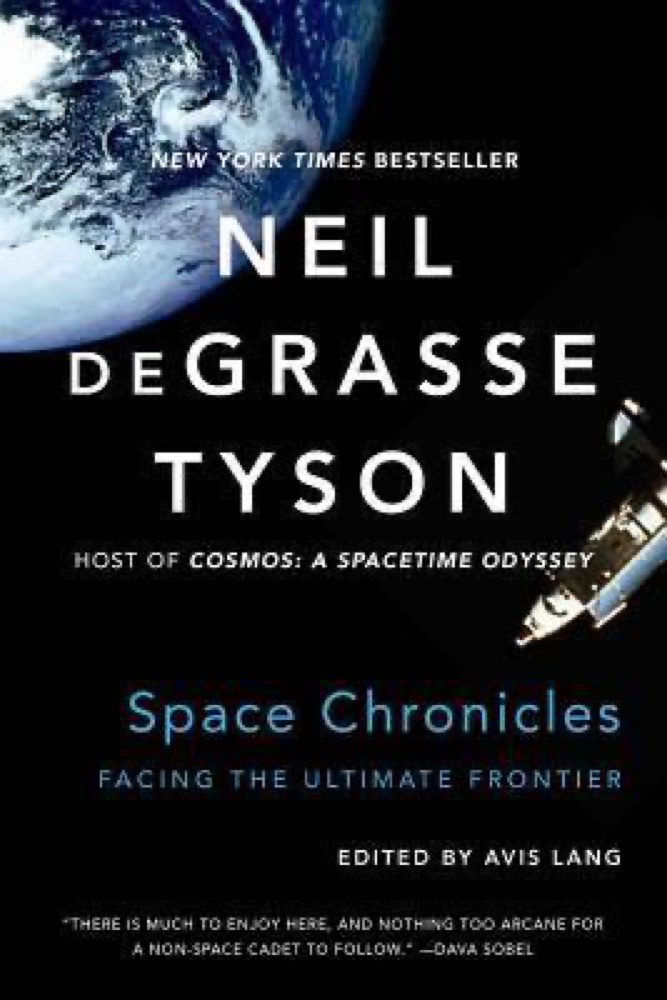 Space Chronicles: Facing the Ultimate Frontier
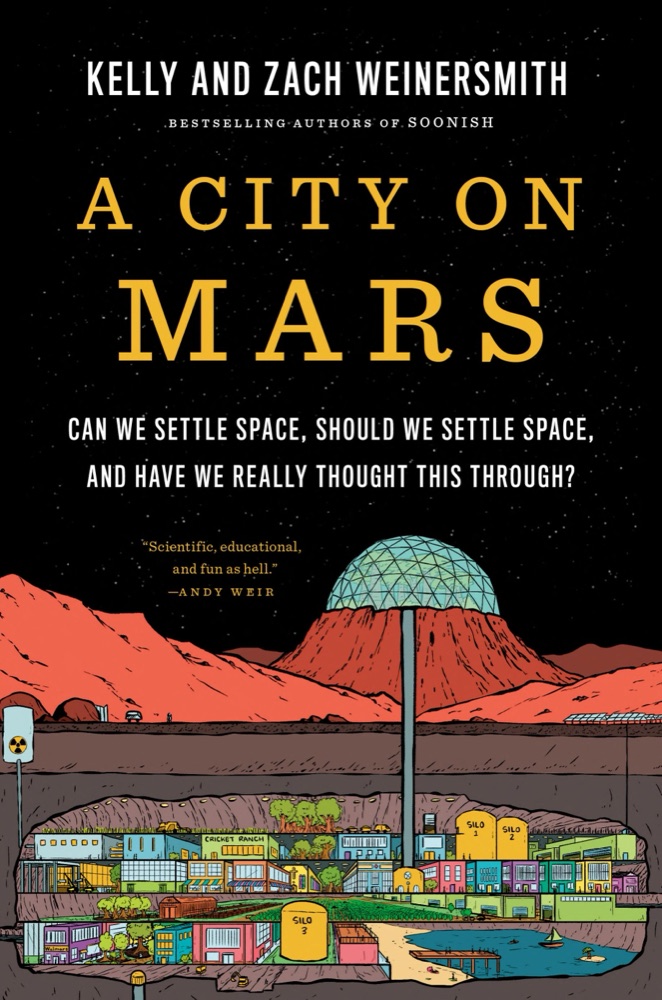 A City on Mars: Can We Settle Space, Should We Settle Space, and Have We Really Thought This Through?
 Saturn's Children
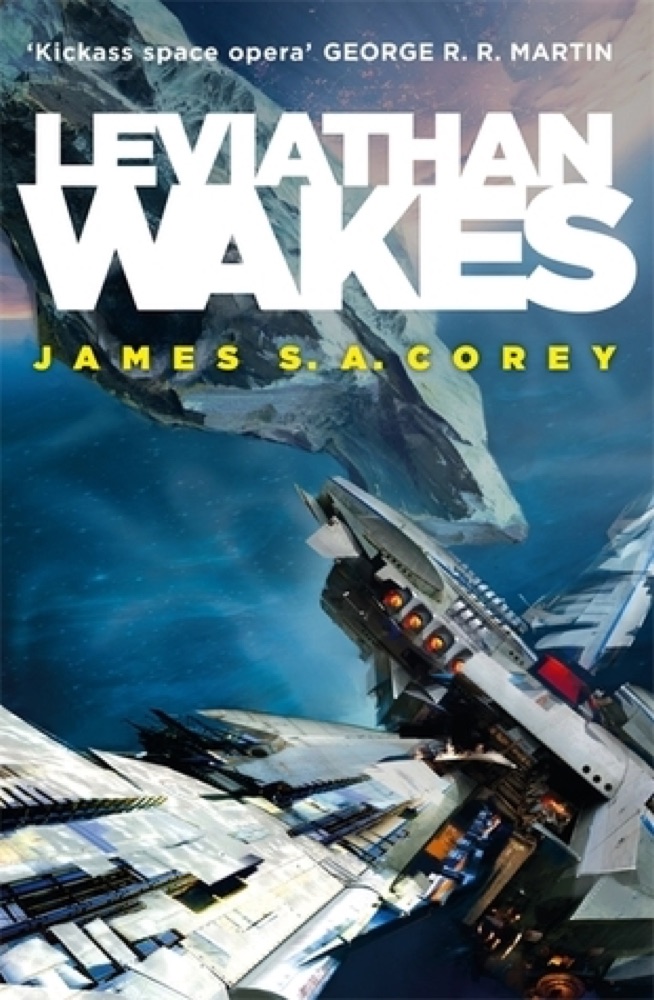 Leviathan Wakes
 Death's End
 The Martian Chronicles
 Have Space Suit—Will Travel
 2312
2312
 A Deepness in the Sky
 The Salvage Crew
 The Futurological Congress: From the Memoirs of Ijon Tichy
 Caliban’s War
 The State of the Art
 Soonish: Ten Emerging Technologies That'll Improve and/or Ruin Everything
 Pale Blue Dot: A Vision of the Human Future in Space
 The Star Diaries
 The Fifth Science
 Orbital
 To Be Taught, If Fortunate
 The Gone-Away World
 Blue Remembered Earth
 The Long Way to a Small, Angry Planet
 Death by Black Hole: And Other Cosmic Quandaries
 Redemption Ark
 Songs of Distant Earth
 What If?: Serious Scientific Answers to Absurd Hypothetical Questions
 Life, the Universe and Everything
 The Forever War
 The Naked Sun
 How I Killed Pluto and Why It Had It Coming
 Billions & Billions: Thoughts on Life and Death at the Brink of the Millennium
 The Restaurant at the End of the Universe
 The Three-Body Problem
 A Fire Upon the Deep
 Cryptonomicon
 The Second Ship
 Red Mars
 On the Steel Breeze
 2061: Odyssey Three
 Gravity's Rainbow
 Astrophysics for People in a Hurry
 Grunt: The Curious Science of Humans at War
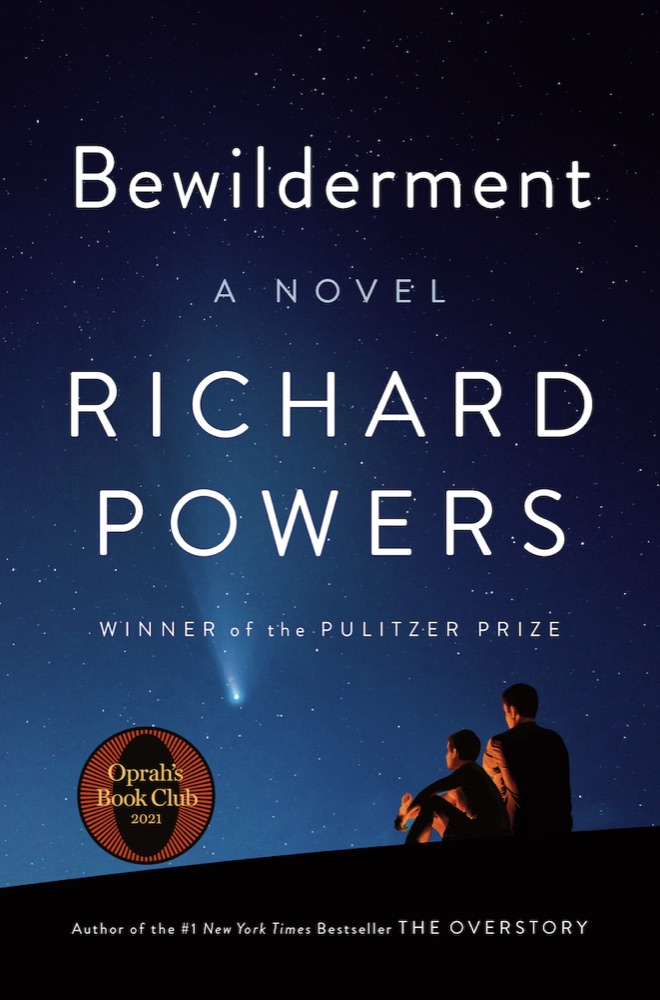 Bewilderment
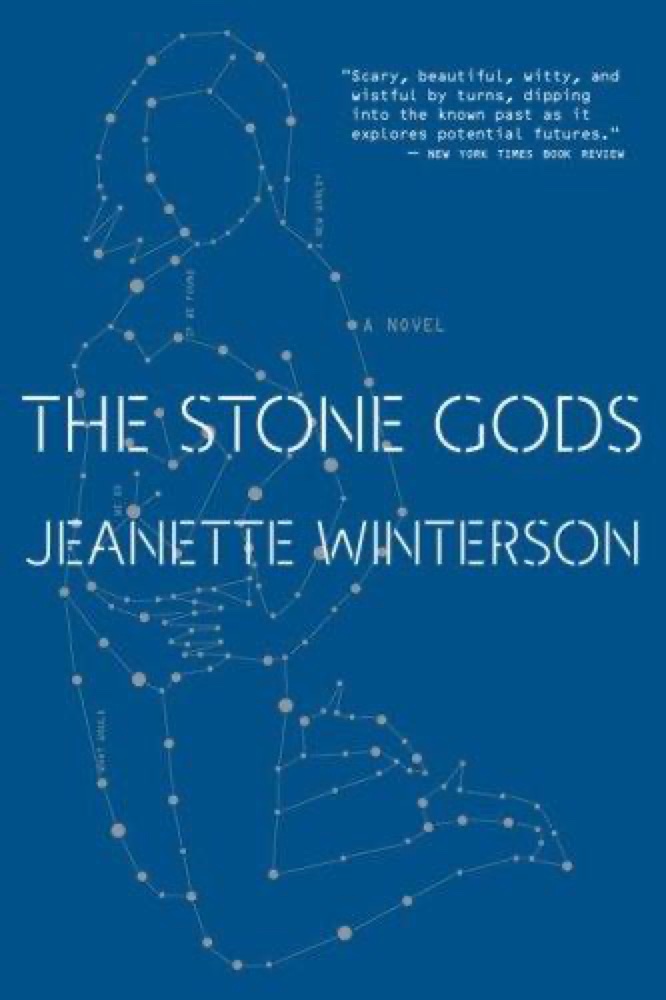 The Stone Gods
 Solaris
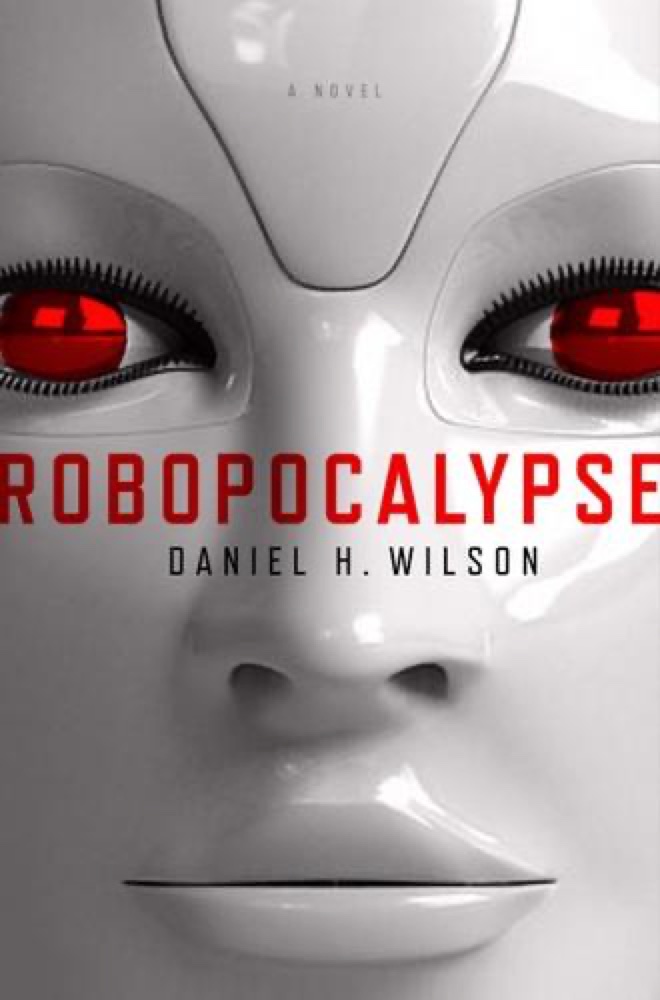 Robopocalypse
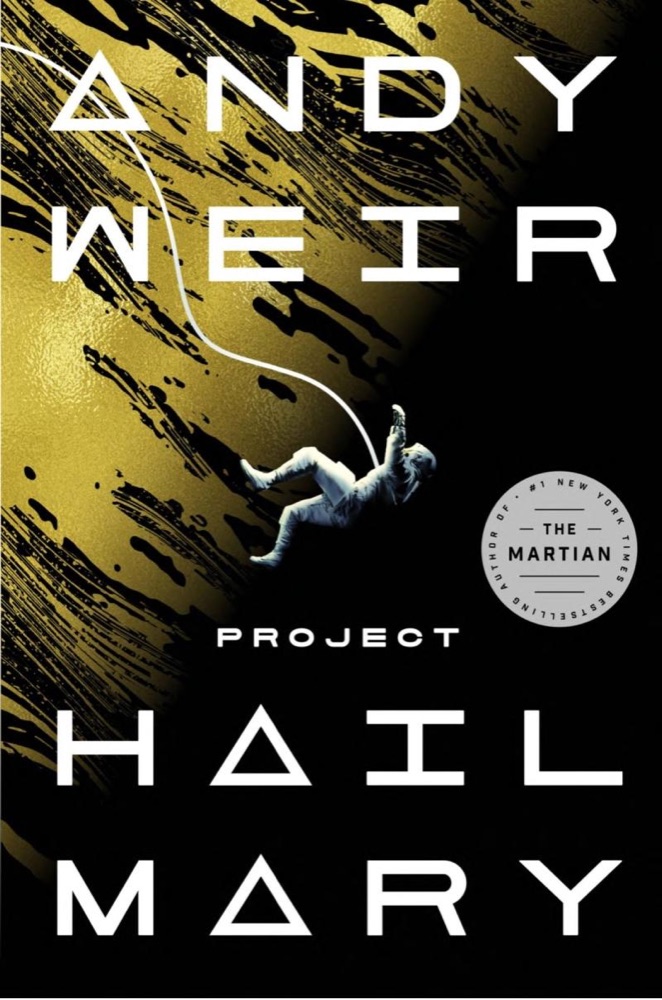 Project Hail Mary
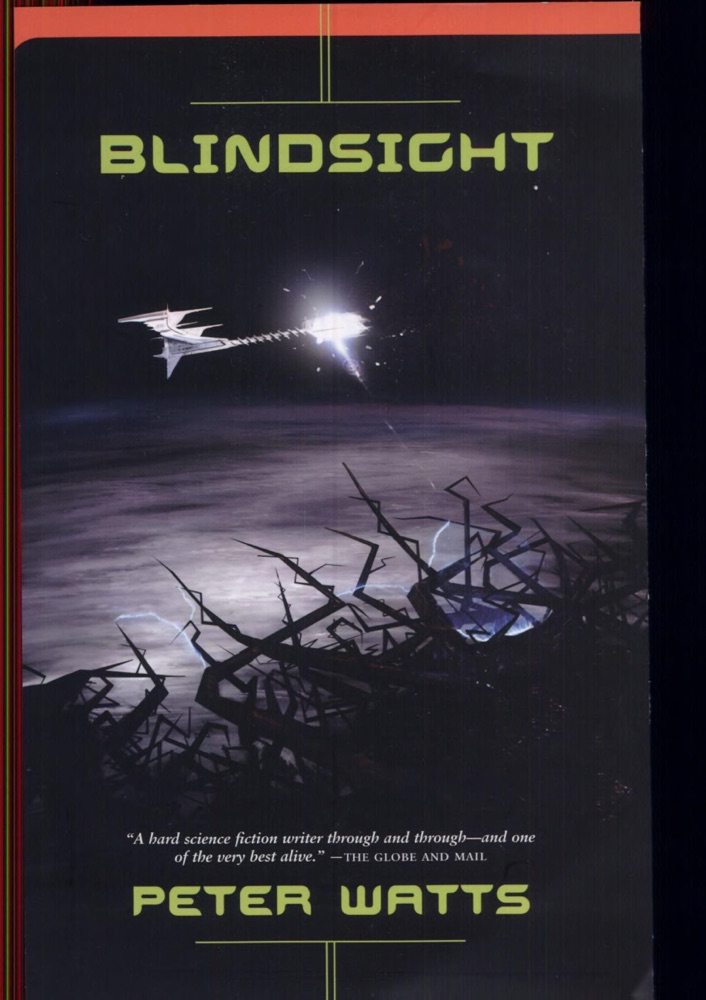 Blindsight
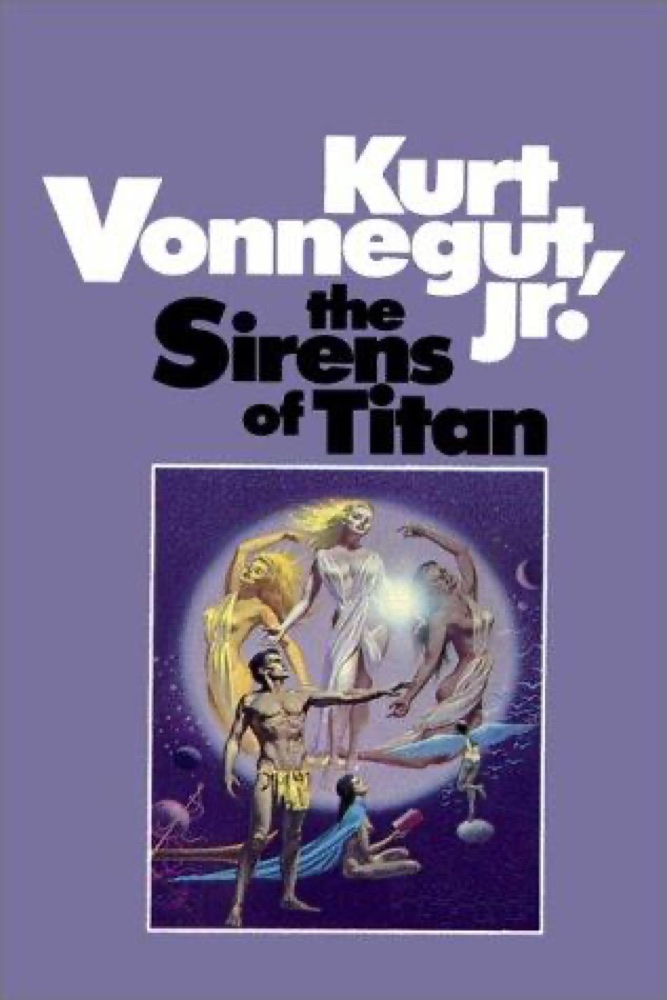 The Sirens of Titan
 The Rise of Endymion
 Influx
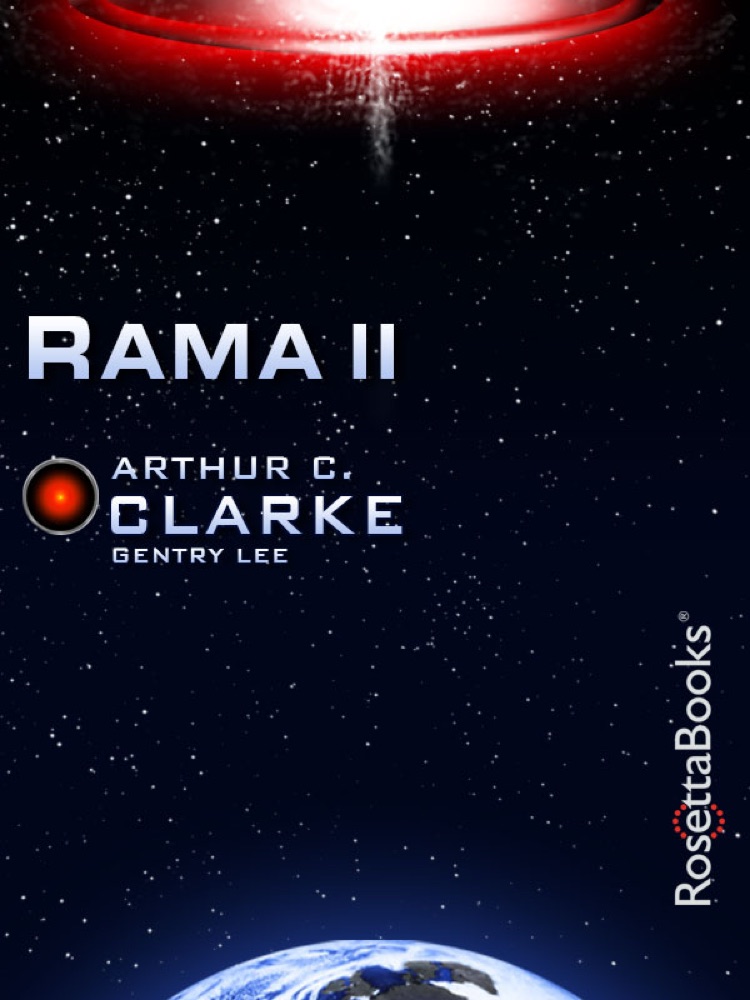 Rama II
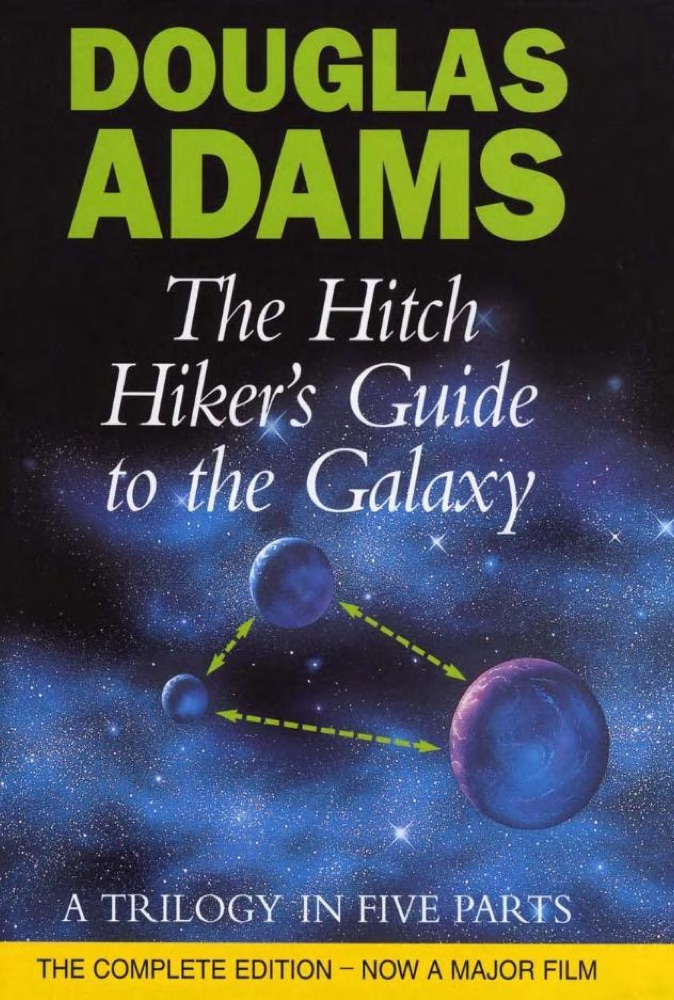 The Hitchhiker's Guide to the Galaxy
 Cibola Burn
 Spaceman of Bohemia
 Another Roadside Attraction
 Starfish
 A Short History of Nearly Everything