
 The Wayfinders: Why Ancient Wisdom Matters in the Modern World
Quotes from the Book
Let him who thinks war is a glorious, golden thing, who loves to roll forth stirring words of exhortation, invoking honour and praise and valour and love of country … Let him but look at a little pile of sodden grey rags that cover half a skull and a shin-bone and what might have been its ribs, or at this skeleton lying on its side, resting half crouching as it fell, perfect that it is headless, and with the tattered clothing still draped round it; and let him realize how grand and glorious a thing it is to have distilled all youth and joy and life into a fetid heap of hideous putrescence! Who is there who has known and seen who can say that victory is worth the death of even one of these?
6
In my humble opinion," (Ghandi) told the court, "non-cooperation with evil is as much a duty as is co-operation with good.
4
I want to lose all harshness of jagged nerves, to be above all gentle. I feel we have achieved victory for that almost more than anything-to be able to cultivate gentleness. George Malory to his wife Ruth at the end of the Great War
4
Death's power lies in fear, which flourishes in the imagination and the unknown.
3
It was more than love at first sight. For Mallory it was as if a dam had burst and the impounded emotions of a young lifetime had found immediate release.
2
They brought their whole intellectual energy to bear on their relationships; they wanted to know not only that they loved people but how and why they loved them, to understand the mechanism of their likings, the springs that prompted thought and emotion; to come to terms with themselves and with one another; to know where they were going and why.
2
Social mores, he argued, rules of protocol, concepts of rectitude and honor had no objective basis. They were only reflections of public and private fears.
2
There is no doubt that we are a very cruel people,' Winston Churchill wrote home from the front. 'Severity always,' went the British motto, 'justice when possible.
2
Such experiences are all too rare,” he continued, “and they but too soon become blurred in the actualities of daily intercourse and practical existence. Yet it is these few fleeting moments, which are reality. In these only we see real life. The rest is ephemeral, the unsubstantial. And that single hour on leaving Lhasa was worth all the rest of my lifetime.
1
BRITAIN HAD NOT FOUGHT a major continental war in a century, and the high command exhibited a stubborn disconnection from reality so complete as to merge at times with the criminal. A survey conducted in the three years before the war found that 95 percent of officers had never read a military book of any kind. This cult of the amateur, militantly anti-intellectual, resulted in a leadership that, with noted exceptions, was obtuse, willfully intolerant of change, and incapable for the most part of innovative thought or action
1
Marsh had travelled on foot to the source of the Nile and once stood down a charging rhinoceros by intrepidly opening a pink umbrella in its face.
1
Ahead of them stretched one of the most remarkable mountain vistas on earth. The Rongbuk Valley spreading south toward Everest rises in twenty miles but 4,000 feet, and it runs remarkably straight. From even a slight elevation, it appears to be flat, with its massive ice fields seeming to lie prostrate along the valley floor, as if detached from the mountain from which they flow. High ridges on both flanks draw the eye irresistibly to the head of the valley, where the sheer scale of the North Face, towering 10,000 feet, collapses perspective, creating an illusion of both proximity and depth, as if the mountain could be reached in a moment, or never reached at all.
The stark simplicity of his diary entries suggests the values of a generation of men not yet prepared to yield their emotions to analysis or reflection.
Young first encountered George Mallory in 1909, at a Cambridge dinner. At Easter he invited Mallory to Pen y Pass, and the following summer the two went off, at Young’s expense, to the Alps, where they were joined by Donald Robertson, a close friend and peer of Hilton Young’s. They climbed a number of peaks, none more dramatic than the southeast ridge of the Nesthorn, where Mallory nearly died. He was leading at the time, inching his way across fluted ice, seeking a route around the third of the four great towers that blocked the way up the ridge. Young would later recall his sudden astonishment: “I saw the boots flash from the wall without even a scrape; and, equally soundlessly, a grey streak flickered downward, and past me, and out of sight. So much did the wall, to which he had clung so long, overhang that from the instant he lost hold he touched nothing until the rope stopped him in mid-air over the glacier. I had had time to think, as I flung my body forward on to the belayed rope, grinding it and my hands against the slab, that no rope could stand such a jerk; and even to think out what our next action must be—so instantaneous is thought.” Miraculously, the rope held and Mallory was uninjured.
YOUNG HAD BEEN AT ZERMATT climbing with Herford during the soft summer of 1914, when all of Europe glowed with weather so beautiful and fine that it would be remembered for a generation, invoked by all those who sought to recall a time before the world became a place of mud and sky, with only the zenith sun to remind the living that they had not already been buried and left for dead. Stunned by a mix of emotions—horror, incredulity, morbid anticipation, fear, and confusion—Young returned to London to find “the writing of madmen already on the wall.” He recalled, “I attended the peace meeting in Trafalgar Square, the last protest of those who had grown up in the age of civilized peace: and then the dogs of war were off in full cry.” Forty years later, near the end of his days, he would write, “After the hardening effects of two wars it is difficult to recall the devastating collapse of the structure of life, and all its standards, which the recrudescence of barbarous warfare denoted for our generation.
Only once did I see a Tibetan having a bath. It was at Shegar Dzong … Disporting himself in the waters of a pool, quite close to the village, was a Tibetan boy, stark naked. On closer examination it transpired that the boy was the village idiot.
Bruce would not have been able to secure leave, as he indeed did in 1922, had the position been offered him. Clearly the Everest Committee believed that Howard-Bury was the better man for the job, as Hinks explained in a letter of
We settled long ago,” he later reflected, “that there’s no reckoning with death.
Even now I am haunted by the touching look of the young, bright, anxious eyes as we passed along the rows of sufferers. There, all around us, lying maimed and battered and dying, was the flower of Britain’s youth.
Watch on YouTube
About Wade Davis
We have collected 37 quotes from 3 books by Wade Davis on BookQuoters.
More about the author →More by Wade Davis
The Wayfinders: Why Ancient Wisdom Matters in the Modern World
 The Serpent and the Rainbow: A Harvard Scientist's Astonishing Journey into the Secret Societies of Haitian Voodoo, Zombis, and Magic
About the book
A magnificent work of history, biography and adventure.
If the quest for Mount Everest began as a grand imperial gesture, as redemption for an empire of explorers that had lost the race to the Poles, it ended as a mission of regeneration for a country and a people bled white by war. Of the twenty-six British climbers who, on three expedtions (1921-24), walked 400 miles off the map to find and assault the highest mountain on Earth, twenty had seen the worst of the fighting. Six had been severely wounded, two others nearly died of disease at the Front, one was hospitalized twice with shell shock. Three as army surgeons dealt for the duration with the agonies of the dying. Two lost brothers, killed in action. All had endured the slaughter, the coughing of the guns, the bones and barbed wire, the white faces of the dead.
In a monumental work of history and adventure, ten years in the writi
Book details
- First published
- 2011
- Author
- Wade Davis
- Genre
- History
- Goodreads rating
- 4.27 (5k ratings)
Keep reading
 The Splendid and the Vile: A Saga of Churchill, Family, and Defiance During the Blitz
 Matterhorn
 The Wars
 The Ministry of Fear
 Regeneration
 Testament of Youth
 The Honourable Schoolboy
 Lorna Doone
 In Memoriam
 TransAtlantic
 Black Lamb and Grey Falcon
 The Sweetness of Water
 The Day of the Scorpion
 Precipice
 The Brutal Telling
 Out of the Silent Planet
 Victory
 One of Ours
 The Longest Journey
 The Monuments Men: Allied Heroes, Nazi Thieves, and the Greatest Treasure Hunt in History
 The Narrow Road to the Deep North
 The Worst Journey in the World
 The Naked and the Dead
 Another Country
 The Winds of War
 Days Without End
 The Damnation Game
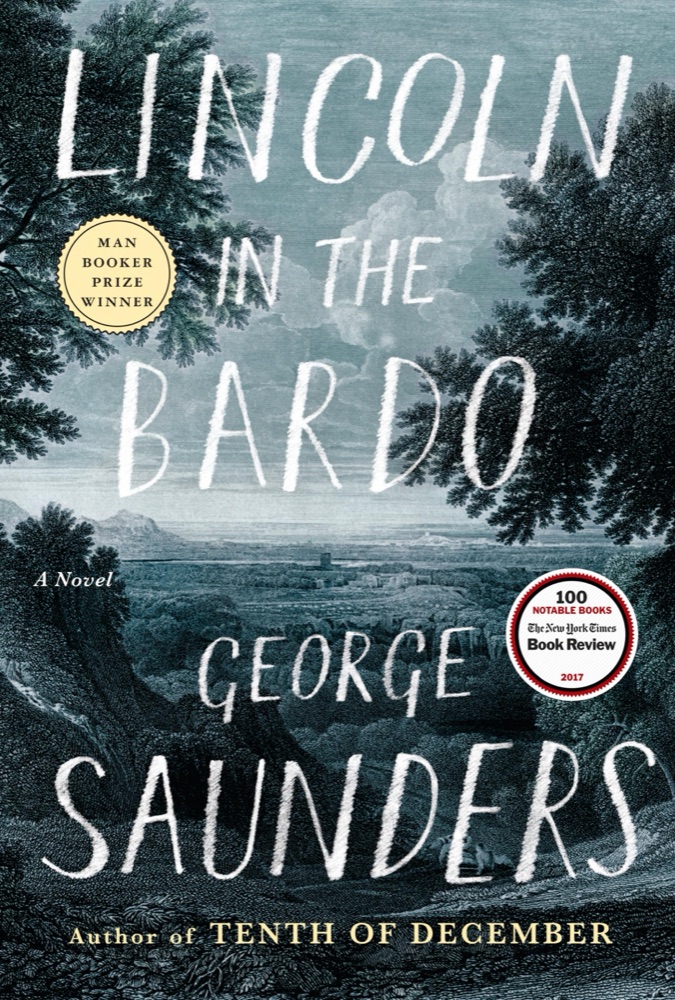 Lincoln in the Bardo
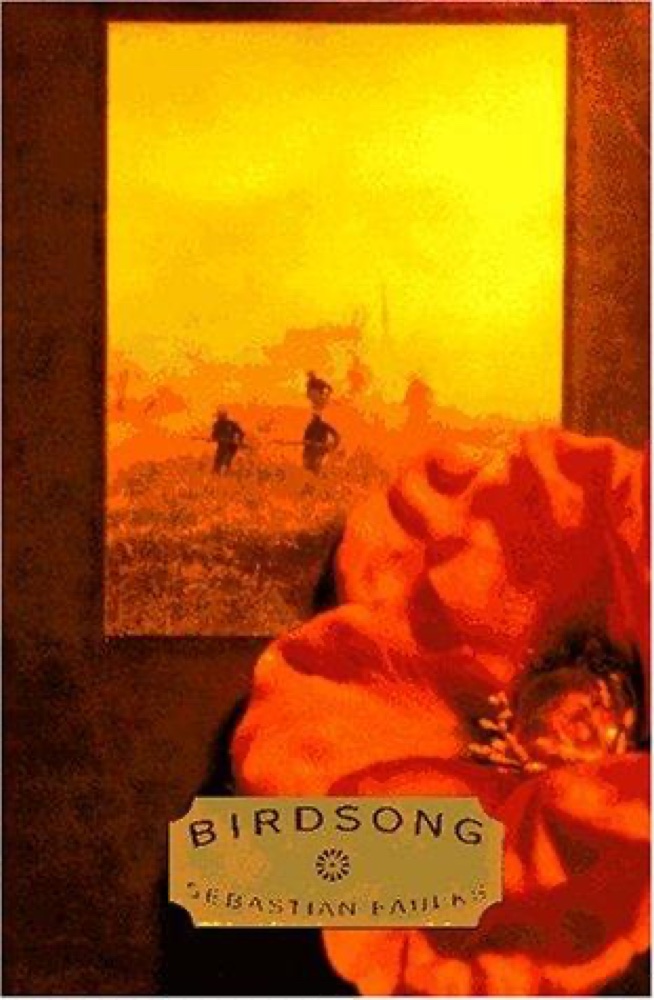 Birdsong
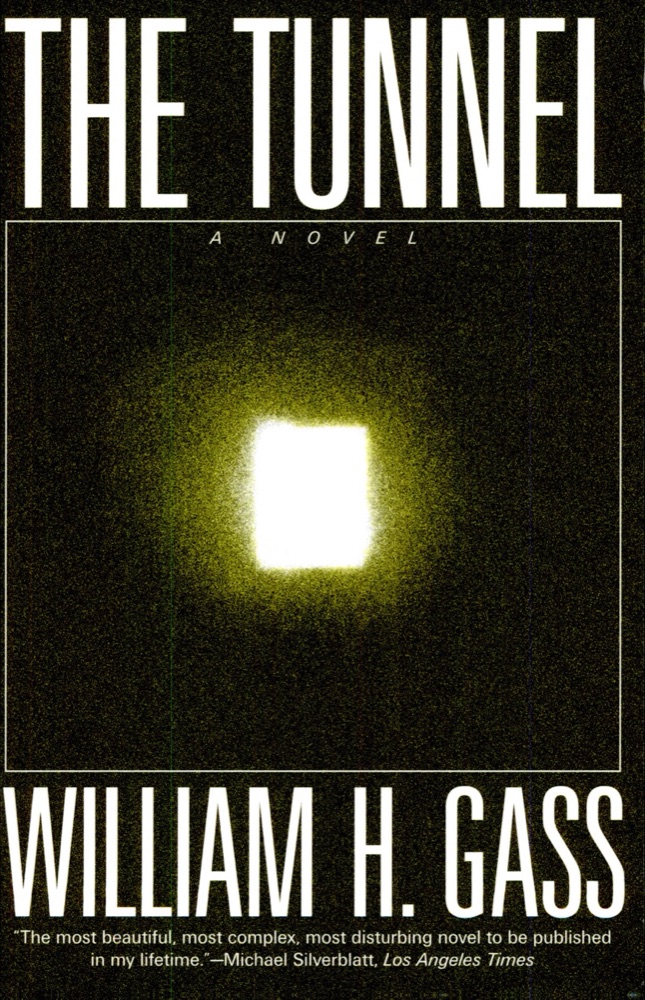 The Tunnel
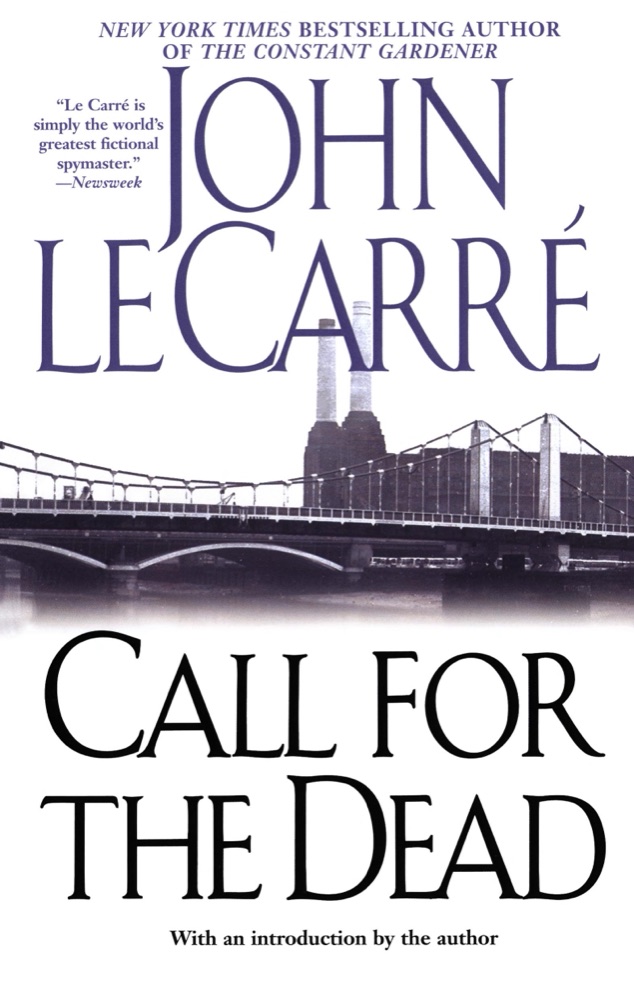 Call for the Dead
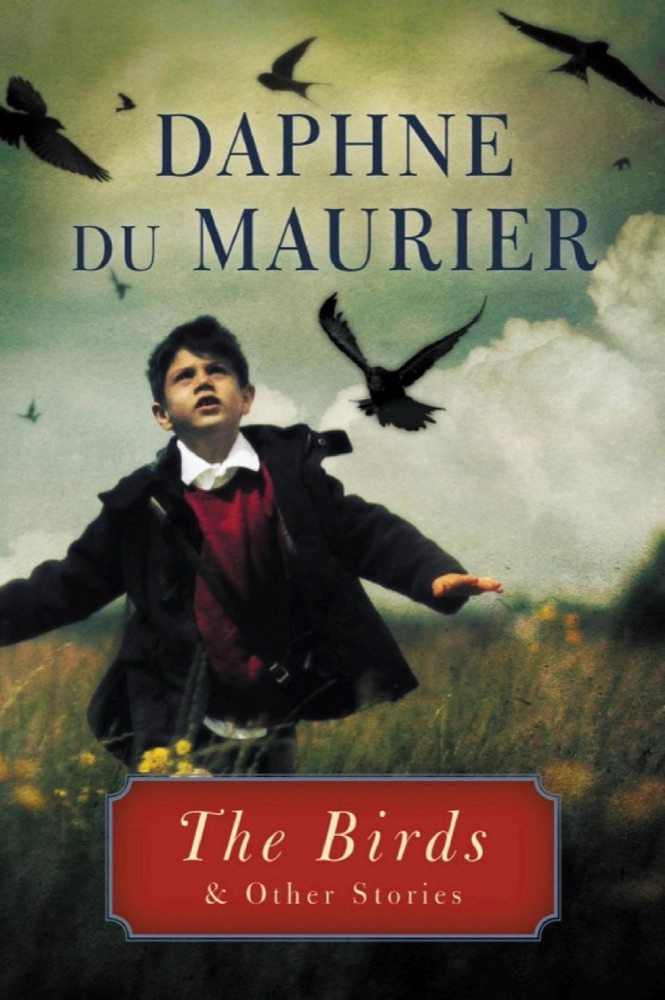 The Birds and Other Stories
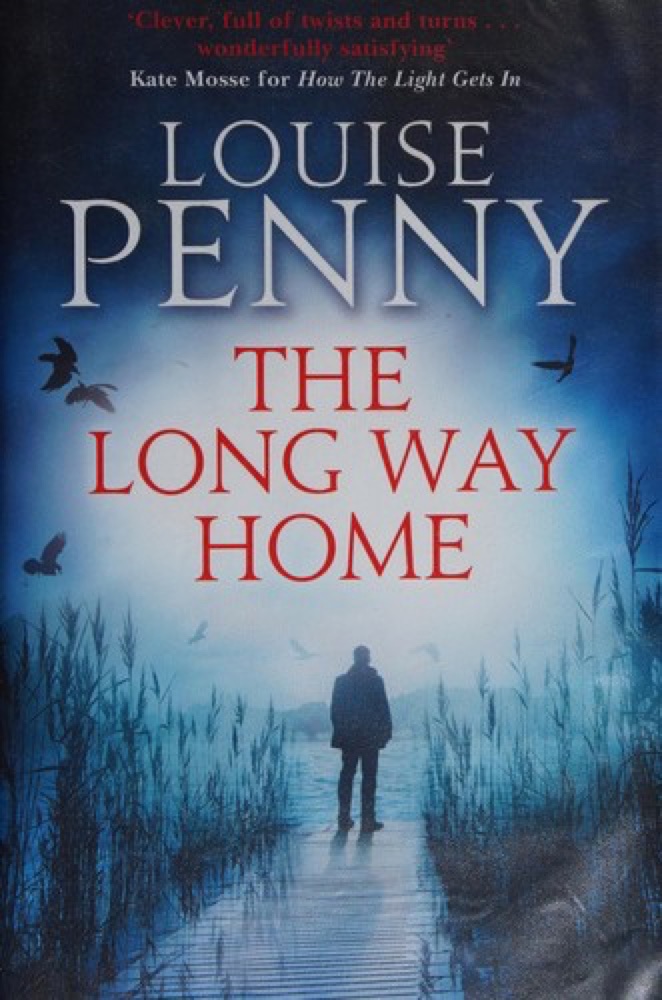 The Long Way Home
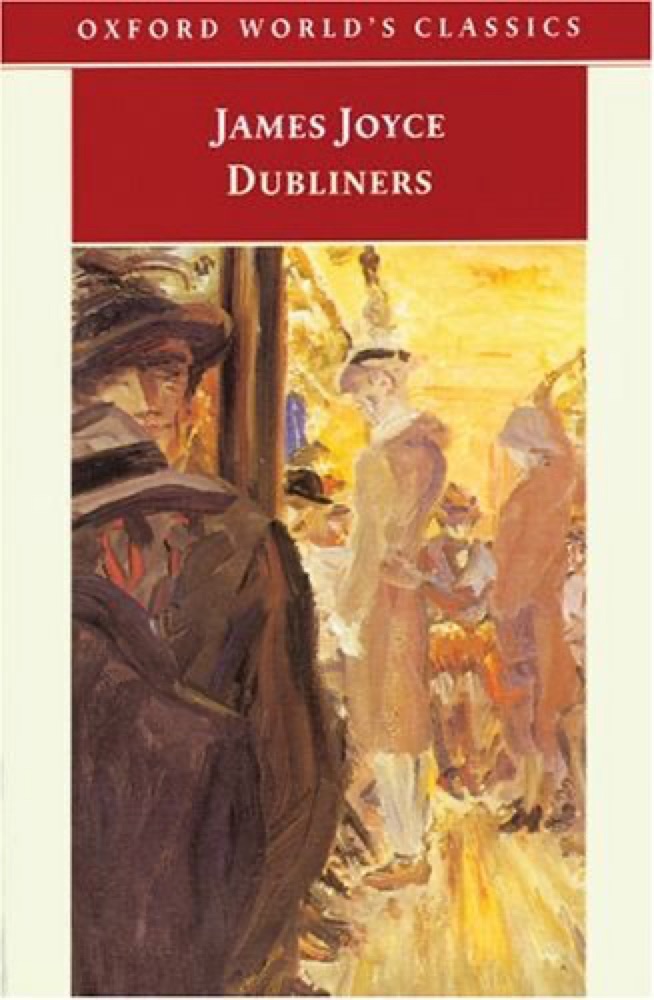 Dubliners
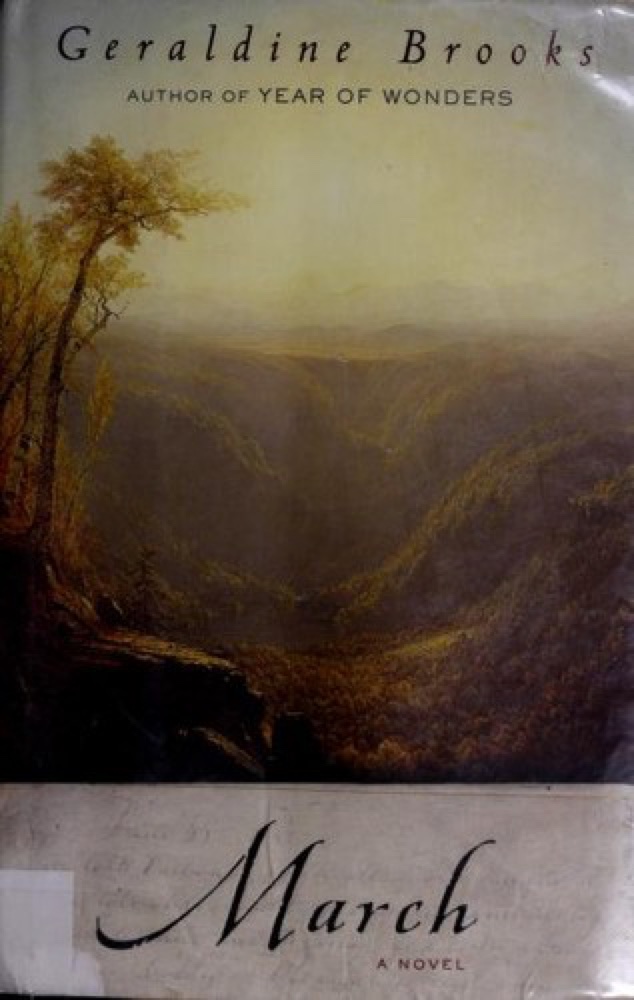 March
March
 That Hideous Strength
 In Sunlight and in Shadow
 The Killer Angels
 The Last Stand: Custer, Sitting Bull, and the Battle of the Little Bighorn
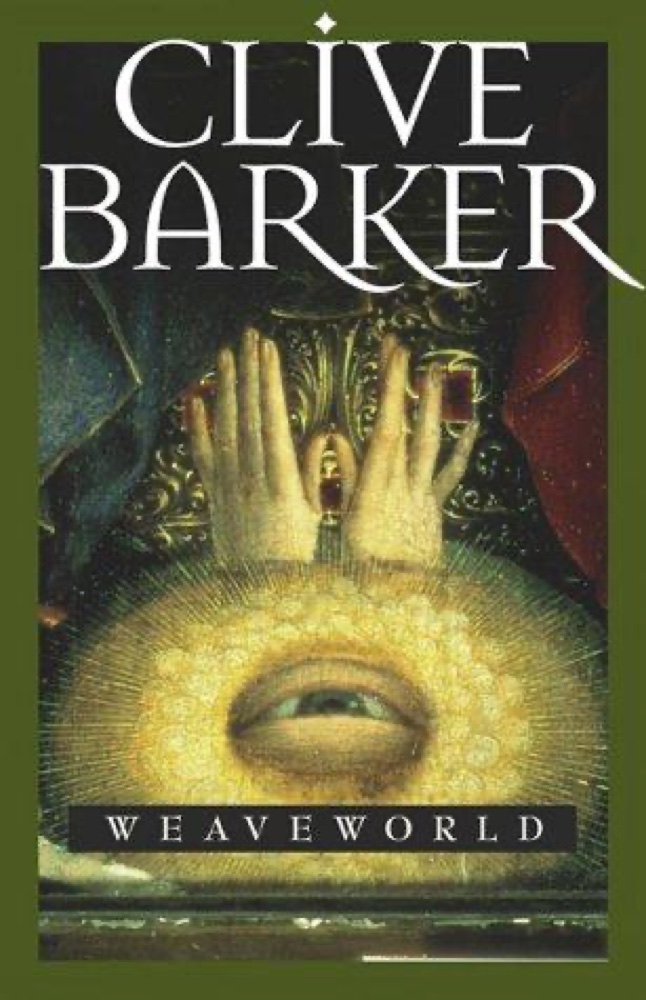 Weaveworld
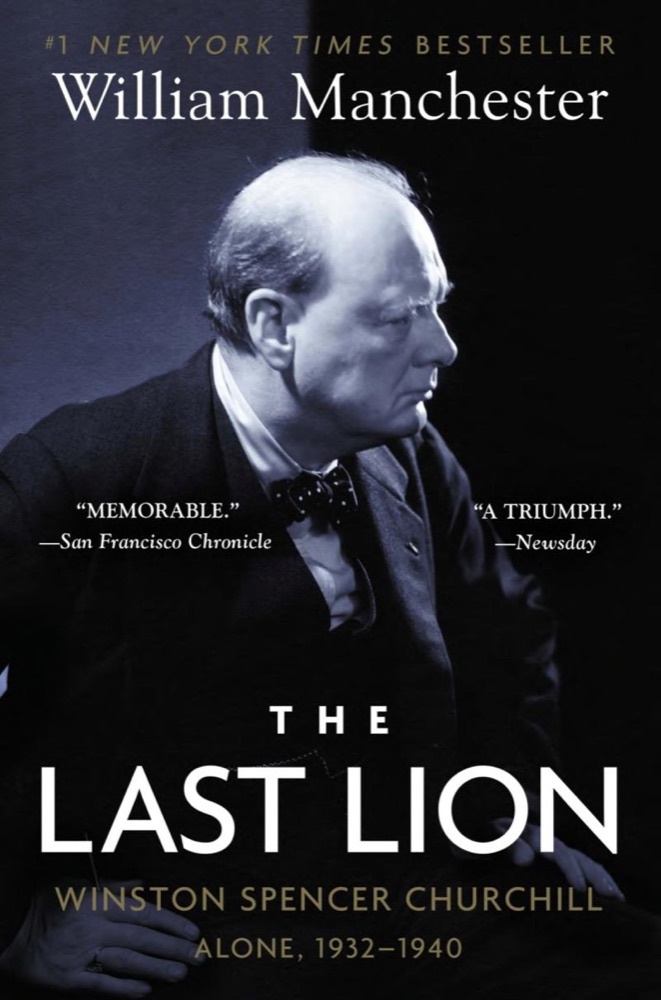 The Last Lion: Winston Spencer Churchill: Alone, 1932-40
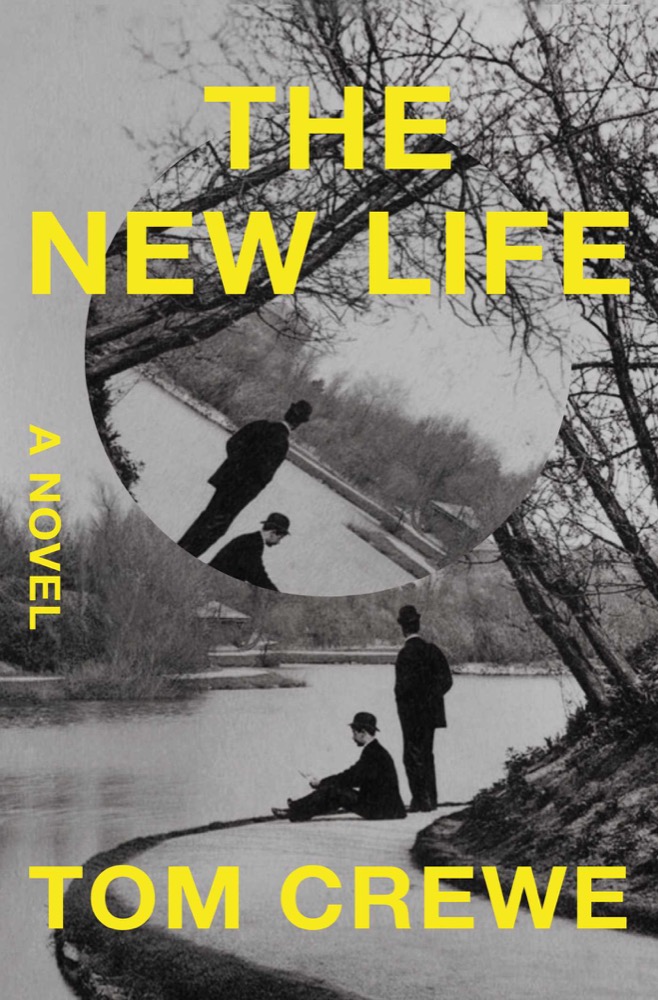 The New Life
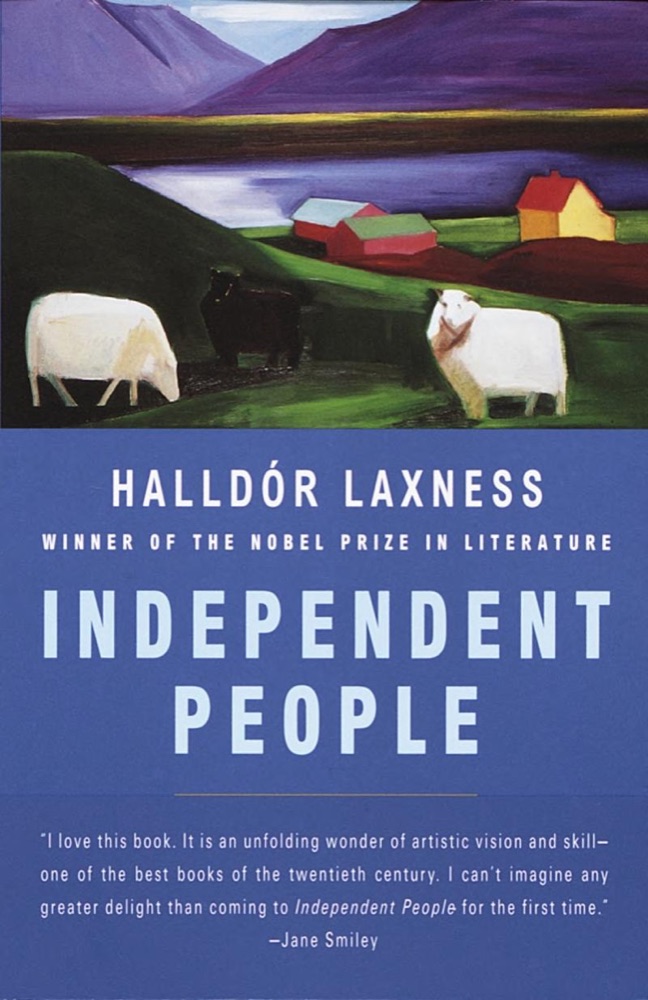 Independent People
 The Forgotten Soldier
 The Sojourn
 A Soldier of the Great War
 Unbroken: An Extraordinary True Story of Courage and Survival
 From Here to Eternity
 Mayflies
 Endurance: Shackleton's Incredible Voyage
 You Can't Go Home Again
 Snow Falling on Cedars
 The Unvanquished
 Toll the Hounds
 The Road Back
 Shadows of the Workhouse
 Absalom, Absalom!
 Tigerman
 Ninety-Three
 River of Smoke