
 Sweetbitter
Quotes from the Book
We all die. We have only the choice, if we are privileged, of whether death comes with a whimper or a bang; of what worlds we taste before we go.
10
I can see now that I was hungry for love that summer. For something to love: a bite, a dream, a person, a meal, a field, a piece of a world worth believing in.
5
You believe in a country that does not exist as you imagine it, in a code of morality as fanciful as any creation myth. What do you call that if not blind faith?
5
Real food is whatever cooks are proud to make.
5
Old trees, dying, may burst after fruitless years into sudden blossom, a final exuberance of flower and sugar. Toward sun. At the last, even trees ache in their sap for pleasure.
5
Imagine Persephone for the first time in the absolute intoxication of dark, her senses stretching languid, the cave as moist as lover's breath. The feast, the chair, the plate, the fruit: red. Imagine a story whose moral is mute desire.
5
What, I ask, is fairness in a world that fears there is never enough, in which one need always scrapes against another? I'm not smart enough to give that answer. I only believe that the tongue, dumb beast, is not selfish in its instinctive cant toward pleasure. The question that follows me through the seasons of my life is what comes after hunger is sated; whether that pleasure is guarded, or shared.
4
What sustains in the end are doomed romances, and nicotine, and crappy peanut butter, damn the additives and cholesterol because life is finite and not all nourishment can be measured.
4
Religion is a flimsy construction of rituals infused with arbitrary power. The gestures have always been empty; behind them stand hustlers no different from you. All that is required is a convincing performance.
4
There is time on this greener earth for girls to ripen into themselves; what they'll do with that is beyond anyone's knowing, seeing as they are not limited to anger versus dinner, seriousness versus sentiment, survival versus all life's rampancy. They can choose.
4
I want, I said, to be a tree. She thought it was the drugs speaking. I was asleep before I could share the secret I once learned of a pomegranate orchard's prodigious growth: Old trees, dying, may burst after fruitless years into sudden blossom, a final exuberance of flower and sugar. Toward sun. At the last, even trees ache in their sap for pleasure.
4
It’s just as hard to miss disaster as it is to bear witness. If you don’t see—you keep imagining.
4
We shouldn’t be forced to choose at all. The fury in Aida’s voice was familiar. Nostalgic. I’d once possessed that strain of fury, as had my fellow cooks, my friends, my produce guy, a virulent rage against our tainted inheritance of this stupid, smog-choked planet. But it couldn’t last. We’d been inoculated from rage by other, more immediate concerns. For example: how to pay rent, how to stay alive. Aida, rich as she was, hadn’t been forced to choose between anger and dinner. For the first time in years, I tasted, through her, that feeling.
4
I asked her, what kind of god kills the bees and leaves the rapists alive?
3
Anyone who has fed the rich knows that, past a certain price, it is not a matter of taste, nor hunger.
3
I refused to be stuck. In Pasaje, California. In the smallness of my mother's life. In a fixed notion of my cooking, my abilities, my worth as ascribed to my Chineseness my Asianness my smallness my womanness my perpetual foreignness--myself.
3
And so the milk ran dry. But first we had the luck of those creams, those spilled-down sauces, that summer of appetite that began with a soufflé cheesecake. There are very few ingredients to the recipe. Butter doesn't make the cake, nor cream. Its secret is ephemerality. Pull it from the oven and it is perfect; the next moment it is cooling, flattening, collapsing beneath the gravity of time. This is a flavor untasted by diners and critics, no record of its existence but for a private memory that lingers on one or two tongues.
3
On Sunday, we slathered brioche with cultured butter, dolloped crème fraîche on daubes, and spooned a pudding of Aida's creation. The interior was so creamy it recalled the molten center of the earth. If the land of milk and honey produced no further milk, this meal proclaimed, then we would sup of the last like kings and queens.
3
Close to the stem, he said, closest to the earth, their perfume is complex, not sugar: closer to flesh, the flesh of a loved one, not sanitized, not anodyne, but full of many waters. Strawberries and spring, strawberries and musk, strawberries and sex flooded back as I crushed my tongue to sugar.
3
My past roles of sex kitten and hard bitch, blushing penitent, coy exotic, tease: I’d learned, long before this day, that I could play anything to avoid the role of victim.
2
The friend who saved up to invest in a fund and saw her money dissolve like sugar on the tongues of bankers who barely got a scolding from the SEC. The life we’d been promised was a scam,
2
My employer was attuned to patterns of human behavior in which he could not take part; because he failed to be swept up in their currents, he could, from his remove, map the tides.
2
Under a man's hands--crush of his body--exigent breath--I remembered how to perform. Yes when I meant no. Lust or satisfaction or pleasure. Gratitude, as required, knowing that, naked beneath a man's disappointment, there lay this possibility of violence, as pungent and close-fitting as skin. One pound of flesh, paid freely, was preferable to a bloodier extraction. My past roles of sex kitten and hard bitch, blushing penitent, coy exotic, tease: I'd learned, long before this day, that I could play anything to avoid the role of victim.
2
How can I describe my life in the years leading up to this moment except in shades of gray? All the scrape and grind of it, all the empty shelves and lost ambition, all the soot grown hard on windows, season after season the only black harvest. The bad news, the debts, the visa applications, the flesh of your arm humping white between a nurse's fingers as she stuck you with a paltry twelve months' protection against whatever new strain of disease, as if bankruptcy or homelessness or a weariness at aping at the motions of life weren't more likely to kill you first.
2
My life was dredge, fry, plate. My life was wait, wait, wait.
2
In hidden orchards the stone fruit ripened so fast that what we didn't eat was given to the animals, and so like chimps like finches like gilas we glutted on plums so ripe they split if looked at, cherries and blackberries staining our sheets. We distilled summer meads heady with anise and yogurt, and watered fields with the barrels' dregs. To the tidal boom of an underground aquarium, I cut a sturgeon nose to slit and ransacked its body for that other fruit, pure caviar. I looked to Aida for the salt. Sweaty, unshowered, her pubis its own rough ocean. Saline, the meat of her as she bucked against my tongue, split open, gleaming.
2
It wasn't tuna ventresca that drew diners to this community over others, nor was it heritage beef. It was the final bottle of a 1985 Cannonau, salt-crusted from its time on the Sardinian coast. Each diner had barely a swallow. My employer bid us not to swallow, not yet, but hold the wine at the back of the throat till it stung and warmed to the temperature of blood and spit, till we wrung from it the terroir of fields cracked by quake and shadowed by smog; only then, swallowing, choking, grateful, did we appreciate the fullness of its flavor. His face was ferocious and sublime in this moment, cracked open; I saw it briefly behind the mask. He was a man who knew the gradations of pleasure because he knew, like me, the calculus of its loss. To me that wine was fig and plum; volcanic soil; wheat fields shading to salt stone; sun; leather, well-baked; and finally, most lingering, strawberry. Psychosomatic, I'm sure, but what flavor isn't? I raised my glass to the memory of my drunk in the British market. I imagined him sat across the table, calmed at last, sane among the sane. He would have tasted in that wine the starch of a laundered sheet, perhaps, or the clean smooth shot of his dignity. My employer decanted these deepest longings, mysterious to each diner until it flooded the palate: a lost child's yeasty scalp, the morning breath of a lover, huckleberries, onion soup, the spice of a redwood forest gone up in smoke. It is easy, all these years later, to dismiss that country's purpose as decadent, gluttonous. Selfish. It was those things. But it was, also, this connoisseurship of loss.
2
Either Jupiter or Saturn was still visible, pale against the lightening sky. The wind was blustery and full of voices. I sat as sun lipped the horizon. The grass changed in the light, from brown to yellowish to green. The grass: it was green. It was the end of March. I'd been in the country for three weeks. All around me, as if the scales had fallen from my eyes, I saw color flushing the slopes, a color I'd never again hoped to see: that green that is the herald of flavor and pleasure, that says: look, says: wait, says: taste: the gates of the underworld unlatched for mints and sorrels and pine-dark needles in shade and the pale sun-swell of the honeysuckle that bells out the triumphant return, after long winter, of a daughter. It was a green made possible by a man who held in his sway horticulturalists and biologists and chicken geneticists and meteorologists who could control the weather itself, and I forgot those wan, distant orbs in the sky as I opened my mouth, I bayed. And then, at last, it was spring.
2
Once upon a time I'd left Los Angeles and been swallowed down the throat of a life in which my sole loyalty was to my tongue. My belly. Myself. My mother called me selfish and so selfish I became. From nineteen to twenty-five I was a mouth, sating. For myself I made three-day braises and chose the most marbled meats, I played loose with butter and cream. My arteries were young, my life pooling before me, and I lapped, luxurious, from it. I drank, smoked, flew cheap red-eyes around Europe, I lived in thrilling shitholes, I found pills that made nights pass in a blink or expanded time to a soap bubble, floating, luminous, warm. Time seemed infinite, then. I begged famous chefs for the chance to learn from them. I entered competitions and placed in a few. I volunteered to work brunch, turn artichokes, clean the grease trap. I flung my body at all of it: the smoke and singe of the grill station, a duck's breast split open like a geode, two hundred oysters shucked in the walk-in, sex in the walk-in, drunken rides around Paris on a rickety motorcycle and no helmet, a white truffle I stole and shaved in secret over a bowl of Kraft mac n' cheese for me, just me, as my body strummed the high taut selfish song of youth. On my twenty-fifth birthday I served black-market fugu to my guests, the neurotoxin stinging sweetly on my lips as I waited to see if I would, by eating, die. At that age I believed I knew what death was: a thrill, like brushing by a friend who might become a lover.
2
Watch on YouTube
About C Pam Zhang
We have collected 29 quotes from 1 book by C Pam Zhang on BookQuoters.
More about the author →About the book
The award-winning author of How Much of These Hills Is Gold returns with a rapturous and revelatory novel about a young chef whose discovery of pleasure alters her life and, indirectly, the world
A smog has spread. Food crops are rapidly disappearing. A chef escapes her dying career in a dreary city to take a job at a decadent mountaintop colony seemingly free of the world’s troubles.
There, the sky is clear again. Rare ingredients abound. Her enigmatic employer and his visionary daughter have built a lush new life for the global elite, one that reawakens the chef to the pleasures of taste, touch, and her own body.
In this atmosphere of hidden wonders and cool, seductive violence, the chef’s boundaries undergo a thrilling erosion. Soon she is pushed to the center of a startling attempt to reshape the world far beyond the plate.
Sensuous and surprising, joyous and bitingly sha
Book details
- First published
- 2023
- Author
- C Pam Zhang
- Genre
- Fiction
- Goodreads rating
- 3.49 (25k ratings)
The buzz
- The New York TimesReview in The New York Timesprofessional review (via Book Marks)
- The Washington PostReview in The Washington Postprofessional review (via Book Marks)
- The GuardianReview in The Guardianprofessional review (via Book Marks)
- The AtlanticReview in The Atlanticprofessional review (via Book Marks)
- The Times Literary SupplementReview in The Times Literary Supplementprofessional review (via Book Marks)
- The TimesReview in The Timesprofessional review (via Book Marks)
Keep reading
Sweetbitter
 The Art of Inheriting Secrets
 Morning in the Burned House: Poems
 Cinnamon and Gunpowder
 The Art of Eating
 Blood, Bones, and Butter: The Inadvertent Education of a Reluctant Chef
 Gourmet Rhapsody
 The Telling Room: A Tale of Love, Betrayal, Revenge, and the World's Greatest Piece of Cheese
 Sign Here
 Plainwater: Essays and Poetry
 Good Bones and Simple Murders
 Julie and Julia: 365 Days, 524 Recipes, 1 Tiny Apartment Kitchen: How One Girl Risked Her Marriage, Her Job, and Her Sanity to Master the Art of Living
 Tar Baby
 All This Could Be Different
 Egg & Spoon
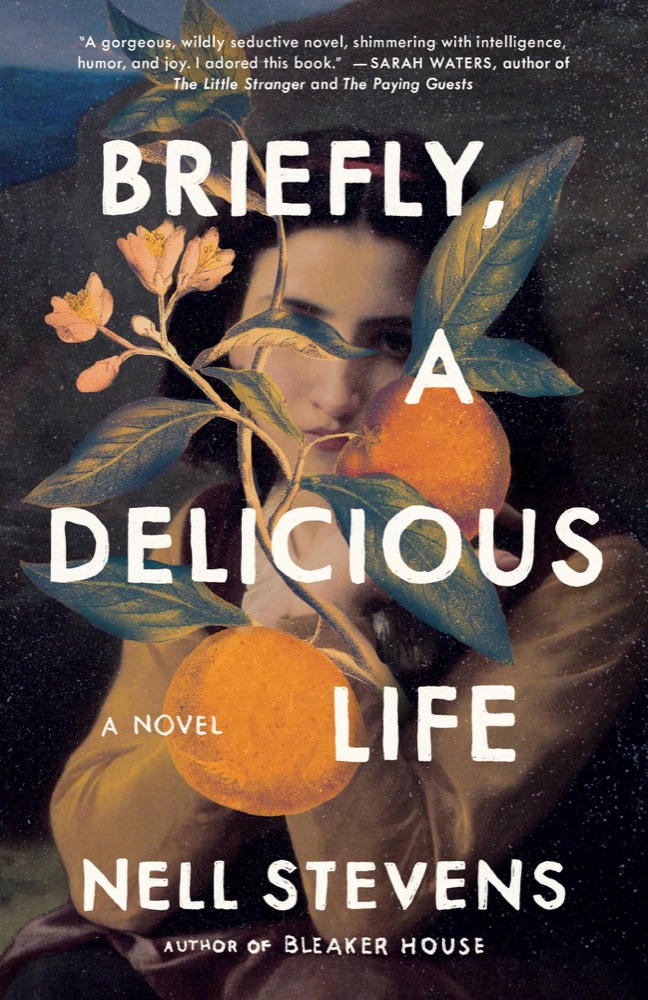 Briefly, A Delicious Life
 Poems, 1962-2012
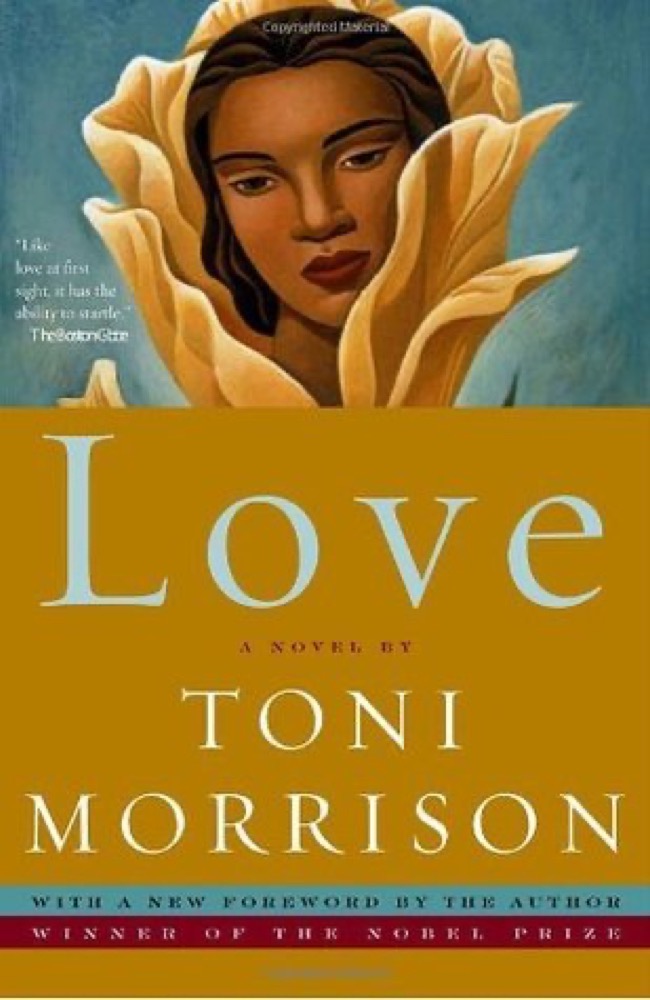 Love
Love
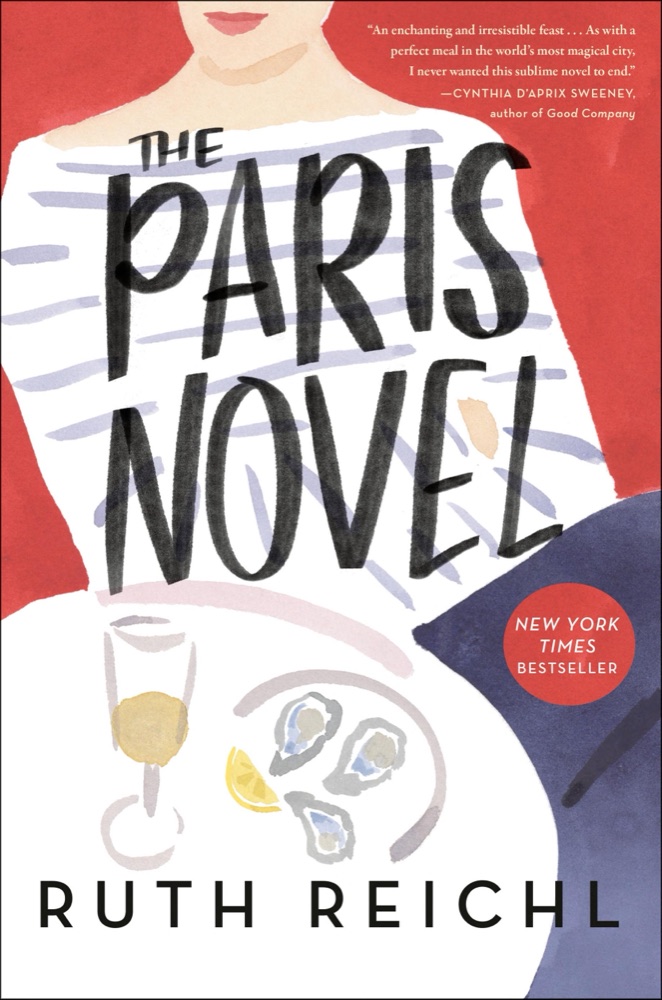 The Paris Novel
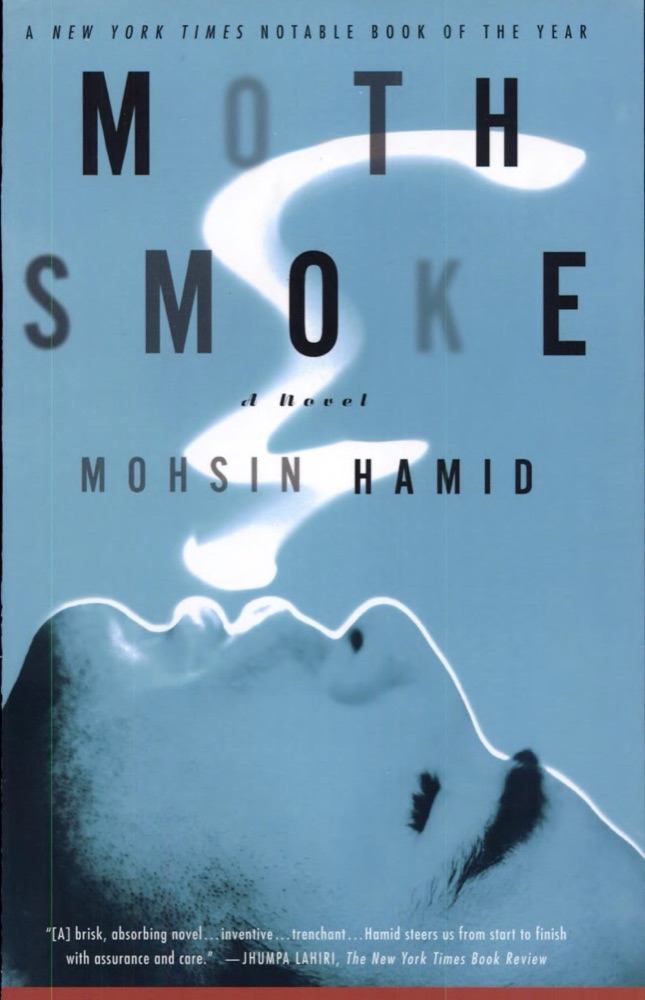 Moth Smoke
 Light Years
 The Book of Salt
 The Sea, the Sea
 Year of Wonders
 Dandelion Wine
 The Mistress of Spices
 The Ministry of Utmost Happiness
 White Oleander
 Sexing the Cherry
 The Color Master: Stories
 Hot Milk
 Skinny Legs and All
 The Dirty Life: On Farming, Food, and Love
 The Likeness
 The Gone-Away World
 In the Heart of the Heart of the Country and Other Stories
 The School of Essential Ingredients
 If You Can't Take the Heat: Tales of Food, Feminism, and Fury
 The Quick and the Dead
 A Certain Hunger
 Out of Oz
 Palimpsest
 The Strawberry Thief
 Bluebeard's Egg
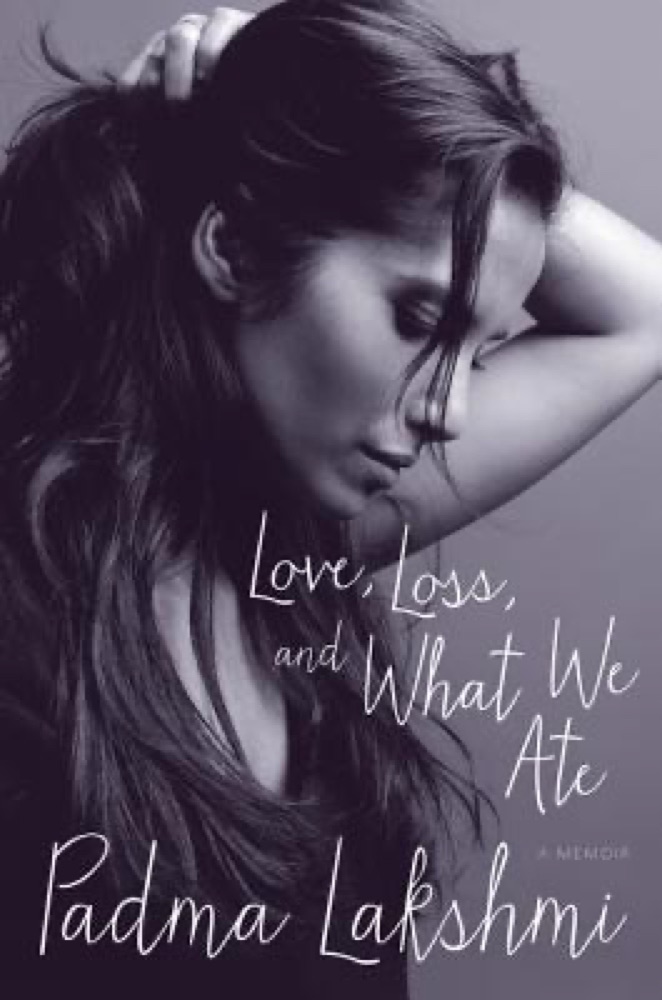 Love, Loss, and What We Ate: A Memoir
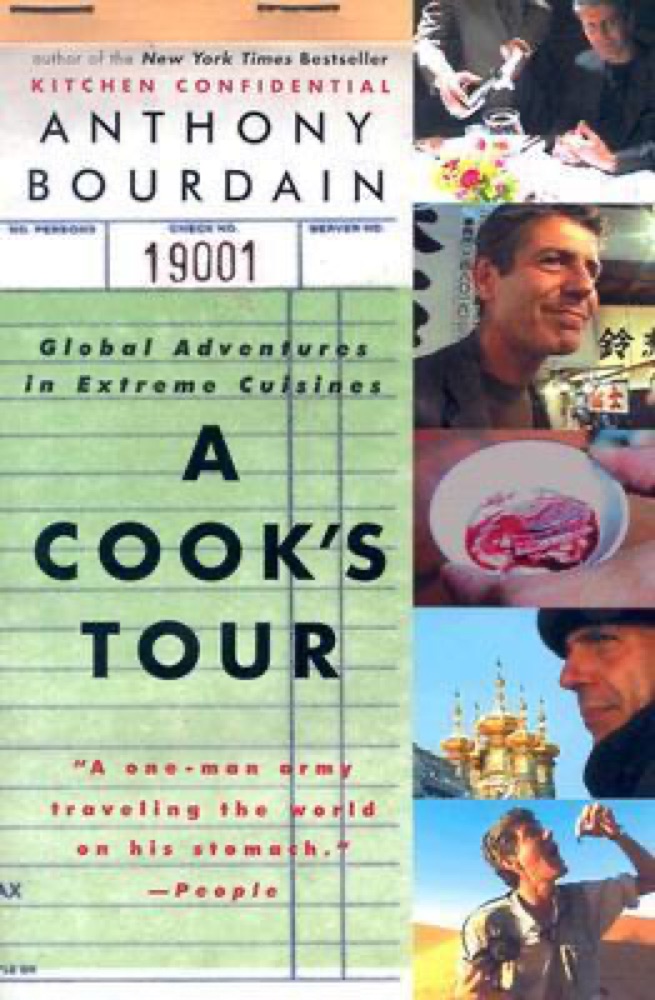 A Cook's Tour: Global Adventures in Extreme Cuisines
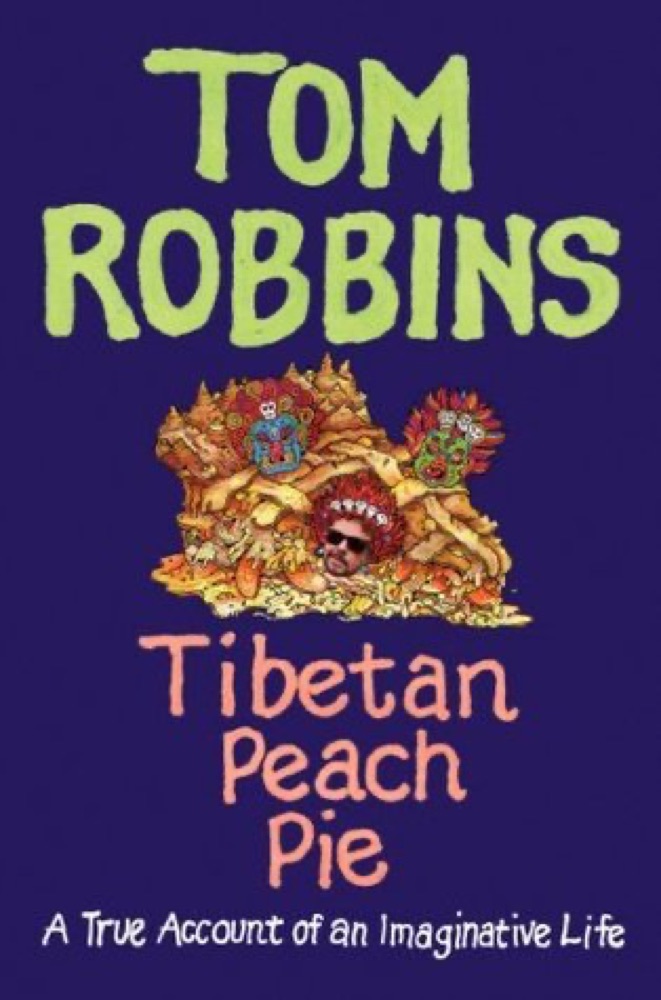 Tibetan Peach Pie
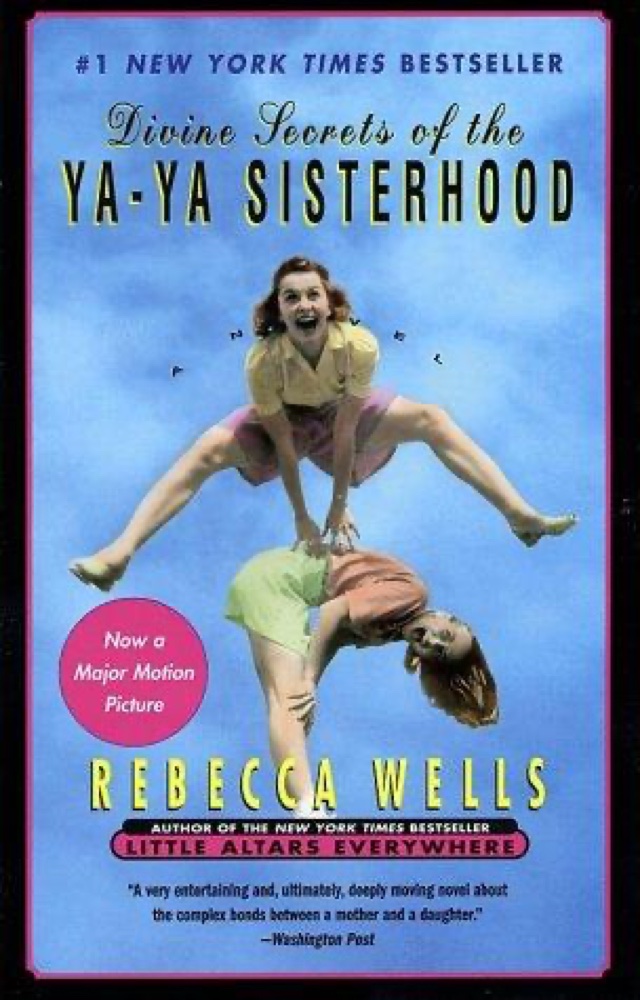 Divine Secrets of the Ya-Ya Sisterhood
 Four Souls
 Bitter in the Mouth
 The Offing
 My Cousin Rachel
 Still Life
 Underworld
 Dream Count
 The Sea Keeper's Daughters
 Birds of America
 Lit
Lit
 Recipes for Love and Murder
 Notes on an Execution