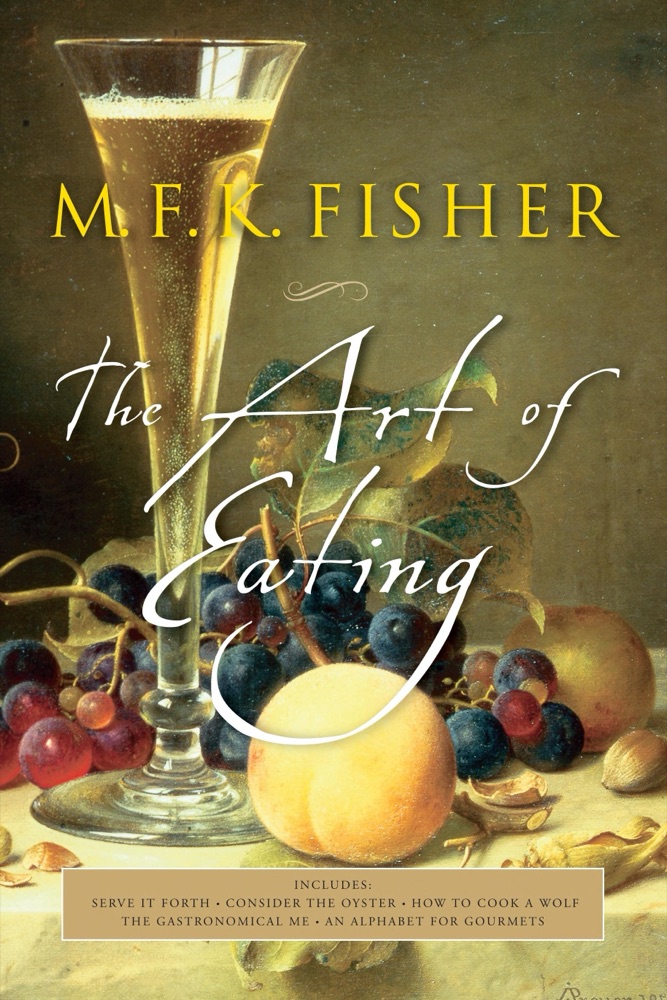

 Cinnamon and Gunpowder
Quotes from the Book
It seems to me that our three basic needs, for food and security and love, are so mixed and mingled and entwined that we cannot straightly think of one without the others. So it happens that when I write of hunger, I am really writing about love and the hunger for it, and warmth and the love of it and the hunger for it… and then the warmth and richness and fine reality of hunger satisfied… and it is all one.
157
The smell of good bread baking, like the sound of lightly flowing water, is indescribable in its evocation of innocence and delight... [Breadmaking is] one of those almost hypnotic businesses, like a dance from some ancient ceremony. It leaves you filled with one of the world's sweetest smells... there is no chiropractic treatment, no Yoga exercise, no hour of meditation in a music-throbbing chapel. that will leave you emptier of bad thoughts than this homely ceremony of making bread.
107
I think that when two people are able to weave that kind of invisible thread of understanding and sympathy between each other, that delicate web, they should not risk tearing it. It is too rare, and it lasts too short a time at best....
43
No yoga exercise, no meditation in a chapel filled with music will rid you of your blues better than the humble task of making your own bread.
41
...for me there is too little of life to spend most of it forcing myself into detachment from it.
40
I was horribly self-conscious; I wanted everybody to look at me and think me the most fascinating creature in the world, and yet I died a small hideous death if I saw even one person throw a casual glance at me.
32
There are very few men and women, I suspect, who cooked and marketed their way through the past war without losing forever some of the nonchalant extravagance of the Twenties. They will feel, until their final days on earth, a kind of culinary caution: butter, no matter how unlimited, is a precious substance not lightly to be wasted; meats, too, and eggs, and all the far-brought spices of the world, take on a new significance, having once been so rare. And that is good, for there can be no more shameful carelessness than with the food we eat for life itself When we exist without thought or thanksgiving we are not men, but beasts.
27
But if I must be alone, I refuse to be alone as if it were something weak and distasteful, like convalescence.
20
You may feel that you have eaten too much...But this pastry is like feathers - it is like snow. It is in fact good for you, a digestive!
17
Or you can broil the meat, fry the onions, stew the garlic in the red wine...and ask me to supper. I'll not care, really, even if your nose is a little shiny, so long as you are self-possessed and sure that wolf or no wolf, your mind is your own and your heart is another's and therefore in the right place.
15
I sat in the gradually chilling room, thinking of my whole past the way a drowning man is supposed to, and it seemed part of the present, part of the gray cold and the beggar woman without a face and the moulting birds frozen to their own filth in the Orangerie. I know now I was in the throes of some small glandular crisis, a sublimated bilious attack, a flick from the whip of melancholia, but then it was terrifying...nameless....
9
All these, though, are relatively unimportant. There are only three things I need, to make my kitchen a pleasant one as long as it is clean. First, I need space enough to get a good simple meal for six people. More of either would be wasteful as well as dangerously dull. Then, I need a window or two, for clear air and a sight of things growing. Most of all I need to be let alone. I need peace. From there—from there, on the sill of my wide window, the plan is yours. It will include an herb-bed surely, and a brick courtyard for summer suppers.
5
Perhaps they should feel this safe sand blow away so that their heads are uncovered for a time, so that they will have to taste not only the solid honesty of my red borscht, but the new flavor of the changing world.
5
The problem of an ideal kitchen grows more complex as I ponder on it. There are many small things I am sure about: no shelf-papers; no sharp edges or protruding hooks or wires; no ruffled curtains; and no cheap-coloured stove, mauve or green or opalescent like a modern toilet seat. Instead of these things I would have smooth shelves of some material like ebony or structural glass, shelves open or protected by sliding transparent doors. I would have curved and rounded edges, even to the floor, for the sake of cleanliness, and because I hate the decayed colours of a bruise. Instead of curtains I would have Venetian blinds, of four different colours for the seasons of the year. They would be, somehow, on the outside of the glass. And the stove would be black, with copper and earthenware utensils to put on it. It would be a wood stove, or perhaps (of this I am doubtful, unless I am the charwoman and janitor as well as the cook) electrical with place for a charcoal grill.
4
...after rare beef and wine, when the lobes turn red, was the time to ask favours or tell bad news.
4
PROBABLY one of the most private things in the world is an egg until it is broken.
3
Painting, it is true, was undergoing a series of -isms reminiscent of the whims of a pregnant woman.
3
Mere parsimony is not economy. . . . Expense, and great expense, may be an essential part of true economy. —Letters to a Noble Lord, EDMUND BURKE, 1796
Thus Parisian restaurants blossomed from a few dark corners. Their trembling chefs, not long out of hiding, grew confident—and rich. They gathered round them enough of the old guard of pastry cooks, roasters, and sommeliers to keep things moving, and soon had more apprentices than they needed. Their furtive restaurants moved into fine quarters, and quickly became those boulevard palaces of fat gourmets, twinkling mirrors, pink plush, and belles, that Zola and Maupassant knew so well for us.
It has been said that the foundation of all of French cookery is butter, as that of the Italian is olive oil, German lard, and Russian sour cream. In the same way water or drippings may be designated, unfortunately, as the basis of the English cuisine, and perhaps the flavour from innumerable tin cans, of American! France today possesses what is probably the most intelligent collective palate. I do
Time, so fleeting, must like humans die, let it be filled with good food and good talk, and then embalmed in the perfumes of conviviality. Let us kill it in slow parley, over the leisured savourings of fare both simple and elaborate, in the tempered colour of a room lighted softly, clearly, by living fire of wax or oil or wood, or by the most artful disguises of electricity.
I had long believed that, once having bowed to the inevitability of the dictum that we must eat to live, we should ignore it and live to eat, in proportion of course.
and we continue, perversely, to enjoy them probably as much as the Frenchman with his white wine and the Britisher with his ale.
On the other hand, I have had Pouilly-Fuissé, various kinds of champagnes nature, a pink Peau d’Onion, and both bottled and open wines of Anjou with oysters in France, and whether they were correctly drunk or not, I was. Nobody knew it except my own exhilarated senses and my pleased mind, all of which must enter into any true gastronomic experience.
And for the person who likes oysters, such a delicate, charming, nostalgic gesture would seem so delicate, so nostalgically charming, so reminiscent of a thousand good mouthfuls here and there in the past . . . in other words, so sensible . . . that it would make even nostalgia less a perversion than a lusty bit of nourishment.
In the Good Old Days, those good old days so dull to hear about and so delightful to talk of, thin slices of real pumpernickel-ish brown bread (No machine-sliced beige-colored sponge, for God’s sake!) and honest-to-Betsy lumps of juicy lemon used to come automatically with every half-dozen of oysters,
Down South there is a long marble or hard wood counter between the customer and the oyster-man, sloping toward the latter. He stands there, opening the shells with a skill undreamed of by an ordinary man and yet always with a few cuts showing on his fingers, putting the open oysters carefully, automatically, on a slab of ice in front of him, while a cat waits with implacable patience at his ankles for a bit of oyster-beard or a caress. He throws the top shells behind him into a barrel, and probably they go into a road or a wall somewhere, later, with cement to bind them.
But further north, men choose their oysters without sauce. They like them cold, straightforward, simple, capable of spirit but unadorned, like a Low Church service maybe or a Boston romance.
According to the little black-and-gold booklet published for Antoine’s centennial, Oysters à la Rockefeller contain “such rich ingredients that the name of the Multi-Millionaire was borrowed to indicate their value.” Some gourmets say that any oyster worthy of its species should not be toyed with and adulterated by such skullduggeries as this sauce of herbs and strange liqueurs.
A bushel basket is set to receive the empty shells, and the click of the oyster-knives forms a constant accompaniment to the music of laughing voices. Nor are roast oysters amiss upon your own quiet supper-table, when the “good man” comes in on a wet night, tired and hungry, and wants “something heartening.
Watch on YouTube
About M.F.K. Fisher
We have collected 30 quotes from 1 book by M.F.K. Fisher on BookQuoters.
More about the author →About the book
This book is the essence of M.F.K. Fisher, whose wit and fulsome opinions on food and those who produce it, comment upon it, and consume it are as apt today as they were several decades ago, when she composed them. Why did she choose food and hunger, she was asked, and she replied, 'When I write about hunger, I am really writing about love and the hunger for it, and warmth, and the love of it . . . and then the warmth and richness and fine reality of hunger satisfied.'
Includes five of her most popular works: Serve It Forth (1937) Consider the Oyster (1941) How to Cook a Wolf (1942) The Gastronomical Me (1943) An Alphabet of Gourmets (1949)
Book details
- First published
- 1954
- Author
- M.F.K. Fisher
- Genre
- Nonfiction
- Goodreads rating
- 4.32 (6k ratings)
Keep reading
Cinnamon and Gunpowder
 The Supper of the Lamb: A Culinary Reflection
 Land of Milk and Honey
 Gourmet Rhapsody
 My Life in France
 Cooked: A Natural History of Transformation
 Blood, Bones, and Butter: The Inadvertent Education of a Reluctant Chef
 Julie and Julia: 365 Days, 524 Recipes, 1 Tiny Apartment Kitchen: How One Girl Risked Her Marriage, Her Job, and Her Sanity to Master the Art of Living
 The Art of Inheriting Secrets
 Kitchen Confidential: Adventures in the Culinary Underbelly
 The Paris Novel
 An Everlasting Meal: Cooking with Economy and Grace
 Animal, Vegetable, Miracle: A Year of Food Life
 Medium Raw: A Bloody Valentine to the World of Food and the People Who Cook
 The School of Essential Ingredients
 Midnight Chicken: & Other Recipes Worth Living For
 The Book of Unholy Mischief
 A Cook's Tour: Global Adventures in Extreme Cuisines
 The Sea, the Sea
 If You Can't Take the Heat: Tales of Food, Feminism, and Fury
 Lunch in Paris: A Love Story, with Recipes
 The Telling Room: A Tale of Love, Betrayal, Revenge, and the World's Greatest Piece of Cheese
 Recipes for Love and Murder
 Don't Get Too Comfortable: The Indignities of Coach Class, the Torments of Low Thread Count, the Never-Ending Quest for Artisanal Olive Oil, and Other First World Problems
 Black Lamb and Grey Falcon
 Fierce Invalids Home from Hot Climates
 The Dinner
 The Edible Woman
 The Complete Works of Charles Dickens
 Speaking from Among the Bones
 Hannibal
 When in Doubt, Add Butter
 Table for Two
 One Man's Meat
 A Year in Provence
 Chocolat
 Wild Ducks Flying Backward
 Bluebeard's Egg
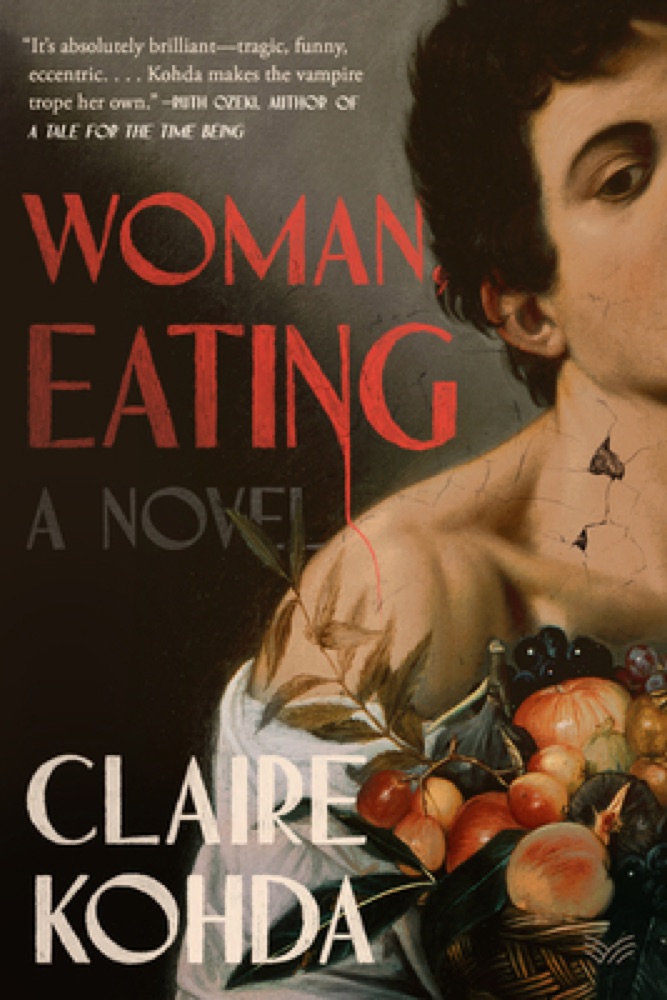 Woman, Eating
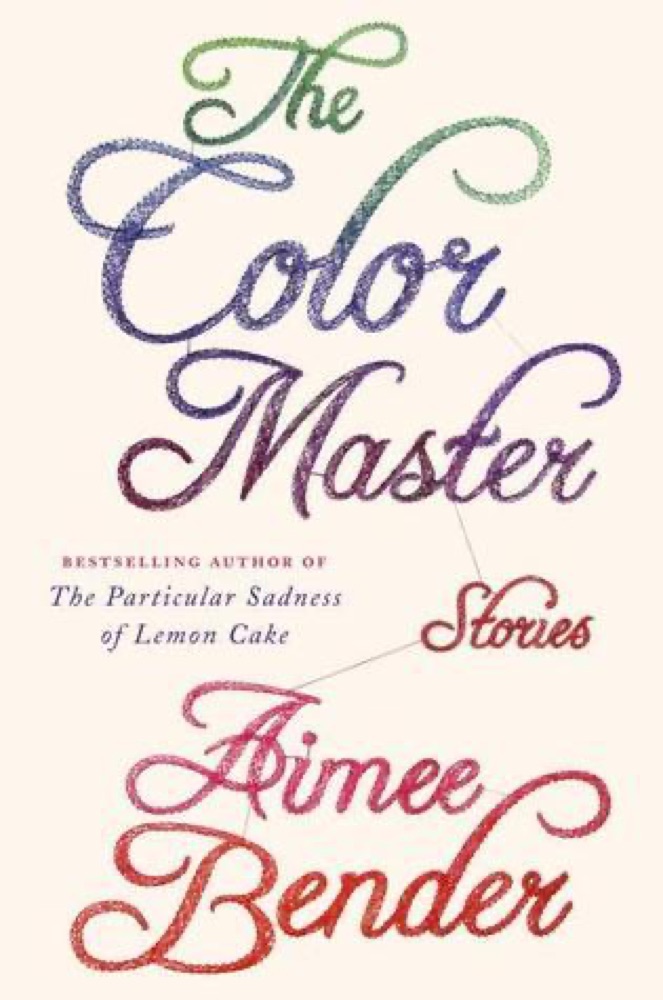 The Color Master: Stories
 Cakes and Ale
 The Deep Blue Good-By
 Skinny Legs and All
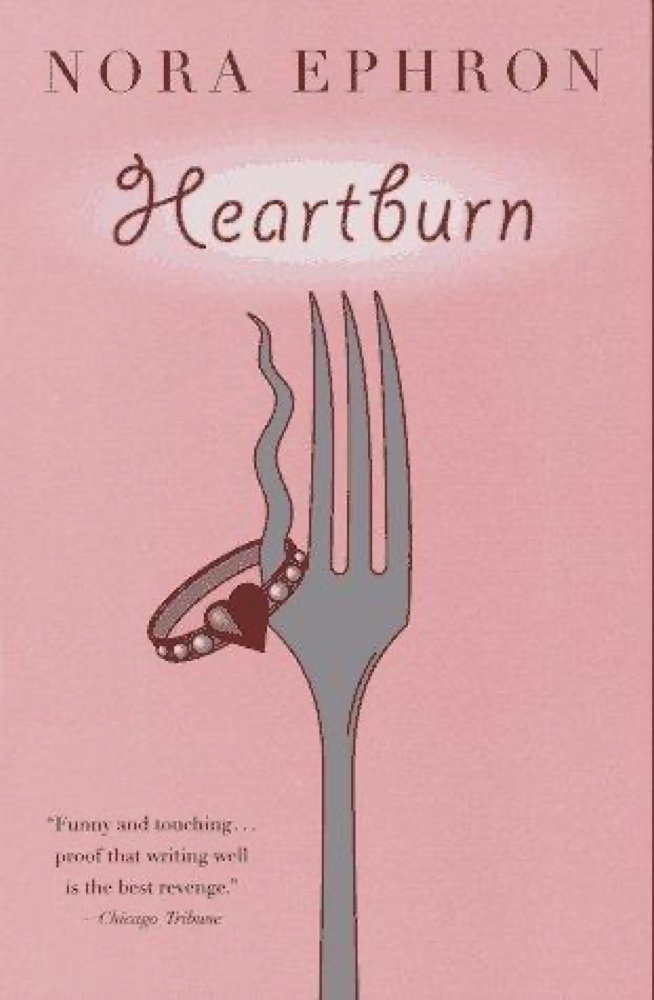 Heartburn
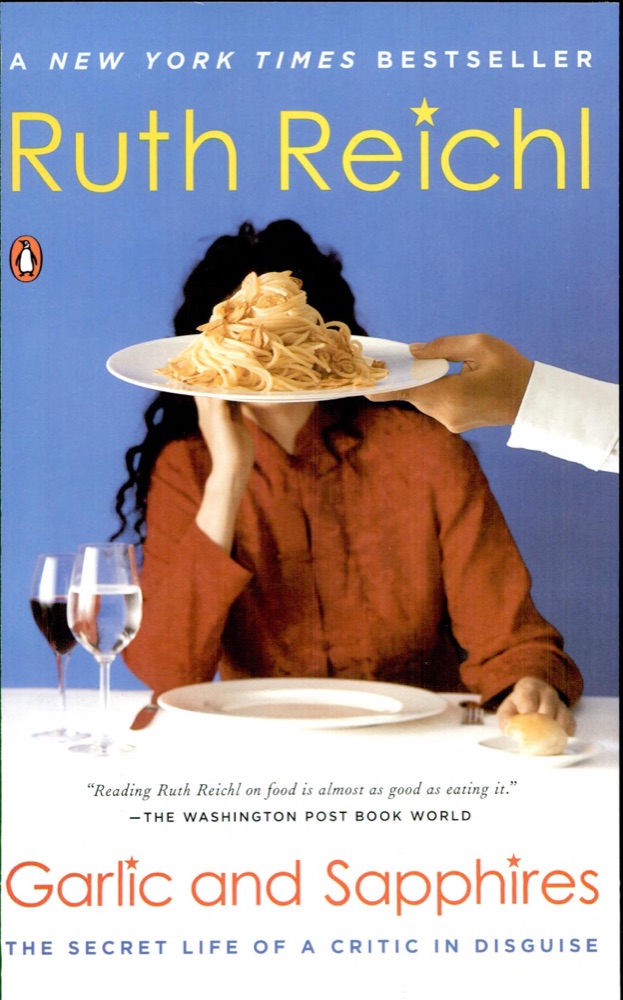 Garlic and Sapphires: The Secret Life of a Critic in Disguise
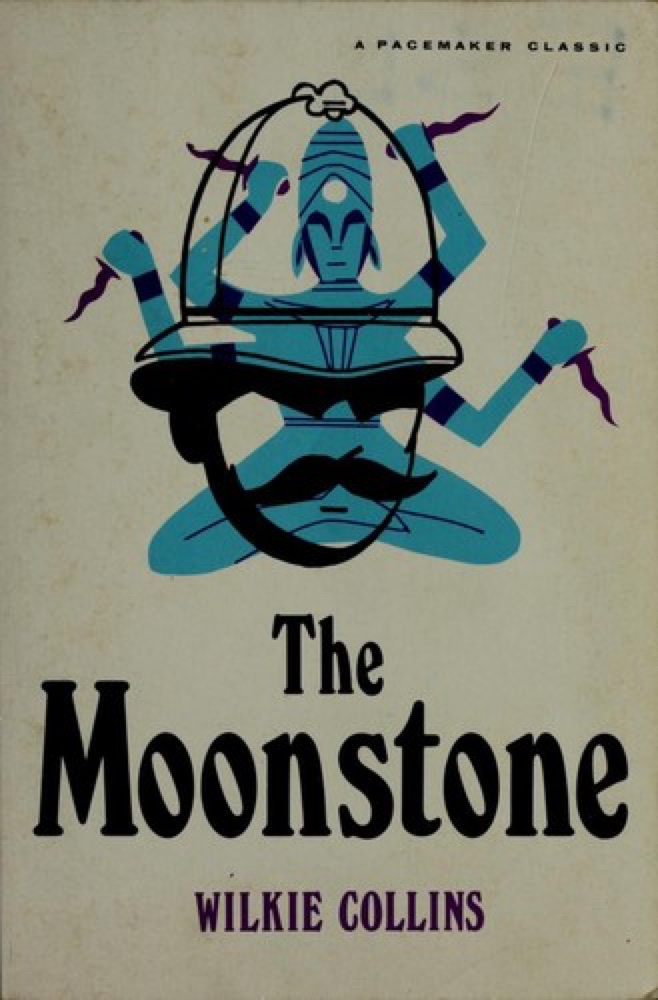 The Moonstone
 Crescent
 The Guermantes Way
 Post Captain
 The Gone-Away World
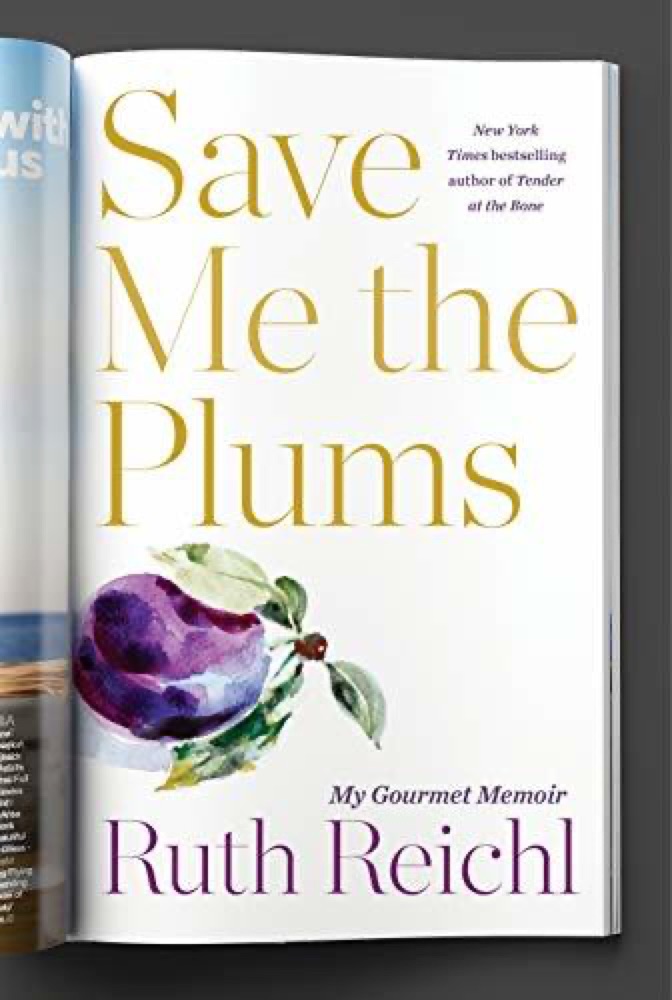 Save Me the Plums: My Gourmet Memoir
 Girl with Curious Hair
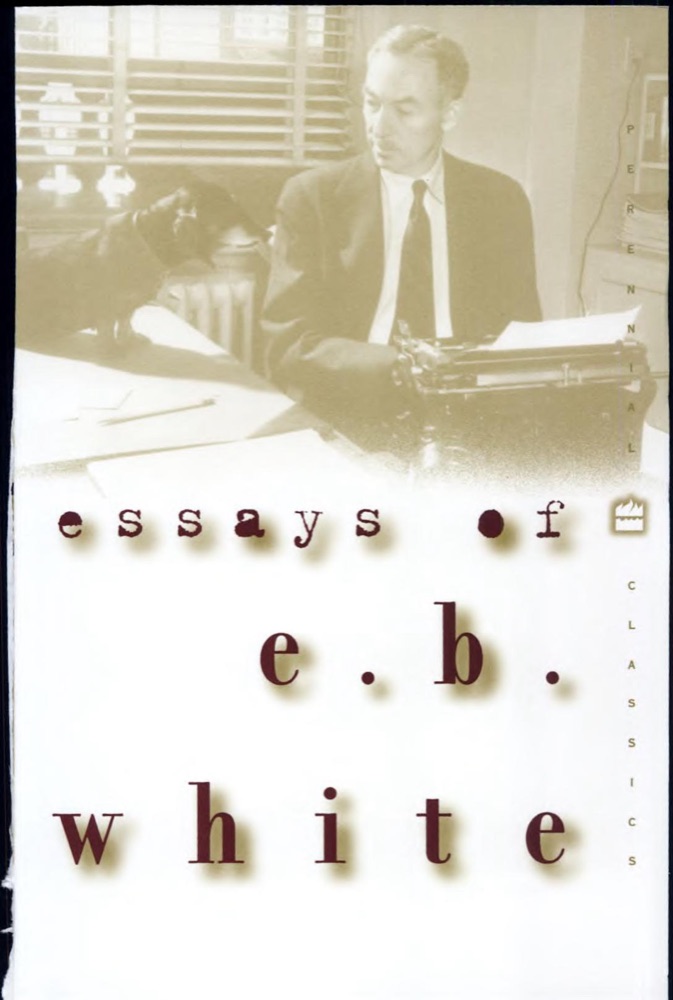 Essays of E.B. White
 The Offing
 Sweetbitter
 The Sweetness at the Bottom of the Pie
 Old Babes in the Wood: Stories
 In the Heart of the Heart of the Country and Other Stories
 Food: A Love Story
 My Father's House