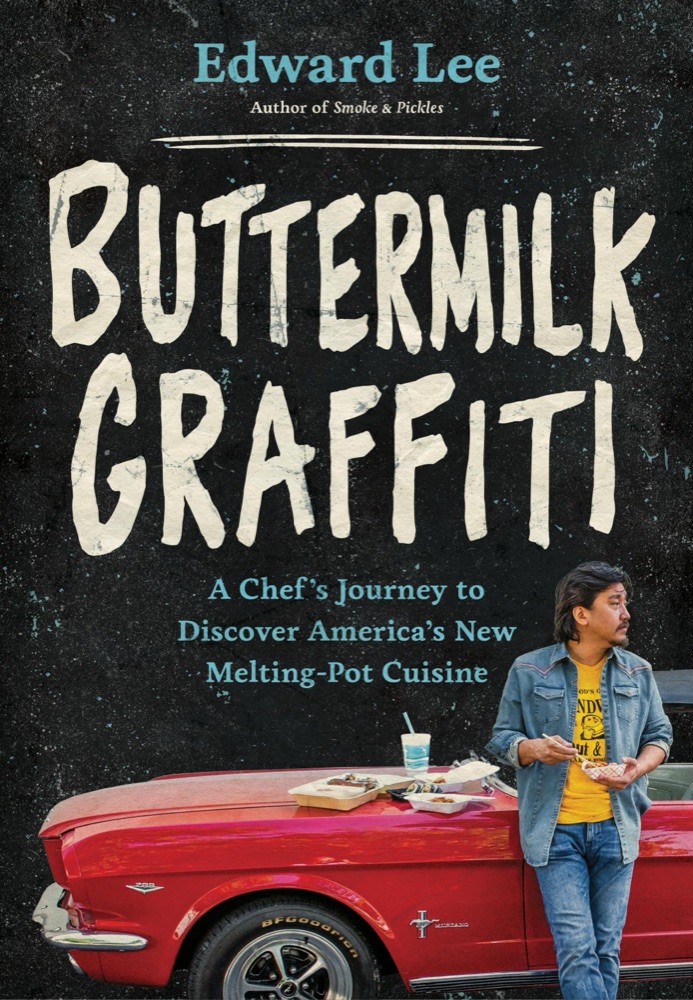
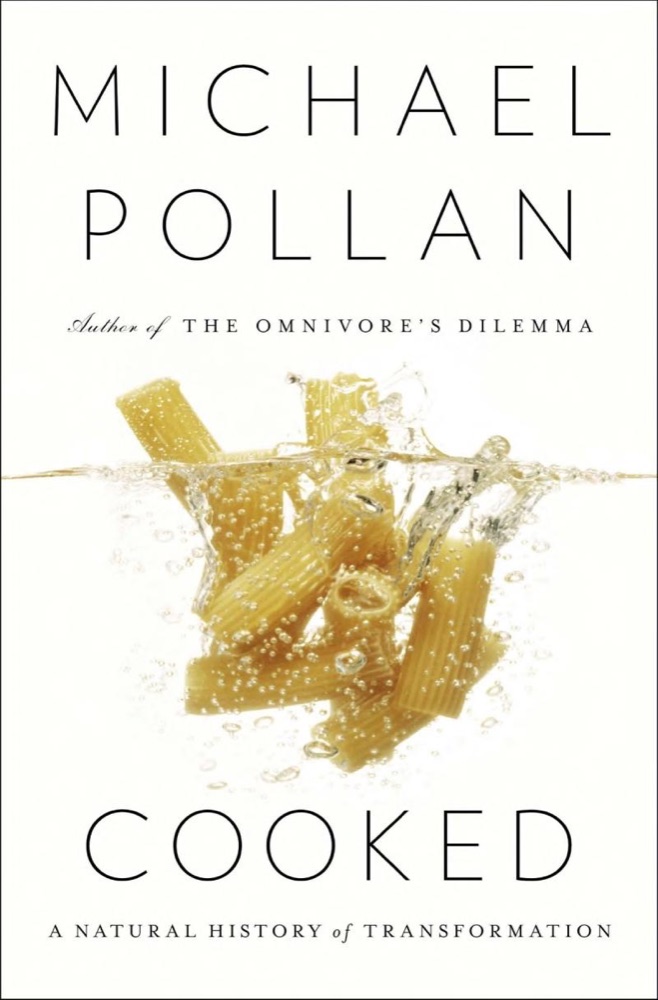
 Cooked: A Natural History of Transformation
Quotes from the Book
This is where I disagree with food critics whose mission is to judge only what is on the plate. The story such critics tell is about THEM, THEIR preferences, THEIR expectations, not the chef's. What they write may be necessary and relevant to dining culture, but it disconnects the food from its origins, its narrative, its roots. The plate of food has never been the be-all and end-all for me. Quite the opposite for me, good food is just the beginning of a trail that leads back to a person whose story is usually worth telling.
5
I ask the ladies what we lose with each generation. They seem to agree: usually language goes first, then memories of relatives and grandparents, then traditions, then longing for home, then a sense of identity. What do we have left? A wedding ritual, a few old photos? For me, what is left is our connection to food. Our food traditions are the last thing we hold on to. They are not just recipes; they are a connection to the nameless ancestors who gave us our DNA. That's why our traditional foods are so important. The stories, the memories, the movements that have been performed for generations - without them, we lose our direction.
4
If you really want to know someone, you have to eat what he has eaten.
3
This project, this entire process of discovery and adventure, is about trying to find my own America and where I belong in it. For someone like me, who traverses numerous cultures, the answer isn’t always obvious. Sometimes that means I wander through the bluegrass hills of Eastern Kentucky. Other times, I have to travel somewhere as foreign to me as a Nigerian café in Houston. Both get me to the same place.
2
the best cooking is not about perfection, but rather the flawed process of how we aim for a desired flavor.
1
The story of your favorite foods is your culinary memoir, not a nameless collection of recipes. And that story will be part of the bigger story we all tell every time we turn on the gas and put on a pot to boil. It is the story of American food.
1
The first day I walked into Frank’s kitchen, I was sporting a long ponytail, mascara, and combat boots. By the time I left, I had cut my hair short and wore my chef’s coat with pride. I didn’t adorn myself with anything else. I shed any notion of an adolescent identity and started from scratch.
I believe sadness can be passed on through DNA. It takes generations to wipe the slate clean.
Seared Beef Rib-Eye with Prunes, Almonds, and Bourbon-washed Butter
Salt-Roasted Sweet Potatoes with Kalbi Butter and Gochujang Sauce
My Version of a Slaw Dog
Watch on YouTube
About Edward Lee
About the book
There is a new American culinary landscape developing around us, and it’s one that chef Edward Lee is proud to represent. In a nation of immigrants who bring their own culinary backgrounds to this country, what happens one or even two generations later? What does their cuisine become? It turns into a cuisine uniquely its own and one that Lee argues makes America the most interesting place to eat on earth. Lee illustrates this through his own life story of being a Korean immigrant and a New Yorker and now a Southerner. In Off the Menu, he shows how we each have a unique food memoir that is worthy of exploration. To Lee, recipes are narratives and a conduit to learn about a person, a place, or a point in time. He says that the best way to get to know someone is to eat the food they eat. Each chapter shares a personal tale of growth and self-discovery through the foods Lee eats and the food
Book details
- First published
- 2018
- Author
- Edward Lee
- Genre
- Nonfiction
- Goodreads rating
- 4.01 (3k ratings)
Keep reading
Cooked: A Natural History of Transformation
 An Everlasting Meal: Cooking with Economy and Grace
 A Cook's Tour: Global Adventures in Extreme Cuisines
 Animal, Vegetable, Miracle: A Year of Food Life
 First Bite: How We Learn to Eat
 Food: A Love Story
 When in Doubt, Add Butter
 Kitchen Confidential: Adventures in the Culinary Underbelly
 Blood, Bones, and Butter: The Inadvertent Education of a Reluctant Chef
 The School of Essential Ingredients
 The Art of Eating
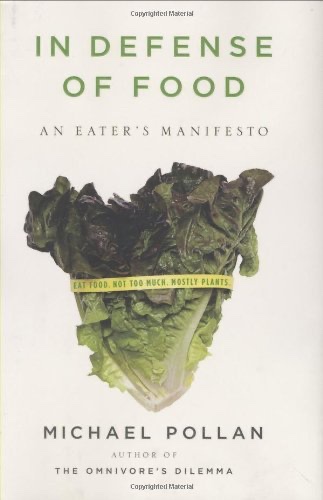 In Defense of Food: An Eater's Manifesto
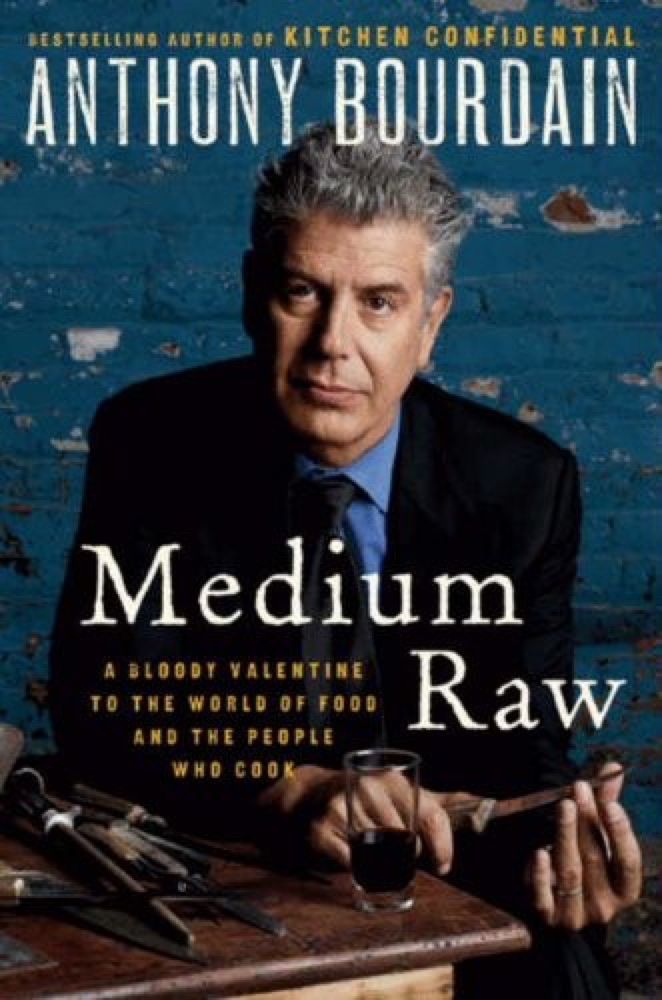 Medium Raw: A Bloody Valentine to the World of Food and the People Who Cook
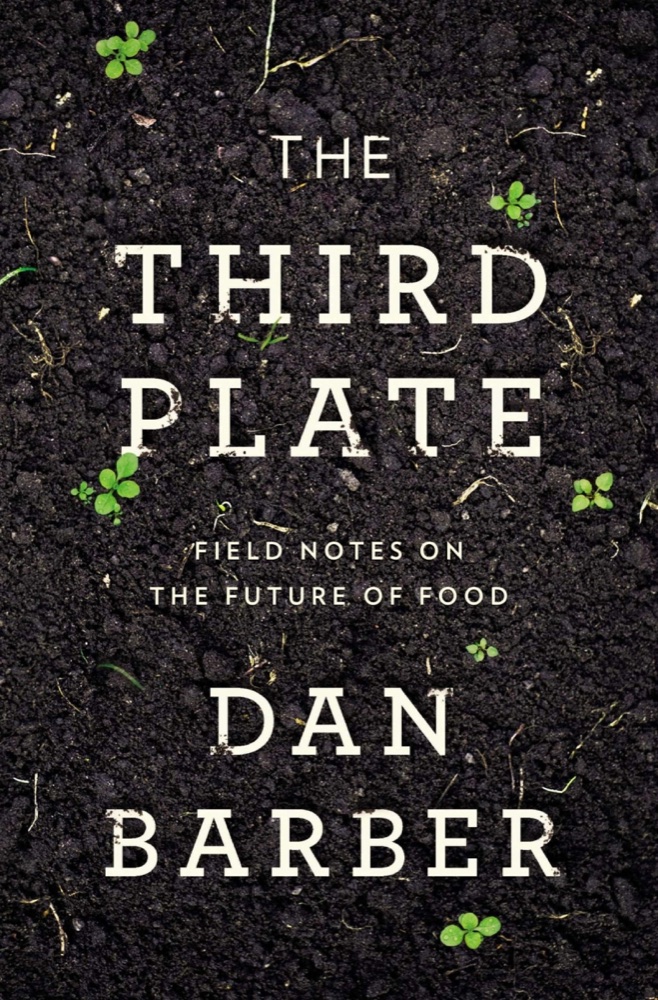 The Third Plate: Field Notes on the Future of Food
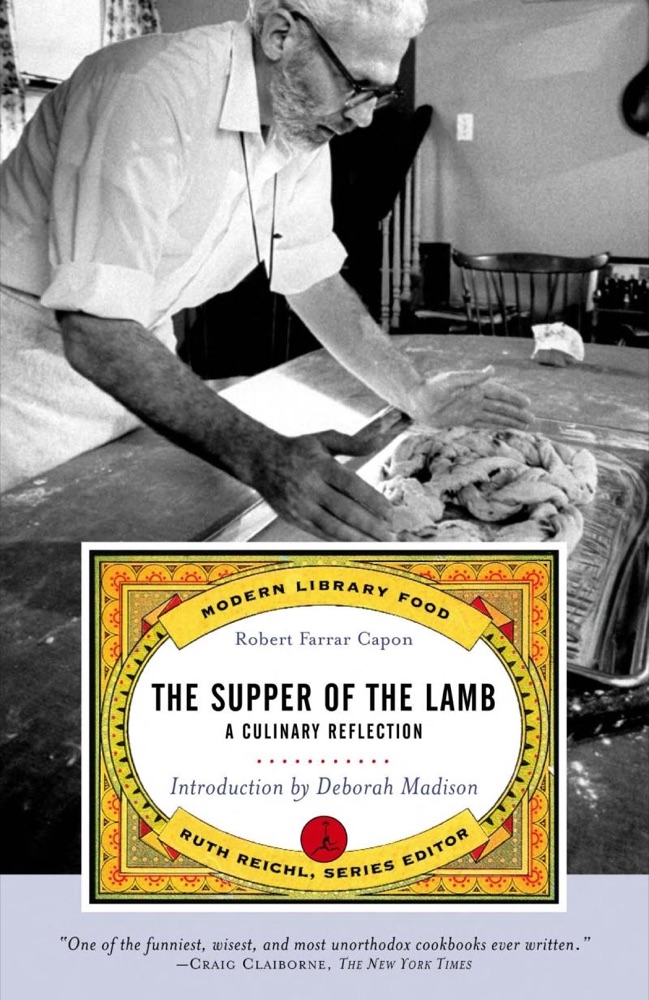 The Supper of the Lamb: A Culinary Reflection
 Aftertaste
 The Omnivore's Dilemma: A Natural History of Four Meals
 Bitter in the Mouth
 Midnight Chicken: & Other Recipes Worth Living For
 Recipe for Second Chances
 Land of Milk and Honey
 The Book of Unholy Mischief
 The Sharper Your Knife, the Less You Cry: Love, Laughter, and Tears at the World's Most Famous Cooking School
 If You Can't Take the Heat: Tales of Food, Feminism, and Fury
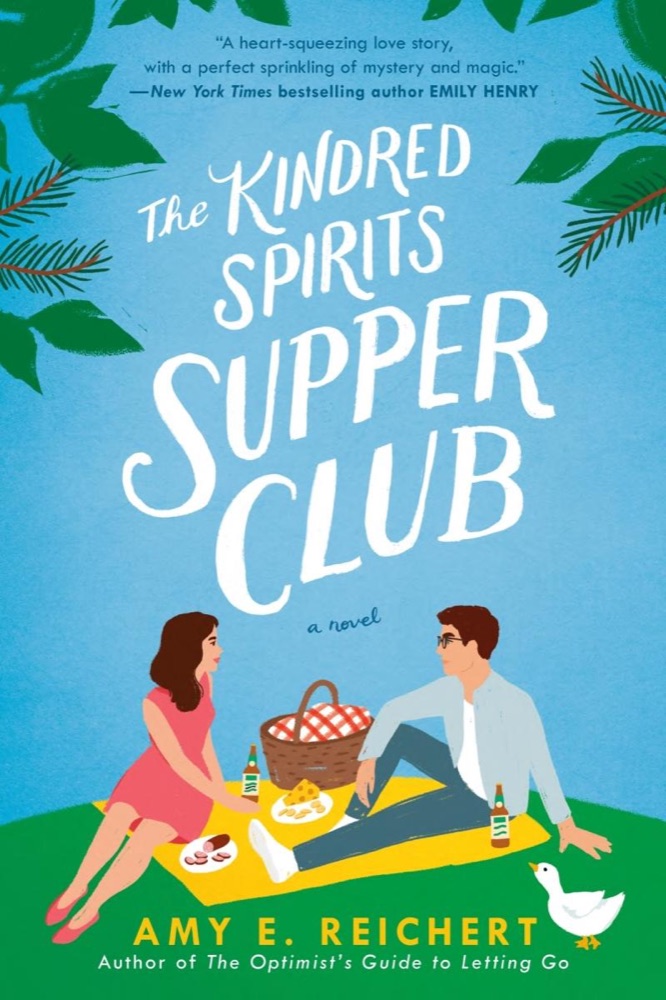 The Kindred Spirits Supper Club
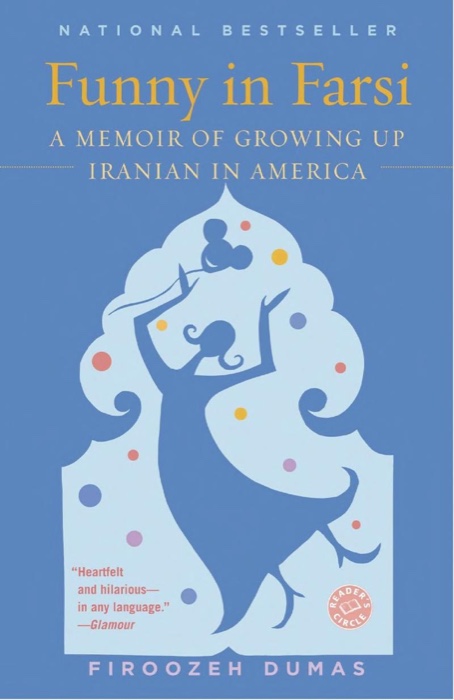 Funny in Farsi: A Memoir of Growing Up Iranian in America
 My Magnolia Summer
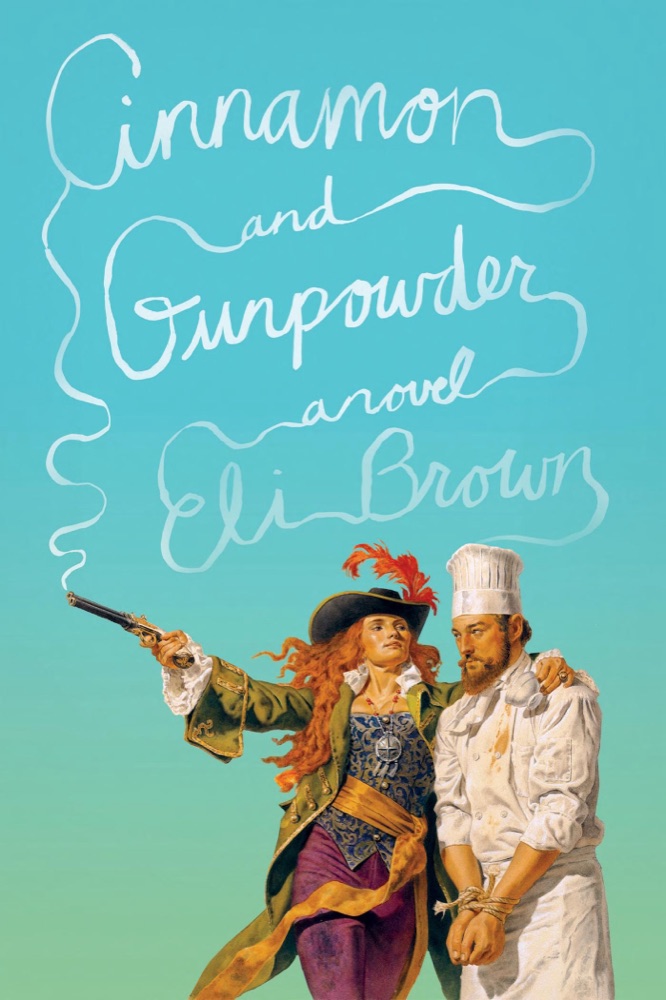 Cinnamon and Gunpowder
 The Art of Inheriting Secrets
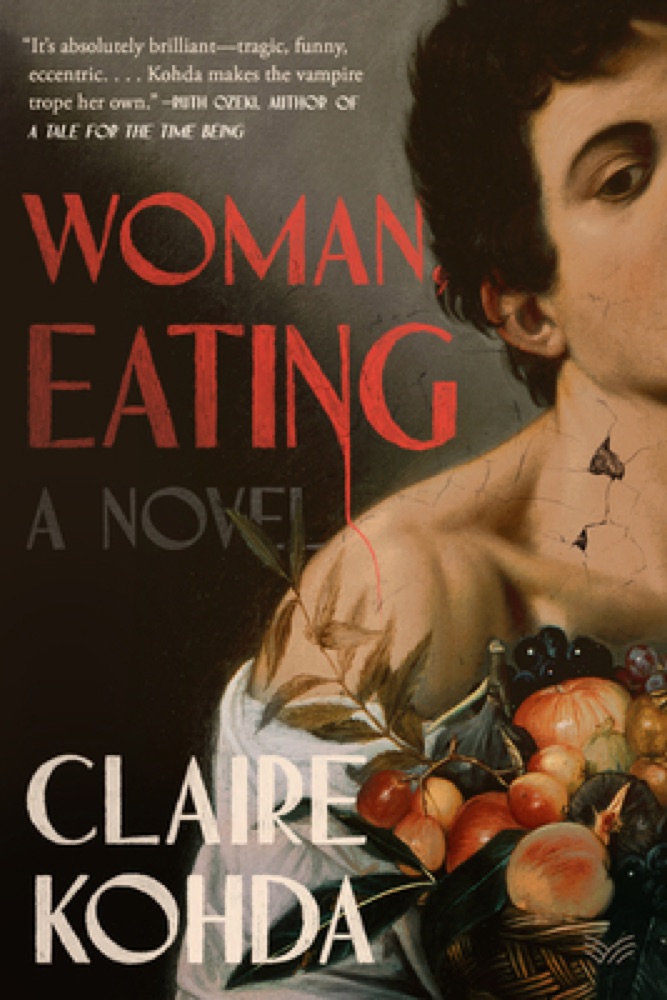 Woman, Eating
 Lunch in Paris: A Love Story, with Recipes
 My Life in France
 Finding Freedom: A Cook's Story; Remaking a Life from Scratch
 The 4-Hour Chef: The Simple Path to Cooking Like a Pro, Learning Anything, and Living the Good Life
 The Devil in the Kitchen: Sex, Pain, Madness and the Making of a Great Chef
 Take the Cannoli
 My Fine Fellow
 Sweetbitter
 Gourmet Rhapsody
 I Remember Nothing: and Other Reflections
 Folks, This Ain't Normal: A Farmer's Advice for Happier Hens, Healthier People, and a Better World
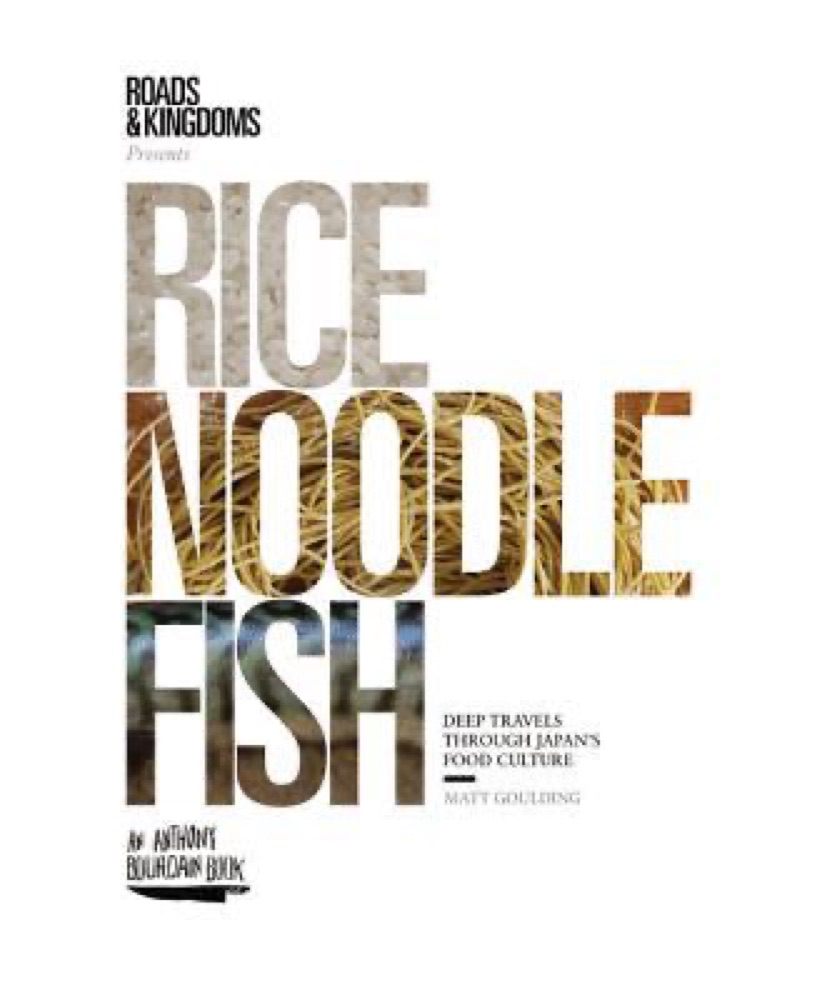 Rice, Noodle, Fish: Deep Travels Through Japan's Food Culture
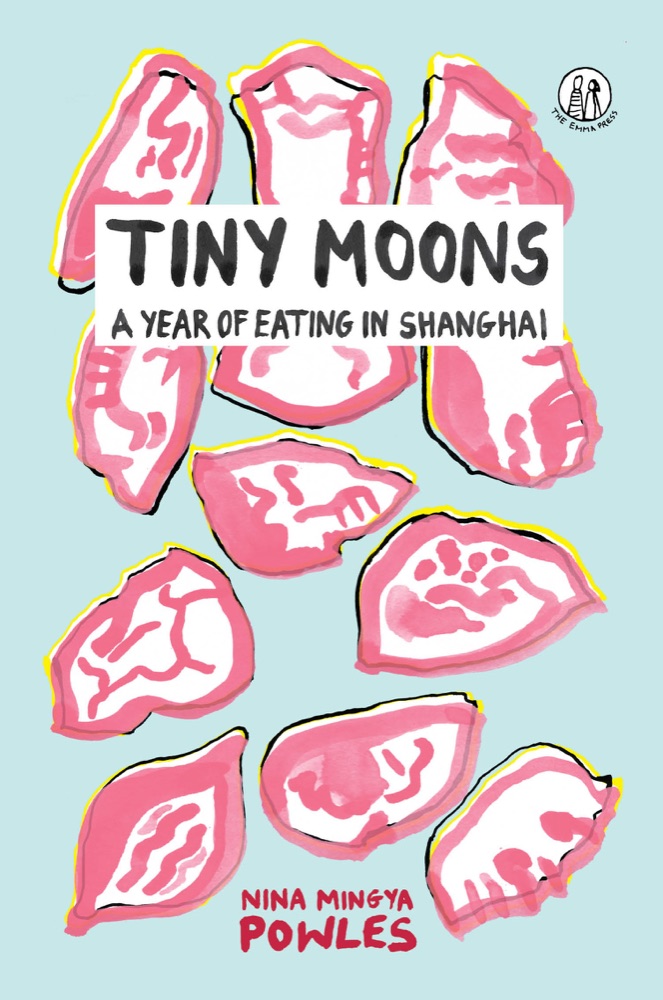 Tiny Moons: A Year of Eating in Shanghai
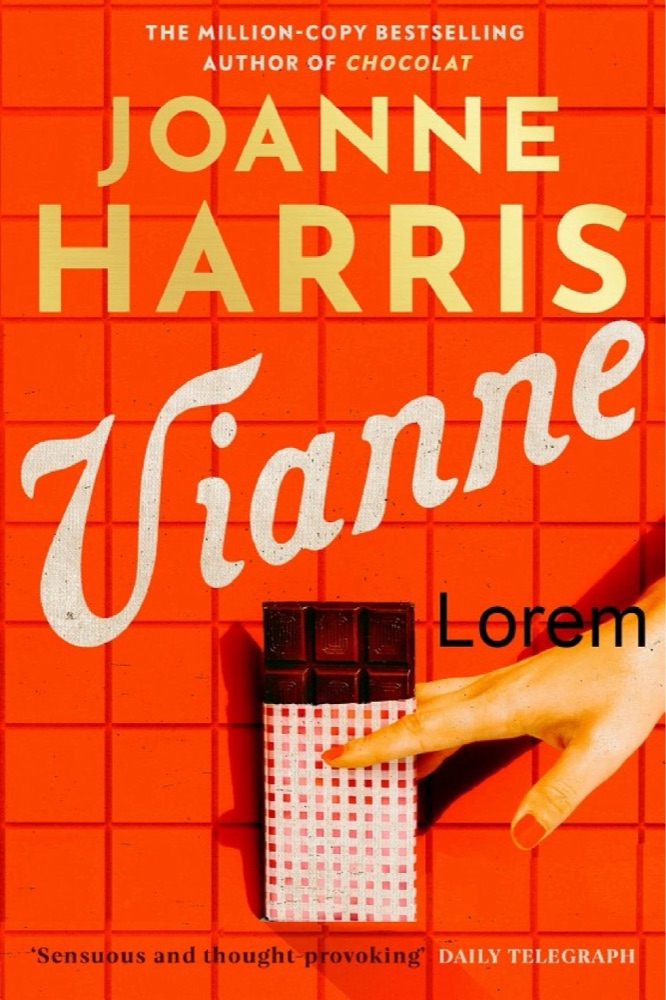 Vianne
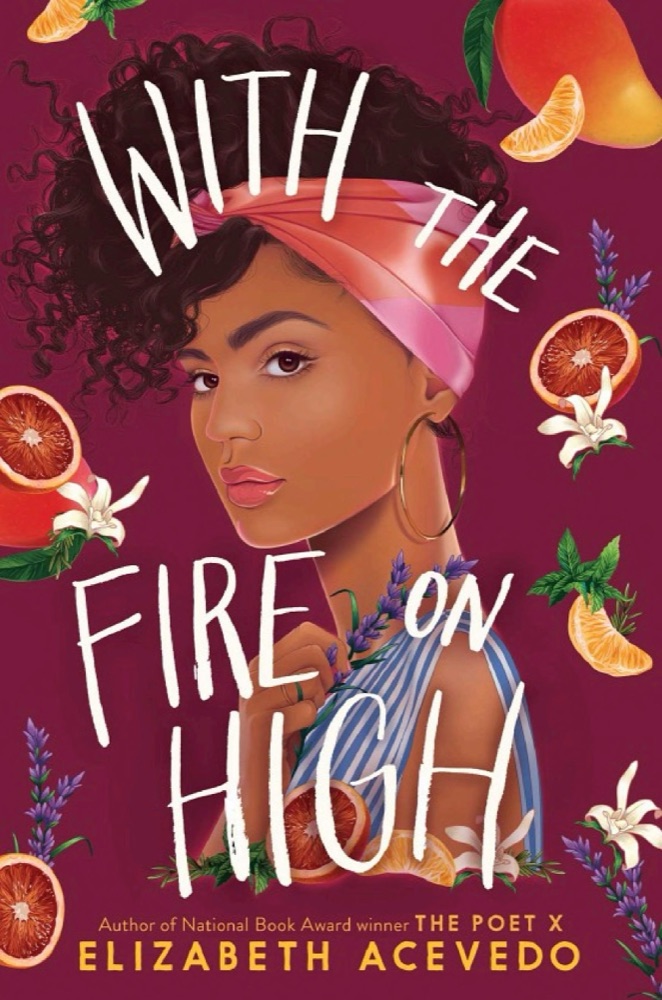 With the Fire on High
 Recipes for Love and Murder
 Arsenic and Adobo
 Brunch at Bittersweet Café
 Save Me the Plums: My Gourmet Memoir
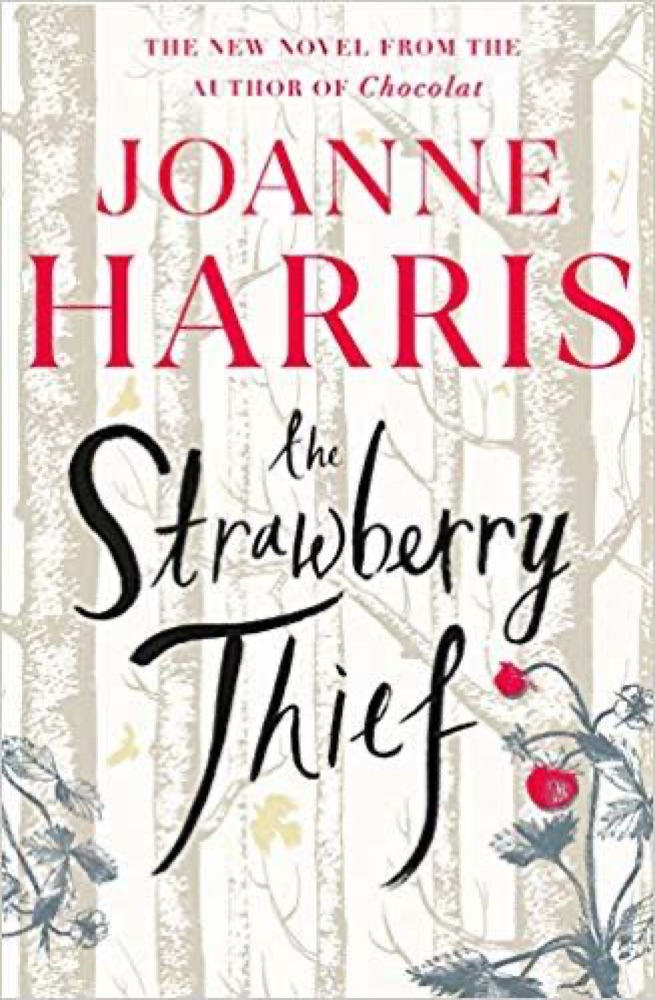 The Strawberry Thief
 I Feel Bad about My Neck: And Other Thoughts on Being a Woman
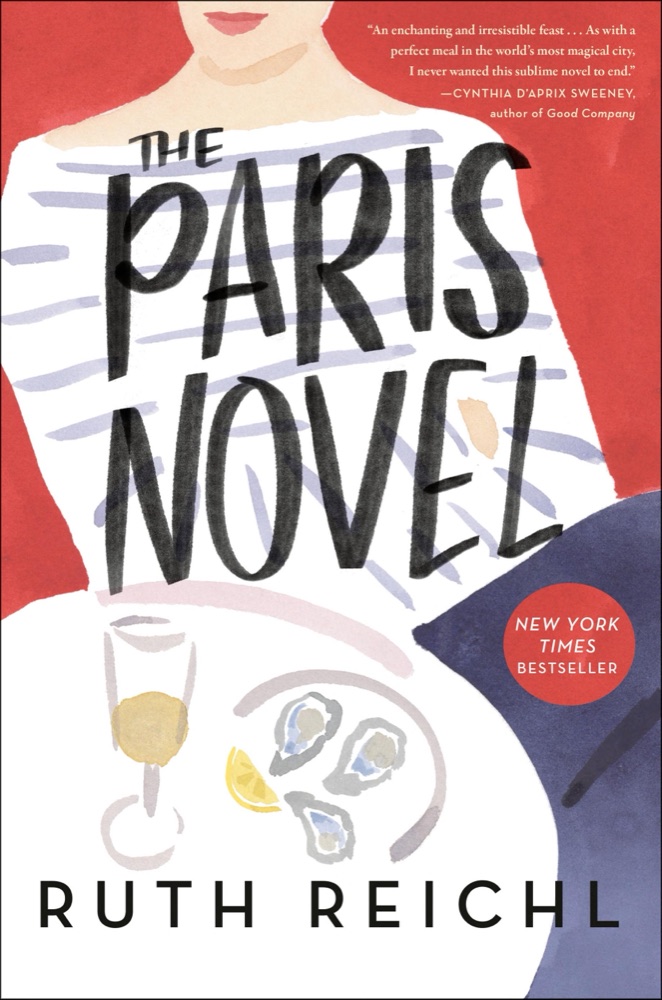 The Paris Novel
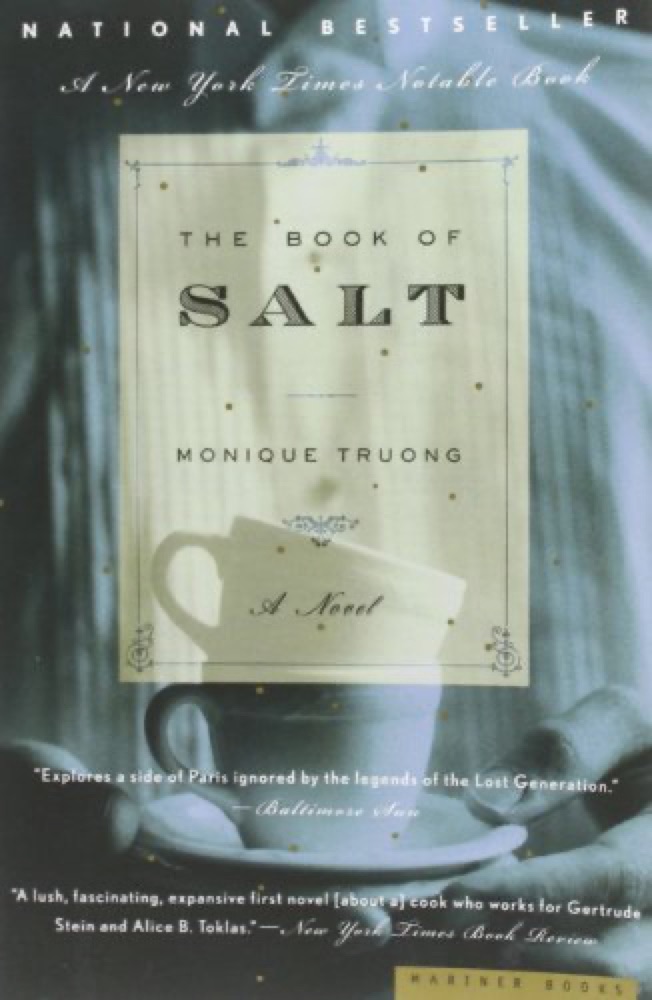 The Book of Salt
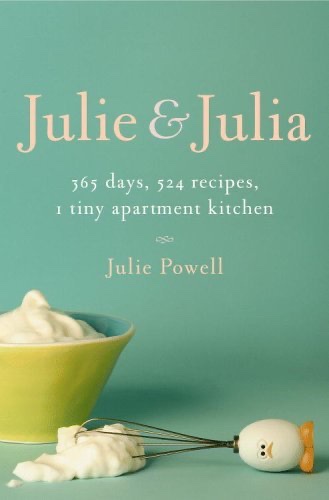 Julie and Julia: 365 Days, 524 Recipes, 1 Tiny Apartment Kitchen: How One Girl Risked Her Marriage, Her Job, and Her Sanity to Master the Art of Living
 Gulp: Adventures on the Alimentary Canal
 Crescent
 Women, Food and God: An Unexpected Path to Almost Everything
 The Coincidence of Coconut Cake
 Table for Two