
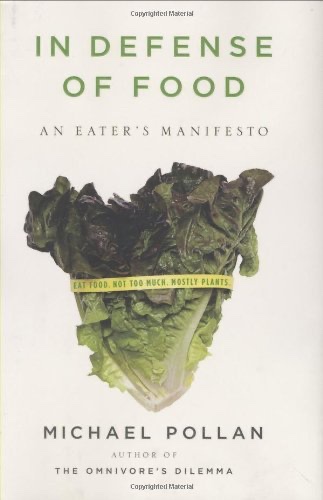
 In Defense of Food: An Eater's Manifesto
Quotes from the Book
The danger of growing up surrounded by these endless sweet and salty industrial concoctions is not that we are innately incapable of resisting them, but that the more frequently we eat them, especially in childhood, the more they train us to expect all food to taste this way.
5
The way you teach a child to eat well is through example, enthusiasm, and patient exposure to good food. And when that fails, you lie.
5
Your first job when eating is to nourish yourself.
3
No one is doomed by genes to eat badly. Pickiness is governed more by environment than biology.
3
Every man carries within him a world, which is composed of all that he has seen and loved,
3
No one is too busy to cook.
2
The Japanese only really started eating what we think of as Japanese food in the years after the Second World War.
2
In the West the word “delicious” is likely to conjure up something laced with sugar, fat and salt, whereas in Japan it signifies a flavour found in mushrooms, grilled fish and light broths.
2
Love and travel are both powerful spurs to change.
2
A few decades from now, the current laissez-faire attitudes to sugar - now present in 80 per cent of supermarket foods - may seems as reckless and strange as permitting cars without seatbelts or smoking on aeroplanes.
2
Eating well is a skill. We learn it. Or not. It’s something we can work on at any age. Sugar is not love. But it can feel like it.
2
We are stuck in habits and attitudes that seem impossible to break. We are stuck thinking food is love. We are stuck with guilt about food because we are female; or stuck not liking vegetables because we are male. We are stuck feeding hungers that often exist more in our brain than our stomach. We are stuck in our happy childhood memories of unhealthy foods. But the biggest way we are stuck is in our belief that our eating habits are something we can do very little about. In fact, we can do plenty. The first step is seeing that eating is a skill that each of us learns and that we retain the capacity for learning it, no matter how old we are.
1
It is not about learning to like this or that vegetable; but developing an overall attitude to eating that is more open to variety and less governed by the simple sugar-salt-fat palate of junk food.
1
It is possible to educate children in the pleasures of food; and that doing so will set the children up for a lifetime of healthy eating. Feeding is learning.
1
If we consistently eat less sugar, it actually changes our sense of sweetness.
1
Japanese cuisine did not change all at once but in stages.
1
Japan has somehow managed to achieve the ideal attitude to eating: an obsession with culinary pleasure that is actually conductive to health.
1
The rise of vast portions - particularly in fast-food restaurants - means that if we eat only the calories we need, we should often stop at half of something; or even a quarter. And no one - child or adult - seems to like the feeling of the glass- - or plate - half empty.
1
Hunger is always a kind of emptiness - an absence of nourishment - but what it will take to replenish it is far from obvious.
1
The power siblings have over our eating habits is no small thing. yet we hardly ever talk about these familial influences.
1
The Japanese bento - pioneered using aluminium boxes in the early twentieth century - offers a structure ideally designed for eating a healthy lunch.
1
The art of feeding, it turns out, is not about pushing ‘one more bite’ into someone’s mouth, however healthy the food. Nor is it about authoritarian demands to abstain from all treats. It is about creating a mealtime environment where those eating are free to develop their own tastes, because all the choices on the table are real, whole food.
1
The existence of birthday cake ice cream suggests that we can no longer distinguish celebration foods from everyday ones. We are also not too sure whether we are children or adults.
1
Why is a bowl of frosted cereal loops with added rainbow marshmallows allowed to count as ‘breakfast’ and not ‘sweets’?
1
Our olfactory bulbs have gathered endless sense patterns of foods high in sugar, fat and salt. These flavour memories have become part of the fabric of our sense of self and are not easily discarded, because the system, as we have seen, is designed ‘not to forget’.
1
Chefs are cooking blind, for strangers whose memories are unknown.
1
Anything can start to taste good if you have enough positive memories of being fed it by a parent.
1
When eating becomes a matter of life or death, and each new bite is a celebration, you may discover that none of the other stuff was quite as important as sitting and breaking bread together.
1
Unlike traditional food, which is remembered jointly within families or communities, mass- produced food and drink is remembered across continents. How often do you meet someone who hasn't tasted Coca-Cola, at least once? I have no idea what your mother's cooking tasted like, or whether I would have enjoyed her macaroni cheese. But if you tell me she gave you a Mars bar for a treat every Saturday, I'd instantly be able to share your memory. I'd be recollecting the soft squidge of the nougat and the way the layer of chocolate sometimes splintered as I bit into it. Candy bar nostalgia puts us all on the same page.
Watch on YouTube
About Bee Wilson
We have collected 29 quotes from 1 book by Bee Wilson on BookQuoters.
More about the author →About the book
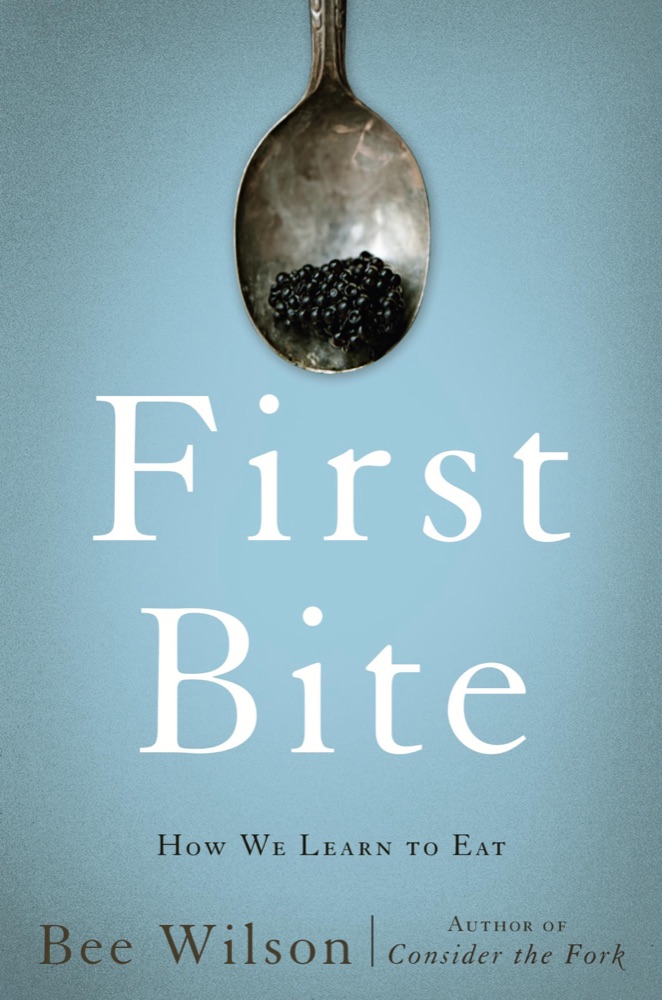
We are not born knowing what to eat; as omnivores it is something we each have to figure out for ourselves. From childhood onward, we learn how big a "portion" is and how sweet is too sweet. We learn to enjoy green vegetables -- or not. But how does this education happen? What are the origins of taste?
In First Bite , award-winning food writer Bee Wilson draws on the latest research from food psychologists, neuroscientists, and nutritionists to reveal that our food habits are shaped by a whole host of family and culture, memory and gender, hunger and love. Taking the reader on a journey across the globe, Wilson introduces us to people who can only eat foods of a certain color; prisoners of war whose deepest yearning is for Mom's apple pie; a nine year old anosmia sufferer who has no memory of the flavor of her mother's cooking; toddlers who will eat nothing but hotdogs and grilled chees
Book details
- First published
- 2015
- Author
- Bee Wilson
- Genre
- Nonfiction
- Goodreads rating
- 3.88 (4k ratings)
The buzz
- The New York TimesReview in The New York Timesprofessional review (via Book Marks)
- The New YorkerReview in The New Yorkerprofessional review (via Book Marks)
- The Washington PostReview in The Washington Postprofessional review (via Book Marks)
- The Wall Street JournalReview in The Wall Street Journalprofessional review (via Book Marks)
- The GuardianReview in The Guardianprofessional review (via Book Marks)
- The Boston GlobeReview in The Boston Globeprofessional review (via Book Marks)
Keep reading
In Defense of Food: An Eater's Manifesto
 The Omnivore's Dilemma: A Natural History of Four Meals
 Cooked: A Natural History of Transformation
 Animal, Vegetable, Miracle: A Year of Food Life
 Intuitive Eating: A Revolutionary Program That Works
 An Everlasting Meal: Cooking with Economy and Grace
 The 80/10/10 Diet: Balancing Your Health, Your Weight, and Your Life, One Luscious Bite at a Time
 Salt Sugar Fat: How the Food Giants Hooked Us
 French Women Don't Get Fat: The Secret of Eating for Pleasure
 The School of Essential Ingredients
 Buttermilk Graffiti: A Chef’s Journey to Discover America’s New Melting-Pot Cuisine
 The Art of Eating
 Food: A Love Story
 The Third Plate: Field Notes on the Future of Food
 Whole: Rethinking the Science of Nutrition
 The Supper of the Lamb: A Culinary Reflection
 Eating Animals
 Women, Food and God: An Unexpected Path to Almost Everything
 Eat to Live: The Revolutionary Formula for Fast and Sustained Weight Loss
 Relish: My Life in the Kitchen
 It Starts with Food: Discover the Whole30 and Change Your Life in Unexpected Ways
 The China Study: The Most Comprehensive Study of Nutrition Ever Conducted and the Startling Implications for Diet, Weight Loss, and Long-term Health
 Land of Milk and Honey
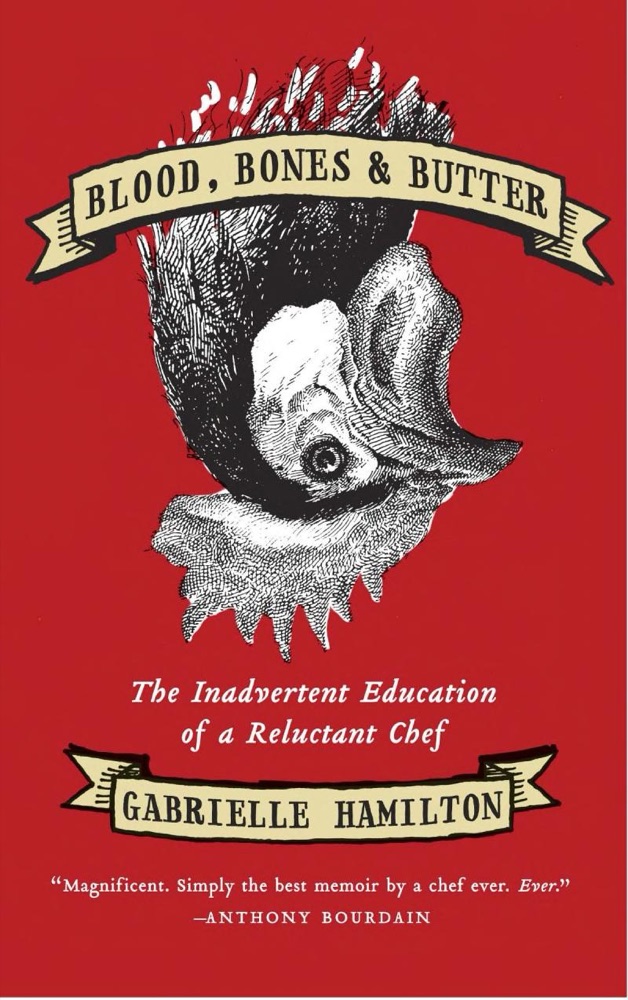 Blood, Bones, and Butter: The Inadvertent Education of a Reluctant Chef
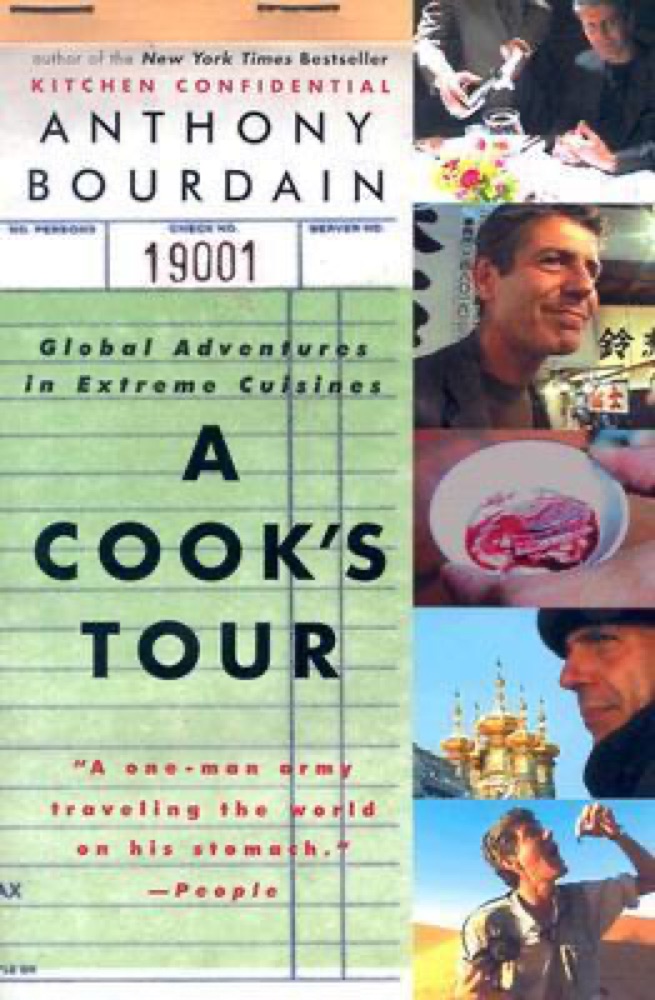 A Cook's Tour: Global Adventures in Extreme Cuisines
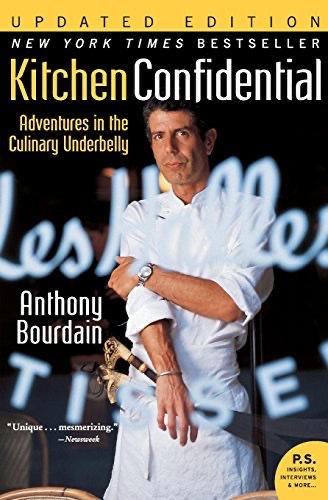 Kitchen Confidential: Adventures in the Culinary Underbelly
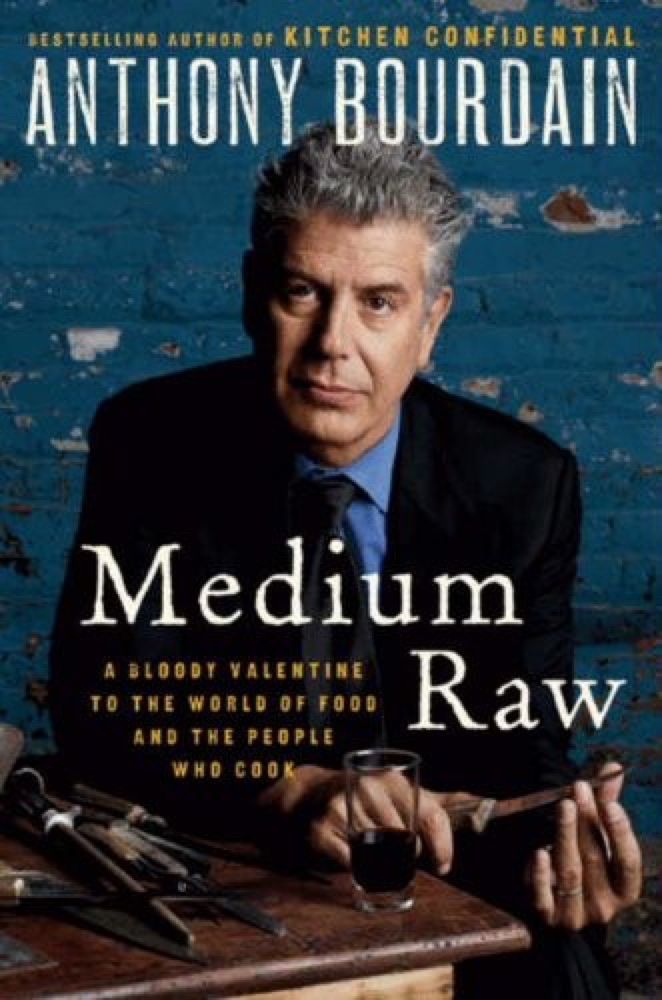 Medium Raw: A Bloody Valentine to the World of Food and the People Who Cook
 Gourmet Rhapsody
 Gut: The Inside Story of Our Body's Most Underrated Organ
 Catching Fire: How Cooking Made Us Human
 Gulp: Adventures on the Alimentary Canal
 Folks, This Ain't Normal: A Farmer's Advice for Happier Hens, Healthier People, and a Better World
 If You Can't Take the Heat: Tales of Food, Feminism, and Fury
 The World Peace Diet
 Midnight Chicken: & Other Recipes Worth Living For
 Woman, Eating
 Love, Loss, and What We Ate: A Memoir
 The 4-Hour Chef: The Simple Path to Cooking Like a Pro, Learning Anything, and Living the Good Life
 The 4-Hour Body: An Uncommon Guide to Rapid Fat-Loss, Incredible Sex, and Becoming Superhuman
 Fast Food Nation: The Dark Side of the All-American Meal
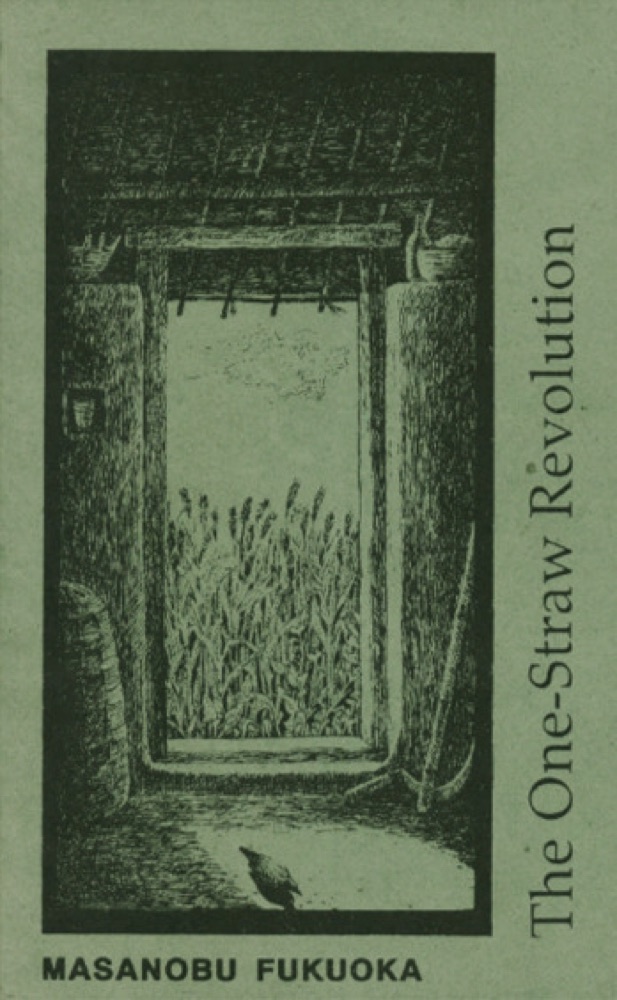 The One-Straw Revolution
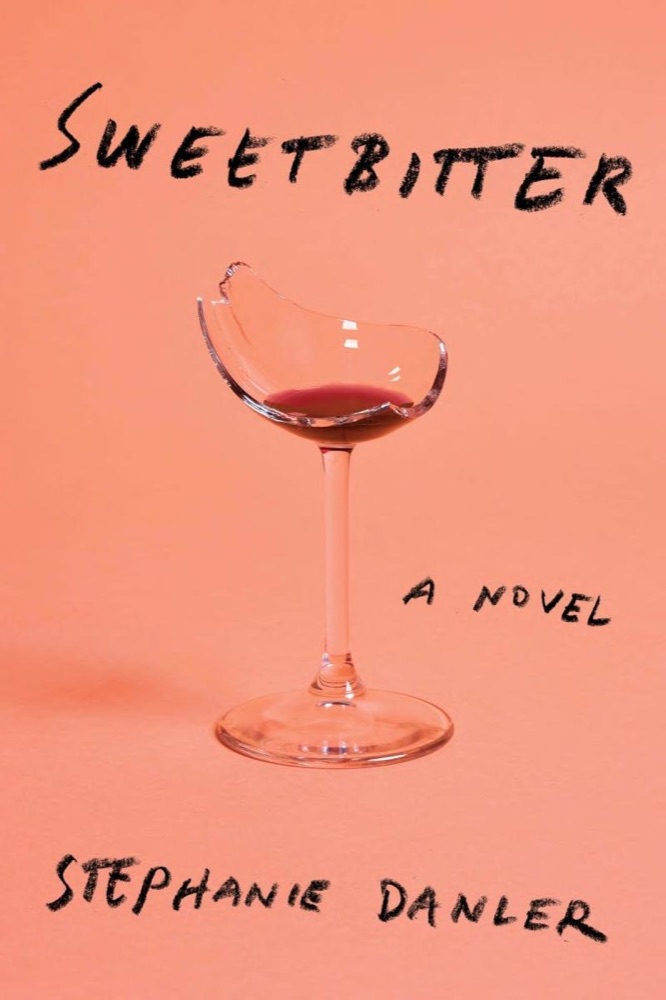 Sweetbitter
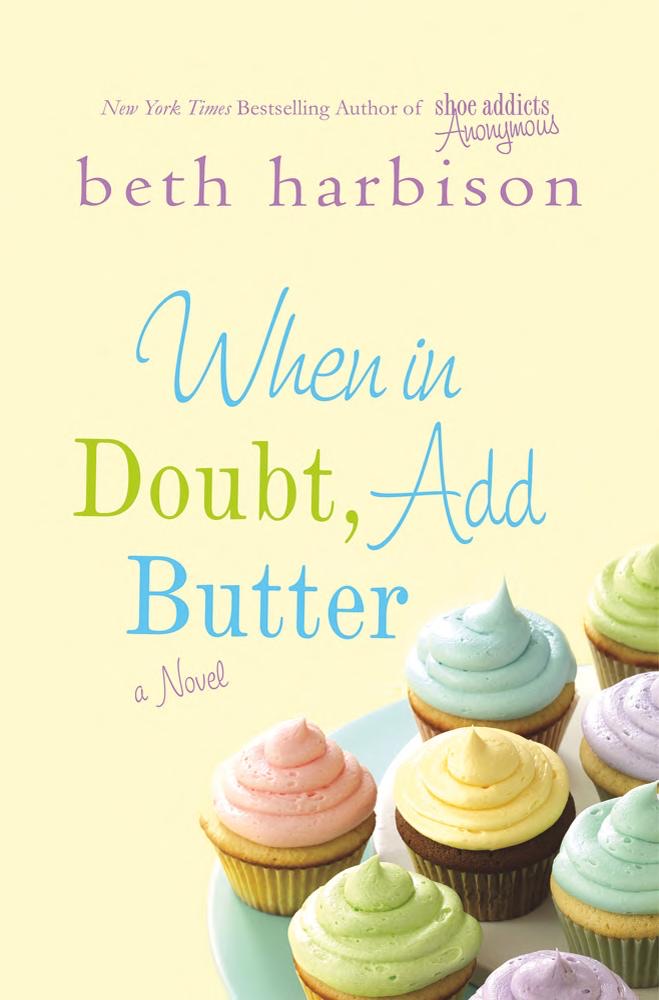 When in Doubt, Add Butter
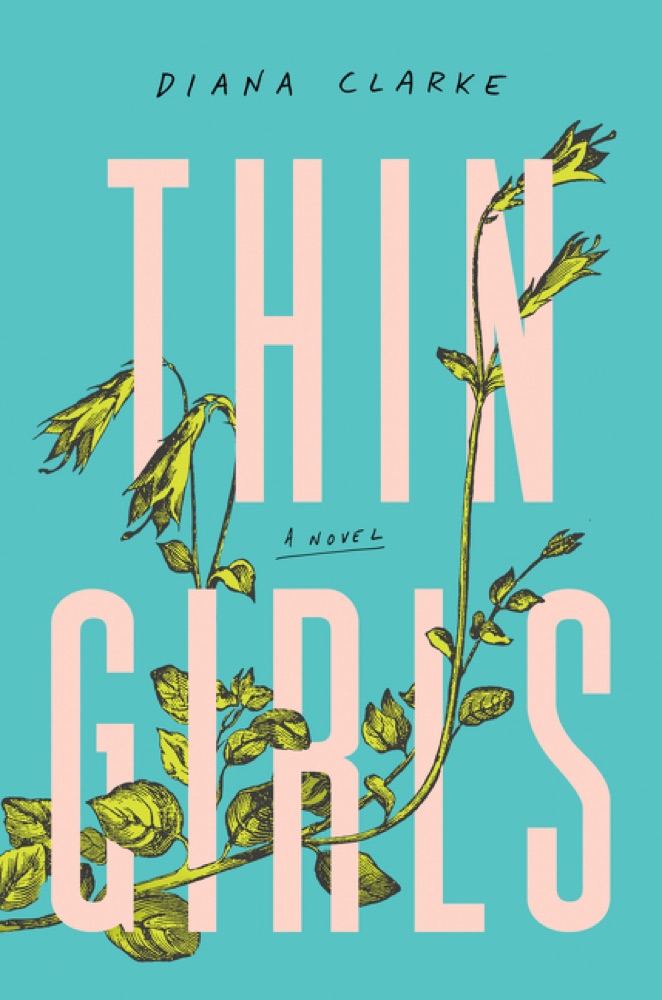 Thin Girls
 Charlie and the Chocolate Factory
 Save Me the Plums: My Gourmet Memoir
 Lunch in Paris: A Love Story, with Recipes
 The Sharper Your Knife, the Less You Cry: Love, Laughter, and Tears at the World's Most Famous Cooking School
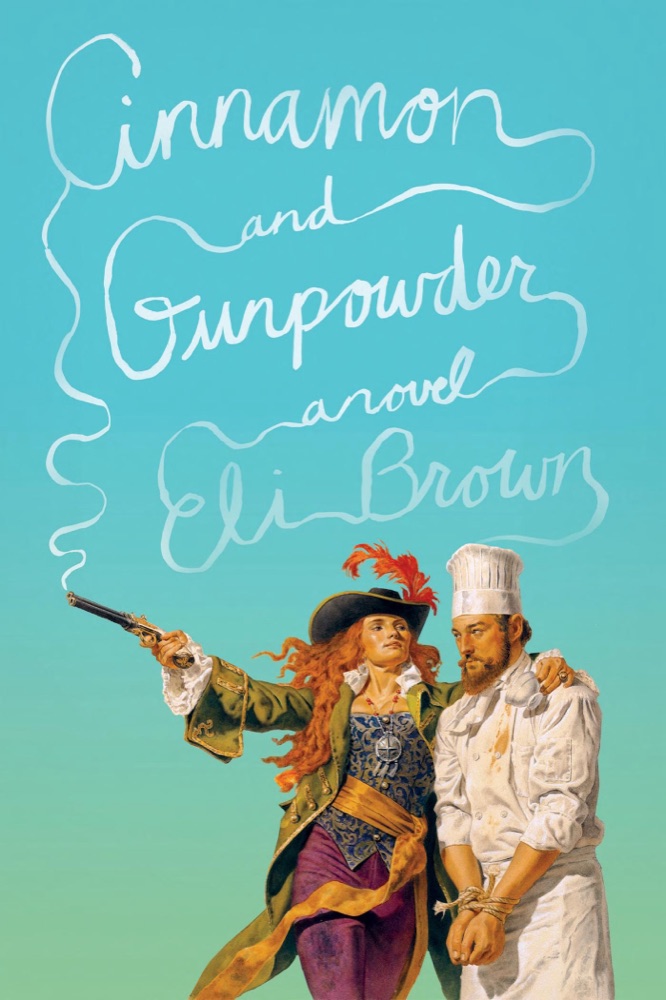 Cinnamon and Gunpowder
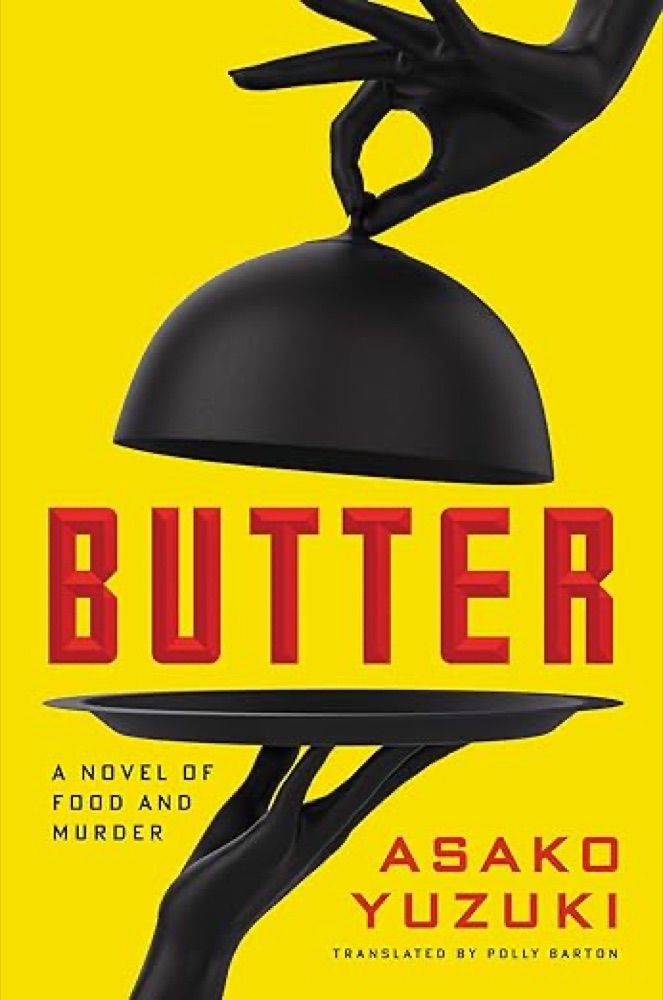 Butter
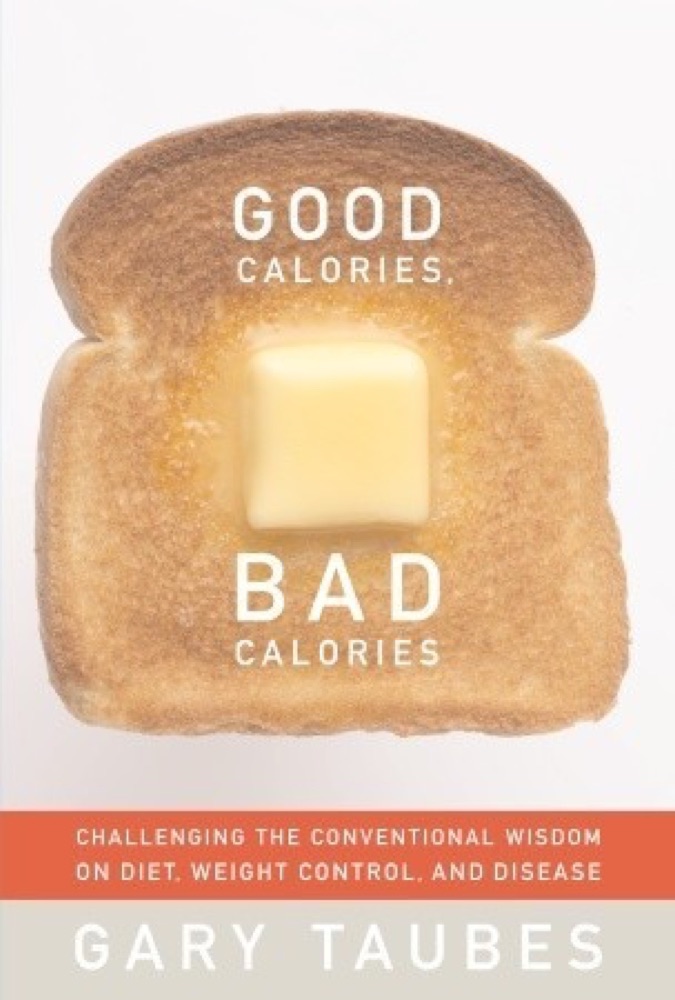 Good Calories, Bad Calories
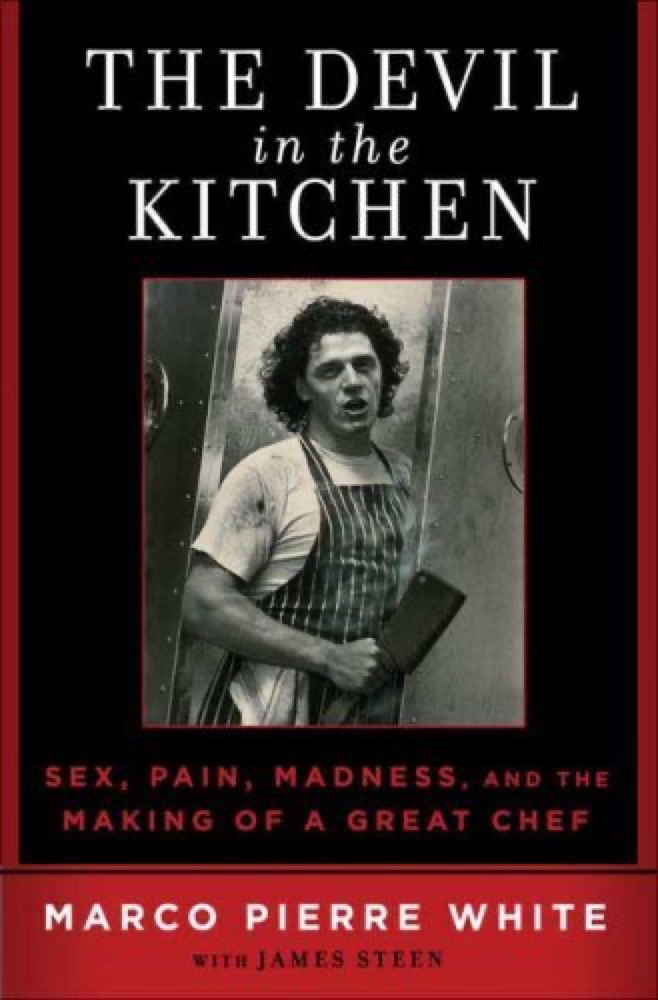 The Devil in the Kitchen: Sex, Pain, Madness and the Making of a Great Chef
 Why We Get Fat: And What to Do About It
 Body Positive Power
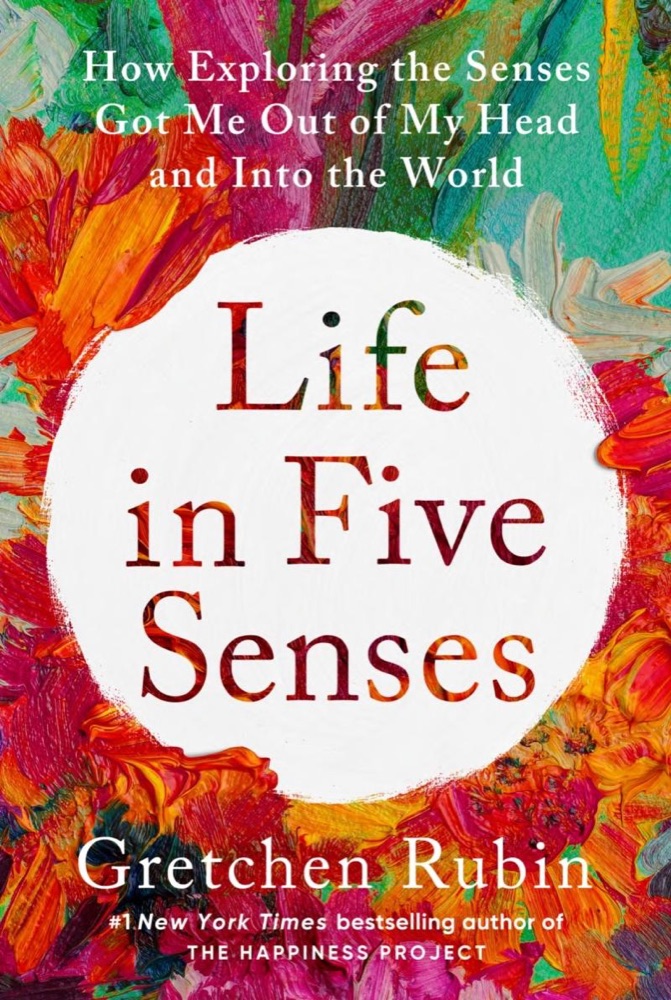 Life in Five Senses: How Exploring the Senses Got Me Out of My Head and Into the World
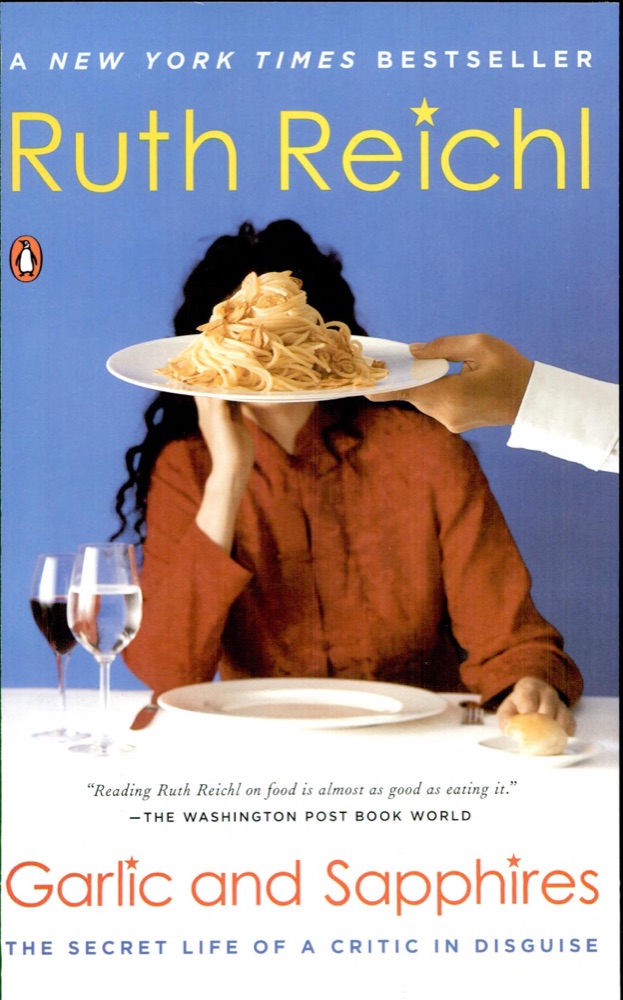 Garlic and Sapphires: The Secret Life of a Critic in Disguise
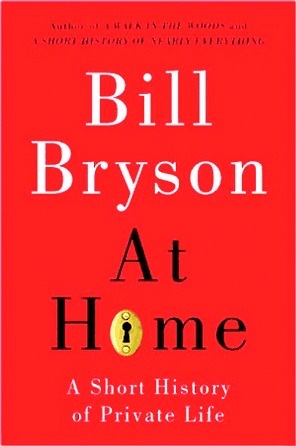 At Home: A Short History of Private Life
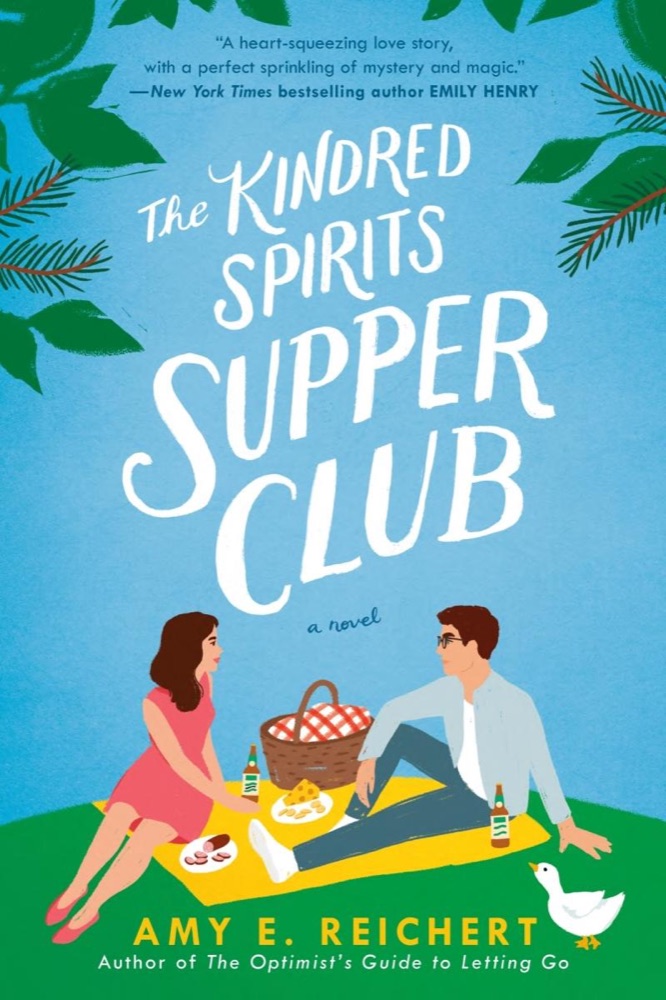 The Kindred Spirits Supper Club
 My Life in France