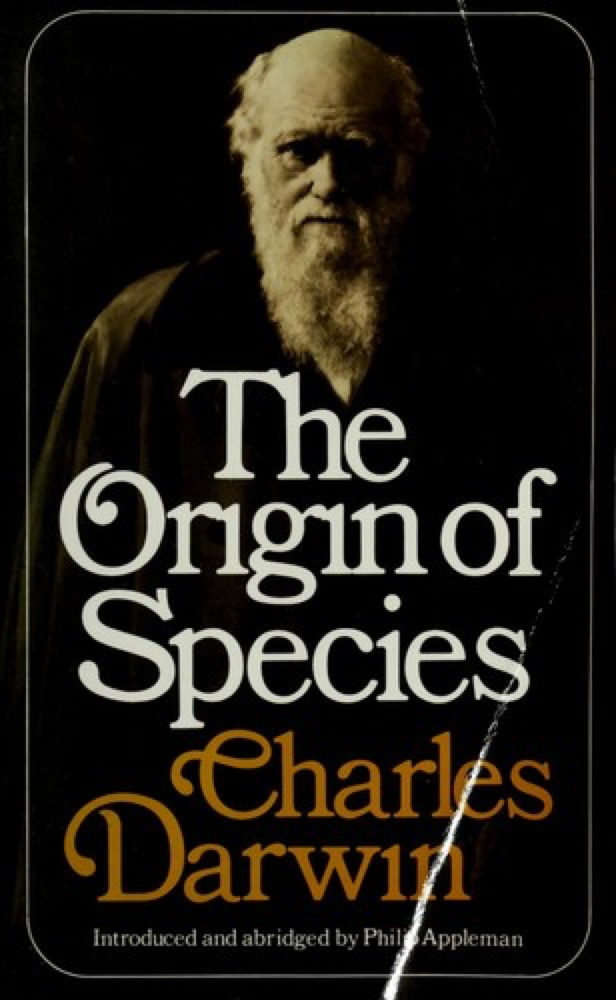
 The Origin of Species
Quotes from the Book
Ignorance more frequently begets confidence than does knowledge: it is those who know little, not those who know much, who so positively assert that this or that problem will never be solved by science.
839
As man advances in civilization, and small tribes are united into larger communities, the simplest reason would tell each individual that he ought to extend his social instincts and sympathies to all members of the same nation, though personally unknown to him. This point being once reached, there is only an artificial barrier to prevent his sympathies extending to the men of all nations and races.
95
With savages, the weak in body or mind are soon eliminated; and those that survive commonly exhibit a vigorous state of health. We civilised men, on the other hand, do our utmost to check the process of elimination; we build asylums for the imbecile, the maimed, and the sick; we institute poor-laws; and our medical men exert their utmost skill to save the life of every one to the last moment. There is reason to believe that vaccination has preserved thousands, who from a weak constitution would formerly have succumbed to small-pox. Thus the weak members of civilised societies propagate their kind. No one who has attended to the breeding of domestic animals will doubt that this must be highly injurious to the race of man. It is surprising how soon a want of care, or care wrongly directed, leads to the degeneration of a domestic race; but excepting in the case of man himself, hardly any one is so ignorant as to allow his worst animals to breed. The aid which we feel impelled to give to the helpless is mainly an incidental result of the instinct of sympathy, which was originally acquired as part of the social instincts, but subsequently rendered, in the manner previously indicated, more tender and more widely diffused. Nor could we check our sympathy, if so urged by hard reason, without deterioration in the noblest part of our nature. The surgeon may harden himself whilst performing an operation, for he knows that he is acting for the good of his patient; but if we were intentionally to neglect the weak and helpless, it could only be for a contingent benefit, with a certain and great present evil. Hence we must bear without complaining the undoubtedly bad effects of the weak surviving and propagating their kind; but there appears to be at least one check in steady action, namely the weaker and inferior members of society not marrying so freely as the sound; and this check might be indefinitely increased, though this is more to be hoped for than expected, by the weak in body or mind refraining from marriage.
88
The following proposition seems to me in a high degree probable—namely, that any animal whatever, endowed with well-marked social instincts, the parental and filial affections being here included, would inevitably acquire a moral sense or conscience, as soon as its intellectual powers had become as well, or nearly as well developed, as in man. For, firstly, the social instincts lead an animal to take pleasure in the society of its fellows, to feel a certain amount of sympathy with them, and to perform various services for them.
81
We are not here concerned with hopes or fears, only with truth as far as our reason permits us to discover it.
39
For my own part I would as soon be descended from that heroic little monkey, who braved his dreaded enemy in order to save the life of his keeper; or from that old baboon, who, descending from the mountains, carried away in triumph his young comrade from a crowd of astonished dogs—as from a savage who delights to torture his enemies, offers up bloody sacrifices, practices infanticide without remorse, treats his wives like slaves, knows no decency, and is haunted by the grossest superstitions.
35
The moral sense perhaps affords the best and highest distinction between man and the lower animals
30
But we are not here concerned with hopes or fears, only with the truth as far as our reason allows us to discover it. I have given the evidence to the best of my ability; and we must acknowledge , as it seems to me, that man with all his noble qualities, with sympathy which feels for the most debased, with benevolence which extends not only to other men but to the humblest living creature, with his godlike intellect which has penetrated into the movements and constitution of the solar system - with all these exalted powers - Man still bears in his bodily frame the indelible stamp of his lowly origin.
29
Man with all his noble qualities, with sympathy which feels for the most debased, with benevolence which extends not only to other men but to the humblest living creature, with his god-like intellect which has penetrated into the movements and constitution of the solar system—with all these exalted powers—Man still bears in his bodily frame the indelible stamp of his lowly origin.
17
A moral being is one who is capable of reflecting on his past actions and their motives—of approving of some and disapproving of others.
13
Man has an instinctive tendency to speak, as we see in the babble of our young children, but no child has an instinctive tendency to bake, brew, or write.
11
Sympathy beyond the confines of man, that is humanity to the lower animals, seems to be one of the latest moral acquisitions. It is apparently unfelt by savages, except towards their pets. How little the old Romans knew of it is shewn by their abhorrent gladiatorial exhibitions. The very idea of humanity, as far as I could observe, was new to most of the Gauchos of the Pampas. This virtue, one of the noblest with which man is endowed, seems to arise incidentally from our sympathies becoming more tender and more widely diffused, until they are extended to all sentient beings. As
10
Sexual selection acts in a less rigorous manner than natural selection. The latter produces its effects by the life or death at all ages of the more or less successful individuals.
10
Or she may accept, as appearances would sometimes lead us to believe, not the male which is the most attractive to her, but the one which is the least distasteful.
10
Two distinct elements are included under the term "inheritance"— the transmission, and the development of characters;
9
The great variability of all the external differences between the races of man, likewise indicates that they cannot be of much importance; for if important, they would long ago have been either fixed and preserved, or eliminated.
9
The difference in mind between man and the higher animals, great as it is, certainly is one of degree and not of kind.
8
Sexual selection will also be largely dominated by natural selection tending towards the general welfare of the species.
8
the power to charm the female has sometimes been more important than the power to conquer other males in battle. LAWS
7
As man gradually advanced in intellectual power, and was enabled to trace the more remote consequences of his actions; as he acquired sufficient knowledge to reject baneful customs and superstitions; as he regarded more and more, not only the welfare, but the happiness of his fellow-men; as from habit, following on beneficial experience, instruction and example, his sympathies became more tender and widely diffused, extending to men of all races, to the imbecile, maimed, and other useless members of society, and finally to the lower animals,—so would the standard of his morality rise higher and higher.
6
In a series of forms graduating insensibly from some apelike creature to man as he now exists, it would be impossible to fix on any definite point where the term 'man' ought to be used.
5
Through his powers of intellect, articulate language has been evolved; and on this his wonderful advancement has mainly depended.
5
İnsan kendinin sınıflayıcısı olmasaydı, kendini yerleştirmek için ayrı bir takım kurmayı asla düşünmezdi.
5
Sympathy beyond the confines of man, that is, humanity to lower animals, seems to be one of the latest moral acquisitions. This virtue, one of the noblest with which man is endowed, seems to arise incidentally from our sympathies becoming more tender and more widely diffused, until they are extended to all sentient beings.
3
... belirtilen çeşitli engeller ve belki daha bilinmeyen başkaları, toplumun tasasız, bozuk ve başka bakımlardan aşağı üyelerinin iyi insanlardan daha hızlı çoğalmasını önlemezse, dünya tarihinde pek sık görüldüğü gibi, ulus geriler.
2
Watch on YouTube
About Charles Darwin
We have collected 99 quotes from 4 books by Charles Darwin on BookQuoters.
More about the author →More by Charles Darwin
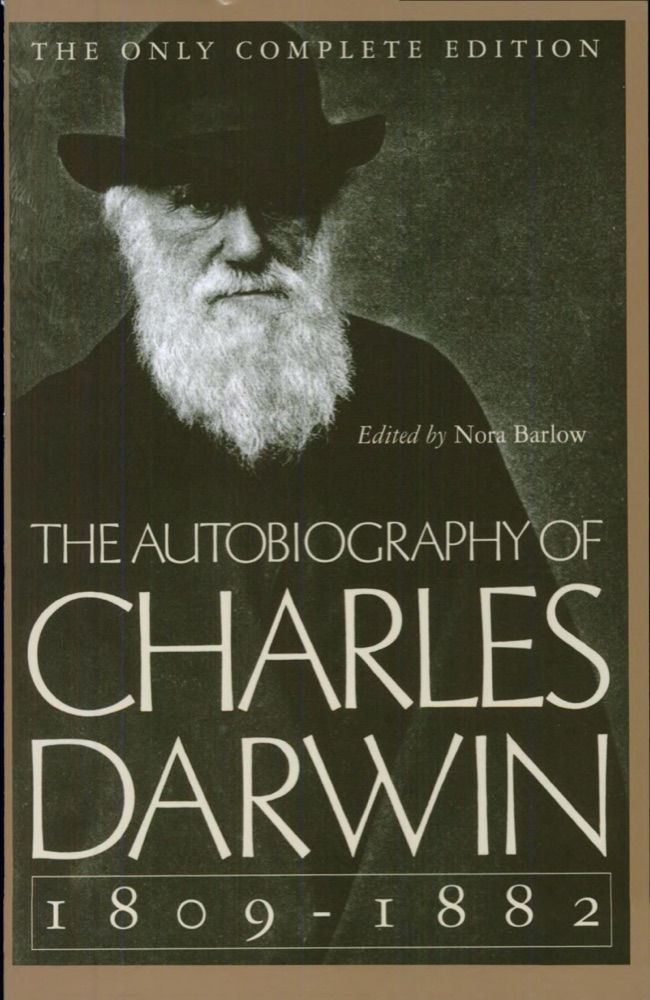
About the book
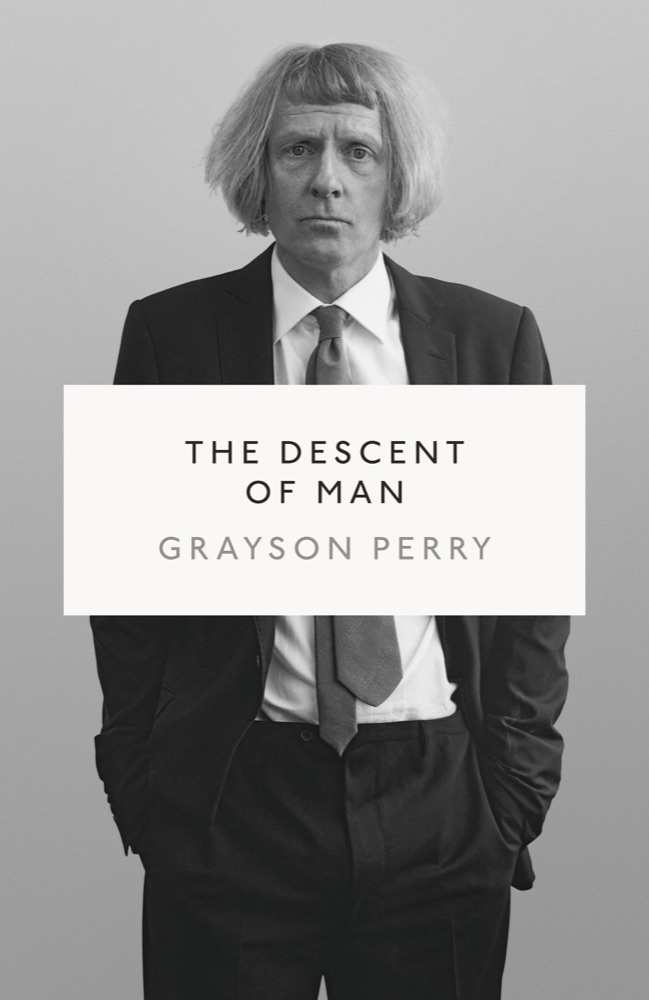
Applying his controversial theory of evolution to the origins of the human species, Charles Darwin's The Descent of Man was the culmination of his life's work. This Penguin Classics edition is edited with an introduction by James Moore and Adrian Desmond.
In The Origin of Species, Charles Darwin refused to discuss human evolution, believing the subject too 'surrounded with prejudices'. He had been reworking his notes since the 1830s, but only with trepidation did he finally publish The Descent of Man in 1871. The book notoriously put apes in our family tree and made the races one family, diversified by 'sexual selection' - Darwin's provocative theory that female choice among competing males leads to diverging racial characteristics. Named by Sigmund Freud as 'one of the ten most significant books' ever written, Darwin's Descent of Man continues to shape the way we think about what it
Book details
- First published
- 1871
- Author
- Charles Darwin
- Genre
- Nonfiction
- Goodreads rating
- 4.04 (5k ratings) →
The buzz
- The New York TimesReview in The New York Timesprofessional review (via Book Marks)
- The GuardianReview in The Guardianprofessional review (via Book Marks)
- NPRReview in NPRprofessional review (via Book Marks)
- Kirkus ReviewsReview in Kirkus Reviewsprofessional review (via Book Marks)
- Publishers WeeklyReview in Publishers Weeklyprofessional review (via Book Marks)
Keep reading
 Human, All Too Human
The Origin of Species
Human, All Too Human
The Origin of Species
 Discourse on the Origin of Inequality
 The Ascent of Man
 Shadows of Forgotten Ancestors
 On the Genealogy of Morals
 On Human Nature
 Dragons of Eden: Speculations on the Evolution of Human Intelligence
 The Will to Power
 The Moral Animal: Why We Are the Way We Are - The New Science of Evolutionary Psychology
 The Theory of Moral Sentiments
 The Way of All Flesh
 The Red Queen: Sex and the Evolution of Human Nature
 Ethics
 Civilization and Its Discontents
 A Treatise of Human Nature
 Persian Letters
 The Social Conquest of Earth
 The Log from the Sea of Cortez
 Philosophical Dictionary
 Erewhon
 The Blank Slate: The Modern Denial of Human Nature
 The Discovery of India
 The Abolition of Man
 Our Inner Ape: A Leading Primatologist Explains Why We are Who We Are
 Sapiens: A Brief History of Humankind
 Emile or On Education
 Heretics
 Following the Equator: A Journey Around the World
 From Dawn to Decadence: 500 Years of Western Cultural Life, 1500 to the Present
 Straw Dogs: Thoughts on Humans and Other Animals
 The Subjection of Women
 Humankind: A Hopeful History
 Last and First Men
 The Lessons of History
 On Liberty
 An Enquiry Concerning Human Understanding
 The Deerslayer
 Leviathan
 The Midwich Cuckoos
 Our Oriental Heritage
 The Future of an Illusion
 Maldoror and the Complete Works
 Moral Tribes: Emotion, Reason, and the Gap Between Us and Them
 What I Believe
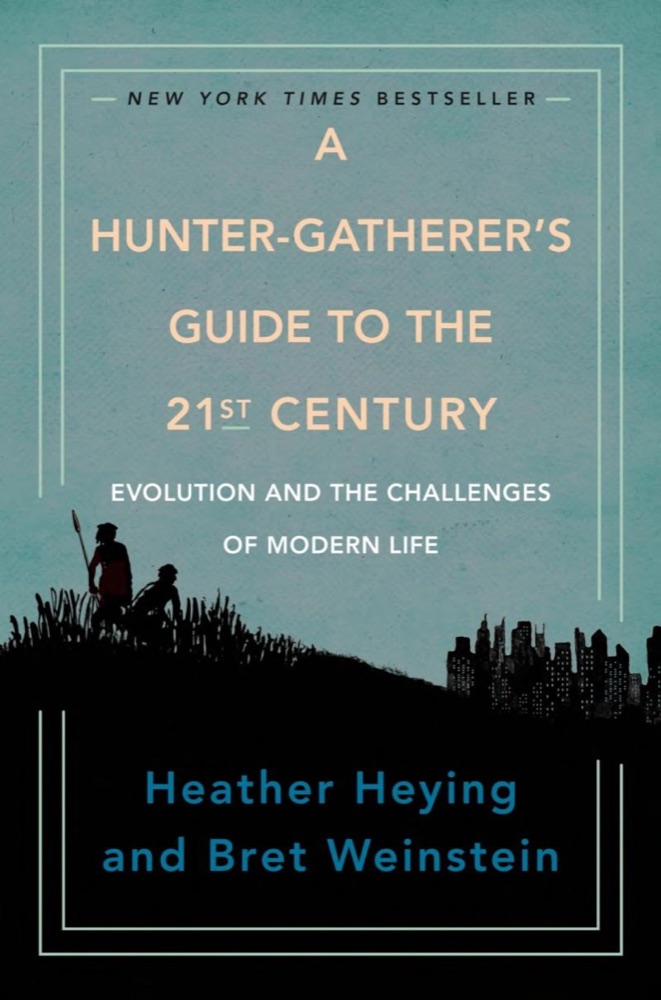 A Hunter-Gatherer's Guide to the 21st Century: Evolution and the Challenges of Modern Life
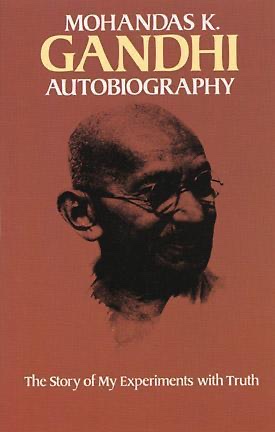 The Story of My Experiments With Truth
 Utopia
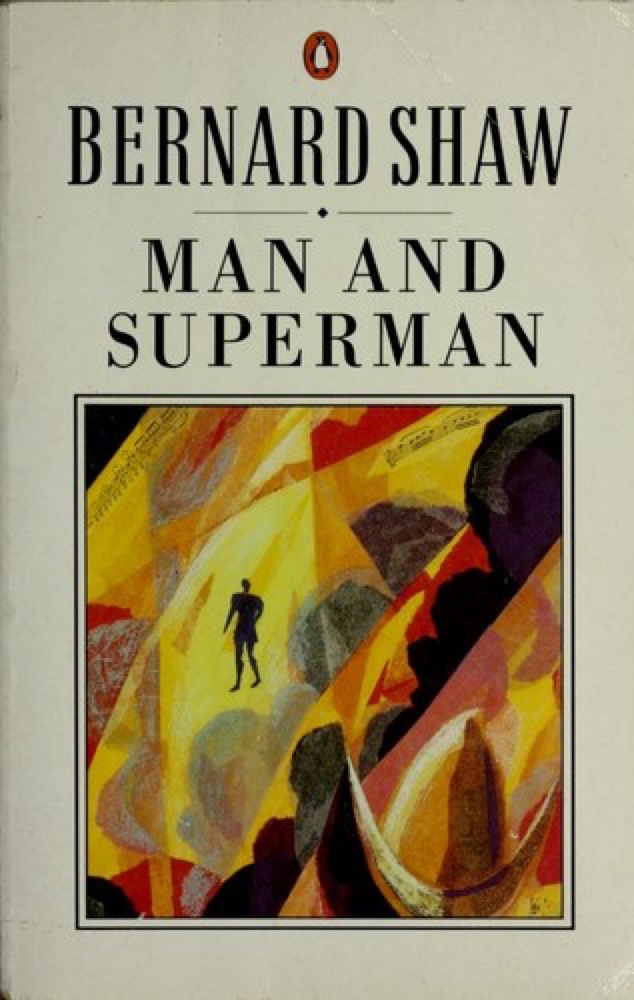 Man and Superman
 The Histories
 After Virtue
 Pebble in the Sky
 An Essay Concerning Human Understanding
 The World As I See It
 The Everlasting Man
 The Education of Henry Adams
 Enlightenment Now: The Case for Reason, Science, Humanism, and Progress
 The Philosopher and the Wolf
 The Fresco