 The Complete Stories and Poems
Quotes from the Book
Experience has shown, and a true philosophy will always show, that a vast, perhaps the larger, portion of truth arises from the seemingly irrelevant.
176
We gave the Future to the winds, and slumbered tranquilly in the Present, weaving the dull world around us into dreams.
115
..bear in mind that, in general, it is the object of our newspapers rather to create a sensation-to make a point-than to further the cause of truth." Dupin in "The Mystery of Marie Roget
24
The history of human knowledge has so uninterruptedly shown that to collateral, or incidental, or accidental events we are indebted for the most numerous and most valuable discoveries, that it has at length become necessary, in any prospective view of improvement, to make not only large, but the largest allowances for inventions that shall arise by chance, and quite out of the range of ordinary expectation. It is no longer philosophical to base, upon what has been, a vision of what is to be. Accident is admitted as a portion of the substructure. We make chance a matter of absolute calculation. We subject the unlooked for and unimagined, to the mathematical formulae of the schools.
9
The mass of the people regard as profound only him who suggests pungent contradictions of the general idea. In ratiocination, not less than in literature, it is the epigram which is the most immediately and the most universally appreciated. In both, it is of the lowest order of merit.
9
...the question is of will, and not, as the insanity of logic has assumed, of power. It is not that the Deity cannot modify his laws, but that we insult him in imagining a possible necessity for modification.
8
In my own heart there dwells no faith in praeternature. That Nature and its God are two, no man who thinks, will deny. That the latter, creating the former, can, at will, control or modify it, is also unquestionable. I say "at will"; for the question is of will, and not, as the insanity of logic has assumed, of power. It is not that the Deity cannot modify his laws, but that we insult him in imagining a possible necessity for modification. In their origin these laws were fashioned to embrace all contingencies which could lie in the Future. With God all is Now.
4
Dobbiamo tenere a mente che, in generale, fare sensazione, colpire le fantasie, per i nostri giornali è più importante che volere la verità. La verità è interessante soltanto quando coincide con la sensazione. La stampa che segua solo opinioni correnti, anche se si tratti di opinioni fondate, non ha credito fra la massa. La massa considera profondo solo chi suggerisce aspre contraddizioni con le idee generali. Nella logica, non meno che nella letteratura, il più pungente è l'epigramma e anche il più universalmente apprezzato; in entrambi i campi è quello più a buon mercato. (Cavaliere C. Auguste Dupin)
4
I would here observe that very much of what is rejected as evidence by a court, is the best of evidence to the intellect. For the court, guiding itself by the general principles of evidence- the recognized and booked principles- is averse from swerving at particular instances. And this steadfast adherence to principle, with rigorous disregard of the conflicting exception, is a sure mode of attaining the maximum of attainable truth, in any long sequence of time. The practice, in mass, is therefore philosophical; but it is not the less certain that it engenders vast individual error ("A theory based on the qualities of an object, will prevent its being unfolded according to its objects; and he who arranges topics in reference to their causes, will cease to value them according to their results. Thus the jurisprudence of every nation will show that, when law becomes a science and a system, it ceases to be justice. The errors into which a blind devotion to principles of classification has led the common law, will be seen by observing how often the legislature has been obliged to come forward to restore the equity its scheme had lost."- Landor.)
3
And what are we to think, I asked,"of the article in Le Soleil?" "That it is a vast pity its inditer was not born a parrot--in which case he would have been the most illustrious parrot of his race.
3
There are few persons, even among the calmest thinkers, who have not occasionally been startled into a vague yet thrilling half-credence in the supernatural, by coincidences of so seemingly marvelous a character that, as mere coincidences, the intellect has been unable to receive them.
2
Watch on YouTube
About Edgar Allan Poe
We have collected 207 quotes from 19 books by Edgar Allan Poe on BookQuoters.
More about the author →More by Edgar Allan Poe
The Complete Stories and Poems
 Tales of Mystery and Imagination
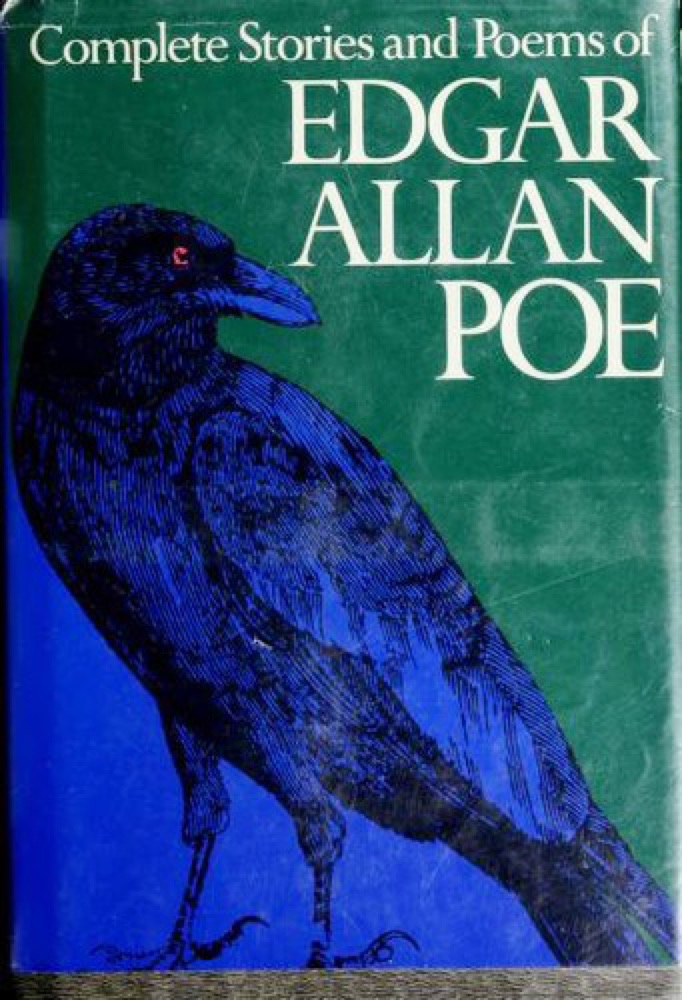 Poems of Edgar Allan Poe
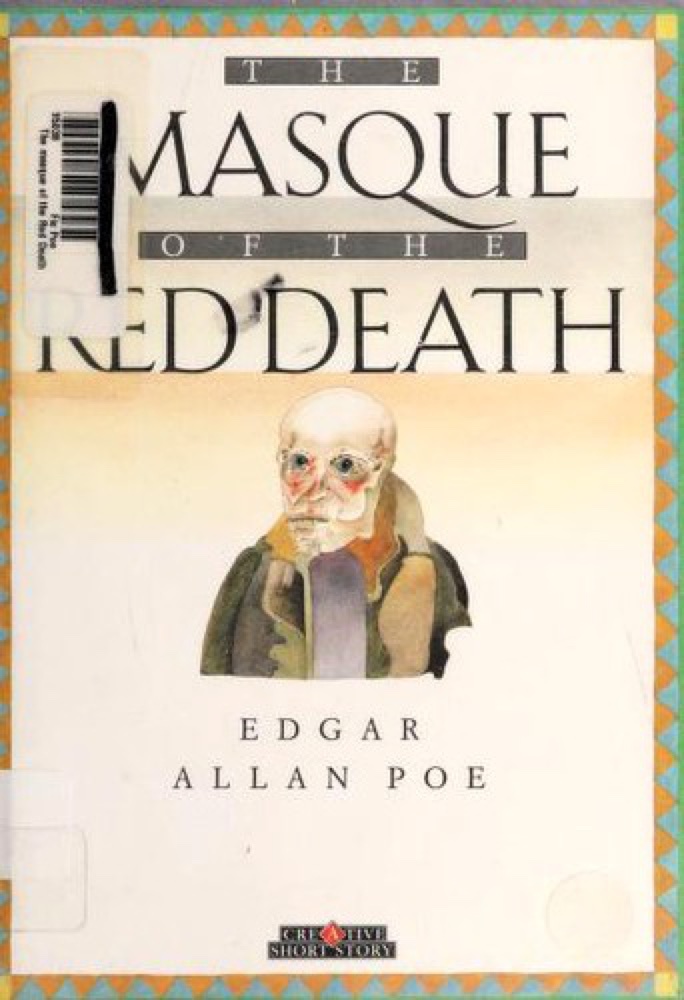 The Masque of the Red Death
About the book
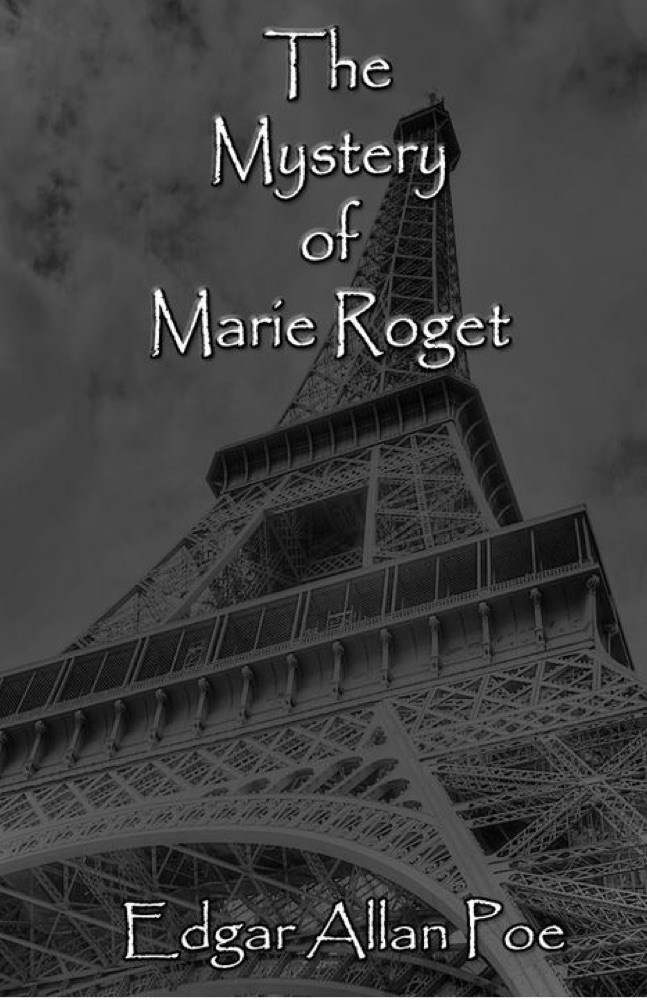
".. Marie Roget" is often subtitled "A Sequel to The Murders in the Rue Morgue." It is a short story by Edgar Allan Poe written in 1842 and is the first fictional murder mystery based on the details of a real crime. It appeared in "Snowden's Ladies' Companion" in three installments, November and December 1842, and February 1843.
The unfortunate young woman in the story was a perfume shop assistant in Paris; one Sunday she failed to return after a visit to her aunt elsewhere in the city. The Paris police department consult with C. Auguste Dupin on the tragic events. The story was based on the facts outlined in many New York City newspapers of a real murder which had occurred in the American city a year earlier.
Librarian's note: this entry is for the story "The Mystery of Marie Roget." It is the second of three in the author's Dupin series. Collections of the series, and other stori
Book details
- First published
- 1842
- Author
- Edgar Allan Poe
- Genre
- Classics
- Goodreads rating
- 2.93 (4k ratings)
Keep reading
 Dialogues Concerning Natural Religion
 An Enquiry Concerning Human Understanding
 Critique of Pure Reason
 An Essay Concerning Human Understanding
 Discourse on Method and Meditations on First Philosophy
 A Treatise of Human Nature
 The Occult
 On Truth and Lies in a Nonmoral Sense
 The Meaning of It All: Thoughts of a Citizen-Scientist
 The Crisis of the Modern World
 The Mind of the Maker: Dorothy L. Sayers' Witty Classic on the Trinity, Christianity, and Human Creativity
 The World as Will and Representation, Vol 1
 Pensées
 The Perennial Philosophy
 From Dawn to Decadence: 500 Years of Western Cultural Life, 1500 to the Present
 Galileo
 A History of Western Philosophy
 The Essays of Ralph Waldo Emerson
 The World's Last Night: And Other Essays
 Metaphysics
 Twilight of the Idols/The Anti-Christ
 Human, All Too Human
 Philosophical Dictionary
 The Varieties of Religious Experience
 The Everlasting Man
 The Island of the Day Before
 Erewhon
 Arcadia
 When I Was a Child I Read Books
 The Problems of Philosophy
 Why Does the World Exist?: An Existential Detective Story
 Heretics
 Sherlock Holmes
 The Discovery of India
 Elizabeth Costello
 The Discarded Image: An Introduction to Medieval and Renaissance Literature
 The Murders in the Rue Morgue
 The Spinoza Problem
 A Study in Scarlet
 Truth and Method
 Gnomon
 Hercule Poirot: The Complete Short Stories
 The Magic Mountain
 Myths to Live By
 Mystery and Manners: Occasional Prose
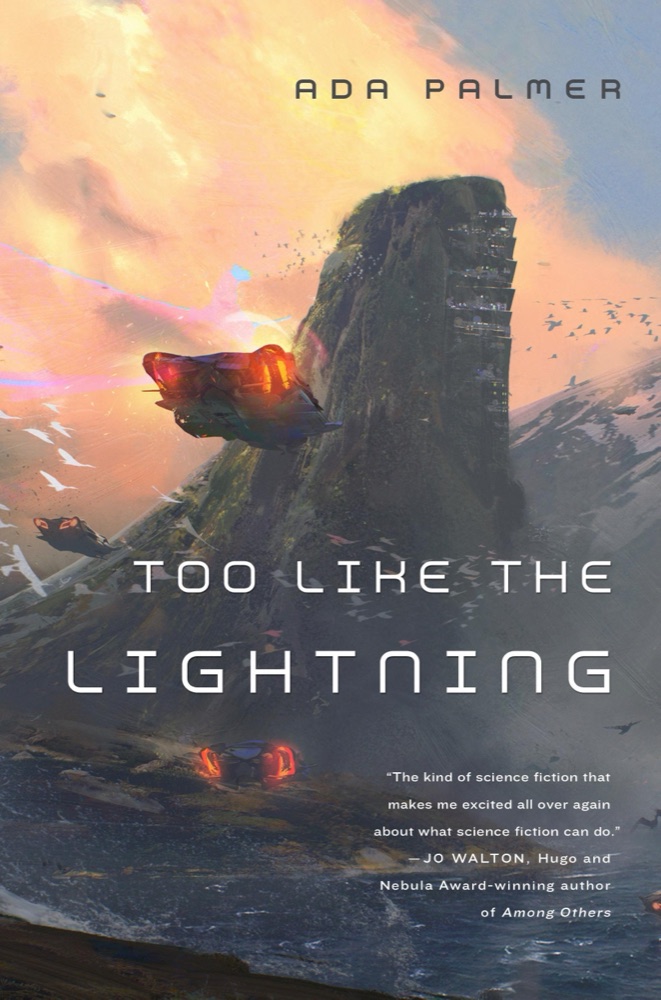 Too Like the Lightning
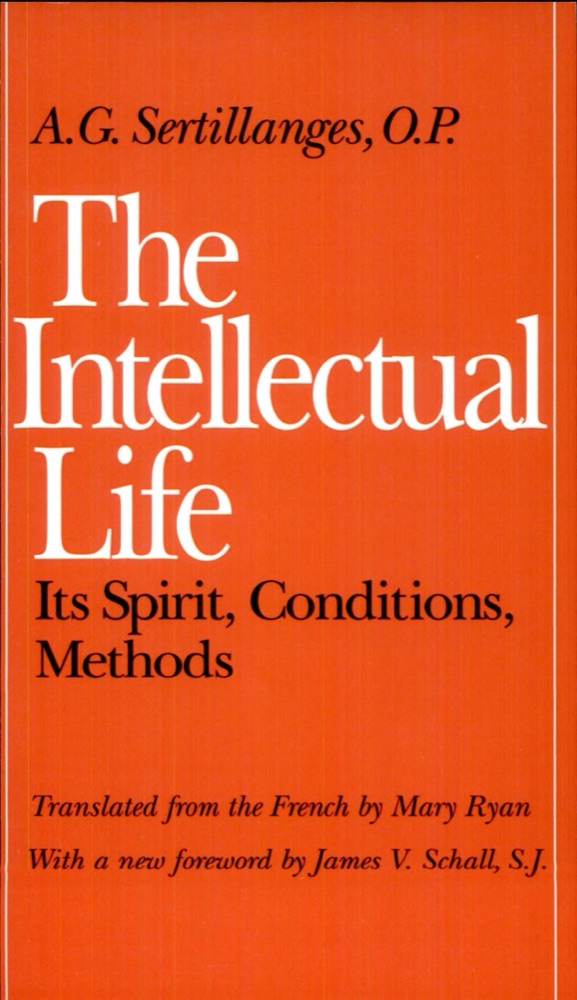 The Intellectual Life: Its Spirit, Conditions, Methods
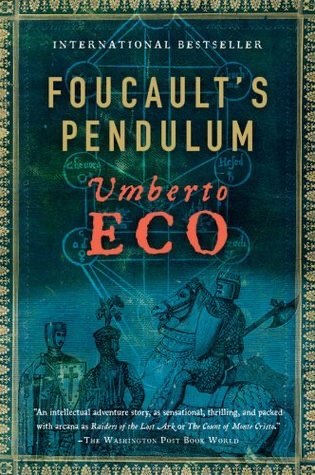 Foucault's Pendulum
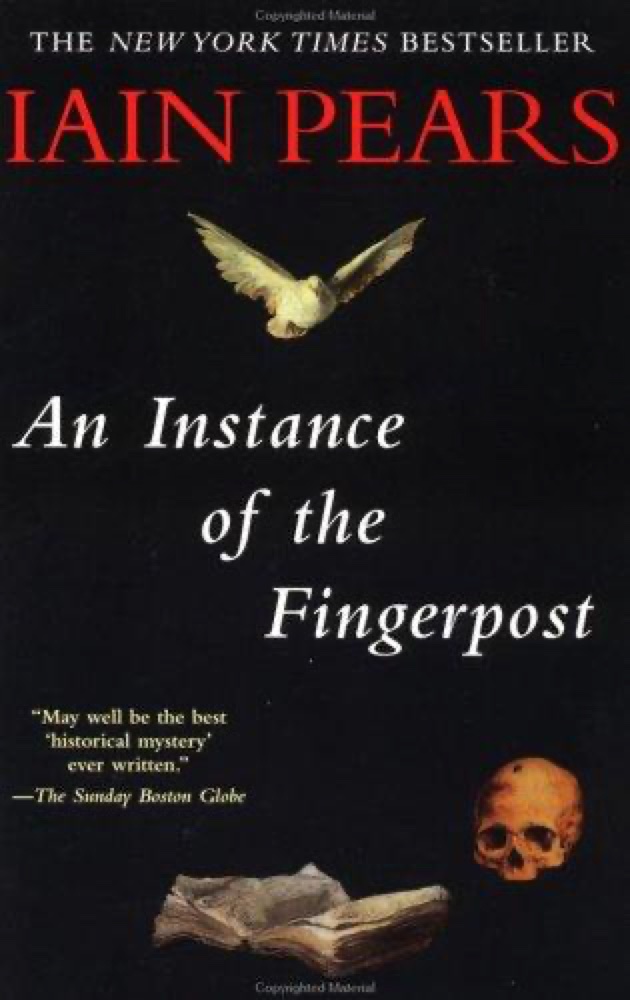 An Instance of the Fingerpost
 In the Light of What We Know
 36 Arguments for the Existence of God: A Work of Fiction
 Orthodoxy
 Why People Believe Weird Things: Pseudoscience, Superstition, and Other Confusions of Our Time
 Introductory Lectures on Psychoanalysis
 The Essential Writings of Ralph Waldo Emerson
 Last and First Men
 The Man Without Qualities
 The Future of an Illusion
 A Philosophical Enquiry into the Origin of Our Ideas of the Sublime and Beautiful
 The Ascent of Man