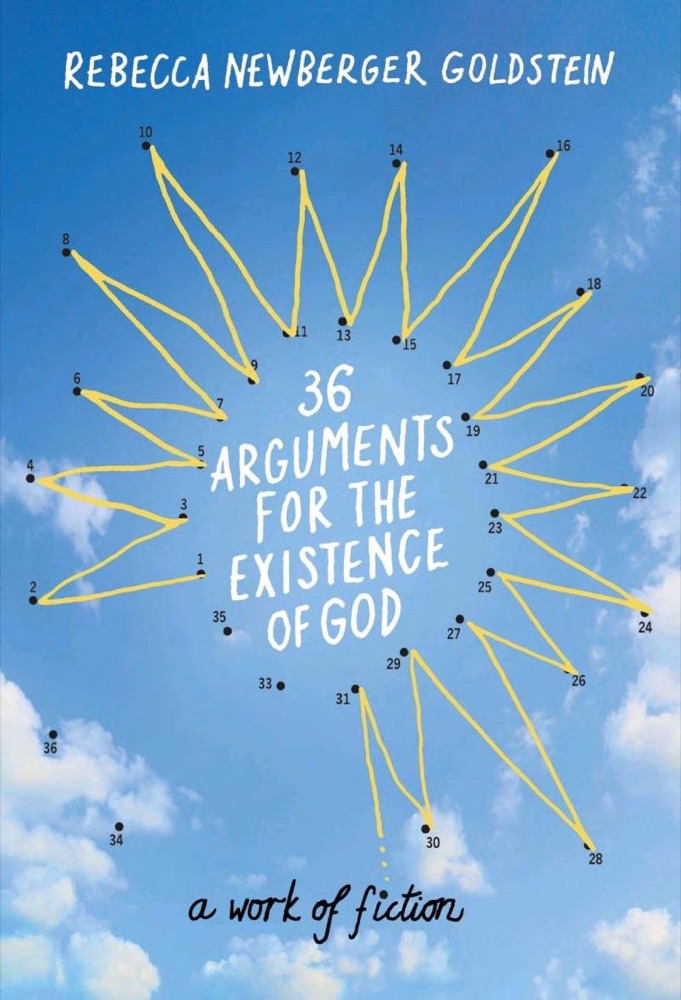

 Twilight of the Idols/The Anti-Christ
Quotes from the Book
We must believe that he will come but never believe that he is come. There is no Messiah but an uncome Messiah.
8
It’s a tiresome proposition, having to take up the work of the Enlightenment all over again, but it’s happened on your watch.
7
Rational self-interest is always what morality boils down to.
5
When you didn't force yourself to think in formal reconstructions, when you didn't catch these moments of ravishments under the lens of premises and conclusions, when you didn't impale them and label them, like so many splayed butterflies, bleeding the transcendental glow right out of them, then... what?
2
And if the prodigious genius of Azarya Sheiner has never found the solution, then perhaps that is proof that no solution exists, that the most gifted among us is feeble in mind against the brutality of incomprehensibility that assutalts us from all sides. And so we try, as best we cn, to do justice to the tremendousness of our improbable existence. And so we live, as best we can, for ourselves, or who will live for us? And we live, as best we can, for others, otherwise what are we?
2
one evangelical scientist who had felt his doubts falling away from him when he was hiking in the mountains and came upon a frozen waterfall—in fact a trinity of a frozen waterfall, with three parts to it. “At that moment, I felt my resistance leave me. And it was a great sense of relief.
2
He hadn’t altogether gotten it himself until this moment of seeing straight through to the soul of her.
1
leave me. And it was a great sense of relief. The
1
how irrelevant the belief in God can be to religious experience—so irrelevant that the emotional structure of religious experiences can be transplanted to completely godless contexts with little of the impact lost—and when he had also, almost as an afterthought, included as an appendix thirty-six arguments for the existence of God, with rebuttals, his claim being that the most thorough demolition of these arguments would make little difference to the felt qualities of religious experience,
1
You ought to have sent up a balloon now and then to get a read on the prevailing cognitive conditions, the Thinks watching out for the Think-Nots. Now you’ve gone and let the stockpiling of fallacies reach dangerous levels, and the massed weapons of illogic are threatening the survivability of the globe.
It's deplorable that academia should prostitute itself, but there it is. Not even Harvard is above it. In fact, Harvard least of all, with that ludicrous delusion of self-importance that makes every Harvard professor feel he's a public intellectual, qualified to comment on issues far beyond his expertise.
2. The Ontological Argument Nothing greater than God can be conceived (this is stipulated as part of the definition of “God”). It is greater to exist than not to exist. If we conceive of God as not existing, then we can conceive of something greater than God (from 2). To conceive of God as not existing is not to conceive of God (from 1 and 3). It is inconceivable that God not exist (from 4). God exists. This argument, first articulated by Saint Anselm (1033–1109), the Archbishop of Canterbury, is unlike any other, proceeding purely on the conceptual level. Everyone agrees that the mere existence of a concept does not entail that there are examples of that concept; after all, we can know what a unicorn is and at the same time say, “Unicorns don’t exist.” The claim of The Ontological Argument is that the concept of God is the one exception to this generalization. The very concept of God, when defined correctly, entails that there is something that satisfies that concept. Although most people suspect that there is something wrong with this argument, it’s not so easy to figure out what it is. FLAW: It was Immanuel Kant who pinpointed the fallacy in The Ontological Argument—it is to treat “existence” as a property, like “being fat” or “having ten fingers.” The Ontological Argument relies on a bit of wordplay, assuming that “existence” is just another property, but logically it is completely different. If you really could treat “existence” as just part of the definition of the concept of God, then you could just as easily build it into the definition of any other concept. We could, with the wave of our verbal magic wand, define a trunicorn as “a horse that (a) has a single horn on its head, and (b) exists.” So, if you think about a trunicorn, you’re thinking about something that must, by definition, exist; therefore, trunicorns exist. This is clearly absurd: we could use this line of reasoning to prove that any figment of our imagination exists.
Richard Nixon had made a fatal error in ignoring the politico-meteorological dimension when he announced the expansion of the Vietnam War into Cambodia on April 30, 1970. The invasion of Laos, on the other hand, happened in February 1971, and the campuses were quiet. Who wants to stage a walkout in February?
Watch on YouTube
About Rebecca Goldstein
We have collected 13 quotes from 1 book by Rebecca Goldstein on BookQuoters.
More about the author →About the book
After Cass Seltzer’s book becomes a surprise best seller, he’s dubbed “the atheist with a soul” and becomes a celebrity. He wins over the stunning Lucinda Mandelbaum, “the goddess of game theory,” and loses himself in a spiritually expansive infatuation. A former girlfriend an anthropologist who invites him to join in her quest for immortality through biochemistry. And he is haunted by reminders of the two people who ignited his passion to understand his mentor and professor—a renowned literary scholar with a suspicious obsession with messianism—and an angelic six-year-old mathematical genius who is heir to the leadership of a Hasidic sect. Each encounter reinforces Cass’s theory that the religious impulse spills over into life at large.
36 Arguments for the Existence of God plunges into the great debate of our the clash between faith and reason. World events are being shaped by ferven
Book details
- First published
- 2009
- Author
- Rebecca Goldstein
- Genre
- Fiction
- Goodreads rating
- 3.57 (2k ratings)
Keep reading
Twilight of the Idols/The Anti-Christ
 Orthodoxy
 The Everlasting Man
 The Age of Reason
 Foucault's Pendulum
 The Man Without Qualities
 Children of God
 Reasonable Faith
 The Portable Atheist: Essential Readings for the Nonbeliever
 The Varieties of Religious Experience
 Eyeless in Gaza
 Living with a Wild God: A Nonbeliever's Search for the Truth about Everything
 The World's Last Night: And Other Essays
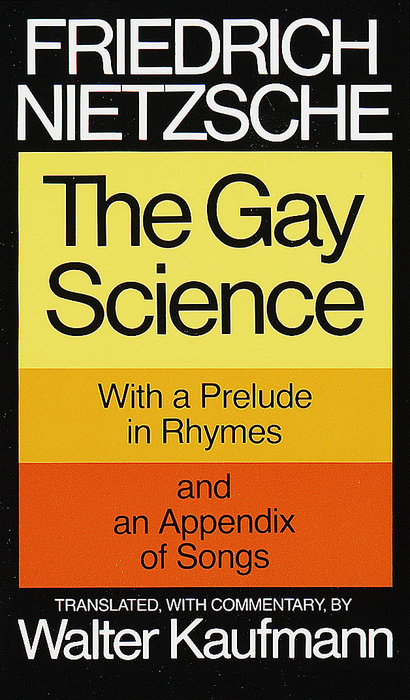 The Gay Science
 The Myth of Sisyphus
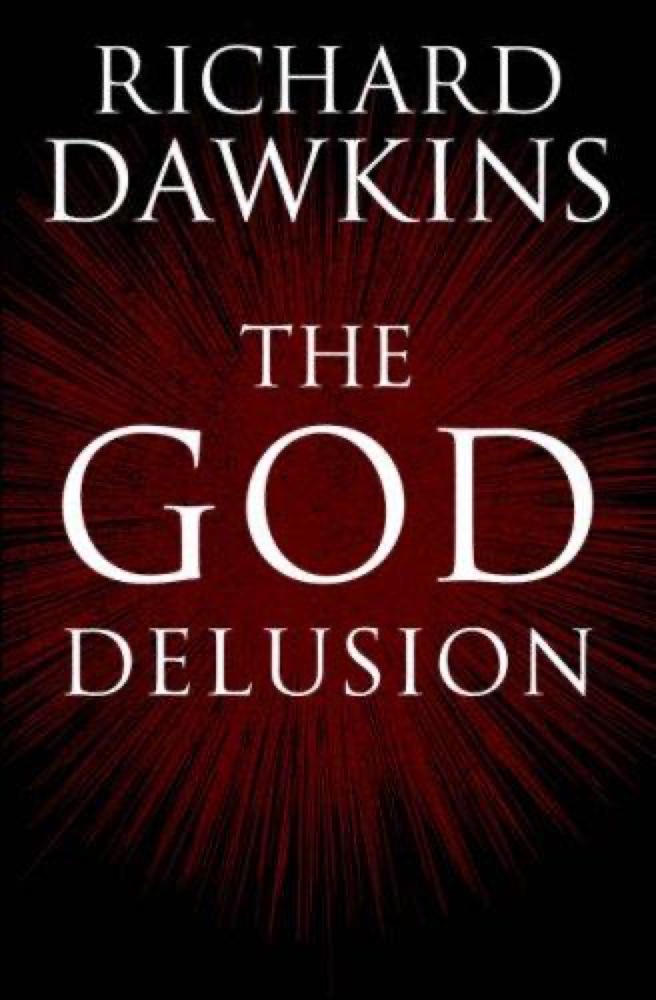 The God Delusion
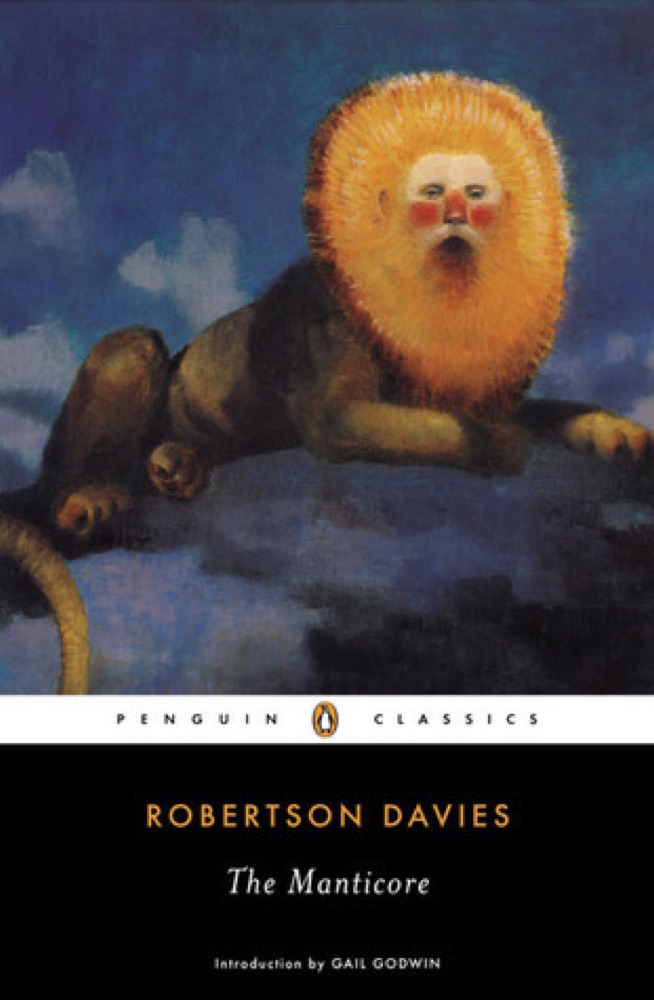 The Manticore
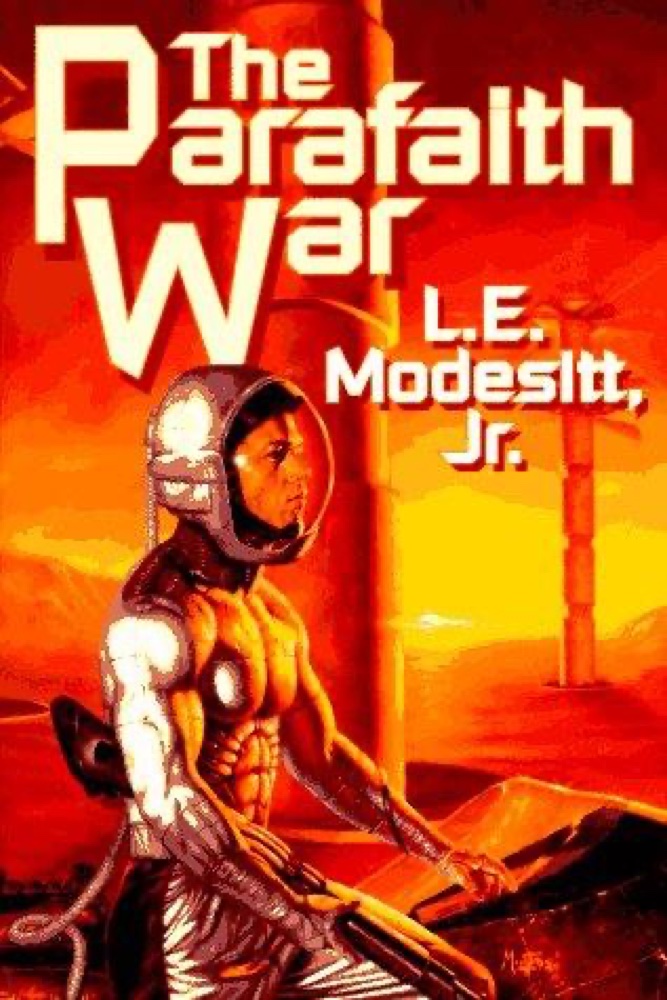 The Parafaith War
 The Perennial Philosophy
 The Story of My Experiments With Truth
 Twilight of the Idols
 Heretics
 The Elementary Particles
 The Spinoza Problem
 In the Light of What We Know
 The Schopenhauer Cure
 Breaking the Spell: Religion as a Natural Phenomenon
 The Finkler Question
 Critique of Pure Reason
 The Fall
 The Fall of Hyperion
 Under the Glacier
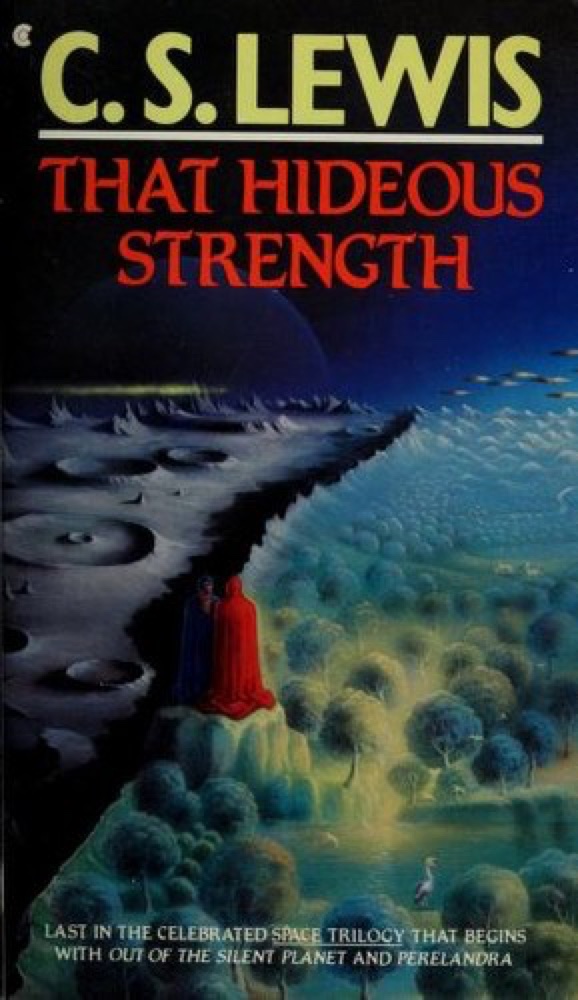 That Hideous Strength
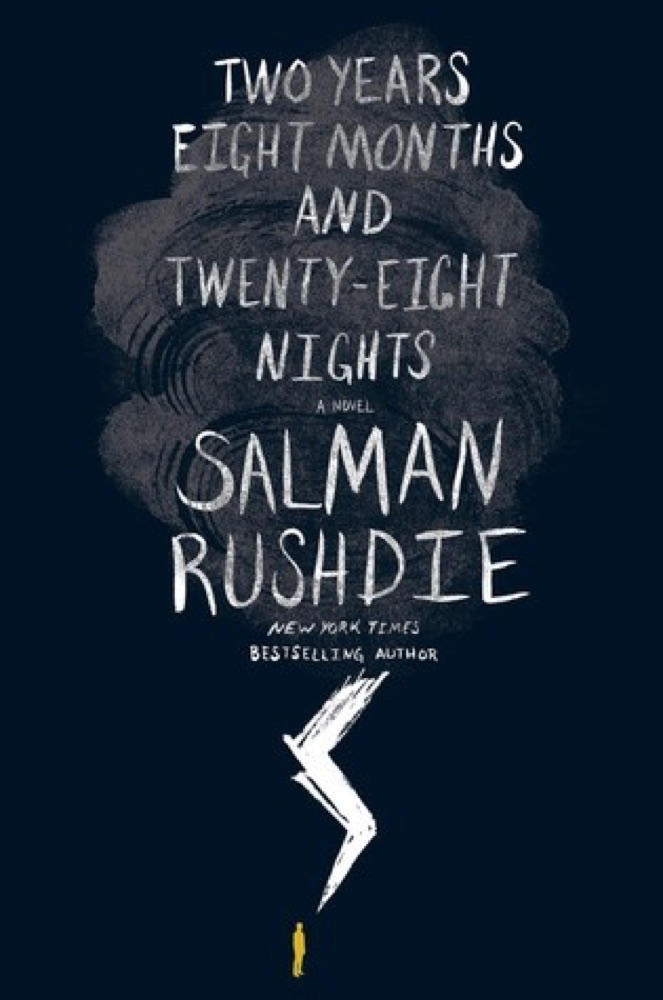 Two Years Eight Months and Twenty-Eight Nights
 Surprised by Joy: The Shape of My Early Life
 The Man in the High Castle
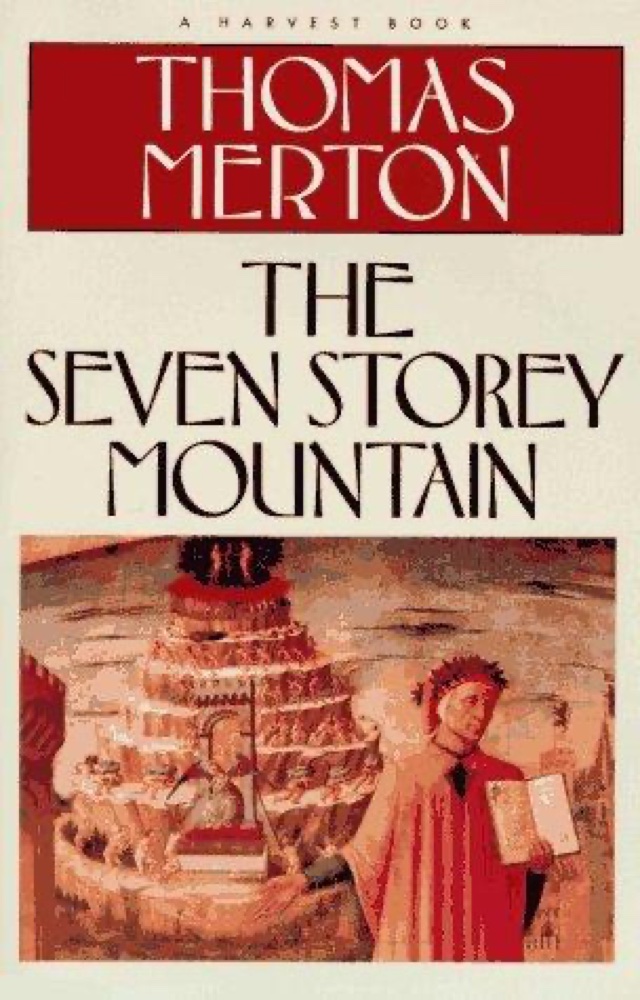 The Seven Storey Mountain
 The Idiot
 When I Was a Child I Read Books
 Villa Incognito
 The Morning Star
 The Myth of Sisyphus and Other Essays
 The Sparrow
 The Fall of Babel
 Demons
 Skinny Legs and All
 The Magic Mountain
 The Gone-Away World
 Miracles: What They Are, Why They Happen, and How They Can Change Your Life
 The Star Diaries
 Dialogues Concerning Natural Religion
 Infinite Jest
 The Mind of the Maker: Dorothy L. Sayers' Witty Classic on the Trinity, Christianity, and Human Creativity
 The Closing of the American Mind
 Why Does the World Exist?: An Existential Detective Story
 Three Daughters of Eve
 Eifelheim
 A Connecticut Yankee in King Arthur's Court
 The Fountainhead