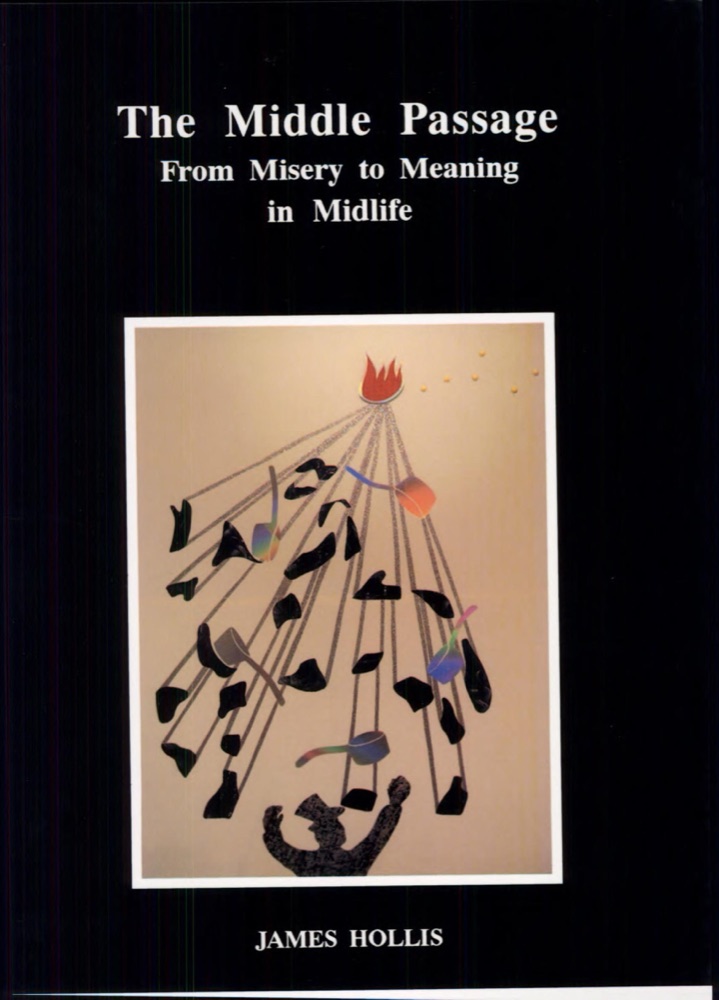

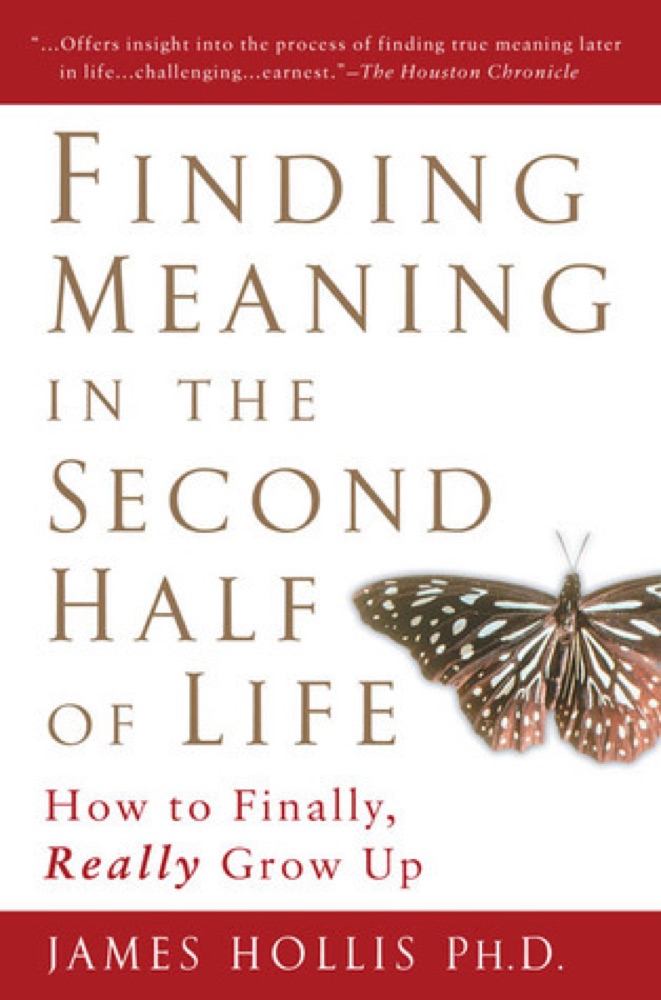
 Finding Meaning in the Second Half of Life: How to Finally, Really Grow Up
Quotes from the Book
The capacity for growth depends on one’s ability to internalize and to take personal responsibility. If we forever see our life as a problem caused by others, a problem to be "solved," then no change will occur.
76
The paradox of individuation is that we best serve intimate relationship by becoming sufficiently developed in ourselves that we do not need to feed off others.
59
The act of consciousness is central; otherwise we are overrun by the complexes. The hero in each of us is required to answer the call of individuation. We must turn away from the cacaphony of the outerworld to hear the inner voice. When we can dare to live its promptings, then we achieve personhood. We may become strangers to those who thought they knew us, but at least we are no longer strangers to ourselves.
50
Fear of our own depths is the enemy.
31
The goal of individuation is wholeness, as much as we can accomplish, not the triumph of the ego.
21
One of the most powerful shocks of the Middle Passage is the collapse of our tacit contract with the universe–the assumption that if we act correctly, if we are of good heart and good intentions, things will work out. We assume a reciprocity with the universe. If we do our part, the universe will comply. Many ancient stories, including the Book of Job, painfully reveal the fact that there is no such contract, and everyone who goes through the Middle Passage is made aware of it.
20
If we realize that the assumptions by which the person has lived his or her life are collapsing, that the assembled strategies of the provisional personality are decompensating, that a world-view is falling apart, than the thrashing about is understandable. In fact, one might even conclude that there is no such thing as a crazy act if one understands the emotional context. Emotions are not chosen they choose us and have a logic of their own.
4
The urgency of their unlived lives causes them to make bad choices.
Since the culture most of us have inherited offers little mythic mediation for the placement of self in a larger context, it is all the more imperative that the individual enlarge his or her vision.
One should not automatically applaud the fifty-year marriage without knowing what happened to the souls of those in the relationship.
The disparity between the inner sense of self and the acquired personality becomes so great that the suffering can no longer be suppressed or compensated.
Our lives are tragic only to the degree that we remain unconscious of both the role of the autonomous complexes and the growing divergence between our nature and our choices.
None of us can help the things life has done to us. They’re done before you realize it. And once they’re done, they make you do other things until at last everything comes between you and what you’d like to be, and you’ve lost your true self forever.[
Watch on YouTube
About James Hollis
We have collected 42 quotes from 2 books by James Hollis on BookQuoters.
More about the author →More by James Hollis
Finding Meaning in the Second Half of Life: How to Finally, Really Grow Up
About the book
Why do so many go through so much disruption in their middle years? Why then? Why do we consider it to be a crisis?
The Middle Passage presents us with an opportunity to reexamine our lives and to ask: "Who am I apart from my history and the roles I have played?" It is an occasion for redefining and reorienting the personality, a necessary rite of passage between the extended adolescence of the first adulthood and our inevitable appointment with old age and mortality.
The Middle Passage addresses the following issues: How did we acquire our original sense of self? What are the changes that herald the Middle Passage? How does one revision the sense of self? What is the relationship between Jung's concept of individuation and our commitment to others? What attitudes and behavior support individuation and help us move from misery to meaning?
This book shows how we may travel the
Book details
- First published
- 1993
- Author
- James Hollis
- Genre
- Nonfiction
- Goodreads rating
- 4.44 (2k ratings)
Keep reading
Finding Meaning in the Second Half of Life: How to Finally, Really Grow Up
 Passages: Predictable Crises of Adult Life
 Toward a Psychology of Being
 If You Meet the Buddha on the Road, Kill Him! The Pilgrimage of Psychotherapy Patients
 Man's Search for Himself
 When Nietzsche Wept
 The Art of Being
 Six Pillars of Self-Esteem
 The School of Life: An Emotional Education
 The Book: On the Taboo Against Knowing Who You Are
 Existential Psychotherapy
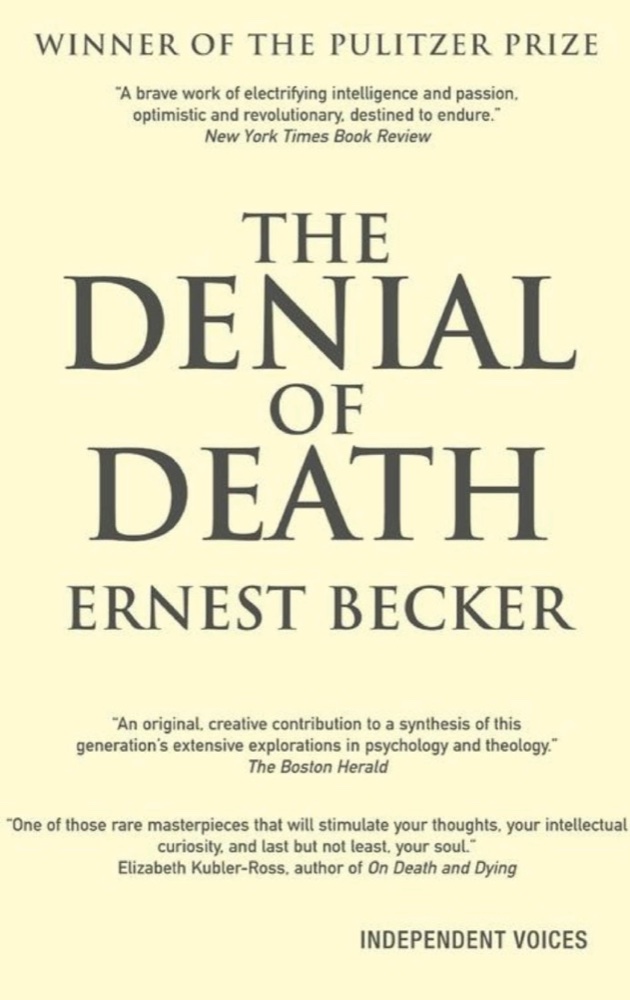 The Denial of Death
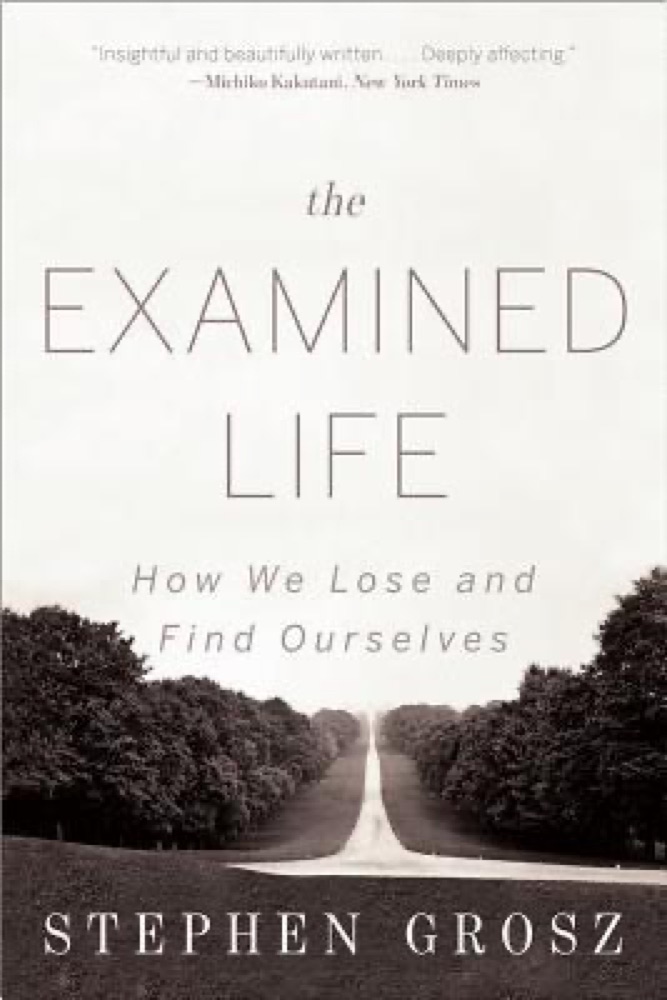 The Examined Life: How We Lose and Find Ourselves
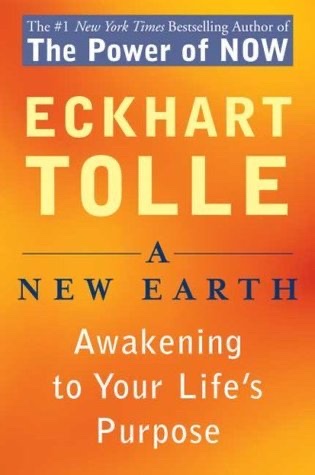 A New Earth: Awakening to Your Life's Purpose
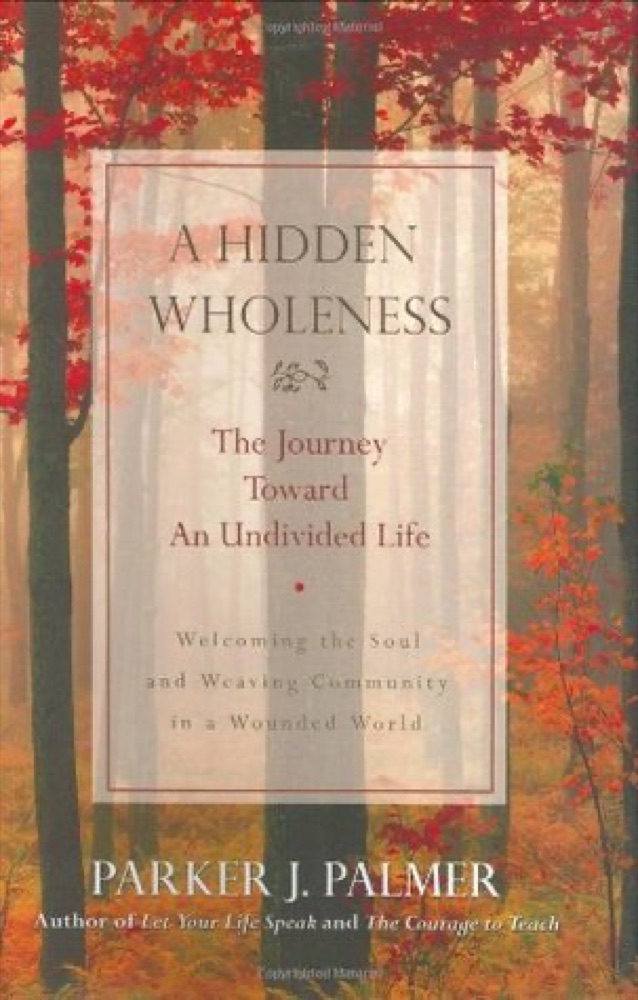 A Hidden Wholeness: The Journey Toward an Undivided Life : Welcoming the soul and weaving community in a wounded world
 Man's Search for Meaning
 The Road Less Travelled
 Letting Go of the Person You Used to Be: Lessons on Change, Loss, and Spiritual Transformation
 Love's Executioner and Other Tales of Psychotherapy
 When Things Fall Apart: Heart Advice for Difficult Times
 Modern Man in Search of a Soul
 Let Your Life Speak: Listening for the Voice of Vocation
 The Children of Men
 The Doors of Perception
 Thoughts Without A Thinker: Psychotherapy From A Buddhist Perspective
 In Search of Lost Time
 Advice Not Given: A Guide to Getting Over Yourself
 Status Anxiety
 Civilization and Its Discontents
 Selfie: How the West Became Self-Obsessed
 The Untethered Soul: The Journey Beyond Yourself
 12 Rules for Life: An Antidote to Chaos
 Escape from Freedom
 Ethics for the New Millennium
 The Measure of a Man: A Spiritual Autobiography
 The Divided Self: An Existential Study in Sanity and Madness
 The Tenth Insight: Holding the Vision
 Going to Pieces without Falling Apart: A Buddhist Perspective on Wholeness
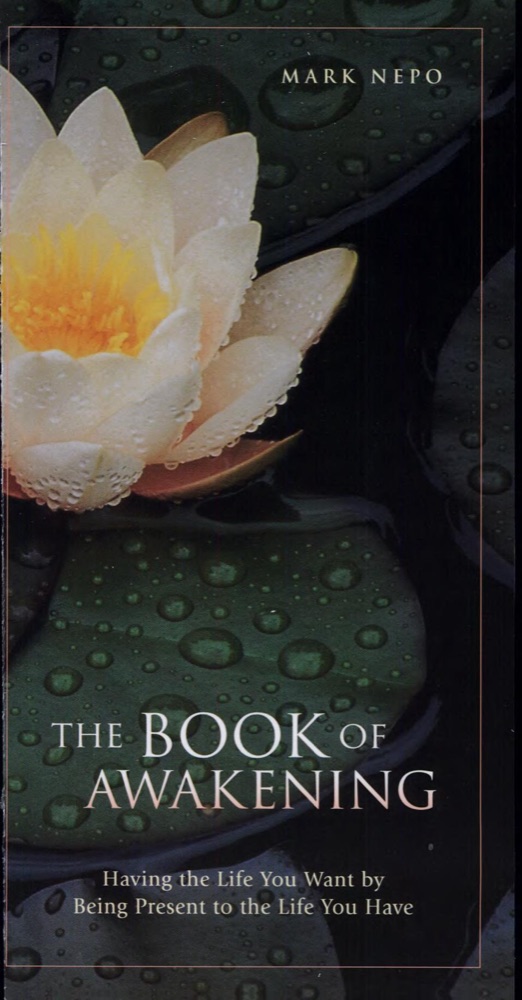 The Book of Awakening: Having the Life You Want by Being Present to the Life You Have
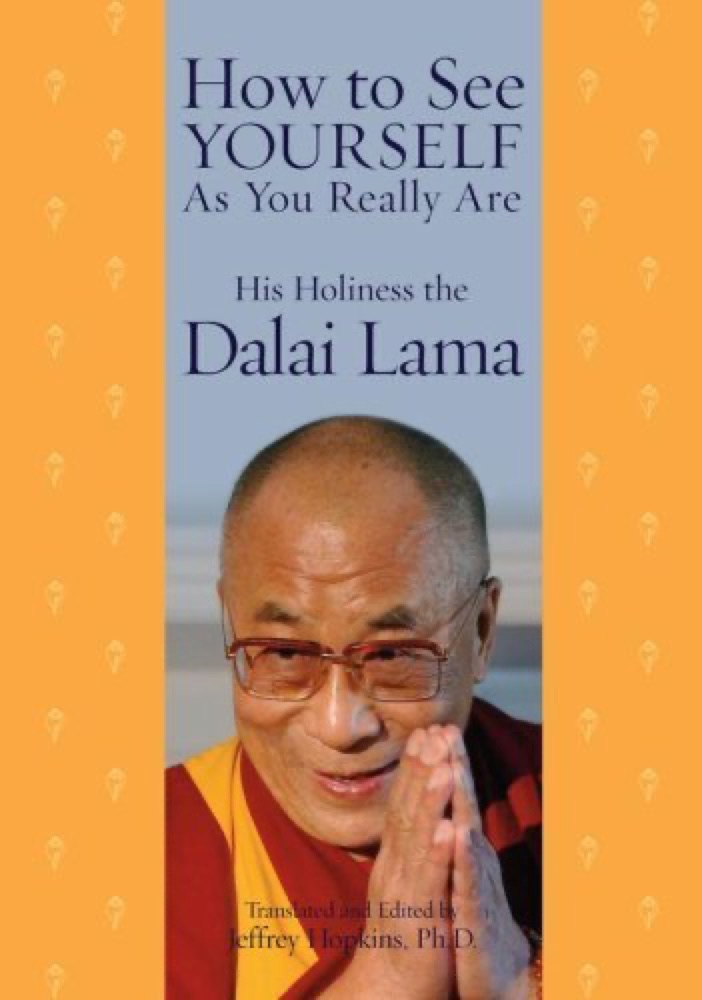 How to See Yourself As You Really Are
 The Drama of the Gifted Child: The Search for the True Self
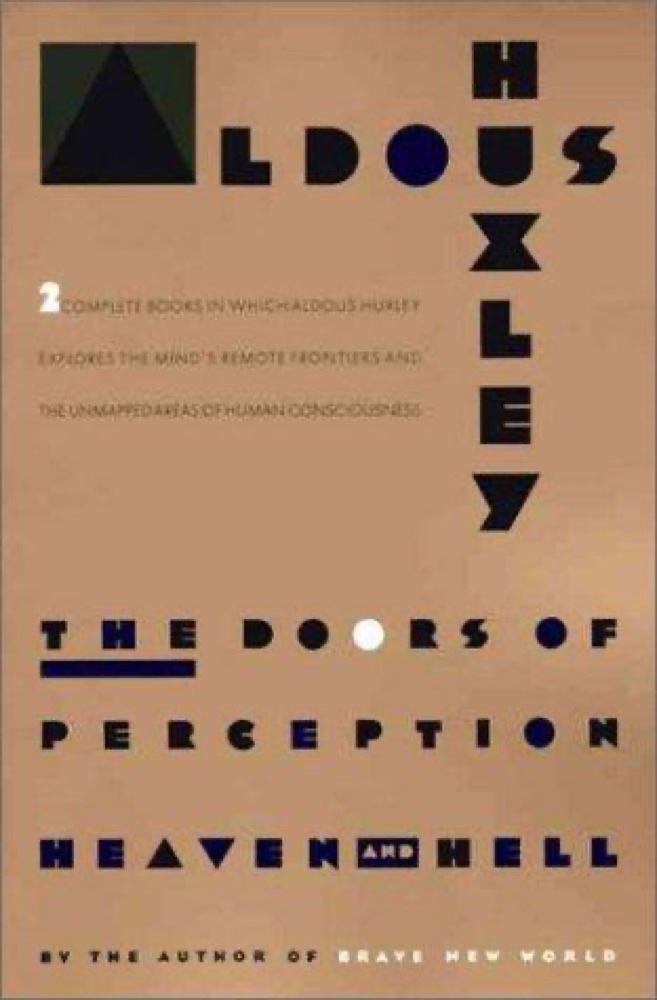 The Doors of Perception & Heaven and Hell
 Untamed
 Maybe You Should Talk to Someone: A Therapist, Her Therapist, and Our Lives Revealed
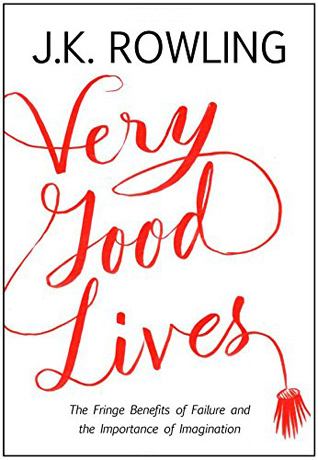 Very Good Lives: The Fringe Benefits of Failure and the Importance of Imagination
 The Politics of Experience/The Bird of Paradise
 Middlemarch
 The Wisdom of Insecurity: A Message for an Age of Anxiety
 The Consolations of Philosophy
 Like Streams to the Ocean: Notes on Ego, Love, and the Things That Make Us Who We Are
 Missing Out: In Praise of the Unlived Life
 We Learn Nothing
 The Source of Self-Regard: Selected Essays, Speeches, and Meditations
 The First and Last Freedom
 Consolations: The Solace, Nourishment and Underlying Meaning of Everyday Words
 Underground: The Tokyo Gas Attack and the Japanese Psyche
 The Myth of Sisyphus