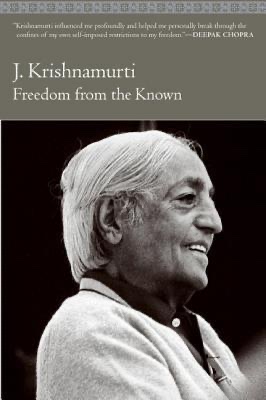
 Freedom from the Known
Quotes from the Book
Because we want to be inwardly secure, we are constantly seeking methods and means for this security, and thereby we create authority, the worship of another, which destroys comprehension, that spontaneous tranquility of mind in which alone there can be a state of creativeness.
Love is love, not to be defined or described by the mind as exclusive or inclusive. Love is its own eternity: it is the real, the supreme, the immeasurable.
One of the fundamental causes of the disintegration of society is copying, which is the worship of authority.
We are so sluggish in our mentality that we think the world's problems are not our business, that they have to be resolved by the United Nations or by substituting new leaders for the old.
If, living in the world, you refuse to be a part of it, you will help others out of this chaos - not in the future, not tomorrow, but now.
There must be a certain amount of imitation, copying, in outward technique, but when there is inward, psychological imitation surely we cease to be creative.
If I follow a particular method of knowing myself, then I shall have the result which that system necessitates; but the result will obviously not be the understanding of myself.
Authority in its very nature prevents the full awareness of oneself and therefore ultimately destroys freedom; in freedom alone can there be creativeness.
What we are trying to do is to understand this confusion and not cover it up with quotations.
If, living in the world, you refuse to be a part of it, you will help other out of this chaos - not in the future, not tomorrow, but now.
The pursuit, all the world over, of gurus and their systems, reading the latest books on this and that, and so on, seems to me so utterly empty, so utterly futile, for you may wander all over the earth but you have to come back to yourself. And, as most of us are totally unaware of ourselves, it is extremely difficult to begin to see clearly the process of our thinking and feeling and acting. The
In order to transform the world about us, with its misery, wars, unemployment, starvation, class divisions and utter confusion, there must be a transformation in ourselves. The revolution must begin within oneself – but not according to any belief or ideology, because revolution based on an idea, or in conformity to a particular pattern, is obviously no revolution at all. To bring about a fundamental revolution in oneself, one must understand the whole process of one’s thought and feeling in relationship. That is the only solution to all our problems – not to have more disciplines, more beliefs, more ideologies and more teachers. If we can understand ourselves as we are from moment to moment without the process of accumulation, then we shall see how there comes a tranquillity that is not a product of the mind, a tranquillity that is neither imagined nor cultivated; and only in that state of tranquillity can there be creativeness.
Watch on YouTube
About Jiddu Krishnamurti
We have collected 59 quotes from 3 books by Jiddu Krishnamurti on BookQuoters.
More about the author →More by Jiddu Krishnamurti
Freedom from the Known
 Total Freedom: The Essential Krishnamurti
Book details
- Author
- Jiddu Krishnamurti
- Genre
- Philosophy
- Goodreads rating
- 4.24 (4k ratings) →
Keep reading
 The Art of Being
 Revolution
Freedom from the Known
Revolution
Freedom from the Known
 Escape from Freedom
 The Book: On the Taboo Against Knowing Who You Are
 The Way of Zen
 Children of Dune
 A New Earth: Awakening to Your Life's Purpose
 The Dispossessed
Total Freedom: The Essential Krishnamurti
The Dispossessed
Total Freedom: The Essential Krishnamurti
 Creativity: Unleashing the Forces Within
 The Source of Self-Regard: Selected Essays, Speeches, and Meditations
 Untimely Meditations
 The Republic
 Discourses and Selected Writings
 The Freedom Manifesto
 1984
1984
 12 Rules for Life: An Antidote to Chaos
 Walden Two
 Mastery
 Twilight of the Idols
 Orbiting the Giant Hairball: A Corporate Fool's Guide to Surviving with Grace
 The Wisdom of Insecurity: A Message for an Age of Anxiety
 Buddhism Plain & Simple: The Practice of Being Aware, Right Now, Every Day
 If You Meet the Buddha on the Road, Kill Him! The Pilgrimage of Psychotherapy Patients
 Self-Reliance: An Excerpt from Collected Essays, First Series
 Self-Reliance and Other Essays
 Letters from a Stoic
 The Ethics of Ambiguity
 The Fire Next Time
 The Middle Passage: From Misery to Meaning in Midlife
 When Nietzsche Wept
 Ethics for the New Millennium
 Thoughts in Solitude
 You Learn by Living: Eleven Keys for a More Fulfilling Life
 The World-Ending Fire: The Essential Wendell Berry
 Change Your Thoughts - Change Your Life: Living the Wisdom of the Tao
 365 Tao: A Study of Taoist Wisdom for Daily Life
 The Sane Society
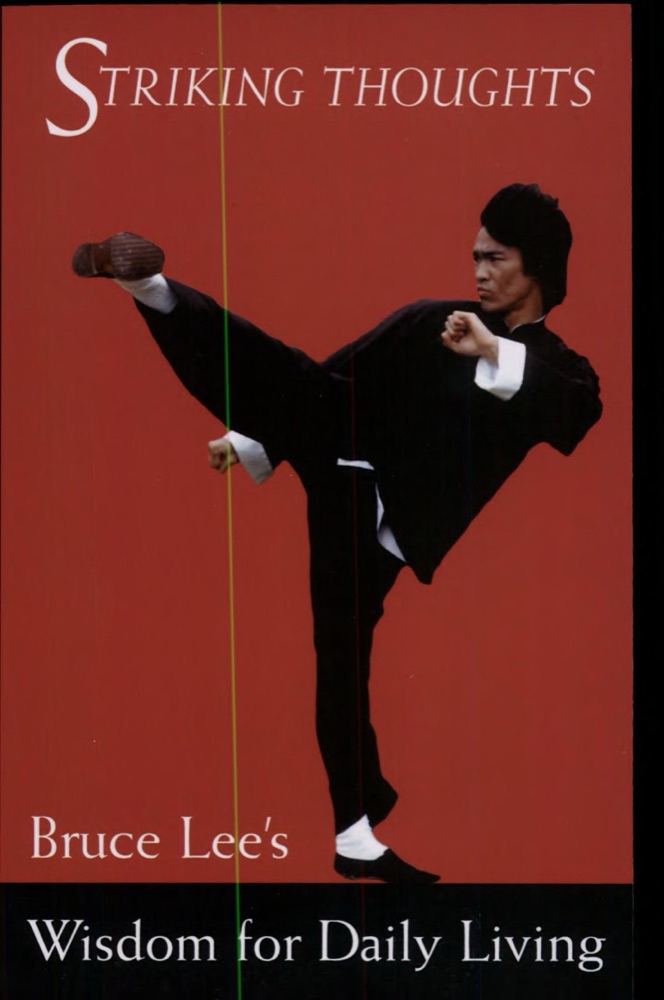 Striking Thoughts: Bruce Lee's Wisdom for Daily Living
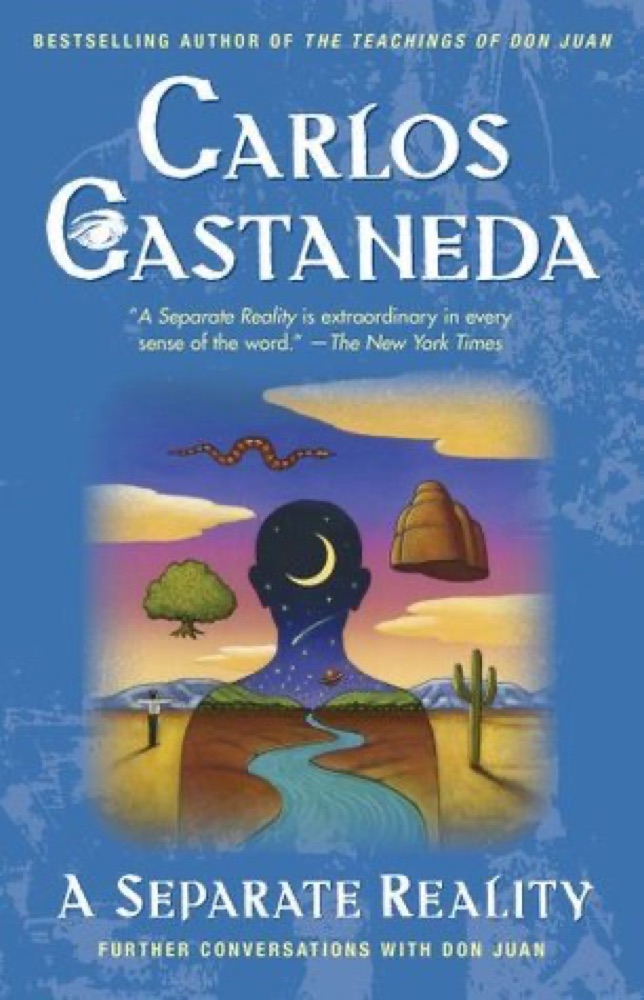 A Separate Reality
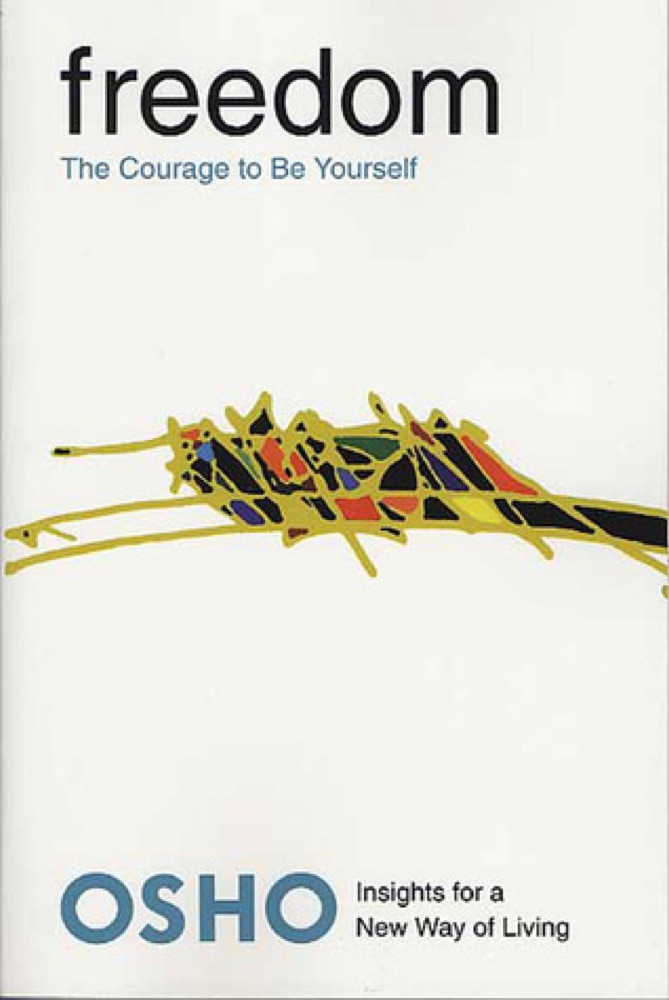 Freedom: The Courage to Be Yourself
 Surrender: 40 Songs, One Story
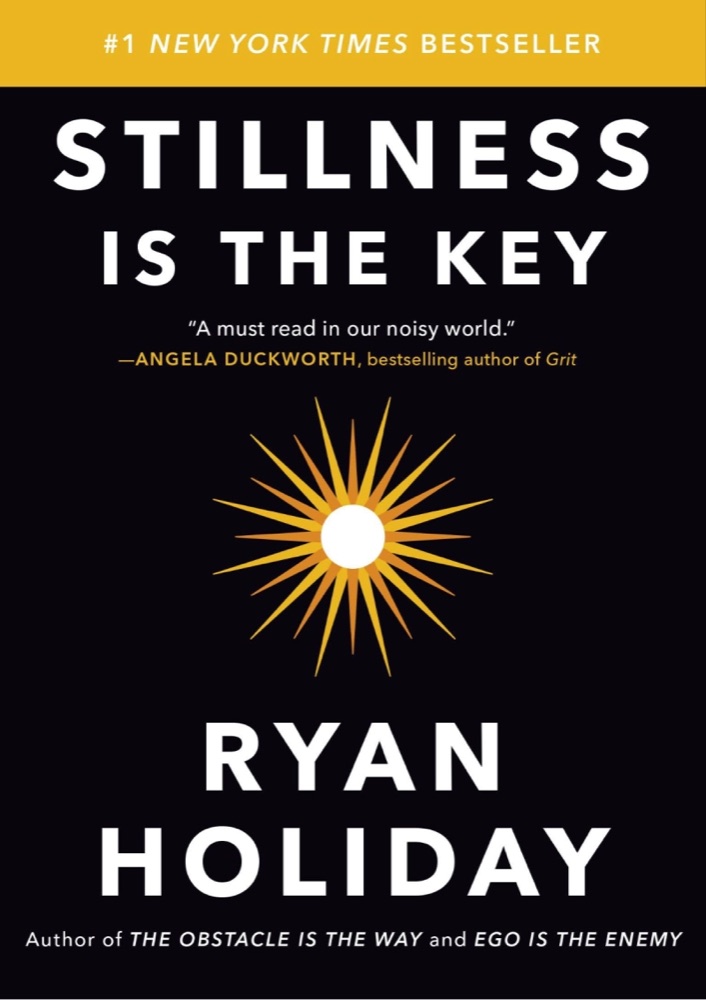 Stillness Is the Key
 Finding Meaning in the Second Half of Life: How to Finally, Really Grow Up
 Anthills of the Savannah
 Genesis
 The Wisdom of No Escape: How to Love Yourself and Your World
 Zen and the Art of Saving the Planet
 Tao Te Ching
 Man's Search for Meaning
 How to See Yourself As You Really Are
 Civilization and Its Discontents
 Island
 The Denial of Death
 The Essential Writings of Ralph Waldo Emerson
 Toward a Psychology of Being
 The Handmaid's Tale