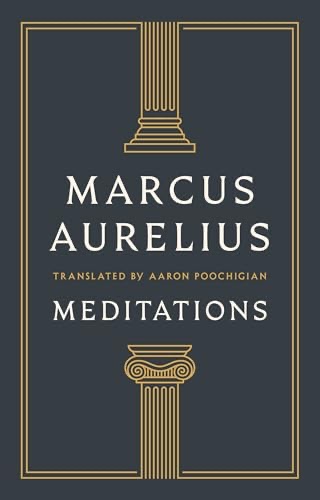
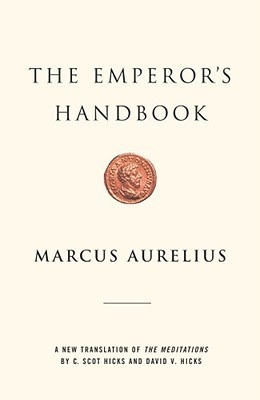
 The Emperor's Handbook
Quotes from the Book
You have power over your mind - not outside events. Realize this, and you will find strength.
Dwell on the beauty of life. Watch the stars, and see yourself running with them.
The happiness of your life depends upon the quality of your thoughts.
Everything we hear is an opinion, not a fact. Everything we see is a perspective, not the truth.
Waste no more time arguing about what a good man should be. Be one.
If you are distressed by anything external, the pain is not due to the thing itself, but to your estimate of it; and this you have the power to revoke at any moment.
When you arise in the morning think of what a privilege it is to be alive, to think, to enjoy, to love ...
Accept the things to which fate binds you, and love the people with whom fate brings you together,but do so with all your heart.
The best revenge is to be unlike him who performed the injury.
The soul becomes dyed with the colour of its thoughts.
Our life is what our thoughts make it.
If someone is able to show me that what I think or do is not right, I will happily change, for I seek the truth, by which no one was ever truly harmed. It is the person who continues in his self-deception and ignorance who is harmed.
Never let the future disturb you. You will meet it, if you have to, with the same weapons of reason which today arm you against the present.
If it is not right do not do it; if it is not true do not say it.
Very little is needed to make a happy life; it is all within yourself in your way of thinking.
The object of life is not to be on the side of the majority, but to escape finding oneself in the ranks of the insane.
I have often wondered how it is that every man loves himself more than all the rest of men, but yet sets less value on his own opinion of himself than on the opinion of others.
The best revenge is not to be like your enemy.
Reject your sense of injury and the injury itself disappears.
Whenever you are about to find fault with someone, ask yourself the following question: What fault of mine most nearly resembles the one I am about to criticize?
When another blames you or hates you, or people voice similar criticisms, go to their souls, penetrate inside and see what sort of people they are. You will realize that there is no need to be racked with anxiety that they should hold any particular opinion about you.
The first rule is to keep an untroubled spirit. The second is to look things in the face and know them for what they are.
How much more grievous are the consequences of anger than the causes of it.
Begin each day by telling yourself: Today I shall be meeting with interference, ingratitude, insolence, disloyalty, ill-will, and selfishness – all of them due to the offenders’ ignorance of what is good or evil.
When you wake up in the morning, tell yourself: the people I deal with today will be meddling, ungrateful, arrogant, dishonest, jealous and surly. They are like this because they can't tell good from evil. But I have seen the beauty of good, and the ugliness of evil, and have recognized that the wrongdoer has a nature related to my own - not of the same blood and birth, but the same mind, and possessing a share of the divine. And so none of them can hurt me. No one can implicate me in ugliness. Nor can I feel angry at my relative, or hate him. We were born to work together like feet, hands and eyes, like the two rows of teeth, upper and lower. To obstruct each other is unnatural. To feel anger at someone, to turn your back on him: these are unnatural.
Look well into thyself; there is a source of strength which will always spring up if thou wilt always look.
Here is a rule to remember in future, when anything tempts you to feel bitter: not "This is misfortune," but "To bear this worthily is good fortune.
How much time he gains who does not look to see what his neighbour says or does or thinks, but only at what he does himself, to make it just and holy.
You are a little soul carrying about a corpse, as Epictetus used to say.
Did you know?
- Marcus Aurelius wrote the Meditations in Koine Greek, not Latin, even though Latin was the language of Roman government.
- The work had no official title; its Greek heading, 'Ta eis heauton,' means roughly 'Things Unto Himself.'
- It was never meant to be published, but was written as private notes for the emperor's own guidance and self-improvement.
- The text is divided into twelve books that were composed as personal musings rather than in strict chronological order.
- Much of it appears to have been written while Marcus was on military campaign during the Marcomannic Wars.
- The first printed edition did not appear until 1558 or 1559, prepared by the scholar Wilhelm Xylander.
About Marcus Aurelius
Marcus Aurelius (121-180 CE) was Roman emperor from 161 to 180 and a Stoic philosopher, remembered as the last of the so-called Five Good Emperors and the last ruler of the Pax Romana. His personal notebook, later known as the Meditations, remains one of the most important sources for ancient Stoic thought.
More about the author →More by Marcus Aurelius
The Emperor's Handbook
About the book
"Meditations" is a series of personal writings by the Roman emperor Marcus Aurelius, composed while he ruled from 161 to 180 CE. Written in Koine Greek and never intended for publication, the work consists of private notes to himself, gathered into twelve books, in which the emperor records reflections and exercises drawn from Stoic philosophy. The original Greek title, "Ta eis heauton" ("Things Unto Himself"), captures its nature: this is a working philosopher-king thinking on paper, not a treatise addressed to an audience.
Its central concern is the practice of Stoic ethics in daily life: examining one's own judgments, mastering anger and desire, accepting what lies outside one's control, and viewing one's brief life from a wider, cosmic perspective. Marcus returns again and again to the transience of fame and the certainty of death, urging himself toward duty, rational self-command, and acceptance of nature's order. The passages are not arranged as a systematic argument but read as recurring meditations a person returns to for guidance and self-correction.
Preserved through the manuscript tradition and first printed in the sixteenth century, "Meditations" has become one of the most important surviving sources for ancient Stoicism and one of the most widely read works of practical philosophy. Its plain, direct counsel on resilience and equanimity has drawn admirers across centuries and continues to be read as a handbook for living, influential well beyond academic philosophy.
Book details
- First published
- 180
- Author
- Marcus Aurelius
- Genre
- Classics
- Goodreads rating
- 4.28 (371k ratings) →
- First line
- “From my grandfather Verus I learned good morals and the government of my temper.”
If you liked this, read…
- 1Letters from a StoicSeneca's letters offer the same practical Stoic guidance in a more conversational form.
- 2Discourses and Selected WritingsEpictetus, whom Marcus admired, lays out the Stoic ethics that underpin the Meditations.
- 3On the Shortness of LifeSeneca's essay shares Marcus's preoccupation with mortality and how to live well in limited time.
Keep reading
 Change Your Thoughts - Change Your Life: Living the Wisdom of the Tao
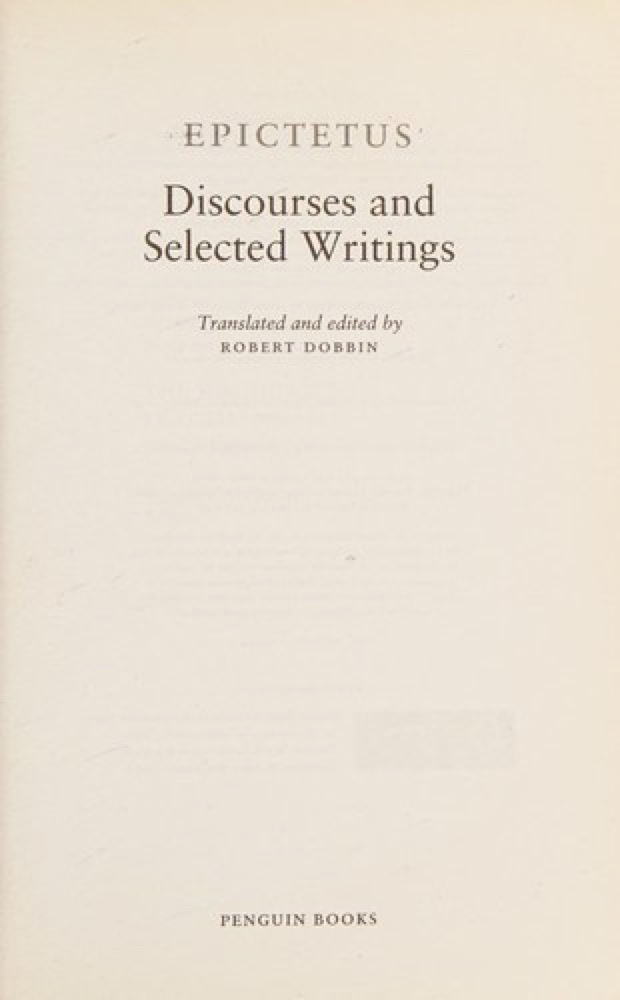 Discourses and Selected Writings
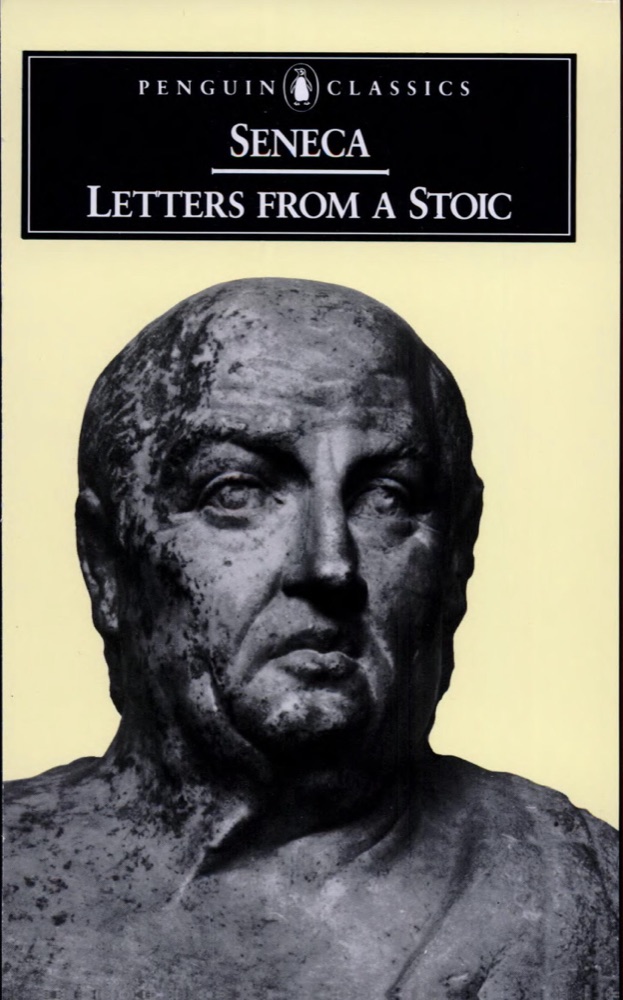 Letters from a Stoic
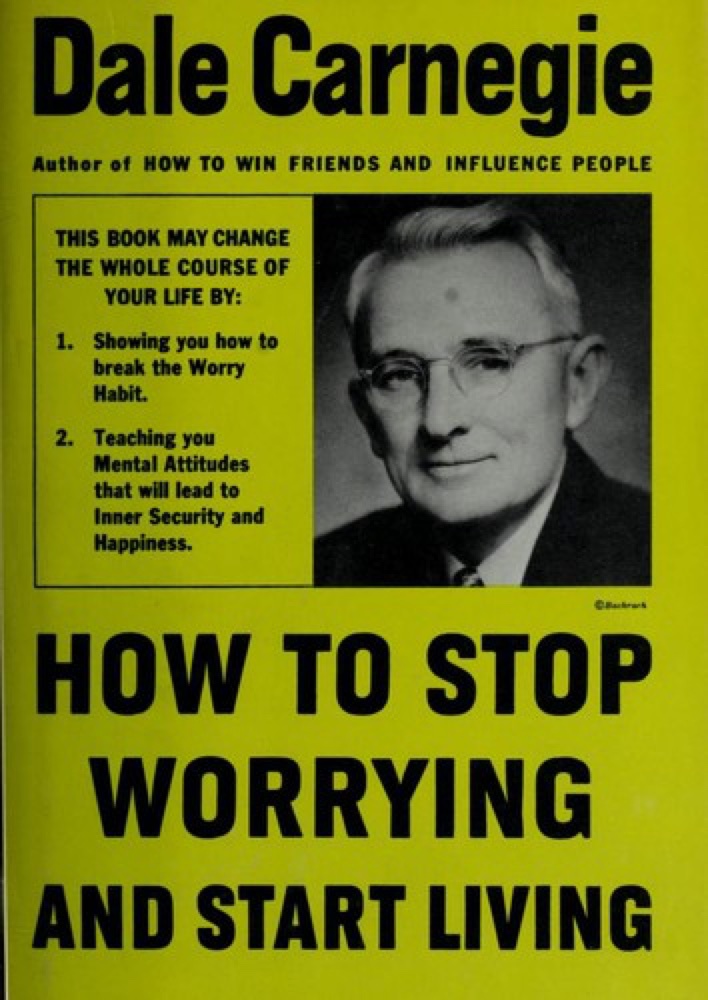 How to Stop Worrying and Start Living
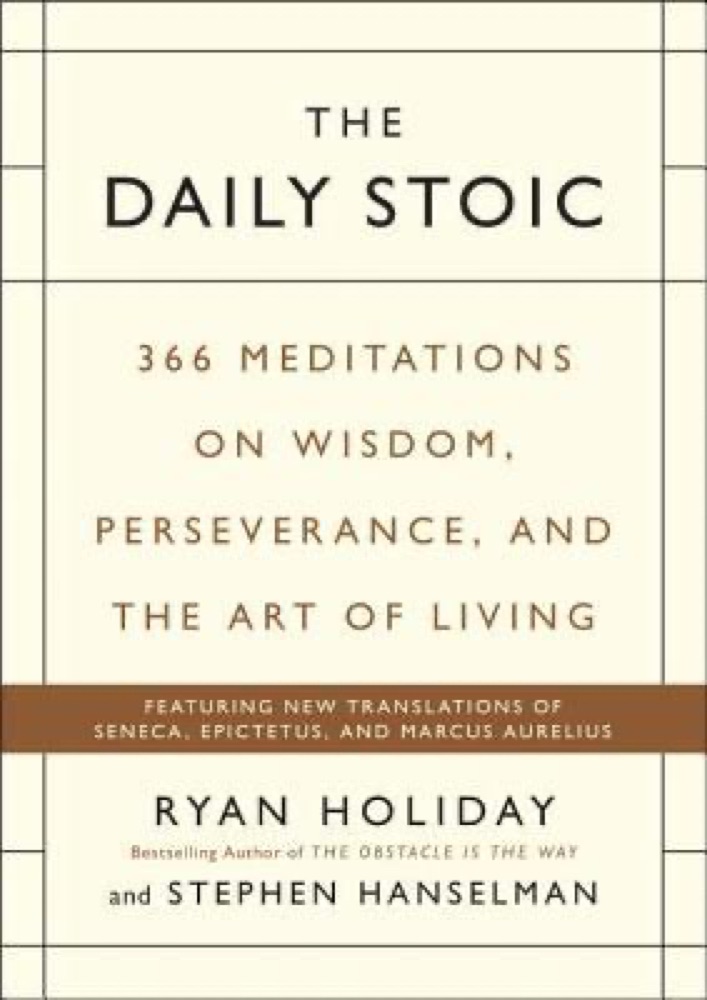 The Daily Stoic: 366 Meditations on Wisdom, Perseverance, and the Art of Living
 Illusions: The Adventures of a Reluctant Messiah
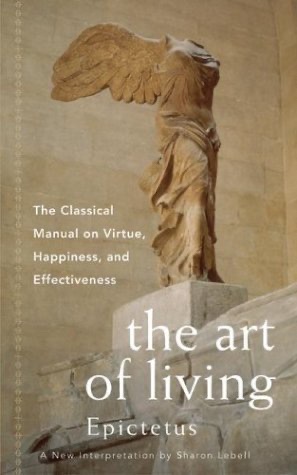 The Art of Living: The Classical Manual on Virtue, Happiness and Effectiveness
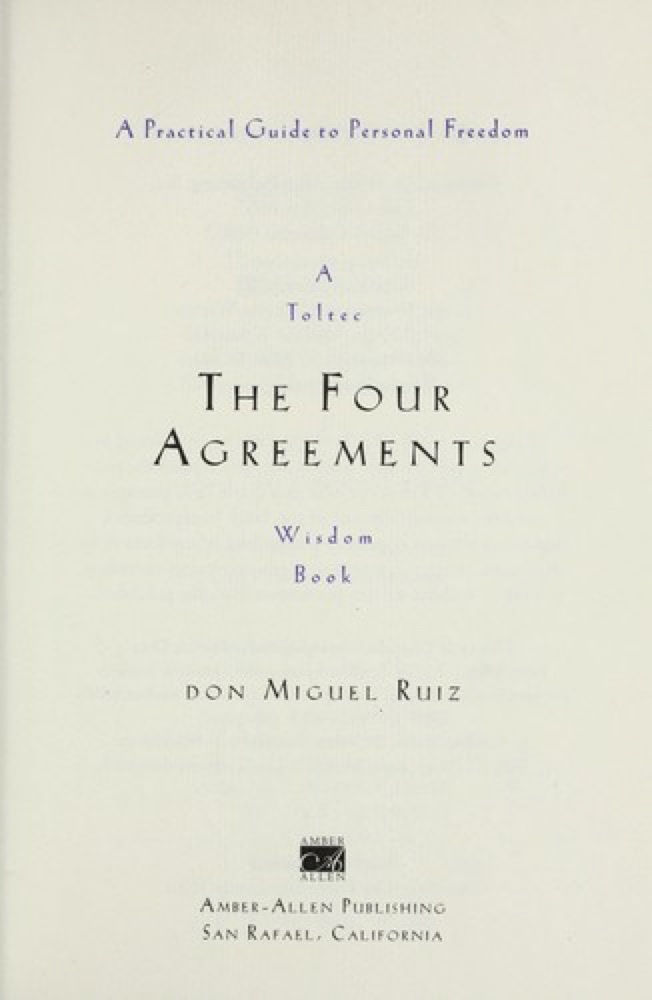 The Four Agreements: A Practical Guide to Personal Freedom
 The Power of One
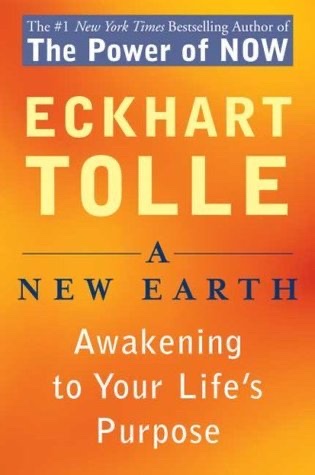 A New Earth: Awakening to Your Life's Purpose
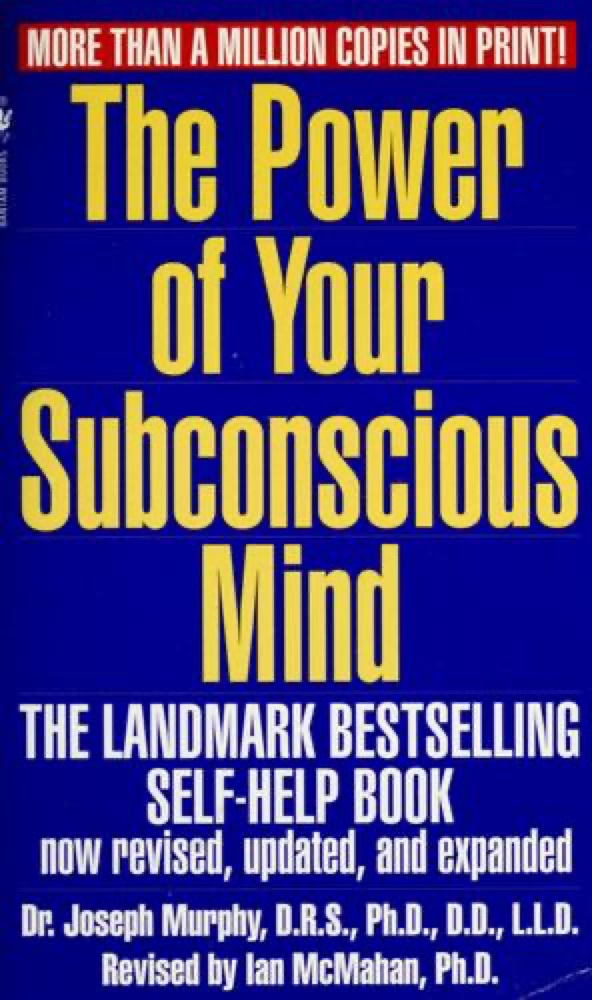 The Power of Your Subconscious Mind
 Buddhist Boot Camp
 Self-Reliance: An Excerpt from Collected Essays, First Series
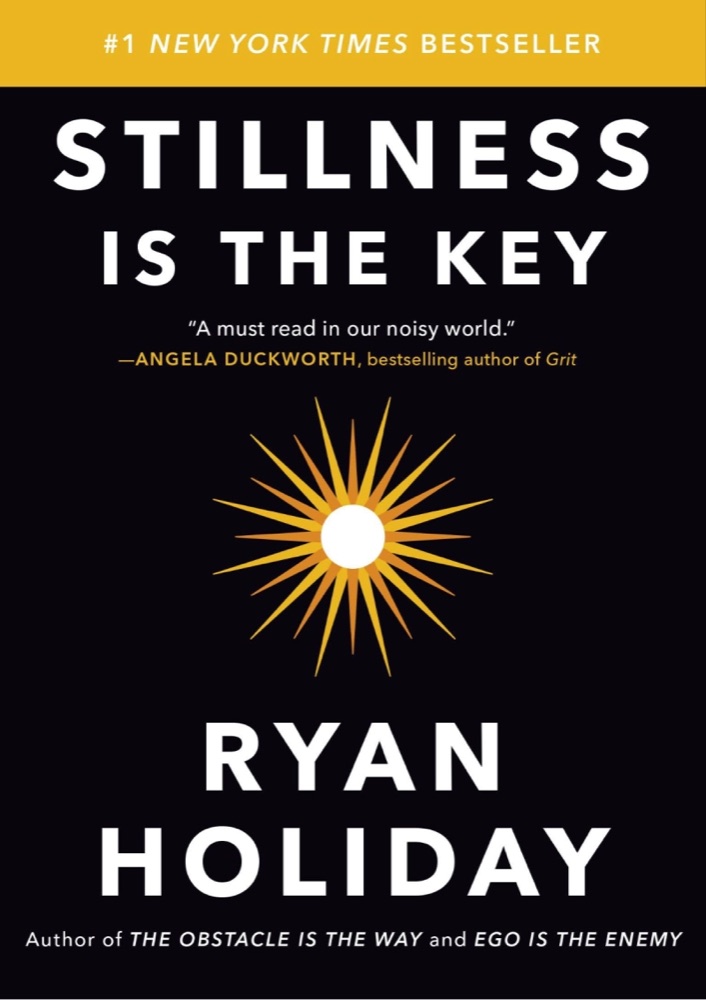 Stillness Is the Key
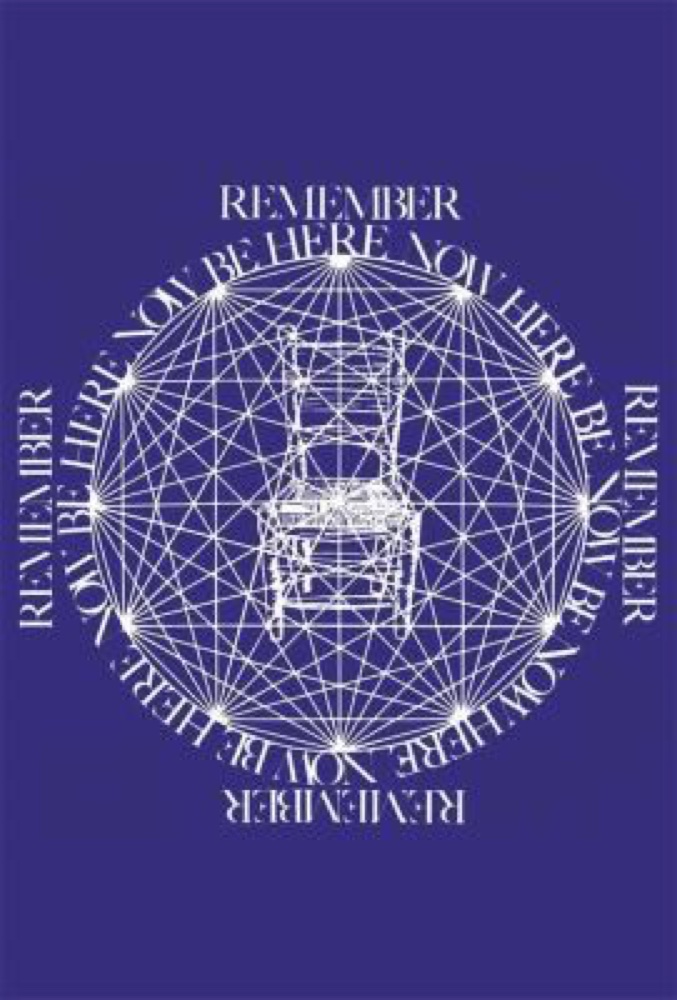 Be Here Now
 How to Use Your Enemies
 Battlefield of the Mind: Winning the Battle in Your Mind
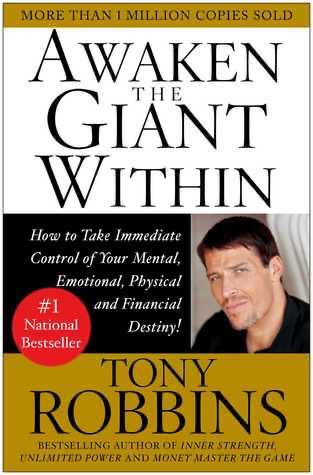 Awaken The Giant Within
 Like the Flowing River
 The Dhammapada
 Your Erroneous Zones: Step-By-Step Advice for Escaping the Trap of Negative Thinking and Taking Control of Your Life
 The Monk Who Sold His Ferrari: A Fable About Fulfilling Your Dreams and Reaching Your Destiny
 We Were Three
 Self-Reliance and Other Essays
 Seven Deadly Sins: Settling the Argument Between Born Bad and Damaged Good
 How to Be Free: An Ancient Guide to the Stoic Life
 You Can Heal Your Life
 Don't Sweat the Small Stuff ... and it's all small stuff: Simple Ways to Keep the Little Things from Taking Over Your Life
 Way of the Peaceful Warrior: A Book That Changes Lives
 Tao Te Ching
 Peace Is Every Step: The Path of Mindfulness in Everyday Life
 Shōgun
 Power Thoughts: 12 Strategies to Win the Battle of the Mind
 Being Peace
The Emperor's Handbook
Being Peace
The Emperor's Handbook
 The Blight of Muirwood
 The Count of Monte Cristo
 The Daily Laws: 366 Meditations
 When Nietzsche Wept
 The Power of Positive Thinking
 Who Will Cry When You Die?
 Awakening the Buddha Within
 The Art of Being
 The Essential Rumi
 The Secret
 The Analects
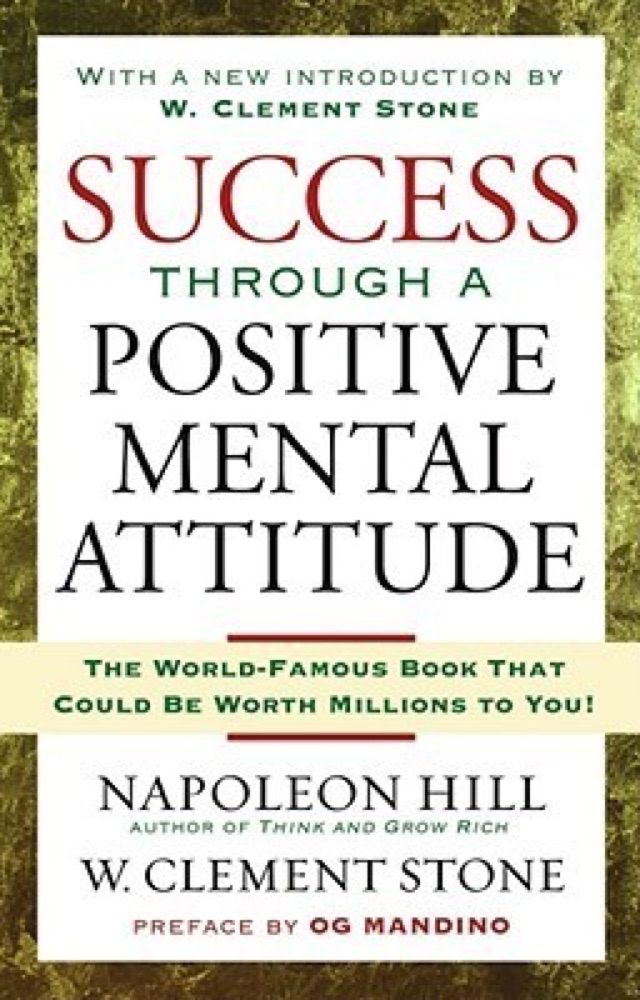 Success Through a Positive Mental Attitude
 The Complete Essays
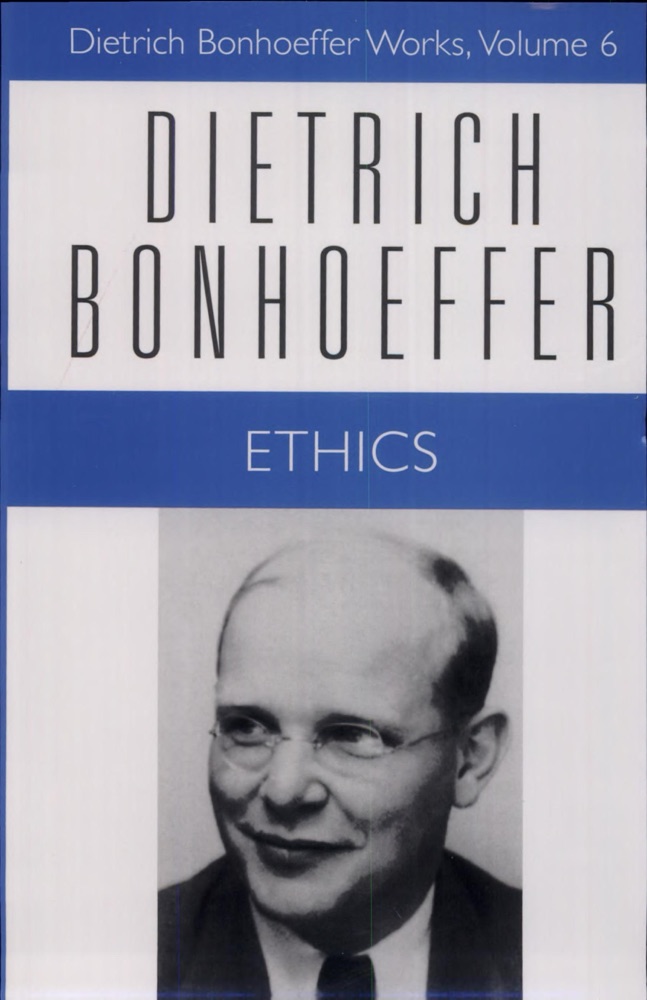 Ethics
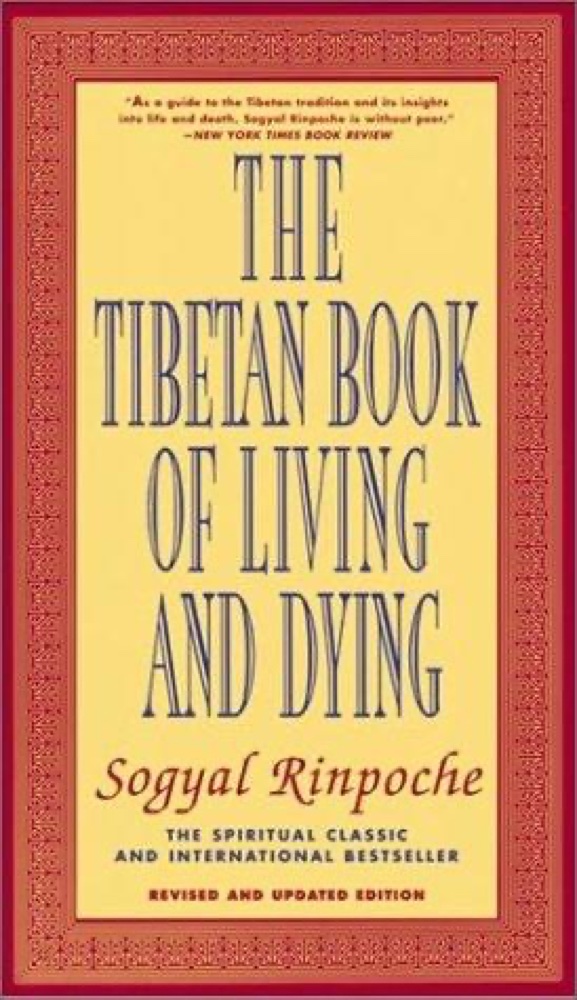 The Tibetan Book of Living and Dying
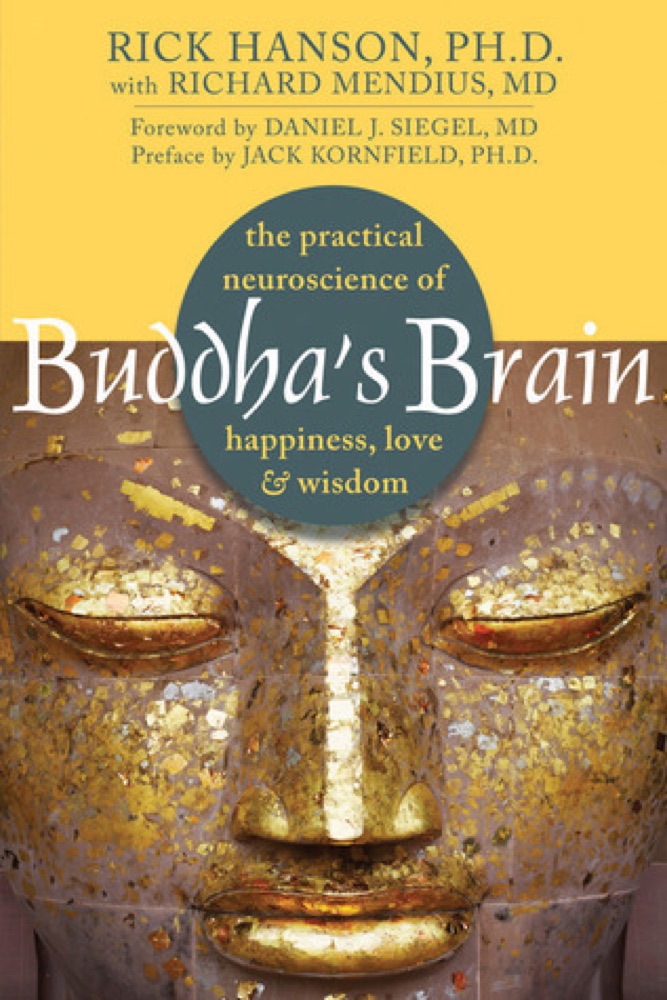 Buddha's Brain: The Practical Neuroscience of Happiness, Love, and Wisdom
 Atlas Shrugged
 The Consolation of Philosophy
 Hagakure: The Book of the Samurai
 The Wisdom of No Escape: How to Love Yourself and Your World
 Beyond Good and Evil
 The Things You Can See Only When You Slow Down: How to Be Calm in a Busy World
 The Prophet
 Adam Bede
 The Zahir