 Meditations
Quotes from the Book
Your days are numbered. Use them to throw open the windows of your soul to the sun. If you do not, the sun will soon set, and you with it.
The best revenge is not to do as they do.
Every hour be firmly resolved... to accomplish the work at hand with fitting and unaffected dignity, goodwill, freedom, justice. Banish from your thoughts all other considerations. This is possible if you perform each act as if it were your last, rejecting every frivolous distraction, every denial of the rule of reason, every pretentious gesture, vain show, and whining complaint against the decrees of fate. Do you see what little is required of a man to live a well-tempered and god-fearing life? Obey these precepts, and the gods will ask nothing more (II.5).
What am I but a little flesh, a little breath, and the thinking part that rules the whole?
Remember how long you have procrastinated, and how consistently you have failed to put to good use you suspended sentence from the gods. It is about time you realized the nature of the universe (of which you are part) and of the pwoer that rules it (to which your art owes its existence). Your days are numbered. Use them to throw open the windows of your soul to the sun. If you do not, the sun will soon set, and you with it. (II.4)
Bear in mind that the measure of a man is the worth of the things he cares about.
We live only in the present, in this fleet-footed moment. The rest is lost and behind us, or ahead of us and may never be found. Little of life we know, little the plot of earth on which we dwell, little the memory of even the most famous who have lived, and this memory itself is preserved by generations of little men, who know little about themselves and far less about those who died long ago.
Go on abusing yourself, O my soul! Not long and you will lose the opportunity to show yourself any respect. We have only one life to live, and yours is almost over. Because you have chosen not to respect yourself, you have made your happiness subject to the opinions others have of you. (Book 2, Verse 6)
We live only in the present, in this fleet-footed moment. The rest is lost and behind us, or ahead of us and may never be found. Little of life we know, little the plot of earth on which we dwell, little the memory of even the most famous who have lived, and this memory itself is preserved by generations of little men, who know little about themselves and far less about those who died long ago. (Book 3, Verse 10)
Did you know?
- The Meditations was written by Marcus Aurelius as a private journal and was never intended for publication.
- Much of the work was composed while Marcus was on military campaign on the northern frontiers of the Roman Empire.
- This translation was produced by two brothers, C. Scot Hicks and David V. Hicks, who divided the work between literal rendering of the Greek and conveying its meaning in natural English.
- David V. Hicks is the author of Norms & Nobility, a treatise on classical education that won an American Library Association Outstanding Book Award in the education category.
- The Hicks brothers aimed to translate Marcus as if he were writing in English rather than in second-century Greek.
About Marcus Aurelius
Marcus Aurelius (121-180 AD) was Roman emperor from 161 to 180 AD and a Stoic philosopher; his private notebook, known as the Meditations, was written for himself and became one of the most enduring texts of Stoic philosophy. This edition was translated by the brothers C. Scot Hicks and David V. Hicks, longtime educators and defenders of classical learning.
More about the author →More by Marcus Aurelius
Meditations
About the book
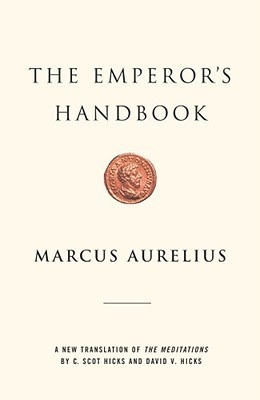
The Emperor's Handbook is a modern English translation of the Meditations of Marcus Aurelius, the Roman emperor and Stoic philosopher who ruled from 161 to 180 AD. The private notebooks were never intended for publication; they are a collection of personal reflections, self-admonitions, and spiritual exercises Marcus wrote to himself, largely while on military campaign, as reminders of how to live well amid the pressures of power, war, and mortality. This edition, prepared by the brothers C. Scot Hicks and David V. Hicks, presents those reflections as practical ethical guidance rather than abstract theory.
The book's central concerns are recognizably Stoic: the distinction between what is within our control and what is not, the disciplined governing of one's own judgments and reactions, acceptance of nature and fate, the shortness of life, and the duty to act justly and rationally toward other human beings. Marcus returns again and again to the same themes, urging himself toward equanimity, humility, and service to the common good, treating philosophy less as a system to be argued than as a daily practice to be lived.
The Hicks translation is distinguished by its aim to render Marcus as though he were writing in contemporary English rather than second-century Greek, prioritizing clarity and immediacy so that the emperor reads as a man of action addressing pressures modern readers still recognize. Alongside the many translations that have kept the Meditations continuously in print for centuries, this accessible version helped introduce the work to a wide general and business readership in the twenty-first century, and it remains a popular gateway into Stoic thought.
Book details
- First published
- 2002
- Length
- 148 pages
- Reading time
- 3 hours
- Author
- Marcus Aurelius
- Genre
- Classics
- Goodreads rating
- 4.28 (371k ratings) →
If you liked this, read…
- 1Letters from a StoicSeneca's practical Stoic letters cover the same themes of virtue, mortality, and self-mastery.
- 2Discourses and Selected WritingsEpictetus, whom Marcus admired, lays out the Stoic distinction between what is and isn't in our control.
- 3The EnchiridionEpictetus's short handbook of Stoic ethics is a natural companion to Marcus's reflections.
Keep reading
 How to Stop Worrying and Start Living
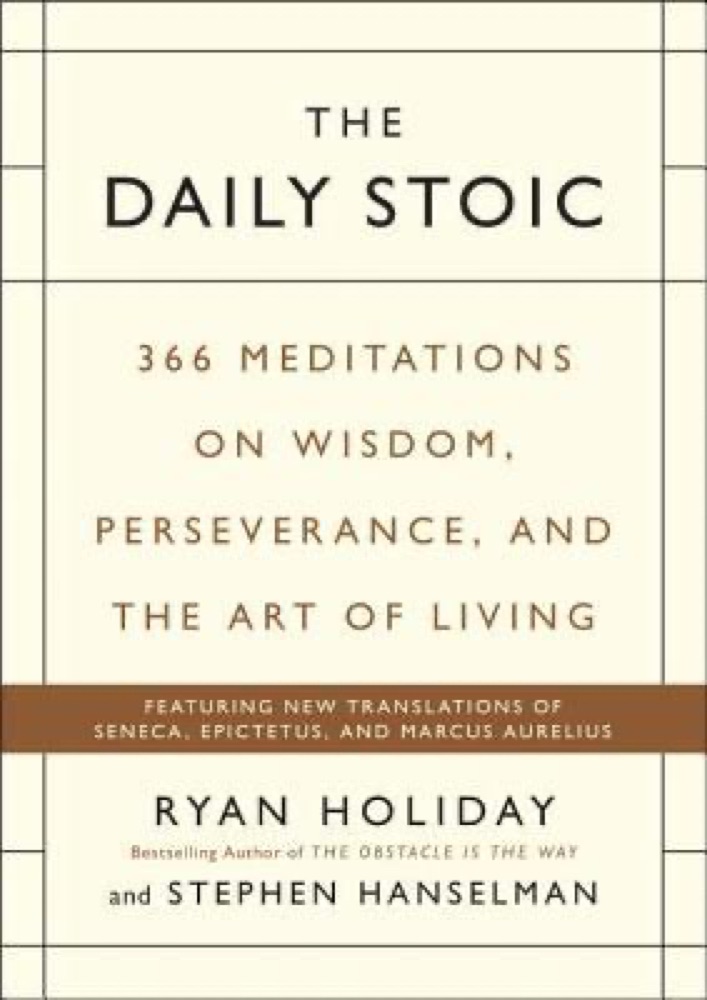 The Daily Stoic: 366 Meditations on Wisdom, Perseverance, and the Art of Living
 Hagakure: The Book of the Samurai
 The Art of Living: The Classical Manual on Virtue, Happiness and Effectiveness
 The Book of Chuang Tzu
Meditations
The Book of Chuang Tzu
Meditations
 Self-Reliance: An Excerpt from Collected Essays, First Series
 The Wisdom of Life
 How to Use Your Enemies
 The Gay Science
 Letters from a Stoic
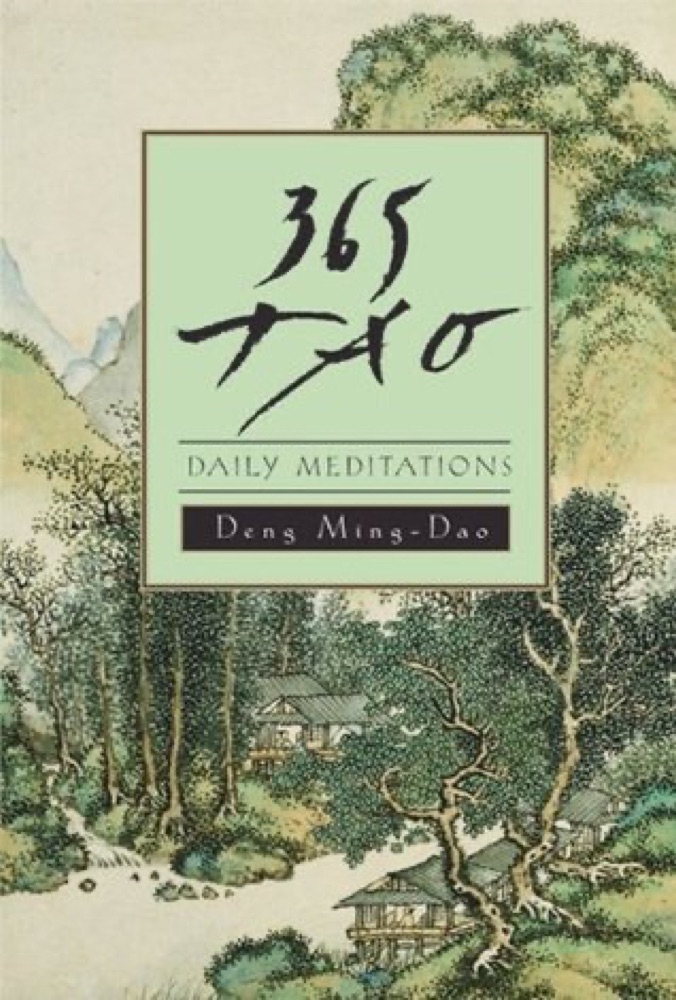 365 Tao: A Study of Taoist Wisdom for Daily Life
 Self-Reliance and Other Essays
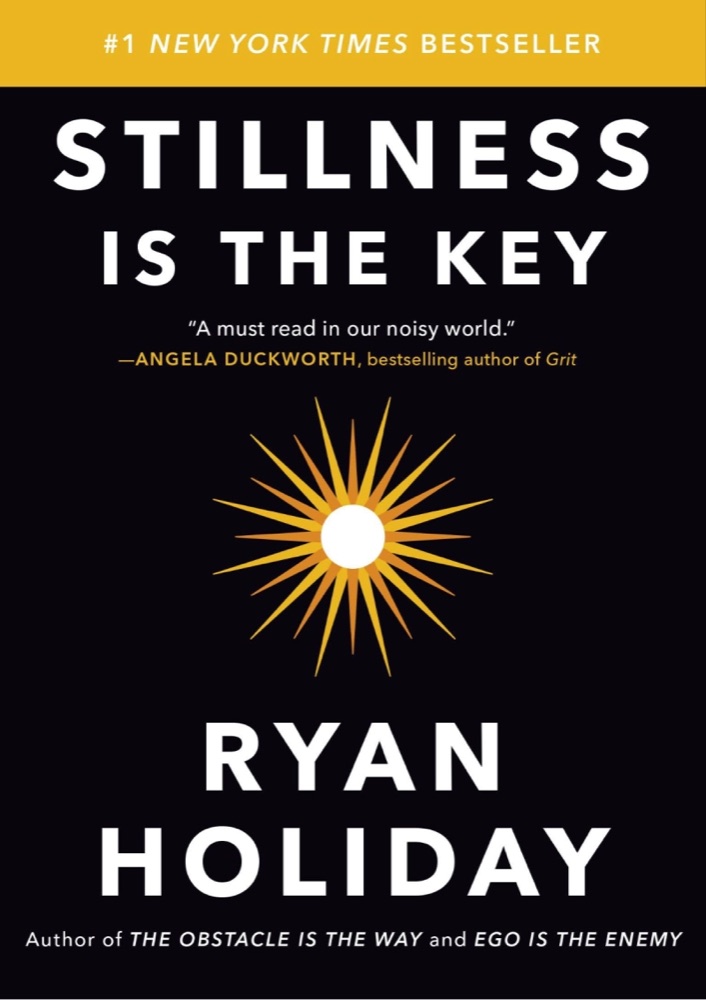 Stillness Is the Key
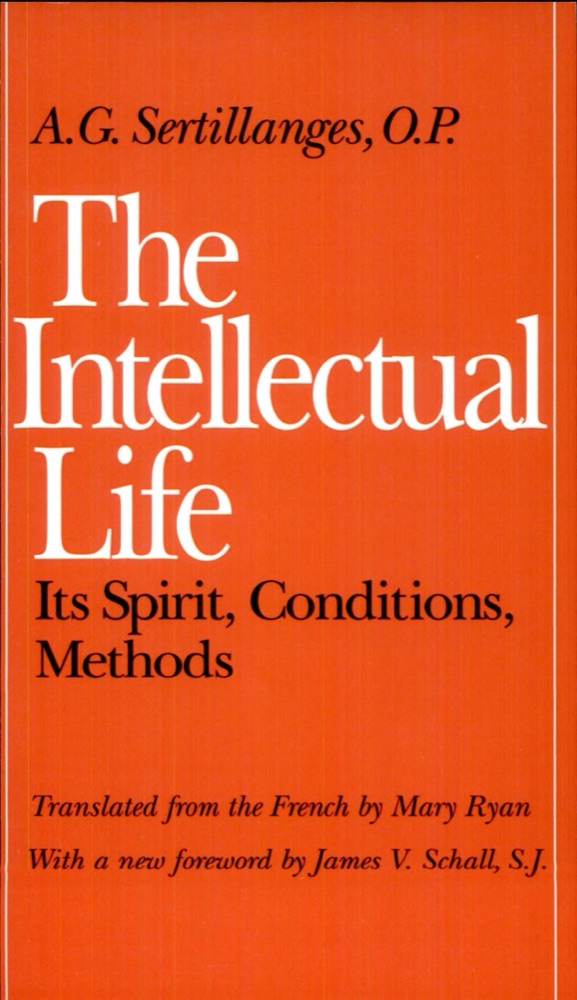 The Intellectual Life: Its Spirit, Conditions, Methods
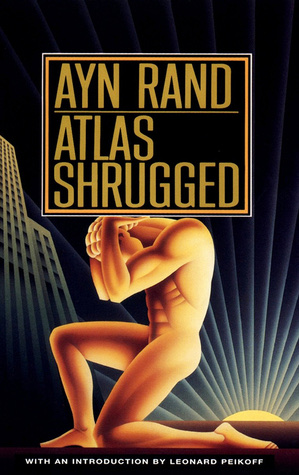 Atlas Shrugged
 Shōgun
 A Calendar of Wisdom: Daily Thoughts to Nourish the Soul
 The Portable Nietzsche
 Way of the Peaceful Warrior: A Book That Changes Lives
 Tao Te Ching
 Change Your Thoughts - Change Your Life: Living the Wisdom of the Tao
 The Letters of Vincent van Gogh
 The Book of Wisdom
 Untimely Meditations
 Discourses and Selected Writings
 The First Fifteen Lives of Harry August
 The Fountainhead
 How to Be Free: An Ancient Guide to the Stoic Life
 Either/Or: A Fragment of Life
 The Tibetan Book of Living and Dying
 The Obstacle Is the Way: The Timeless Art of Turning Trials into Triumph
 Journey to Ixtlan
 Sacred Journey of the Peaceful Warrior
 Faith of the Fallen
 How to Live: A Life of Montaigne in One Question and Twenty Attempts at an Answer
 The Essential Writings of Ralph Waldo Emerson
 You Learn by Living: Eleven Keys for a More Fulfilling Life
 Walden
 The Count of Monte Cristo
 A Joseph Campbell Companion: Reflections on the Art of Living
 The Screwtape Letters
 Royal Assassin
 The Red Book: Liber Novus
 Cutting for Stone
 When Nietzsche Wept
 Striking Thoughts: Bruce Lee's Wisdom for Daily Living
 Faust
Faust
 On the Suffering of the World
 The I Ching or Book of Changes
 The Walking Drum
 The Daily Laws: 366 Meditations
 Wings of Fire: An Autobiography
 12 Rules for Life: An Antidote to Chaos
 Children of Dune
 Demian
 The Dispossessed
 Peace Is Every Step: The Path of Mindfulness in Everyday Life