 The Teacher of Warsaw
Quotes from the Book
At Auschwitz dying was so easy. Surviving was a full time job.
18
Every night I had nightmares. I dreamed of rats the size of cats, dead bodies, and needles stuck into me. After we found out that the Nazi's had made soup out of Jewish fat, I dreamed that soap bars spoke to me in the voices of my parents and sisters, asking me, "Why are you washing with us?
8
forgiveness is not so much for the perpetrator, but for the victim.
6
So I am saying to you, whoever is reading this book, to remember: never ever give up. You can survive and make your dreams come true.
5
Mrs. Goldenthal's twin boys, Alex and Erno, were our age, and I discovered that they had been selected at Auschwitz for Mengele's experiments like us. Mrs. Goldenthan had stayed with them, and I found out later that she had hidden a younger child, Margarita, underneath her long skirt. She had come into the camp with the child hidden in her dress and during her entire stay there, even in the Nazi barracks where she had kept Margarita under the mattress during inspections, she and the other women had helped conceal the child.
4
Until that moment I had stopped thinking about my family. Maybe it was due to the bread we ate each evening that supposedly contained not only sawdust but a powder called bromide that made us forget memories of home, a sedative of some kind. Whatever it was or was not, I could not feel sorry for myself, for Miriam, for anyone. I could not think of myself as a victim, or I knew I would perish. It was simple. For me, there was no room for any thought except survival.
4
Anger and hate are seeds that germinate war. Forgiveness is a seed for peace. It is the ultimate act of self-healing.
2
This place was confusing and noisy. People were yelling. There were screams. Confusion. Desperation. Barking. Orders. Crying, crying, crying. The crying of children for parents. The crying of parents for their babies. The crying of people confused and bewildered. The crying of people who saw with certainty that their nightmares had come true. All together the cries resounded with the ultimate and most unimaginable pain of human loss, emotional grief and suffering.
2
Because we were twins, we clung to each other. Because we were sisters, we depended on each other. Because we were family, we did not let go.
1
she or any other survivor would be doomed to a life of anger and suffering if they were required to wait for an apology that would never come.
Never ever give up on yourself or your dreams, for everything good in life is possible. Judge people on their actions and the content of their character. Forgive your worst enemy and forgive everyone who has hurt you—it will heal your soul and set you free.
I look at forgiveness as the summit of a very tall mountain. One side is dark, dreary, wet, and very difficult to climb. But those who struggle up and reach the summit can see the beauty of the other side of the mountain, which is covered by flowers, white doves, butterflies, and sunshine. Standing at the summit we can see both sides of the mountain. How many people would choose to go back down on the dreary side rather than stroll through the sunny flower-covered side?
Forgiveness is only for you. Forgiveness does not mean reconciliation with the victim; it could be dangerous to be in contact with the person who hurt you. In fact, I believe people have to feel safe to forgive. No one can forgive on the battlefield. That is why forgiveness is a personal decision and can only be done when a person is in the circumstances, a place of safety, and mindset to do so.
At Auschwitz dying was so easy. Surviving was a full-time job.
Over time, I could see that prisoners who had someone in the camp to care about— whether a relative, friend, or neighbor—were more likely to survive. The prisoners who had no one did not last.
I learned that I could not always trust adults to tell the truth, especially if the truth was bad.
One day, our math book contained this problem: “If you had five Jews, and you killed three Jews, how many Jews would be left?
Children are very sensitive to their surroundings, the atmosphere, though adults always think their children are unaware of things that they aren’t told.
But here the stink was over-powering. It was as if you walked through it, around in it. It was everywhere and inescapable. I did not find out right away what the smell really was.
Watch on YouTube
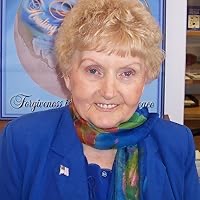
About Eva Mozes Kor
We have collected 19 quotes from 1 book by Eva Mozes Kor on BookQuoters.
More about the author →About the book
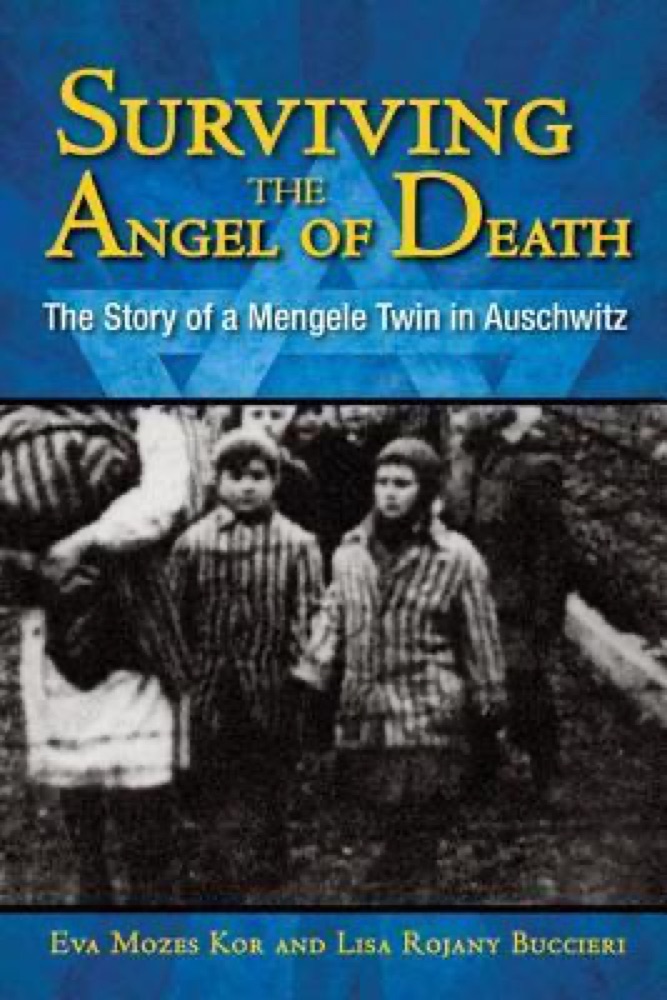
Eva Mozes Kor was 10 years old when she arrived in Auschwitz. While her parents and two older sisters were taken to the gas chambers, she and her twin, Miriam, were herded into the care of the man known as the Angel of Death, Dr. Josef Mengele and subjected to sadistic medical experiments and forced to fight daily for their own survival. Through this book, readers will learn of a child's endurance and survival in the face of truly extraordinary evil. The book also includes an epilogue on Eva's recovery from this experience and her remarkable decision to publicly forgive the Nazis. Through her museum and her lectures, she has dedicated her life to giving testimony on the Holocaust, providing a message of hope for people who have suffered, and working toward goals of forgiveness, peace, and the elimination of hatred and prejudice in the world.
Book details
- First published
- 2009
- Author
- Eva Mozes Kor
- Genre
- Nonfiction
- Goodreads rating
- 4.29 (8k ratings)
Keep reading
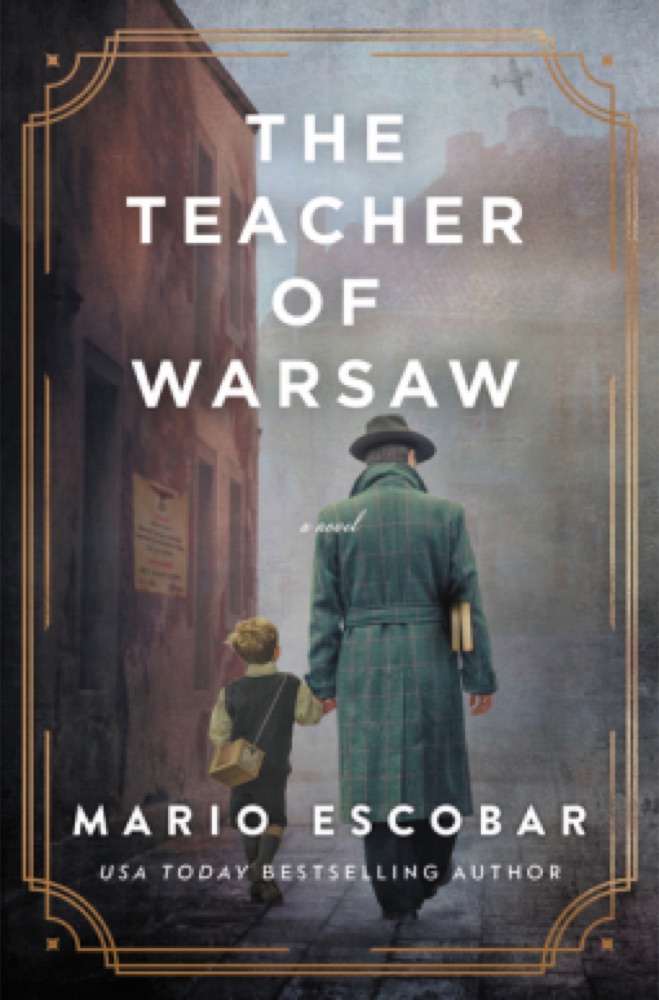
The Teacher of Warsaw
 The Girl Who Smiled Beads: A Story of War and What Comes After
 My Name Is Mahtob: The Story that Began the Global Phenomenon Not Without My Daughter Continues
 The Postcard
 The Light of Days: The Untold Story of Women Resistance Fighters in Hitler's Ghettos
 All But My Life: A Memoir
 Mischling
 The Summer Children
 Night
Night
 The Betrayal of Anne Frank: A Cold Case Investigation
 Men We Reaped
 Survival in Auschwitz
 Auschwitz: A Doctor's Eyewitness Account
 10 Minutes 38 Seconds in This Strange World
 Prisoner B-3087
 Running with the Demon
 Uncultured: A Memoir
 Still Alive: A Holocaust Girlhood Remembered
 A Rule Against Murder
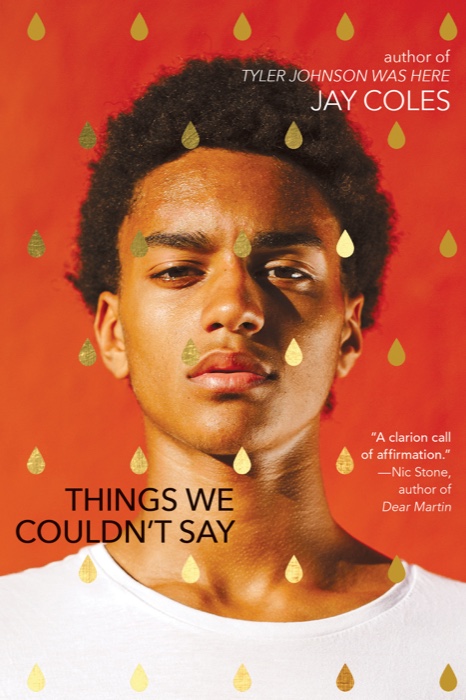 Things We Couldn't Say
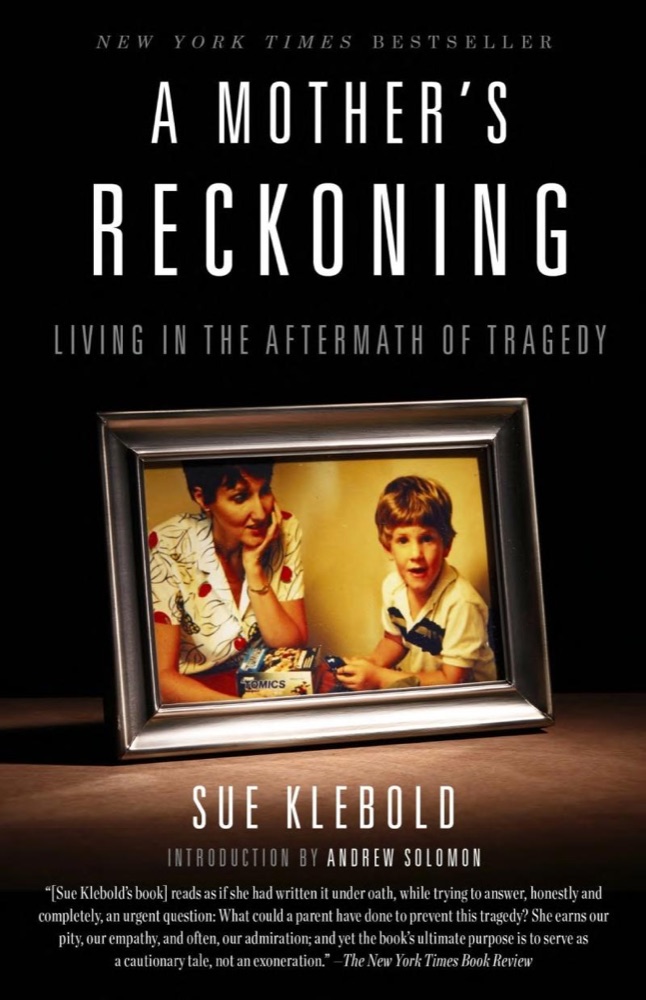 A Mother's Reckoning: Living in the Aftermath of Tragedy
 Sophie's Choice
 The Five Stages of Andrew Brawley
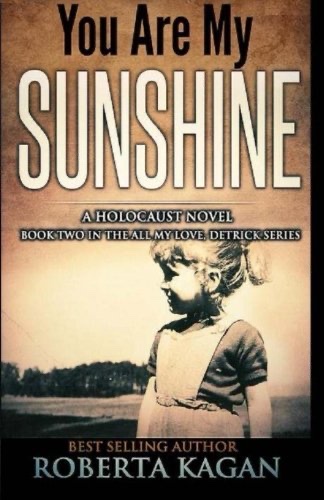 You Are My Sunshine
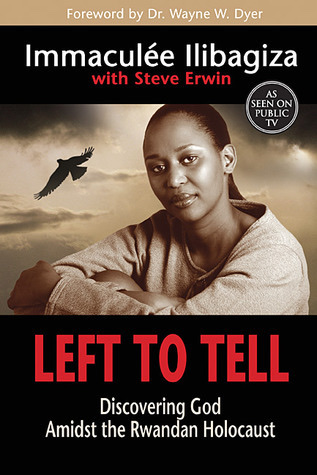 Left to Tell: Discovering God Amidst the Rwandan Holocaust
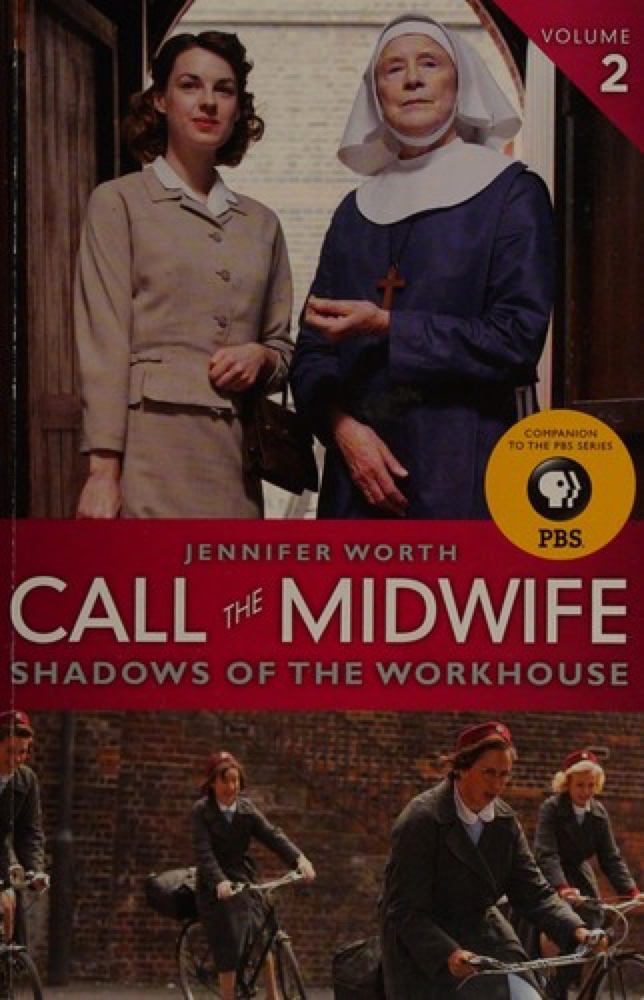 Shadows of the Workhouse
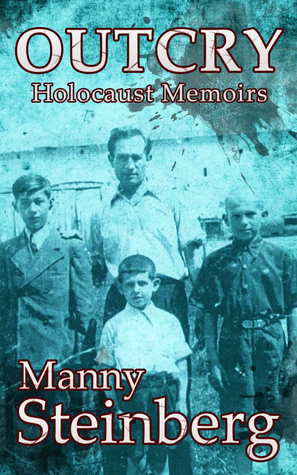 Outcry - Holocaust memoirs
 Under the Same Stars
 The Brutal Telling
 The World That We Knew
 A Fatal Grace
 Stasiland: Stories from Behind the Berlin Wall
 My Story
 Women We Buried, Women We Burned: A Memoir
 Holocaust
 Close
Close
 Alias Grace
 Cursed Bunny
 The Quarry Girls
 Etched in Sand: A True Story of Five Siblings Who Survived an Unspeakable Childhood on Long Island
 Dust & Decay
 Evil Games
 Notes on an Execution
 The Silence of Bones
 The Orphan Master's Son
 Human Acts
 Sign Here
 The Story of the Lost Child
 The Nickel Boys
 Sarah's Key
 The Round House
 Imagine Me Gone
 The Fountains of Silence
 The Walls Around Us
 Red Sister
 The Wars
 Born of Silence
 The Prophets
 Lucky
Lucky
 What the Night Knows