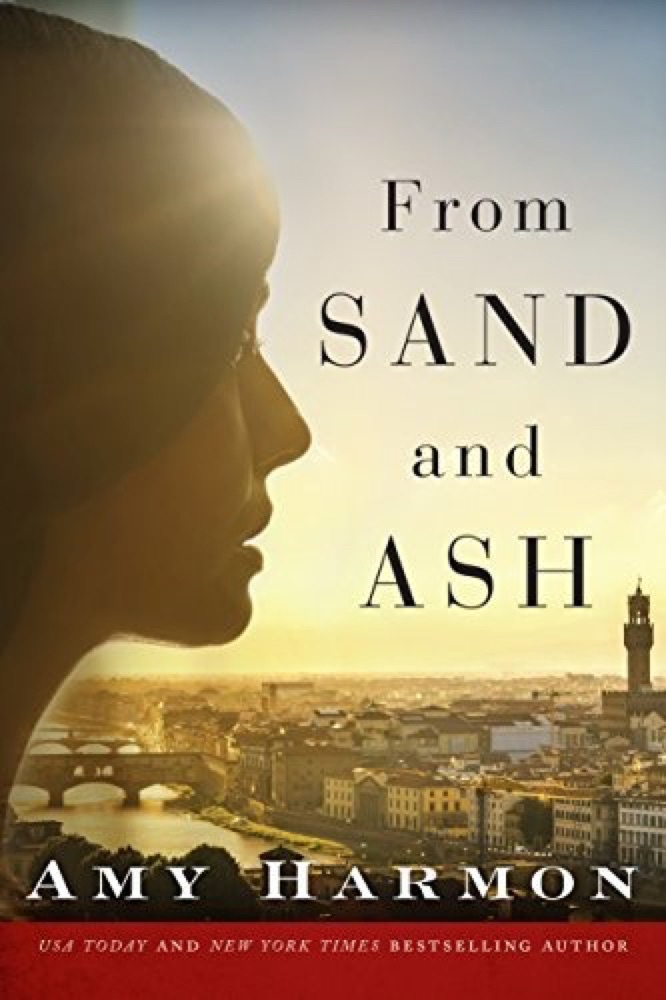
 From Sand and Ash
Quotes from the Book
Why do they hate us so much?" I was thoughtful and took my time answering. It was a question I often asked myself. "I think it's because they don't know us. At their core, racists and anti-Semites are poor, ignorant souls. Fear is what makes hatred and fear comes from not knowing people.
1
My dear doctor, evil is not from the outside; it nests deep in our hearts. The sooner we learn that truth, the easier it will be to put an end to it. Each of us has to be transformed into something better so the world can become a place worth living in.” “It certainly seems that good keeps quiet while evil is what makes history march along. But I am confident, Father, that in the end good will triumph.” The priest wrapped me in his arms. There we were, an old Jew and an old Catholic, embracing
can tell you one thing: conscience can be manipulated. At one time, as you well know, I was anti-Semitic. I told myself that the Jews did not deserve my compassion. God put me in this ghetto to mend my ways and show me how to pay for my faults.
Sometimes I wonder, Janusz: What makes one man choose the light and another choose the dark?” I often wondered the same. “Conscience, perhaps? That inner voice that tells a man what’s good and what’s bad?
perverse?” “I think the Nazis are simply human, too human in the worst sense of the word. Your people were scared and had an inferiority complex; you didn’t know where to turn, and somebody rose up and told you what to do. By the time you thought about it, he had absolute control of your lives. Fear is the most dangerous weapon in the
doctor, evil is not from the outside; it nests deep in our hearts. The sooner we learn that truth, the easier it will be to put an end to it. Each of us has to be transformed into something better so the world can become a place worth living in.” “It certainly seems that good keeps quiet while evil is what makes history march along. But I am confident, Father, that in the end good will triumph.
Korczak’s actual diary is short and encompasses only a few months of 1942. While several passages from it served as inspiration, The Teacher of Warsaw is a work of fiction. It is based on the direct or indirect testimony of Korczak himself and people who knew him.
The last violin notes rang in my mind’s ears. I closed my eyes and beheld the face of the Teacher, the Old Doctor, my friend. I vowed to keep his memory alive and share the treasure of his wisdom so that everyone could know that good does triumph over evil.
I sat at my desk and wrote for just a few moments. They were my last words. What else could be said? The children were waiting. Perhaps Jesus’s words about becoming like a child were the secret for saving a world that had gone up in flames.
Most would be forced to leave the ghetto on the trains, and those who stayed a little longer would only be postponing the inevitable. It is hard to be born and learn how to die. We are never prepared to abandon this world.
The poor child Amal was so hopeful about getting a letter from the king—and I, so hopeful for a word that would free us all from our terrible horror, from the interminable nightmare. I thought about the cemetery where my parents lay. They, too, had flowers over their chests for when they awoke. One day the King would come to see them. He would raise us all up out of our beds, and we would celebrate together with the biggest party in the world. I longed for that with all my heart. It was the only thing left to hope for. Chapter 40
I felt weak, but I mustered the strength to continue the ceremony and said, “Our work as educators is to cultivate love for human beings, for justice, truth, and hard work. Love is the foundation of everything we are. We are born in love, our mothers and fathers raise us by love, we learn how to love, and this shapes us into true human beings. Justice is what allows us to live together. Justice is our defense against the evil actions of others. Truth is like a torch that guides us through dark nights and one day will defeat all the shadows. We work together as one for food, but above all for unity. The forces of hatred will never break our spirits. May God keep us all.
We the children, with God’s help, want to be happy, and we know that the only way to be happy is to also secure the happiness of those around
The Judenrat estimated that nearly one hundred thousand people had died since the ghetto had been established, most of starvation and disease. Those of us who were left knew that most would not make it through another winter. We were too weak to survive the cold again.
the strength of love—more powerful than any force on earth—coursed through my body. Evil was driven back for those moments, and we brushed against something like happiness.
I wondered how it was possible for two people to want to get married in our present circumstances, but that is, after all, what life is about. We must keep believing, fighting, and celebrating. The day we stop, we are as good as dead. Love is the strongest antidote to despair.
If people outside the ghetto could see us, they’d think we’re the unluckiest people in the world. They may be right, but what matters is how we see ourselves. The way we see ourselves is the way everyone else will end up seeing us.
One more day. I did not need to wear myself out; each day had enough trouble of its own. Today was unique and would never happen again.
I thought of the hundreds of children I had tried to save over the years. Many of them were now dying because of the ghetto’s harsh conditions, but the work had still been worth the effort. After all, what is existence? Hardly a minute of infinity; we are like shadows God has entrusted with a flame that will never go out.
The poor orphans needed much more than food and clothes. Their souls were so withered and numb that a simple smile or a story read aloud softly lit up their faces and improved their health as much as ghetto existence allowed.
Reading is liberating. All throughout my youth, and the two times I’ve been in prison, I devoured books like the world was ending and each page turned would bring me closer to freedom.
three very different, and yet ironically similar, men. Marek, Captain Neumann, and Father Godlewski were each trying to do good in their own way. One was a desperate freedom fighter; another clung to the last vestiges of his humanity; and the last was paying for the sins of his past. Godlewski’s was a heavy burden, that of admitting he had been wrong while he had tried to do what was right.
One never gets used to living in the midst of pure evil.” “The day we do will be the death of us, at least of our souls.
Now I was a Jew, an admirer of Jesus, a cursed Pole, a sick doctor, and a pedagogue in hell. I had finally discovered who I really was.
always wondered how the Israelites reacted when Moses showed up. Maybe he forced them to be free. A people group that has lived enslaved for some time no longer knows how to live in freedom.
Anyone could have money, and many people would amass large fortunes, but I had two hundred children whom I loved and who loved me. I was undoubtedly the richest man in the Warsaw ghetto.
Love nourishes their souls. People without love are already dead, though they don’t yet know it.
The poor do not have the luxury of pride if they want to feed their children, and I had over two hundred of them.
A man is more than his inheritance, and the greatest legacy we can give our children is our love.
Watch on YouTube
About Mario Escobar
We have collected 29 quotes from 1 book by Mario Escobar on BookQuoters.
More about the author →About the book
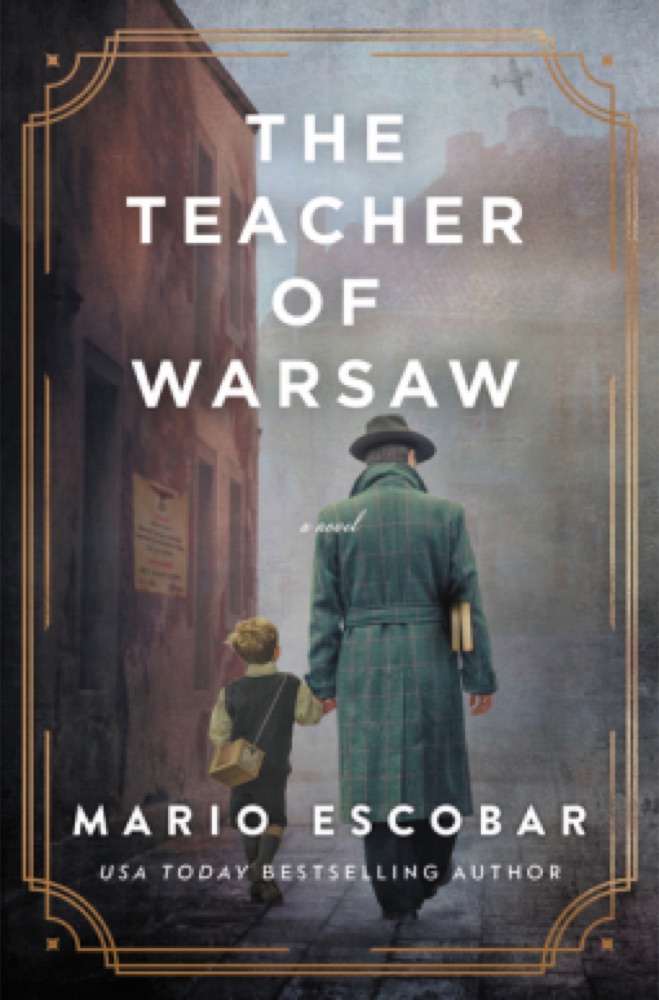
For fans of The Warsaw Orphan and The Tattooist of Auschwitz: the start of WWII changed everything in Poland irrevocably—except for one man’s capacity to love.
“I want everyone I know to read this book.” —Kelly Rimmer, New York Times bestselling author of The Warsaw Orphan
September 1, 1939. Sixty-year-old Janusz Korczak and the students and teachers at his Dom Sierot Jewish orphanage are outside enjoying a beautiful day in Warsaw. Hours later, their lives are altered forever when the Nazis invade. Suddenly treated as an outcast in his own city, Janusz—a respected leader known for his heroism and teaching—is determined to do whatever it takes to protect the children from the horrors to come.
When over four hundred thousand Jewish people are rounded up and forced to live in the 1.3-square-mile walled compound of the Warsaw ghetto, Janusz and his friends take drastic measures to s
Book details
- First published
- 2022
- Author
- Mario Escobar
- Genre
- Historical
- Goodreads rating
- 4.13 (5k ratings)
Keep reading
From Sand and Ash
 Night
Night
 Life and Fate
 You Are My Sunshine
 The Happiest Man on Earth
 Surviving the Angel of Death: The True Story of a Mengele Twin in Auschwitz
 The Long Loneliness: The Autobiography of the Legendary Catholic Social Activist ― A Memoir about the Worker Movement and Spiritual Conversion
 Shadows of the Workhouse
 Day
Day
 The Pianist: The Extraordinary Story of One Man's Survival in Warsaw, 1939–45
 The Gulag Archipelago 1918-1956
 Prisoner B-3087
 Survival in Auschwitz
 Jayber Crow
 The Postcard
 All But My Life: A Memoir
 The Girl Who Smiled Beads: A Story of War and What Comes After
 Flight To Arras
 Sophie's Choice
 The Autobiography of Martin Luther King, Jr.
 The Brothers Karamazov
 Just Above My Head
 All the Devils Are Here
 Running with the Demon
 The Chrysalids
 Night Watch
 The Nickel Boys
 Those Who Save Us
 The Fixer
 Children of God
 Life & Times of Michael K
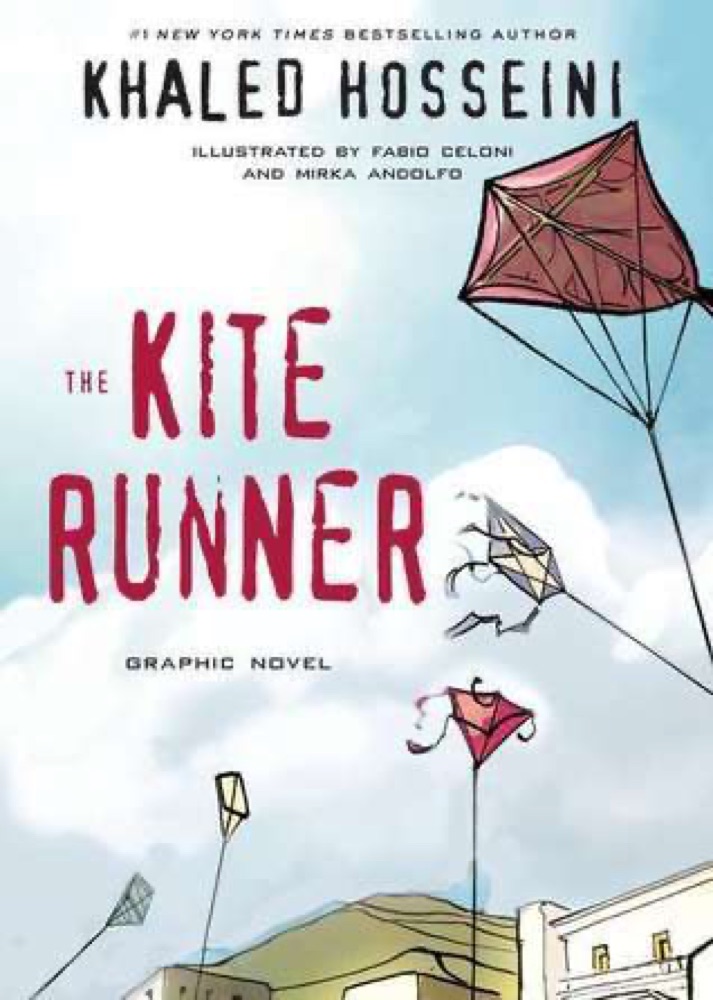 The Kite Runner
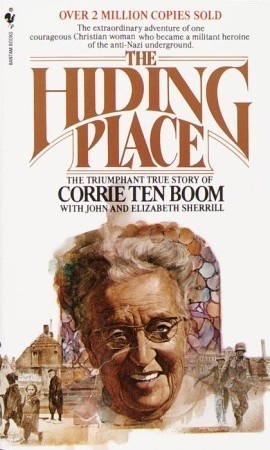 The Hiding Place: The Triumphant True Story of Corrie Ten Boom
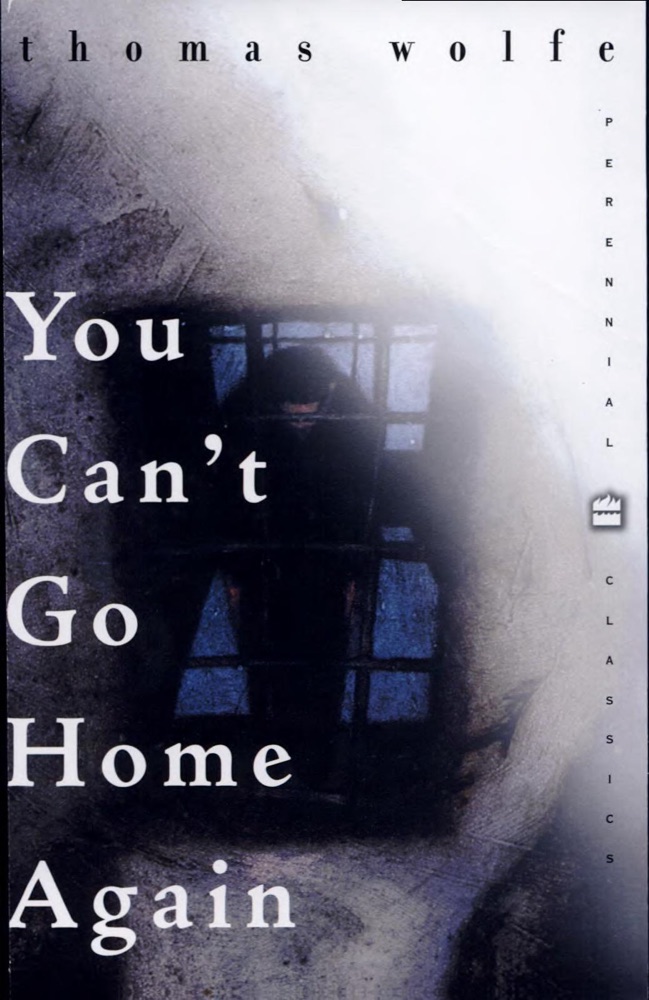 You Can't Go Home Again
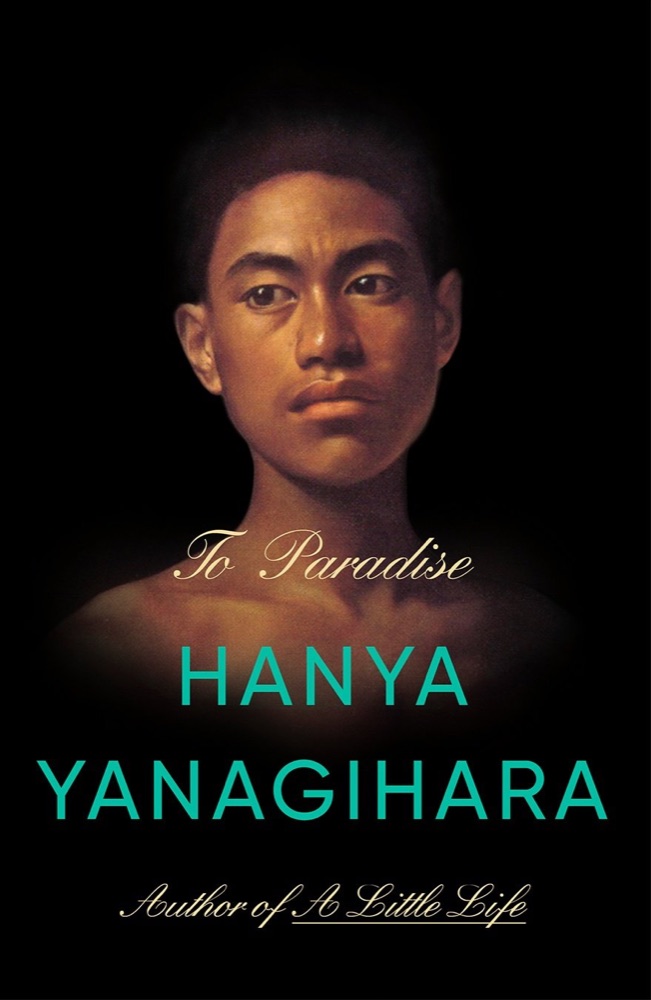 To Paradise
 Christmas Holiday
 The Round House
 These Precious Days: Essays
 How Beautiful We Were
 Beneath a Scarlet Sky
 The Librarian of Auschwitz
 The Tunnel
 Outcry - Holocaust memoirs
 Secondhand Time: The Last of the Soviets
 Imagine Me Gone
 The Tale of the Body Thief
 Speaker for the Dead
 The Emperor of Gladness
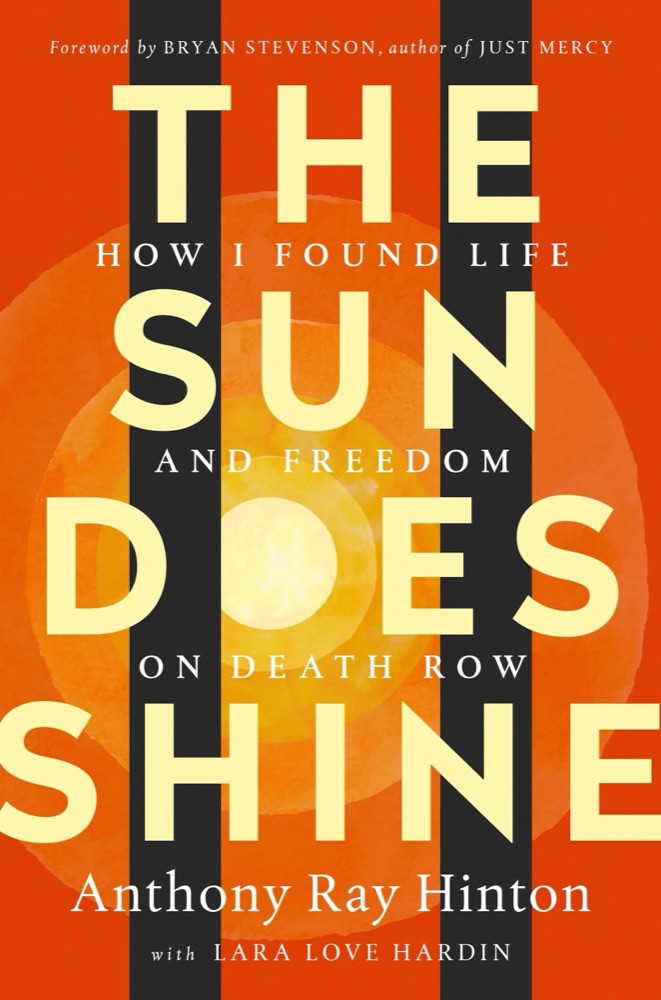 The Sun Does Shine: How I Found Life and Freedom on Death Row
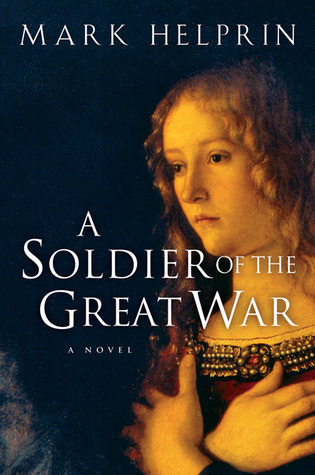 A Soldier of the Great War
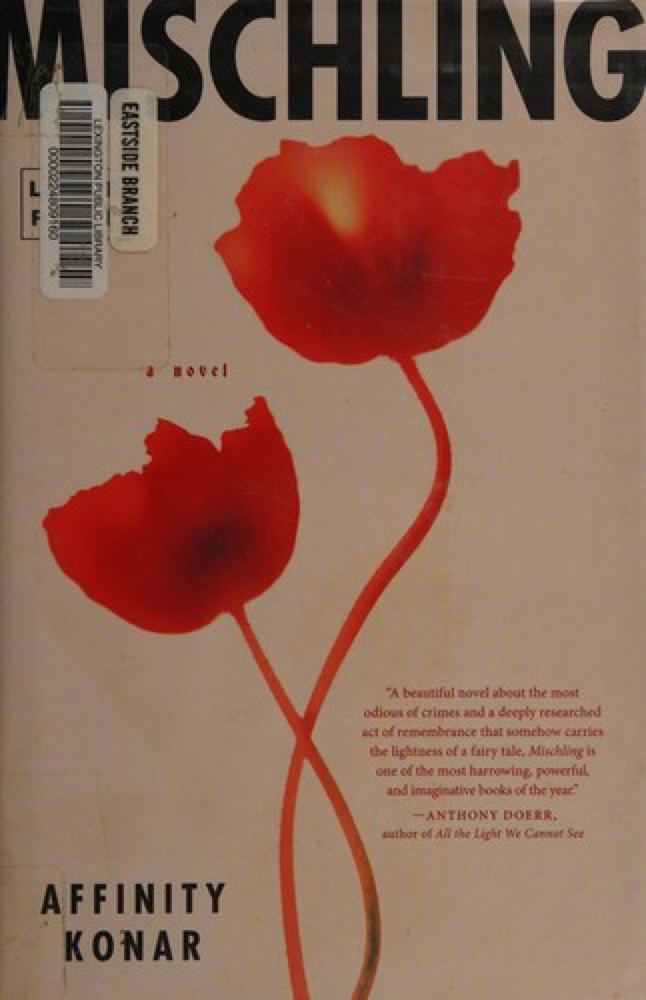 Mischling
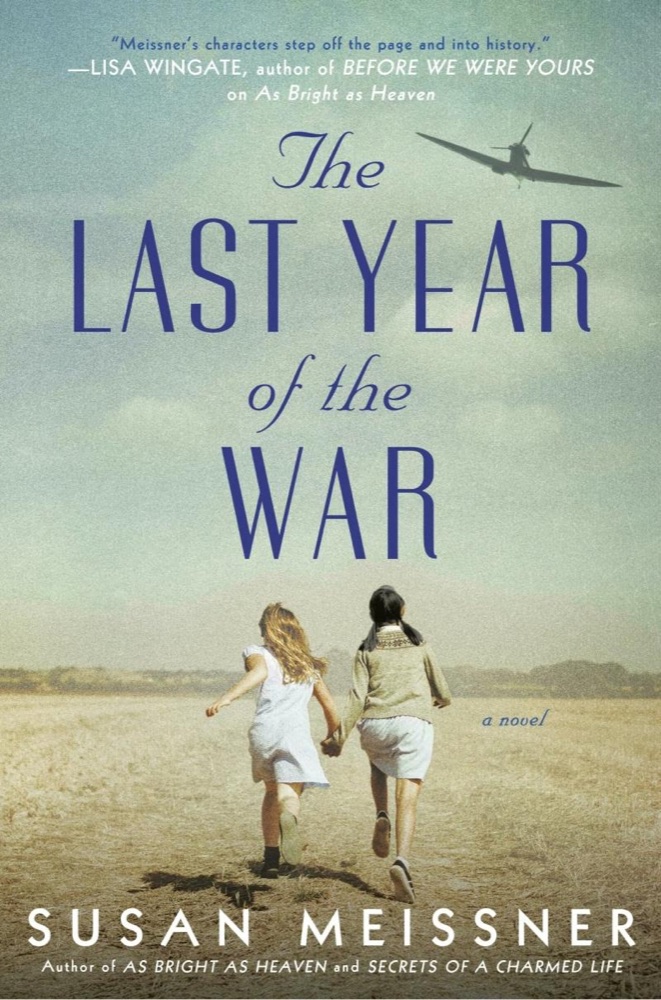 The Last Year of the War
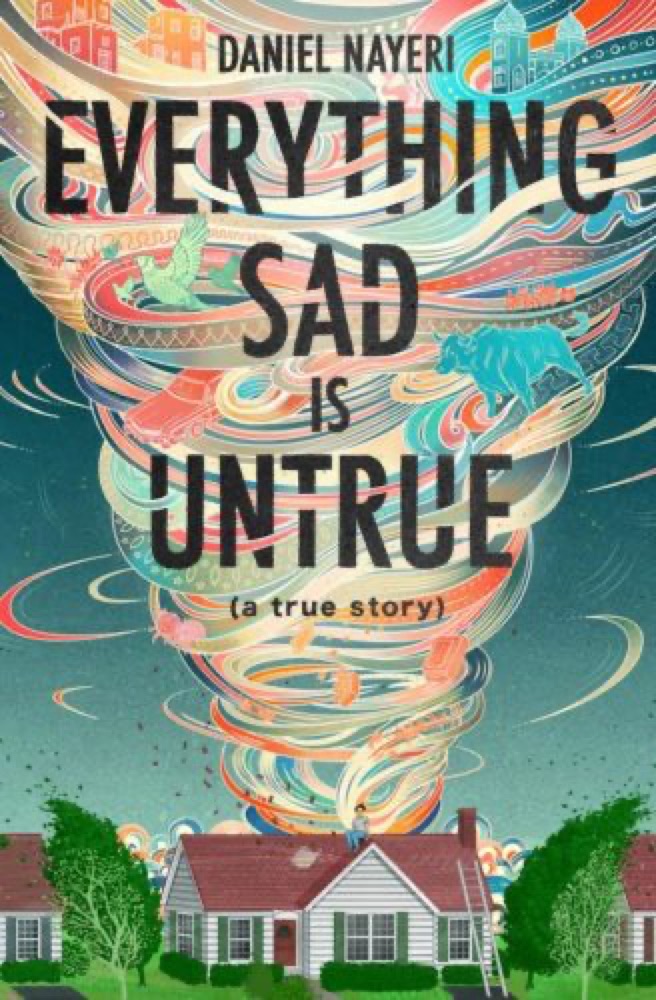 Everything Sad Is Untrue
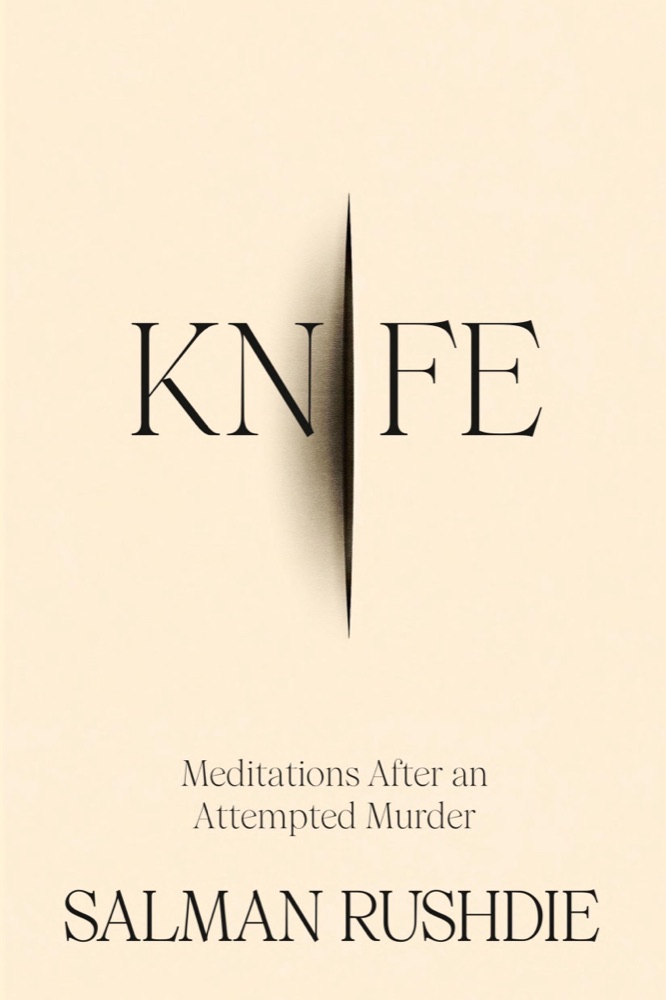 Knife: Meditations After an Attempted Murder
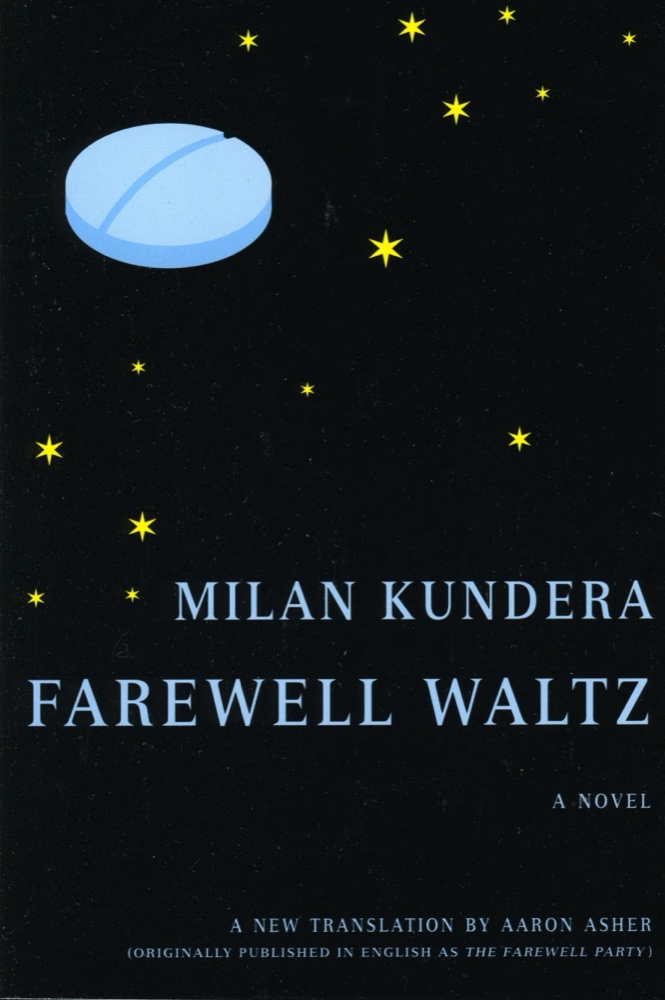 Farewell Waltz
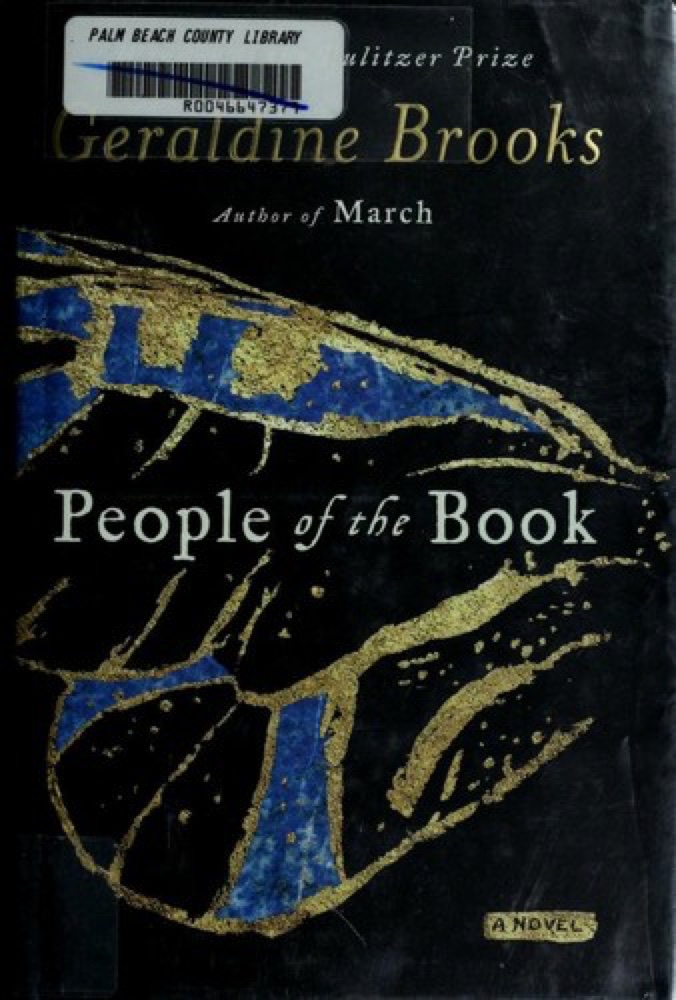 People of the Book
 The Five Stages of Andrew Brawley
 The Infernals
 Lincoln in the Bardo
 Under the Same Stars