
 The Disappearing Spoon: And Other True Tales of Madness, Love, and the History of the World from the Periodic Table of the Elements
Quotes from the Book
But when we sacrifice morals for scientific progress, we often end up with neither.
6
Rivalries are funny things. They waste time and energy. They stir up mean instincts and consume us with petty emotions. Yet in doing so, rivalries also push people to greatness.
3
...it's all too easy to judge people in the past by the ethical standards of today and feel superior. As the saying goes, fashions in ethics change even faster than fashions in clothing, and it should give us pause to know that people in the future will probably denounce us for things we never even thought to question. But it's fair to judge people for violating the standards of their own day,...
2
No, what makes mad scientists mad isn’t their lack of logic or reason or scientific acumen. It’s that they do science too well, to the exclusion of their humanity.
1
Albert Einstein once said, “Most people say that it is the intellect which makes a great scientist. They are wrong: it is character.” . . . On one level, science is a collection of facts about the world, and adding to that collection does require discoveries. But science is also something larger. It’s a mindset, a process, a way of reasoning about the world that allows us to expose wishful thinking and biases and replace them with deeper, more reliable truths. Considering how vast the world is, there’s no way to check every reported experiment yourself and personally verify it. At some point, you have to trust other people’s claims—which means those people need to be honorable, need to be worthy of trusting. Moreover, science is an inherently social process. Results cannot be kept secret; they have to be verified by the wider community, or science simply doesn’t work. And given what a deeply social process science is, acts that damage society by shortchanging human rights or ignoring human dignity will almost always cost you in the end—by destroying people’s trust in science and even undermining the very conditions that make science possible.
1
The vast majority of scientists deserve our trust. But no matter how you slice it, scientific fraud isn’t rare. Hundreds of scientific papers get retracted every year, and while firm numbers are elusive, something like half of them are retracted due to fraud or other misconduct. Even big-name scientists transgress. Again, it’s unfair to condemn people from the past for failing to meet today’s standards, but historians have noted that Galileo, Newton, Bernoulli, Dalton, Mendel, and more all manipulated experiments and/or fudged data in ways that would have gotten them fired from any self-respecting lab today.
1
the first meteorologically detailed account of a hurricane,
what makes mad scientists mad isn’t their lack of logic or reason or scientific acumen. It’s that they do science too well
Regardless, Watts was outraged, and demanded that Freeman stop doing experimental brain surgery in their office.
one bioethicist argued, “Implied consent is no consent at all.
As one historian noted, doctors “joined the Nazi party earlier and in greater numbers than any other professional group.” As healers, they especially relished Nazi rhetoric about “curing” society’s ills and eliminating “cancerous” Jews, gypsies, and homosexuals.
In 2004, a funeral director from Staten Island got caught selling bodies to the U.S. Army for $30,000; the army was dressing the bodies in armored footwear and dangling them over land mines to test how well the footwear worked.)
In a callous response to this complaint, one politician argued that supplying bodies for research was the least the poor could do. After all, look at all the free meals and medical care they’d enjoyed on the public dime during their lives.
(This should go without saying, but given how charged this topic is, it’s worth being explicit: the Africans were the victims here, not the white European.)
Smeathman’s life is worth examining, because it sheds light on an aspect of early science that most historians overlook—how intertwined science and slavery were.
But for every European name attached to some plant or bug, it’s worth remembering that there were probably one or two or a dozen unnamed helping hands.
(A rival politician countered that he too supported the dissection of those who were sucking the public teat dry. He proposed starting with the royal family.)
Many people agreed with one executive who sneered that [Thomas] Edison had a vacuum where his conscience ought to be.
A rival politician countered that he too supported the dissection of those who were sucking the public teat dry. He proposed starting with the royal family.
But psychologists who’ve studied group dynamics have found that teams with high cohesiveness and uniform backgrounds tend to make worse decisions than groups with more diversity of thought. In particular, uniform groups rarely question their own unethical behavior— or more precisely, fail to recognize they’re acting unethically.
Overall, this book fuses the drama of scientific discovery with the illicit thrill of true-crime tales. The stories range from the dawn of science in the 1600s to the high-tech felonies of tomorrow, and they cover all corners of the globe.
Watch on YouTube
About Sam Kean
We have collected 96 quotes from 4 books by Sam Kean on BookQuoters.
More about the author →More by Sam Kean
The Disappearing Spoon: And Other True Tales of Madness, Love, and the History of the World from the Periodic Table of the Elements
 The Tale of the Dueling Neurosurgeons: The History of the Human Brain as Revealed by True Stories of Trauma, Madness, and Recovery
 The Violinist's Thumb: And Other Lost Tales of Love, War, and Genius, as Written by Our Genetic Code
About the book
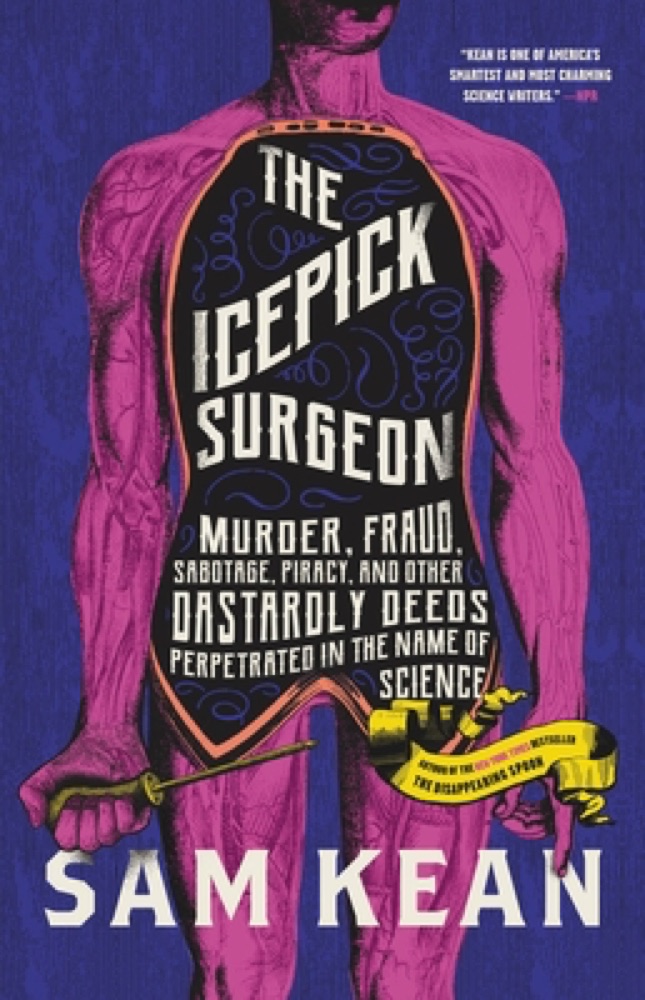
Murder, Fraud, Sabotage, Piracy, and Other Dastardly Deeds Perpetrated in the Name of Science
From New York Times bestselling author Sam Kean comes the gripping, untold history of science's darkest secrets, “a fascinating book [that] deserves a wide audience” (Publishers Weekly, starred review)Science is a force for good in the world—at least usually. But sometimes, when obsession gets the better of scientists, they twist a noble pursuit into something sinister. Under this spell, knowledge isn’t everything, it’s the only thing—no matter the cost. Bestselling author Sam Kean tells the true story of what happens when unfettered ambition pushes otherwise rational men and women to cross the line in the name of science, trampling ethical boundaries and often committing crimes in the process.The Icepick Surgeon masterfully guides the reader across two thousand years of history, beginning wi
Book details
- First published
- 2021
- Author
- Sam Kean
- Genre
- Nonfiction
- Goodreads rating
- 4.01 (11k ratings)
The buzz
- The New York TimesReview in The New York Timesprofessional review (via Book Marks)
- The Washington PostReview in The Washington Postprofessional review (via Book Marks)
- The Wall Street JournalReview in The Wall Street Journalprofessional review (via Book Marks)
- Kirkus ReviewsReview in Kirkus Reviewsprofessional review (via Book Marks)
- Publishers WeeklyReview in Publishers Weeklyprofessional review (via Book Marks)
- New York Journal of BooksReview in New York Journal of Booksprofessional review (via Book Marks)
Keep reading
 Bad Science
 Parasite
 Too Like the Lightning
 Friday
 The Disordered Cosmos: A Journey into Dark Matter, Spacetime, and Dreams Deferred
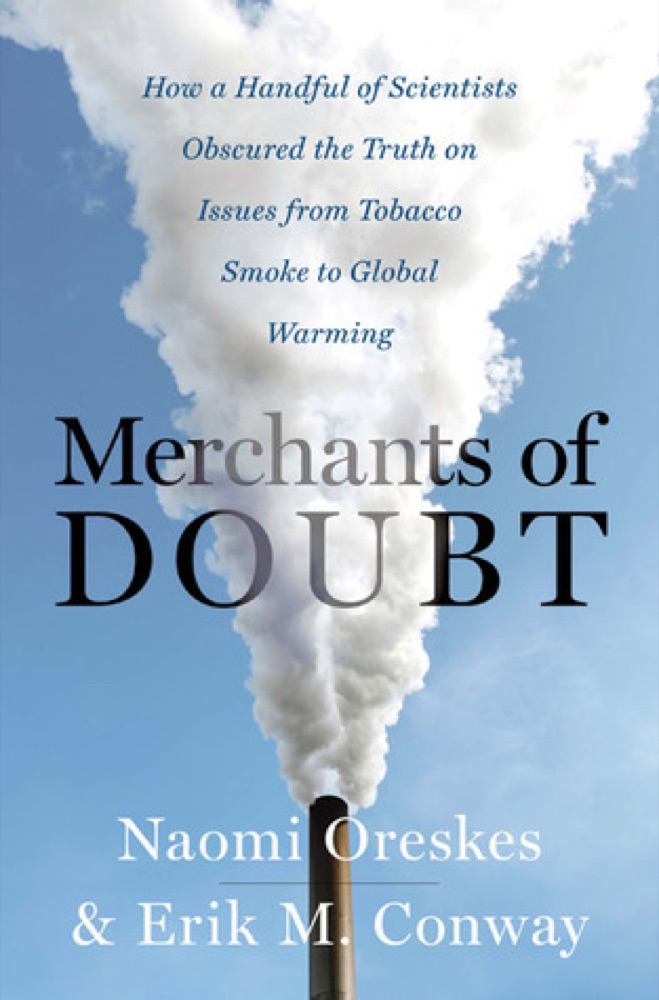 Merchants of Doubt: How a Handful of Scientists Obscured the Truth on Issues from Tobacco Smoke to Global Warming
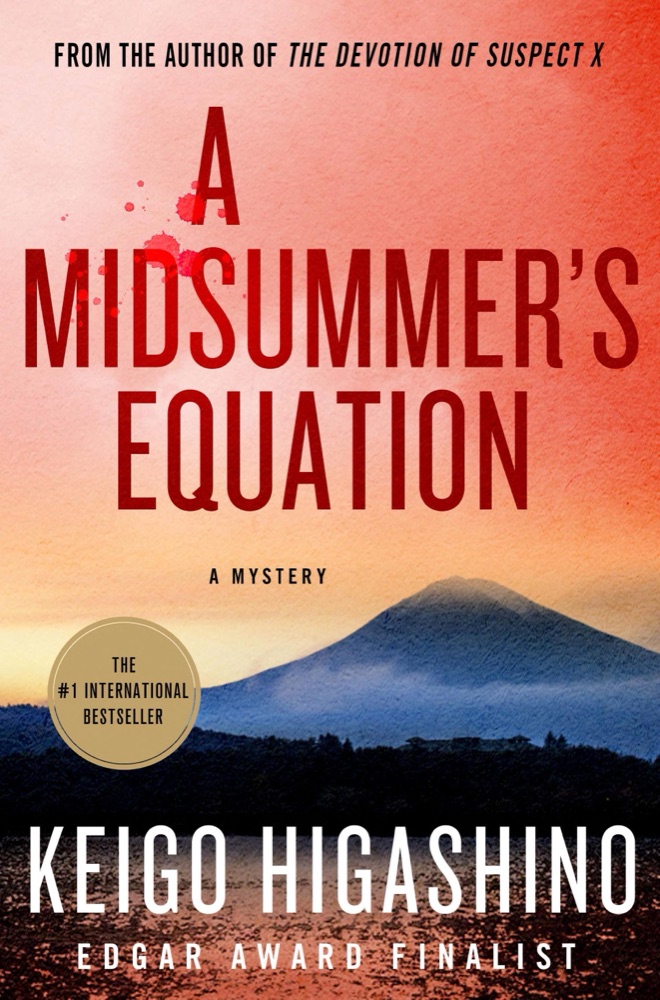 A Midsummer's Equation
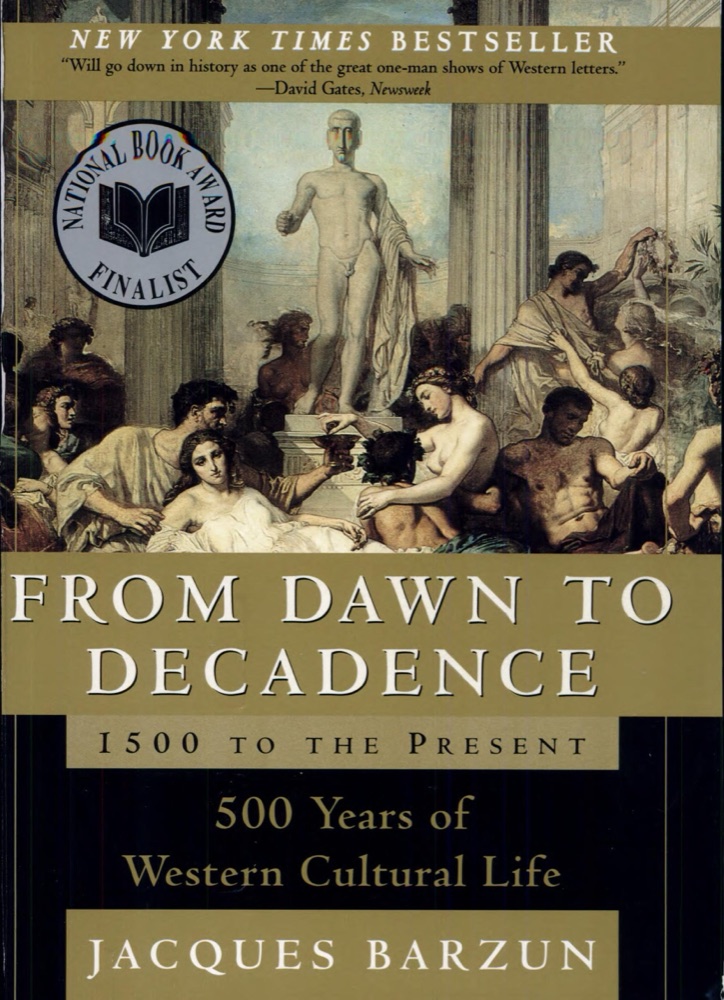 From Dawn to Decadence: 500 Years of Western Cultural Life, 1500 to the Present
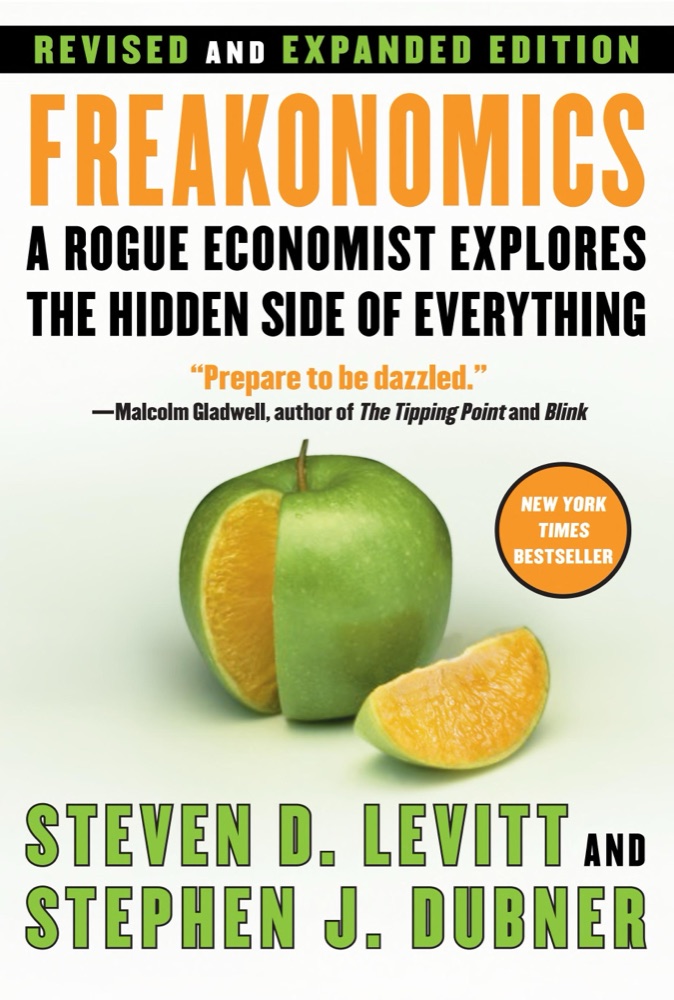 Freakonomics: A Rogue Economist Explores the Hidden Side of Everything
 What the Dog Saw and Other Adventures
 Arguably: Selected Essays
 Alien Clay
 The Truth: Stage Adaptation
 Venomous Lumpsucker
 Poor Things
 The Hangman's Replacement: Sprout of Disruption
 The Resurrectionist: The Lost Work of Dr. Spencer Black
 The Evolution of Everything: How New Ideas Emerge
 The Girl in the Spider's Web
 Prelude to Foundation
 The Code Breaker: Jennifer Doudna, Gene Editing, and the Future of the Human Race
 The Undoing Project: A Friendship That Changed Our Minds
 An Instance of the Fingerpost
 State of Fear
 Civilized to Death: What Was Lost on the Way to Modernity
 The Alienist
 Redemption Ark
 Lila: An Inquiry Into Morals
 The Hangman's Daughter
 Mistakes Were Made (But Not by Me): Why We Justify Foolish Beliefs, Bad Decisions, and Hurtful Acts
 The Last Trial
 The Sympathizer
 Gaudy Night
 Next
Next
 Quicksilver
 Gnomon
 The Blank Slate: The Modern Denial of Human Nature
 An Appetite for Wonder: The Making of a Scientist
 Get Well Soon: History's Worst Plagues and the Heroes Who Fought Them
 The Wizard and the Prophet: Two Remarkable Scientists and Their Dueling Visions to Shape Tomorrow's World
 Shaman
 The Immortal Life of Henrietta Lacks
 All the Birds in the Sky
 The Confessions of Frannie Langton
 The Eyre Affair
 The Rise and Fall of D.O.D.O.
 The Upright Thinkers: The Human Journey from Living in Trees to Understanding the Cosmos
 Fall; or, Dodge in Hell
 The Ghost Map: The Story of London's Most Terrifying Epidemic - and How It Changed Science, Cities, and the Modern World
 Green Mars
 Parasitic Mind: How Infectious Ideas Are Killing Common Sense
 The Meaning of It All: Thoughts of a Citizen-Scientist
 Galileo
 Superior: The Return of Race Science
 Player Piano
 Hocus Pocus
 Maelstrom
 How to Argue With a Racist: What Our Genes Do (and Don't) Say About Human Difference