
 Nine Lives
Quotes from the Book
the Afghans were perceived as mere pawns on the chessboard of western diplomacy, to be engaged or sacrificed at will. It was a precedent that was to be followed many other times, by several different powers, over the years and decades to come; and each time the Afghans would show themselves capable of defending their inhospitable terrain far more effectively than any of their would-be manipulators could possibly have suspected. It
5
To subdue and crush the masses of a nation by military force, when all are unanimous in the determination to be free, is to attempt the imprisonment of a whole people; all such projects must be temporary and transient, and terminate in a catastrophe...
3
The first Embassy to Afghanistan by a western power left the Company's Delhi Residency on 13 October 1808, with the Ambassador accompanied by 200 calvary, 4,000 infantry, a dozen elephants and no fewer than 600 camels. It was dazzling, but it was also clear from this attempt to reach out to the Afghans that the British were not interested in cultivating Shah Shuja's friendship for its own sake, but were concerned only to outflank their imperial rivals: the Afghans were perceived as mere pawns on the chessboard of western diplomacy, to be engaged or sacrificed at will. It was a precedent that was to be followed many other times, by several different powers, over the years and decades to come; and each time the Afghans would show themselves capable of defending their inhospitable terrain far more effectively than any of their would-be manipulators could possibly have suspected.
3
No one was planning to travel light. One brigadier claimed that he needed fifty camels to carry his kit, while General Cotton took 260 for his. Three hundred camels were earmarked to carry the military wine cellar. Even junior officers travelled with as many as forty servants—ranging from cooks and sweepers to bearers and water carriers. According to Major General Nott, who had to work his way up through his career without the benefit of connections, patronage or money and who looked with a jaundiced eye on the rich young officers of the Queen's Regiments, it was already clear that the army was not enforcing proper military austerity. Many of the junior officers were already treating the war as though it were as light-hearted as a hunting trip—indeed one regiment had actually brought its own foxhounds with it to the front.
2
success in battle in Afghanistan was rarely decided by straightforward military victory so much as by successfully negotiating a path through the shifting patterns of tribal allegiances.
1
Here Elphinstone sat scribbling in his diary, trying to make sense of the Afghan character in all its rich contradictions. “Their vices,” he wrote, “are revenge, envy, avarice, rapacity, and obstinacy; on the other hand, they are fond of liberty, faithful to their friends, kind to their dependents, hospitable, brave, hardy, frugal, laborious, and prudent.”45 He was astute enough to note that success in battle in Afghanistan was rarely decided by straightforward military victory so much as by successfully negotiating a path through the shifting patterns of tribal allegiances. “The victory is usually decided by some chief going over to the enemy,” wrote Elphinstone, “on which the greater part of the army either follows his example or else takes flight.”46 c Shuja
1
quoting a Persian proverb, “those once bitten by a snake fear even a twisted rope.
1
Before Shah Shuja’s arrival, Ludhiana was known mainly as a centre of the flesh trade, through which girls from the Punjab Hill States and Kashmir – considered the fairest and most beautiful in the region – passed into slavery in the Sikh-controlled Punjab and Hindustan.
1
the joys and the griefs of this fleeting faithless world do not last: ‘the world is a dream—however you imagine it, it passes away; until you pass away yourself.’
By the time the news reached Calcutta, it had already given hope and encouragement to the many opponents of Company rule across the length and breadth of Hindustan: it was no accident that when the Great Rebellion did break out in 1857, it did so in sepoy regiments which had been deserted by their British officers in the snows of the Khord Kabul, and in civilian centres such as Lucknow, Agra, and Kanpur where the Persian presses had eagerly reprinted the Afghan epic poems and prose accounts of the British defeat.
Few, few shall part where many meet, The snow shall be their winding sheet; And every turf beneath their feet Shall be a soldier’s sepulchre.
Watch on YouTube
About William Dalrymple
We have collected 42 quotes from 3 books by William Dalrymple on BookQuoters.
More about the author →More by William Dalrymple
Nine Lives
 City of Djinns: A Year in Delhi
About the book
In the spring of 1839 British forces invaded Afghanistan for the first time, re-establishing Shah Shuja on the throne, in reality as their puppet, and ushering in a period of conflict over the territory still unresolved today. In 1842, the Afghan people rose in answer to the call for jihad against the foreign occupiers, and the country exploded into violent rebellion. In what is arguably the greatest military humiliation ever suffered by the West in the East, more than eighteen thousand cold and hungry British troops, Indian sepoys and camp followers retreated through the icy mountain passes, and of the last survivors who made their final stand at the village of Gandamak, only one man, Dr Brydon, made it through to the British garrison at Jellalabad. An entire army of what was then the most powerful military nation in the world was utterly routed by poorly equipped tribesmen. The West's
Book details
- First published
- 2013
- Author
- William Dalrymple
- Genre
- History
- Goodreads rating
- 4.35 (5k ratings)
Keep reading
 The First Salute : View of the American Revolution
 River of Smoke
 Into the Silence: The Great War, Mallory and the Conquest of Everest
 The Looming Tower: Al-Qaeda and the Road to 9/11
 The Guns of August
 Closing the Ring
City of Djinns: A Year in Delhi
Closing the Ring
City of Djinns: A Year in Delhi
 Ghost Soldiers: The Epic Account of World War II's Greatest Rescue Mission
 Mr. Lincoln's Army
 Genghis Khan and the Making of the Modern World
 An Army at Dawn: The War in North Africa, 1942-1943
 The Day of the Scorpion
 Smoke and Ashes
 Desert Queen: The Extraordinary Life of Gertrude Bell: Adventurer, Adviser to Kings, Ally of Lawrence of Arabia
 Precipice
 Victory City
 The Persian Expedition
 Queen of Fire
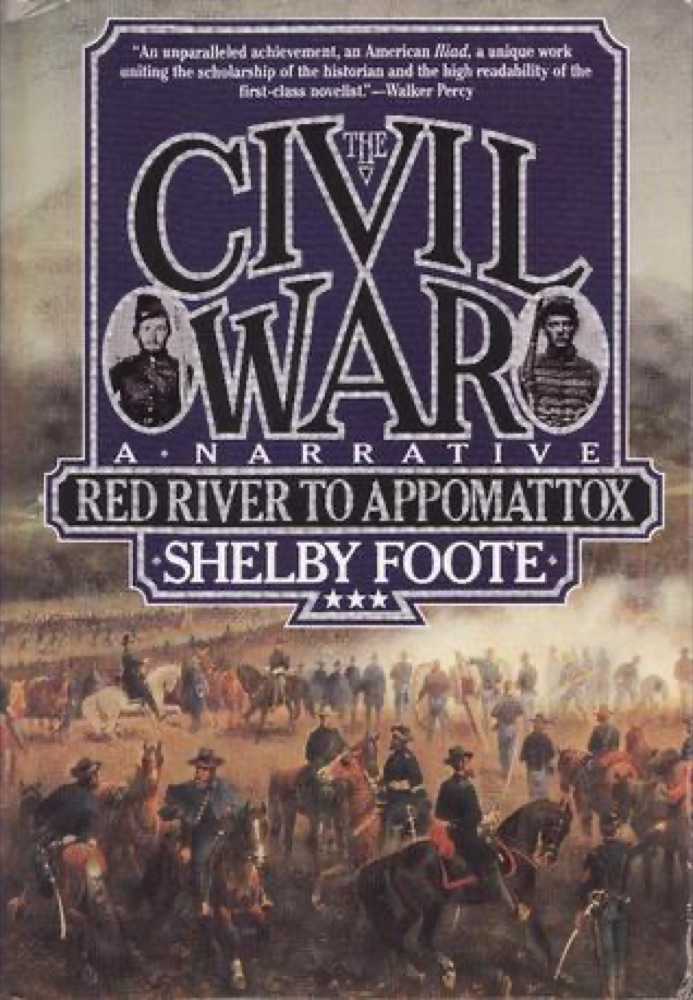 The Civil War, Vol. 3: Red River to Appomattox
 Bones of the Hills
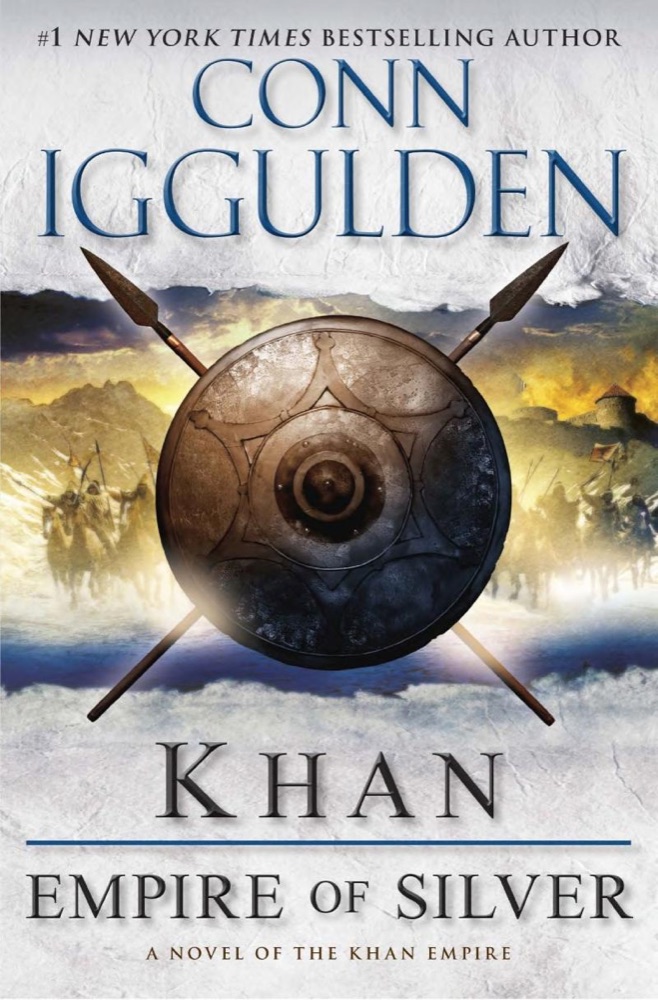 Khan: Empire of Silver
 Last First Snow
 The Wasted Vigil
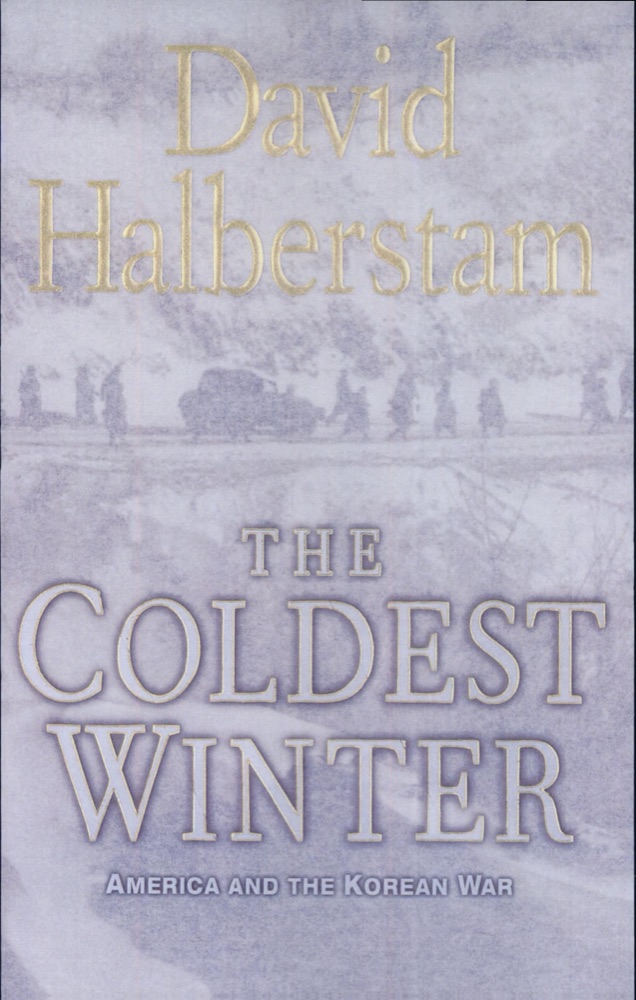 The Coldest Winter: America and the Korean War
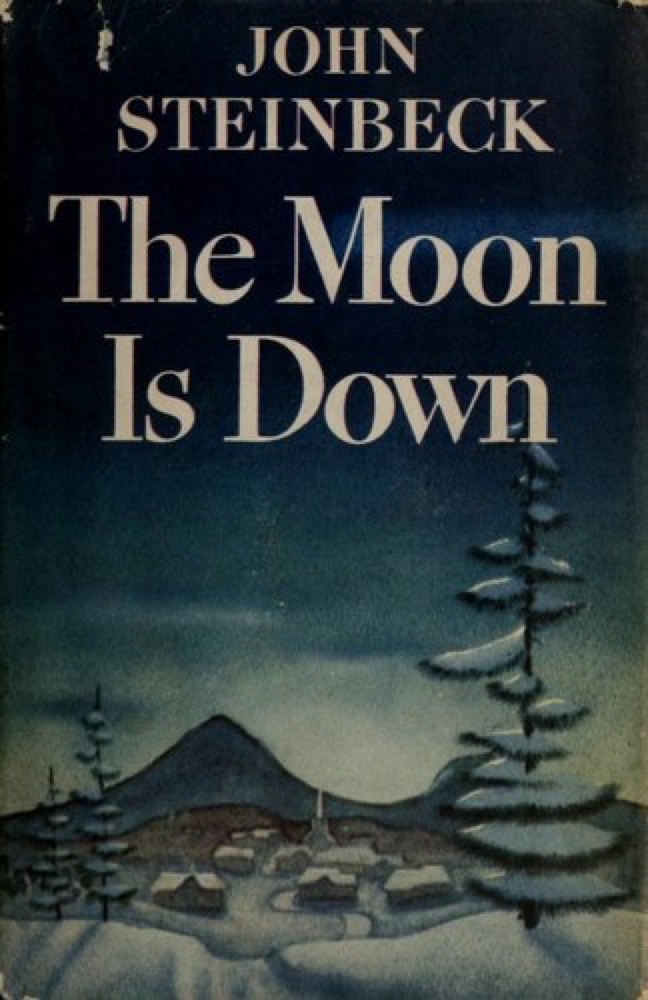 The Moon Is Down
 The Winds of War
 The Second World War
 Train to Pakistan
 The Far Pavilions
 From Beirut to Jerusalem
 The Revenge Of Geography: What the Map Tells Us About Coming Conflicts and the Battle Against Fate
 This Kind of War: A Study in Unpreparedness
 The Will to Battle
 A Case of Exploding Mangoes
 The Siege of Krishnapur
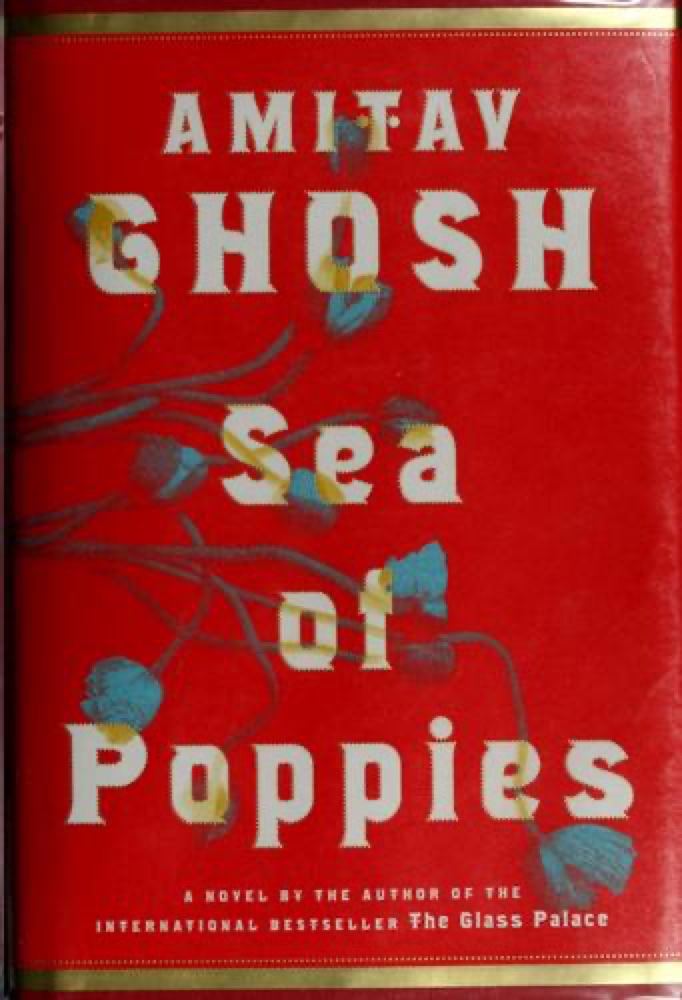 Sea of Poppies
 The Association of Small Bombs
 The Splendid and the Vile: A Saga of Churchill, Family, and Defiance During the Blitz
 The Histories
 April 1865: The Month That Saved America
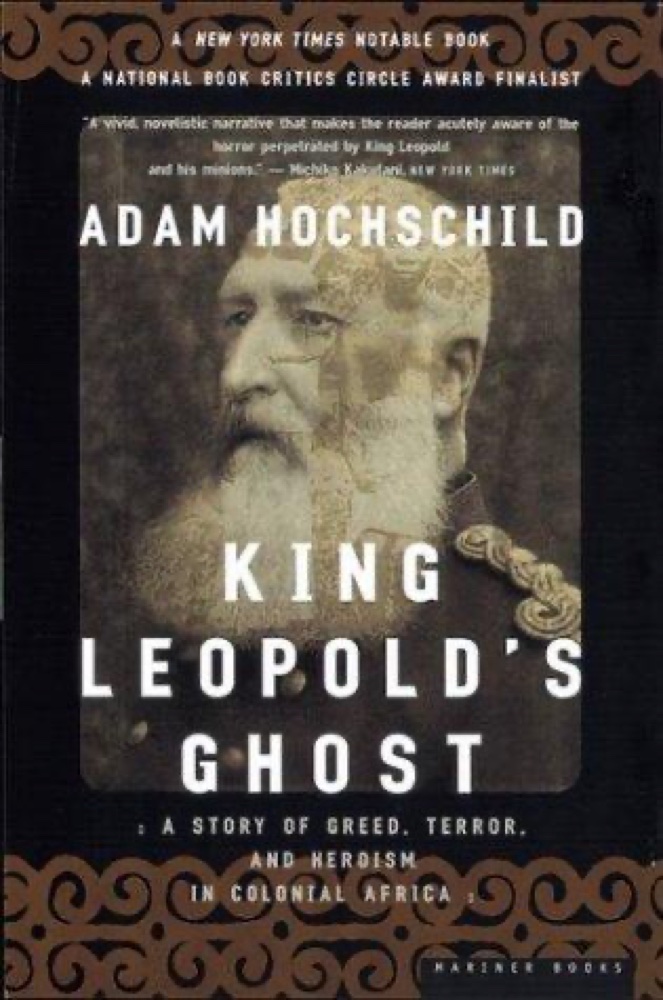 King Leopold's Ghost
 The Black Wolf
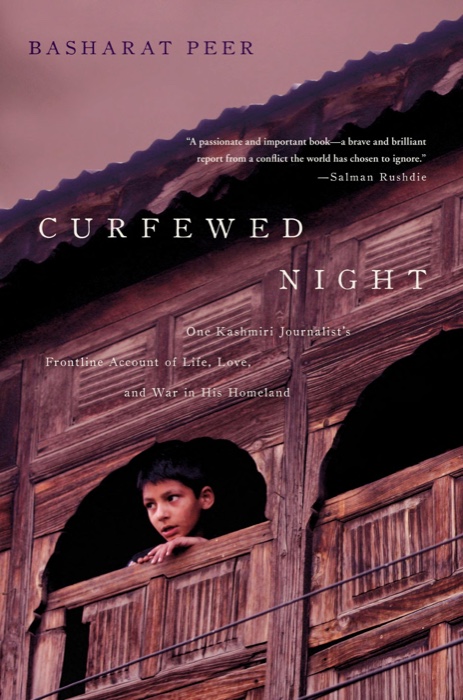 Curfewed Night
 Shadow of the Moon
 American War
 The Deed of Paksenarrion
 In the Shadow of the Sword: The Birth of Islam and the Rise of the Global Arab Empire
 Homage to Catalonia
 The Fall of the Roman Empire: A New History of Rome and the Barbarians
 The Spy Who Came In from the Cold
 The Last Stand: Custer, Sitting Bull, and the Battle of the Little Bighorn
 War
War
 Toll the Hounds
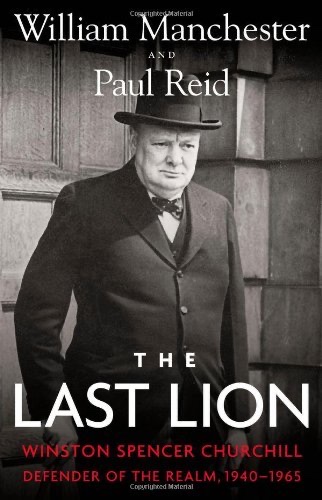 The Last Lion 3: Winston Spencer Churchill: Defender of the Realm, 1940-1965
 The Blind Man's Garden
 The Lily and The Lion
 Joseph Anton: A Memoir
 1776
1776
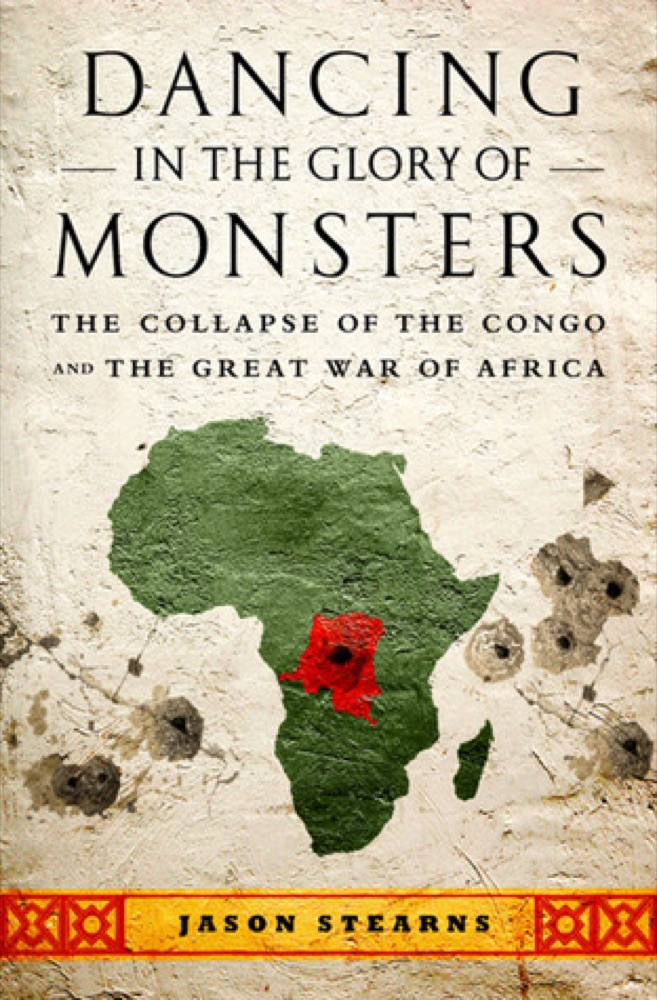 Dancing in the Glory of Monsters: The Collapse of the Congo and the Great War of Africa
 We Were Soldiers Once... and Young: Ia Drang - The Battle that Changed the War in Vietnam