

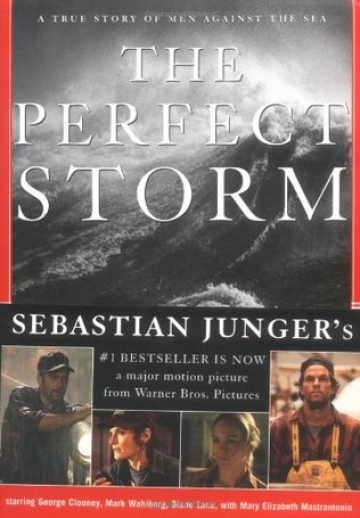
 The Perfect Storm: A True Story of Men Against the Sea
Quotes from the Book
The Army might screw you and your girlfriend might dump you and the enemy might kill you, but the shared commitment to safeguard one another’s lives is unnegotiable and only deepens with time. The willingness to die for another person is a form of love that even religions fail to inspire, and the experience of it changes a person profoundly.
Each Javelin round costs $80,000, and the idea that it's fired by a guy who doesn't make that in a year at a guy who doesn't make that in a lifetime is somehow so outrageous it almost makes the war seem winnable.
War is life multiplied by some number that no one has ever heard of.
Society can give its young men almost any job and they'll figure how to do it. They'll suffer for it and die for it and watch their friends die for it, but in the end, it will get done. That only means that society should be careful about what it asks for. ... Soldiers themselves are reluctant to evaluate the costs of war, but someone must. That evaluation, ongoing and unadulterated by politics, may be the one thing a country absolutely owes the soldiers who defend its borders.
Combat isn't where you might die -- though that does happen -- it's where you find out whether you get to keep on living. Don't underestimate the power of that revelation. Don't underestimate the things young men will wager in order to play that game one more time.
The army consists of the first infantry division and eight million replacements.
The cause doesn't have to be righteous and battle doesn't have to be winnable; but over and over again throughout history, men have chosen to die in battle with their friends rather than to flee on their own and survive.
War is a lot of things and it's useless to pretend that exciting isn't one of them. (pg. 144)
During the air war of 1944, a four-man combat crew on a B-17 bomber took a vow to never abandon one another no matter how desperate the situation. The aircraft was hit by flak during a mission and went into a terminal dive, and the pilot ordered everyone to bail out. The top turret gunner obeyed the order, but the ball turret gunner discovered that a piece of flak had jammed his turret and he could not get out. The other three men in his pact could have bailed out with the parachutes, but they stayed with him until the plan hit the ground and exploded. They all died.
The coward’s fear of death stems in large part from his incapacity to love anything but his own body. The inability to participate in others’ lives stands in the way of his developing any inner resources sufficient to overcome the terror of death. — J. Glenn Gary, The Warriors
...much of modern military tactics is geared toward maneuvering the enemy into a position where they can essentially be massacred from safety. (pg. 140)
Most firefights go by so fast that acts of bravery or cowardice are more or less spontaneous. Soldiers might live the rest of their lives regretting a decision that they don’t even remember making; they might receive a medal for doing something that was over before they even knew they were doing it.
The fight lasts ten or fifteen minutes and then the A-10s show up and tilt into their dives. Ninety rounds a second the size of beer cans unzipping the mountainsides with a sound like the sky ripping. The men look up and whoop when they hear it, a punishment so unnegotiable it might as well have come from God.
We sleep soundly in our beds because rough men stand ready in the night to visit violence on those who would do us harm. —Winston Churchill
The problem is that it's hard to aim a rifle when your heart is pounding, which points to an irony of modern combat: it does extraordinarily violent things to the human body but requires almost dead calm to execute well.
I came to think of it as a kind of zen practice: the Zen of not fucking up.
order to play that game one more time. The
The problem with fear, though, is that it isn’t any one thing. Fear has a whole taxonomy—anxiety, dread, panic, foreboding—and you could be braced for one form and completely fall apart facing another.
Stripped to its essence, combat is a series of quick decisions and rather precise actions carried out in concert with ten or twelve other men. In that sense it’s much more like football than, say, like a gang fight. The unit that choreographs their actions best usually wins. They might take casualties, but they win. That choreography—you lay down fire while I run forward, then I cover you while you move your team up—is so powerful that it can overcome enormous tactical deficits. There is choreography for storming Omaha Beach, for taking out a pillbox bunker, and for surviving an L-shaped ambush at night on the Gatigal. The choreography always requires that each man make decisions based not on what’s best for him, but on what’s best for the group. If everyone does that, most of the group survives. If no one does, most of the group dies. That, in essence, is combat.
We sleep soundly in our beds because rough men stand ready in the night to visit violence on those who would do us harm. —Winston Churchill (or George Orwell)
Brotherhood has nothing to do with feelings; it has to do with how you define your relationship to others. It has to do with the rather profound decision to put the welfare of the group above your personal welfare. In such a system, feelings are meaningless. In such a system, who you are entirely depends on your willingness to surrender who you are.
The Koran offers us two choices, revenge and forgiveness,” he said. “But the Koran says that forgiveness is better, so we will forgive. We understand that it was a mistake, so we will forgive. The Americans are building schools and roads, and because of this, we will forgive.
About Sebastian Junger
We have collected 89 quotes from 4 books by Sebastian Junger on BookQuoters.
More about the author →More by Sebastian Junger
Book details
- Author
- Sebastian Junger
- Genre
- History
- Goodreads rating
- 4.25 (25k ratings) →
The buzz
- The New YorkerReview in The New Yorkerprofessional review (via Book Marks)
- The Wall Street JournalReview in The Wall Street Journalprofessional review (via Book Marks)
- The GuardianReview in The Guardianprofessional review (via Book Marks)
- TelegraphReview in Telegraphprofessional review (via Book Marks)
- LA Review of BooksReview in LA Review of Booksprofessional review (via Book Marks)
- ChireviewofbooksReview in Chireviewofbooksprofessional review (via Book Marks)
Keep reading
 War Is a Force That Gives Us Meaning
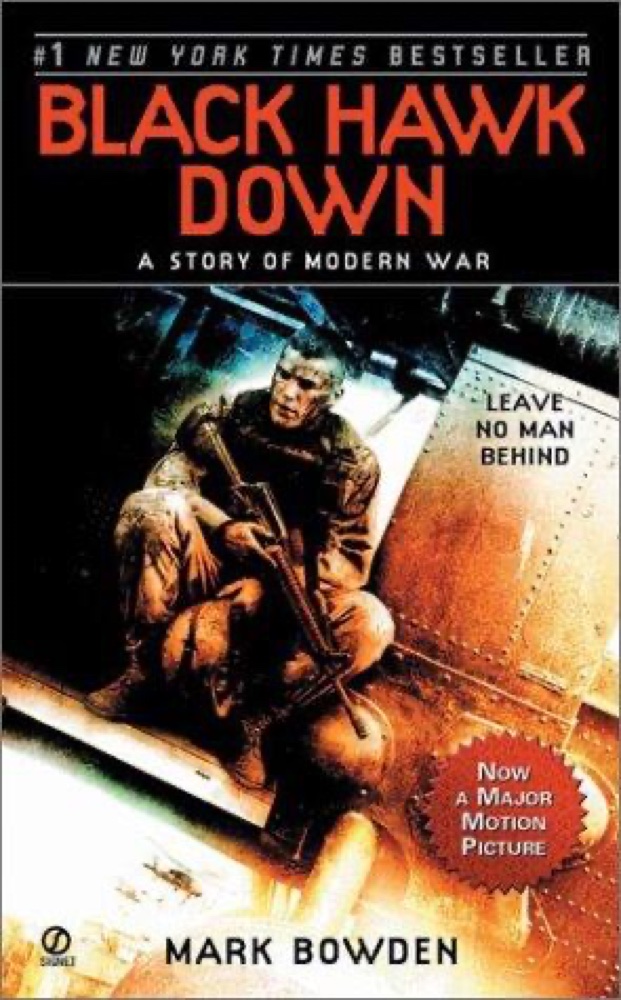 Black Hawk Down
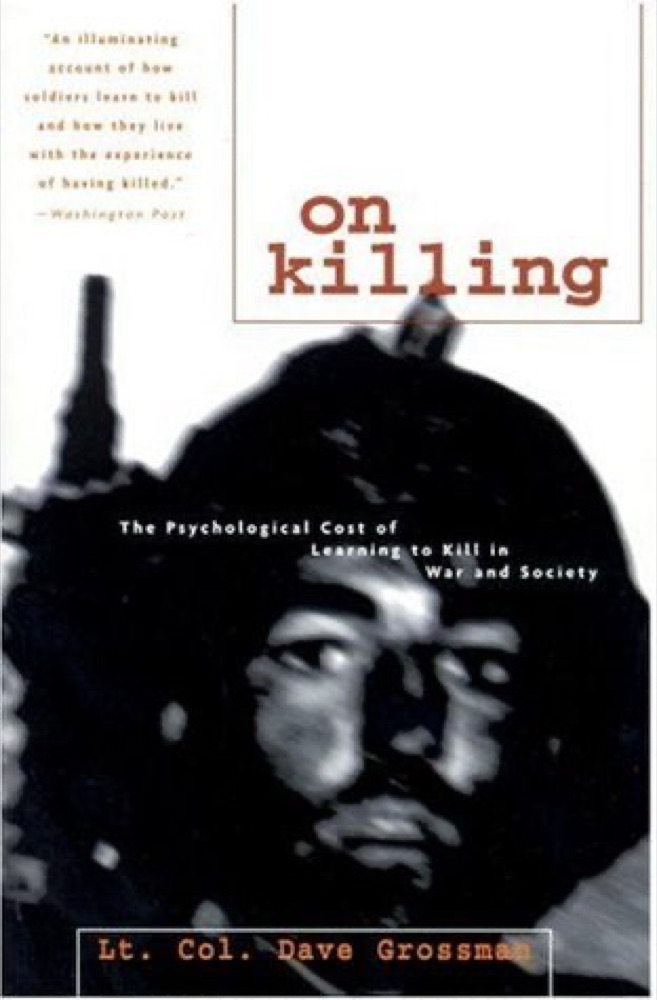 On Killing: The Psychological Cost of Learning to Kill in War and Society
 What It is Like to Go to War
 This Kind of War: A Study in Unpreparedness
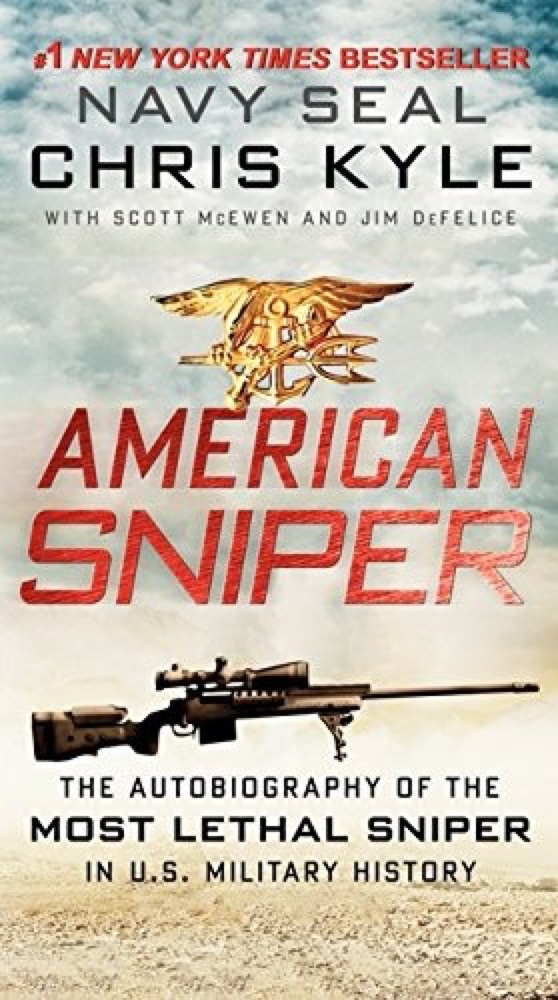 American Sniper: The Autobiography of the Most Lethal Sniper in U.S. Military History
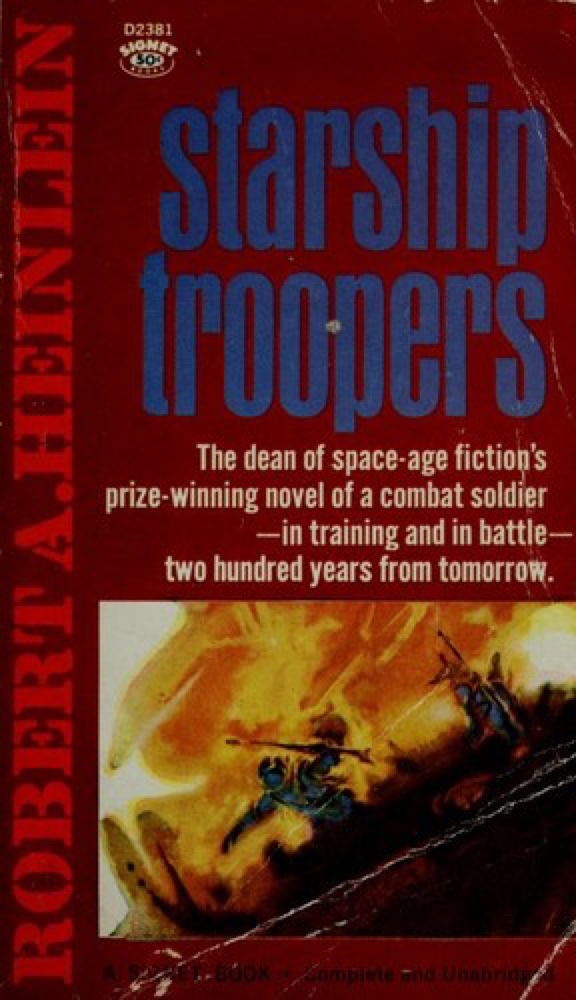 Starship Troopers
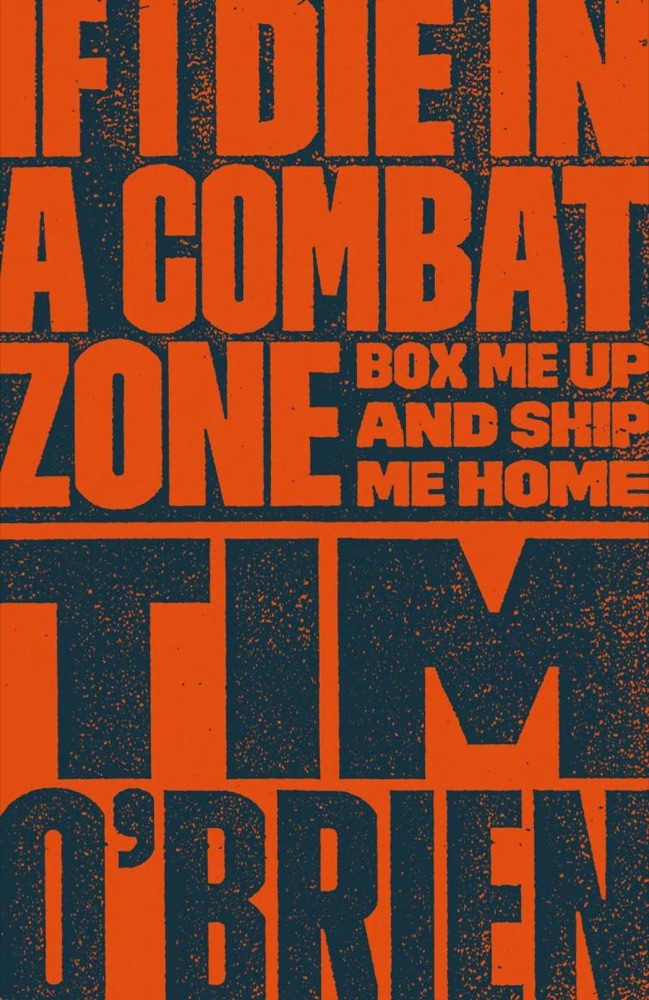 If I Die in a Combat Zone, Box Me Up and Ship Me Home
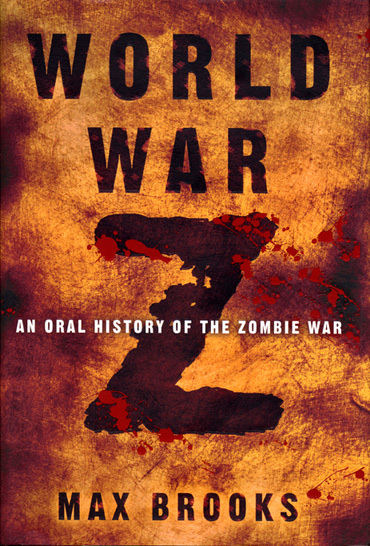 World War Z: An Oral History of the Zombie War
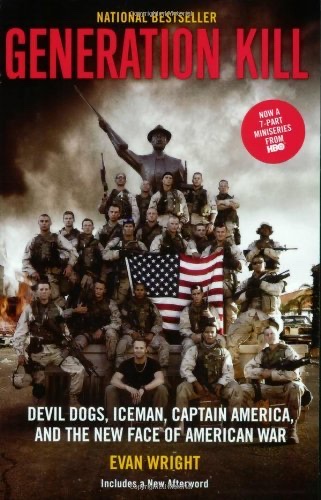 Generation Kill: Devil Dogs, Iceman, Captain America, and the New Face of American War
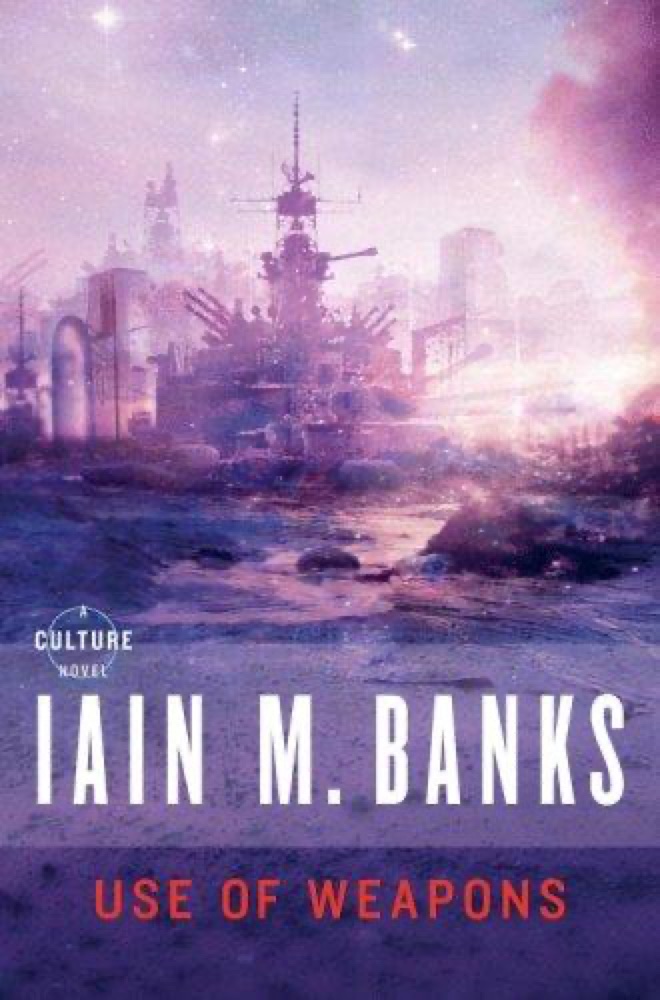 Use of Weapons
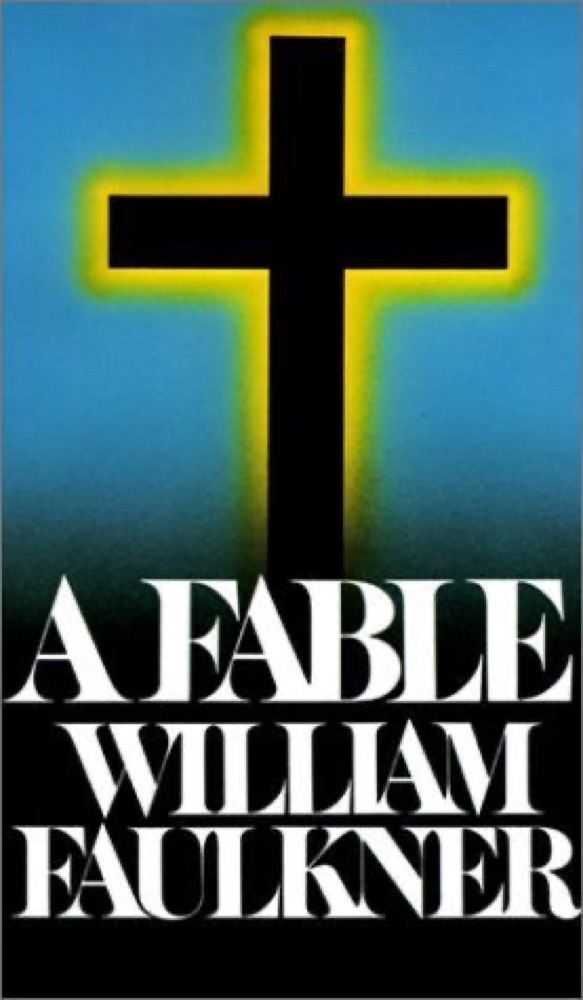 A Fable
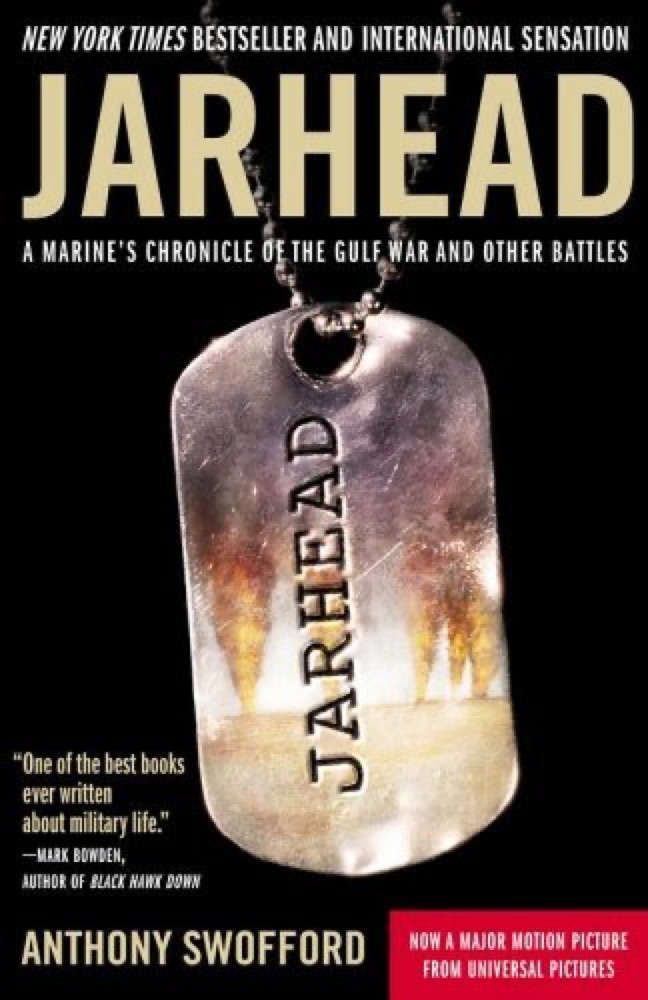 Jarhead : A Marine's Chronicle of the Gulf War and Other Battles
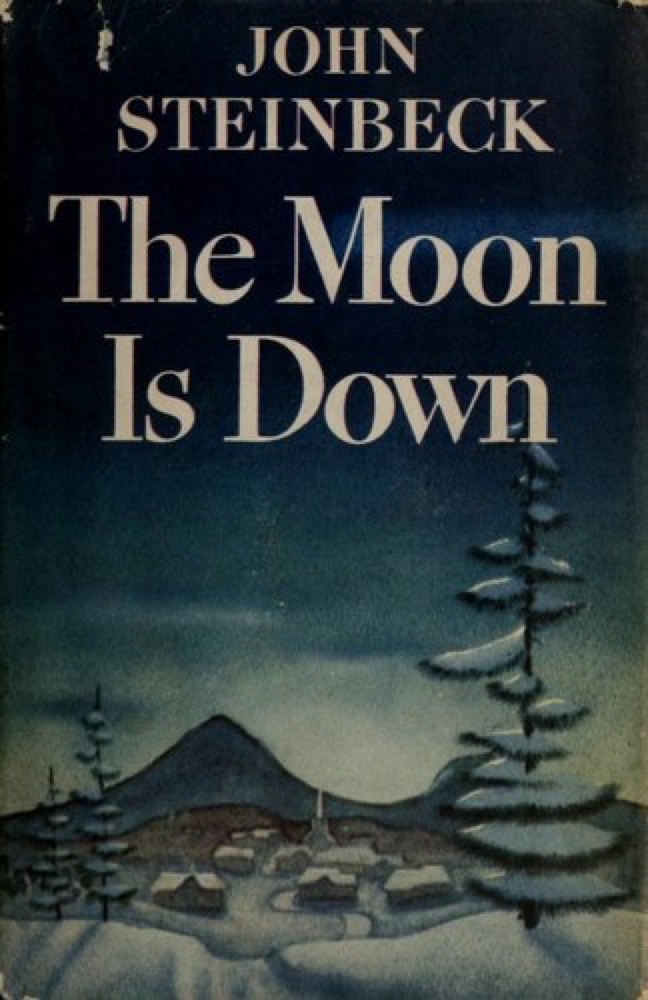 The Moon Is Down
 The Wars
 The Art of War
 The Forever War
 Musashi
 The Affair
 Gates of Fire
 All Quiet on the Western Front
 Lone Survivor: The Eyewitness Account of Operation Redwing and the Lost Heroes of SEAL Team 10
 City of Blades
 The Virtues of War
 Blood Song
 Before They Are Hanged
 Johnny Got His Gun
 Patriot Games
 The Atlantis Gene
 The Red Knight
 With the Old Breed: At Peleliu and Okinawa
 Matterhorn
 The Heroes
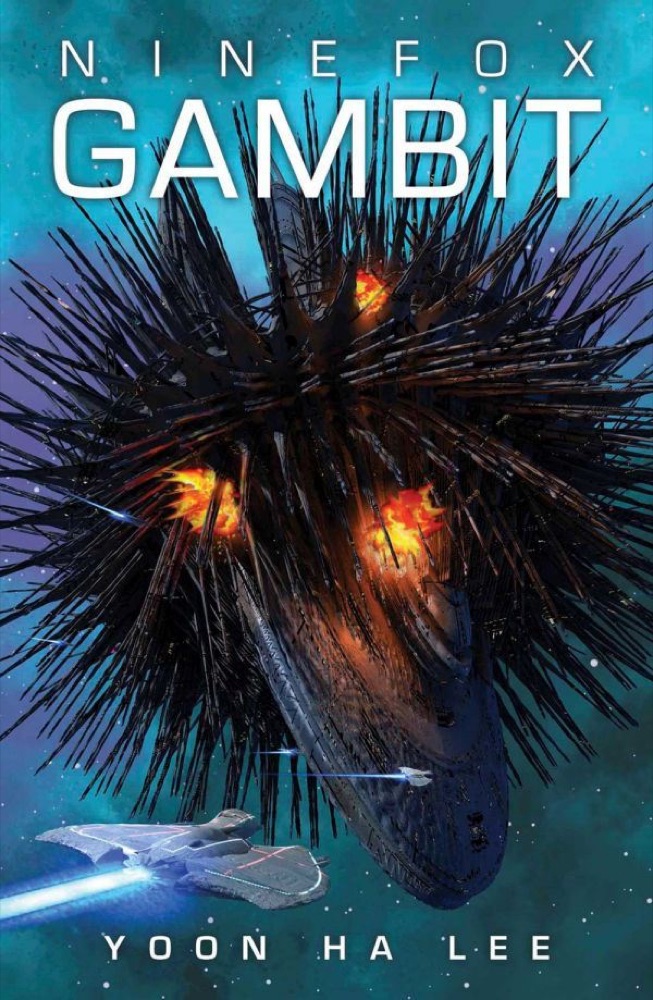 Ninefox Gambit
 The Killer Angels
 We Were Soldiers Once... and Young: Ia Drang - The Battle that Changed the War in Vietnam
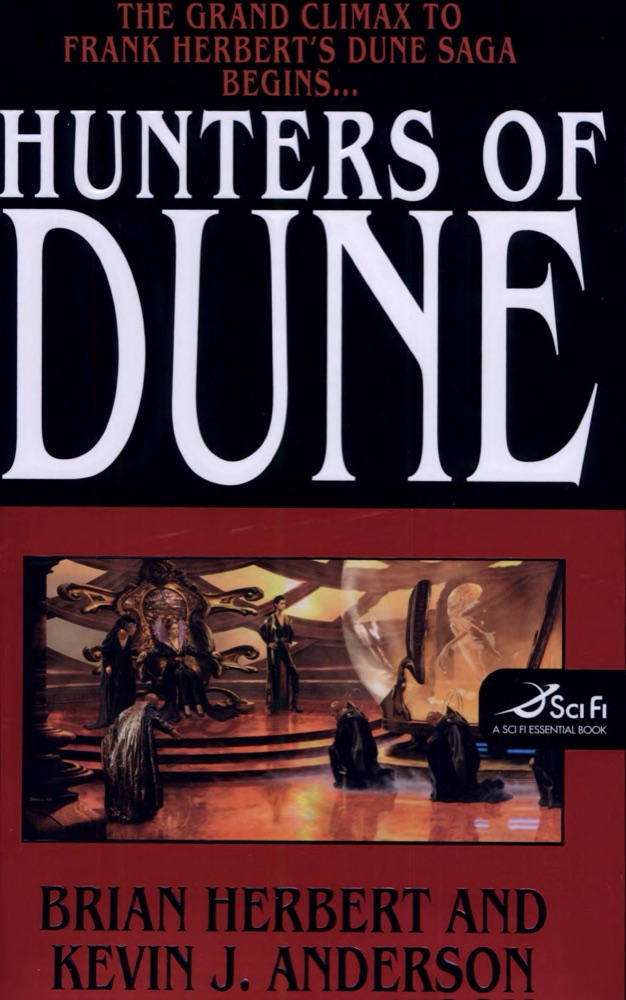 Hunters of Dune
 All You Need Is Kill
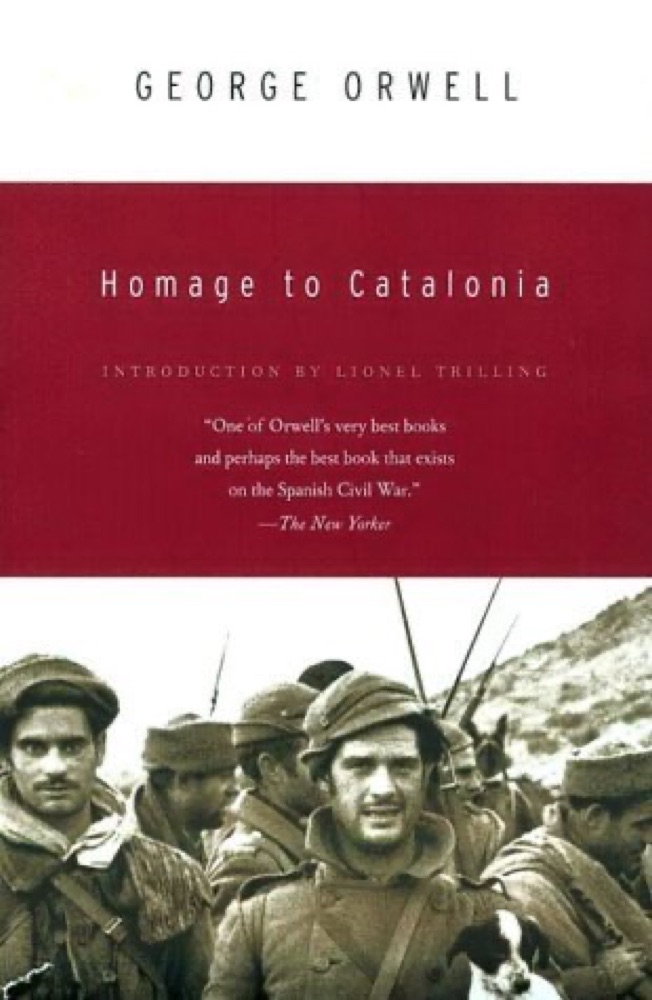 Homage to Catalonia
 Last First Snow
 Blood on the Tracks
 Last Argument of Kings
 Tomorrow, When the War Began
 Tree of Smoke
 Shōgun
 Aftermath
 At Night All Blood is Black
 Dust of Dreams
 Debt of Honor
 Empire
 Dark Age
 One Bullet Away: The Making of a Marine Officer
 Resistance, Rebellion and Death: Essays
 A Rumor of War: The Classic Vietnam Memoir
 The Dinosaur Lords
 Helmet for My Pillow
 The Once and Future King
 The Winds of War
 The Emperor's Blades
 War Is a Racket