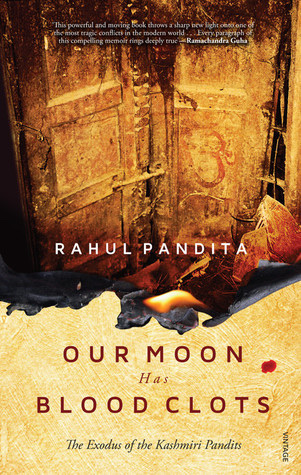
 Our Moon Has Blood Clots: The Exodus of the Kashmiri Pandits
Quotes from the Book
Mothers wash the bloodstained apparel of grooms On stream banks, Bridal wear burns to ash, Bridesmaids cry And the Jhelum flows.
15
Newspapers routinely refer to the missing men as ‘disappeared persons’, and their waiting wives are the ‘half-widows’.
14
Srinagar is a medieval city dying in a modern war. It is empty streets, locked shops, angry soldiers and boys with stones. It is several thousand military bunkers, four golf courses, and three book-shops. It is wily politicians repeating their lies about war and peace to television cameras and small crowds gathered by the promise of an elusive job or a daily fee of a few hundred rupees. It is stopping at sidewalks and traffic lights when the convoys of rulers and their patrons in armored cars, secured by machine guns, rumble on broken roads. It is staring back or looking away, resigned. Srinagar is never winning and never being defeated.
12
The Kashmiri militants who died fighting the Indian troops were carried like heroes in funeral processions and their comrades-in-arms saluted them with guns. Some of them even became mythical figures. But they were dead. And so were the men they had killed. And that was the only absolute truth. People went home after the funerals and the slogans and continued their lives till the next funeral and the next round of slogans.
3
Despite their insecurity and despair in an India witnessing the rise of Hindu nationalism, most of my Indian Muslim friends were Indian nationalists. They disagreed with me and other Kashmiri students about our ideas of an independent Kashmir. They were afraid that the secession of a Muslim-majority Kashmir from India would make life worse for India's Muslims. Whenever a cricket match was screened on the television room of our hostel, my Indian Muslim friends cheered, sang and rooted for the Indian cricket team. Kashmiris cheered for Sri Lanka or Pakistan, or whichever team played against India.
2
Bright lights provoked the soldiers to barge in and check the house for militants. Bright lights led the militants to chose your house as their shelter for the night. You lived with the dread of a fatal gun battle.
2
The Salafi teacher and his cohorts didn’t seem to understand that a shrine wasn’t merely a spiritual centre, but a club, a space for social gatherings and festivities, and a site of business as well.
2
People hoped not to hear a knock at their door in the evening. The drone of a passing vehicle or the sound of footsteps outside your home was enough to make you and your family shiver. How many deep breaths had we taken after seemingly threatening sounds died into the night and nobody knocked? Hundreds of homes were destroyed in encounters between soldiers and militants; hundreds of people were arrested, tortured, and jailed by soldiers for housing militants.
2
His books were the books of a self-taught man, books that had shaped him, helped him build his life, that made him stand out when he talked about worlds and ideas that few men in our world could talk about.
1
Srinagar is a city of bunkers. Of the world’s cities, it has the highest military presence. But Srinagar is also a city of absences. It has lost its nights to a decade and a half of curfews, and de facto curfews. It has lost its theatres. Regal, Shiraz, Neelam, Broadway — magical names I longed for throughout my childhood. They were closed before I had grown up enough to walk to a ticket counter on my own, to watch a bad Hindi movie. Srinagar has also lost its multi- religious character, with the migration of the Kashmiri Pandits in the early nineties.
1
In old pictures, Srinagar is elegant; latticed houses, mosques, and temples admiring each other from the banks of theriver Jhelum; people strolling on the seven wooden bridges spanning it, wandering into old bazaars selling spices, lovingly embroidered shawls and carpets, and samovars with intricate engravings, or stepping with a prayer and an expectation into a medieval shrine flaunting verses from the Quran and poems of mystics on windows and facades, and the gende greens and blues of papier mache interiors. But elegance is granted little space in an age of wars. Those wooden bridges have either collapsed or were murdered. Their skeletons remain, in the shadow of new arcs of concrete.
1
Along with killing hundreds of pro-India Muslims ranging from political activists to suspected informers for Indian intelligence, the militants killed hundreds of Pandits on similar grounds, or without a reason.
1
Watch on YouTube
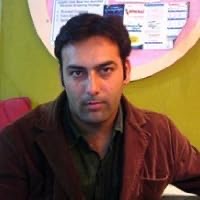
About Basharat Peer
We have collected 12 quotes from 1 book by Basharat Peer on BookQuoters.
More about the author →About the book
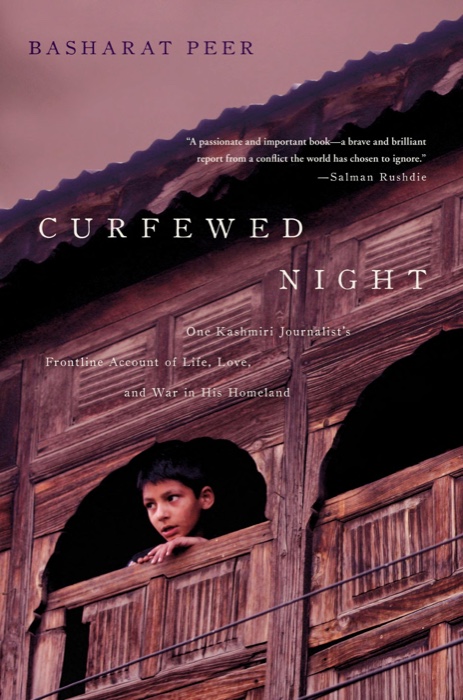
Since the independence of India, Kashmir has been a major concern for not just India but also the world. The issue of Kashmir still is a crucial issue discussed across forums in the global arena and is one of the major hindrances in improving relationship with India’s neighbour and kin of one time. Much has been written about Kashmir and the separatist movement in Kashmir. But the beautifully scripted account of the brutality with which the separatist movement is carried on till date has no precedence. The book, Curfewed Nights, gives an honest, crude, and truthful account of what goes on in the paradise of India which is under the spell of the separatist movement.
The author of the book, Basharat Peer, being a Kashmiri himself has related to each and every detail provided in the book from the first hand experiences gathered by him. Since independence of India, many Kashmiri youths ha
Book details
- First published
- 2009
- Author
- Basharat Peer
- Genre
- Nonfiction
- Goodreads rating
- 4.07 (5k ratings)
Keep reading
Our Moon Has Blood Clots: The Exodus of the Kashmiri Pandits
 Indians in Pakistan
 Train to Pakistan
 City of Djinns: A Year in Delhi
 The Looming Tower: Al-Qaeda and the Road to 9/11
 The Association of Small Bombs
 Behind the Beautiful Forevers: Life, Death, and Hope in a Mumbai Undercity
 India After Gandhi: The History of the World's Largest Democracy
 The Free Voice: On Democracy, Culture and the Nation
 The Day of the Scorpion
 Heart Lamp: Selected Stories
 The Wasted Vigil
 From Beirut to Jerusalem
 American War
 Maximum City: Bombay Lost and Found
 Stones Into Schools: Promoting Peace With Books, Not Bombs, in Afghanistan and Pakistan
 The Ministry of Utmost Happiness
 The Lives of Others
 On Democracies and Death Cults: Israel and the Future of Civilization
 The Blind Man's Garden
 Say Nothing: A True Story of Murder and Memory in Northern Ireland
 Return of a King: The Battle for Afghanistan
 Zinky Boys: Soviet Voices from the Afghanistan War
 Things I've Been Silent About
 Milk Teeth
 The Last Girl: My Story of Captivity, and My Fight Against the Islamic State
 Minor Detail
 Daughters of Smoke and Fire
 City of Blades
 A Case of Exploding Mangoes
 Shalimar the Clown
 Girl at War
 Last First Snow
 The Siege of Krishnapur
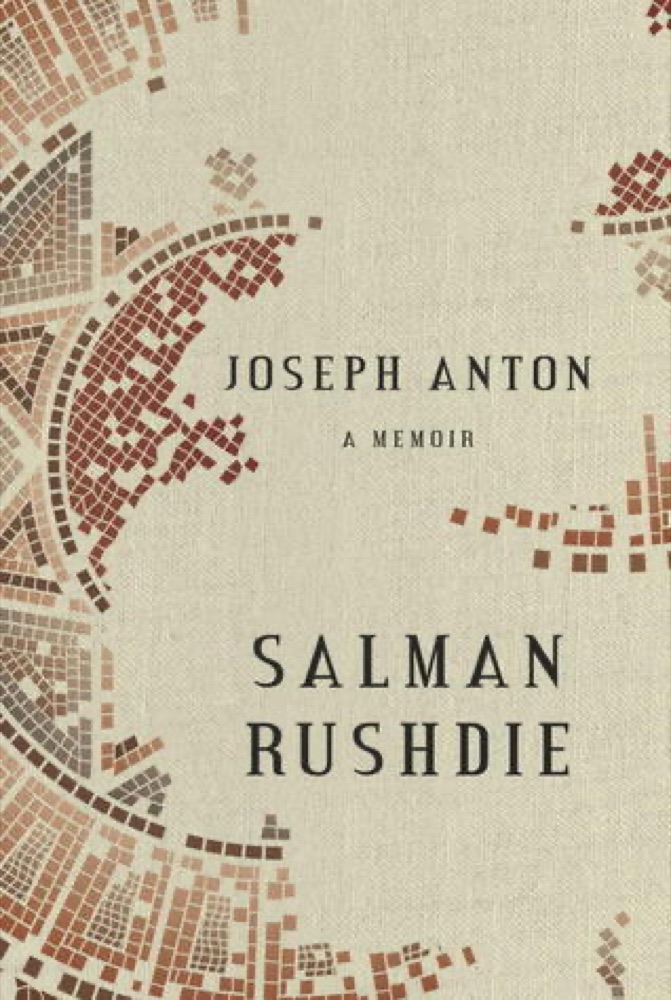 Joseph Anton: A Memoir
 Three Cups of Tea: One Man's Mission to Promote Peace ... One School at a Time
 Two Brothers
 Infidel
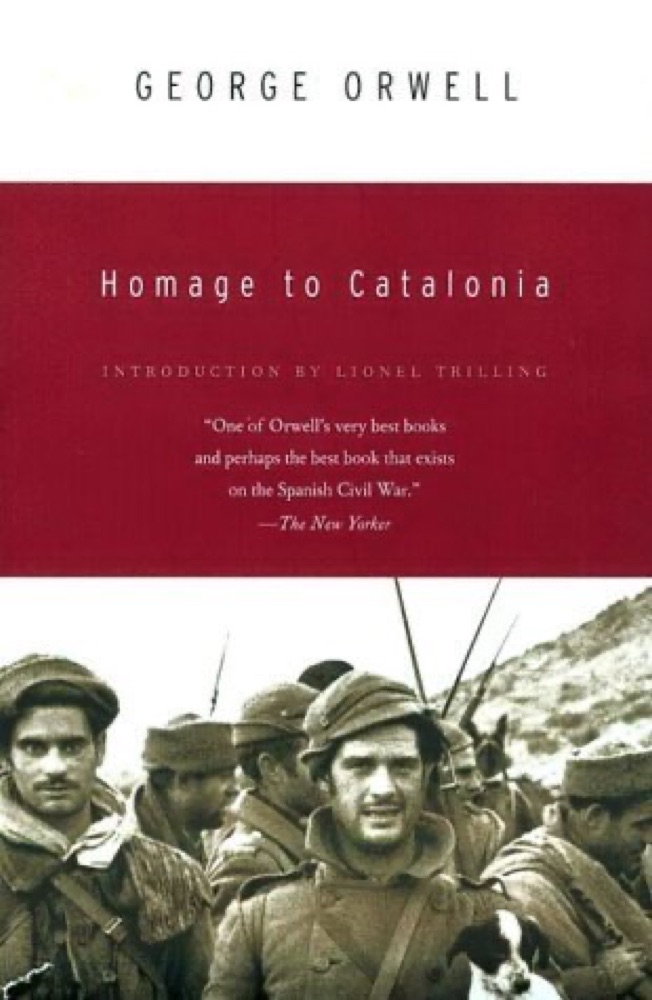 Homage to Catalonia
 Against the Day
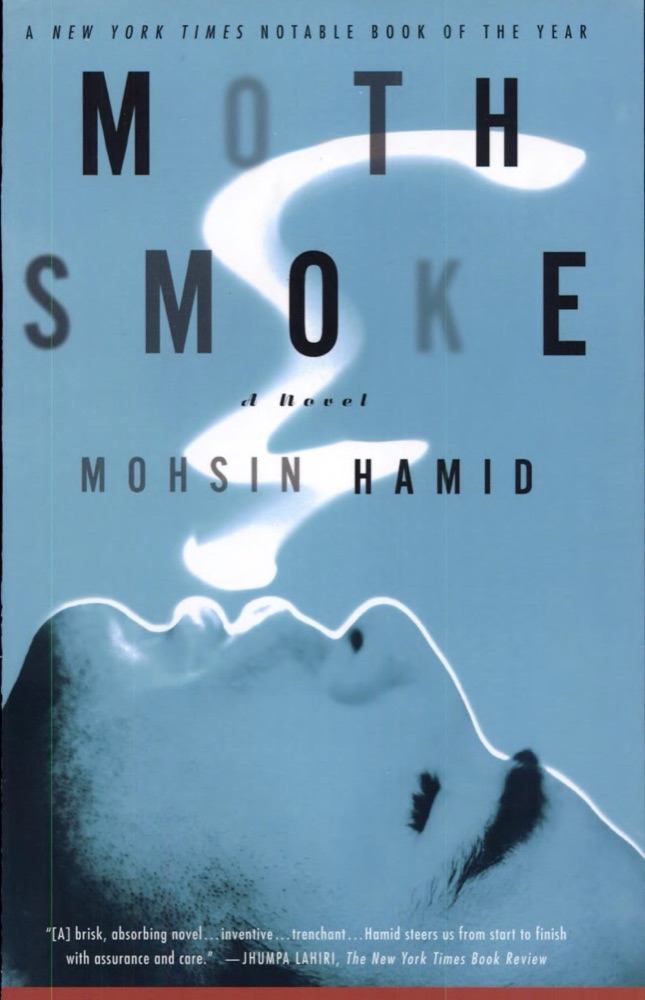 Moth Smoke
 Apeirogon
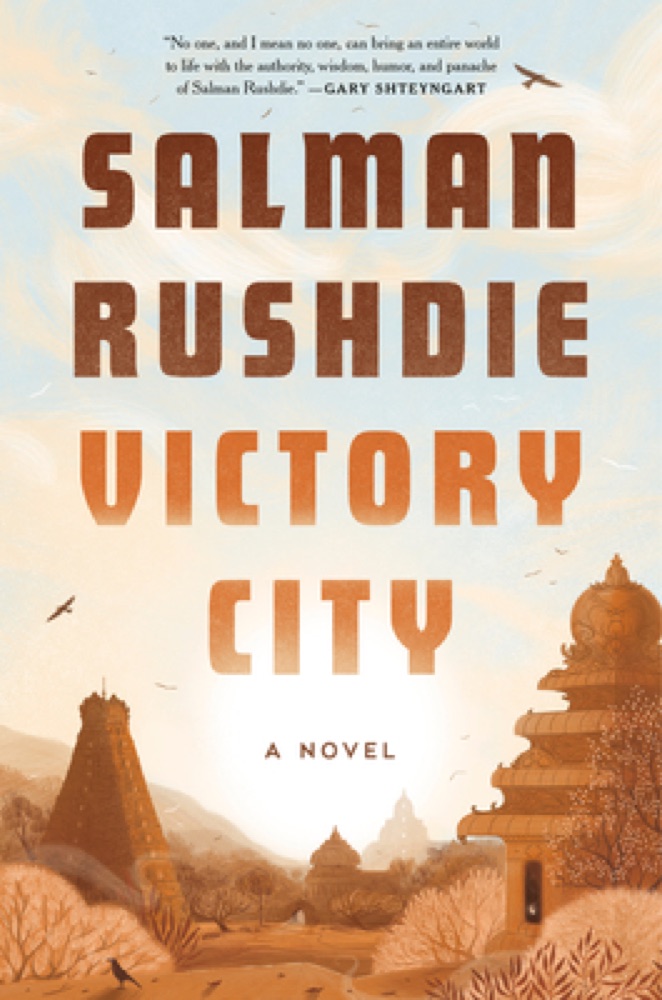 Victory City
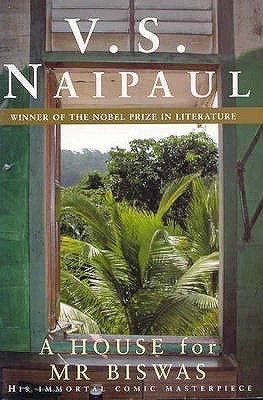 A House for Mr Biswas
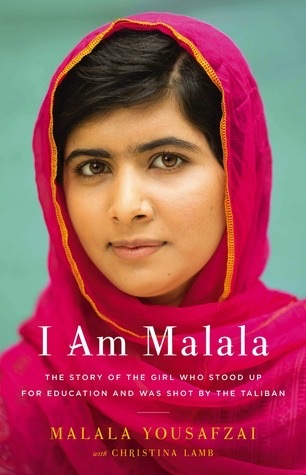 I Am Malala: The Story of the Girl Who Stood Up for Education and Was Shot by the Taliban
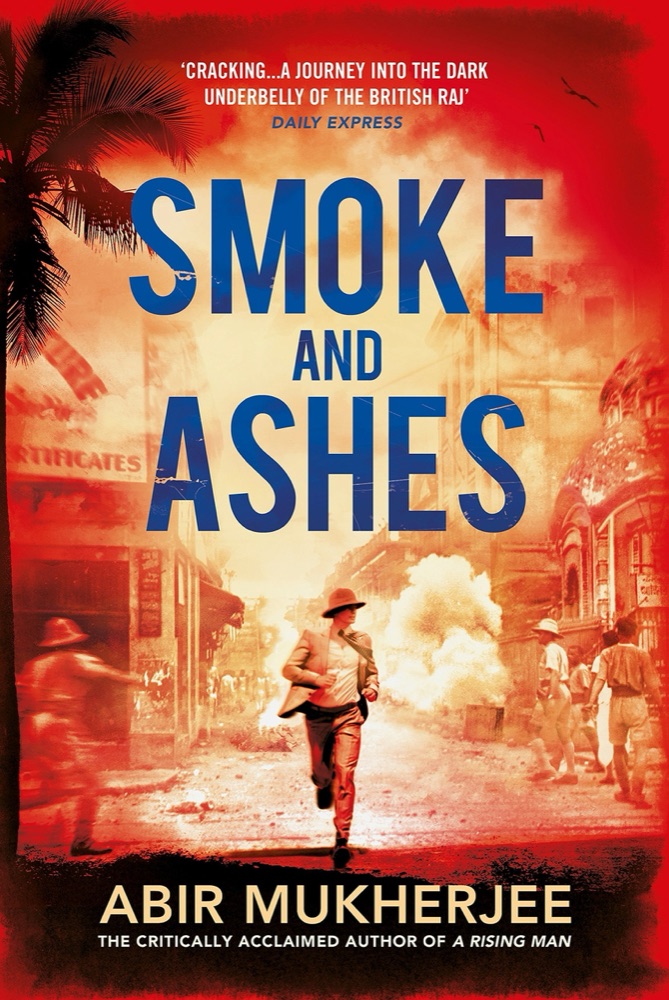 Smoke and Ashes
 The Far Pavilions
 War Is a Force That Gives Us Meaning
 The Wars
 Son of Hamas
 Recognizing the Stranger: On Palestine and Narrative
 Emergency Sex (And Other Desperate Measures): True Stories from a War Zone
 Capitalism: A Ghost Story
 My Promised Land: The Triumph and Tragedy of Israel
 The Book of My Lives
 The Moon Is Down
 One Day, Everyone Will Have Always Been Against This
 Tree of Smoke
 The Argumentative Indian: Writings on Indian History, Culture and Identity
 The Last Resort: A Memoir of Zimbabwe