
 Nine Lives
Quotes from the Book
Partition was a total catastrophe for Delhi,’ she said. ‘Those who were left behind are in misery. Those who were uprooted are in misery. The Peace of Delhi is gone. Now it is all gone.
27
Whoever has built a new city in Delhi has always lost it: the Pandava brethren, Prithviraj Chauhan, Feroz Shah Tughluk, Shah Jehan ... They all built new cities and they all lost them. We were no exception.
19
On the road, as in many other aspects of Indian life, Might is Right.
13
But on balance I think you must never take land away from a people. A people’s land has a mystique. You can go and possibly order them about for a bit, perhaps introduce some new ideas, build a few good buildings, but then in the end you must go away and die in Cheltenham.’ Iris sighed. ‘And that, of course, is exactly what we did.
7
Dr Jaffery said that very few people in Delhi now wanted to study classical Persian, the language which, like French in Imperial Russia, had for centuries been the first tongue of every educated Delhi-wallah. 'No one has any interest in the classics today,' he said. 'If they read at all, they read trash from America. They have no idea what they are missing. The jackal thinks he has feasted on the buffalo when in fact he has just eaten the eyes, entrails and testicles rejected by the lion.
6
For all its faults we love this city.’ Then, after a pause, she added: ‘After all, we built it.
5
The Tughluks have gone; Tughlukabad is a ruin; only Nizamuddin remains.
4
He disdains such cowardly acts as looking in wing mirrors or using his indicators.
4
To the sick man sweet water tastes bitter in the mouth.
4
What matters it, O breeze, If now has come the spring When I have lost them both The garden and my nest?
4
During our first month in the flat, however, Mr Puri was on his best behaviour. Apart from twice proposing marriage to my wife, he behaved with perfect decorum.
4
He is a thinker,’ wrote Jacquemont in his memoir, ‘who finds nothing but solitude in that exchange of words without ideas which is dignified by the name of conversation in the society of this land.
3
His diaries had begun to assume something of the knowingness of incipient middle age; at times, indeed, he was in danger of becoming priggish and opinionated. As with many later European voyagers, travel in this part of the world, far from broadening the mind, seemed instead to lead to a blanket distrust of anyone of a different creed, colour or class.
2
He was holding a tray. On the tray were two glasses of milky Indian chai. ‘Chota hazari, sahib,’ said Ladoo. Bed tea. ‘What a nice gesture,’ I said returning to Olivia. ‘Mrs Puri has sent us up some tea.’ ‘I wish she had sent it up two hours later,’ said Olivia from beneath her sheets.
2
Urdu is an aristocratic language. It was not the language of the working classes. Those who are left—the artisans—speak Karkhana [factory] Urdu. The Urdu of the poets is dead.
1
And it would be nice if the roof was a bit stronger. Then the peacocks wouldn’t keep falling through. I don’t mind during the day, but I hate waking up at night to find a peacock in bed with me.
1
When a dust storm blows it means the djinns are going to celebrate a marriage …
1
the Kauravas and the Pandavas turned from demi-gods into cave men, the great war reduced to a tribal feud fought with sticks and stones.
1
There was that all-pervasive evening scent of cut grass and jasmine.
1
Delhi was starting to unbutton. After the long Victorian twilight
Tughluk was far too free in shedding blood,’ writes Battuta. ‘Every day hundreds of people—chained, pinioned and fettered—were brought to [the sultan’s hall] and those who were for execution were executed, those for torture tortured, and those for beating beaten. It was but seldom that the entrance to his palace was without a corpse. One day as I arrived at the palace my horse shied at the sight of a white fragment on the ground. I asked what it was and one of my companions said: "It is the torso of a man who was [this morning] cut into three pieces.
Later, when Aurangzeb ordered the decapitation of the naked fakir Sarmad, an Armenian Jew who had converted to Islam, the sage allegedly picked up his head and walked up the steps of the Jama Masjid. There he said a final set of prayers before departing to the heavens.
As Sa’di said: "If a diamond falls in the dirt it is still a diamond, yet even if dust ascends all the way to heaven it remains without value.
Travels in the Mogul Empire and Manucci’s Mogul India.
Watch on YouTube
About William Dalrymple
We have collected 42 quotes from 3 books by William Dalrymple on BookQuoters.
More about the author →More by William Dalrymple
Nine Lives
 Return of a King: The Battle for Afghanistan
About the book
Sparkling with irrepressible wit, City of Djinns peels back the layers of Delhi's centuries-old history, revealing an extraordinary array of characters along the way—from eunuchs to descendants of great Moguls. With refreshingly open-minded curiosity, William Dalrymple explores the seven "dead" cities of Delhi as well as the eighth city—today's Delhi. Underlying his quest is the legend of the djinns, fire-formed spirits that are said to assure the city's Phoenix-like regeneration no matter how many times it is destroyed. Entertaining, fascinating, and informative, City of Djinns is an irresistible blend of research and adventure.
Book details
- First published
- 1993
- Author
- William Dalrymple
- Genre
- Nonfiction
- Goodreads rating
- 4.13 (14k ratings)
Keep reading
 The Secret Keeper of Jaipur
 Heart Lamp: Selected Stories
 River of Smoke
 The Enchantress of Florence
 A Suitable Boy
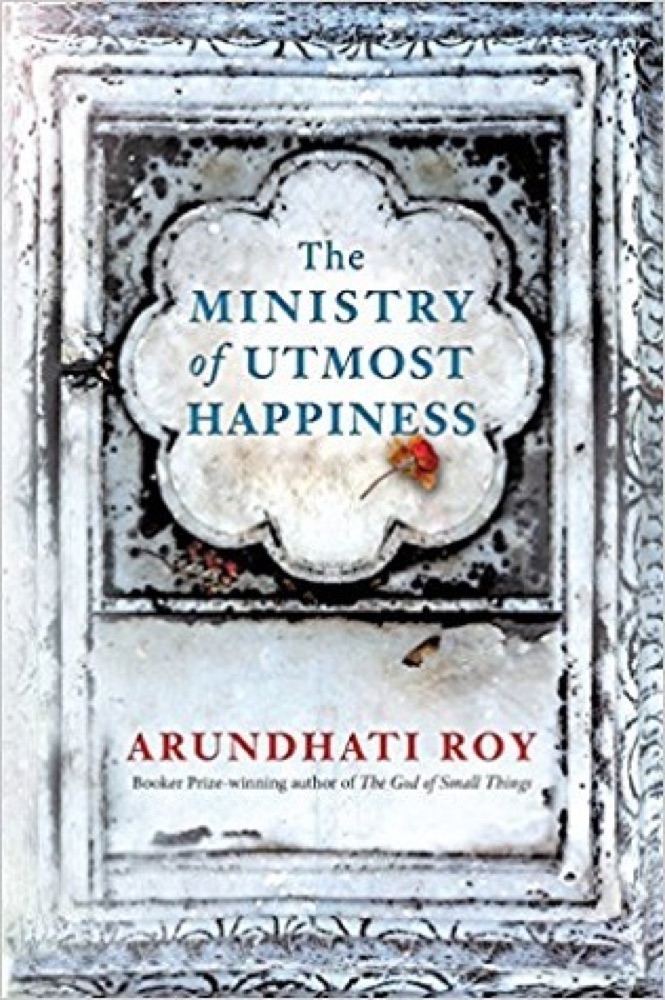 The Ministry of Utmost Happiness
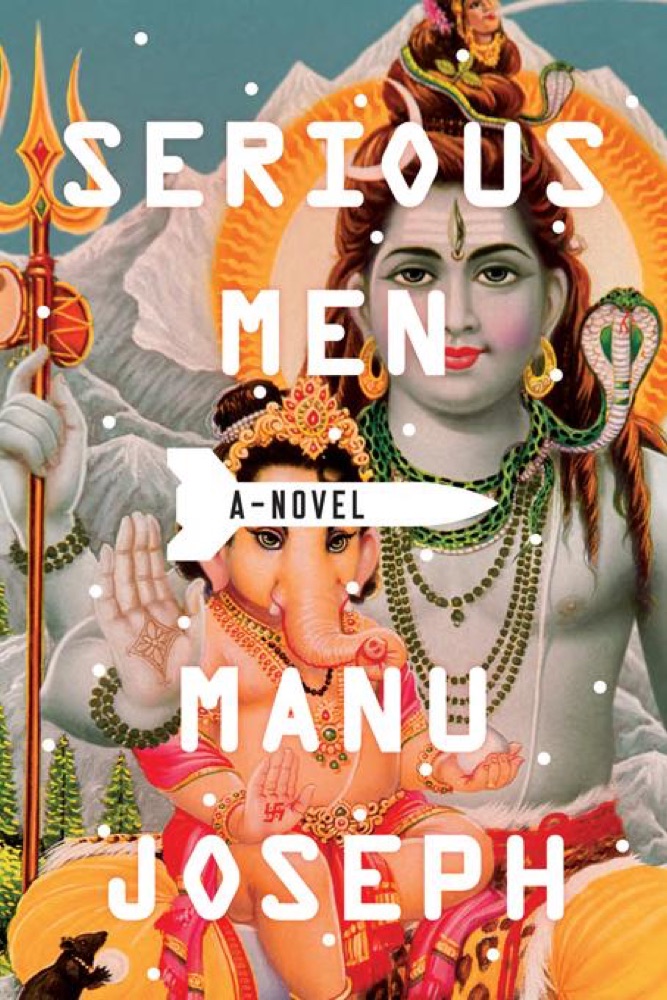 Serious Men
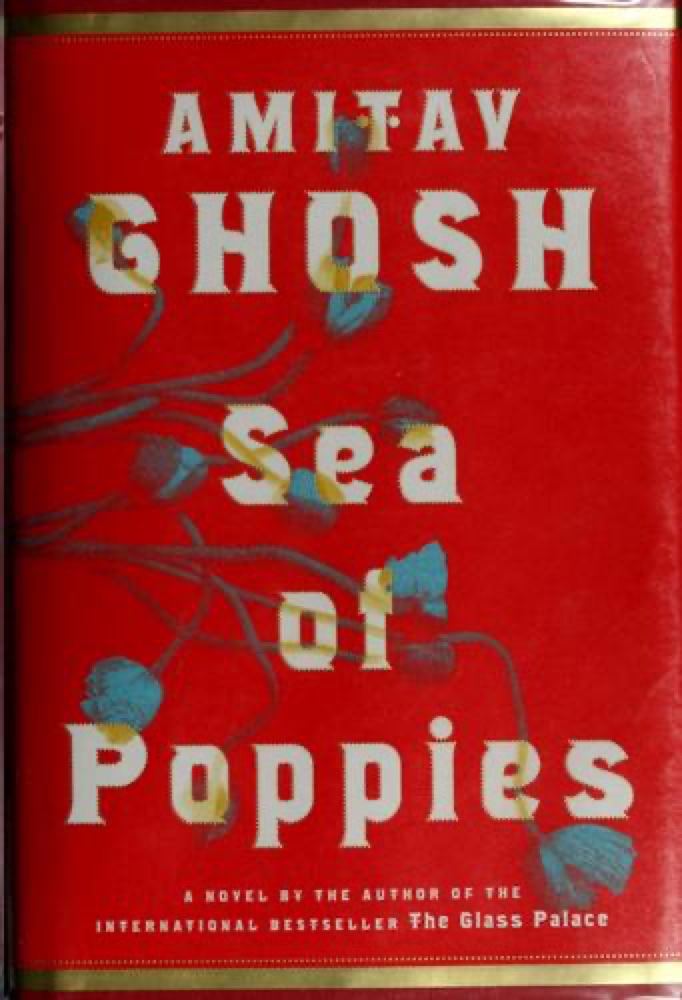 Sea of Poppies
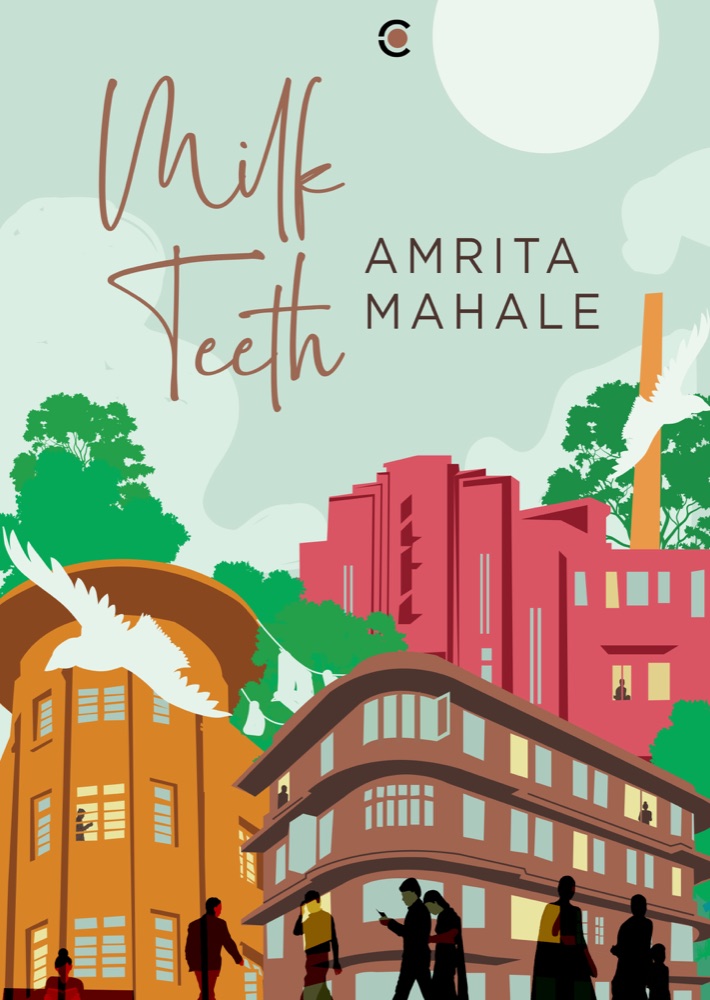 Milk Teeth
 The Day of the Scorpion
 The Moor's Last Sigh
 The Architect's Apprentice
 Roughing It
 Victory City
 Toll the Hounds
 The Siege of Krishnapur
 A Passage to India
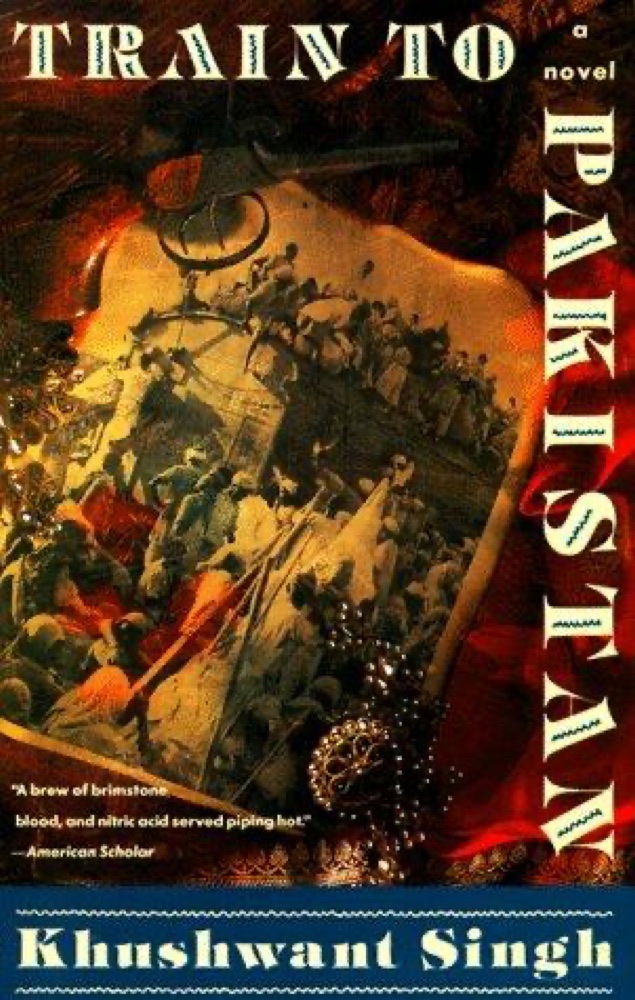 Train to Pakistan
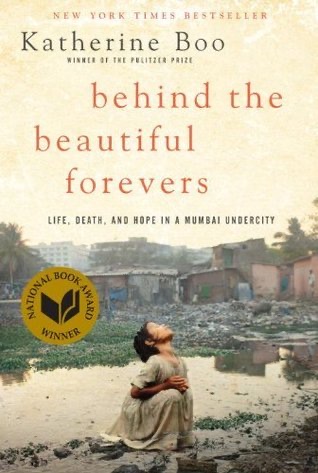 Behind the Beautiful Forevers: Life, Death, and Hope in a Mumbai Undercity
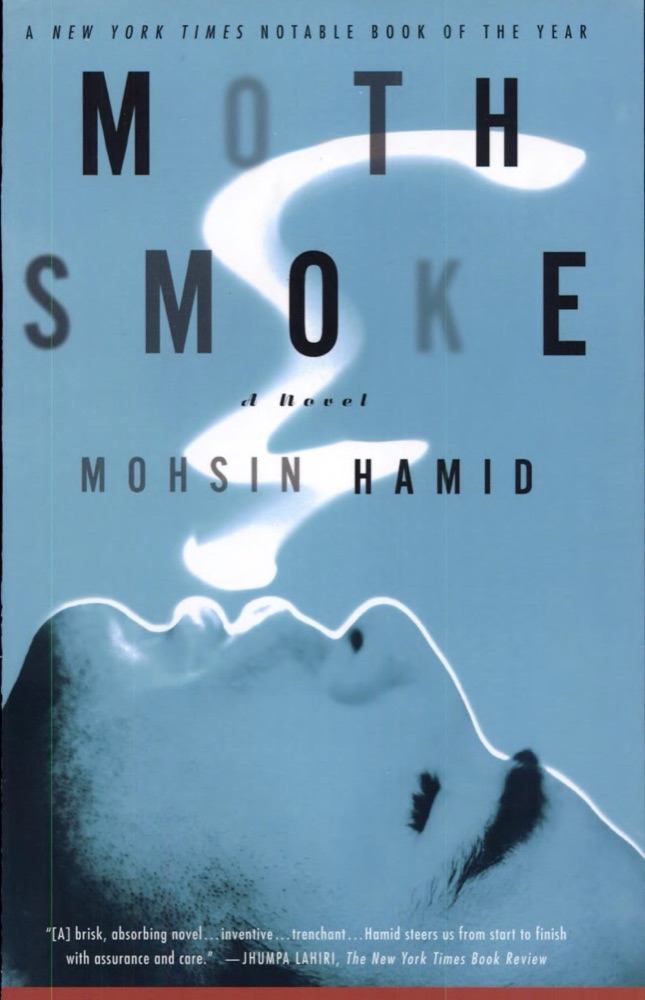 Moth Smoke
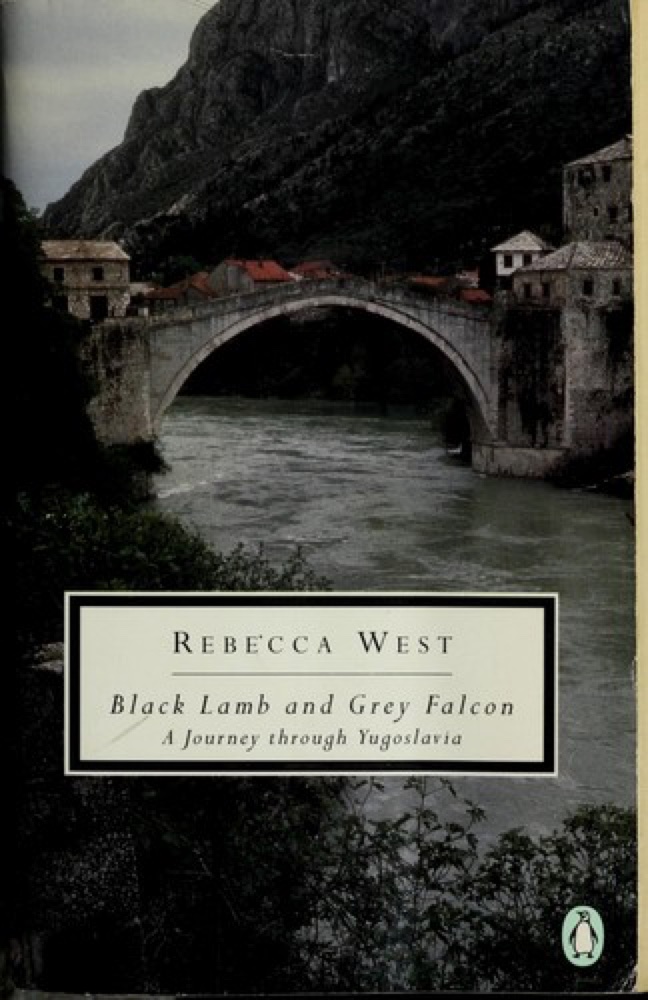 Black Lamb and Grey Falcon
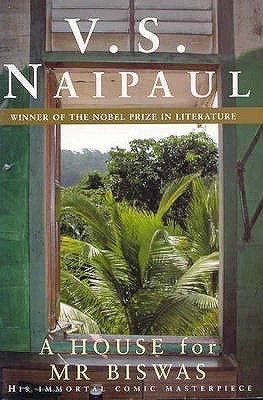 A House for Mr Biswas
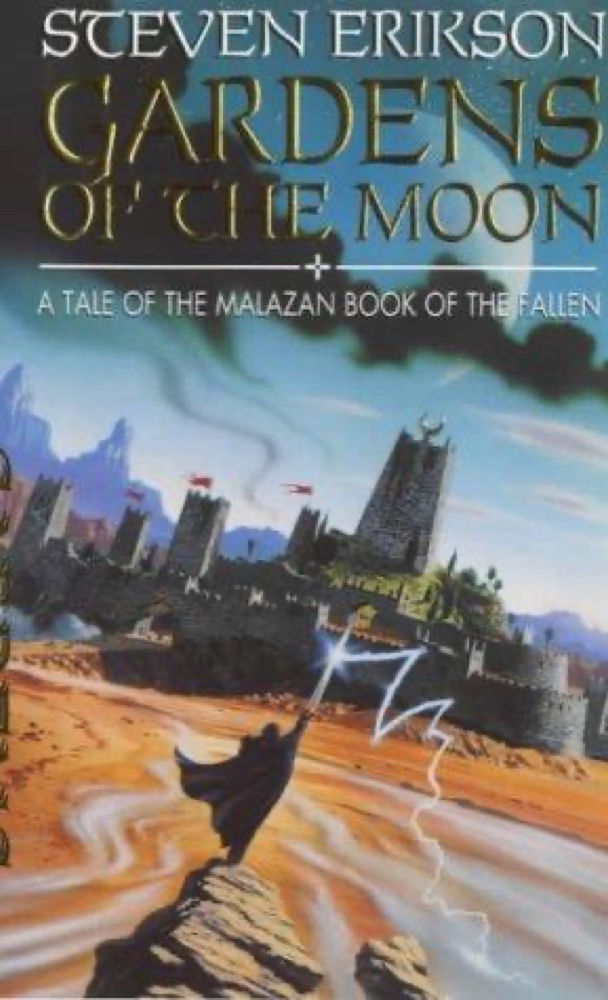 Gardens of the Moon
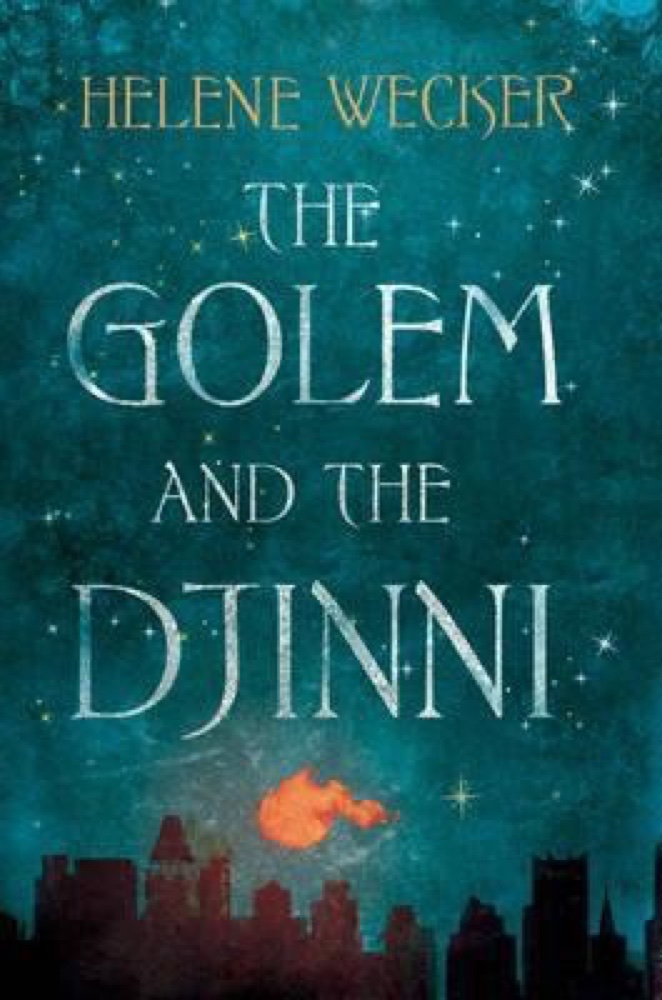 The Golem and the Jinni
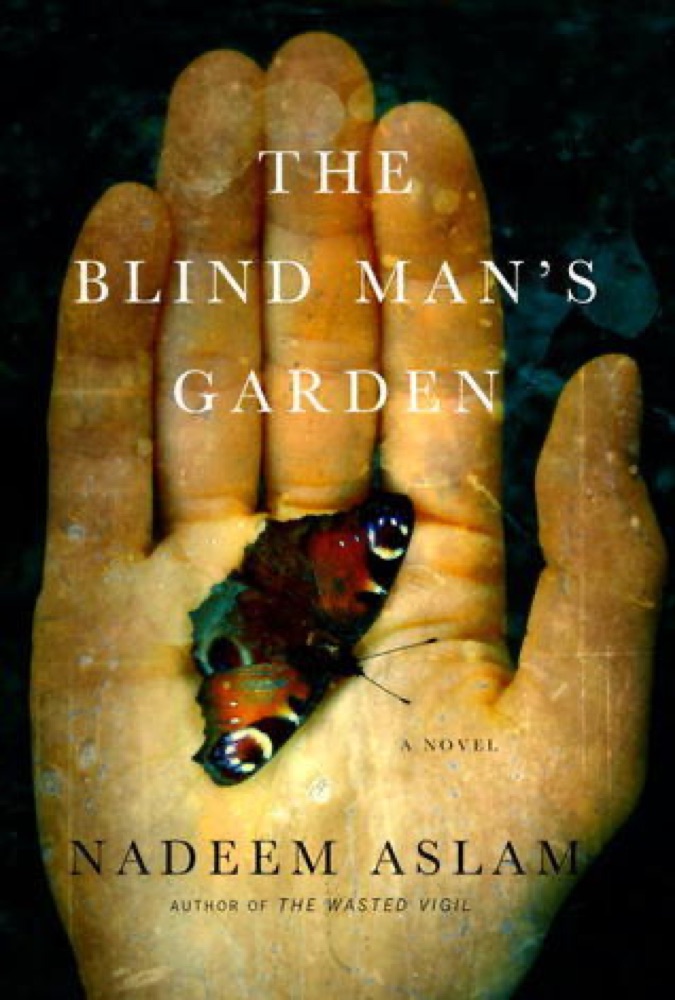 The Blind Man's Garden
 Three Parts Dead
 Gun Island
 The Bedlam Stacks
 Kim
Kim
 The Association of Small Bombs
 Redemption in Indigo
 Alif the Unseen
 King Solomon's Mines
 Maximum City: Bombay Lost and Found
 A Fort of Nine Towers: An Afghan Family Story
 Sword & Citadel
 The Lives of Others
 Mason & Dixon
 The City of Brass
 Chronicle in Stone
 Wizard of the Crow
 The Etched City
 The Wasted Vigil
 The Tainted Cup
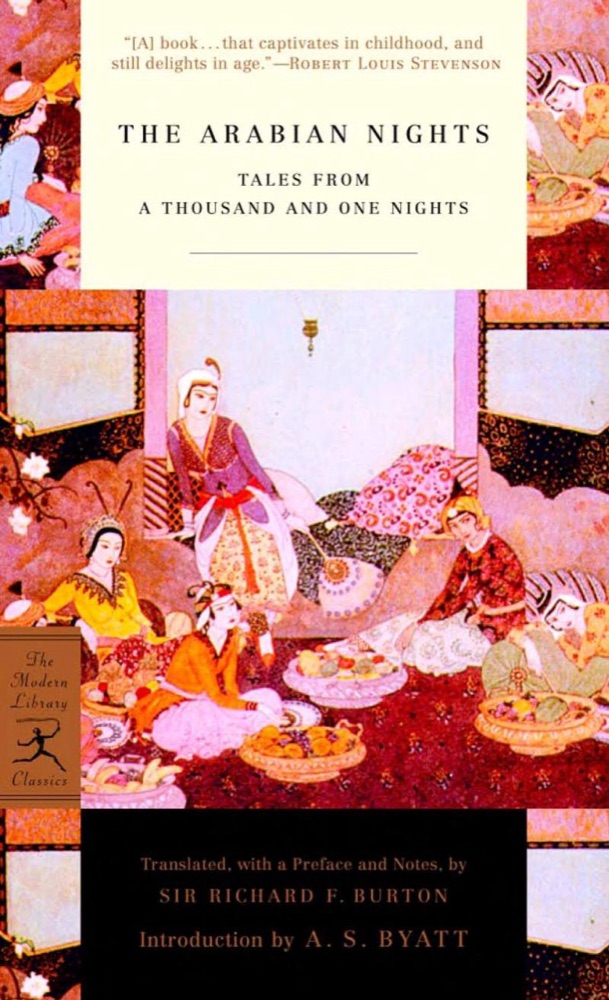 The Arabian Nights
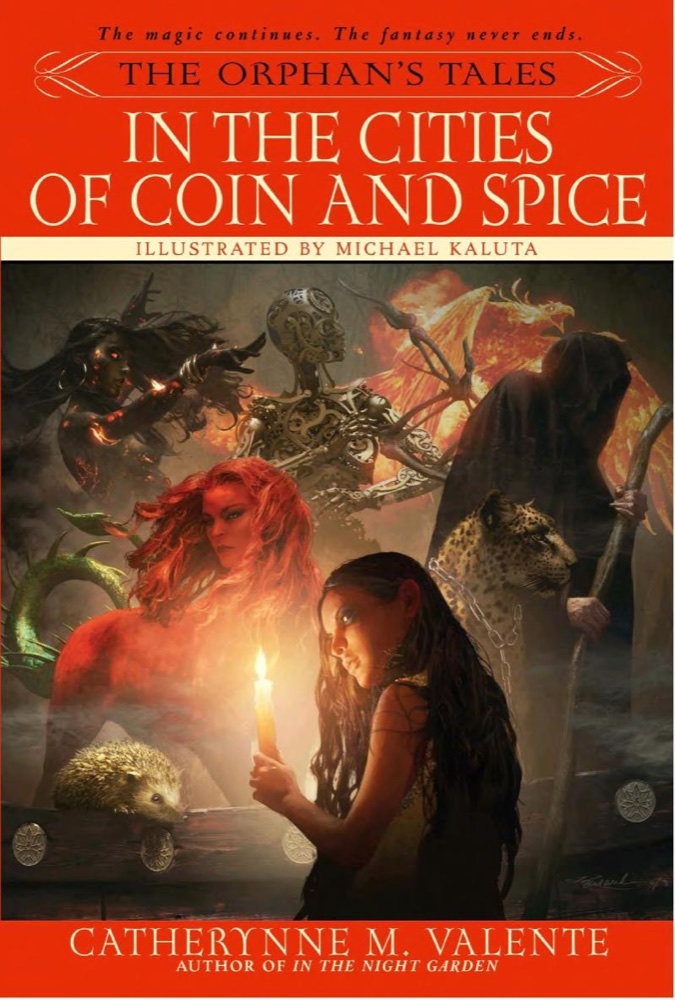 In the Cities of Coin and Spice
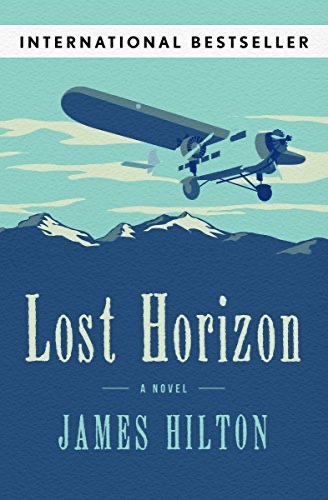 Lost Horizon
 The Histories
 Allan Quatermain
 The Complete Works of Charles Dickens
 The Complete Saki
 Last Train to Istanbul
 The Sunlit Man
 In Patagonia
 Selected Poems
 The Pearl That Broke Its Shell
 The Empire of Gold
 The White Tiger
 The Dervish House
 The Windup Girl