 Blood River: A Journey to Africa's Broken Heart
Quotes from the Book
Such is the human being: when he is afraid, he sees enemies everywhere and thinks the only chance to stay alive is to exterminate them.
8
Evil comes from a failure to think. It defies thought for as soon as thought tries to engage itself with evil it is frustrated because it finds nothing there. That is the banality of evil.
7
As so often happens in politics, what appears to be politically expedient for those in power rarely overlaps with the public interest. The lesser evils of the regime become entrenched, while the greater good is never realized.
5
Mobutu’s kleptocracy had reversed the flow of time in the town, as buildings crumbled and the jungle reclaimed land. The novelist V. S. Naipaul portrayed the demoralizing aura of the city in his 1979 book, A Bend in the River: The big lawns and gardens had returned to bush; the streets had disappeared; vine and creepers had grown over broken, bleached walls of concrete or hollow clay brick. . . . But the civilization wasn’t dead. It was the civilization I existed in and worked towards. And that could make for an odd feeling: to be among the ruins was to have your time sense unsettled. You felt like a ghost, not from the past, but from the future. You felt that your life and ambition had already been lived out for you and you were looking at the relics of that life.
2
I will not make any predictions. If the past is anything to judge by, Congolese politics will continue to surprise and bewilder, frustrate and inspire.
2
In this context Mugabe was eager to maintain the loyalty of key allies, particularly in the security services. As the economy at home shrunk, so did opportunities for domestic patronage. The Congo war provided the opportunity he needed to keep his collaborators happy and busy elsewhere. This explains the urgency with which the Congolese and Zimbabweans set up their joint ventures and how easily Zimbabwean officials
1
birthday. Step out of a car in many areas of the eastern Congo during the war, and you were often confronted with children suffering from kwashikor, or clinical malnutrition. It was a bizarre sight to see such listless children surrounded by lush hills. Congo is not Niger or Somalia, where famine and malnutrition are closely linked to drought. Here,
1
The number of deaths is so immense that it becomes incomprehensible and anonymous, and yet the dying was not spectacular. Violence only directly caused 2 percent of the reported deaths. Most often, it was easily treatable diseases, such as malaria, typhoid fever, and diarrhea, that killed. There was, however, a strong correlation between conflict areas and high mortality rates. As fighting broke out, people were displaced to areas where they had no shelter, clean water, or access to health care and succumbed easily to disease. Health staff shuttered up their hospitals and clinics to flee the violence, leaving the sick to fend for themselves
1
I asked him whom he blamed for their deaths. He shrugged. “There are too many people to blame. Mobutu for ruining our country. Rwanda and Uganda for invading it. Ourselves for letting them do so. None of that will help bring my children back.
1
Swahili saying: Shukrani ya punda ni teke (The gratitude of a donkey is a kick).
1
The population heeded the call. They pounced on a dozen people they suspected were rebels, looped tires around their necks, doused them in gasoline, and made them into human torches.
1
We saw you all dancing in the glory of the monster.
1
You have guns; you don’t need a salary.
1
(The gratitude of a donkey is a kick).
In the Congo, in order to survive, we all have to be a bit corrupt, a bit ruthless. That’s the system here.
Koffi Olomide sang: Lokuta eyaka na ascenseur, kasi vérité eyei na escalier mpe ekomi. Lies come up in the elevator; the truth takes the stairs but gets here eventually.
This is, in part, due to a structural deficit; institutions that could dig deep and scrutinize information—such as a free press, an independent judiciary, and an inquisitive parliament—do not exist.
in 2004, the charity estimated that 3.8 million had died because of the war since 1998.
As in much of central and western Africa, Lebanese traders had cornered the diamond trade, taking advantage of transnational family networks that reach from Africa to the Middle East and Belgium.
Even when a man with pristine political and ethical credentials tries to effect change, the results are poor.
Once again, leaders had resorted to ethnic diatribe to rally the population behind them.
No matter how hard you throw a dead fish in the water, it still won’t swim. —CONGOLESE SAYING
No other sentiment has justified as much violence in the Congo as anti-Tutsi ideology.
No other image plagues the Congolese imagination as much as that of the Tutsi aggressor.
And I am not claiming that the salvation of the Congo lies in foreign hands; it doesn’t.
Watch on YouTube
About Jason K. Stearns
About the book
At the heart of Africa is Congo, a country the size of Western Europe, bordering nine other nations, that since 1996 has been wracked by a brutal and unstaunchable war in which millions have died. And yet, despite its epic proportions, it has received little sustained media attention. In this deeply reported book, Jason Stearns vividly tells the story of this misunderstood conflict through the experiences of those who engineered and perpetrated it. He depicts village pastors who survived massacres, the child soldier assassin of President Kabila, a female Hutu activist who relives the hunting and methodical extermination of fellow refugees, and key architects of the war that became as great a disaster as--and was a direct consequence of--the genocide in neighboring Rwanda. Through their stories, he tries to understand why such mass violence made sense, and why stability has been so elusiv
Book details
- First published
- 2010
- Author
- Jason K. Stearns
- Genre
- History
- Goodreads rating
- 4.18 (6k ratings)
Keep reading
Blood River: A Journey to Africa's Broken Heart
 King Leopold's Ghost
 We Wish to Inform You That Tomorrow We Will Be Killed with Our Families
 In the Footsteps of Mr. Kurtz: Living on the Brink of Disaster in Mobutu's Congo
 Emergency Sex (And Other Desperate Measures): True Stories from a War Zone
 An Ordinary Man: An Autobiography
 The Black Wolf
 The Wretched of the Earth
 The Last Resort: A Memoir of Zimbabwe
 How Beautiful We Were
 Assata: An Autobiography
 How Long 'til Black Future Month?
 Tree of Smoke
 The Shadow of the Sun
 Tears of the Giraffe
 The Last Train to Zona Verde: My Ultimate African Safari
 Anthills of the Savannah
 It Can't Happen Here
 Petals of Blood
 Wizard of the Crow
 The Hangman's Replacement: Sprout of Disruption
 Shake Hands with the Devil: The Failure of Humanity in Rwanda
 The Mask of Dimitrios
 Queen of Fire
 The Girl Who Saved the King of Sweden
 Border: A Journey to the Edge of Europe
 Beneath the Lion's Gaze
 One Day, Everyone Will Have Always Been Against This
 Red Mars
 The Son
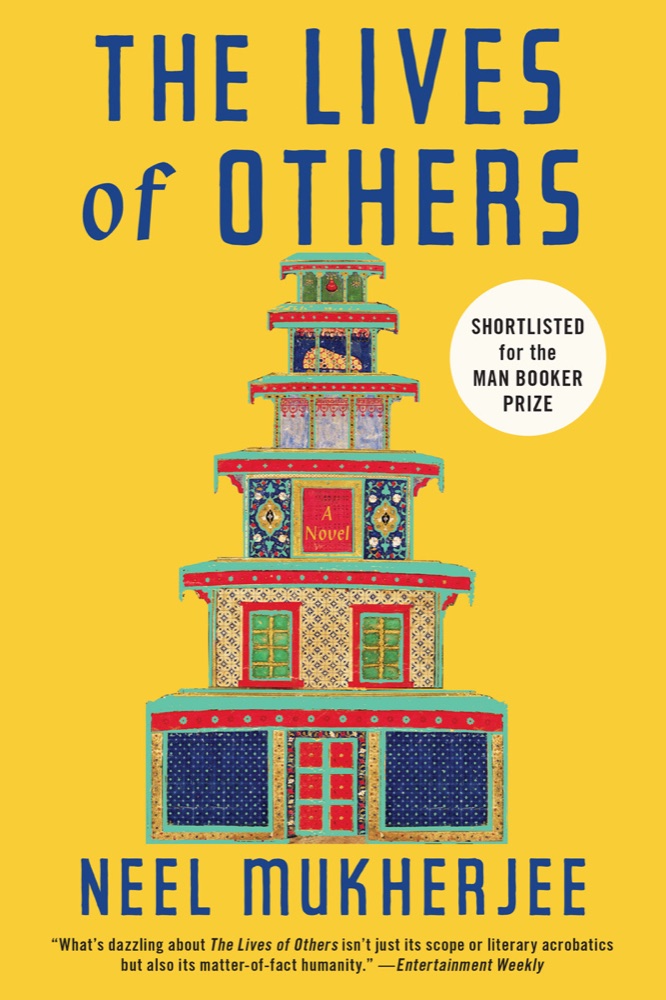 The Lives of Others
 Creation Lake
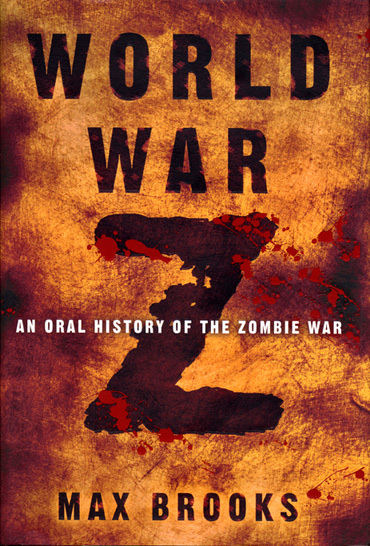 World War Z: An Oral History of the Zombie War
 Against the Day
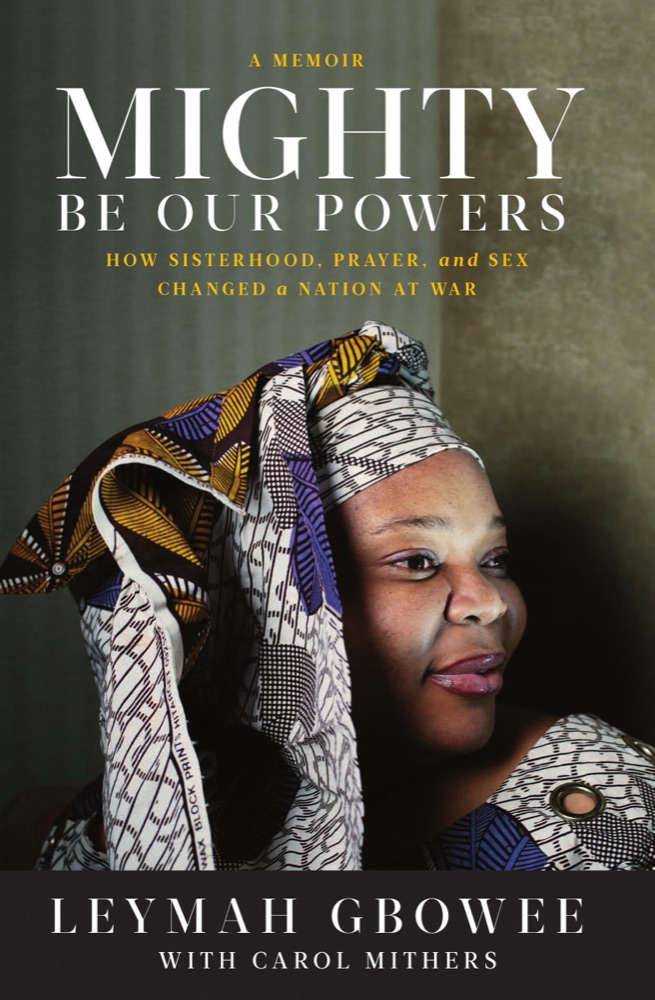 Mighty Be Our Powers: How Sisterhood, Prayer, and Sex Changed a Nation at War
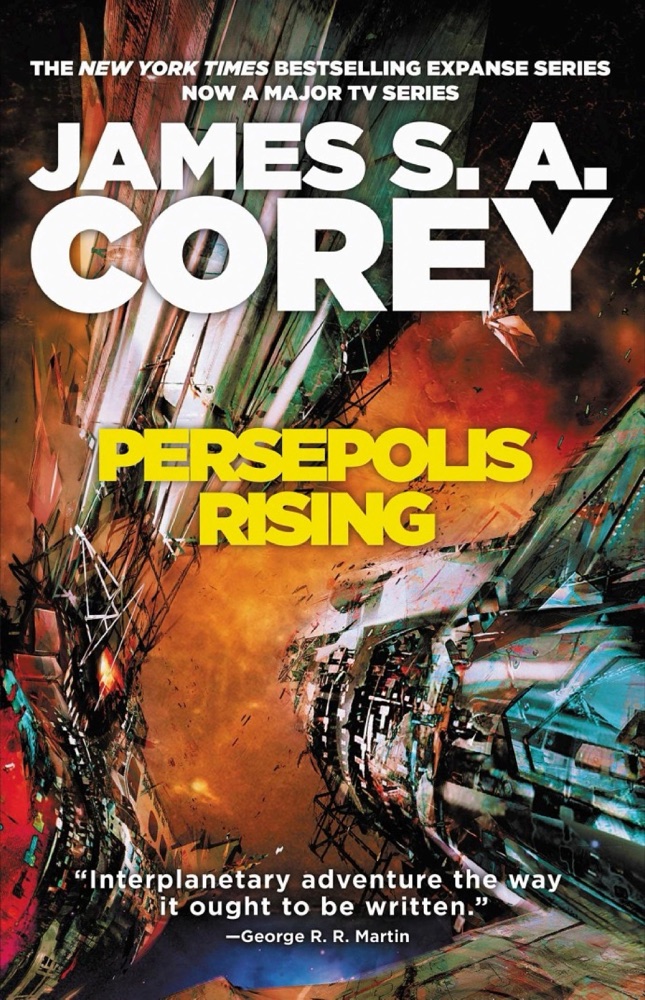 Persepolis Rising
 Revenant Gun
 Devolution: A Firsthand Account of the Rainier Sasquatch Massacre
 The Moon Is Down
 Woken Furies
 Glory
Glory
 The Wasted Vigil
 Fall of Giants
 A Sunday at the Pool in Kigali
 Things Fall Apart
 The Fall of Babel
 Open Veins of Latin America: Five Centuries of the Pillage of a Continent
 Zinky Boys: Soviet Voices from the Afghanistan War
 Thirteen
 A Brief History of Seven Killings
 The Message
 Revolution for Dummies: Laughing through the Arab Spring
 Homage to Catalonia
 I Must Betray You
 Cage of Souls
 Edge of Eternity
 Reamde
 Last First Snow
 The Association of Small Bombs
 Altered Carbon