
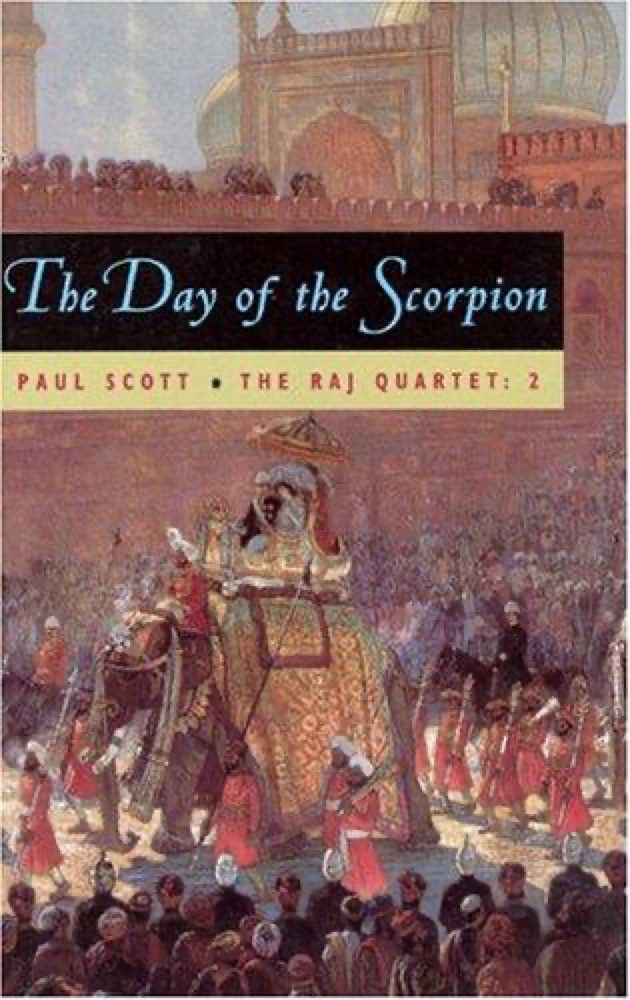
 The Day of the Scorpion
Quotes from the Book
We could only control India through force of arms, but force was useless against a people who didn’t fight back; because you couldn’t kill people like that without killing a part of yourself too.
5
I hated this new breed of pacifist Indian revolutionary. So often they acted like we were all just good friends who happened to disagree about something, and that once the issue was resolved – obviously in their favour – we’d go back to taking tea and being the best of chums. It made punching them in the face morally difficult.
2
the sense of absurdity hit me: these men, born into bondage, seemed to bear no personal ill will towards me, a representative of the authority that made them second-class citizens in their own land.
1
God forbid the prince should meet an actual Indian on his tour of the country.
1
cricket, a game so insipid and with rules so arcane that it took five full days to play it properly and which even then, more often than not, ended in a draw?
1
A more sensible man might have kept quiet, but me – I preferred to give voice to my ignorance.
1
I'd never been one to give up on lost causes, maybe because I was one myself.
1
And in the expression on the constable’s face, I saw the future. This struggle we were engaged in — this battle to keep India British — was one we were destined to lose. If even our own men treated the enemy as saints, then what chance did we stand?
We'd arrested him for making a speech seeking equality, and thrown him in a makeshift prison camp, open to the elements on one of the coldest nights of the year, and here he was inviting us in for a cup of tea. It was hard to dislike the man, let alone classify him as a mortal foe.
And we British considered ourselves a moral people. What else was the vaunted British sense of fair play but a manifestation of our morality?
What else was the vaunted British sense of fair play but a manifestation of our morality? Gandhi and Das's genius was that they realised that better than we did ourselves. They recognised that when it came down to it, the British and the Indians weren't that different, and the way to beat us was to appeal to our better natures — to make us comprehend the moral incongruity of our position in India.
As he’d said, the purpose of non-violent non-cooperation was to provoke a reaction, and it was more likely he’d be plotting his next move before he’d even had breakfast.
To see a man as your enemy, you needed to hate him, and while it was easy to hate a man who fought you with bullets and bombs, it was bloody difficult to hate a man who opposed you by appealing to your own moral compass.
the kind of photographs that were popular during the war – mementos of a shared camaraderie; but more importantly in a time when death was indiscriminate and sudden, they were a record, in the event that the worst should happen, that you had actually lived – that you were more than just a name carved on a memorial to the fallen.
Oh, you're much more than a taxi service, Sam," said Taggert. "Think of yourselves as providing a chauffeur service with menaces.
Watch on YouTube
About Abir Mukherjee
We have collected 15 quotes from 1 book by Abir Mukherjee on BookQuoters.
More about the author →About the book
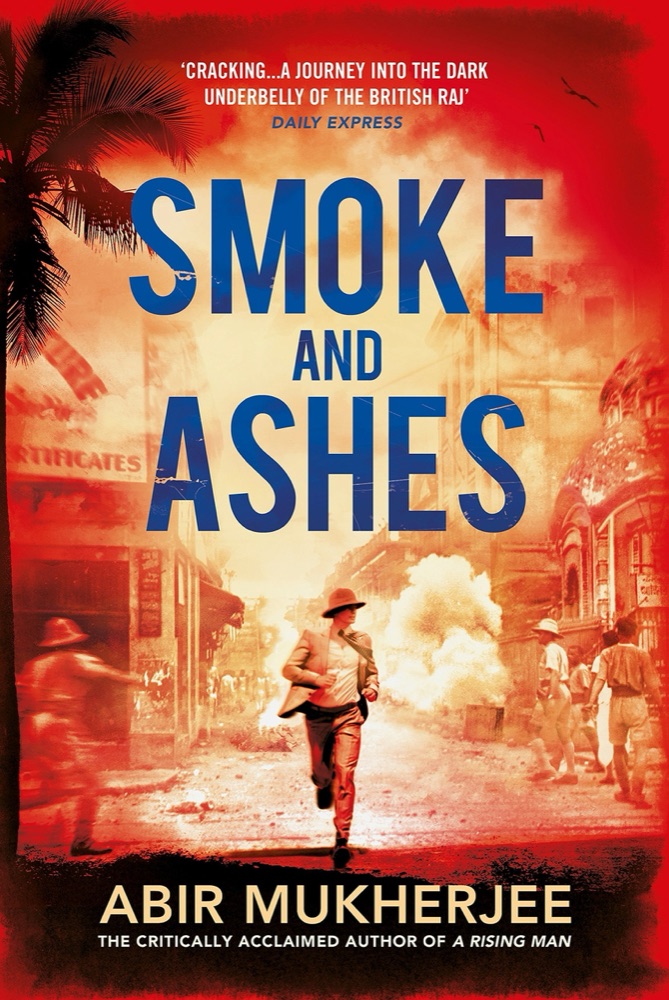
India, 1921. Haunted by his memories of the Great War, Captain Sam Wyndham is battling a serious addiction to opium that he must keep secret from his superiors in the Calcutta police force.
When Sam is summoned to investigate a grisly murder, he is stunned at the sight of the body: he’s seen this before. Last night, in a drug addled haze, he stumbled across a corpse with the same ritualistic injuries. It seems like there’s a deranged killer on the loose. Unfortunately for Sam, the corpse was in an opium den and revealing his presence there could cost him his career.
With the aid of his quick-witted Indian Sergeant, Surrender-not Banerjee, Sam must try to solve the two murders, all the while keeping his personal demons secret, before somebody else turns up dead.
Book details
- First published
- 2018
- Author
- Abir Mukherjee
- Genre
- Mystery
- Goodreads rating
- 4.17 (6k ratings)
The buzz
- The GuardianReview in The Guardianprofessional review (via Book Marks)
- Publishers WeeklyReview in Publishers Weeklyprofessional review (via Book Marks)
- New York Journal of BooksReview in New York Journal of Booksprofessional review (via Book Marks)
- BookPageReview in BookPageprofessional review (via Book Marks)
- FtReview in Ftprofessional review (via Book Marks)
- CrimefictionloverReview in Crimefictionloverprofessional review (via Book Marks)
Keep reading
The Day of the Scorpion
 The Ministry of Fear
 The Spy Who Came In from the Cold
 Queen of Fire
 Call for the Dead
 Tigerman
 The Glass Palace
 The Black Wolf
 The Honourable Schoolboy
 A Beautiful Blue Death
 I Am Pilgrim
 The Sympathizer
 The Naked and the Dead
 The Reluctant Fundamentalist
 Fall of Giants
 Joseph Anton: A Memoir
 The Splendid and the Vile: A Saga of Churchill, Family, and Defiance During the Blitz
 Jingo
Jingo
 Blood Done Sign My Name: A True Story
 The Siege of Krishnapur
 Into the Silence: The Great War, Mallory and the Conquest of Everest
 The Bedlam Stacks
 The Unvanquished
 Child 44
 The Will to Battle
 J
J
 The Son
 How Beautiful We Were
 The Damnation Game
 Pachinko
 Regeneration
 River of Smoke
 The Burning Soul
 The Jewel in the Crown
 Shooting an Elephant
 The Water Dancer
 Soul of the Fire
 Slippery Creatures
 The Black Company
 A Thousand Moons
 Before They Are Hanged
 The Association of Small Bombs
 Fawkes
 Sea of Poppies
 Promise of Blood
 Raven Stratagem
 The Cold Cold Ground
 The Angel of the Crows
 Native Son
 The Last Lion: Winston Spencer Churchill: Alone, 1932-40
 The Fear Institute
 Reamde
 Kidnapped
 Woken Furies
 Dreams from My Father: A Story of Race and Inheritance
 The Lords of Discipline
 The Devil and the Dark Water
 Behind the Beautiful Forevers: Life, Death, and Hope in a Mumbai Undercity
 The Proud Tower: A Portrait of the World Before the War, 1890-1914
 Homage to Catalonia