
 Arctic Dreams
Quotes from the Book
The wolf exerts a powerful influence on the human imagination. It takes your stare and turns it back on you
19
I remember sitting in this cabin in Alaska one evening reading over the notes of all these encounters, and recalling Joseph Campbell, who wrote in the conclusion to 'Primitive Mythology' that men do not discover their gods, they create them. So do they also, I thought, looking at the notes before me, create their animals.
9
Why we should believe in wolf children seems somehow easier to understand than the ways we distinguish between what is human and what is animal behavior. In making such distinctions we run the risk of fooling ourselves completely. We assume that the animal is entirely comprehensible and, as Henry Beston has said, has taken form on a plane beneath the one we occupy. It seems to me that this is a sure way to miss the animal and to see, instead, only another reflection of our own ideas.
9
The wolf was the one animal that, again, did two things at once year after year: remained distinct and exemplary as an individual, yet served the tribe. There are no stories among Indians of lone wolves.
3
It is, after all, not man but the universe that is subtle.
2
The first time I understood this I was talking with a man who had killed some thirty-odd wolves himself from a plane, alone, and flown hunters who had killed almost four hundred more. As he described with his hands the movement of the plane, the tack of its approach, his body began to lean into the movement and he shook his head as if to say no words could tell it. For him the thing was not the killing; it was that moment when the blast of the shotgun hit the wolf and flattened him—because the wolf’s legs never stopped driving. In that same instant the animal was fighting to go on, to stay on its feet, to shake off the impact of the buckshot. The man spoke with awed respect of the animal’s will to live, its bone and muscle shattered, blood streaking the snow, but refusing to fall. “When the legs stop, you know he’s dead. He doesn’t quit until there’s nothing left.” He spoke as though he himself would never be a quitter in life because he had seen this thing. Four hundred times.
2
The wolf in the middle begins to howl in response to the others. In chorus like this, each wolf chooses a different pitch. The production of harmonics (see chart, page 42) may create the impression of fifteen or twenty wolves where there are in fact only three or four.
1
The focal point of the act of hunting among the Naskapi is the preparation of a ritual meal, called Mokoshan. Caribou meat and bones are carefully prepared and consumed by the hunters. Not a morsel of meat or a sliver of bone may touch the ground. The function of the meal for the Naskapi hunter is to ingratiate himself with the Spirit of the Caribou, to indicate respect for his food, to honor the tenuous balance that keeps him alive by asserting that there will be no waste of whatever meat is secured in the hunt. It is not hard for Western minds to miss the seriousness of this ritual: the link between hunter and hunted (symbolized in the meal) lies at the very foundation of every hunting society. It is, literally, the most important thing in the hunter’s life. To fail in the hunt is to fail to eat. To die. To be finished. The ritual preparation for the hunt, therefore, acknowledges a perpetual agreement: the game will be given to the hunter by dwellers in the spirit world as long as the hunter remains worthy. The hunt itself is but an acting out of the agreement, the bullet or arrow loosed but a symbol of the communication between hunter and hunted.
There had never been a killing like it.
In a book called Adventures in Error, Vilhjalmer Stefansson recalls his efforts to track down virtually every report of a wolf killing a human being between 1923 and 1936. Reports from the Caucasus, the Near East, Canada, and Alaska all proved to be either fiction or gross exaggeration. Furthermore, Stefansson could not substantiate a single report of wolves traveling in packs larger than about thirty. In 1945 it was reported that no incident of wolf attack brought to the attention of the U.S. Fish and Wildlife Service in the preceding twenty-five years could be substantiated.
It is popularly believed that there is no written record of a healthy wolf ever having killed a person in North America. Those making the claim ignore Eskimos and Indians, who have been killed, and are careful to rule out rabid wolves. The latter have attacked people several times.
it was assumed that wolves were basely motivated and bloodthirsty; then in an environmentally enlightened age, it was suddenly assumed that they were noble and wise. So, too, have we analyzed their hunting behavior in human terms, and none of it is worth more than the metaphor it’s couched in. This habit indeed may eventually lead us even further from an understanding of the animal. For my own part, I mean to suggest that there is more to a wolf hunt than killing. And that wolves are wolves, not men.
Roger Peters told me once that wolves in the Superior National Forest defecate sometimes on beer cans. Like any scent mark, these scats give off both visual and olfactory signals. We should see more here than what the wolf might be telling us about our littering habits. The animals may be marking things they consider dangerous to other wolves, especially pups, for wolves also mark traps and poisoned baits by defecating on them. If Peters is correct in thinking that the olfactory information in a scat is intended for other pack members, the idea makes even better sense.
Voglio dire solo questo: non conosciamo affatto gli animali. Non possiamo comprenderli se non in termini di nostre esigenze ed esperienze; e avvicinarci a un popolo con cui condividiamo il pianeta e il fascino per i lupi ma che proviene da una dimensione spazio-temporale differente e che, per quanto ne sappiamo, è molto più vicino ai lupi di quanto potremo mai esserlo noi.
Quando, dalle prigioni delle nostre città, volgiamo lo sguardo alla wilderness, quando il nostro intelletto sperimenta il privilegio di condurre una vita scevra da convenzioni insensate o senza colpe né sotterfugi, in breve, una vita integra, credo che possiamo rivolgerci al lupo. In esso percepiamo il coraggio, la resistenza e un modo di vivere franco e leale; percepiamo che è in armonia con l’universo mentre noi non lo siamo ancora.
Watch on YouTube
About Barry Lopez
We have collected 51 quotes from 2 books by Barry Lopez on BookQuoters.
More about the author →More by Barry Lopez
Arctic Dreams
About the book
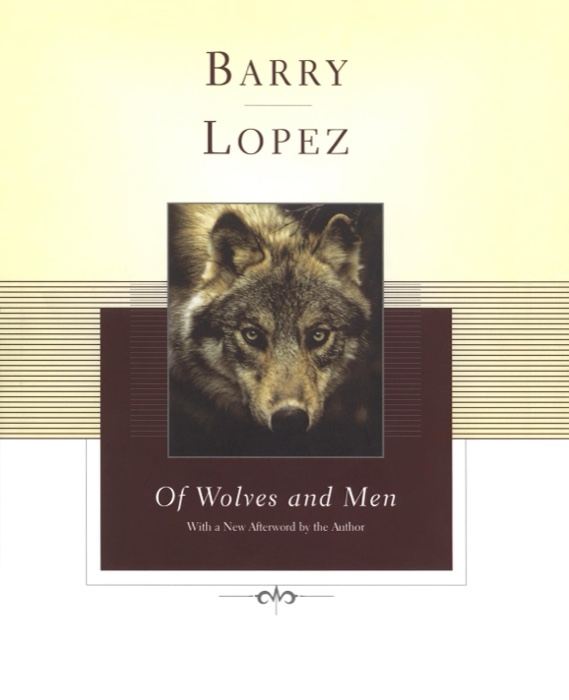
Originally published in 1978, this classic exploration of humanity’s complex relationship with and understanding of wolves returns with a new afterword by the author.
Humankind's relationship with the wolf is the sum of a spectrum of responses ranging from fear to admiration and affection. Lopez’s classic, careful study has won praise from a wide range of reviewers and improved the way books on wild animals are written. Of Wolves and Men explores the uneasy interaction between wolves and civilization over the centuries, and the wolf's prominence in our thoughts about wild creatures. Drawing upon an impressive array of literature, history, science, and mythology as well as extensive personal experience with captive and free-ranging wolves, Lopez argues for the wolf's preservation and immerses the reader in its sensory world, creating a compelling portrait of the wolf both as a real ani
Book details
- First published
- 1978
- Author
- Barry Lopez
- Genre
- Nonfiction
- Goodreads rating
- 4.19 (4k ratings)
Keep reading
 A Wolf Called Romeo
 Never Cry Wolf
 Beyond Words: What Animals Think and Feel
 Coyote America: A Natural and Supernatural History
 Martin Marten
 Wolf Totem
Arctic Dreams
Wolf Totem
Arctic Dreams
 The Philosopher and the Wolf
 The Log from the Sea of Cortez
 Vanishing Treasures: A Bestiary of Extraordinary Endangered Creatures
 Shadows of Forgotten Ancestors
 Fifteen Dogs
 Vesper Flights
 Inside of a Dog: What Dogs See, Smell, and Know
 The Call of the Wild/White Fang
 The Tiger: A True Story of Vengeance and Survival
 Julie of the Wolves
 Split Tooth
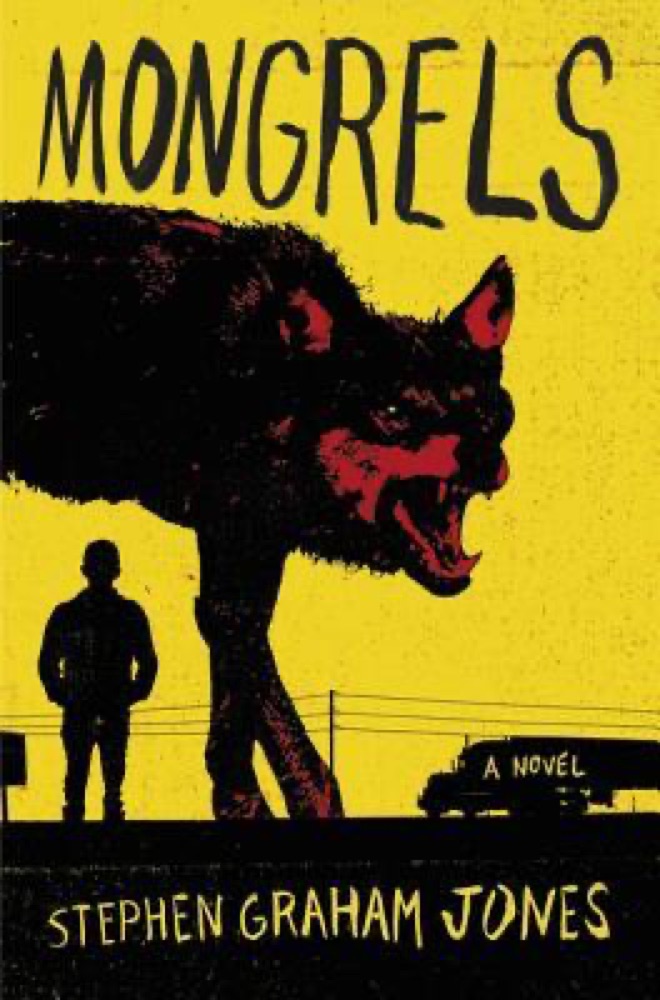 Mongrels
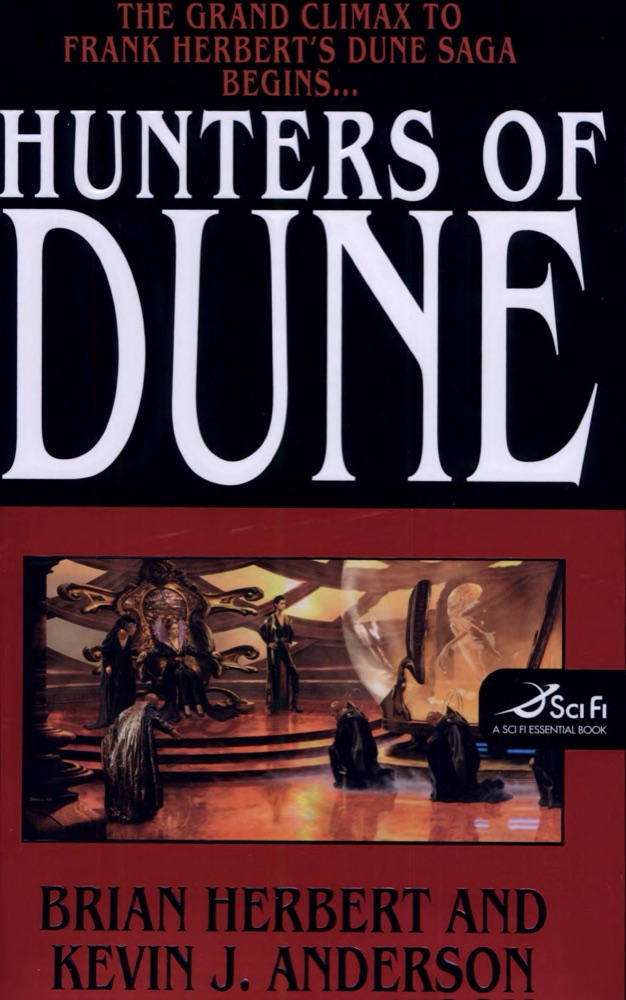 Hunters of Dune
 The Fresco
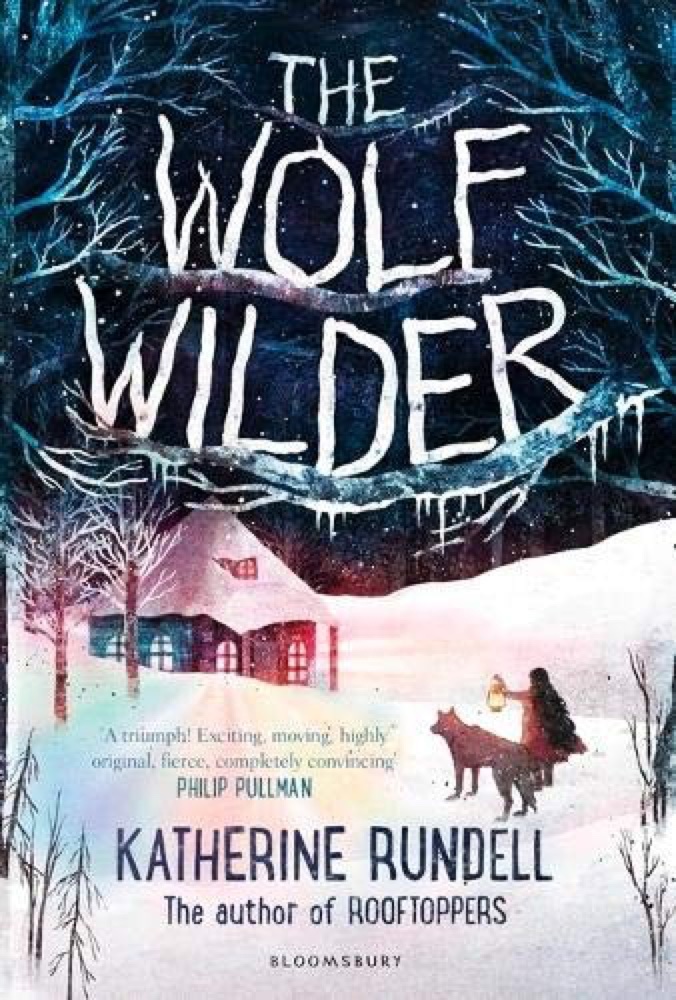 The Wolf Wilder
 Devolution: A Firsthand Account of the Rainier Sasquatch Massacre
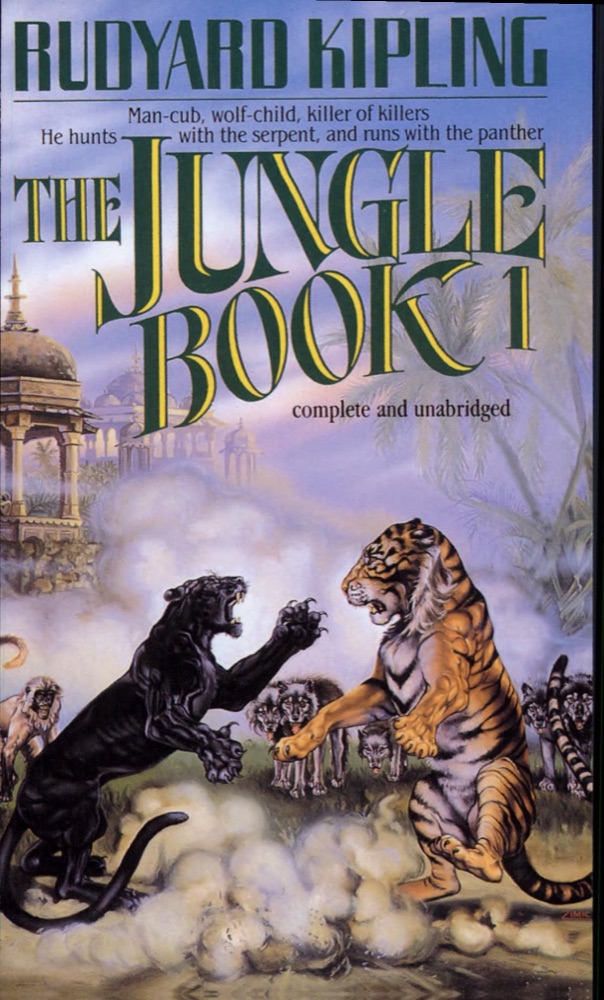 The Jungle Book
 Fuzz: When Nature Breaks the Law
 The Spell of the Sensuous: Perception and Language in a More-Than-Human World
 Blood Meridian: Or the Evening Redness in the West
 Roadside Picnic
 Wolf Hall
 The Outermost House: A Year of Life on the Great Beach of Cape Cod
 A Language Older Than Words
 Memoirs of a Polar Bear
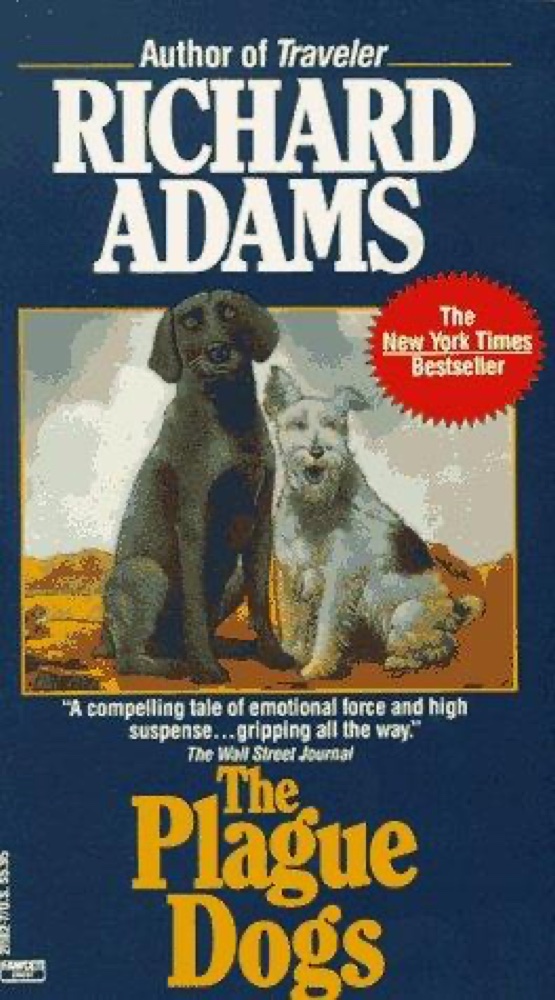 The Plague Dogs
 Always Coming Home
 The Western Lands
 Fifty Beasts to Break Your Heart: And Other Stories
 Blood Meridian, or the Evening Redness in the West
 Sword & Citadel
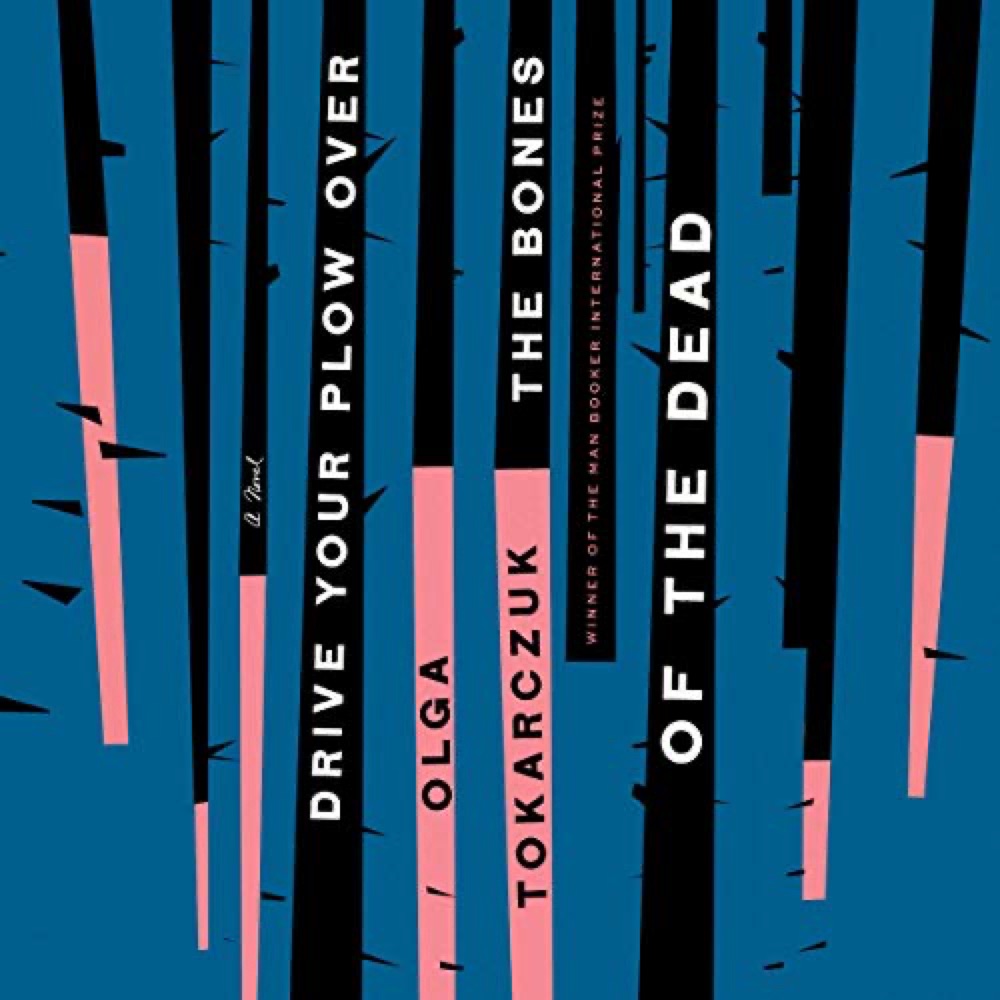 Drive Your Plow Over the Bones of the Dead
 The Fear Institute
 The Fifth Science
 The Hangman's Replacement: Sprout of Disruption
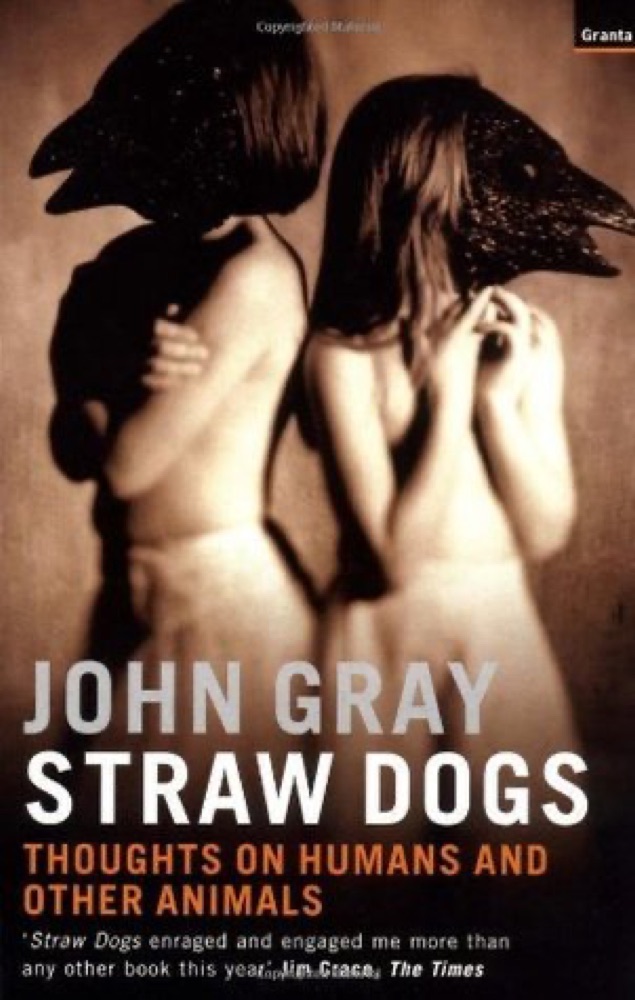 Straw Dogs: Thoughts on Humans and Other Animals
 Black Leopard, Red Wolf
 The Friend
 Women Who Run With the Wolves
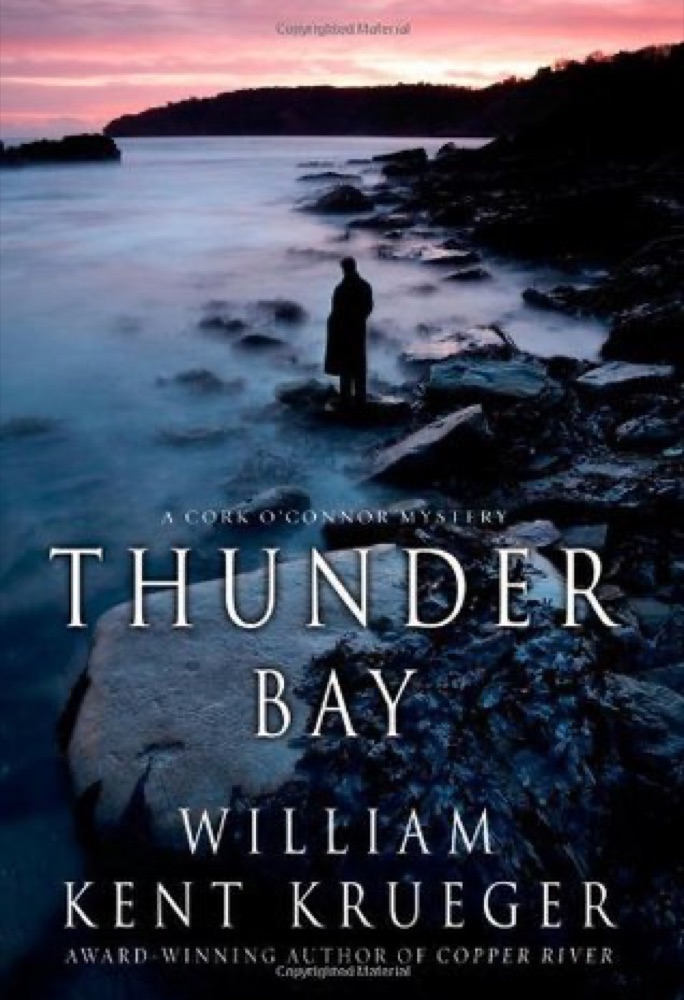 Thunder Bay
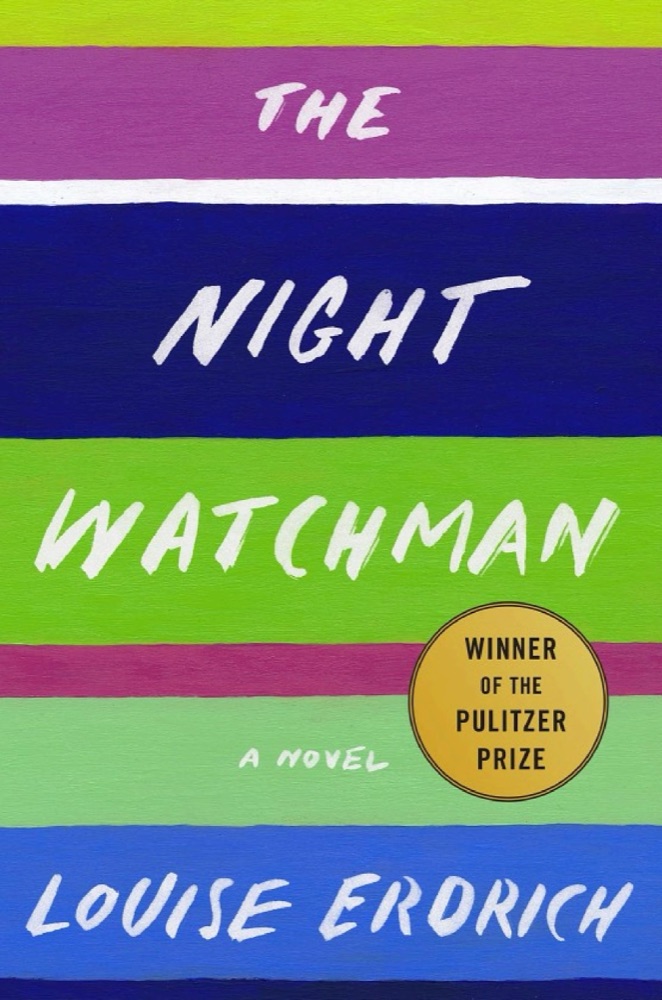 The Night Watchman
 Merle's Door: Lessons from a Freethinking Dog
 One Man's Meat
 Billions & Billions: Thoughts on Life and Death at the Brink of the Millennium
 Some We Love, Some We Hate, Some We Eat: Why It's So Hard to Think Straight About Animals
 The Mountain in the Sea
 The Stone Gods
 A History of the World in 100 Objects
 H is for Hawk
 Crowds and Power
 Tree and Leaf: Includes Mythopoeia and The Homecoming of Beorhtnoth
 West with the Night
 Holy Bible: ESV Bible