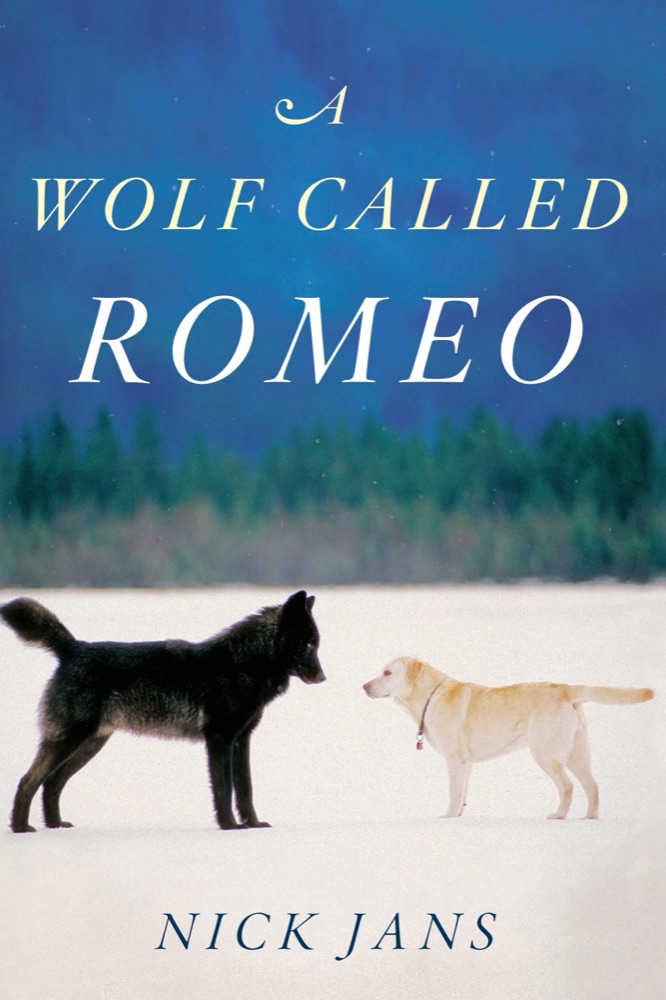

 Of Wolves and Men
Quotes from the Book
When we gaze into the adoring eyes of a canine companion, we're staring at the carefully muted and shaped soul of a wolf.
5
Love, not hate, is the burden we carry. But that fact makes it no lighter.
4
There is precisely zero scientific evidence demonstrating wolves, unlike ourselves, have ever driven any species to extinction. Of course, no antiwolf advocate points to the unrestricted slaughter and habitat reduction, not by wolves but by humans, that speeded the demise of those great herds of bison, deer, and elk reported by Lewis and Clark.
3
Position B: Wolves, as top predators, are a natural part of healthy, complex, self-regulating ecosystems, and removing most of them (the plans call for 80, even 100 percent reduction in certain management units) is only bound to screw things up. Without wolves, deer and moose numbers explode in unsustainable numbers, then crash, over and over. Wolves, too, are a valued resource on which trappers and subsistence hunters depend, and a multimillion-dollar cash cow attracting throngs of ecotourists and photographers. Their presence also offers inestimable aesthetic value to many residents, even if they never manage to see one. Besides that, shooting wolves from airplanes is just plain wrong and reflects horribly on the state’s image. Anyone who doesn’t see things that way is a nearsighted, beetle-browed, knuckle-dragging redneck.
3
Ex-governor Walter Hickel, decrying the interference of wolf advocates (many of them Outsiders) in the issue two decades ago, put it best, with this unintentionally comical, landmark statement: “You can’t just let nature run wild.
3
Their presence also offers inestimable aesthetic value to many residents, even if they never manage to see one. Besides that, shooting wolves from airplanes is just plain wrong and reflects horribly on the state’s image. Anyone who doesn’t see things that way is a nearsighted, beetle-browed, knuckle-dragging redneck.
2
Immaculate predators, the very symbol of pure, uncompromising wildness, wolves and what we call civilization seem to be, in the cold terms of logic, mutually exclusive circumstances.
2
If nothing else, wolves are masters at decoding intentions.
2
The hanging question isn’t why Berner and Carnegie were attacked and killed, but why wolf attacks on humans on this continent, and pretty much everywhere except remote areas of south-central Asia, are as rare as they are. Wolves are opportunistic, adaptable predators. Why not choose humans—comparatively slow, small, and weak compared to most wild prey—on a regular basis? Surely, if North American wolves saw humans as potential food, thousands should have died at their fangs. Instead, just two.
2
Research and eyewitness anecdotes show that mated wolves do indeed form till-death-do-us-part monogamous bonds that equal any in the animal kingdom and put many human commitments to shame.
2
To high-drive labs and boarder collies, fetch is often more than just a game; it's their job, a dead serious business.
2
He squinted thoughtfully, then grinned. “Actually, I thought having him around was pretty cool. People, not the wolf, were the real management issue, and for the most part, they acted in a respectful and responsible manner.
2
Hard to imagine, but Dakotah herself was 99.98 percent wolf, including, you might suppose, the part of her that loved pursuing and catching things over and over at breakneck speed and delivering them back to her pack, in a faint echo of the chase. I’ve wondered if some dogs may feel a higher level of drive for such games, since it’s their only outlet for genetically programmed catch-and-kill hunting behavior. A wolf in the same situation seems more relaxed, more purely at play—certainly the case with the black wolf just then, and with other wild wolves I’ve seen. After all, wolves hunt to live, on a daily basis; fooling around with a toy is more of a break, quite separate from the serious business of living—having fun for the sheer sake of it. To high-drive Labs and border collies, fetch is often more than just a game; it’s their job, a dead serious business.
1
Once upon a time, there was a wolf called Romeo. Together, we watch him trot across the lake and fade into twilight. And we remember.
he sure as hell knew about toys: objects with no food or direct survival value that become, through social agreement or individual whim, the focus of play.
The mountains leaned in and waves of weather washed over us - deep, clear cold alternating with snow, sometimes hurling out of the twilit sky so fast we could watch it cover our tracks. At first, we skied; when the drafts piled too deep for touring skis, we plodded on foot, breaking trail with the dogs porpoising along behind us in powder over their heads. Higher up, the big snows fell. In between storms, the mountains emerged, cast in a luminous pall. The glacier itself seemed half buried.
Wolves, as top predators, are a natural part of healthy, complex, self-regulating ecosystems, and removing most of them (the plans call for 80, even 100 percent reduction in certain management units) is only bound to screw things up. Without wolves, deer and moose numbers explode in unsustainable numbers, then crash, over and over. Wolves, too, are a valued resource on which trappers and subsistence hunters depend, and a multimillion-dollar cash cow attracting throngs of ecotourists and photographers.
Modern, well-documented research demonstrates that apex predators such as wolves play keystone roles in keeping prey populations healthy by culling the weak and infirm. They also keep ungulate numbers in balance with habitat; wolf reintroduction into Yellowstone resulted in a stunning transformation of overbrowsed, depleted river and stream corridors, to the benefit of many species, from aspens and cottonwoods to beaver to songbirds to cutthroat trout. An
Of course, no antiwolf advocate points to the unrestricted slaughter and habitat reduction, not by wolves but by humans, that speeded the demise of those great herds of bison, deer, and elk reported by Lewis and Clark.
A vehement antiwolf message continues to be driven by contemporary western ranchers and large-scale agribusiness and supercharged by sport-hunting interests that scream wolves, left unchecked, will devour everything in their path (including themselves) until nothing is left—of course, begging the question as to why this endgame, wolf-created wasteland didn’t arise many thousands of years ago. There is precisely zero scientific evidence demonstrating wolves, unlike ourselves, have ever driven any species to extinction.
Wolves were burned alive, dragged to death behind horses, fed fishhooks inside meat, set free with mouths and penises wired shut.
Ace Bourke, whose ecstatic reunion in Africa, years after Christian’s release, is memorialized on film—the unavoidable circumstances of
If his ethos had inspired those in charge of cutting government waste, we’d be turning a surplus in a finger snap.
Watch on YouTube
About Nick Jans
We have collected 23 quotes from 1 book by Nick Jans on BookQuoters.
More about the author →About the book
The unlikely true story of a six-year friendship between a wild, oddly gentle black wolf and the people and dogs of Juneau, Alaska No stranger to wildlife, Nick Jans had lived in Alaska for nearly thirty years. But when one evening at twilight a lone black wolf ambled into view not far from his doorstep, Nick would finally come to know this mystical species—up close as never before.
A Wolf Called Romeo is the remarkable story of a wolf who returned again and again to interact with the people and dogs of Juneau, living on the edges of their community, engaging in an improbable, awe-inspiring interspecies dance and bringing the wild into sharp focus. At first the people of Juneau were guarded, torn between shoot first, ask questions later instincts and curiosity. But as Romeo began to tag along with cross-country skiers on their daily jaunts, play fetch with local dogs, or simply lie n
Book details
- First published
- 2014
- Author
- Nick Jans
- Genre
- Nonfiction
- Goodreads rating
- 4.19 (5k ratings)
Keep reading
Of Wolves and Men
 Never Cry Wolf
 Coyote America: A Natural and Supernatural History
 Wolf Totem
 Julie of the Wolves
 Mongrels
 The Last Ranger
 Savage Run
 Elephant Whisperer
 Wild Ones: A Sometimes Dismaying, Weirdly Reassuring Story About Looking at People Looking at Animals in America
 The Wolf Wilder
 Merle's Door: Lessons from a Freethinking Dog
 Sharp Teeth
 Fifteen Dogs
 Devolution: A Firsthand Account of the Rainier Sasquatch Massacre
 Vanishing Treasures: A Bestiary of Extraordinary Endangered Creatures
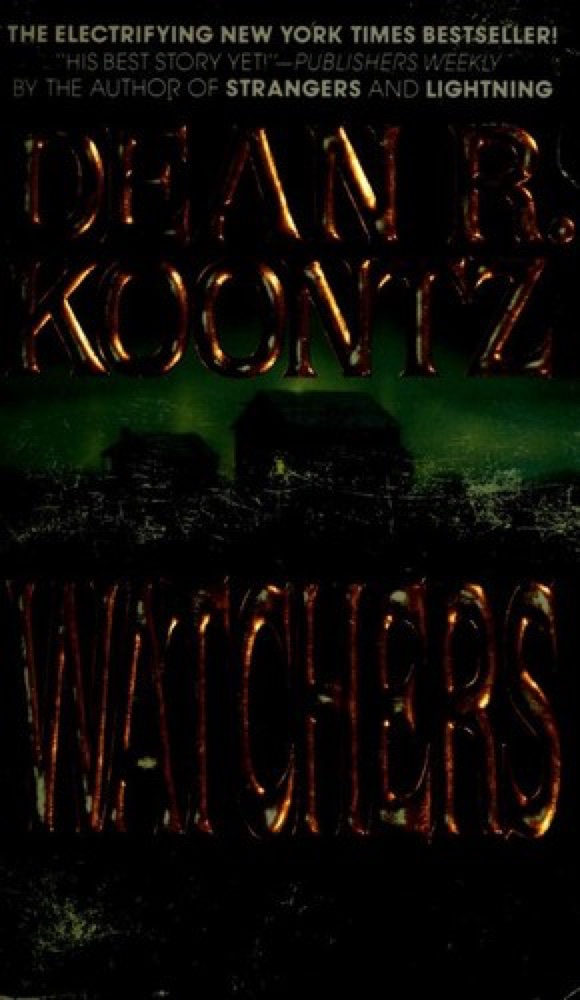 Watchers
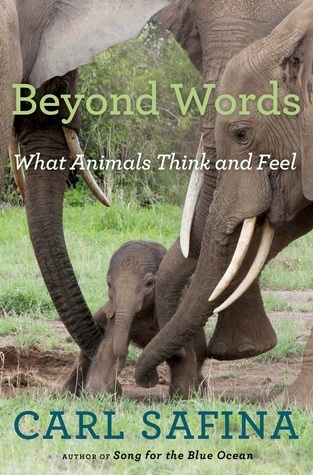 Beyond Words: What Animals Think and Feel
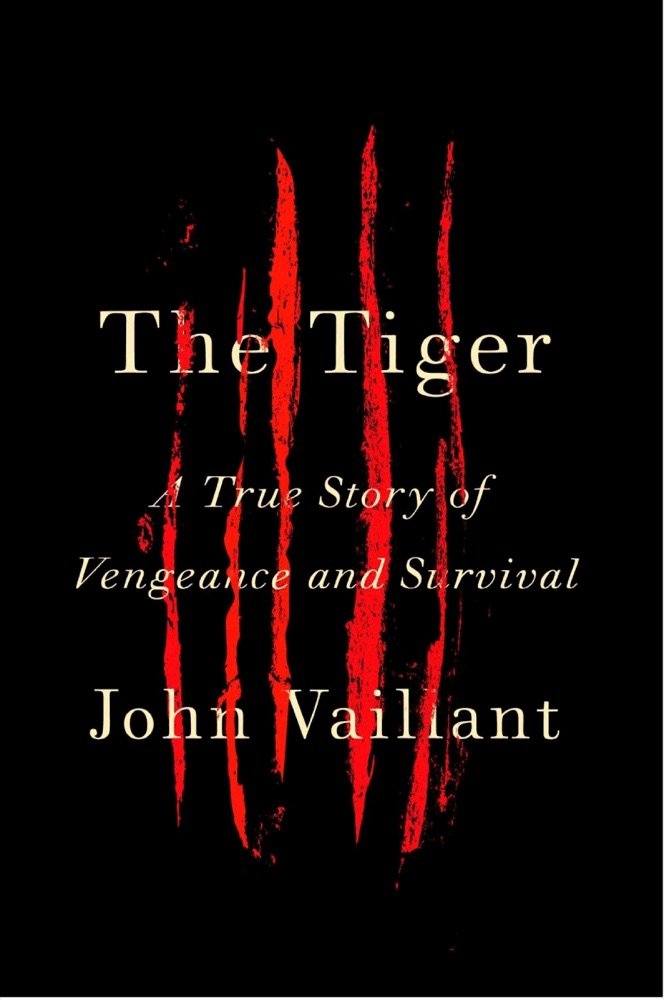 The Tiger: A True Story of Vengeance and Survival
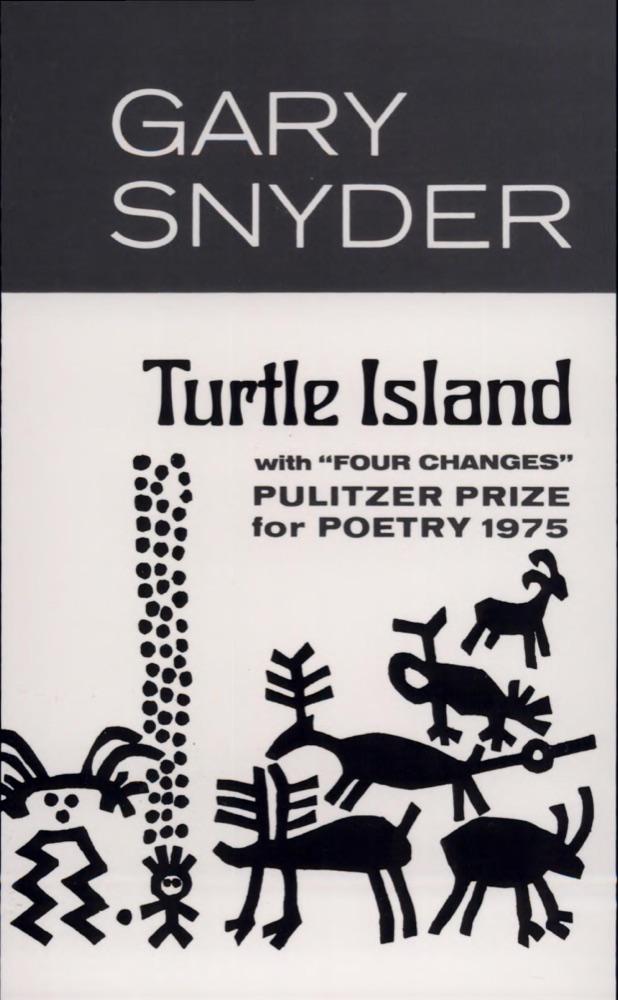 Turtle Island
 The Call of the Wild/White Fang
 Wolves Eat Dogs
 Martin Marten
 Etched in Bone
 White Fang
 The Zookeeper's Wife
 Shadows of Forgotten Ancestors
 The Wolf in Winter
 Vision in Silver
 Fuzz: When Nature Breaks the Law
 The Jungle Book
 Barkskins
 The Plague Dogs
 Elephant Whisperer
 Why We Run: A Natural History
 The Call of the Wild
 Livia Lone
 Cry of the Kalahari
 Hunted
 The Night Watchman
 Some We Love, Some We Hate, Some We Eat: Why It's So Hard to Think Straight About Animals
 Inside of a Dog: What Dogs See, Smell, and Know
 The Unexpected Truth About Animals: A Menagerie of the Misunderstood
 A Dog Year: Twelve Months, Four Dogs, and Me
 Hollow Kingdom
 Shadow Country
 Arctic Dreams
 Through Wolf's Eyes
 Lone Wolf
 Be the Pack Leader: Use Cesar's Way to Transform Your Dog . . . and Your Life
 Watership Down
 Animals Make Us Human: Creating the Best Life for Animals
 Into the Drowning Deep
 Wake of Vultures
 Lord of the Flies
 Wesley the Owl: The Remarkable Love Story of an Owl and His Girl
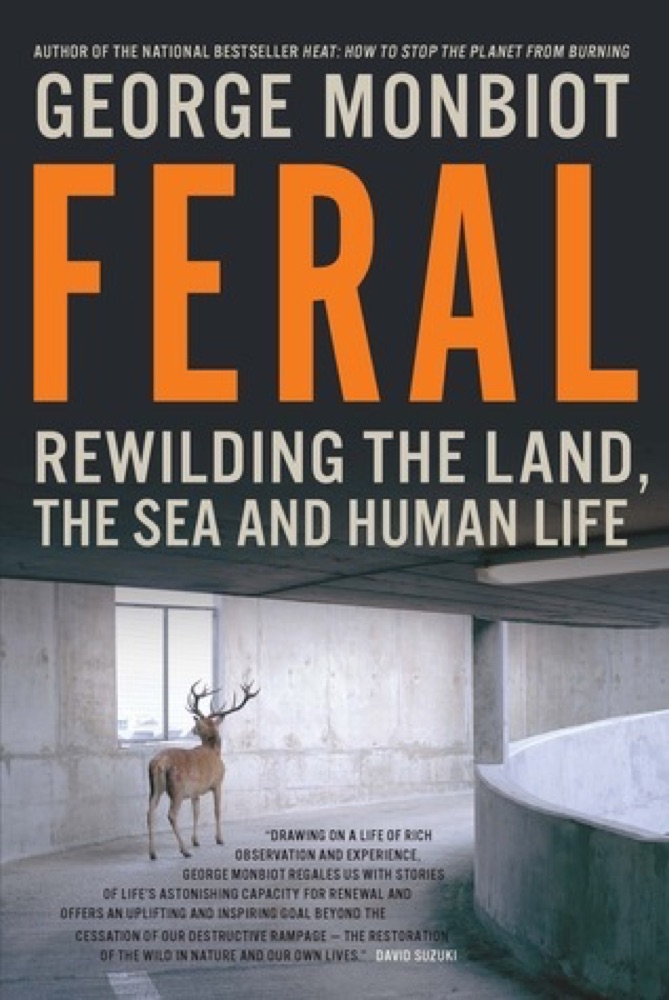 Feral: Rewilding the Land, the Sea and Human Life
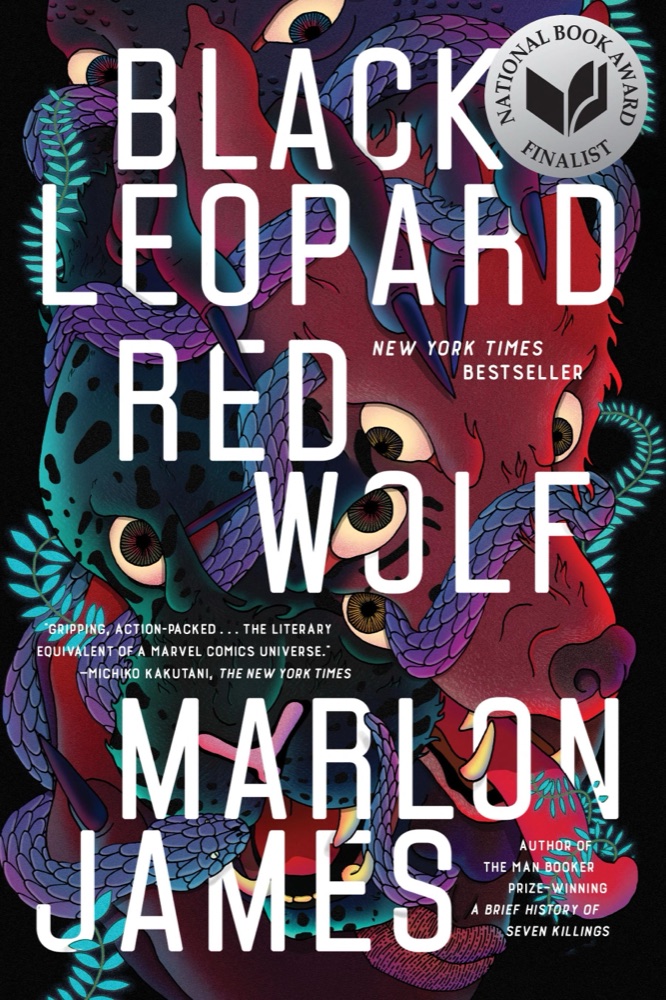 Black Leopard, Red Wolf
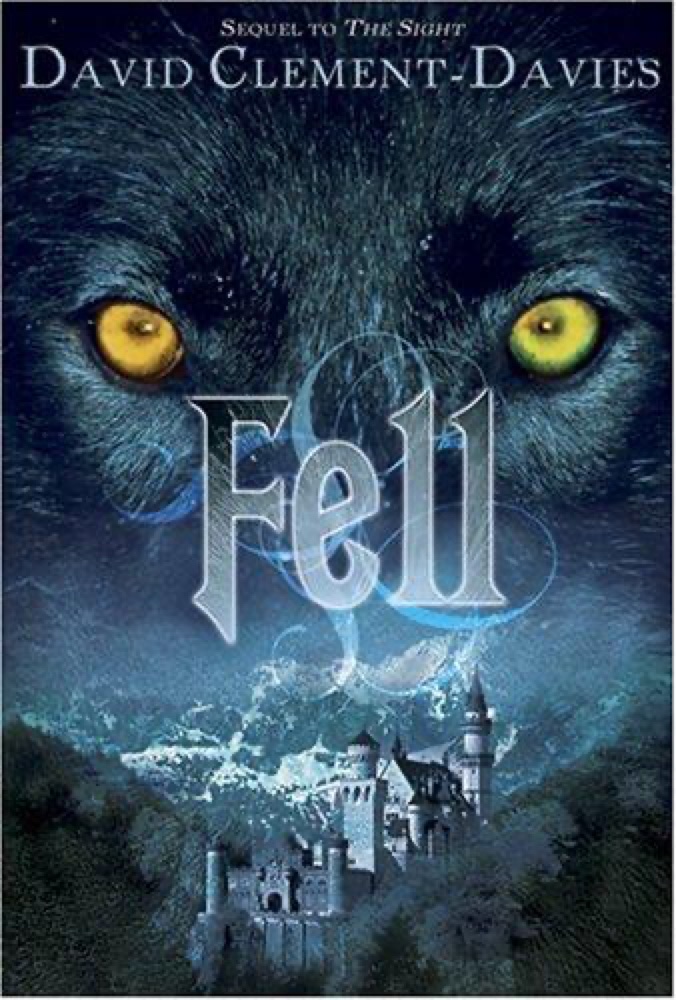 Fell
Fell
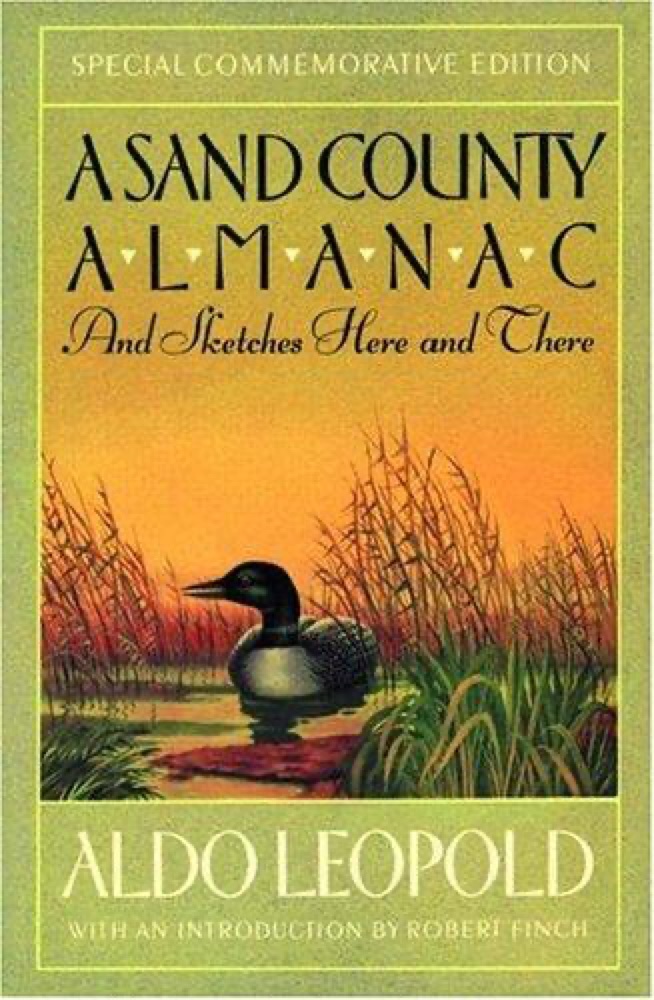 A Sand County Almanac and Sketches Here and There