
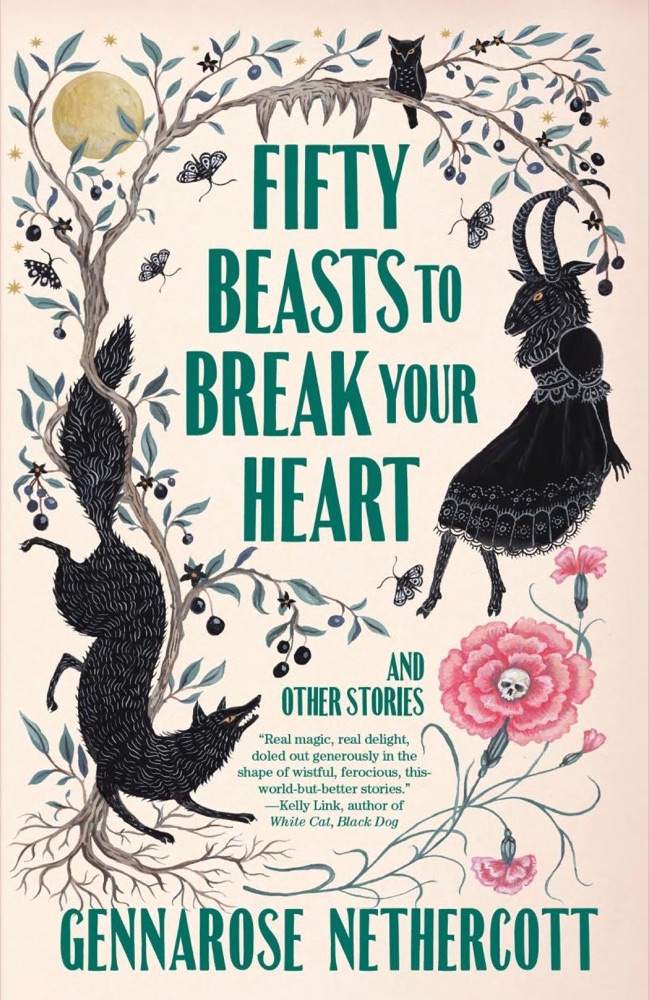
 Fifty Beasts to Break Your Heart: And Other Stories
Quotes from the Book
What we miss - what we lose and what we mourn - isn't it this that makes us who, deep down, we truly are. To say nothing of what we wanted in life but never got to have.
97
Your whole house smells of dog, says someone who comes to visit. I say I'll take care of it. Which I do by never inviting that person to visit again.
68
Consider rereading, how risky it is, especially when the book is one that you loved. Always the chance that it won't hold up, that you might, for whatever reason, not love it as much. When this happens, and to me it happens all the time (and more and more as I get older), the effect is so disheartening that I now open old favorites warily.
67
Tempted to put too much faith in the great male mind, remember this: It looked at cats and declared them gods. It looked at women and asked, Are they human? And, once that nut had been cracked: But do they have souls?
58
You can't hurry love, as the song goes. You can't hurry grief either.
55
Once again I come upon his famous definition of love: two solitudes that protect and border and greet each other.
48
If reading really does increase empathy, as we are constantly being told that it does, it appears that writing takes some away.
35
Sure I worried that writing about it might be a mistake. You write a thing down because you're hoping to get a hold on it. You write about experiences partly to understand what they mean, partly not to lose them to time. To oblivion. But there's always the danger of the opposite happening. Losing the memory of the experience itself to the memory of writing about it. Like people whose memories of places they've traveled to are in fact only memories of the pictures they took there. In the end, writing and photography probably destroy more of the past than they ever preserve of it. So it could happen: by writing about someone lost - or even just talking too much about them - you might be burying them for good.
35
Nothing has changed. It’s still very simple. I miss him. I miss him every day. I miss him very much. But how would it be if that feeling was gone? I would not want that to happen. I told the shrink: it would not make me happy at all not to miss him anymore.
26
In a book I am reading the author talks about word people versus fist people. As if words could not also be fists. Aren't often fists.
26
When people are very young they see animals as equals, even as kin. That humans are different, unique and superior to all other species - this they have to be taught.
23
What we miss - what we lose and what we mourn - isn’t it this that makes us who, deep down, we truly are. To say nothing of what we wanted in life but never got to have.
23
There's a certain type of person who, having read this far, is anxiously wondering: Does something bad happen to the dog?
21
Here is what I learned: Simone Weil was right. Imaginary evil is romantic and varied; real evil is gloomy, monotonous, barren, boring.
19
It’s not uncommon to wish to have known what a person you’ve come to love was like before you met them. It hurts, almost, not to have known what a beloved was like as a child. I have felt this way about every man I’ve ever been in love with, and about many close friends as well, and now it’s how I feel about Apollo.
14
They don’t commit suicide. They don’t weep. But they can and do fall to pieces. They can and do have their hearts broken. They can and do lose their minds.
14
I know this is all moronically anthropomorphic, but sometimes that is the form love takes.
12
Strays is what a writer I recently read calls those who, for one reason or another, and despite whatever they might have wanted earlier in life, never really become a part of life, not in the way most people do. They may have serious relationships, they may have friends, even a sizable circle, they may spend large portions of their time in the company of others. But they never marry and they never have children. On holidays, they join some family or other group. This goes on year after year, until they finally find it in themselves to admit that they'd really rather just stay home.
11
The poet Rilke once reported seeing a dying dog give its mistress a look full of reproach. Later, he gave this experience to the narrator of a novel: He was convinced I could have prevented it. It was now clear that he had always overrated me. And there was no time left to explain it to him. He continued to gaze at me, surprised and solitary, until it was over.
11
He has to forget you. He has to forget you and fall in love with me. That's what has to happen.
10
writing poetry is like prayer, and prayer isn’t something you have to share with other people.
9
On the fate of the multitude of unwanted dogs, Lucy reflects: They do us the honor of treating us like gods, and we respond by treating them like things.
8
I’ve known plenty of women who brace themselves whenever they leave the house, even a few who try to avoid leaving the house. Of course, a woman has only to wait until she’s a certain age, when she becomes invisible, and—problem solved.
8
Another question: why do people often find animal suffering harder to accept than the suffering of other human beings?
8
You didn't think it was possible for a woman to wander the streets in the same spirit and manner as a man. A female pedestrian was subject to constant disruptions: stares, comments, catcalls, gropes. A woman was raised to be always on guard: Was this guy walking too close? Was that guy following her? How, then, could she ever relax enough to experience the loss of sense of self, the joy of pure being that was the ideal of true flânerie?
8
I don't want to talk about you, or to hear others talk about you. It's a cliche, of course: we talk about the dead in order to remember them, in order to keep them, in the only way we can, alive. But I have found that the more people say about you, for example those who spoke at the memorial - people who loved you, people who knew you well, people who were very good with words - the further you seem to slip away, the more like a hologram you become.
8
The dead dwell in the conditional, tense of the unreal. But there is also the extraordinary sense that you have become omniscient, that nothing we do or think or feel can be kept from you. The extraordinary sense that you are reading these words, that you know what they’ll say even before I write them.
7
Because it’s all about the rhythm, you said. Good sentences start with a beat.
7
Whenever he saw his books in a store, he felt like he’d gotten away with something, said John Updike. Who also expressed the opinion that a nice person wouldn’t become a writer. The problem of self-doubt. The problem of shame. The problem of self-loathing. You once put it like this: When I get so fed up with something I’m writing that I decide to quit, and then, later, I find myself irresistibly drawn back to it, I always think: Like a dog to its vomit.
6
If we could talk to animals, goes the song. Meaning, if they could talk to us. But of course that would ruin everything.
6
Watch on YouTube
About Sigrid Nunez
We have collected 30 quotes from 1 book by Sigrid Nunez on BookQuoters.
More about the author →About the book
A moving story of love, friendship, grief, healing, and the magical bond between a woman and her dog.
When a woman unexpectedly loses her lifelong best friend and mentor, she finds herself burdened with the unwanted dog he has left behind. Her own battle against grief is intensified by the mute suffering of the dog, a huge Great Dane traumatized by the inexplicable disappearance of its master, and by the threat of eviction: dogs are prohibited in her apartment building.
While others worry that grief has made her a victim of magical thinking, the woman refuses to be separated from the dog except for brief periods of time. Isolated from the rest of the world, increasingly obsessed with the dog's care, determined to read its mind and fathom its heart, she comes dangerously close to unraveling. But while troubles abound, rich and surprising rewards lie in store for both of them.
Ele
Book details
- First published
- 2018
- Author
- Sigrid Nunez
- Genre
- Fiction
- Goodreads rating
- 3.71 (62k ratings)
The buzz
- The New York TimesReview in The New York Timesprofessional review (via Book Marks)
- The Wall Street JournalReview in The Wall Street Journalprofessional review (via Book Marks)
- NPRReview in NPRprofessional review (via Book Marks)
- The Times Literary SupplementReview in The Times Literary Supplementprofessional review (via Book Marks)
- LA Review of BooksReview in LA Review of Booksprofessional review (via Book Marks)
- Star TribuneReview in Star Tribuneprofessional review (via Book Marks)
Keep reading
Fifty Beasts to Break Your Heart: And Other Stories
 What Comes Next and How to Like It
 No One Writes Back
 Anthropology of an American Girl
 Say Goodbye for Now
 Grief Is for People
 Seven Types of Ambiguity
 Identity
 The Reader
 Dearest Josephine
 These Precious Days: Essays
 The Dogs of Babel
 Stay
Stay
 First Person Singular: Stories
 Almond
 Good Bones and Simple Murders
 Make It Scream, Make It Burn
 The Zahir
 Our Chemical Hearts
 Under the Udala Trees
 Drive Your Plow Over the Bones of the Dead
 The Book of Love
 Girl with Curious Hair
 This Is the Story of a Happy Marriage
 Have You Seen Luis Velez?
 A Widow's Story
 What I Loved
 Kafka on the Shore
 Summer Days and Summer Nights: Twelve Love Stories
 Journal of a Solitude
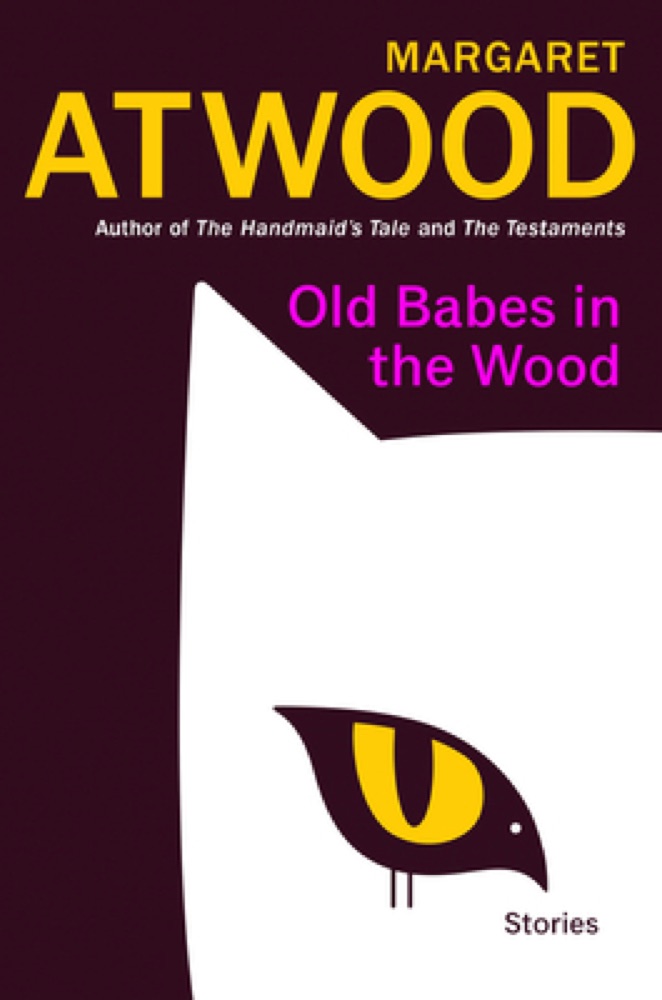 Old Babes in the Wood: Stories
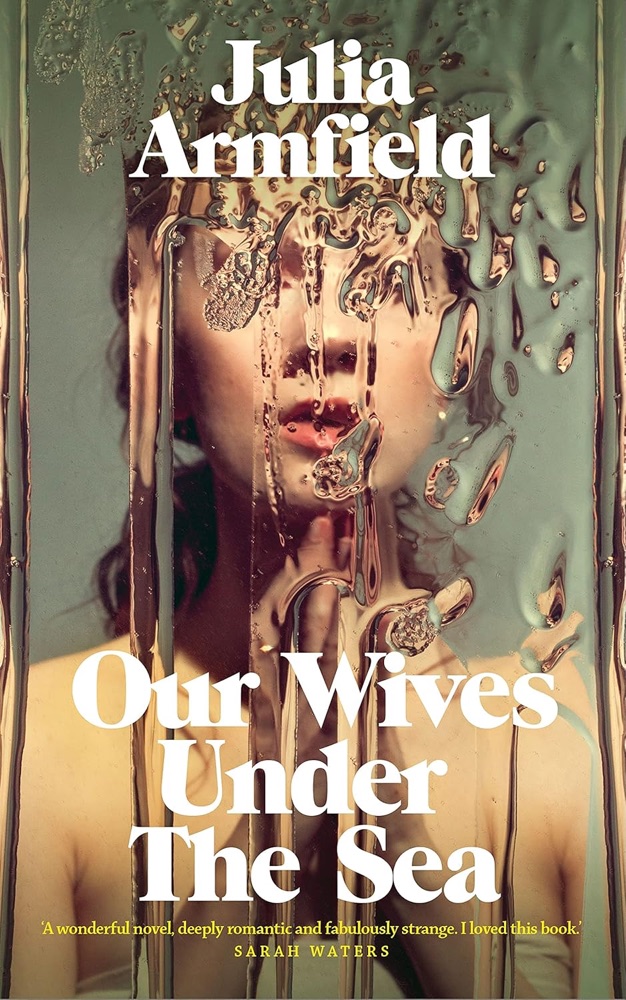 Our Wives Under the Sea
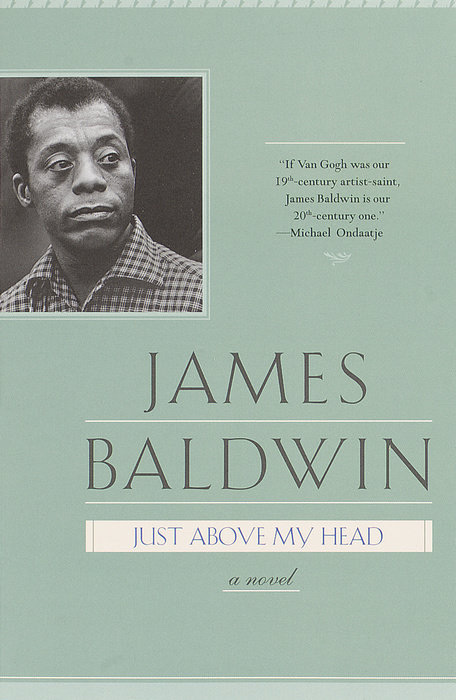 Just Above My Head
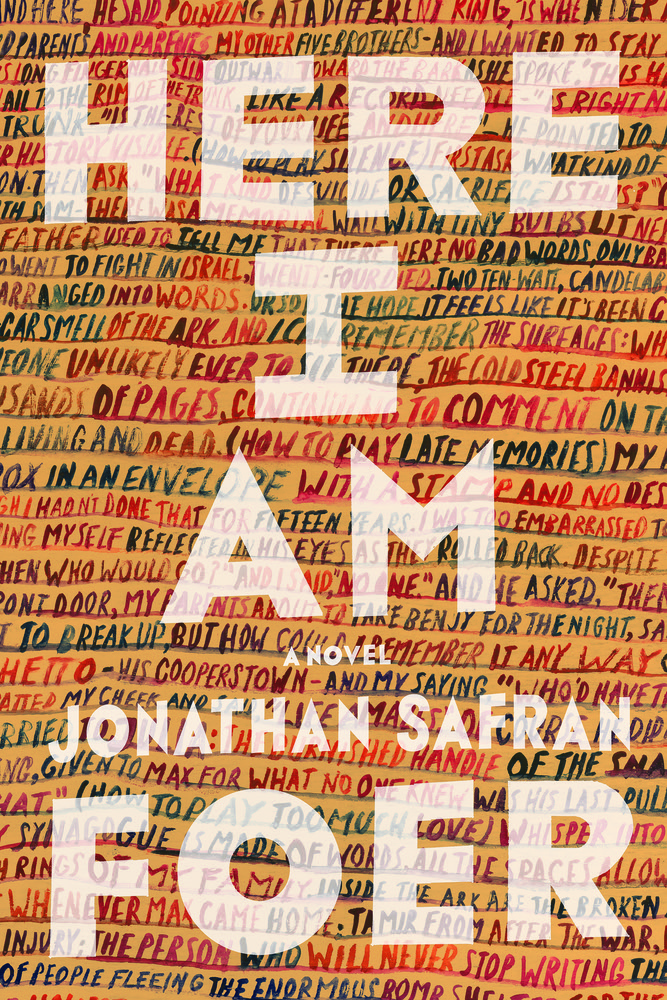 Here I Am
 In The Blood
 The Goldfinch
 The Swan Thieves
 In the Dream House
 Oranges Are Not the Only Fruit
 Someday
 The Shock of the Fall
 The Kindly Ones
 This Is Where the World Ends
 Pet
Pet
 Fear of Flying
 Smilla's Sense of Snow
 Murder in the Dark: Short Fictions and Prose Poems
 On Earth We're Briefly Gorgeous
 The Return
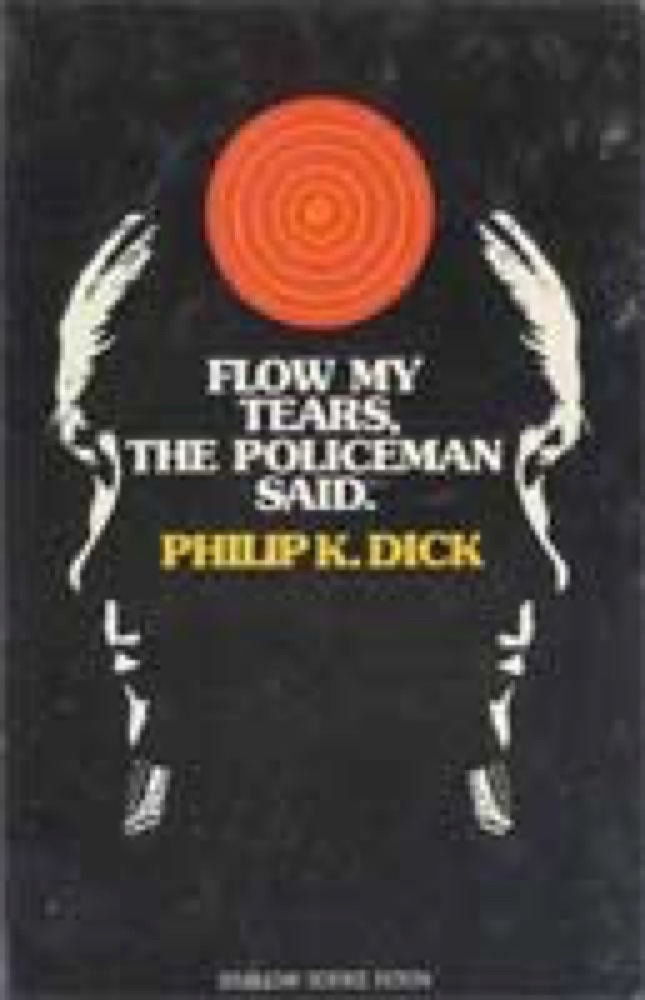 Flow My Tears, the Policeman Said
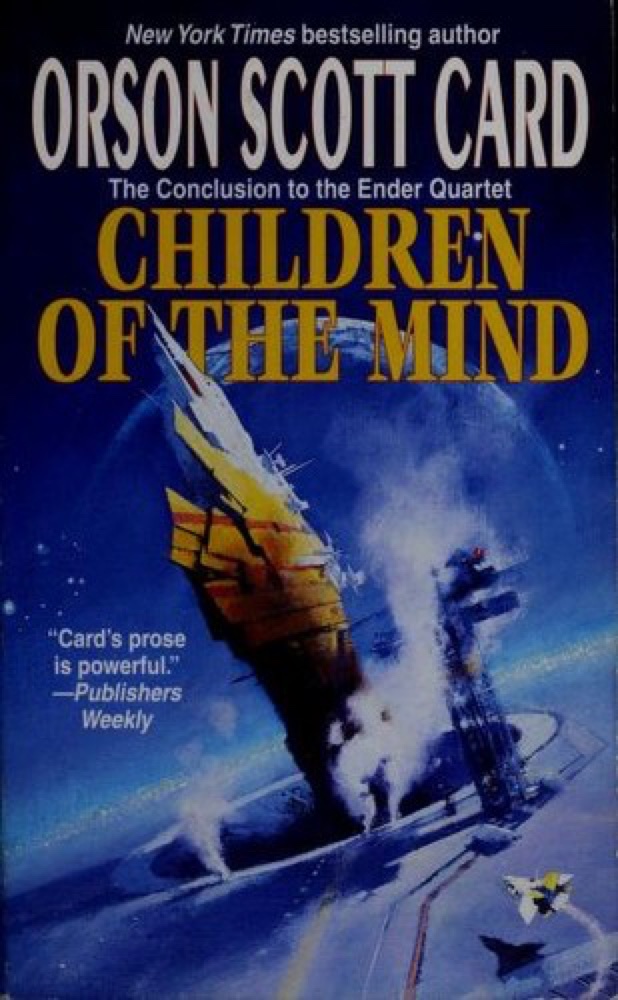 Children of the Mind
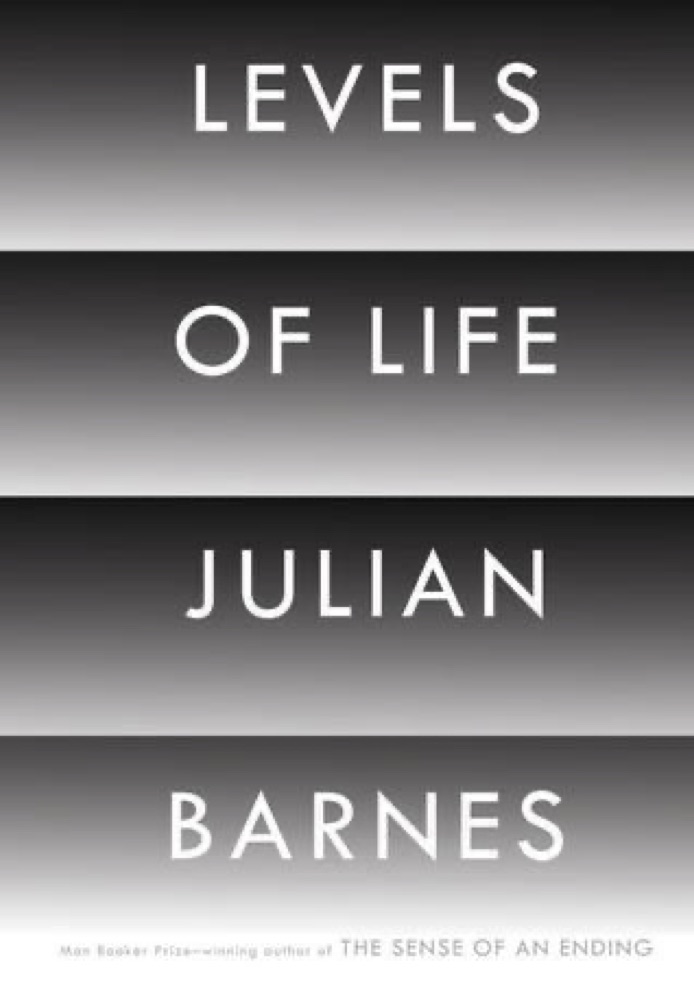 Levels of Life
 Men Without Women
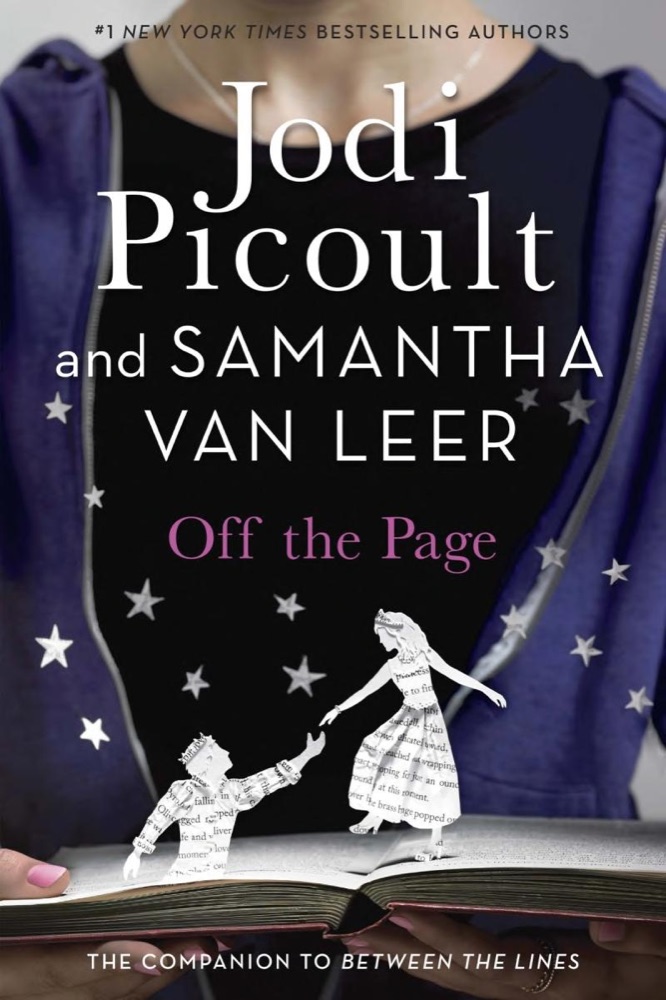 Off the Page
 Sexing the Cherry
 The Book of Dreams
 Leaving Time
 Sad Girls
 When Women Were Dragons