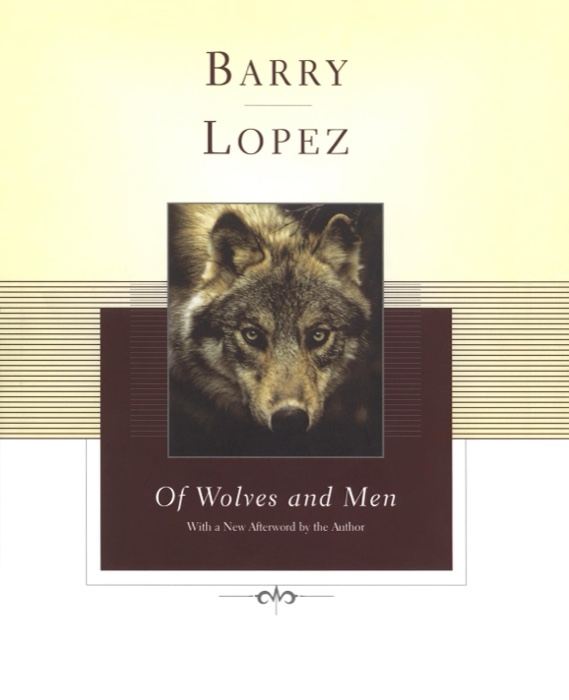
 Of Wolves and Men
Quotes from the Book
We have doomed the wolf not for what it is, but for what we deliberately and mistakenly perceive it to be –the mythologized epitome of a savage ruthless killer – which is, in reality, no more than a reflected image of ourself.
Somewhere to the eastward a wolf howled; lightly, questioningly. I knew the voice, for I had heard it many times before. It was George, sounding the wasteland for an echo from the missing members of his family. But for me it was a voice which spoke of the lost world which once was ours before we chose the alien role; a world which I had glimpsed and almost entered...only to be excluded, at the end, by my own self.
Death will find me long before I tire of contemplating an evening spent in his company during which he enthralled a mixed audience consisting of a fur trader, a Cree Indian matron, and an Anglican missionary, with an hour-long monologue on sexual aberrations in female pygmy shrews. (The trader misconstrued the tenor of the discourse; but the missionary, inured by years of humorless dissertations, soon put him right.)
the most blood thirsty animals in the Artic are not wolves, but the insatiable mosquitoes.
Whenever and wherever men have engaged in the mindless slaughter of animals (including other men), they have often attempted to justify their acts by attributing the most vicious or revolting qualities to those they would destroy; and the less reason there is for the slaughter, the greater the campaign for vilification.
79
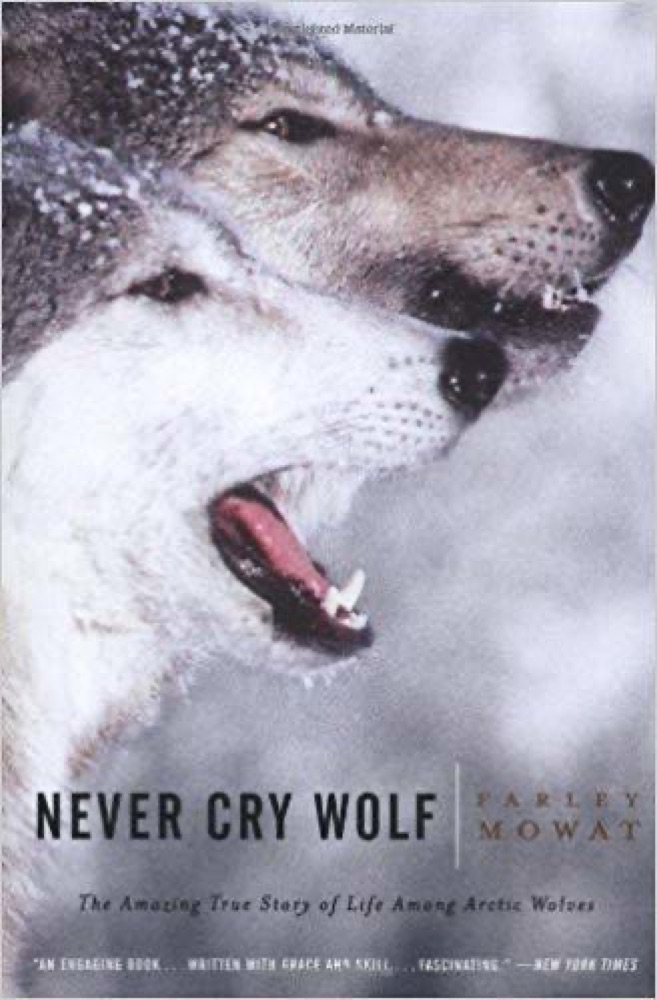
Originally tasked with finding out why wolves were slaughtering caribou, Mowat instead discovered that wolves are family-oriented creatures with complex behaviors, not the bloodthirsty beasts they were thought to be. Never Cry Wolf is credited with changing the public perception of wolves and challenging the hunter and government
1
We have doomed the wolf not for what it is but for what we deliberately and mistakenly perceive it to be: the mythologized epitome of a savage, ruthless killer—which is, in reality, no more than the reflected image of ourself. We have made it the scapewolf for our own sins.
1
It was George, sounding the wasteland for an echo from the missing members of his family. But for me it was a voice which spoke of the lost world which once was ours before we chose the alien role; a world which I had glimpsed and almost entered … only to be excluded, at the end, by my own self.
Caribou were becoming scarce to the point of rarity, and wolves were unanimously held to be to blame. My rather meek remonstrance to the effect that wolves had been preying on caribou, without decimating the herds, for some tens of thousands of years before the white men came to Brochet, either fell on deaf ears or roused my listeners to fury at my partisanship.
But if the wolves are too numerous, or food is scarce, the number of pups in a litter may fall to as few as one or two.
Watch on YouTube
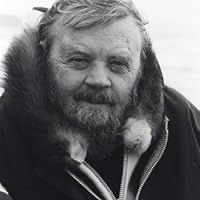
About Farley Mowat
We have collected 10 quotes from 1 book by Farley Mowat on BookQuoters.
More about the author →About the book
More than a half-century ago the naturalist Farley Mowat was sent to investigate why wolves were killing arctic caribou. Mowat's account of the summer he lived in the frozen tundra alone—studying the wolf population and developing a deep affection for the wolves (who were of no threat to caribou or man)—is today celebrated as a classic of nature writing, at once a tale of remarkable adventures and indelible record of myths and magic of wolves. This book is worth reading, but it's a whopper--wolves don't live on small rodents alone.
Book details
- First published
- 1963
- Author
- Farley Mowat
- Genre
- Nonfiction
- Goodreads rating
- 4.21 (26k ratings)
Keep reading
Of Wolves and Men
 A Wolf Called Romeo
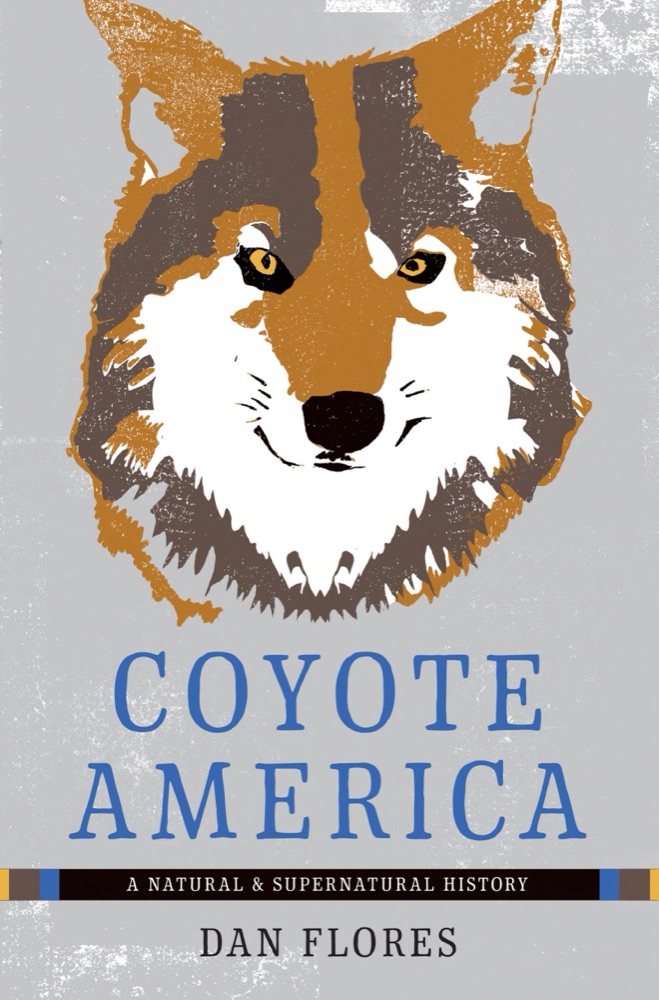 Coyote America: A Natural and Supernatural History
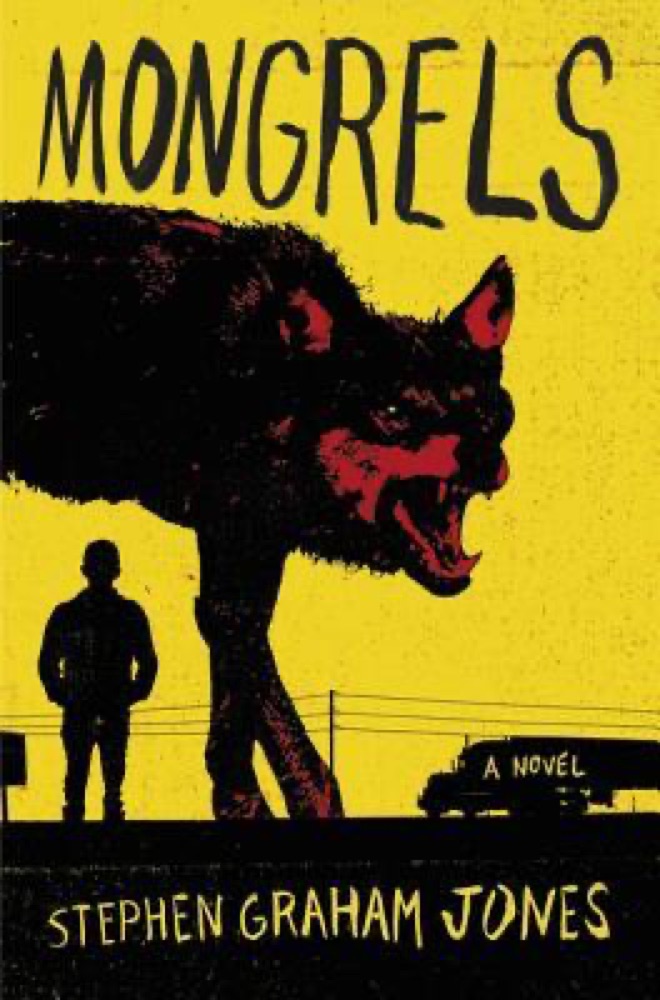 Mongrels
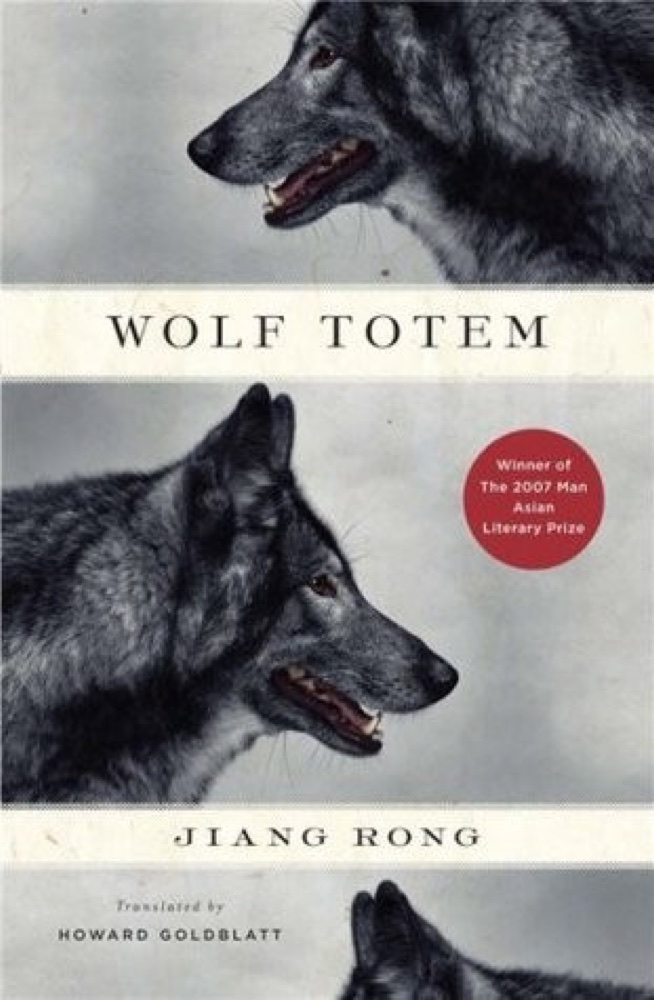 Wolf Totem
 Devolution: A Firsthand Account of the Rainier Sasquatch Massacre
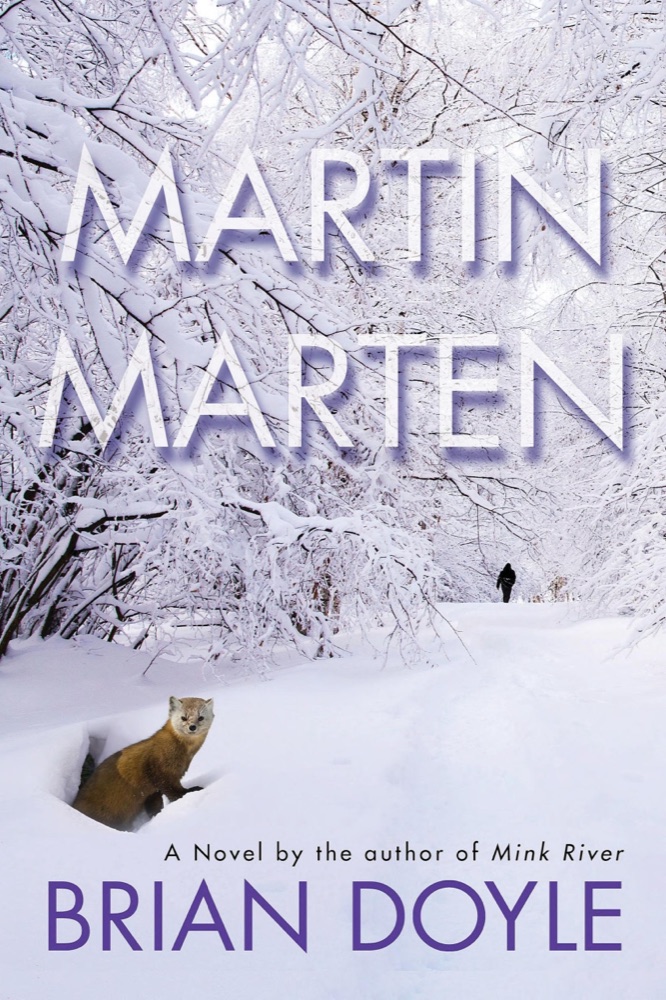 Martin Marten
 The Beautiful Thing That Awaits Us All
 Fifteen Dogs
 Wild Ones: A Sometimes Dismaying, Weirdly Reassuring Story About Looking at People Looking at Animals in America
 Etched in Bone
 Savage Run
 Lord of the Flies
 Shadows of Forgotten Ancestors
 The Wolf Road
 The Last Ranger
 The Fear Institute
 Beyond Words: What Animals Think and Feel
 The Plague Dogs
 The Call of the Wild/White Fang
 The Tiger: A True Story of Vengeance and Survival
 The Jungle Book
 Elephant Whisperer
 White Fang
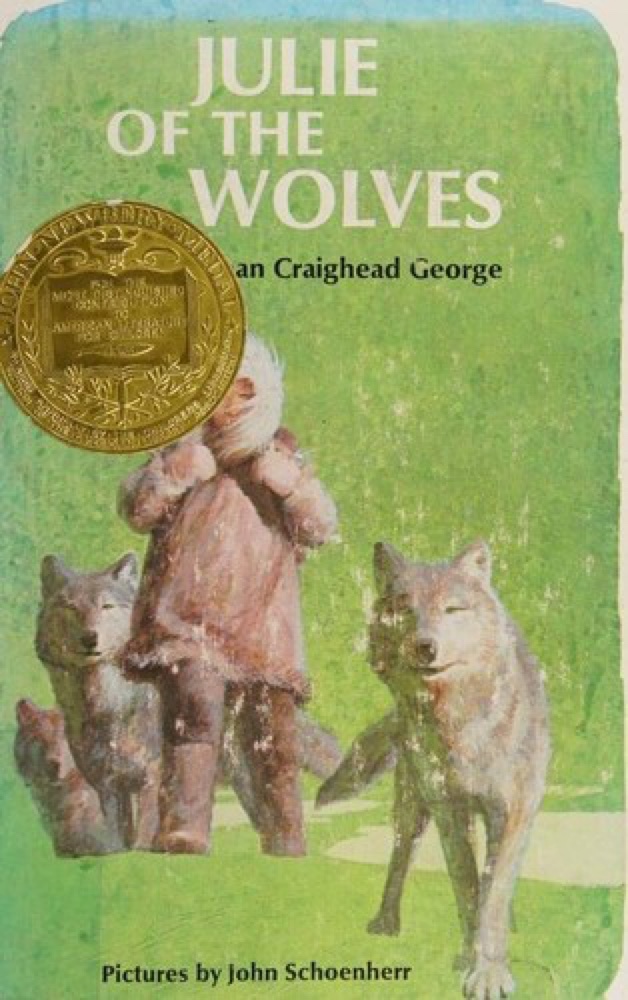 Julie of the Wolves
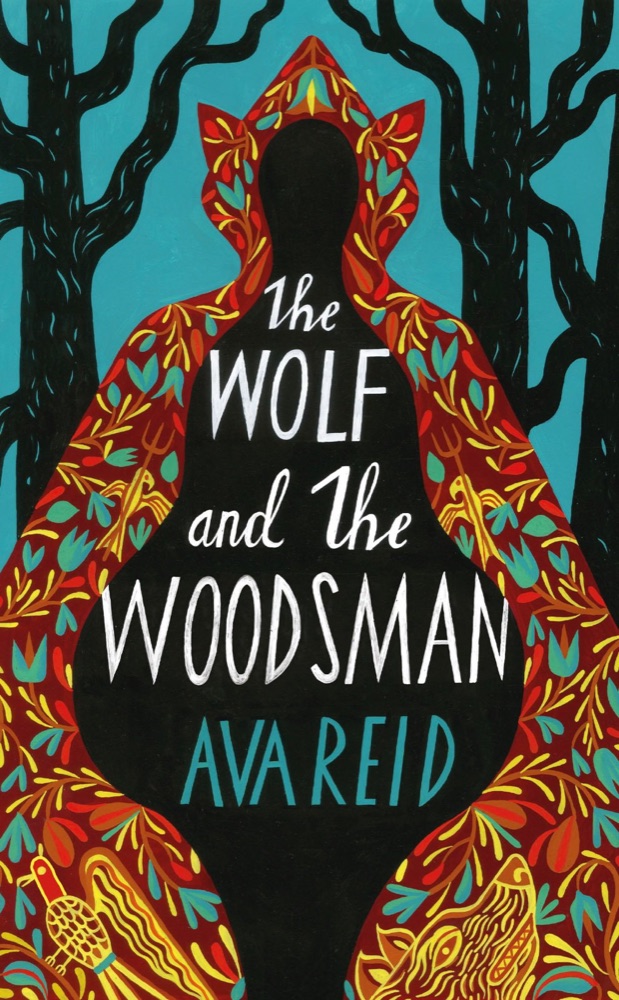 The Wolf and the Woodsman
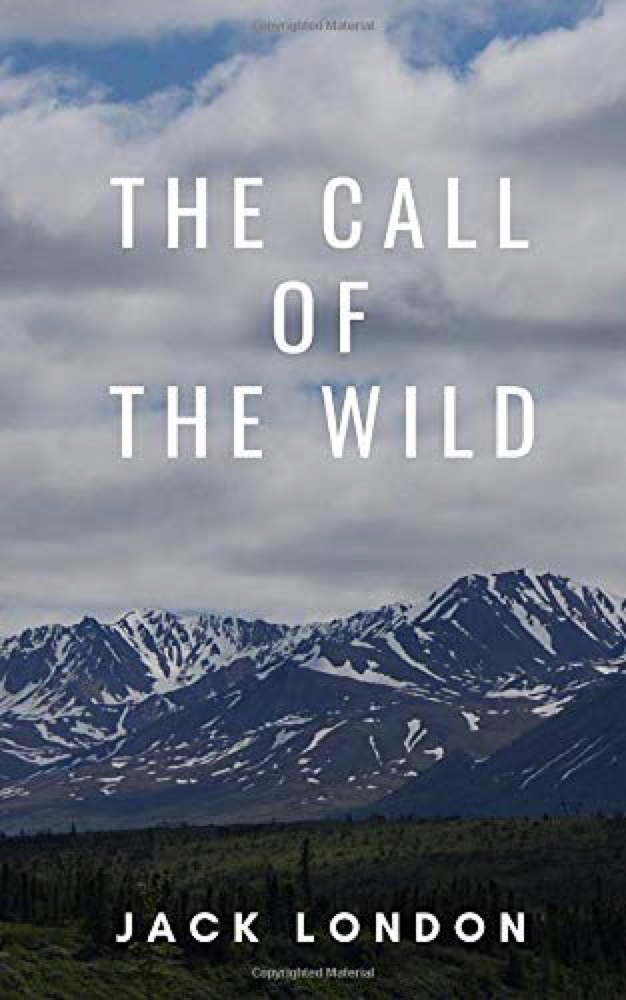 The Call of the Wild
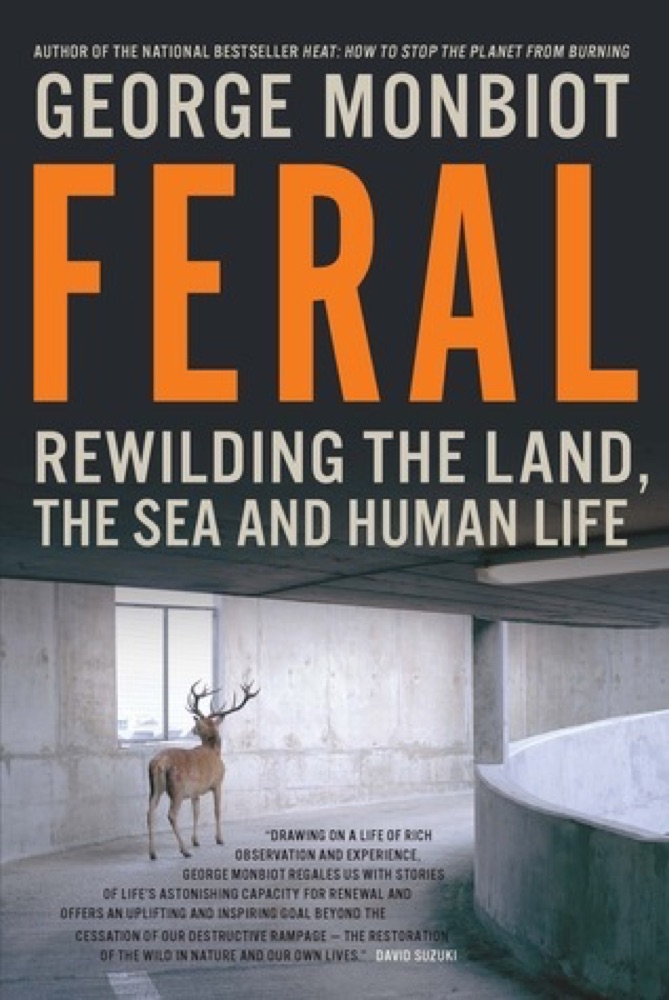 Feral: Rewilding the Land, the Sea and Human Life
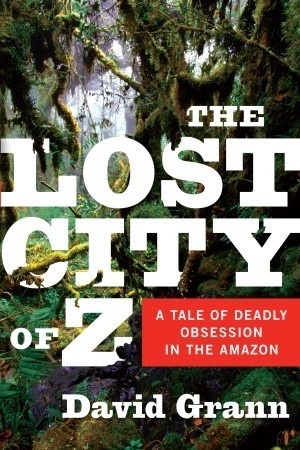 The Lost City of Z: A Tale of Deadly Obsession in the Amazon
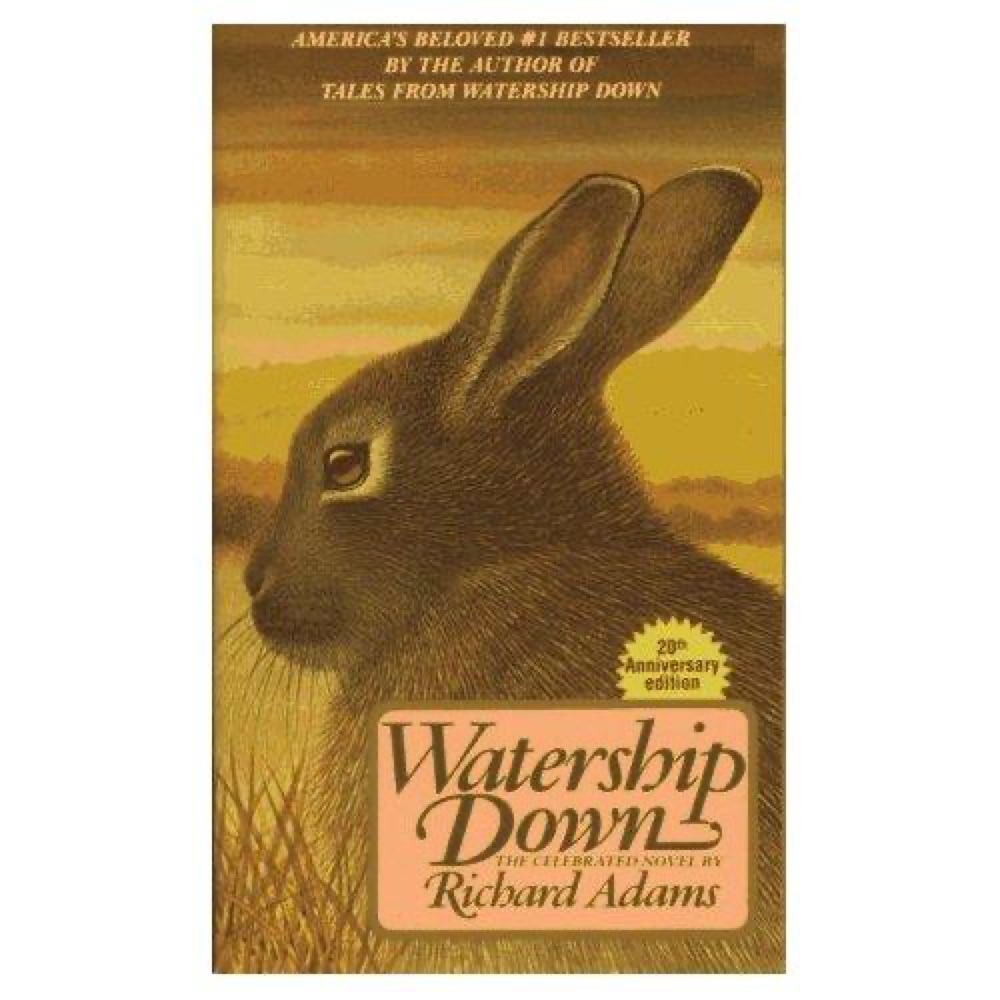 Watership Down
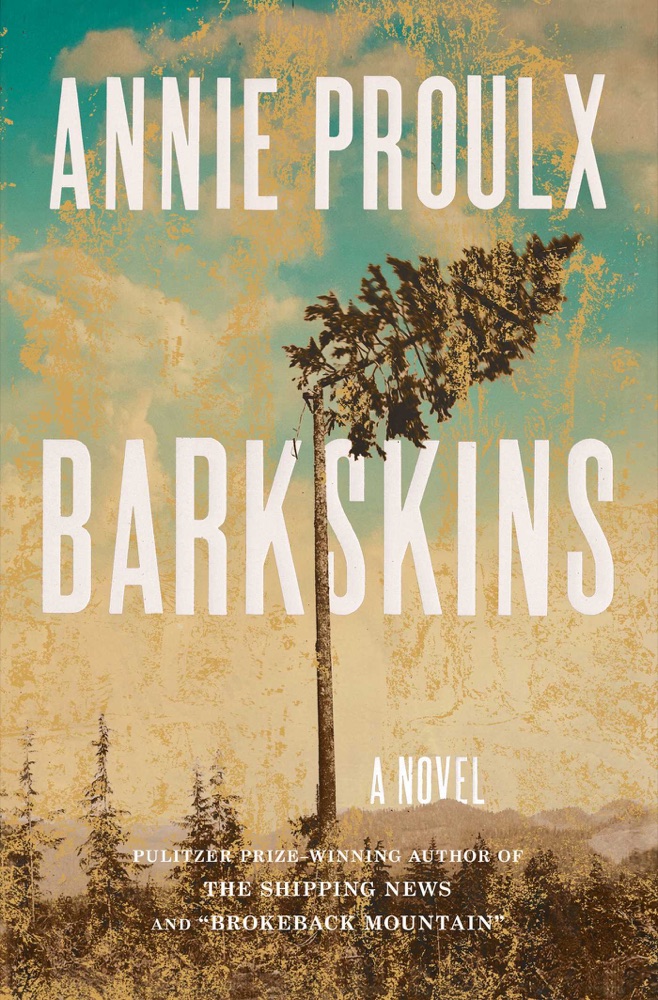 Barkskins
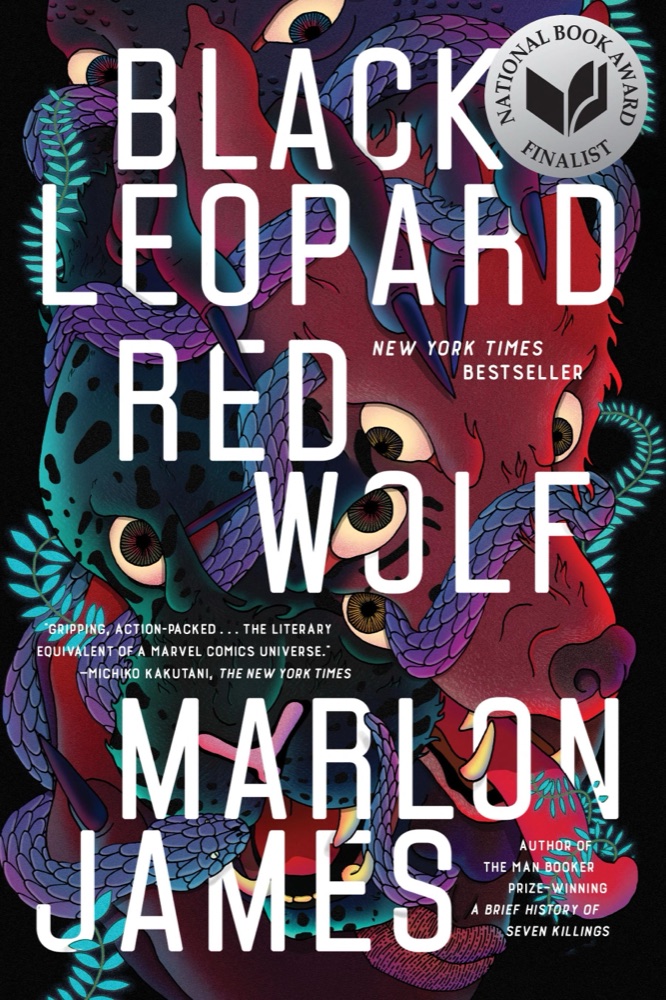 Black Leopard, Red Wolf
 Shadow Country
 The Son
 The Monstrumologist
 The Zookeeper's Wife
 In the Forests of the Night
 The Angel of the Crows
 The Huntress
 Cannibalism: A Perfectly Natural History
 Our Hideous Progeny
 Wolf-Speaker
 The Handyman Method
 Wolves Eat Dogs
 Tree of Smoke
 The Wolf Wilder
 The Sheep Look Up
 Last Chance to See
 Vanishing Treasures: A Bestiary of Extraordinary Endangered Creatures
 The Fox Wife
 This Book Is Full of Spiders
 In the Heart of the Sea: The Tragedy of the Whaleship Essex
 Into the Drowning Deep
 The Hangman's Replacement: Sprout of Disruption
 The Last Werewolf
 The Log from the Sea of Cortez
 Arctic Dreams
 A Children's Bible
 Oryx and Crake
 Maelstrom