 Kim
Kim
Quotes from the Book
I will remember what I was, I am sick of rope and chains - I will remember my old strength and all my forest affairs. I will not sell my back to man for a bundle of sugar cane; I will go out to my own kind, and the wood-folk in their lairs. I will go out until the day, until the morning break - Out to the wind's untainted kiss, the water's clean caress; I will forget my ankle-ring and snap my picket stake. I will revisit my lost love and playmates masterless!
A black shadow dropped down into the circle. It was Bagheera the Black Panther, inky black all over, but with the panther markings showing up in certain lights like the pattern of watered silk. Everybody knew Bagheera, and nobody cared to cross his path, for he was as cunning as Tabaqui, as bold as the wild buffalo, and as reckless as the wounded elephant. But he had a voice as soft as wild honey dripping from a tree, and a skin softer than down.
We be of one blood, ye and I
These are the four that are never content: that have never been filled since the dew began- Jacala's mouth, and the glut of the kite, and the hands of the ape, and the eyes of Man.
I had never seen the jungle. They fed me behind bars from an iron pan till one night I felt that I was Bagheera - the Panther - and no man's plaything, and I broke the silly lock with one blow of my paw and came away; and because I had learned the ways of men, I became more terrible in the jungle than Shere Khan.
The python dropped his head lightly for a moment on Mowgli's shoulders. "A brave heart and a courteous tongue," said he. "They shall carry thee far through the jungle, manling. But now go hence quickly with thy friends. Go and sleep, for the moon sets and what follows it is not well that thou shouldst see.
There's no jealousy in the grave.
What is the Law of the Jungle? Strike first and then give tongue
A Ripple Song Once a ripple came to land In the sunset burning- Lapped against a maiden's hand, By the ford returning. Dainty foot and gentle breast- Here, across, be glad and rest. "Maiden, wait," the ripple saith "Wait awhile, for I am Death!" 'Where my lover calls I go- Shame it were to treat him coldly- 'Twas a fish that circled so, Turning over boldly.' Dainty foot and tender heart, Wait the loaded ferry-cart. "Wait, ah, wait!" the ripple saith; "Maiden, wait, for I am Death!" 'When my lover calls I haste- Dame Disdain was never wedded!' Ripple-ripple round her waist, Clear the current eddied. Foolish heart and faithful hand, Little feet that touched no land. Far away the ripple sped, Ripple-ripple-running red!
but why should I waste wisdom on a river-turtle?
What of the hunting, hunter bold? Brother, the watch was long and cold. What of the quarry ye went to kill? Brother, he crops in the jungle still. Where is the power that made your pride? Brother, it ebbs from my flank and side. Where is the haste that ye hurry by? Brother, I go to my lair to die!
We be of one blood, thou and I—
Remember, Bagheera loved thee," he cried, and bounded away. At the foot of the hill he cried again long and loud, "Good hunting on a new trail, Master of the Jungle! Remember, Bagheera loved thee.
Respect the aged!" "It was a thick voice—a muddy voice that would have made you shudder—a voice like something soft breaking in two.
Ere the moon has climbed the mountain, ere the rocks are ribbed with light,
The People of the Eastern Ice, they are melting like the snow— They beg for coffee and sugar; they go where the white men go. The People of the Western Ice, they learn to steal and fight; "They sell their furs to the trading-post: they sell their souls to the white. The People of the Southern Ice, they trade with the whaler's crew; Their women have many ribbons, but their tents are torn and few. But the People of the Elder Ice, beyond the white man's ken— Their spears are made of the narwhal-horn, and they are the last of the Men!
The sky above them was an intense velvety black, changing to bands of Indian red on the horizon, where the great stars burned like street-lamps. From time to time a greenish wave of the Northern Lights would roll across the hollow of the high heavens, flick like a flag, and disappear; or a meteor would crackle from darkness to darkness, trailing a shower of sparks behind. Then they could see the ridged and furrowed surface of the floe tipped and laced with strange colours—red, copper, and bluish; but in the ordinary starlight everything turned to one frost-bitten gray.
As he stood in the red light of the oil-lamp, strong, tall, and beautiful, his long black hair sweeping over his shoulders, the knife swinging at his neck, and his head crowned with a wreath of white jasmine, he might easily have been mistaken for some wild god of a jungle legend. -"Son," she said at last,—her eyes were full of pride,—"have any told thee that thou art beautiful beyond all men?" "Hah?" said Mowgli, for naturally he had never heard anything of the kind.
Mowgli will drive Mowgli. Go back to thy people. Go to man. -Akela
For the strength of the Pack is the Wolf, and the strength of the Wolf is the Pack.
420
Now, don't be angry after you've been afraid. That's the worst kind of cowardice.
126
My heart is heavy with the things I do not understand.
55
Thou art of the Jungle and not of the Jungle. And I am only a black panther. But I love thee, Little Brother.
42
The air was full of all the night noises that, taken together, make one big silence...
28
And it is I, Raksha [The Demon], who answers. The man’s cub is mine, Lungri–mine to me! He shall not be killed. He shall live to run with the Pack and to hunt with the Pack; and in the end, look you, hunter of little naked cubs–frog-eater– fish-killer–he shall hunt thee!
28
The reason the beasts give among themselves is that Man is the weakest and most defenseless of all living things,
27
NOW this is the Law of the Jungle — as old and as true as the sky; And the Wolf that shall keep it may prosper, but the Wolf that shall break it must die. As the creeper that girdles the tree-trunk the Law runneth forward and back — For the strength of the Pack is the Wolf, and the strength of the Wolf is the Pack. Wash daily from nose-tip to tail-tip; drink deeply, but never too deep; And remember the night is for hunting, and forget not the day is for sleep. The Jackal may follow the Tiger, but, Cub, when thy whiskers are grown, Remember the Wolf is a Hunter — go forth and get food of thine own. Keep peace withe Lords of the Jungle — the Tiger, the Panther, and Bear. And trouble not Hathi the Silent, and mock not the Boar in his lair. When Pack meets with Pack in the Jungle, and neither will go from the trail, Lie down till the leaders have spoken — it may be fair words shall prevail. When ye fight with a Wolf of the Pack, ye must fight him alone and afar, Lest others take part in the quarrel, and the Pack be diminished by war. The Lair of the Wolf is his refuge, and where he has made him his home, Not even the Head Wolf may enter, not even the Council may come. The Lair of the Wolf is his refuge, but where he has digged it too plain, The Council shall send him a message, and so he shall change it again. If ye kill before midnight, be silent, and wake not the woods with your bay, Lest ye frighten the deer from the crop, and your brothers go empty away. Ye may kill for yourselves, and your mates, and your cubs as they need, and ye can; But kill not for pleasure of killing, and seven times never kill Man! If ye plunder his Kill from a weaker, devour not all in thy pride; Pack-Right is the right of the meanest; so leave him the head and the hide. The Kill of the Pack is the meat of the Pack. Ye must eat where it lies; And no one may carry away of that meat to his lair, or he dies. The Kill of the Wolf is the meat of the Wolf. He may do what he will; But, till he has given permission, the Pack may not eat of that Kill. Cub-Right is the right of the Yearling. From all of his Pack he may claim Full-gorge when the killer has eaten; and none may refuse him the same. Lair-Right is the right of the Mother. From all of her year she may claim One haunch of each kill for her litter, and none may deny her the same. Cave-Right is the right of the Father — to hunt by himself for his own: He is freed of all calls to the Pack; he is judged by the Council alone. Because of his age and his cunning, because of his gripe and his paw, In all that the Law leaveth open, the word of your Head Wolf is Law. Now these are the Laws of the Jungle, and many and mighty are they; But the head and the hoof of the Law and the haunch and the hump is — Obey!
26
One of the beauties of Jungle Law is that punishment settles all scores. There is no nagging afterward.
25
To each his own fear';
22
So Mowgli went away and hunted with the four cubs in the jungle from that day on. But he was not always alone, because years afterward he became a man and married. But that is a story for grown-ups.
21
It is the hardest thing in the world to frighten a mongoose, because he is eaten up from nose to tail with curiosity. The motto of all the mongoose family is "Run and find out," and Rikki-tikki was a true mongoose.
20
These two things fight together in me as the snakes fight in the spring. The water comes out of my eyes; yet I laugh while it falls. Why?
19
Better he should be bruised from head to foot by me who love him than that he should come to harm through ignorance,
17
If a man can hear the truth he's spoken twisted by knaves to make a trap for fools..........
17
It is better to lie quiet in the mud than to be disturbed on good bedding.
12
Man is the weakest and most defenseless of all living things, and it is unsportsmanlike to touch him.
12
I am more likely to give help than to ask it"—Bagheera stretched out one paw and admired the steel-blue, ripping-chisel talons at the end of it—"still I should like to know.
12
madness is the most disgraceful thing that can overtake a wild creature.
11
Tiger! Tiger!" What of the hunting, hunter bold? Brother, the watch was long and cold. What of the quarry ye went to kill? Brother, he crops in the jungle still. Where is the power that made your pride? Brother, it ebbs from my flank and side. Where is the haste that ye hurry by? Brother, I go to my lair—to die.
10
The Law of the Jungle, which never orders anything without a reason, forbids every beast to eat Man except when he is killing to show his children how to kill, and then he must hunt outside the hunting grounds of his pack or tribe. The real reason for this is that man-killing means, sooner or later, the arrival of white men on elephants, with guns, and hundreds of brown men with gongs and rockets and torches. Then everybody in the jungle suffers. The reason the beasts give among themselves is that Man is the weakest and most defenseless of all living things, and it is unsportsmanlike to touch him.
10
Akela, the great gray Lone Wolf, who led all the Pack by strength and cunning, lay out at full length on his rock, and below him sat forty or more wolves of every size and color, from badger-colored veterans who could handle a buck alone, to young black three-year-olds who thought they could. The Lone Wolf had led them for a year now. He had fallen twice into a wolf-trap in his youth, and once he had been beaten and left for dead; so he knew the manners and customs of men.
10
Even the tiger runs and hides when little Tabaqui goes mad, for madness is the most disgraceful thing that can overtake a wild creature.
10
And he grew and grew strong as a boy must grow who does not know that he is learning any lessons, and who has nothing in the world to think of except things to eat" (23).
10
Now Rann the Kite brings home the night That Mang the Bat sets free— The herds are shut in byre and hut For loosed till dawn are we. This is the hour of pride and power, Talon and tush and claw. Oh, hear the call!—Good hunting all That keep the Jungle Law!
9
A man-trained boy would have been badly bruised, for the fall was a good fifteen feet, but Mowgli fell as Baloo had taught him to fall, and landed on his feet.
9
And it is I, Raksha [The Demon], who answers. The man's cub is mine, Lungri—mine to me! He shall not be killed. He shall live to run with the Pack and to hunt with the Pack; and in the end, look you, hunter of little naked cubs—frog-eater—fish-killer—he shall hunt thee! Now get hence, or by the Sambhur that I killed (I eat no starved cattle), back thou goest to thy mother, burned beast of the jungle, lamer than ever thou camest into the world! Go!" Father Wolf looked on amazed. He had almost forgotten the days when he won Mother Wolf in fair fight from five other wolves, when she ran in the Pack and was not called The Demon for compliment's sake. Shere Khan might have faced Father Wolf, but he could not stand up against Mother Wolf, for he knew that where he was she had all the advantage of the ground, and would fight to the death. So he backed out of the
9
Then the only other creature who is allowed at the Pack Council—Baloo, the sleepy brown bear who teaches the wolf cubs the Law of the Jungle: old Baloo, who can come and go where he pleases because he eats only nuts and roots and honey—rose upon his hind quarters and grunted.
8
Did you know?
- The book is a collection of seven stories rather than a single continuous narrative.
- Several stories center on Mowgli, a boy raised by wolves in the Indian jungle.
- The Mowgli stories are set largely in the Seoni (Seeonee) region of central India.
- "Rikki-Tikki-Tavi," about a brave mongoose, is one of the collection's most famous standalone tales.
- "The White Seal" is set far from India, in the Bering Sea's Pribilof Islands.
- Kipling's "Law of the Jungle" helped inspire the Cub Scout program.
About Rudyard Kipling
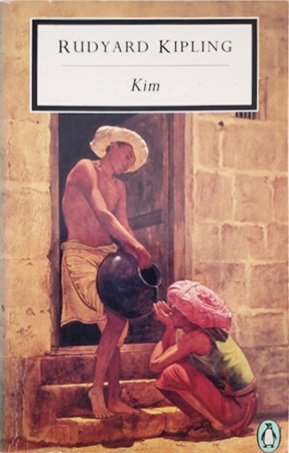
Rudyard Kipling (1865-1936) was a British author and poet born in Bombay, India, known for works such as The Jungle Book, Kim, and the poem "If—." In 1907 he became the first English-language writer to receive the Nobel Prize in Literature.
More about the author →More by Rudyard Kipling
All books by Rudyard Kipling →
About the book
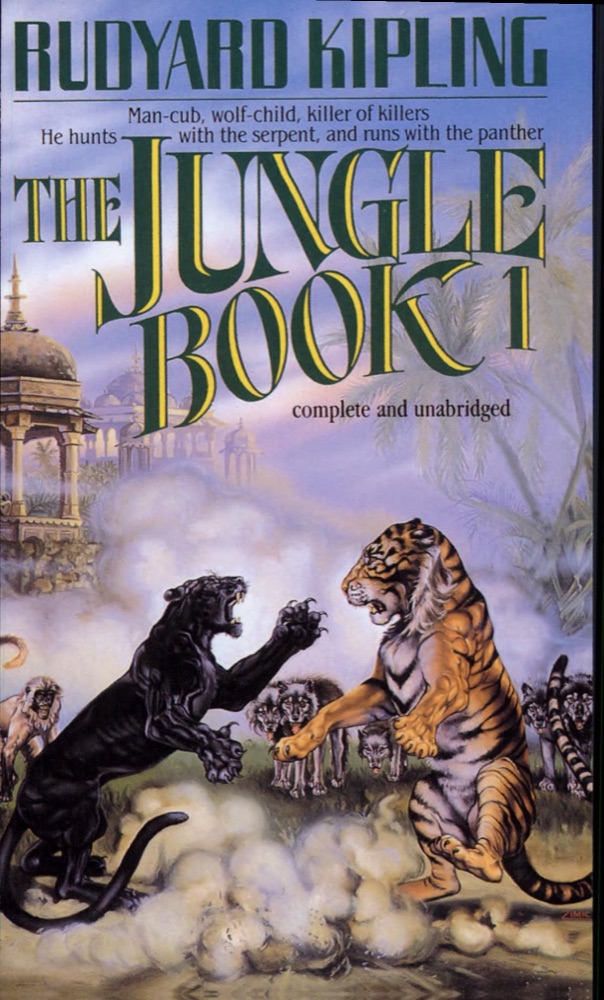
The Jungle Book is a collection of stories by Rudyard Kipling, first published in 1894. Its best-known tales follow Mowgli, a human boy raised by wolves in the jungles of central India, who is taught the Law of the Jungle by the bear Baloo and the black panther Bagheera while contending with the menacing tiger Shere Khan. Beyond the Mowgli cycle, the book gathers other animal fables, including the seal story "The White Seal" and the famous mongoose tale "Rikki-Tikki-Tavi."
Most of the stories are fables in which animals speak and live by codes of conduct, and they explore themes of belonging, the rule of law, loyalty, and the tension between the natural world and human society. Mowgli's struggle to find his place between the jungle and the world of men runs through the central tales, while the surrounding stories dramatize courage, duty, and survival.
The Jungle Book became one of Kipling's most enduring works and a staple of children's literature, though later scholarship has also examined its themes through the lens of British imperialism. Its imagery and "Law of the Jungle" influenced the founding of the Cub Scouts, and the Mowgli stories have been adapted many times, most famously by Disney.
Key characters
- MowgliA human boy raised by wolves in the jungle
- BalooThe bear who teaches the Law of the Jungle
- BagheeraThe black panther who mentors and protects Mowgli
- Shere KhanThe tiger who hunts Mowgli as an enemy
- KaaThe python ally of Mowgli
- AkelaThe leader of the wolf pack
- Rikki-Tikki-TaviA courageous mongoose in his own story
Book details
- First published
- 1894
- Author
- Rudyard Kipling
- Genre
- Classics
- Goodreads rating
- 3.89 (135k ratings)
- First line
- “It was seven o'clock of a very warm evening in the Seeonee hills when Father Wolf woke up from his day's rest, scratched himself, yawned, and spread out his paws one after the other to get rid of the sleepy feeling in their tips.”
Critical reception
- Long regarded as a classic of children's literature and one of Kipling's most popular works.
- Its "Law of the Jungle" and imagery influenced the founding of the Cub Scouts.
- Modern scholarship has also discussed the book in relation to themes of British imperialism.
Movie & TV adaptations
- IMDb
- IMDb
Keep reading
 Tarzan of the Apes
 Black Leopard, Red Wolf
 Toll the Hounds
 Fifteen Dogs
 The Eye of the World
 Bones of the Hills
 King Solomon's Mines
 The Call of the Wild
 Aesop's Fables
 The Great Hunt
 White Fang
 Things Fall Apart
 Hunted
 Sword & Citadel
 Into the Wild
 The Blacktongue Thief
 Fell
Fell
 Watership Down
 Memories of Ice
 The Call of the Wild/White Fang
 The Bonehunters
 A Suitable Boy
 The Ramayana: A Shortened Modern Prose Version of the Indian Epic
 The Tiger: A True Story of Vengeance and Survival
 Assassin's Quest
 The Sword in the Stone
 The Last of the Mohicans
 The Beautiful Thing That Awaits Us All
 Redemption in Indigo
 Warlord
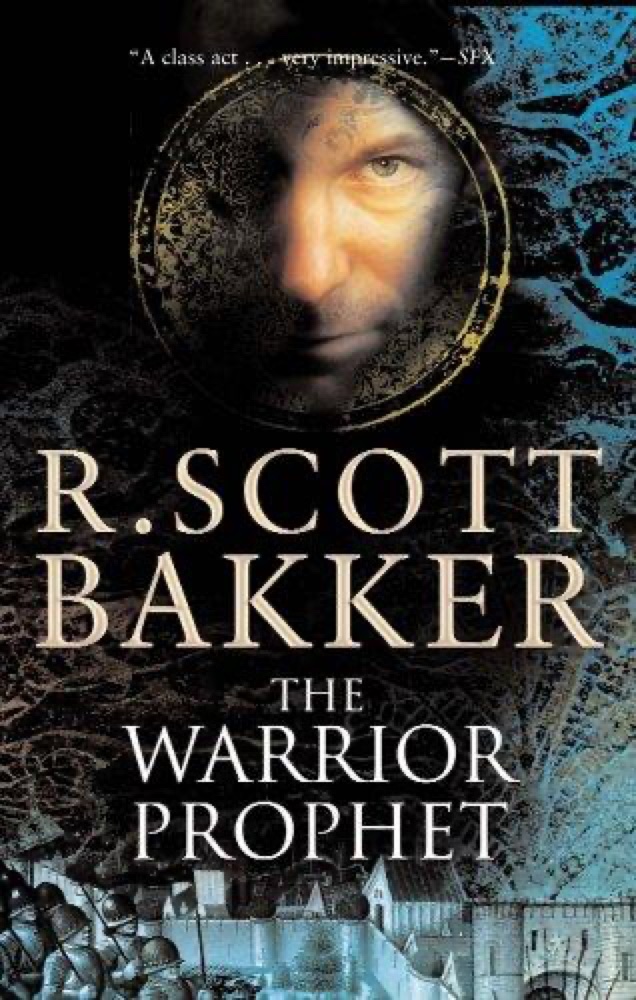 The Warrior Prophet
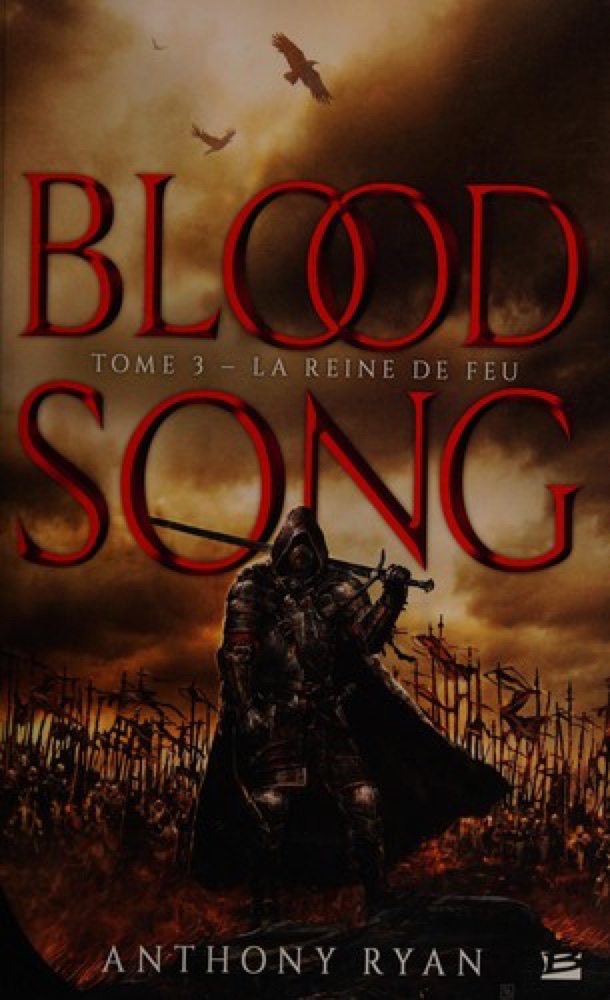 Blood Song
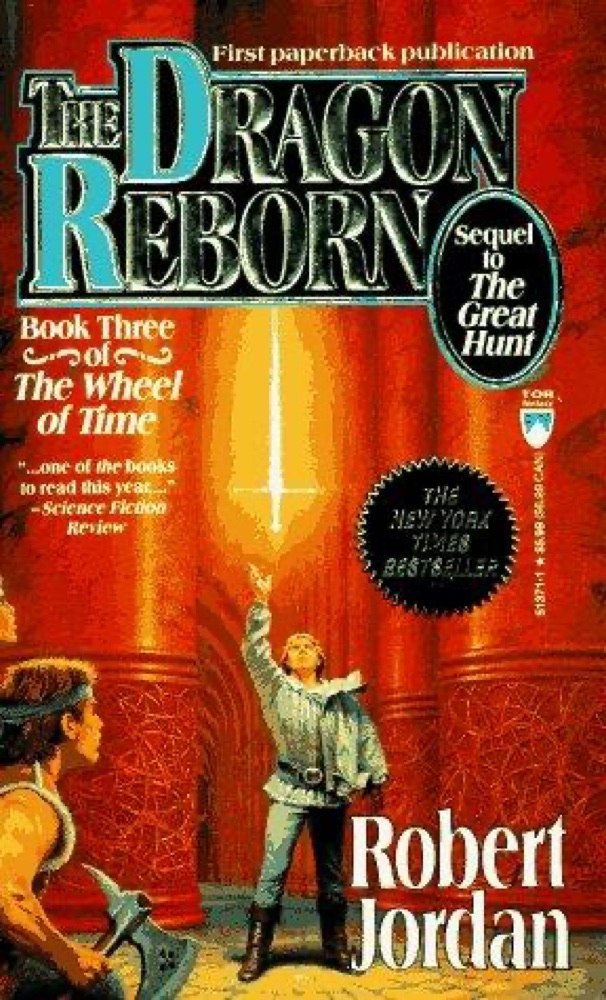 The Dragon Reborn
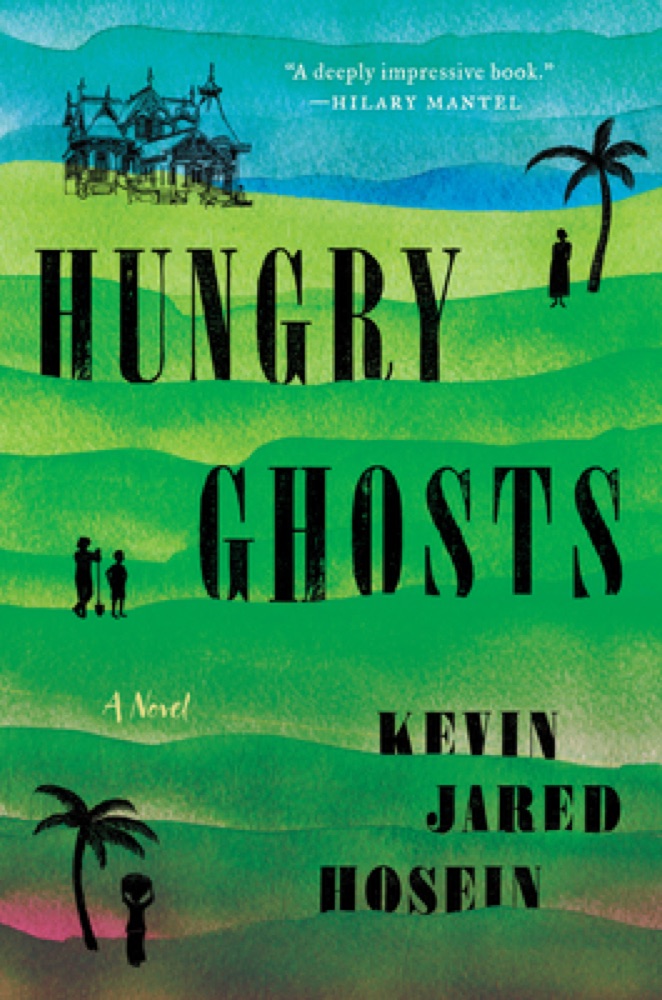 Hungry Ghosts
 The Poetic Edda
 The Dragonbone Chair
 The Steel Remains
 Lord of the Flies
 The White Tiger
 The Curse of the Wendigo
 The Lost Sisterhood
 The Desert Spear
 The Forgotten Sisters
 The Broken Eye
 In the Forests of the Night
 At Night All Blood is Black
 Moonrise
 The Wolf and the Woodsman
 Under the Volcano
 Elephant Whisperer
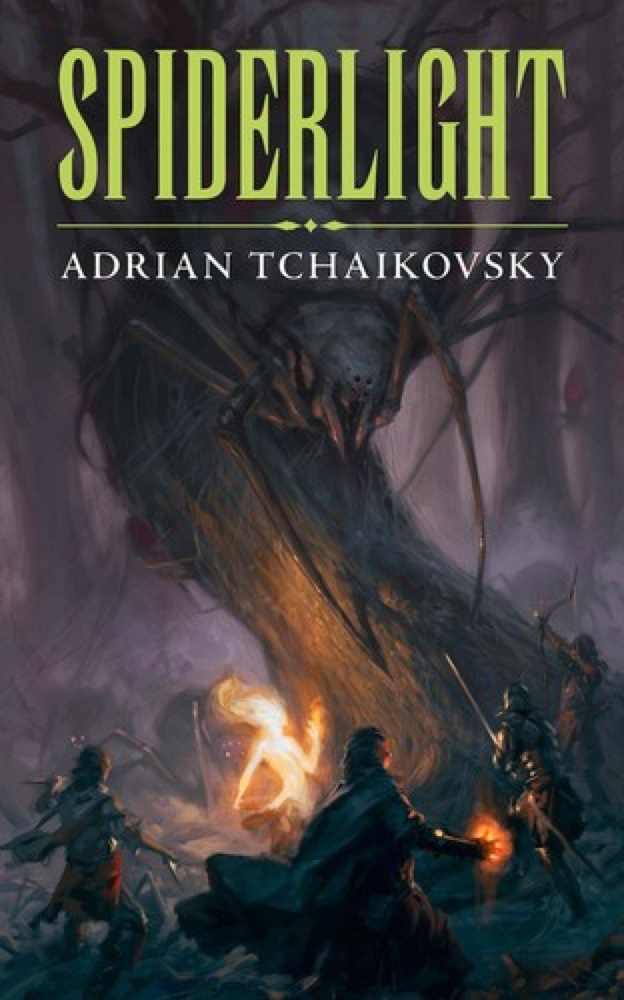 Spiderlight
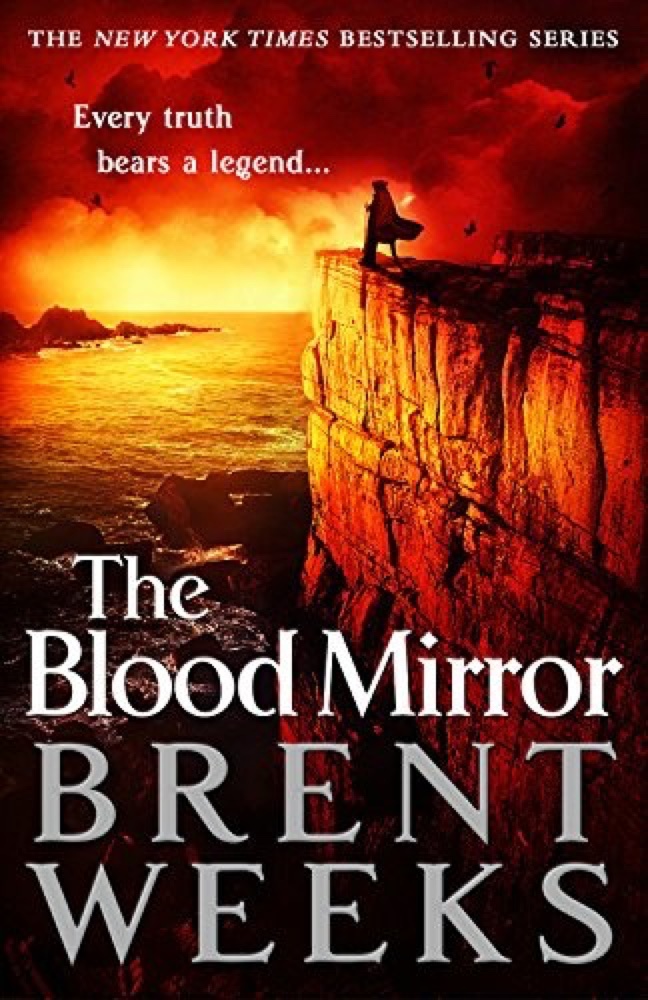 The Blood Mirror
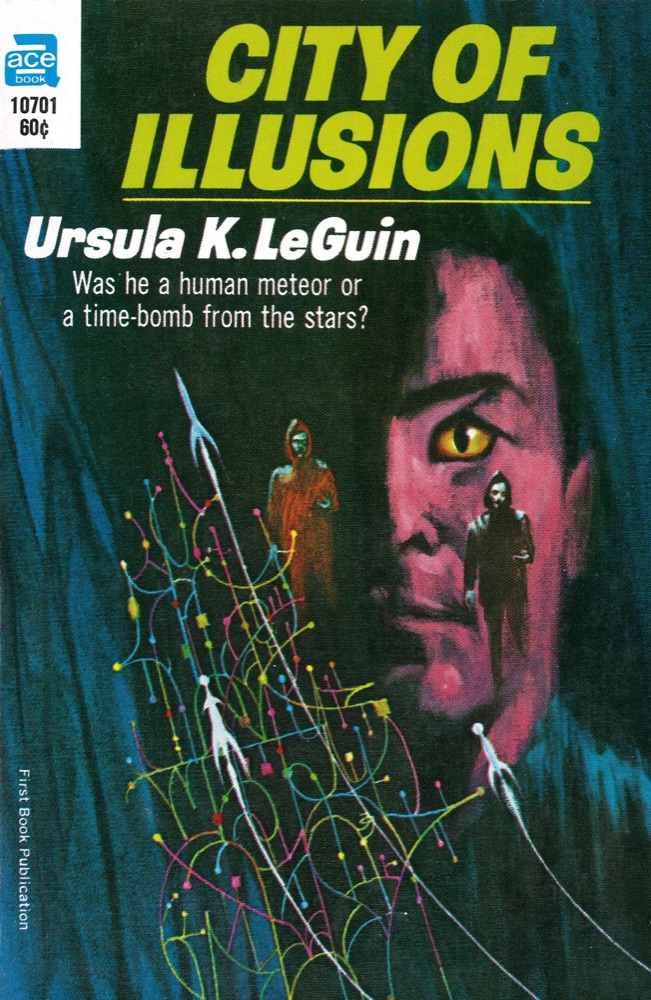 City of Illusions
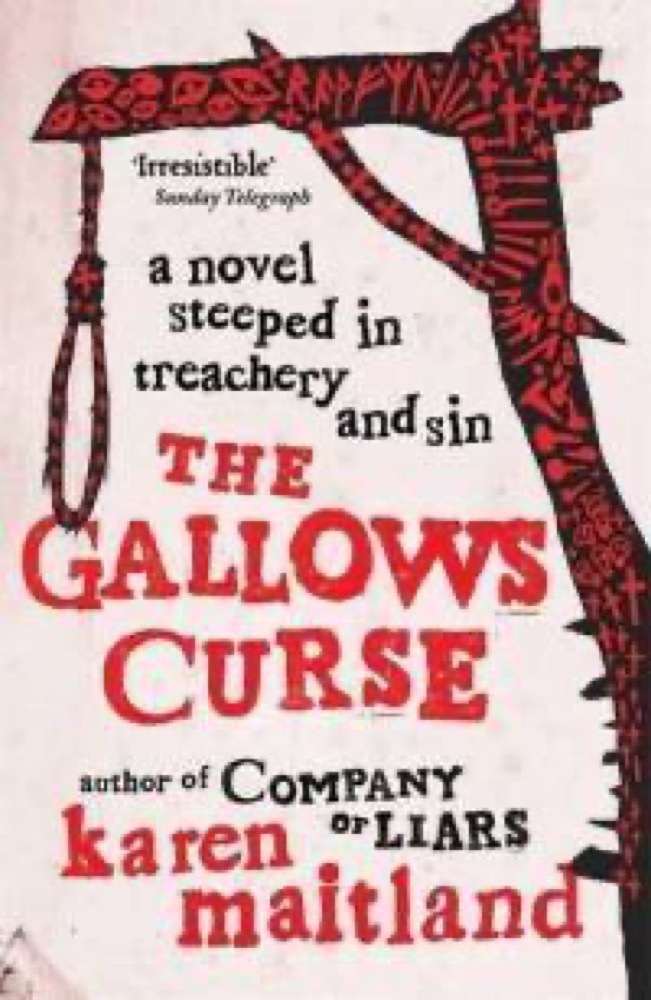 The Gallows Curse
 Daughter of the Forest
 The Fear Institute
 The Iliad
 Stormdancer
 The Raven Scholar
 Beasts and Beauty: Dangerous Tales