
 Miss Morgan's Book Brigade
Quotes from the Book
Books and ideas are like blood; they need to circulate, and they keep us alive.
38
People are awkward, they don’t always know what to do or say. Don’t hold it against them. You never know what’s in their hearts.
37
Libraries are lungs, [...] books the fresh air breathed in to keep the heart beating, to keep the brain imagining, to keep hope alive.
34
I was skeptical about soulmates, but could believe in bookmates, two beings bound by a passion for reading.
25
Try not to hold that against them; you never know what’s in their heart. Don’t be afraid to be different. Stand your ground. During bad times, remember that nothing lasts forever. Accept people for who they are, not for who you want them to be. Try to put yourself in their shoes. Or, as my friend Odile would say, ‘in their skin.’
25
GRIEF IS A sea made of your own tears. Salty swells cover the dark depths you must swim at your own pace. It takes time to build stamina. Some days, my arms sliced through the water, and I felt things would be okay, the shore wasn’t so far off. Then one memory, one moment would nearly drown me, and I’d be back to the beginning, fighting to stay above the waves, exhausted, sinking in my own sorrow.
20
Then, with a handful of pages left, I started to dread the fact that this world that I loved was coming to an end. I wasn’t ready to say goodbye. I read slowly, just savoring the scenes.
19
Love is accepting someone, all parts of them, even the ones you don’t like or understand.
19
Libraries are lungs,’ she scrawled, her pen barely able to keep up with her ideas, ‘books the fresh air breathed in to keep the heart beating, to keep the brain imagining, to keep hope alive.
17
The Library is my haven. I can always find a corner of the stacks to call my own, to read and dream. I want to make sure everyone has that chance, most especially the people who feel different and need a place to call home.
14
Be grateful for what people tell you, when they’re ready to talk. Try to accept their limits, and understand that their limits usually have nothing to do with you.
13
You're nothing without principles. Nowhere without ideals. No one without courage.
11
It’s important to remember how hard it is to ask for help,” she reminded me. “Never be impatient; all questions have value.
10
First because I was happy to have read it. Second because the story was so moving. Third because I’ll never again experience the discovery of it.
10
It was why I read - to glimpse other lives.
9
A friend said she believes that in reading stories set in World War II, people like to ask themselves what they would have done. I think a better question to ask is what can we do now to ensure that libraries and learning are accessible to all and that we treat people with dignity and compassion.
9
Love is like the sea. It’s a moving thing, but still and all, it takes shape from the shore it meets, and it’s different with every shore.
9
People don’t always know what to do or say. Try not to hold that against them; you never know what’s in their heart.
8
We're bookmates," she said, in the decisive tone one would assert "the sky is blue," or "Paris is the best city in the world." I was skeptical about soulmates, but could believe in bookmates, two beings bound by a passion for reading.
8
Your father’s old, he won’t change. And dogs don’t have kittens, so you’re as stubborn as he. The only thing you can change is the way you see him.
8
Sometimes, when people have gone through tough times, or been betrayed, the only way for them to survive is to cut off the person who hurt them.
7
But seriously, why books. Because no other thing possesses that mystical faculty to make people see with other people’s eyes. The Library is a bridge of books between cultures.
6
You made it through a war; I can't even make it through Junior High.
6
I remembered was: “Hope is the thing with feathers that perches in the soul.
5
Each person is responsible for their actions.” “Generally, I’d agree,” she said, “but not in this case. The stakes were too high. I put Margaret in danger. I never breathed a word of this to anyone, not even Buck.” She looked me straight in the eye. “But I’m telling you because I don’t want you to make the same mistake. Control your jealousy, or it will control you.
5
Of course, he knew something was wrong, he was a librarian—part psychologist, bartender, bouncer, and detective.
4
Sometimes, when you win, you lose.
4
Did you know?
- The novel is inspired by the true story of the librarians at the American Library in Paris during World War II.
- Janet Skeslien Charles discovered the story while working as programs manager at the American Library in Paris.
- Dorothy Reeder, the library's real directress from 1936 to 1941, appears as a character in the book.
- The novel alternates between 1939-1944 Paris and 1983 Froid, Montana.
- It was an instant New York Times, Washington Post, and USA Today bestseller.
About Janet Skeslien Charles
Janet Skeslien Charles is an American writer who grew up in Montana and worked as the programs manager at the American Library in Paris, where she first encountered the wartime story that inspired The Paris Library. She is also the author of the novel Moonlight in Odessa.
More about the author →More by Janet Skeslien Charles
Miss Morgan's Book Brigade
About the book
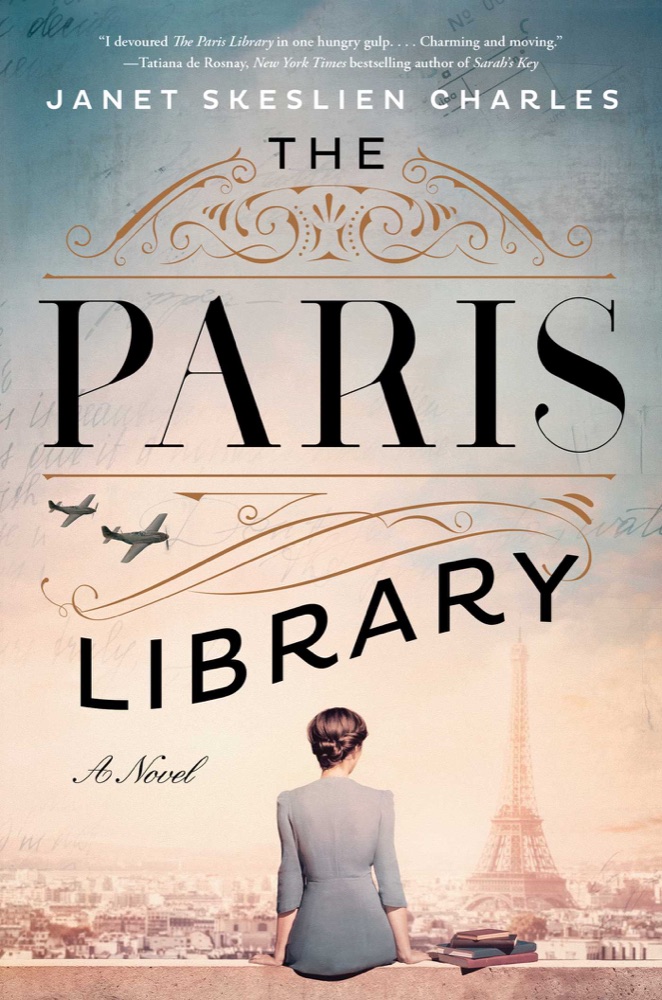
The Paris Library by Janet Skeslien Charles is a dual-timeline historical novel inspired by the true story of the staff at the American Library in Paris during World War II. In 1939 Paris, young, ambitious Odile Souchet lands her dream job at the library and, when the Nazis occupy the city, joins her colleagues in quiet acts of resistance, including continuing to deliver books to Jewish patrons after they are barred from entering. In 1983 Montana, a now-elderly Odile forms an unlikely friendship with Lily, a lonely teenager living next door, and the two timelines gradually illuminate each other.
Charles braids together themes of friendship, the consolations and dangers of language, jealousy and betrayal, and the role of books and libraries as a form of refuge and resistance in wartime. The novel draws on real history: Dorothy Reeder, the library's directress from 1936 to 1941, appears as a character, and the book dramatizes the Soldiers' Service that shipped books to troops and the librarians' defiance of Nazi restrictions. Charles, who worked as a programs manager at the American Library in Paris, discovered the librarians' story in archival records and built the fictional Odile to narrate it.
Published by Atria Books in 2021, The Paris Library became an instant New York Times, Washington Post, and USA Today bestseller and was widely read by book clubs. It was named one of five finalists for the 2021 American Library in Paris Book Award. Reviewers praised its loving portrait of the library and its wartime heroes, while some, including Kirkus, found the dual structure and romance elements uneven.
Key characters
- Odile SouchetYoung Parisian librarian and the novel's central narrator
- LilyLonely teenager in 1980s Montana who befriends the elderly Odile
- Miss Dorothy ReederDirectress of the American Library in Paris, based on the real librarian
- Remy SouchetOdile's twin brother
- PaulPolice officer and Odile's suitor in Paris
- MargaretEnglish library subscriber who becomes Odile's friend
Book details
- First published
- 2021
- Length
- 368 pages
- Reading time
- 7 hours
- Author
- Janet Skeslien Charles
- Genre
- Historical
- Goodreads rating
- 4.06 (151k ratings)
Critical reception
- Became an instant New York Times, Washington Post, and USA Today bestseller.
- Named one of five finalists for the 2021 American Library in Paris Book Award.
- Kirkus Reviews noted the appeal of its library setting while finding the dual-timeline structure uneven.
Keep reading
Miss Morgan's Book Brigade
 The Cat Who Saved the Library
 Library of Souls
 The Secret, Book & Scone Society
 Suggested Reading
 The Book of Lost Names
 The Book of Magic
 With Love from London
 The Lost Bookshop
 Almond
 The Bookstore Family
 The Invisible Hour
 Summer Days and Summer Nights: Twelve Love Stories
 The Last Bookshop in London
 The Distant Hours
 Between the Lines
 Amelia Unabridged
 The Book That Held Her Heart
 Dewey: The Small-Town Library Cat Who Touched the World
 Battle of the Bookstores
 The Giant's House
 The Storied Life of A.J. Fikry
 The Rent Collector
 The Library of Lost Things
 Words in Deep Blue
 Poison for Breakfast
 Here for It; Or, How to Save Your Soul in America: Essays
 Honey, Baby, Sweetheart
 Off the Page
 Shouldn't You Be in School?
 Dearest Josephine
 The Rescue
 The Bookshop at Water's End
 The Thirteenth Tale
 The End of Your Life Book Club
 The Swan Thieves
 Chances Are...
 Tilly and the Bookwanderers
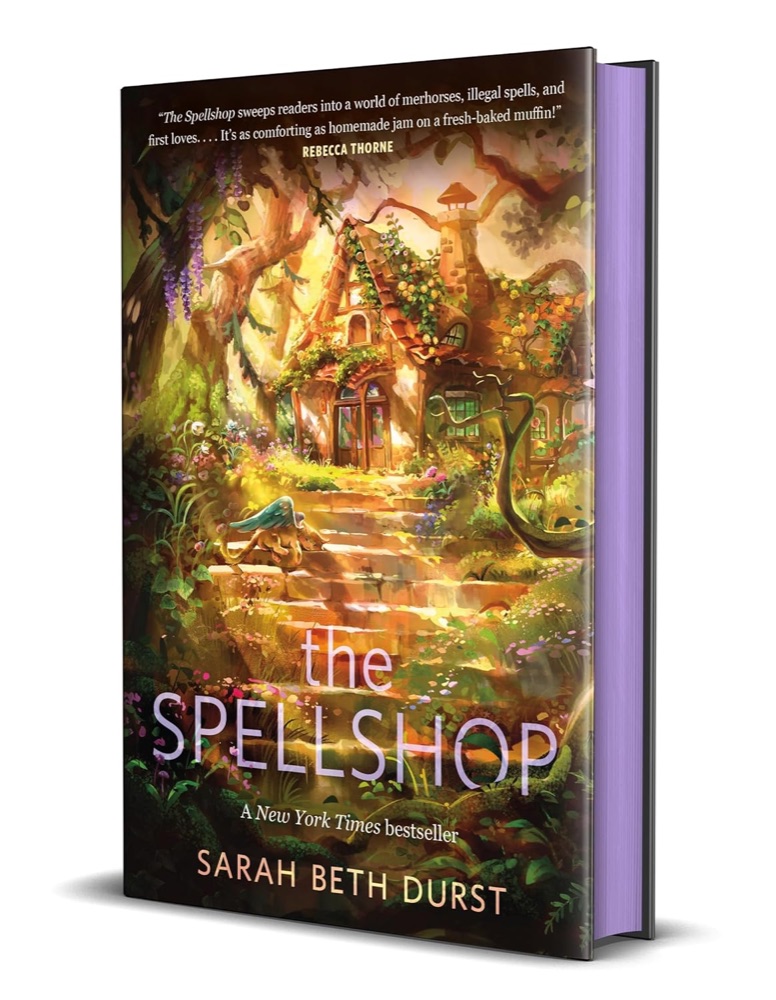 The Spellshop
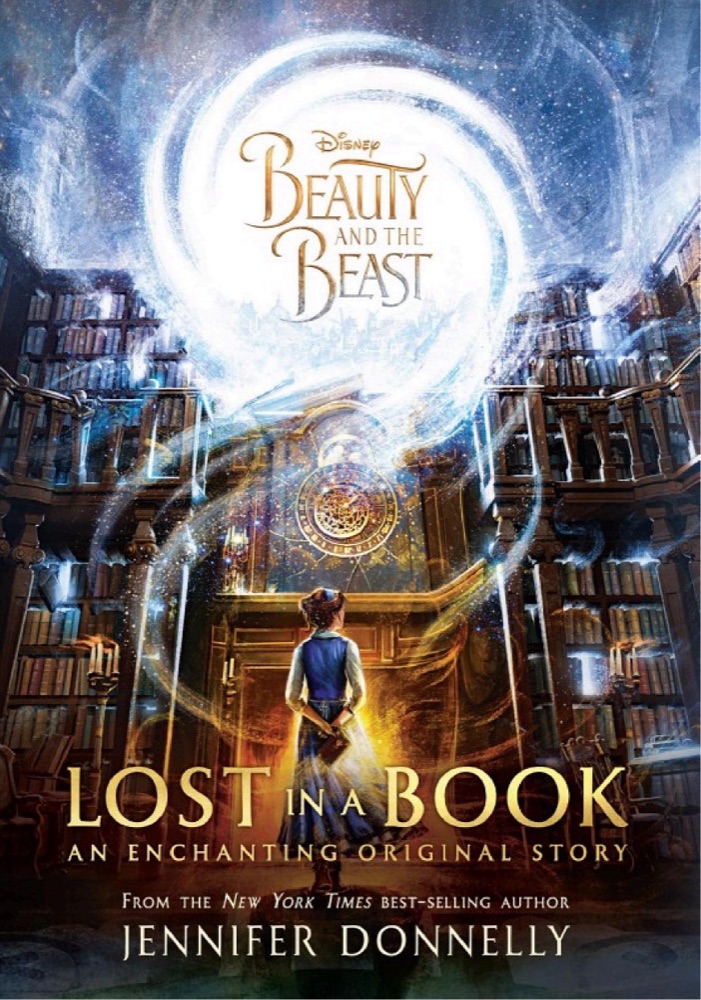 Beauty and the Beast: Lost in a Book
 When the World Tips Over
 The Last Librarian
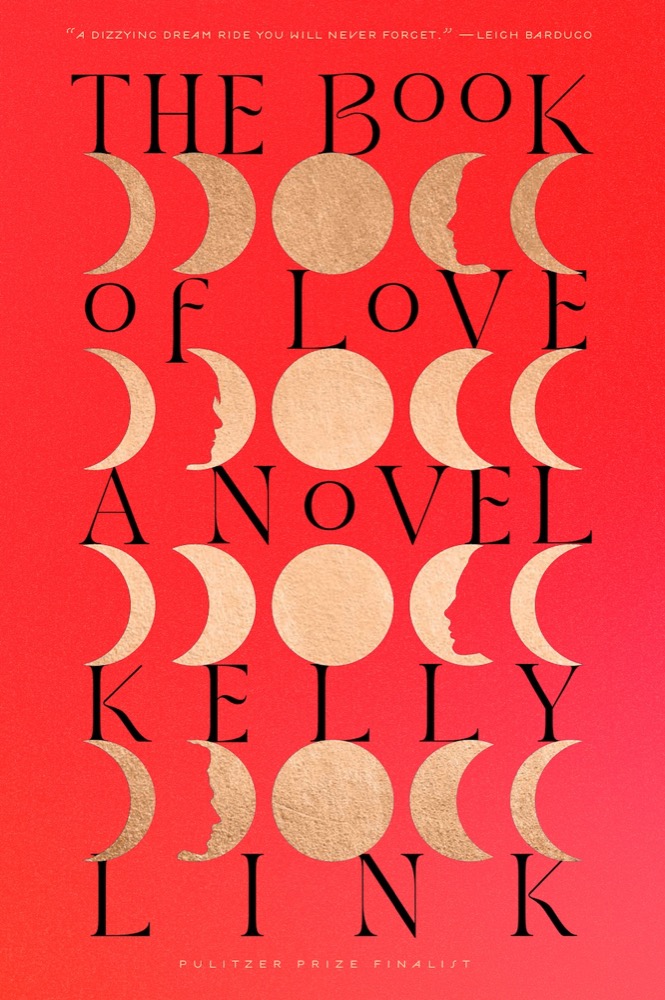 The Book of Love
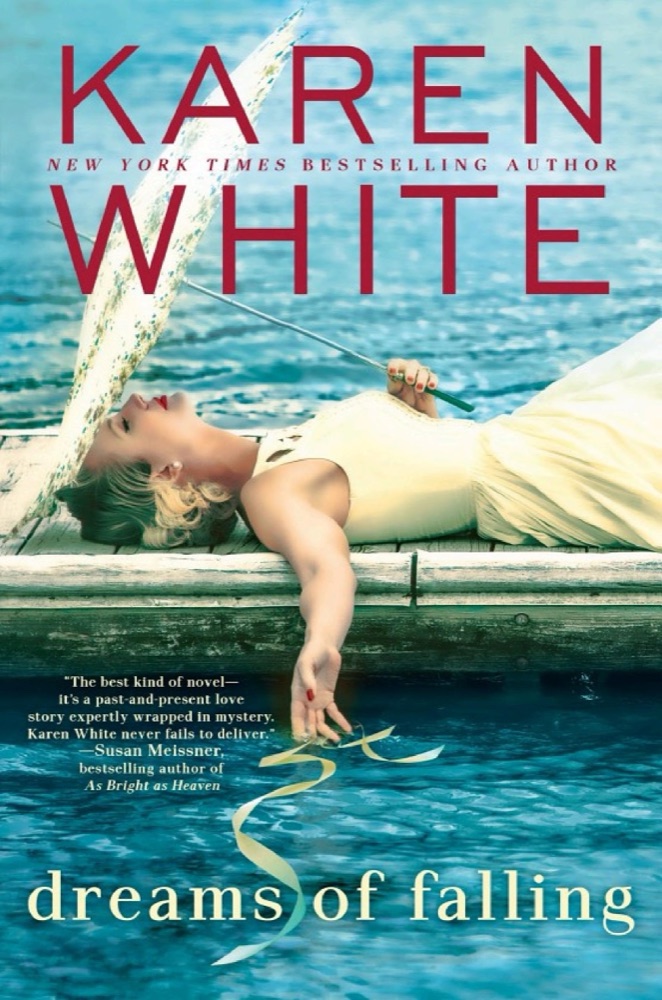 Dreams of Falling
 The Marriage Plot
 The Book Charmer
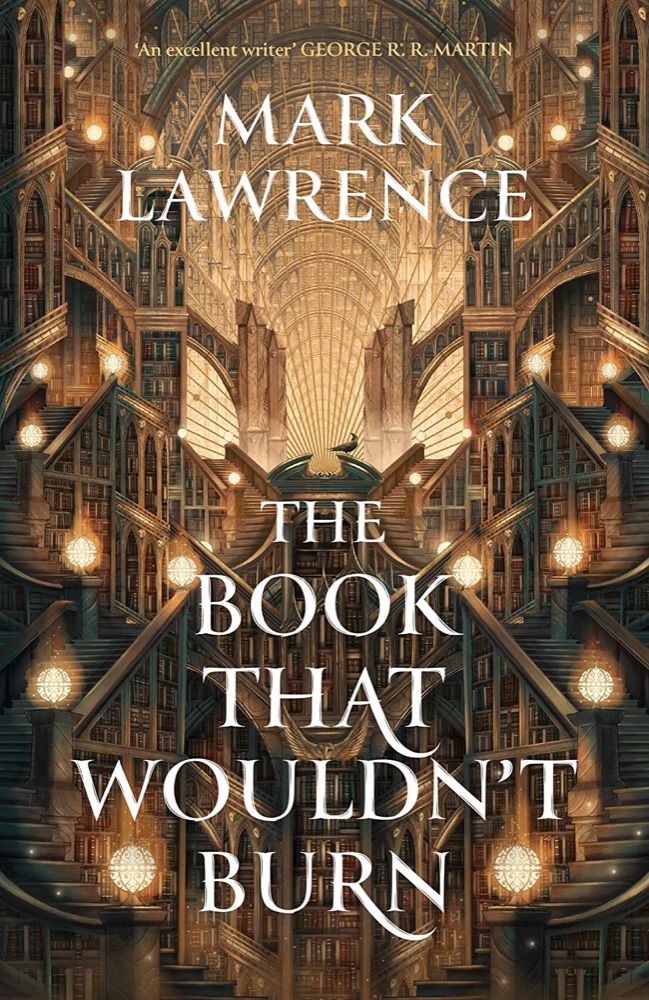 The Book That Wouldn’t Burn
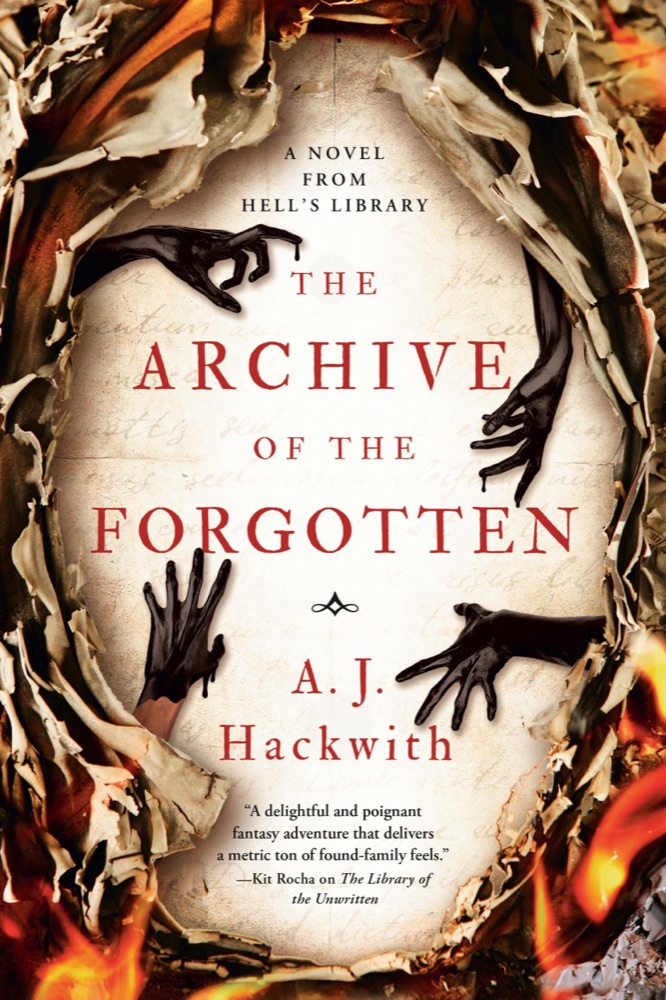 The Archive of the Forgotten
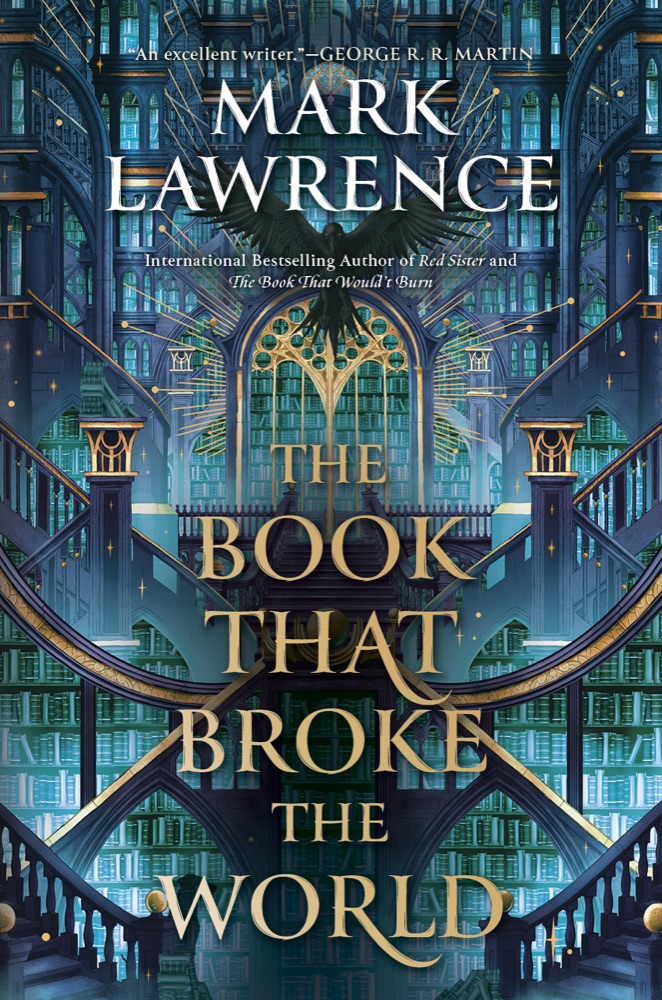 The Book That Broke the World
 Kafka on the Shore
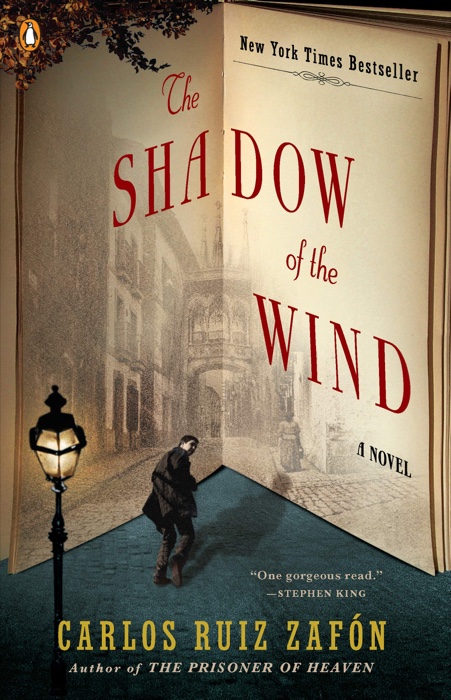 The Shadow of the Wind
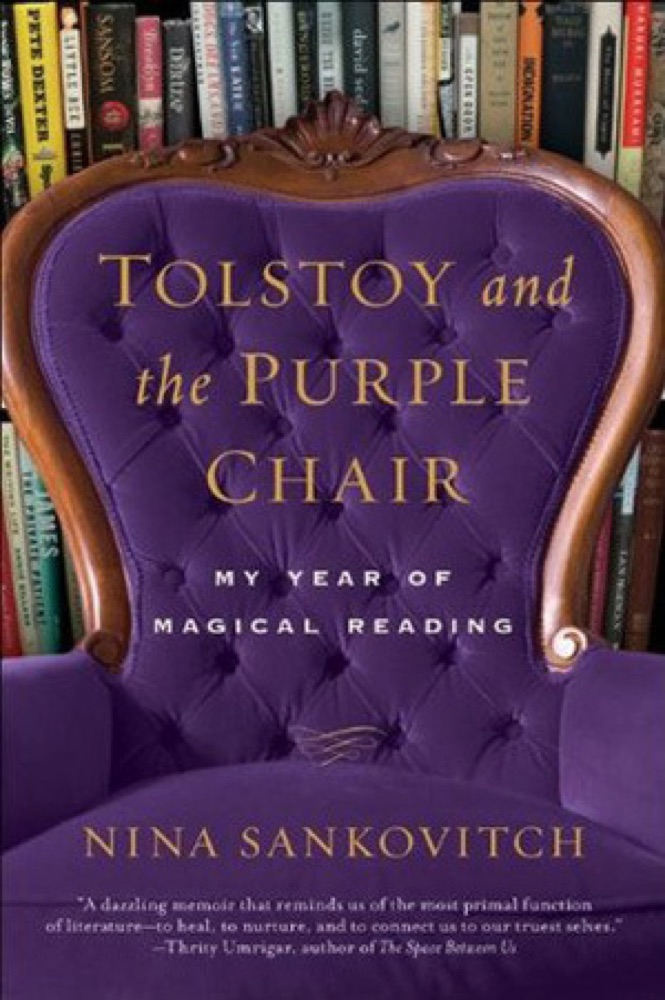 Tolstoy and the Purple Chair: My Year of Magical Reading
 The Absolutely True Diary of a Part-Time Indian
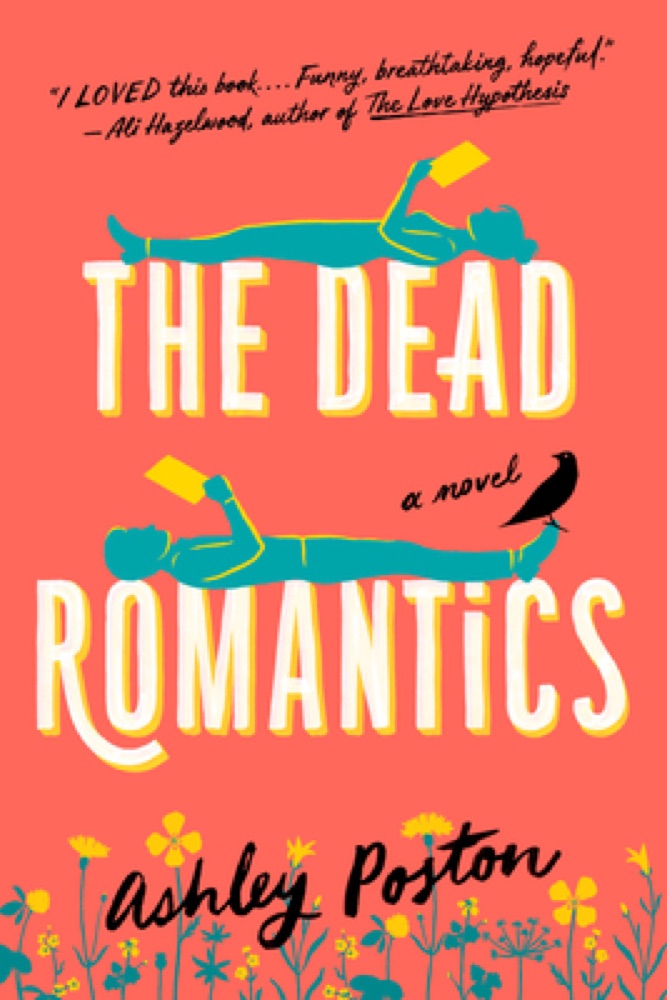 The Dead Romantics
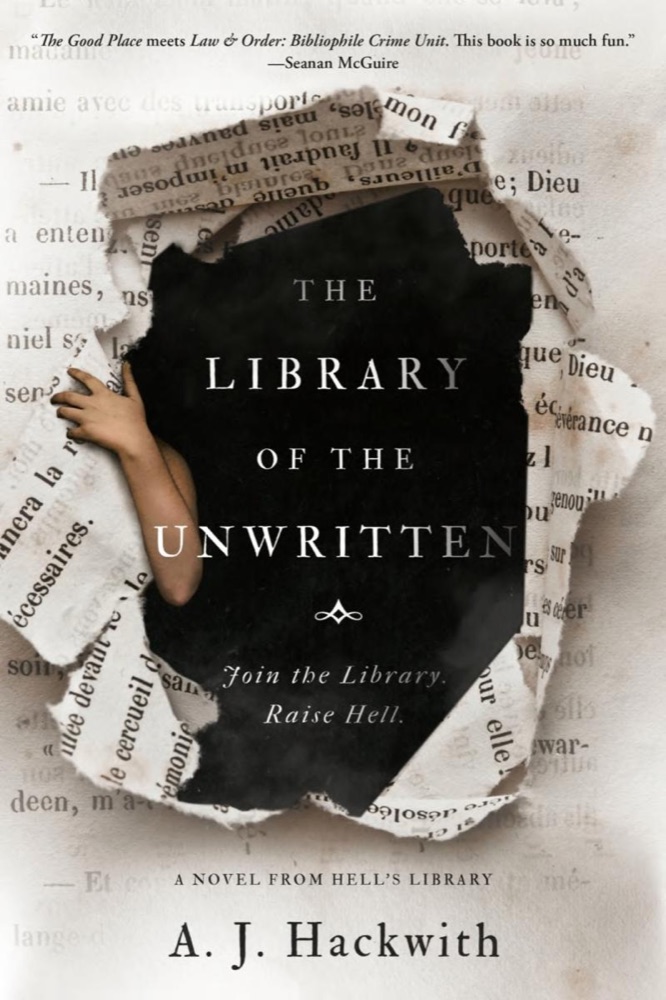 The Library of the Unwritten
 The Cat Who Saved Books
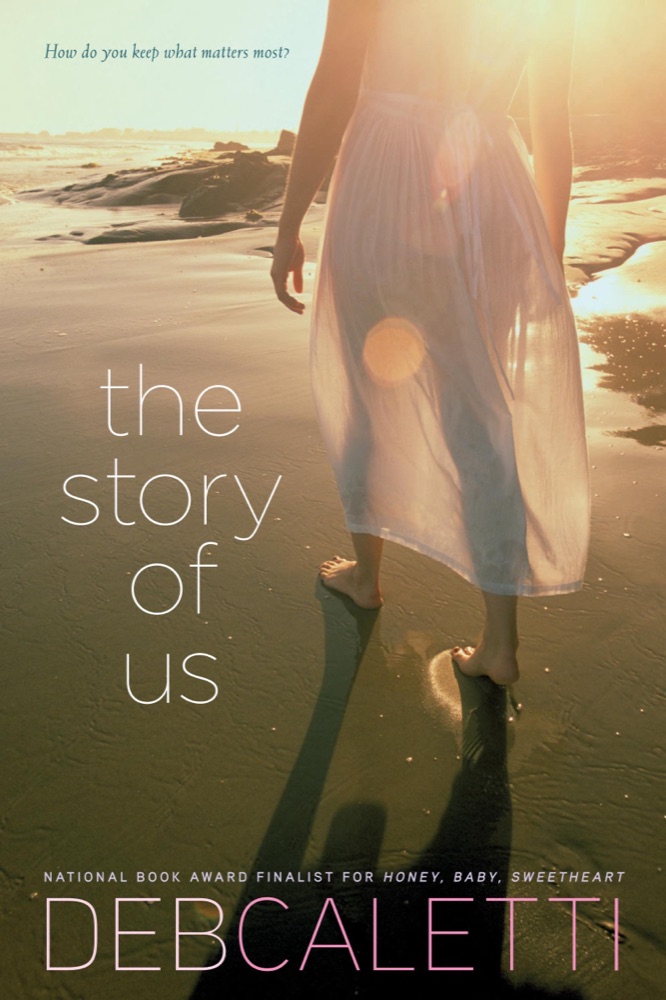 The Story of Us
 Good Dirt
 The Ogress and the Orphans
 The Sea Keeper's Daughters