
 My Inner Sky: On Embracing Day, Night, and All the Times in Between
Quotes from the Book
Those who appreciate winter generally orient toward the season's wonders: coziness and gathering around a fire, crisp air and starry skies, slowed-down rituals and chance for rest. For people with this mindset, winter is not a limiting time of year to dread but a time full of opportunity to anticipate. In Norway, I learned that we are not condemned to waste the winter months, throwing away the season, wishing for spring. We can change our mindsets and, as a result, change our experience of winter--and of our lives.
6
Our mindsets shape our attention: by influencing what we believe winter fundamentally is--dreadful or delightful, boring or fascination--and what we expect winter to be like, our mindsets subconsciously orient us to one version of reality or another.
4
One study found that viewing leisure as "wasteful" and "unproductive" undermines enjoyment of relaxing or fun activities, even as leisure itself has been shown to lower blood pressure, reduce risk of depression, and strengthen social relationships. Worse still, viewing this downtime as wasteful is associated with lower happiness, greater depression, and more stress and anxiety. This effect was strongest for leisure activities that are not in service of other goals (like exercising or meditation), but whose sole purpose is enjoyment (like relaxing, watching TV, or pursuing hobbies).
4
Winter sunset can be a particularly good time for a small daily ritual: making a sunset tea tray, with a hot drink and a little treat, pairs something often seen as negative (the early darkness) with something delightful to reclaim sunset as a time for pleasure.
3
In locations rainy and windy, snowy and icy, I noticed three general strategies for embracing the season. The first is to Appreciate Winter: look at winter for what it is, and let it be a time for slowing down. Adapt to the season, using your words and attention to lift up winters pleasures. The second is to Make It Special: lean into the activities and feelings that are unique to this time of year. Revel in coziness, enjoy delights made possible by winter's darkness, and create and savor rituals that imbue the season with meaning. The third is to Get Outside: layer up and enjoy the outdoors in all weather, experiment with winter bathing, and take advantage of the ways your town or city celebrates the season. Together, these three broad approaches help us find opportunities in winter, transforming it from a season of limitation to one full of possibility for meaning, connection, and fun.
3
If a mindset doesn't help you, reduce your suffering, of bring you closer to who you'd like to be, it's not worth adopting. When we look beyond winter for what other mindsets we might improve, it's perfectly reasonable to focus on the most appealing mindsets.
2
Getting outside in winter is essential. The belief that we can't enjoy ourselves outdoors is largely responsible for the idea that winter is limiting; this perspective makes the world feel out of reach. But this view is erroneous and self-fulfilling. If we remain cooped up, we will feel winter's limitations, and our mood will drop, no matter how hygge we make it inside.
2
Research shows that awe helps us feel more life satisfaction, more connected to humanity and the world, and less bogged down and annoyed by day-to-day concerns. Awe is associated with reduced symptoms of post-traumatic stress disorder (in both military veterans and young people from underserved communities), feeling happier on a moment-by-moment basis, and reduced daily distress. Experiencing awe might even make you nicer: the emotion is associated with greater generosity and prosociality (in lab experiments, this included helping people more, cooperating more, sharing more, and sacrificing more for others), less narcissism, and decreased aggression.
2
How we attend to things shapes our existence. Our attention is a powerful tool, and it plays a tremendous role in our everyday experience. What we attend to becomes what we see, and what we see becomes what we engage with, and what we engage with becomes our life.
2
It is easy to mistake the fallowness of winter for wasted time and space. But this view obscures the necessity of winter for sustaining the whole cycle, dismissing how crucial dormant times are for the growth and beauty that comes later. It ignores the critical work being done under the surface. It pretends that we can all go nonstop, all the time, working and living and loving at full capacity, unceasingly. But we can't, and there is much to be gained by not trying, and by gifting ourselves a season to restore.
2
We suffer from living in a culture that is out of sync with yearly rhythms of light and dark. We turn our ire toward winter, blaming the season for making us feel this way, rather than pointing fingers at a civilization organized with no regard for the changing light, a jobs without flexibility, at norms that mean we’re raising children without the support needed to make it less relentless.
2
Resigning ourselves to trudging through the season costs us. At best, we're missing the joys and delights of a special time, one unique in its opportunities for contemplation, connection, and delight. At worst, though, we're sleepwalking through a third of the year or more--meaning we're opting out of fully embracing months of our lives. Whether we're aware of them or not, our mindsets impact our experience of winter.
2
But when we expect winter wonder, our attention and behavior reorient accordingly. The cold becomes a reminder that it’s time to make soup, our commutes become chances to observe the rain fall, and gray mornings become aesthetic backdrops for coffee drinking. When
1
The first is to Appreciate Winter: look at winter for what it is, and let it be a time for slowing down. Adapt to the season, using your words and attention to lift up winter’s pleasures. The second is to Make It Special: lean into the activities and feelings that are unique to this time of year. Revel in coziness, enjoy delights made possible by winter’s darkness, and create and savor rituals that imbue the season with meaning. The third is to Get Outside: layer up and enjoy the outdoors in all weather, experiment with winter bathing, and take advantage of the ways your town or city celebrates the season.
1
In addition to easing stress, and promoting relaxation, sauna bathing can improve sleep, skin conditions, and circulation; lower blood pressure, which can prevent or even treat hypertension; improve lung function and reduce pulmonary diseases; reduce pain and increase mobility for patients with rheumatic disease; provide relief for headaches and arthritis; and boost the immune system, making people less susceptible to colds and viruses.
1
Hot baths before bed improve sleep for insomnia sufferers and can reduce depression symptoms. One study found that people who took baths more frequently were less likely to be depressed three years later, an effect that was especially strong for bathing in winter.
1
Friluftsliv is about communing with nature and with yourself, and about unburdening oneself from anything but being present. It's about disconnecting from the day-to-day in order to connect with something older, wilder, and larger.
1
Just as our helpful mindsets can create our reality, our unhelpful mindsets become self-fulfilling. Sometimes, negative stories around winter are so pervasive that they trick us into thinking that winter is colder and gloomier than it actually is, discouraging us from looking at the world with fresh eyes and taking in: How cold is it really? We create false narratives about winter, and these narratives become a greater barrier to winter enjoyment than actual winter conditions.
1
We can use our language to continuously and consciously shape our experience, which influences not only our mindsets, but the mindsets of the people around us. In speaking lovingly about winter, we can shape how the season feels.
1
walked alongside my thoughts through snow and rain on slick streets and let myself get lost in reverie in the library
considered the time of year when the sun doesn’t rise. Taija told me that they start talking about giđđadálvi
She described this familiar feeling: bundled in her car in the morning in the freezing cold
toes. Yet we can take a page out of Passmore’s book and notice nature by really attending to winter weather with all of our senses. Trees rustle in the whistling wind; rain splats and patters; ice crunches and crackles; snow muffles sound while shushing under our feet. Rain turns the streets into mirrors
Yet we can take a page out of Passmore’s book and notice nature by really attending to winter weather with all of our senses. Trees rustle in the whistling wind; rain splats and patters; ice crunches and crackles; snow muffles sound while shushing under our feet. Rain turns the streets into mirrors
Passmore is one of the first people to specifically investigate a nature and well-being intervention in winter. And yet even in Edmonton
Across multiple randomized controlled studies in the US and China
By classifying a wide range of seasonal behavior change as winter depression
Watch on YouTube
About Kari Leibowitz
We have collected 27 quotes from 1 book by Kari Leibowitz on BookQuoters.
More about the author →About the book
A blend of mindset science, original research, and cultural insights for cultivating a "positive wintertime mindset” to vanquish winter blues and find joy and comfort in dark times year-round
Do you dread the end of daylight saving time and complain about the long, chilly season of gray skies and ice? Do you find yourself in a slump every January and February? What if there were a way to rethink this time of year? Psychologist and winter expert Kari Leibowitz’s galvanizing How to Winter uses mindset science to help readers embrace winter as a season to be enjoyed, not endured—and in turn learn powerful lessons that can affect mental well-being throughout the year.
Kari Leibowitz has lived in the Arctic and traveled to places on Earth with some of the coldest, darkest, and longest winters. There she discovered the power of "wintertime mindset"—viewing the season as full of opportuni
Book details
- First published
- 2024
- Author
- Kari Leibowitz
- Genre
- Nonfiction
- Goodreads rating
- 3.98 (5k ratings)
Keep reading
My Inner Sky: On Embracing Day, Night, and All the Times in Between
 The Upward Spiral: Using Neuroscience to Reverse the Course of Depression, One Small Change at a Time
 Christmas Days: 12 Stories and 12 Feasts for 12 Days
 The Secret of Snow
 The Nature Fix: Why Nature Makes Us Happier, Healthier, and More Creative
 First, We Make the Beast Beautiful: A New Story About Anxiety
 Winter
 The Little Book of Hygge: The Danish Way to Live Well
 Silence: In the Age of Noise
 Am I There Yet? The Loop-de-Loop, Zigzagging Journey to Adulthood
 The Happiness Hypothesis: Finding Modern Truth in Ancient Wisdom
 Drive Your Plow Over the Bones of the Dead
 Living Beautifully with Uncertainty and Change
 Alone Time: Four Seasons, Four Cities, and the Pleasures of Solitude
 Why Has Nobody Told Me This Before?
 What If This Were Enough?: Essays
 Burnout: The Secret to Unlocking the Stress Cycle
 Notes on a Nervous Planet
 Journal of a Solitude
 Winter
 Enchantment: Awakening Wonder in an Anxious Age
 Smilla's Sense of Snow
 The Antidote: Happiness for People Who Can't Stand Positive Thinking
 I Guess I Haven't Learned That Yet: Discovering New Ways of Living When the Old Ways Stop Working
 Mending the Mind
 Reasons to Stay Alive
 Welcome to the Hyunam-Dong Bookshop
 The Mindful Way through Depression: Freeing Yourself from Chronic Unhappiness
 Real Happiness: A 28-Day Program to Realize the Power of Meditation
 The Things You Can See Only When You Slow Down: How to Be Calm in a Busy World
 The How of Happiness: A Scientific Approach to Getting the Life You Want
 Full Catastrophe Living: Using the Wisdom of Your Body and Mind to Face Stress, Pain, and Illness
 A Year By The Sea: Thoughts of an Unfinished Woman
 What Doesn't Kill Us: How Freezing Water, Extreme Altitude, and Environmental Conditioning Will Renew Our Lost Evolutionary Strength
 How to Stay Sane
 101 Essays That Will Change The Way You Think
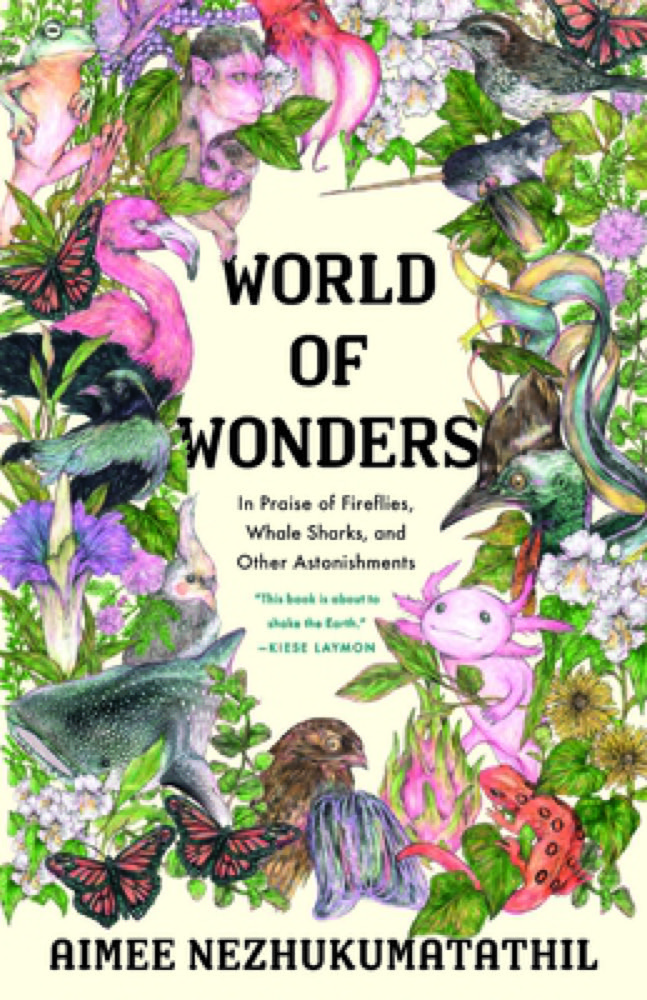 World of Wonders: In Praise of Fireflies, Whale Sharks, and Other Astonishments
 The Comfort Book
 Phosphorescence: On Awe, Wonder and Things That Sustain You When the World Goes Dark
 Silence: The Power of Quiet in a World Full of Noise
 Women Who Run With the Wolves
 Peace Is Every Step: The Path of Mindfulness in Everyday Life
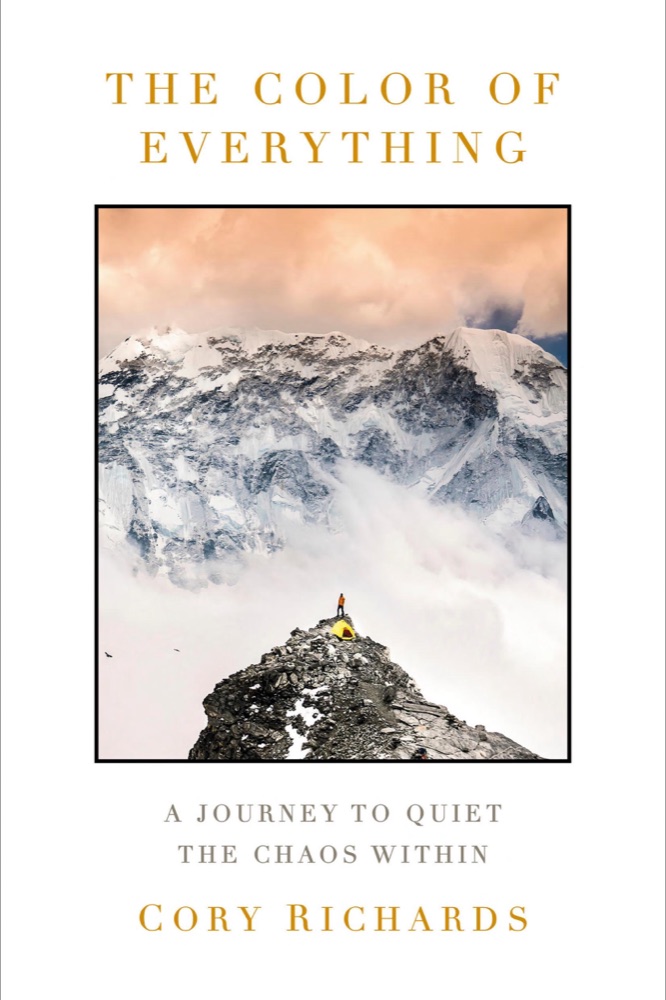 The Color of Everything: A Journey to Quiet the Chaos Within
 Becoming Supernatural: How Common People are Doing the Uncommon
 Happiness: A Guide to Developing Life's Most Important Skill
 A Room Called Earth
 The Forest Unseen: A Year’s Watch in Nature
 Finding Flow: The Psychology of Engagement with Everyday Life
 Kitchen
 Life Reimagined: The Science, Art, and Opportunity of Midlife
 Simplicity Parenting: Using the Extraordinary Power of Less to Raise Calmer, Happier, and More Secure Kids
 The Places That Scare You: A Guide to Fearlessness in Difficult Times
 Arctic Dreams
 Hard-Boiled Wonderland and the End of the World
 Why Zebras Don't Get Ulcers
 Love Yourself Like Your Life Depends on It
 Mindsight: The New Science of Personal Transformation
 I Am, I Am, I Am: Seventeen Brushes with Death
 Stitches: A Handbook on Meaning, Hope, and Repair
 Life in Five Senses: How Exploring the Senses Got Me Out of My Head and Into the World