 On Duties
Quotes from the Book
Few are those who wish to be endowed with virtue rather than to seem so.
58
The reward of friendship is friendship itself.
25
What is sweeter than to have someone with whom you may dare discuss anything as if you were communing with yourself? How could your enjoyment in times of prosperity be so great if you did not have someone whose joy in them would be equal to your own?
7
Una sola offesa si deve completamente eliminare per conservare nell'amicizia l'utilità e la fiducia: infatti gli amici spesso si devono ammonire e rimproverare e questo deve essere accettato amichevolmente quando viene fatto con affetto. Ma, non so come, è vero quello che dice il mio amico nell'"Andria": "L'adulazione genera amici, la verità odio". Dannosa è la verità, se da lei nasce l'odio che è il veleno dell'amicizia, ma l'adulazione è molto più dannosa perché, essendo indulgente con gli errori, lascia che l'amico precipiti in rovina; grandissima è la colpa di chi disprezza la verità ed è spinto all'inganno dall'adulazione. [...] Non c'è più da sperare salvezza per chi abbia le orecchie tanto chiuse alla verità da non poter sentire il vero da un amico. [...] Ed è assurdo proprio questo, che quelli che vengono rimproverati non provano quel dispiacere che dovrebbero provare, ma provano proprio quello che non dovrebbero; infatti non si dolgono di aver sbagliato, sopportano di malanimo di essere rimproverati mentre sarebbe stato necessario il contrario, cioé addolorarsi delle colpe e godere della correzione.
6
As for you, my young friends, I urge you to strive for virtue, for without it friendship cannot exist. And friendship, aside from virtue, is the greatest thing we can find in life.
4
But what is more foolish, when men are in the plenitude of resources, opportunities, and wealth, than to procure the other things which money provides — horses, slaves, splendid raiment, and costly plate — and not procure friends, who are, if I may say so, life's best and fairest furniture?
4
L'amicizia supera in questo la parentela: nella parentela l'affetto si può eliminare, nell'amicizia no; infatti, tolto l'affetto viene meno l'amicizia stessa, la parentela rimane.
4
And so—it can't be repeated often enough—you should love after you have judged, not judge after you have loved.
3
It is to this effect: If a man should ascend alone into heaven and behold clearly the structure of the universe and the beauty of the stars, there would be no pleasure for him in the awe-inspiring sight, which would have filled him with delight if he had had someone to whom he could describe what he had seen. Thus nature, loving nothing solitary, always strives for some sort of support, and man's best support is a very dear friend.
3
This is all that I had to say about friendship; but I exhort you both so to esteem virtue (without which friendship cannot exist), that, excepting virtue, you will think nothing more excellent than friendship.
3
But inasmuch as things human are frail and fleeting, we must be ever on the search for some persons whom we shall love and who will love us in return; for if goodwill and affection are taken away, every joy is taken from life. For me, indeed, though he was suddenly snatched away, Scipio still lives and will always live; for it was his virtue that caused my love and that is not dead.
3
Nor is it easy to find men who will go down to calamity's depths for a friend. Ennius, however, is right when he says: When Fortune's fickle the faithful friend is found; yet it is on these two charges that most men are convicted of fickleness: they either hold a friend of little value when their own affairs are prosperous, or they abandon him when his are adverse. Whoever, therefore, in either of these contingencies, has shown himself staunch, immovable, and firm in friendship ought to be considered to belong to that class of men which is exceedingly rare — aye, almost divine.
3
But worst of all is the third limitation, which is that 'whatever value a man places upon himself, the same value should be placed upon him by his friends.' For often in some men either the spirit is too dejected, or the hope of bettering their fortune is too faint. Therefore, it is not the province of a friend, in such a case, to have the same estimate of another that the other has of himself, but rather it is his duty to strive with all his might to arouse his friend's prostrate soul and lead it to a livelier hope and into a better train of thought.
3
For when the soul is deprived of emotion, what difference is there — I do not say between man and the beasts of the field, but between man and a stock or a stone, or any such thing?
3
Likewise other things, which seem to some to be worthy of admiration, are by many thought to be of no value at all. But concerning friendship, all, to a man, think the same thing: those who have devoted themselves to public life; those who find their joy in science and philosophy; those who manage their own business free from public cares; and, finally, those who are wholly given up to sensual pleasures — all believe that without friendship life is no life at all, or at least they so believe if they have any desire whatever to live the life of free men.
2
If people think that friendship springs from weakness and from a purpose to secure someone through whom we may obtain that which we lack, they assign her, if I may so express it, a lowly pedigree indeed, and an origin far from noble, and they would make her the daughter of poverty and want.
2
For friendship is nothing else than an accord in all things, human and divine, conjoined with mutual goodwill and affection, and I am inclined to think that, with the exception of wisdom, no better thing has been given to man by the immortal gods.
2
Quanto più uno ha fiducia in sé, quanto più è armato di virtù e di saggezza, in modo da non aver bisogno di nessuno e da considerare ogni suo bene un fatto interiore, tanto più eccelle nel cercare e nel coltivare le amicizie.
2
O noble philosophy! Why, they seem to take the sun out of the universe when they deprive life of friendship, than which we have from the immortal gods no better, no more delightful boon.
1
Assim, a amizade não é senão uma unanimidade em todas as coisas, divinas e humanas, acompanhada de afeto e de benevolência: pergunto-me se ela não seria, excetuada a sabedoria, o o que o homem recebeu de melhor dos deuses imortais.
1
Watch on YouTube
About Marcus Tullius Cicero
We have collected 46 quotes from 3 books by Marcus Tullius Cicero on BookQuoters.
More about the author →More by Marcus Tullius Cicero
On Duties
 On the Republic / On the Laws
About the book
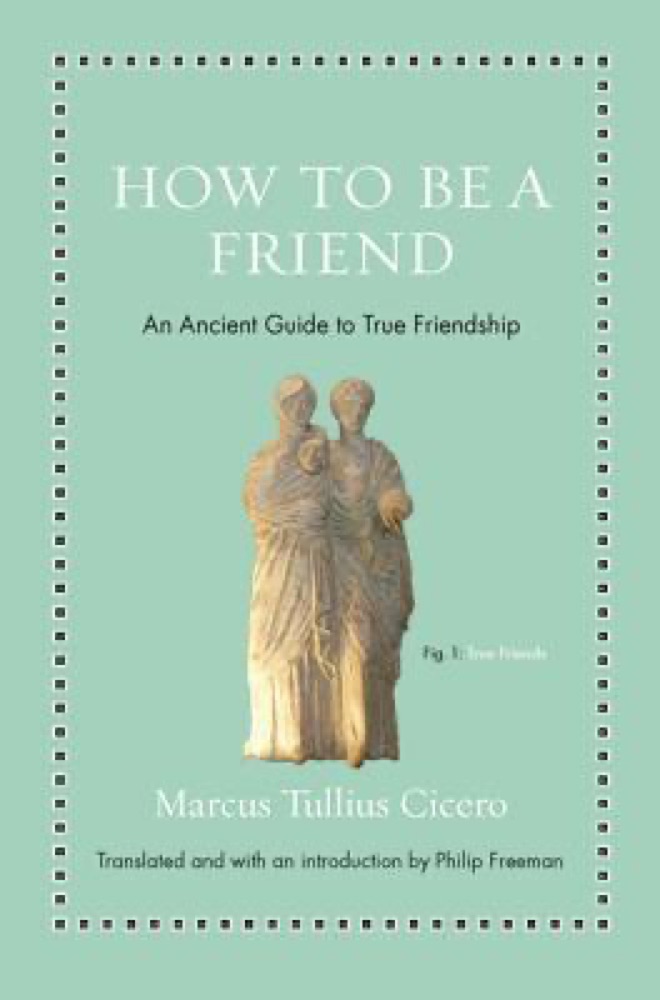
A splendid new translation of one of the greatest books on friendship ever written
In a world where social media, online relationships, and relentless self-absorption threaten the very idea of deep and lasting friendships, the search for true friends is more important than ever. In this short book, which is one of the greatest ever written on the subject, the famous Roman politician and philosopher Cicero offers a compelling guide to finding, keeping, and appreciating friends. With wit and wisdom, Cicero shows us not only how to build friendships but also why they must be a key part of our lives. For, as Cicero says, life without friends is not worth living.
Filled with timeless advice and insights, Cicero's heartfelt and moving classic--written in 44 BC and originally titled De Amicitia--has inspired readers for more than two thousand years, from St. Augustine and Dante to Thomas
Book details
- First published
- 2018
- Author
- Marcus Tullius Cicero
- Genre
- Philosophy
- Goodreads rating
- 3.86 (4k ratings)
Keep reading
 The Four Loves
 Aphorisms on Love and Hate
 De Profundis
 The Letters of Abélard and Héloïse
 The Art of Happiness
 Praise of Folly
 The Consolation of Philosophy
 The Weight of Glory
 The History of Tom Jones, a Foundling
 Letters from a Stoic
 How to Be a Stoic: Using Ancient Philosophy to Live a Modern Life
 The Symposium
 Works of Love
 The Gay Science
 Phaedrus
 Phaedo
 A Calendar of Wisdom: Daily Thoughts to Nourish the Soul
 The Theory of Moral Sentiments
 How to Use Your Enemies
 Self-Reliance and Other Essays
 A Little Life
 The Intellectual Life: Its Spirit, Conditions, Methods
 The Essays of Ralph Waldo Emerson
 The Schopenhauer Cure
 The Will to Power
 The Fall
 The Nicomachean Ethics
 Henry David Thoreau: A Week, Walden, The Maine Woods, Cape Cod
 An Enquiry Concerning the Principles of Morals
 The Fencing Master
 The Consolations of Philosophy
 The Ides of March
 Heretics
 Persian Letters
 The Dream of Scipio
 The Moon and Sixpence
 Ethics
 The Wisdom of Life
 Either/Or: A Fragment of Life
 When Nietzsche Wept
 The Fountainhead
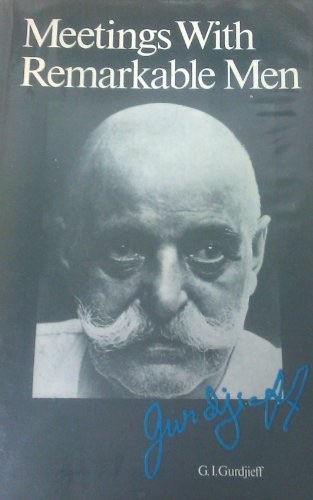 Meetings With Remarkable Men
 The Rule of Four
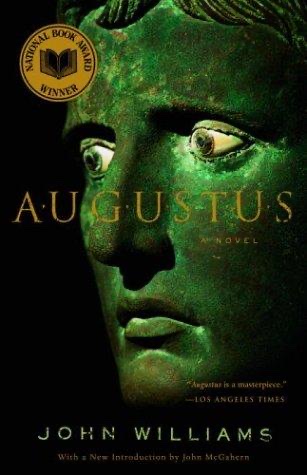 Augustus
 Fall of Light
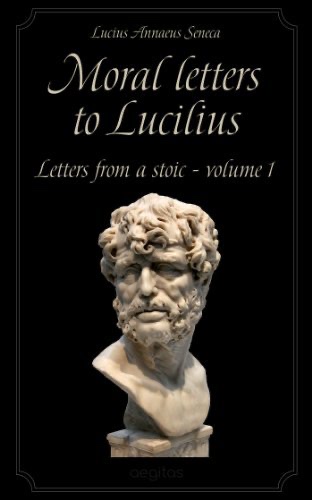 Moral Letters to Lucilius Volume 1
 The Spinoza Problem
 The Blithedale Romance
 The Same Old Story
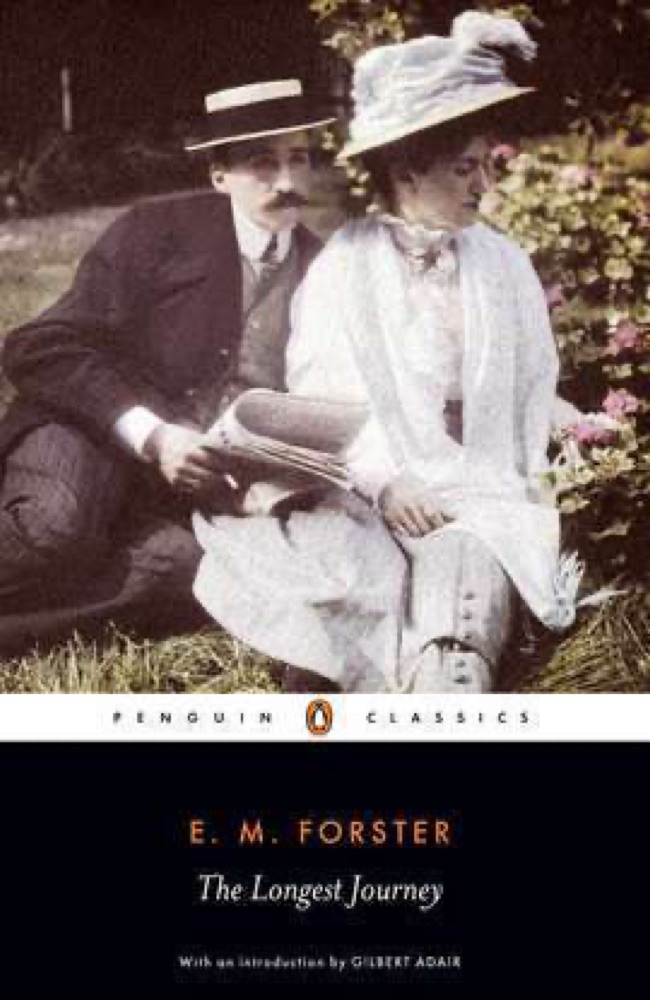 The Longest Journey
 The Way of Perfection
 Shōgun
 The Essential Writings of Ralph Waldo Emerson
 The Story of My Life
 Lord of the Silver Bow
 Utopia
 Elective Affinities
 Arch of Triumph
 Narcissus and Goldmund
 Quo Vadis