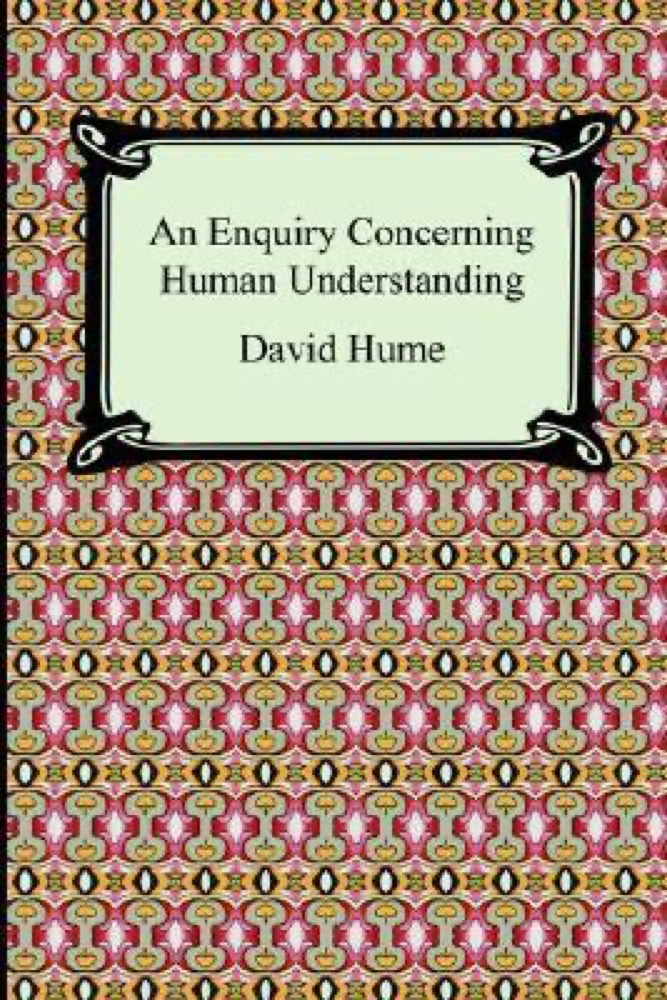
 An Enquiry Concerning Human Understanding
Quotes from the Book
Nothing is more usual than for philosophers to encroach upon the province of grammarians; and to engage in disputes of words, while they imagine that they are handling controversies of the deepest importance and concern.
8
Historians, and even common sense, may inform us, that, however specious these ideas of perfect equality may seem, they are really, at bottom, impracticable; and were they not so, would be extremely pernicious to human society. Render possessions ever so equal, men's different degrees of art, care, and industry will immediately break that equality. Or if you check these virtues, you reduce society to the most extreme indigence; and instead of preventing want and beggary in a few, render it unavoidable to the whole community. The most rigorous inquisition too is requisite to watch every inequality on its first appearance; and the most severe jurisdiction, to punish and redress it. But besides, that so much authority must soon degenerate into tyranny, and be exerted with great partialities; who can possibly be possessed of it, in such a situation as is here supposed? Perfect equality of possessions, destroying all subordination, weakens extremely the authority of magistracy, and must reduce all power nearly to a level, as well as property. We may conclude, therefore, that in order to establish laws for the regulation of property, we must be acquainted with the nature and situation of man; must reject appearances, which may be false, though specious; and must search for those rules, which are, on the whole, most useful and beneficial.
5
Disputes with men, pertinaciously obstinate in their principles, are, of all others, the most irksome; except, perhaps, those with persons, entirely disingenuous, who really do not believe the opinions they defend, but engage in the controversy, from affectation, from a spirit of opposition, or from a desire of showing wit and ingenuity, superior to the rest of mankind. The same blind adherence to their own arguments is to be expected in both; the same contempt of their antagonists; and the same passionate vehemence, in enforcing sophistry and falsehood. And as reasoning is not the source, whence either disputant derives his tenets; it is in vain to expect, that any logic, which speaks not to the affections, will ever engage him to embrace sounder principles.
4
How little is requisite to supply the necessities of nature? And in a view to pleasure, what comparison between the unbought satisfaction of conversation, society, study, even health and the common beauties of nature, but above all the peaceful reflection on one's own conduct: What comparison, I say, between these, and the feverish, empty amusements of luxury and expense? These natural pleasures, indeed, are really without price; both because they are below all price in their attainment, an above it in their enjoyment.
4
He is happy, whose circumstances suit his temper; but he is more excellent, who can suit his temper to any circumstances.
2
A man who has cured himself of all ridiculous prepossessions, and is fully, sincerely, and steadily convinced, from experience as well as philosophy, that the difference of fortune makes less difference in happiness than is vulgarly imagined; such a one does not measure out degrees of esteem according to the rent-rolls of his acquaintance. He may, indeed, externally pay a superior deference to the great lord above the vassal; because riches are the most convenient, being the most fixed and determinate, source of distinction. But his internal sentiments are more regulated by the personal characters of men, than by the accidental and capricious favours of fortune.
2
Another spring of our constitution, that brings a great addition of force to moral sentiments, is the love of fame; which rules, with such uncontrolled authority, in all generous minds, and is often the grand object of all their designs and undertakings. By our continual and earnest pursuit of a character, a name, a reputation in the world, we bring our own deportment and conduct frequently in review, and consider how they appear in the eyes of those who approach and regard us. This constant habit of surveying ourselves, as it were, in reflection, keeps alive all the sentiments of right and wrong, and begets, in noble natures, a certain reverence for themselves as well as others, which is the surest guardian of every virtue.
1
Wherein, then, consists Vanity, which is so justly regarded as a fault or imperfection. It seems to consist chiefly in such an intemperate display of our advantages, honours, and accomplishments; in such an importunate and open demand of praise and admiration, as is offensive to others, and encroaches too far on their secret vanity and ambition. It is besides a sure symptom of the want of true dignity and elevation of mind, which is so great an ornament in any character. For why that impatient desire of applause; as if you were not justly entitled to it, and might not reasonably expect that it would for ever at tend you? Why so anxious to inform us of the great company which you have kept; the obliging things which were said to you; the honours, the distinctions which you met with; as if these were not things of course, and what we could readily, of ourselves, have imagined, without being told of them?
1
In general, it is certain, that, wherever we go, whatever we reflect on or converse about, everything still presents us with the view of human happiness or misery, and excites in our breast a sympathetic movement of pleasure or uneasiness. In our serious occupations, in our careless amusements, this principle still exerts its active energy.
1
When Phocion, the modest, the gentle Phocion, was led to execution, he turned to one of his fellow-sufferers, who was lamenting his own hard fate, IS IT NOT GLORY ENOUGH FOR YOU, says he, THAT YOU DIE WITH PHOCION?
Dicaearchus, the Macedonian general, who, as Polybius tells us, openly erected one altar to impiety, another to injustice, in order to bid defiance to mankind; even he, I am well assured, would have started at the epithet of FOOL, and have meditated revenge for so injurious an appellation. Except the affection of parents, the strongest and most indissoluble bond in nature, no connexion has strength sufficient to support the disgust arising from this character. Love itself, which can subsist under treachery, ingratitude, malice, and infidelity, is immediately extinguished by it, when perceived and acknowledged; nor are deformity and old age more fatal to the dominion of that passion. So dreadful are the ideas of an utter incapacity for any purpose or undertaking, and of continued error and misconduct in life!
Watch on YouTube
About David Hume
We have collected 96 quotes from 4 books by David Hume on BookQuoters.
More about the author →More by David Hume
An Enquiry Concerning Human Understanding
 A Treatise of Human Nature
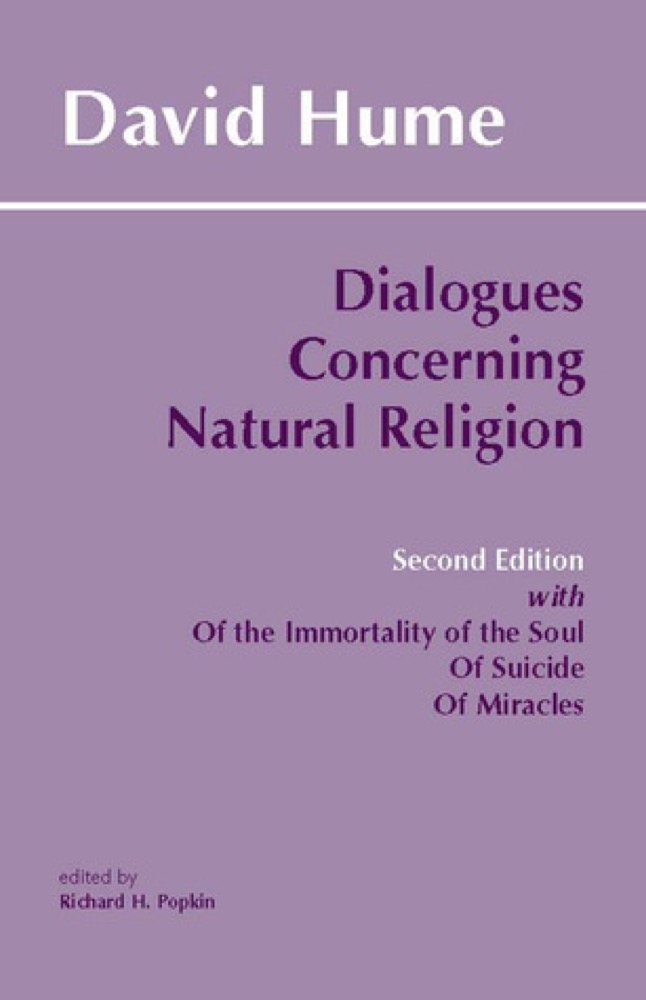 Dialogues Concerning Natural Religion
About the book
Excellent Book
Book details
- First published
- 1751
- Author
- David Hume
- Genre
- Philosophy
- Goodreads rating
- 3.98 (6k ratings)
Keep reading
 The Theory of Moral Sentiments
A Treatise of Human Nature
The Theory of Moral Sentiments
A Treatise of Human Nature
 The Will to Power
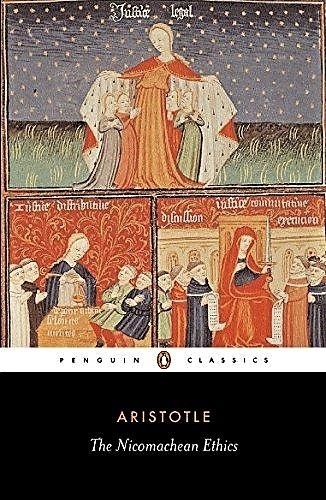 The Nicomachean Ethics
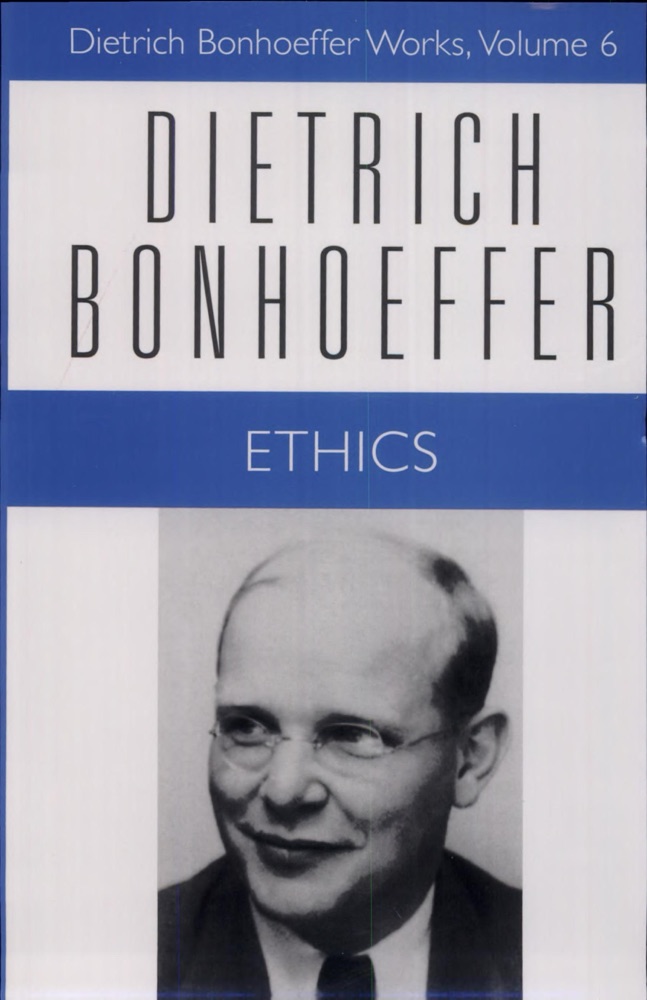 Ethics
 The History of Tom Jones, a Foundling
 Utilitarianism
 Daybreak: Thoughts on the Prejudices of Morality
 On the Genealogy of Morals/Ecce Homo
 The Ego and Its Own
 Heretics
 Gorgias
 Discourse on the Origin of Inequality
 The Consolation of Philosophy
 Parallel Lives
 Maldoror and the Complete Works
 Death in Venice and Other Tales
 Persian Letters
 The Autobiography of Benjamin Franklin
 The Rhetoric & The Poetics of Aristotle
 A Philosophical Enquiry into the Origin of Our Ideas of the Sublime and Beautiful
Dialogues Concerning Natural Religion
A Philosophical Enquiry into the Origin of Our Ideas of the Sublime and Beautiful
Dialogues Concerning Natural Religion
 The Varieties of Religious Experience
 The Ides of March
 The Art of Happiness
 The Wisdom of Life
 An Essay Concerning Human Understanding
 Plutarch's Lives
 Erewhon
 Reflections on the Revolution in France
 Praise of Folly
An Enquiry Concerning Human Understanding
Praise of Folly
An Enquiry Concerning Human Understanding
 Critique of Judgment
 The Consolations of Philosophy
 After Virtue
 The Laws of Plato
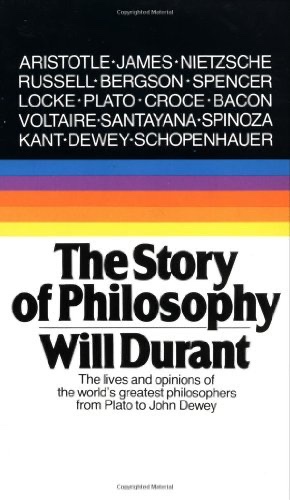 The Story of Philosophy: The Lives and Opinions of the World's Greatest Philosophers
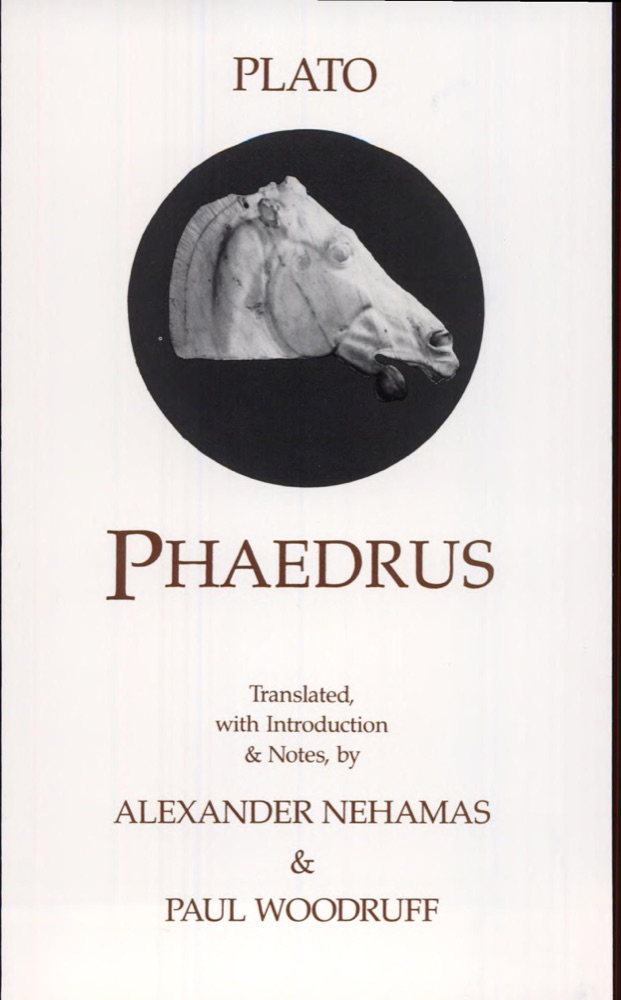 Phaedrus
 Utopia
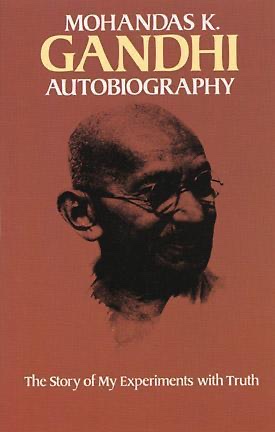 The Story of My Experiments With Truth
 Philosophical Dictionary
 The Abolition of Man
 Gulliver's Travels
 The Swerve: How the World Became Modern
 The Greek Way
 The Schopenhauer Cure
 Mademoiselle de Maupin
 The Man Without Qualities
 Armadale
 Rights of Man
 Man and Superman
 The Conquest of Happiness
 The Spinoza Problem
 The Essays of Ralph Waldo Emerson
 Leviathan
 Orthodoxy
 The Blithedale Romance
 Emile or On Education
 What I Believe
 Discourse on Method and Meditations on First Philosophy