 Traveling Mercies: Some Thoughts on Faith
Quotes from the Book
Sometimes bad things are just senseless brutality that finds you. You do not deserve or ask for these things. They are not always teaching you a lesson.
2
Looking back at my childhood, I slowly understood that even if no one talked about it, these secrets had been a distress signal that buzzed all through it, a frequency that's too low to hear, but you can still feel pulsing through the air, shaping you--with its invisible currents and dial tones--into the person you become.
2
I don't care what people say about hate, it kept me alive.
1
if something doesn’t stir anything but contempt in you, there’s a reason. Trust your contempt. Dissect it if you can. The reason your contempt is tapping you on the shoulder may be in there, and be valid, or it may not. If you can’t find it, it’s OK.
1
Forgiveness seems to be a sweet, brief rest at the crossroads of other things. It’s almost a divine by-product. It’s not a tiny golden diploma you bestow upon someone. Forgiveness takes many forms and may be as simple as the moment something no longer has power over you.
1
The rule makers don't want us to know each other in real life, they want us to know "of" each other only, and fearfully at that; you'll see it on the nightly news in every region. Meeting, in person, as many people as possible is what smashes the illusion that we have no connection with "us" beyond some racist anthems and the pledge of allegiance.
1
This was how the world could be when someone really loved you.
I look just like her, which makes me wish I looked like anyone else.
I experienced myself as so unlovable, and yet around me were these encouraging examples of love and affection—it was at once shattering, heartbreaking, and exhilarating.
People often ask me how I write songs. Honestly, there’s no one method, so I couldn’t walk you through it even if we had all the time in the world. Sometimes lyrics come first, sometimes music. Some songs take thirty minutes to write, others take years. Some are grim chores and others feel like they just fell out of the pocket of a coat I haven’t worn in a while, like a slumbering twenty-dollar bill. I can tell you what it feels like in the songs, though. Songs are part homemade diorama, part gerbil maze, and part eighties music video—location, story arc, and cinematic container. You build all the tiny props inside so lovingly and sometimes they just aren’t to scale, so you have to start over, and it’s crushing. There are tantrums, tears.
Fear is funny; it sometimes seems more possible to continue doing time in the lonely jail you know rather than rising above it to connect with others.
I grew up believing I was nothing, and sometimes my own insignificance wracked me with pain. But luckily, somewhere down the line, I came to realize that if I'm nothing, and have nothing, what's the real risk of putting myself out there?
Sometimes you can even detect a trace of the women; it's been a long time since Christianity sunk its teeth in and shook hard, trying to break the necks of our spirits. So much of the feminine has been washed away, but the old witch Baba Yaga is still in there.
As the soft rebellion gains speed, I feel my whole being stuffed up inside my mouth. I wonder, oh so fleetingly, how I got here. It’s a forbidden question; the mere thinking of it could open a trapdoor beneath my feet, and if I don’t wipe it away quick enough I’ll fall through. It’s a rabbit-hole vacuum and I swat the question from my mind. But it’s too late. I see a kid running down the grayest street possible. At first she looks gray, too. But then I see the embers of rage flying off her. She has rivulets of fur trickling out of her sleeves and down the back of her neck, a stray’s three-beat gait. She is not even a she at all, just an animal running, as hard as it can, panting, out of breath.
I had looked into the eyes of those wounds on my mother's hip bones for her; it was the worst thing I'd ever seen, and I would have done it a million times more because that's how much I loved her. I would kill the man who did these things to her and live in jail forever. How did she not know? How had I failed so utterly?
I also have acute high-end hearing, so things bother me that other people can't hear. For example, I can hear electricity. Most people can't. I had no idea, I just thought everybody could.
Did you know?
- The memoir is Neko Case's first book, published in January 2025.
- Case is a founding member of the Canadian indie-pop band The New Pornographers in addition to her solo career.
- The book recurs to the image of Case being 'raised by two dogs and a space heater' to describe her isolated rural Washington childhood.
- It became a New York Times bestseller.
- Critics likened Case's candor and prose to that of memoirists Mary Karr and Jeannette Walls.
About Neko Case
About the book
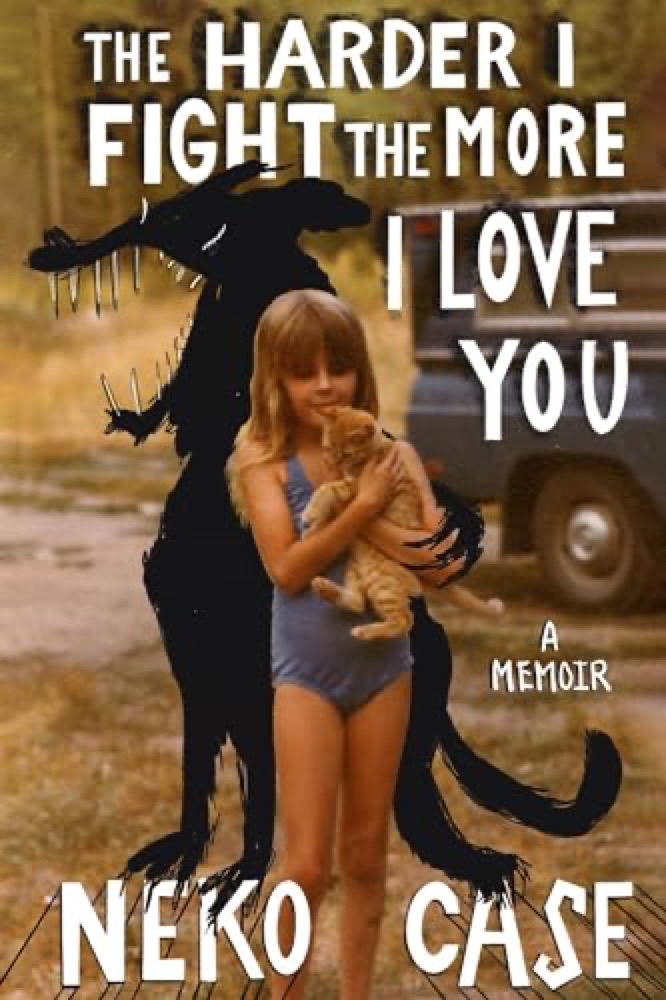
The Harder I Fight the More I Love You is the memoir of singer-songwriter Neko Case, a celebrated solo artist and founding member of the indie band The New Pornographers. The book traces her path from an isolated, impoverished childhood in rural Washington state, where she felt invisible and was repeatedly let down by her dysfunctional parents, to her emergence as an internationally acclaimed musician. Rather than a conventional album-by-album rock memoir, it is a candid, lyrical account of survival, art-making, and self-creation.
Case writes about the formative forces of her life: childhood neglect and abandonment, sexual violence she endured as a teenager, mental-health struggles, and the consolations she found in animals, nature, and music. Reviewers have noted that the book reads less like a celebrity tell-all and more like a meditation on why people make and need art, with Case turning her songwriter's instinct for imagery toward prose. Themes of identity, resilience, and the search for belonging run throughout.
The memoir was widely praised for its raw candor and lyrical voice, becoming a New York Times bestseller. Critics compared Case's bravery and intelligence to memoirists such as Mary Karr and Jeannette Walls, while noting that the impressionistic, song-like structure can sometimes obscure the timeline. Reviewers emphasized that readers need not know her music to be moved by the book's honesty about trauma and emotional growth.
Critical reception
- Kirkus Reviews called it 'a sweet-and-sour study of a songwriter's coming-of-age,' praising Case's 'songwriter's gift for potent imagery' and a tone that stays lively and often funny despite difficult subject matter.
- The Santa Barbara Independent (review by George Yatchisin) argued the book transcends typical rock memoirs by prioritizing artistic philosophy over celebrity gossip, getting 'past just the me in memoir.'
- Reviewers widely noted the memoir's lyrical, song-like prose, while some observed that its impressionistic structure can make the chronology hard to follow.
- The book was a New York Times bestseller and was named an Apple Best Book of the month.
The buzz
- Kirkus ReviewsThe Harder I Fight the More I Love You2025Frames the book as a candid coming-of-age study praising Case's imagery and humor
- The Santa Barbara IndependentBook Review | 'The Harder I Fight the More I Love You' by Neko Case2025Argues the memoir is about why we make and need art, not celebrity gossip
Keep reading
Traveling Mercies: Some Thoughts on Faith
 Somebody's Daughter
 Broken Horses
 The Likeness
 Dreams of Falling
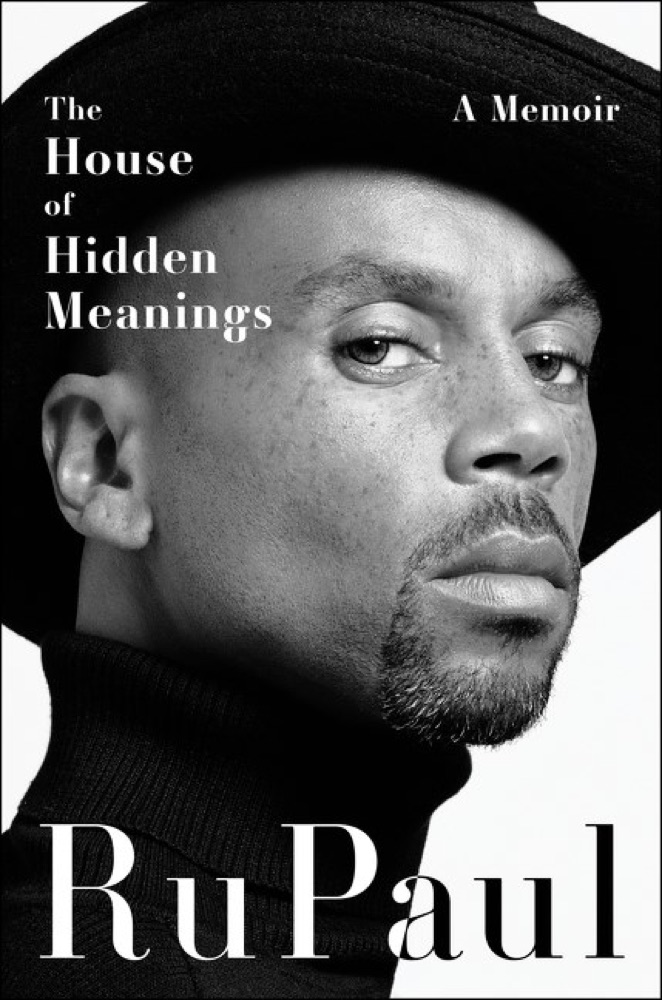 The House of Hidden Meanings
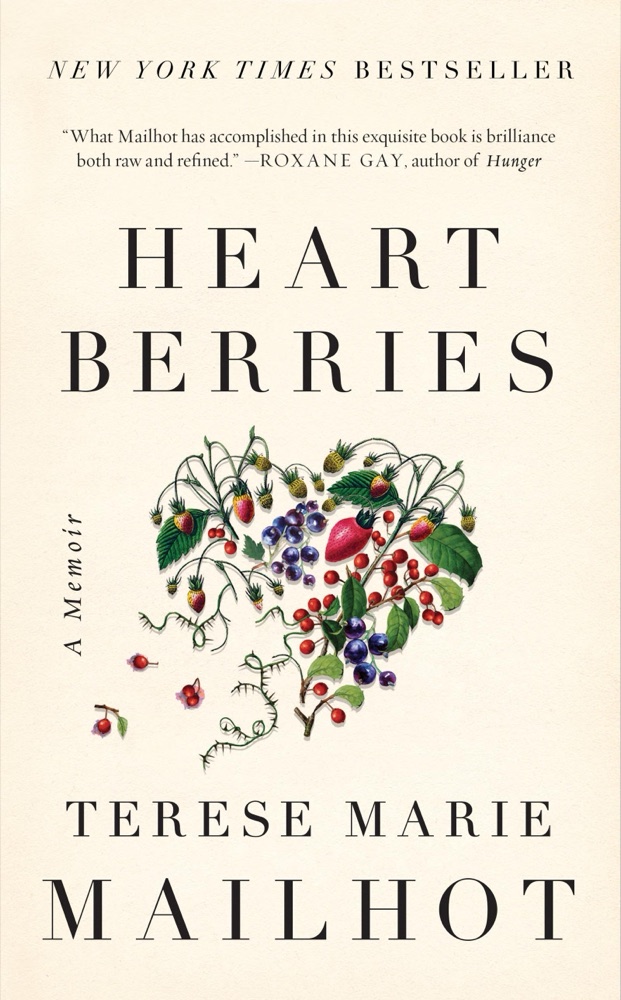 Heart Berries
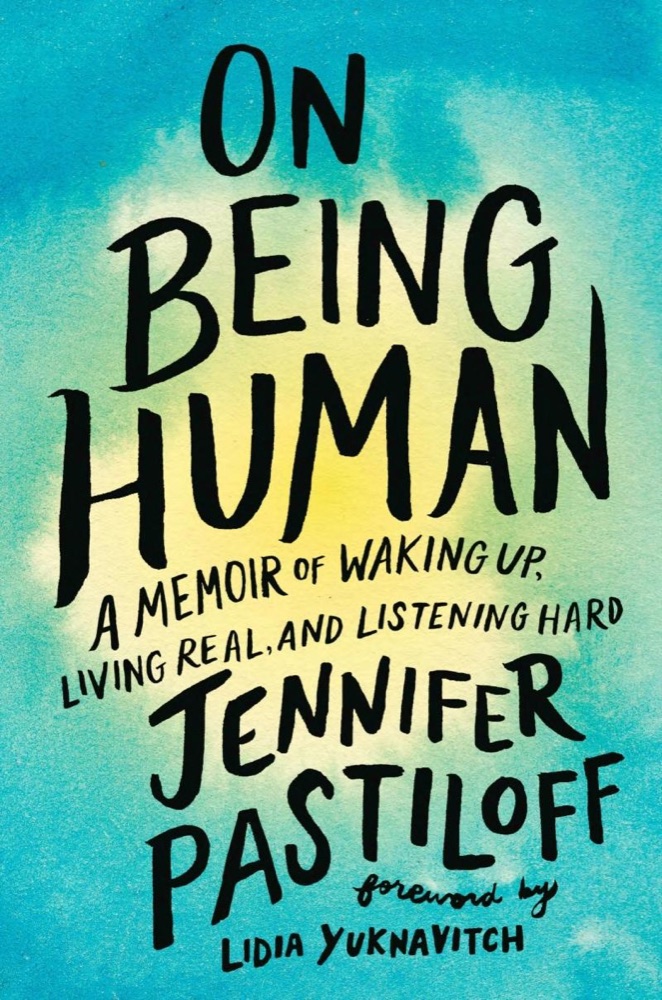 On Being Human: A Memoir of Waking Up, Living Real, and Listening Hard
 Change of Heart
 Anthropology of an American Girl
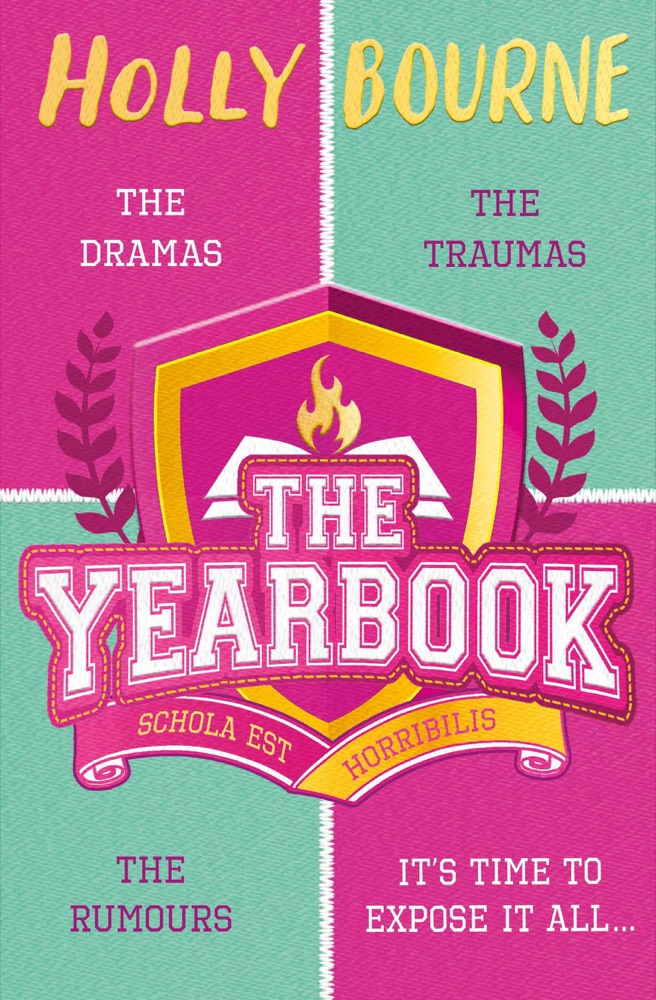 The Yearbook
 Take Me With You
 The Lake
 Dear Senthuran: A Black Spirit Memoir
 Every Exquisite Thing
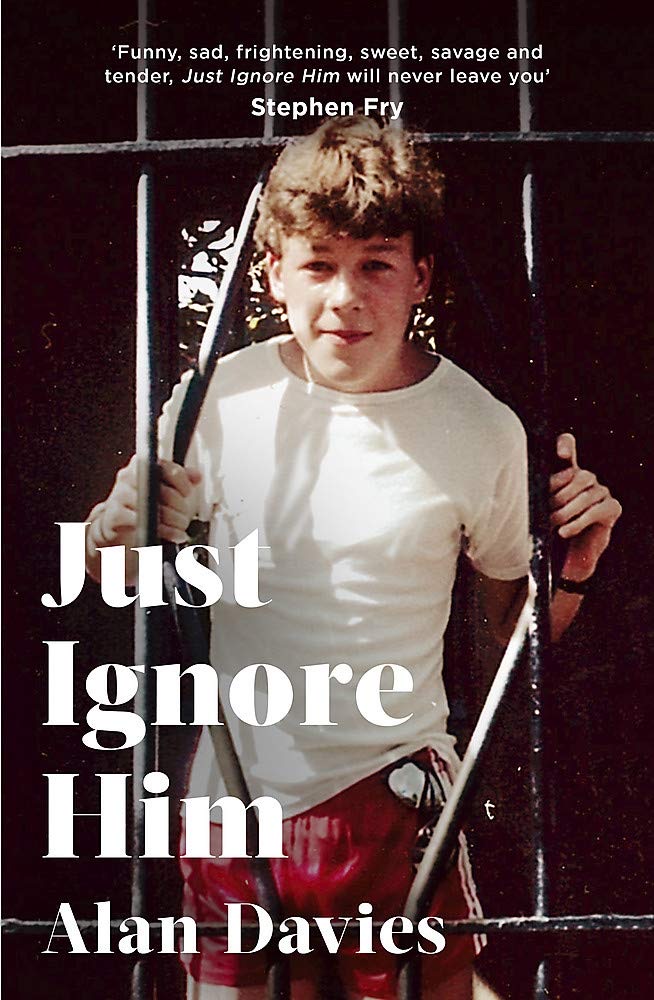 Just Ignore Him
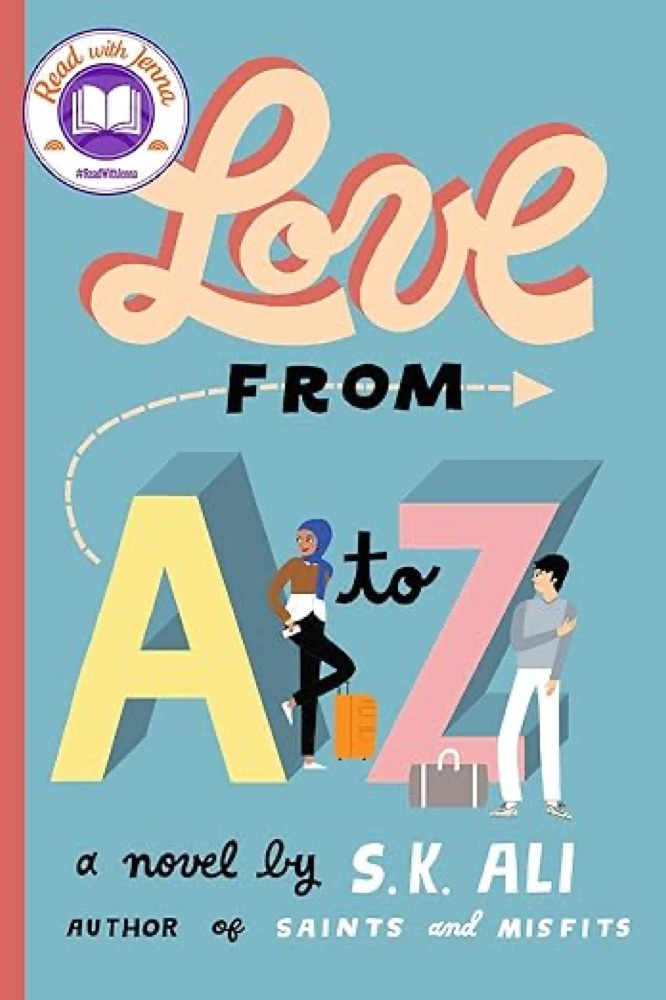 Love from A to Z
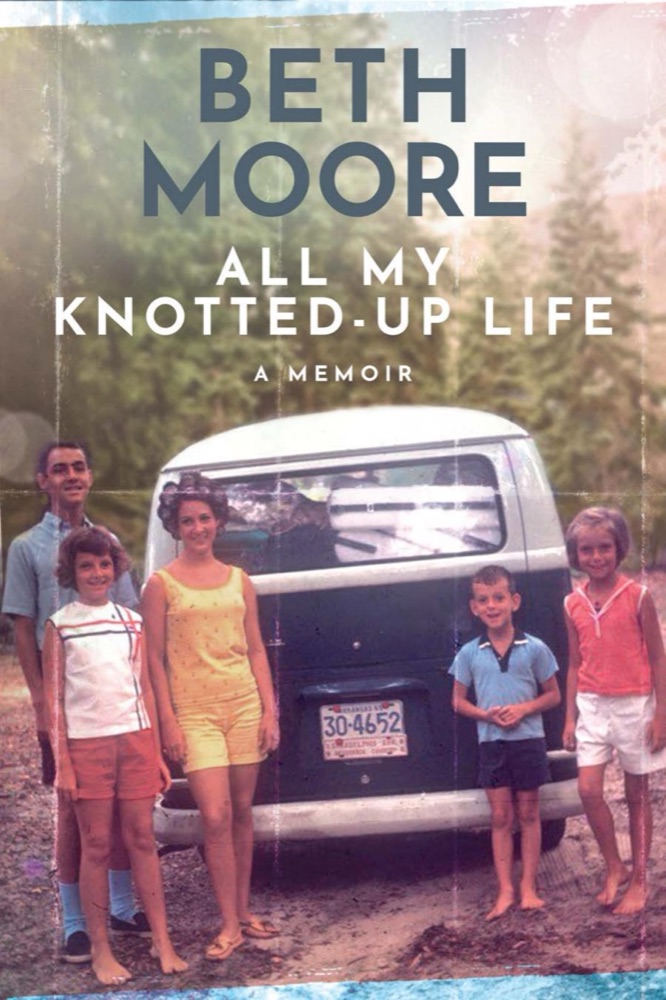 All My Knotted-Up Life: A Memoir
 Open Book
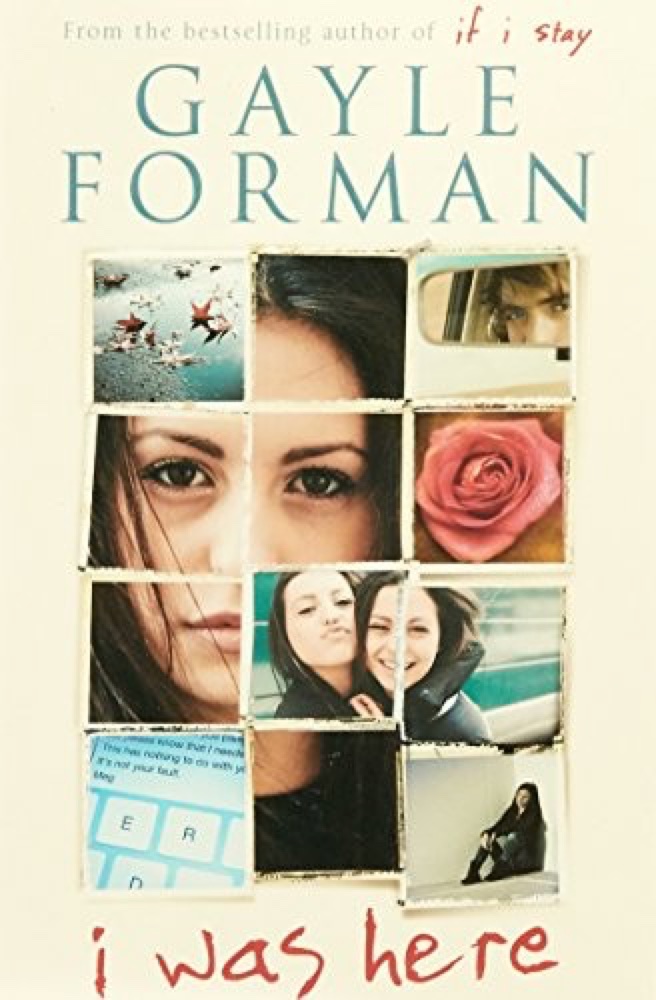 I Was Here
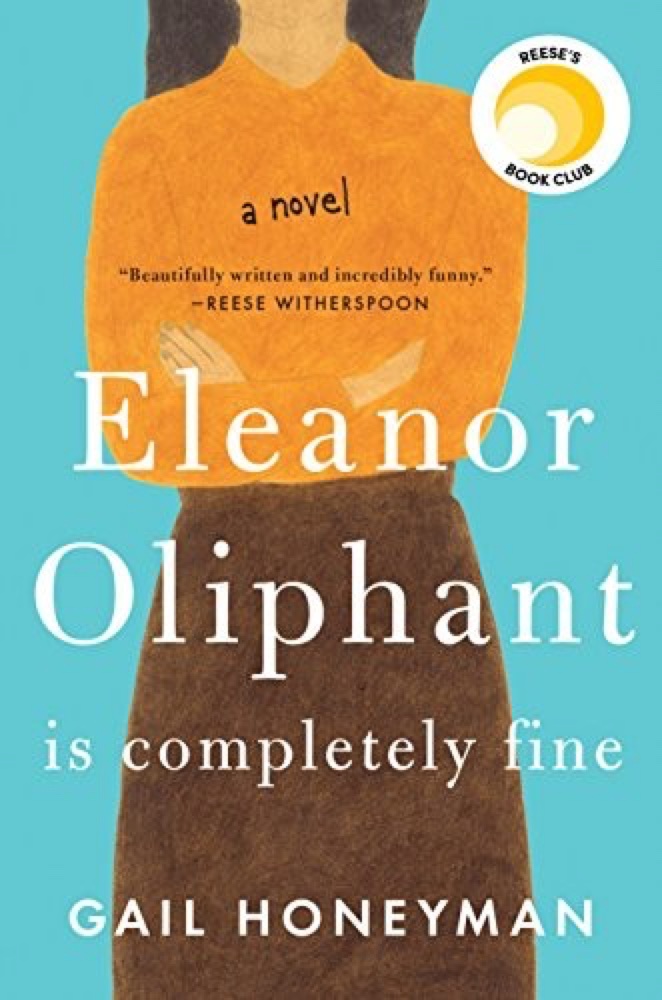 Eleanor Oliphant Is Completely Fine
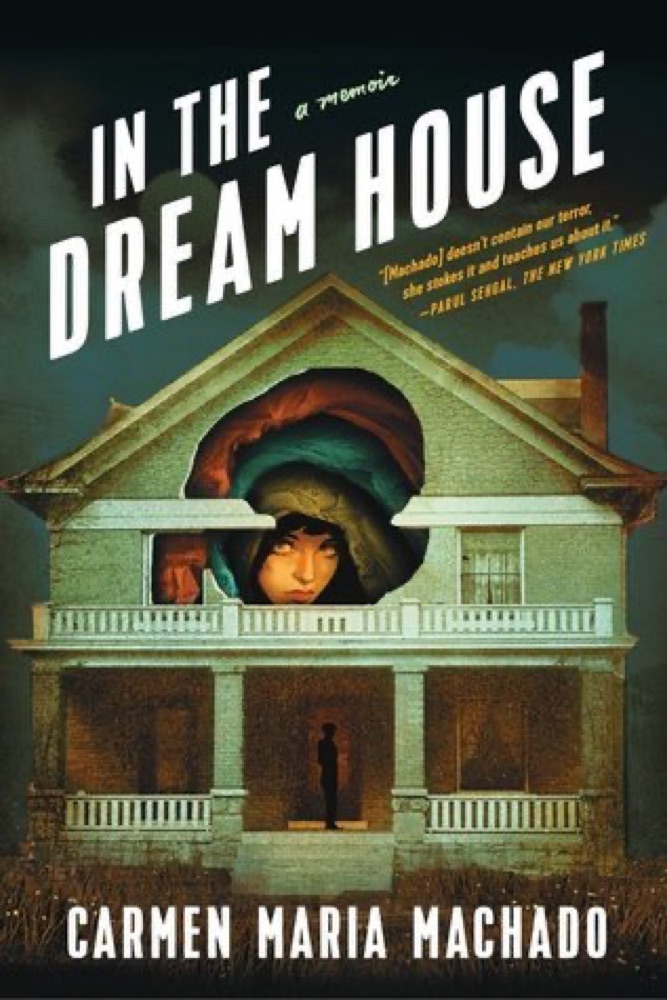 In the Dream House
 What I Loved
 The Beauty of Living Twice
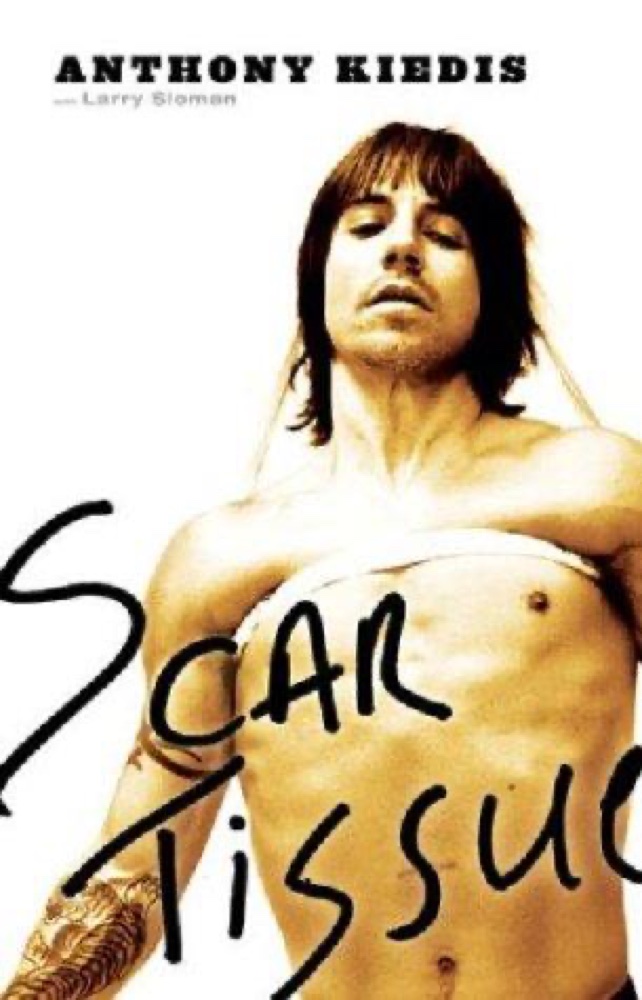 Scar Tissue
 Life After Death
 A Little Devil in America: Notes in Praise of Black Performance
 First Person Singular: Stories
 Almond
 The Art of Starving
 Heart Bones
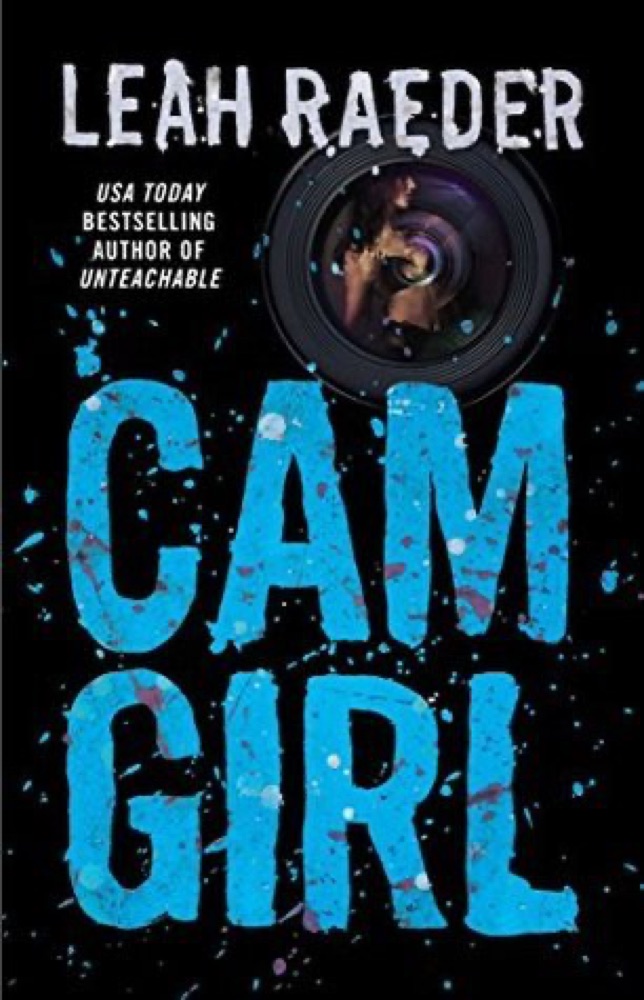 Cam Girl
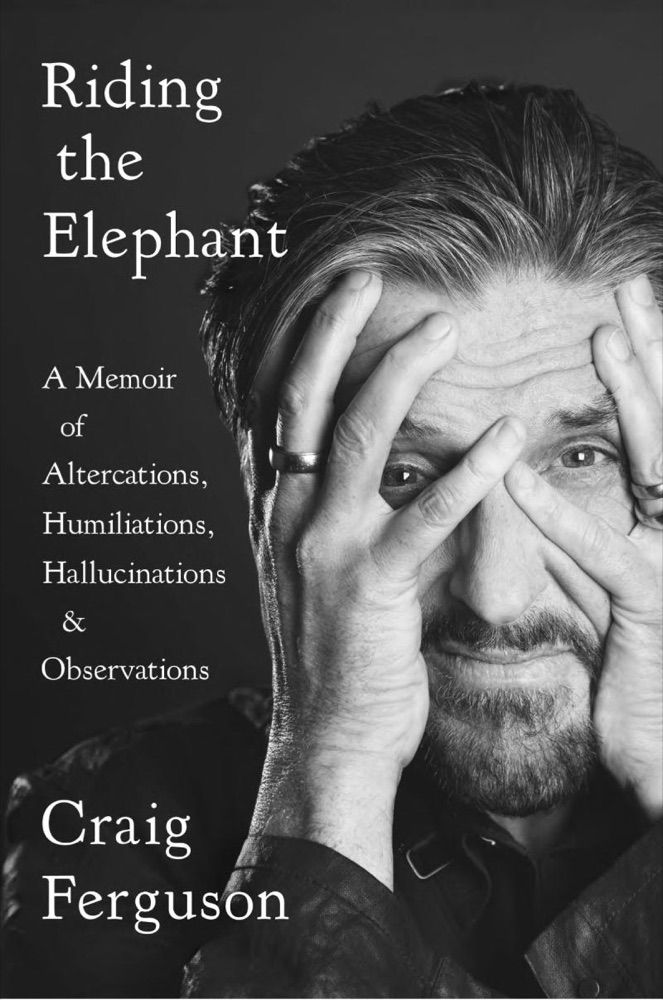 Riding the Elephant: A Memoir of Altercations, Humiliations, Hallucinations, and Observations
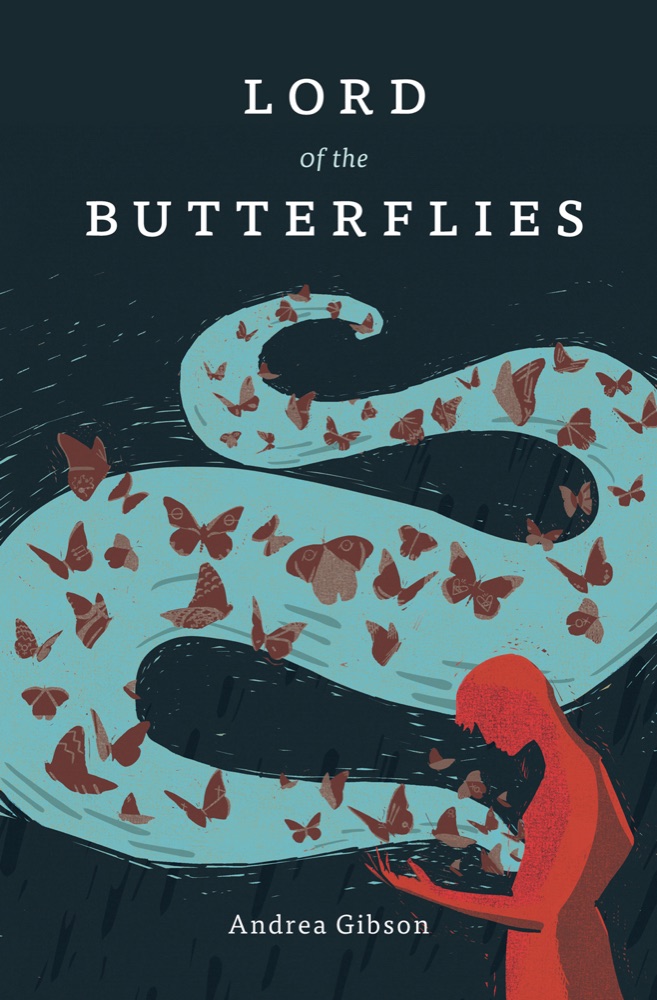 Lord of the Butterflies
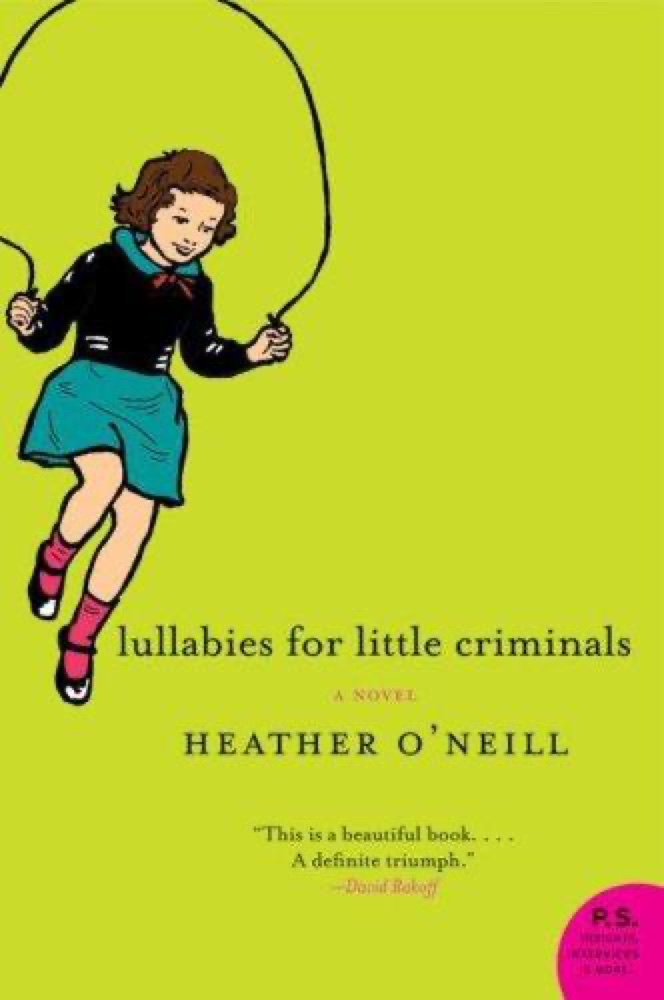 Lullabies for Little Criminals
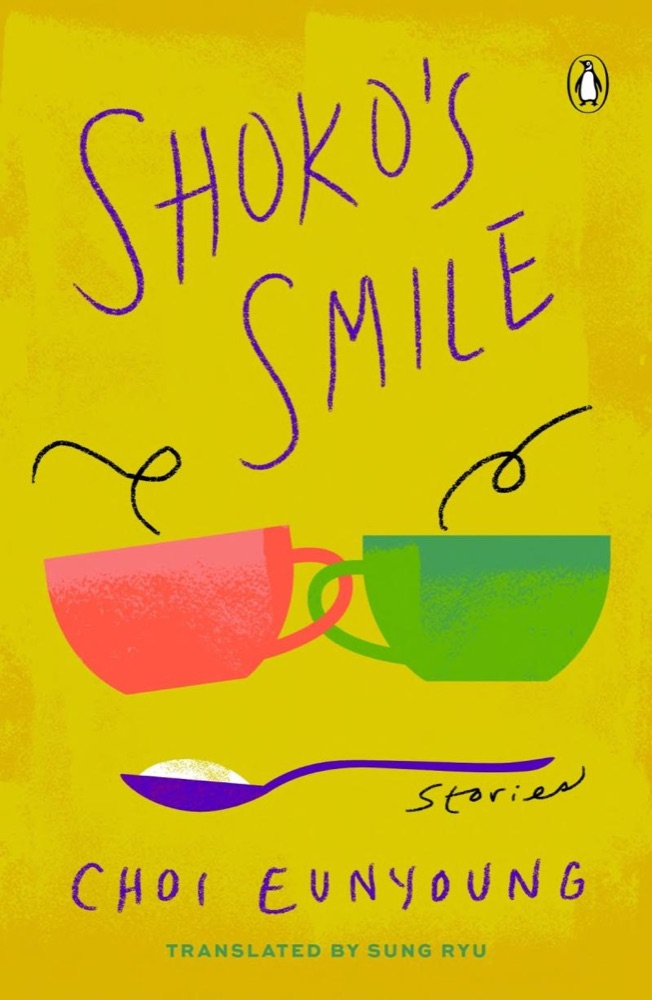 Shoko's Smile: Stories
 Dear Medusa
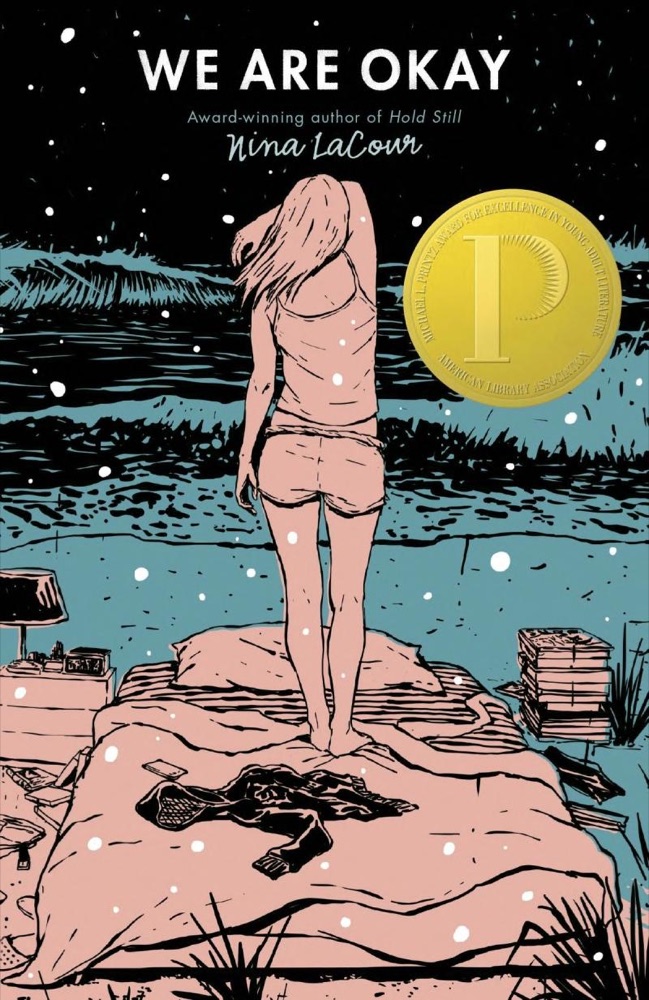 We Are Okay
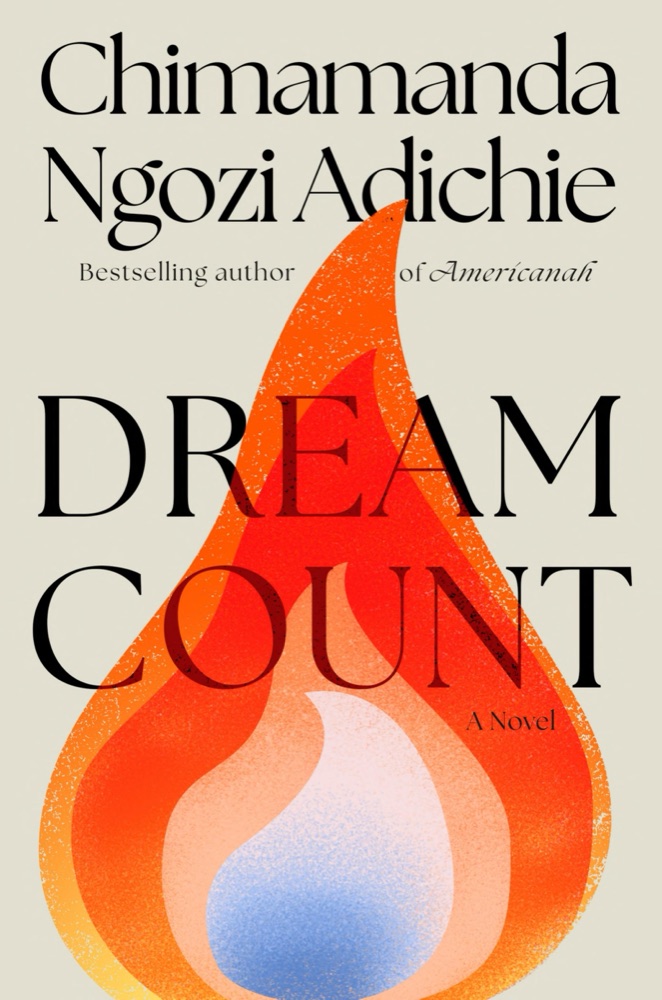 Dream Count
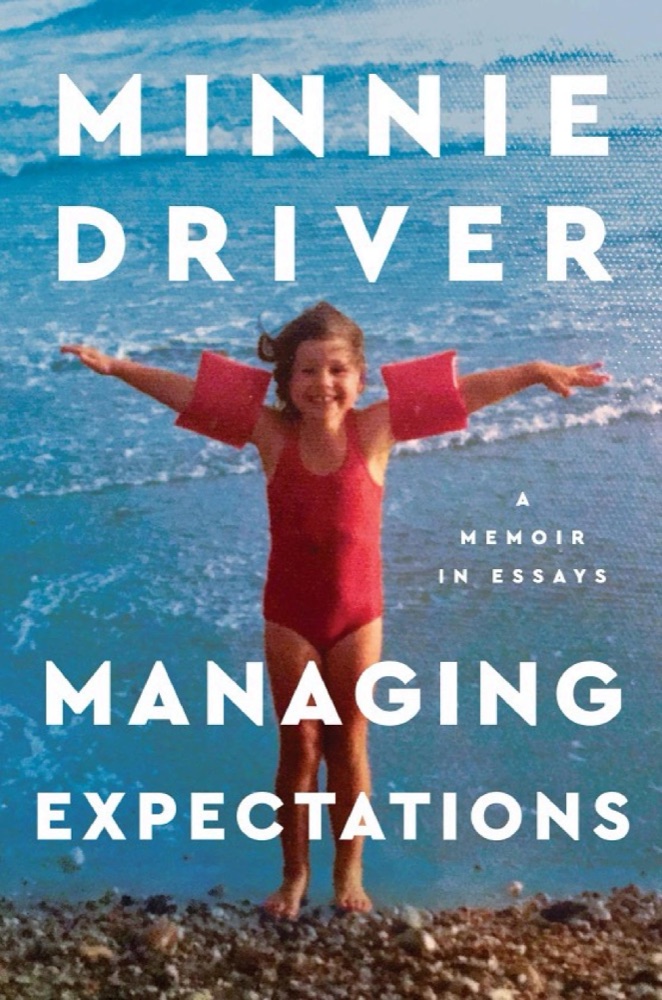 Managing Expectations: A Memoir in Essays – A Poignant Collection of Personal Stories on Acting, Failure, and Motherhood's Joy
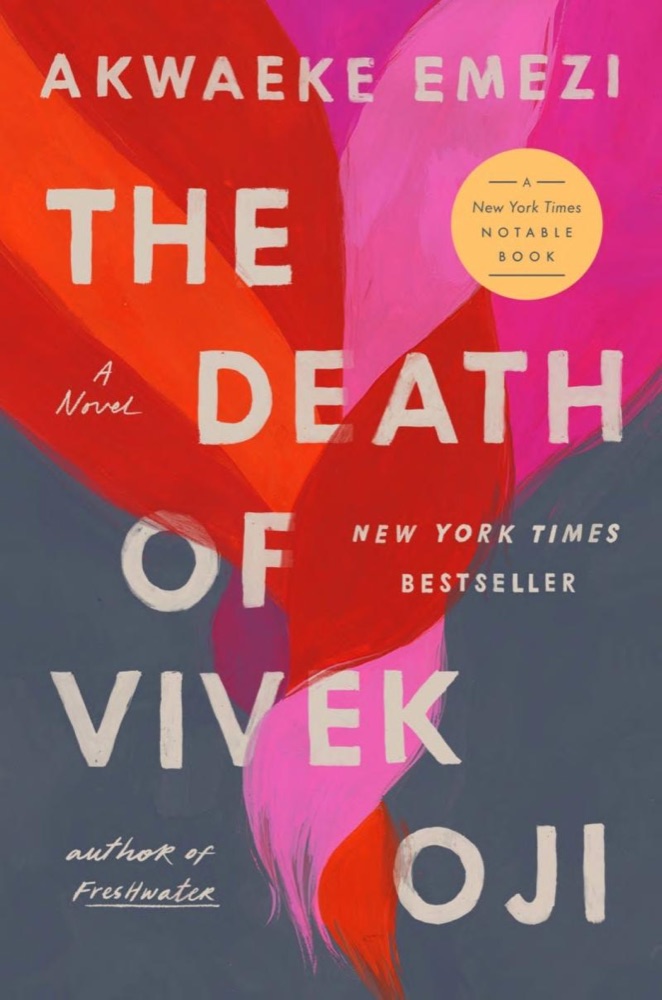 The Death of Vivek Oji
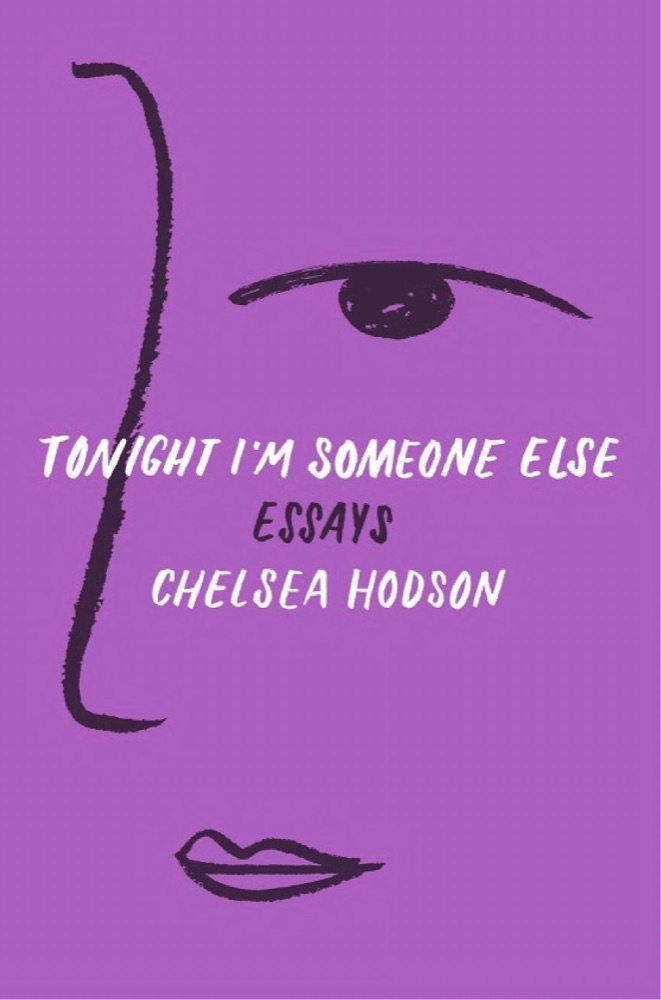 Tonight I'm Someone Else: Essays
 The Lies About Truth
 Not That Kind of Girl: A Young Woman Tells You What She's "Learned"
 Handle with Care
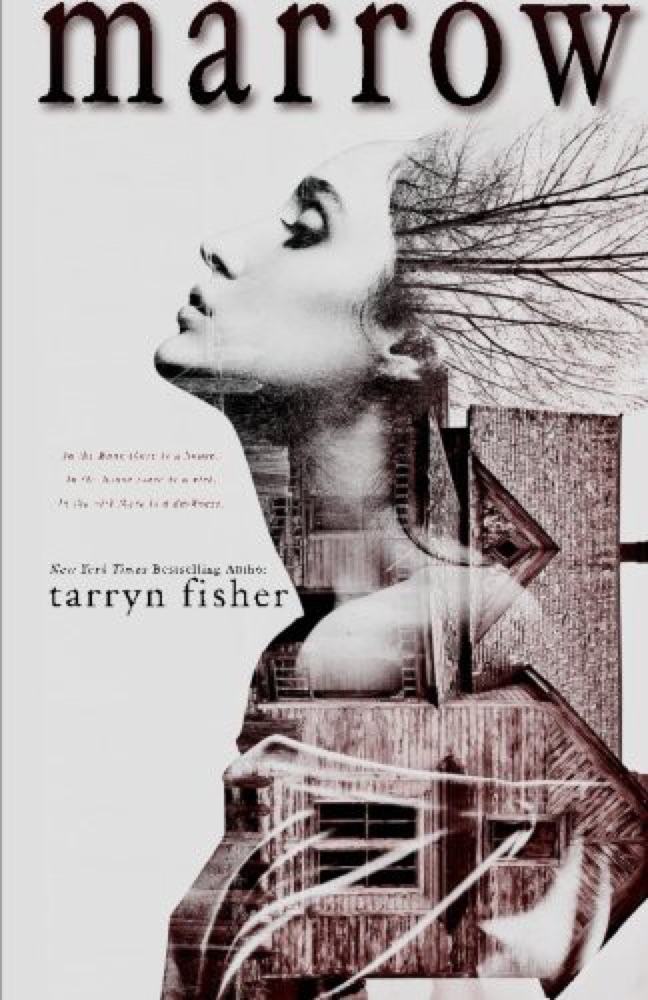 Marrow
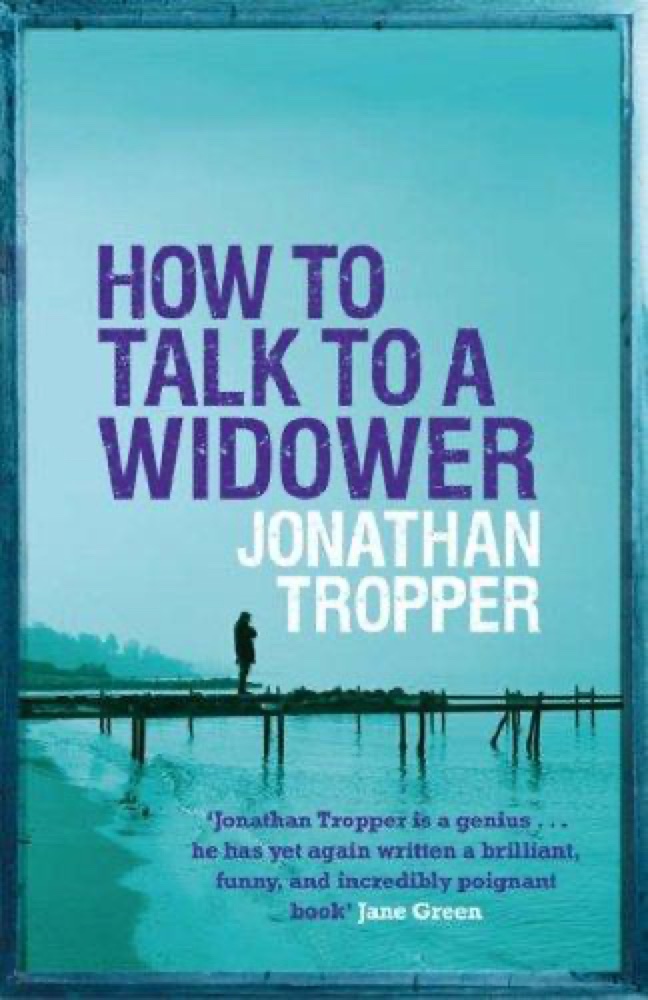 How To Talk To A Widower
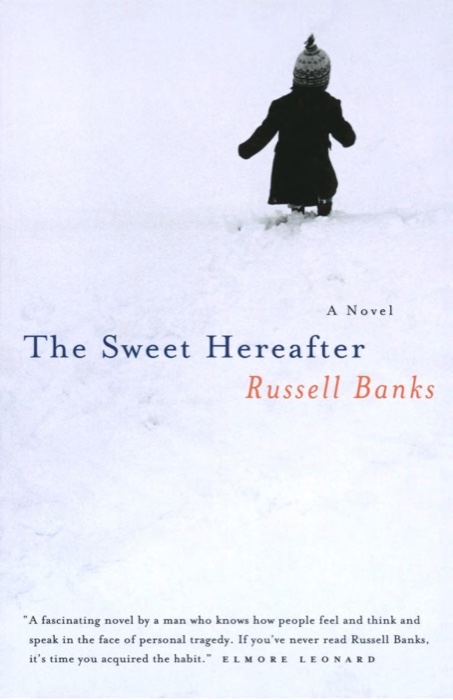 The Sweet Hereafter
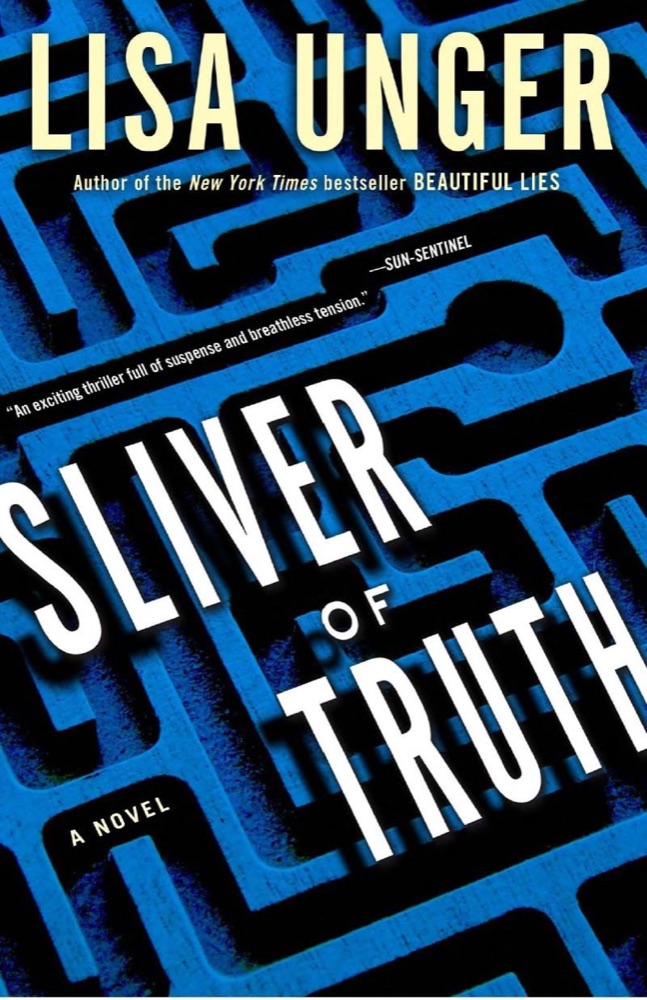 Sliver of Truth
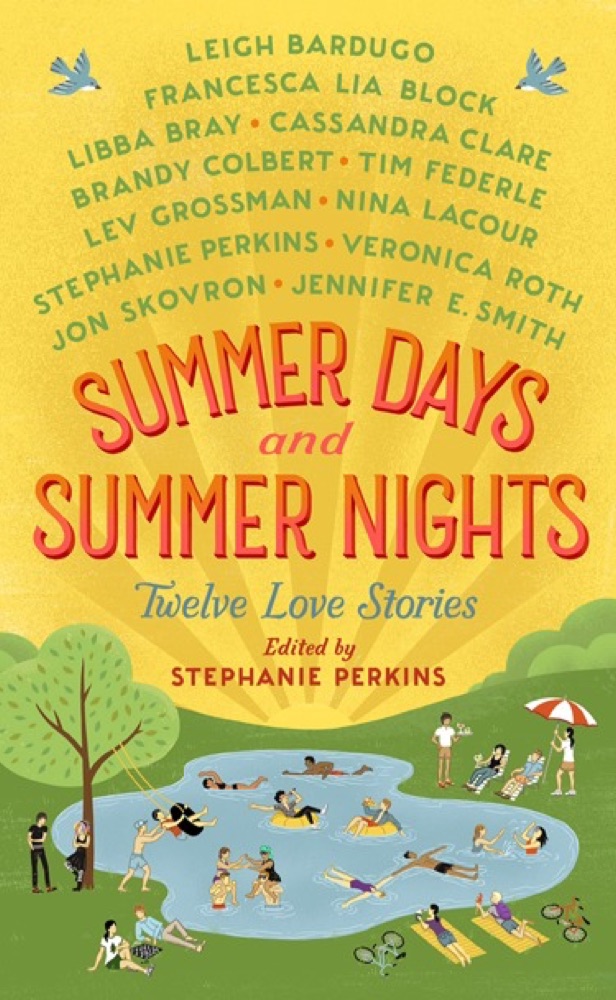 Summer Days and Summer Nights: Twelve Love Stories
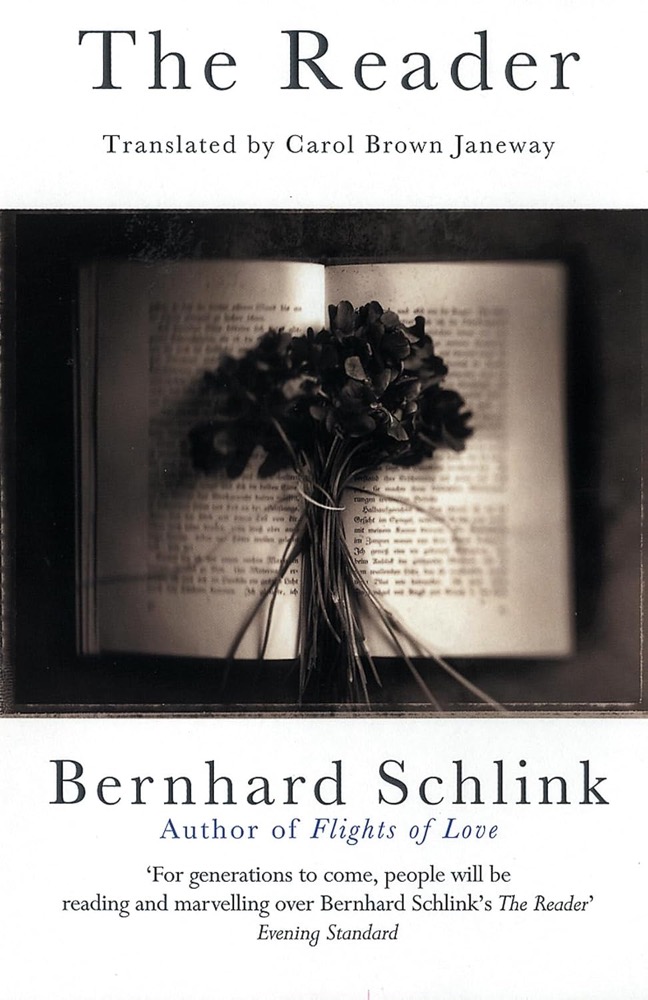 The Reader
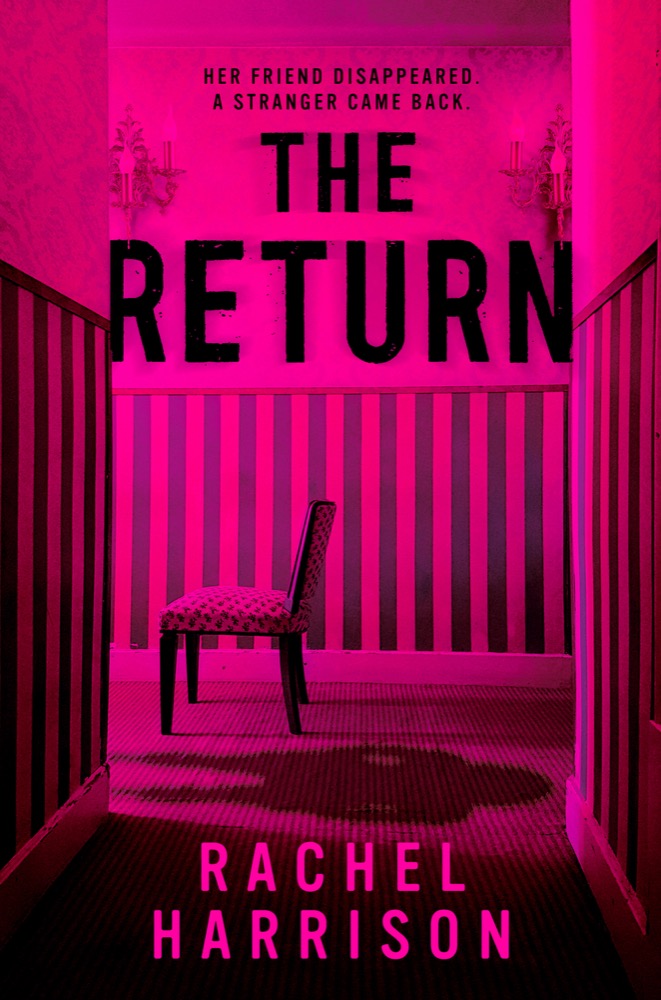 The Return
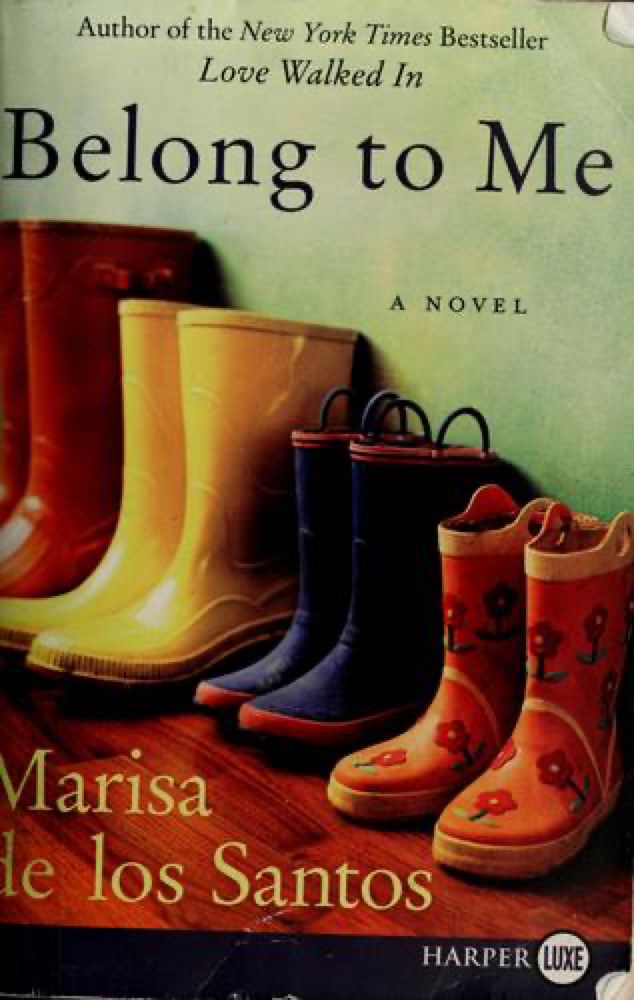 Belong to Me
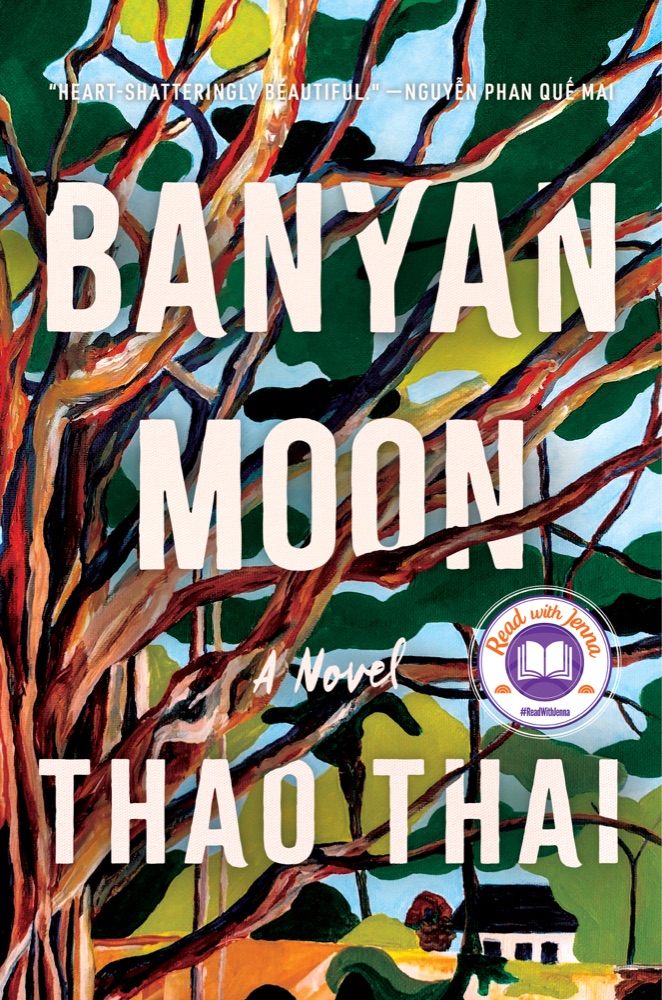 Banyan Moon
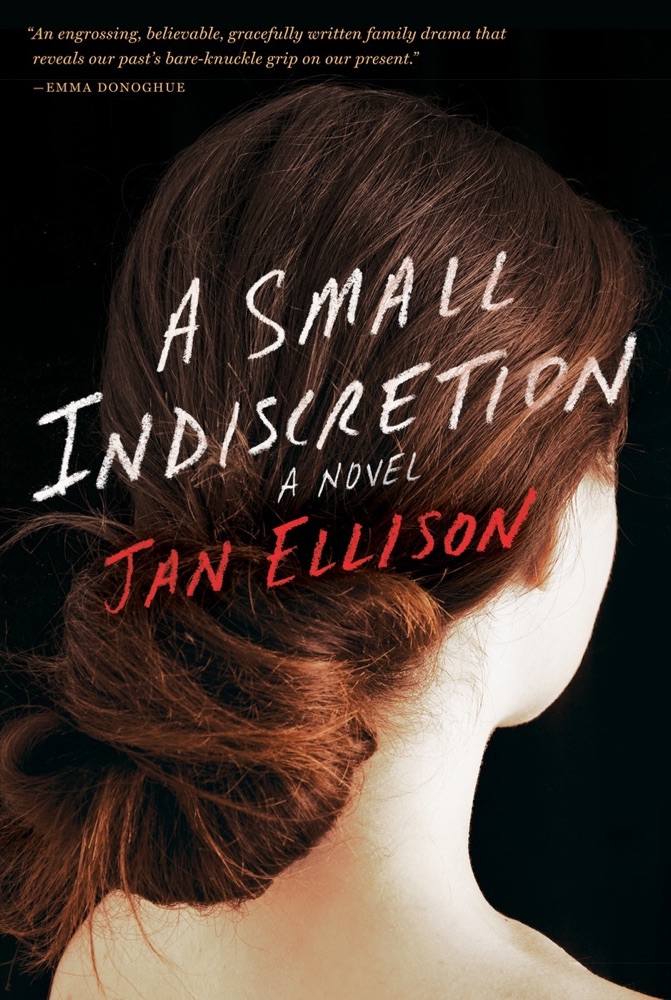 A Small Indiscretion
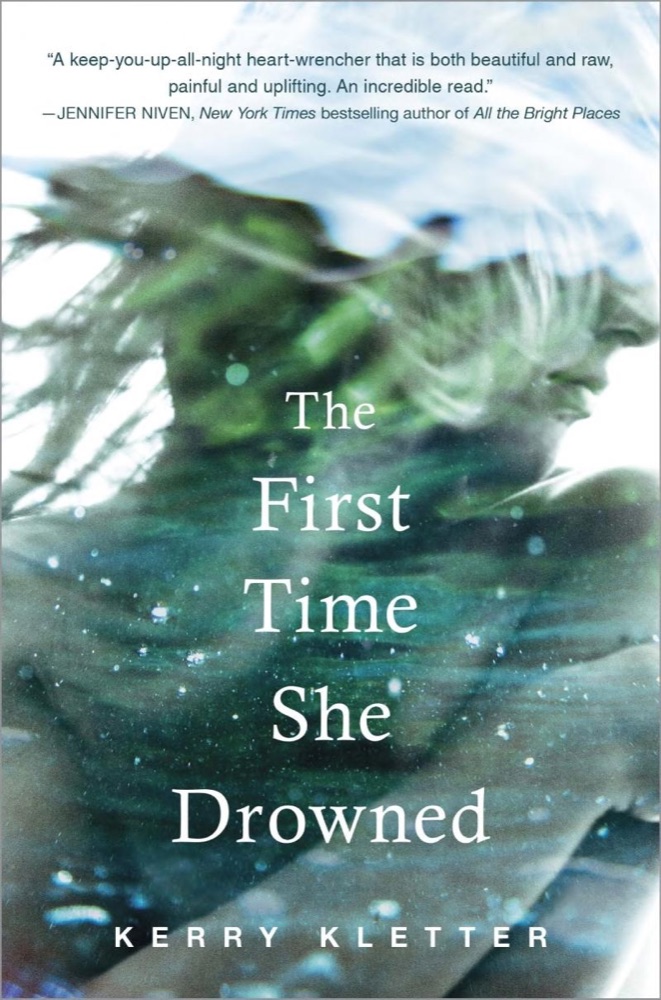 The First Time She Drowned
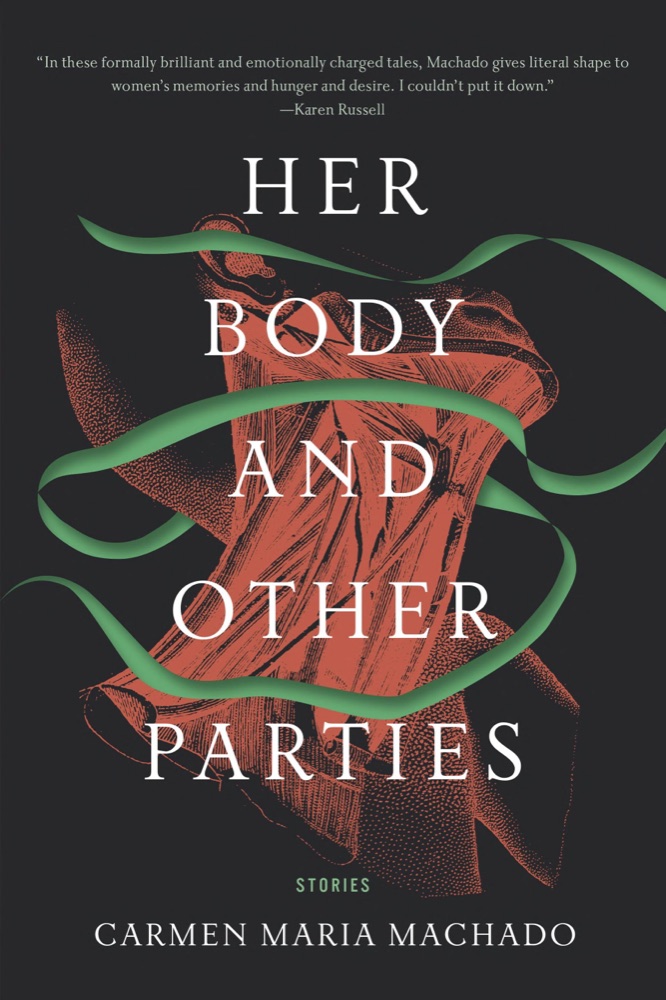 Her Body and Other Parties
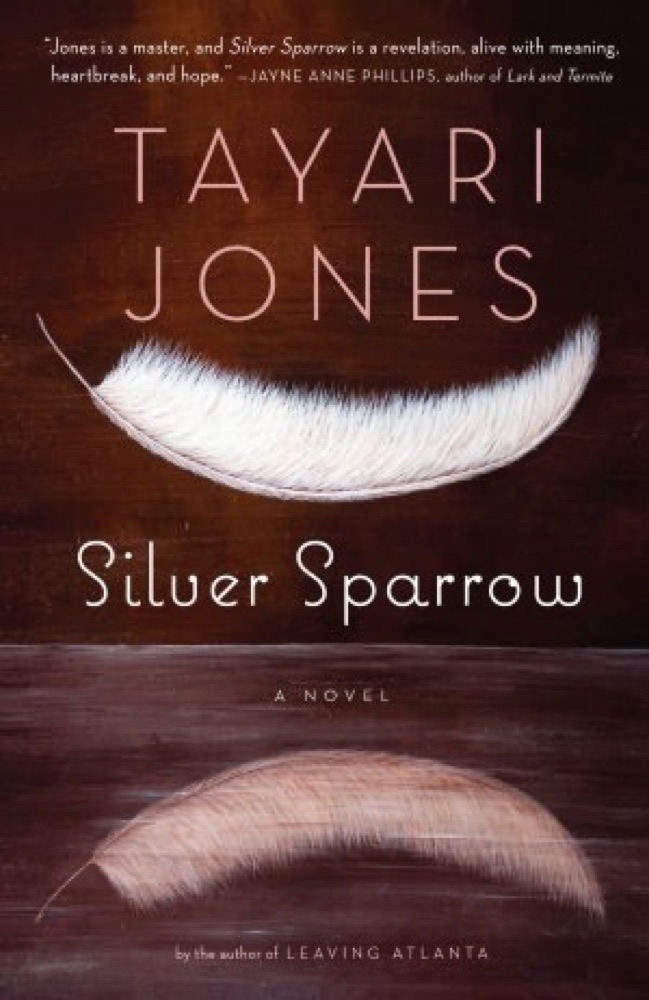 Silver Sparrow