
 No One Belongs Here More Than You
Quotes from the Book
All of the hormones that made me want to seem approachable so I could breed are gone and replaced by hormones that are fiercely protective of my autonomy and freedom
45
It’s hard to be knocked down when you’re on all fours.
42
Without a child I could dance across the sexism of my era, whereas becoming a mother shoved my face right down into it.
35
For me lying created just the right amount of problems and what you saw was just one of my four or five faces- each real, each with different needs. The only dangerous lie was one that asked me to compress myself down into a single convenient entity that one person could understand. I was a kaleidoscope, each glittering piece of glass changing as I turned.
32
Remember the Simone de Beauvoir quote,” she said, “ ‘You can’t have everything you want but you can want everything you want.’
31
But maybe the road split between: a life spent longing vs. a life that was continually surprising
29
The women I dated were often my age, that was fine. But the men always had to be older than me because if they were my same age then it became too obvious how much more powerful I was and this was a turnoff for both of us. Men needed a head start for it to be even.
24
If birth was being thrown energetically up into the air, we aged as we rose. At the height of our ascent we were middle-aged and then we fell for the rest of our lives, the whole second half. Falling might take just as long, but it was nothing like rising. The whole time you were rising you could not imagine what came next in your particular, unique journey; you could not see around the corner. Whereas falling ended the same way for everyone.
24
My friends are always obliging me with ephemera like this- screenshots of sexts, emails to their mothers- because I'm forever wanting to know what it feels like to be other people. What are we all doing? What the hell was going on here on Earth? Of course none of these artifacts really amounted to anything; it was like trying to grab smoke by its handle. What handle?
24
With a partner you had the story of how you met, choosing each other out of everyone in the world, and the years together were chaptered with joint decisions - no one could ever say it was all a dream; both parties were accountable. Not so with a child. For the child it WAS a dream. And the unpunctuated days into years moved much more quickly (for the parent), so all one could do was free-fall through the chaos, madly making sandwiches and washing hair and hope that there would be some ritual, some time for reflection, at the end.
20
You had to withstand a profound sense of wrongness if you ever wanted to get somewhere new.
19
Life didn’t just get better and better. You could actually miss out on something and that was that. That was your chance and now it was over.
17
I heard about your survey from Joslyn! As someone treated a certain way their entire adult life because they were voluptuous and pretty, it’s become a joy to be unseen. But it was a bit of a journey, letting go, and boy how I wish I could tell other women struggling with the fade of their bloom how great life is once you let go of the flower.
16
So much of what I had thought of as femininity was really just youth.
14
Imagine getting up right now, slipping out the front door, and finding that all the women in the neighborhood were also leaving their houses. We were all running to the same field, a place we hadn't discussed but implicitly knew we would meet in when the tipping point tipped. We ran like horses, but we weren't horses, so after the initial hugs, there wasn't anything to do there in the grass. Everyone started checking their phones to see if their partners were calling. And they were not yet. We hadn't been gone long enough. Soon it was just a million women waiting for their mates to call, to be needed and then to fall into panic and guilt, to be torn, which was our primary state. Start the revolution here, now, in this field, or drive home and slip back into the fold, use the electric toothbrush, feel grim and trapped. Of course, there was no decision to make because we were all already home, not in a field. There was no collective tipping point. Most of us wouldn't do anything very different, ever. Our yearning and quiet rage would be suppressed and seep into our children, and they would hate this about us enough to do it a new way. That was how most change happened, not within one lifetime, but between generations. If you really wanted to change your belief that you're both yourself and your baby, you had to let yourself be completely reborn within one life. Of course, the danger was in risking everything, destroying everything…
12
in a patriarchy your body is technically not your own until you pass the reproductive age.
11
But to be clear, I had not, at any age, desired a specific male body in the way I did now. While all my boyfriends and crushes had been reasonably good-looking, my attraction hovered up near their face, where they kept their talent and power. Lusting for the whole length of a person, head to toe, was what body-rooted fuckers did, Jordi, and men. Now, for the first time, I understood what all the fuss was about. How something beautiful could strike your heart, move you, bring you down on your knees and then, somewhat perversely, you wanted to fuck that pure, beautiful thing. Sex was a way to have it, to not just look at it but to be with it. I suddenly understood all of classical art. The endless carved nudes, Venus in her shell, David. And sexy clothes. I had worn them without really understanding why, thinking of sexy as one of many styles, not realizing it was the only style. You should always be emerging from a shell if possible. Without knowing it, without really understanding it, I had been a body for other people but I had not gotten to have one myself. I had not participated in the infuriating pleasure of wanting a real and specific body on Earth. I lay in the center of the bed, unblinking. Wanting a body had a seriousness to it. When you said you might never recover, you really meant it. This kind of desire made a wound you just had to carry with you for the rest of your life. But this was still better than never knowing. Or I hoped it was. Because in truth it was like a bad dream, a nightmare. Life didn’t just get better and better. You could actually miss out on something and that was that. That was your chance and now it was over. I wondered if I would continue with my work and then I realized that my work was all I had now. I had gotten it completely wrong—I thought I was laboring toward a prize, but the prize was right there, I already had it, and work was something I could do afterward, after I was no longer young enough to be beautiful and could no longer be wanted by someone beautiful. — How’s
11
But this was no good, this line of thought. This was the thinking that had kept every woman from her greatness. There did not have to be an answer to the question why; everything important started out mysterious and this mystery was like a great sea you had to be brave enough to cross. How many times had I turned back at the first ripple of self-doubt? You had to withstand a profound sense of wrongness if you ever wanted to get somewhere new. So far each thing I had done in Monrovia was guided by a version of me that had never been in charge before. A nitwit? A madwoman? Probably. But my more seasoned parts just had to be patient, hold their tongues - their many and sharp tongues - and give this new girl a chance.
10
Nobody knows what's going on. We are thrown across our lives by winds that started blowing millions of years ago.
10
there’s no satisfaction in violence; it actually works in reverse, making you the bad one.
10
I feel such tenderness toward them. Try to remember this feeling, I say to myself. They are the same people up close as they are from here.
10
Harris couldn’t see the haunting and this was the worst part: to be living with someone who fundamentally didn’t believe me and was really, really sick of having to pretend to empathize—or else be the bad guy! In his own home! How infuriating for him. And how infuriating to be the wife and not other women who could enjoy how terrific he was. How painful for both of us, especially given that we were modern, creative types used to living in our dreams of the future.
9
Back when Harris and I slept together I would often whisper, Let’s dream the same dream, right after we turned out the lights. He took it as a sweet sign-off, but I yearned for this joint dream so hard my teeth hurt. He didn’t understand that you could create a world—a fantasy, a nightmare—and bring other people into it, not just artistically but in life. I was pretty good at getting people to meet me in my mind, but ultimately no one wanted to stay there.
8
He doesn't see how each moment can be made terrible if you only try. There can be a problem every second so that life is a sort of low-grade torture.
7
What you see is what you get," these women said about themselves. For me lying created just the right amount of problems and what you saw was just one of my four or five faces -- each real, each with different needs. The only dangerous lie was one that asked me to compress myself down into a single convenient entity that one person could understand. I was a kaleidoscope, each glittering piece of glass changing as I turned.
7
The rest of the time we respectfully forgave each other for utterly failing to be what we felt we deserved
7
If there was anything meaningful about aging, it was tunneling backward in time together, holding memories as a couple so they made a kind of safe basket in a rough and arbitrary world—not just for Sam but for us.
7
no reason was turning out to be a major theme in life. generally speaking, when real pain was involved, there was no reason. no one to hold accountable, no apology. pain just was. it radiated with no narrative and no end.
6
I guess any calling, no mater what it is, is a kind of unresolved ache," I said, giving in to knowing more than him. "It's a problem that you can't fix, but there is some relief in knowing you will commit your whole life to trying. Every second you have is somehow for it.
6
Did you know?
- It is Miranda July's second novel, after The First Bad Man (2015).
- The narrator funds her trip with money earned from a whiskey commercial.
- It was shortlisted for the 2024 National Book Award for Fiction.
- It was shortlisted for the 2025 Women's Prize for Fiction.
- Starz announced plans to adapt the novel into a television series.
About Miranda July
Miranda July is an American filmmaker, artist, and writer known for the films Me and You and Everyone We Know and Kajillionaire and the story collection No One Belongs Here More Than You. All Fours is her second novel, following The First Bad Man.
More about the author →More by Miranda July
No One Belongs Here More Than You
 The First Bad Man
About the book
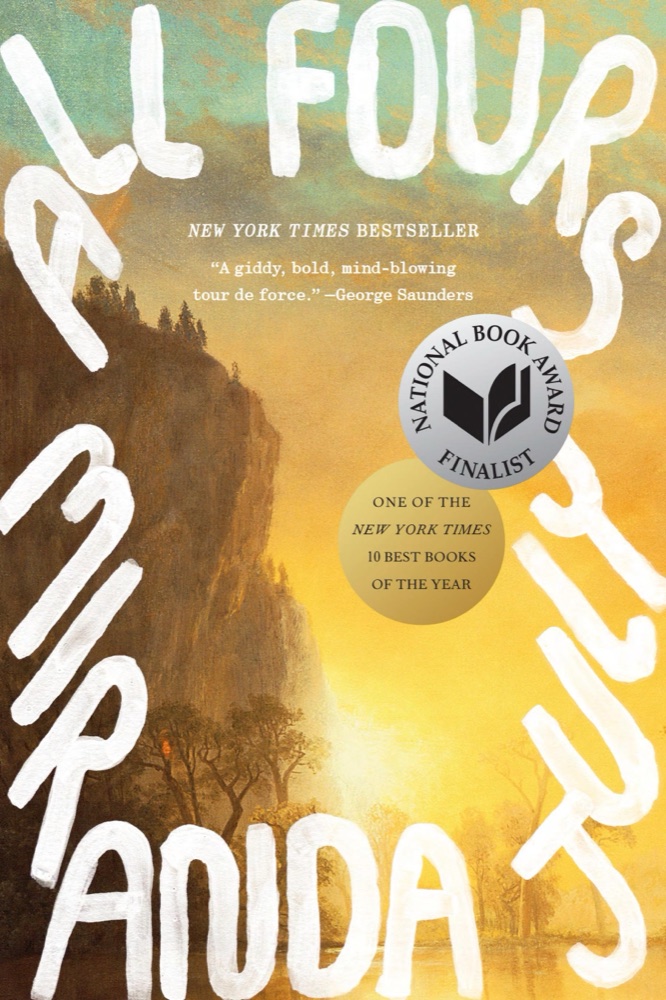
All Fours is the second novel by the artist and filmmaker Miranda July, published in 2024. It follows an unnamed semi-famous Los Angeles artist, around forty-five and married with a child, who sets out to drive across the country to New York. Barely half an hour from home she abandons the plan, checks into a motel in a nearby suburb, and spends the next weeks reinventing her life rather than completing the trip, embarking on an interior journey of desire and self-reckoning instead of the literal one she announced.
July uses that derailed road trip to examine perimenopause, marriage, motherhood, sexuality, and the search for a new kind of freedom in midlife. The book is candid and often comic about the body and domestic life, blending absurdist set pieces with a tender, unsparing look at romantic and sexual longing as conventional expectations of a woman's middle years are confronted and refused.
All Fours became one of the most discussed literary novels of its year. It was shortlisted for the 2024 National Book Award for Fiction and the 2025 Women's Prize for Fiction, and was named a best book of 2024 by outlets including The New York Times, Time, and The Washington Post. Critics and readers treated it as a cultural touchstone for conversations about midlife, menopause, and female desire.
Key characters
- The narratorAn unnamed semi-famous Los Angeles artist in her mid-forties whose road trip becomes a journey of self-discovery
- HarrisThe narrator's husband
- SamThe narrator and Harris's child
Book details
- First published
- 2024
- Length
- 336 pages
- Reading time
- 7 hours
- Author
- Miranda July
- Genre
- Fiction
- Goodreads rating
- 3.39 (237k ratings)
Critical reception
- Shortlisted for the 2024 National Book Award for Fiction.
- Shortlisted for the 2025 Women's Prize for Fiction.
- Named a best book of 2024 by outlets including The New York Times, Time, and The Washington Post.
Keep reading
 The Rules Do Not Apply
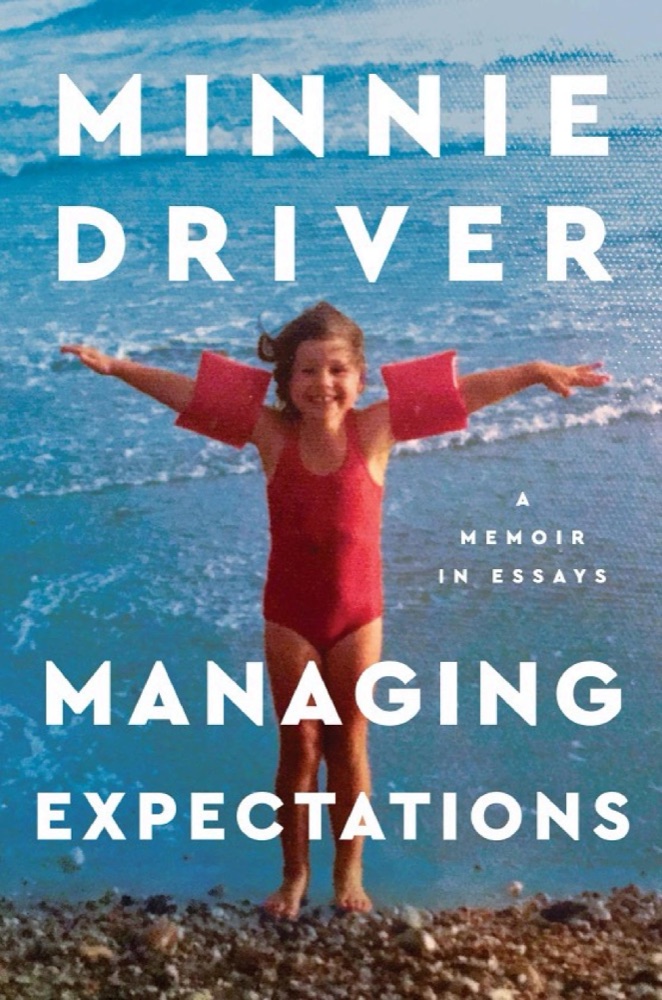 Managing Expectations: A Memoir in Essays – A Poignant Collection of Personal Stories on Acting, Failure, and Motherhood's Joy
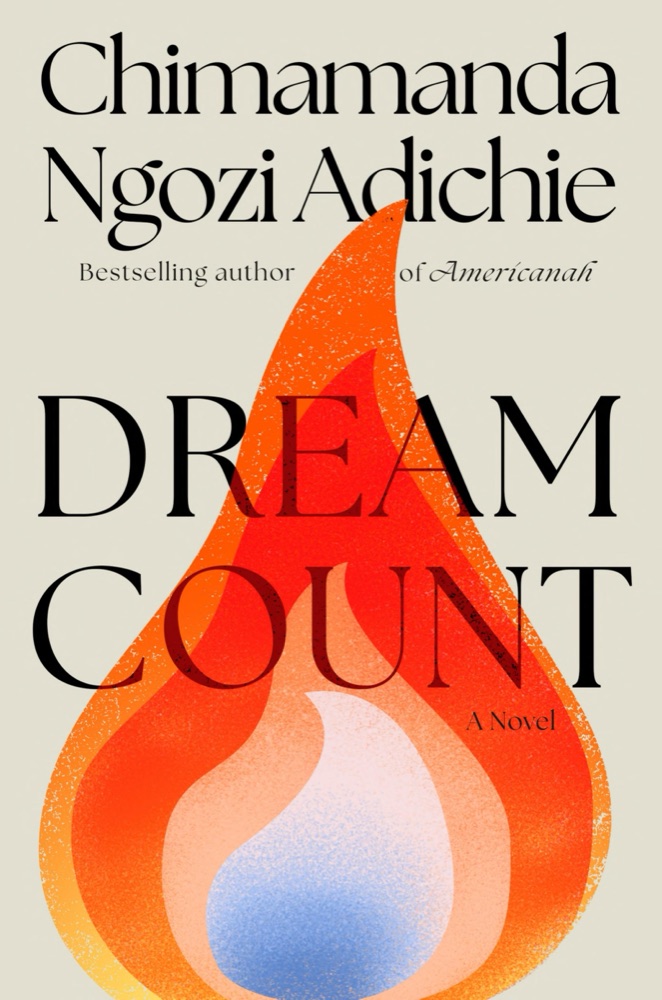 Dream Count
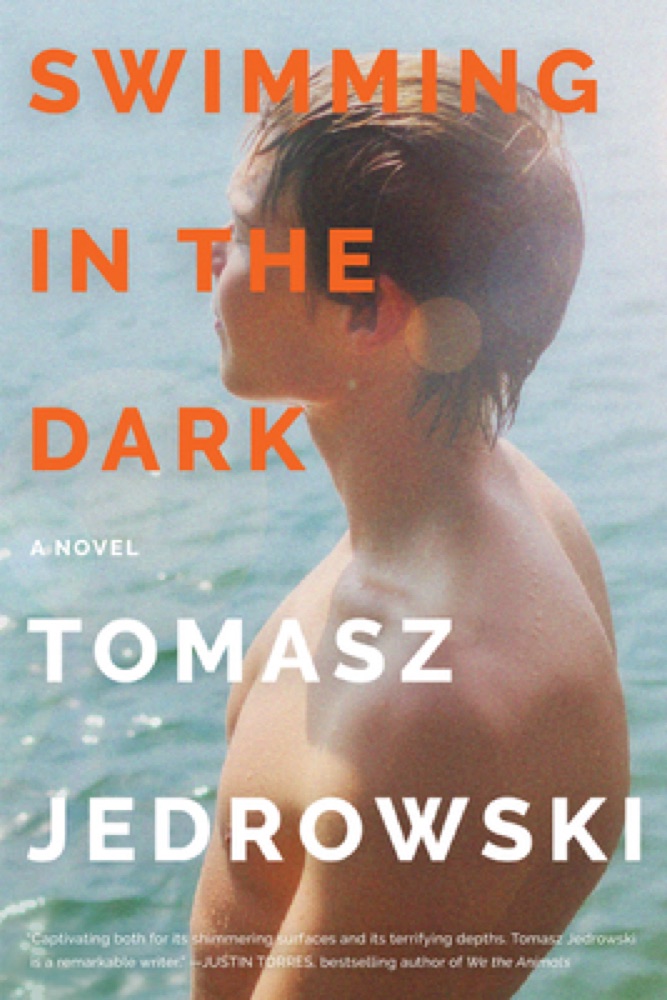 Swimming in the Dark
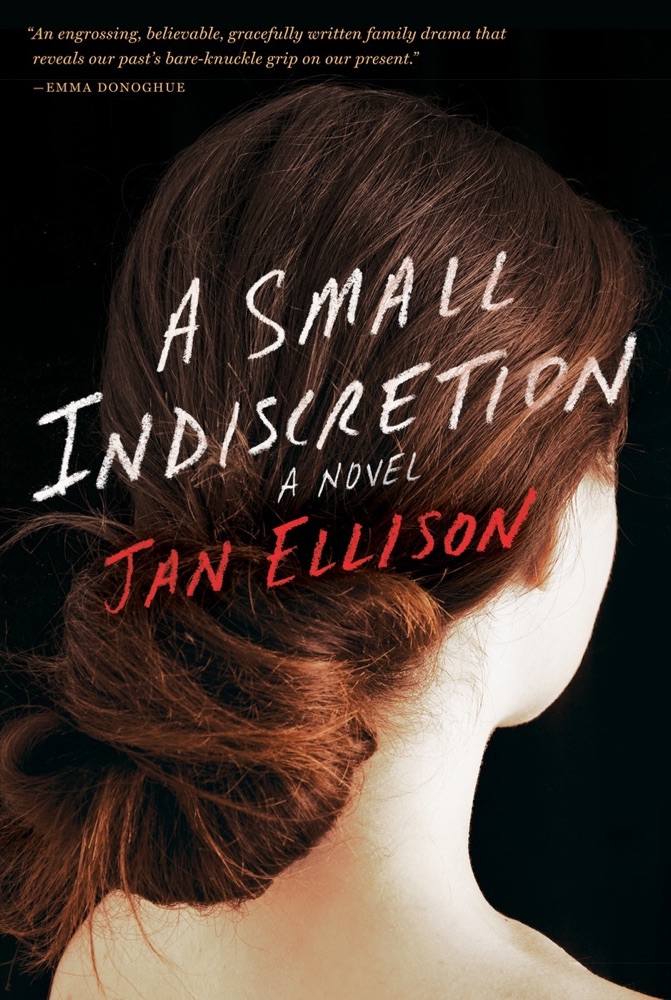 A Small Indiscretion
 The Rachel Incident
 To Throw Away Unopened
 Anthropology of an American Girl
 Nine Perfect Strangers
 The Likeness
 The Story of a New Name
 Dreams of Falling
 Lives of Girls and Women
 The Chronology of Water
 The Impossible Lives of Greta Wells
 Good Morning, Destroyer of Men's Souls: A Memoir of Women, Addiction, and Love
 The Woman Destroyed
 No One Tells You This
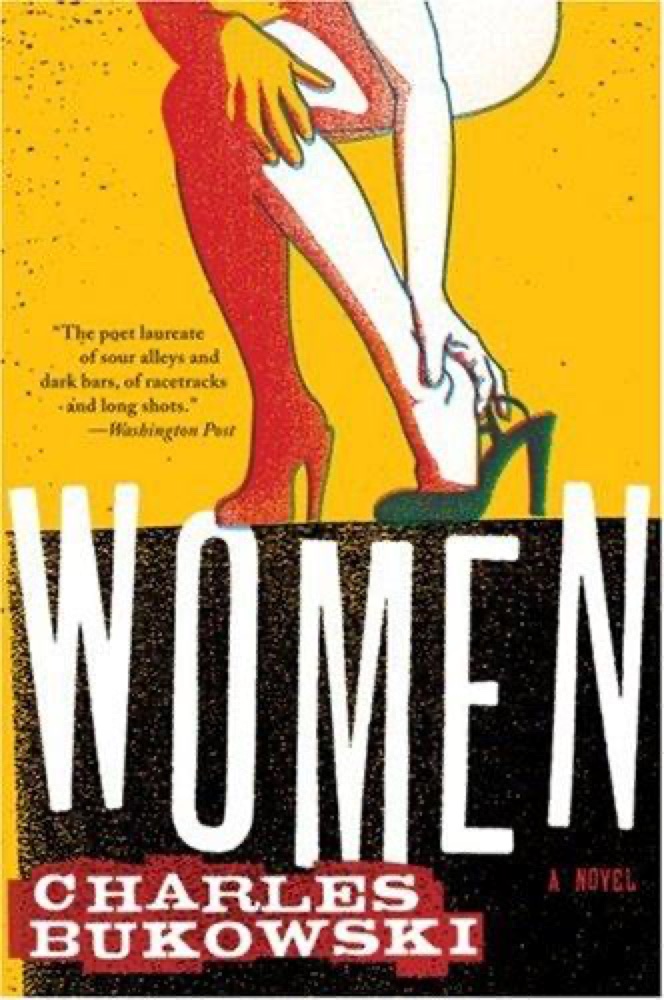 Women
Women
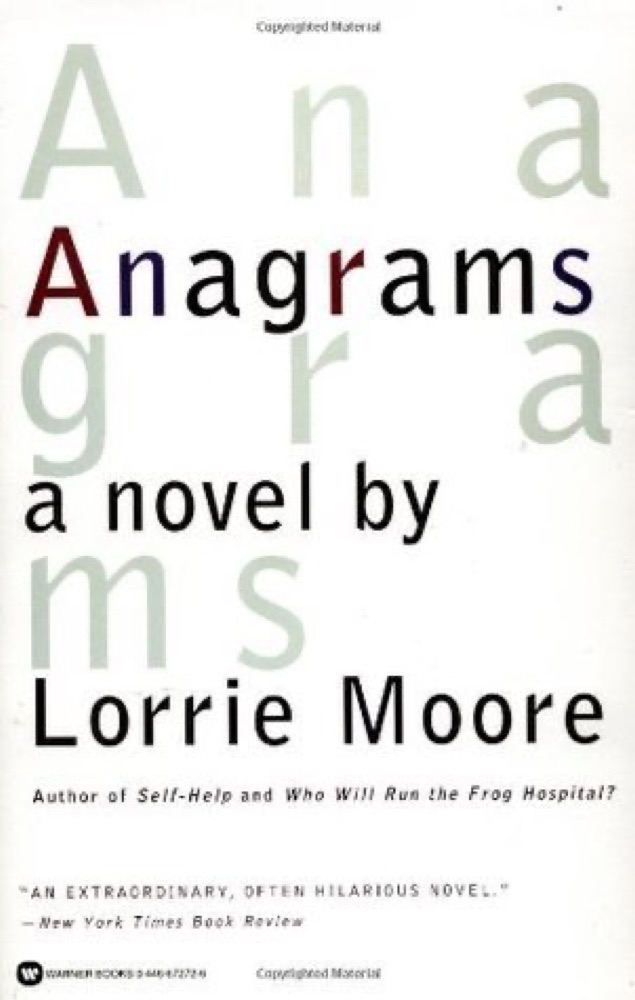 Anagrams
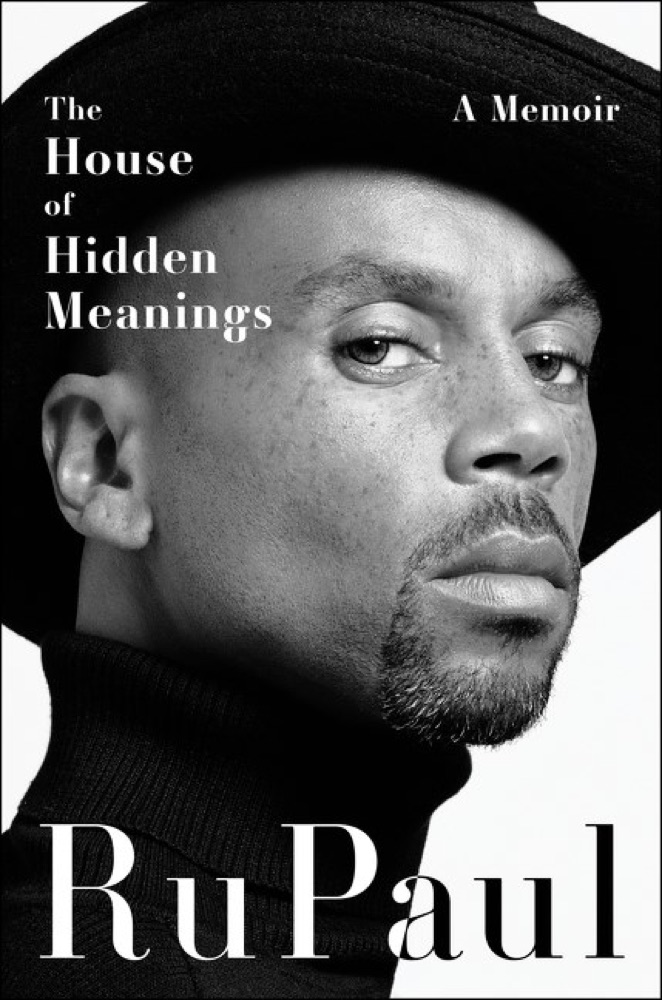 The House of Hidden Meanings
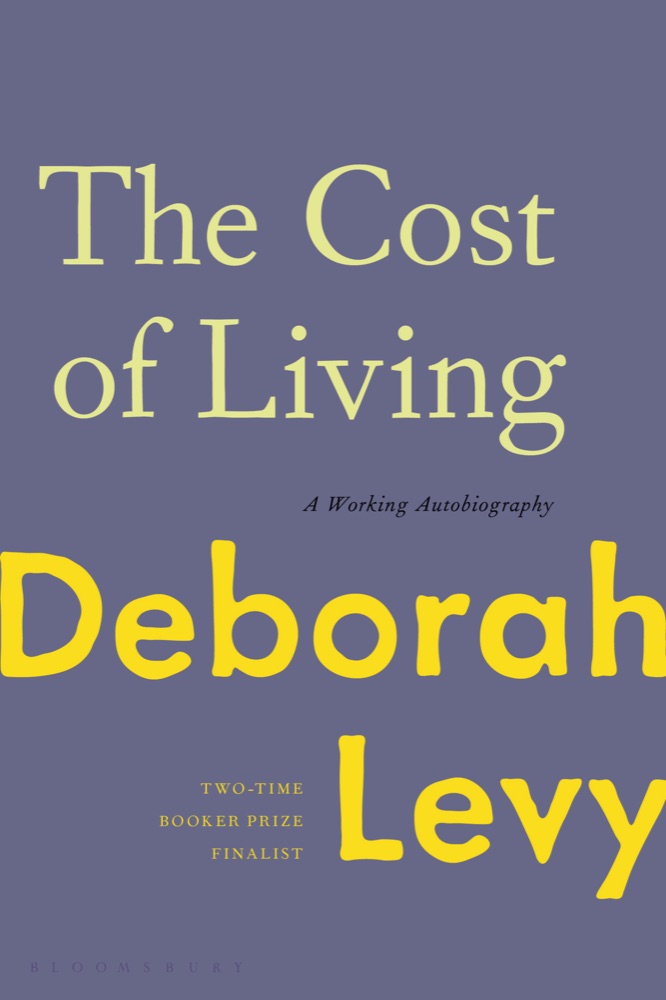 The Cost of Living: A Working Autobiography
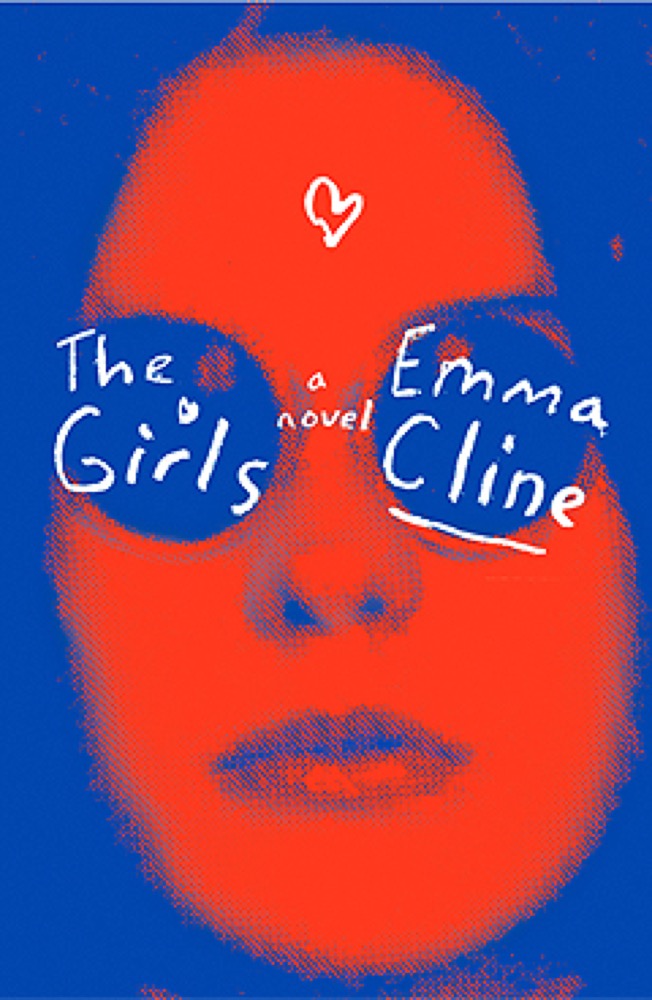 The Girls
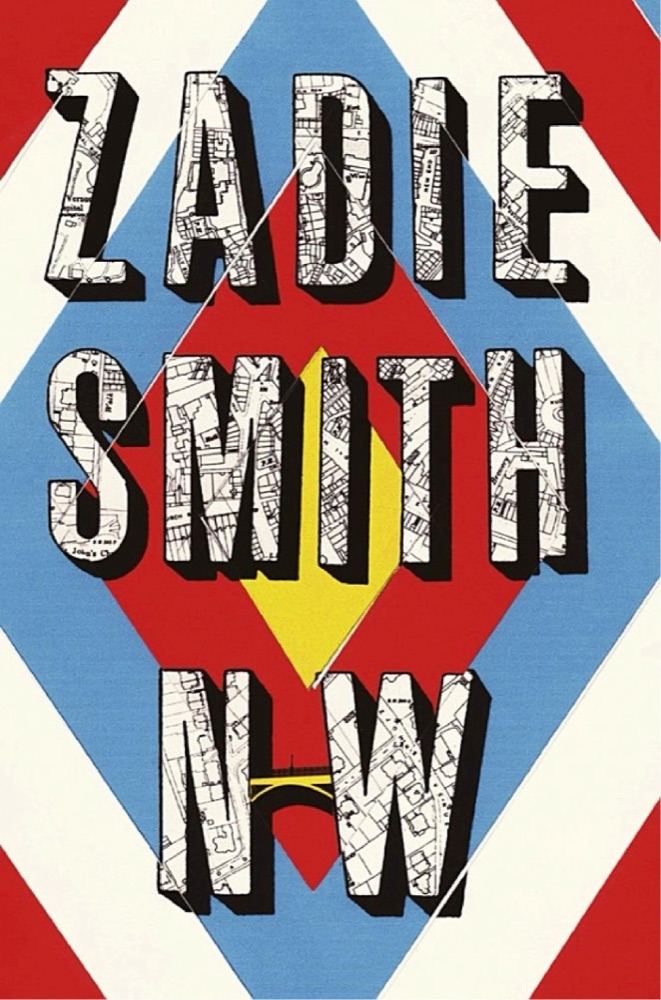 NW
NW
 Brief Interviews with Hideous Men
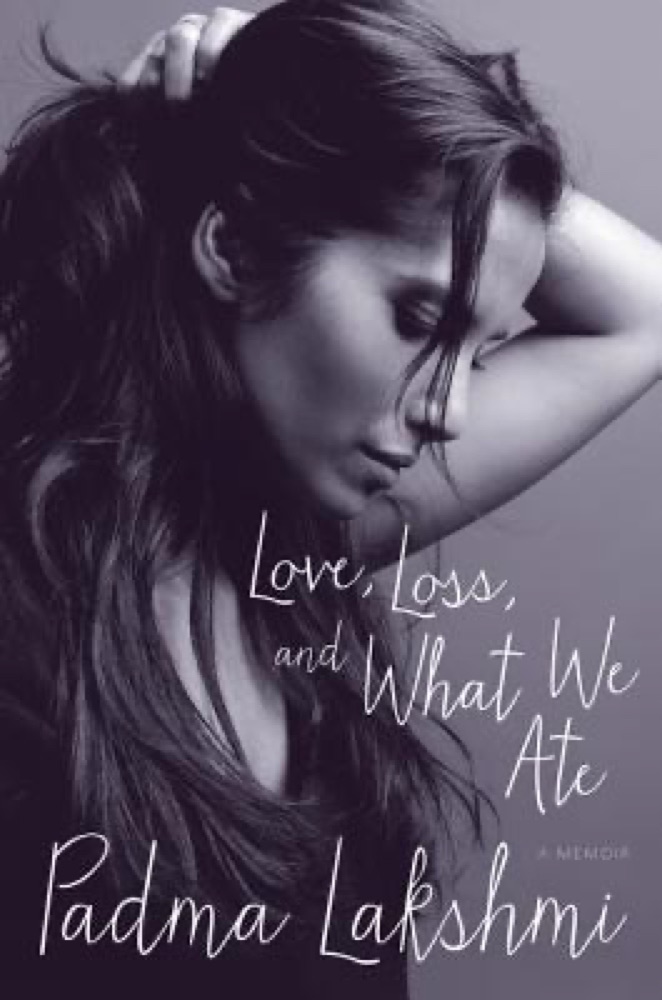 Love, Loss, and What We Ate: A Memoir
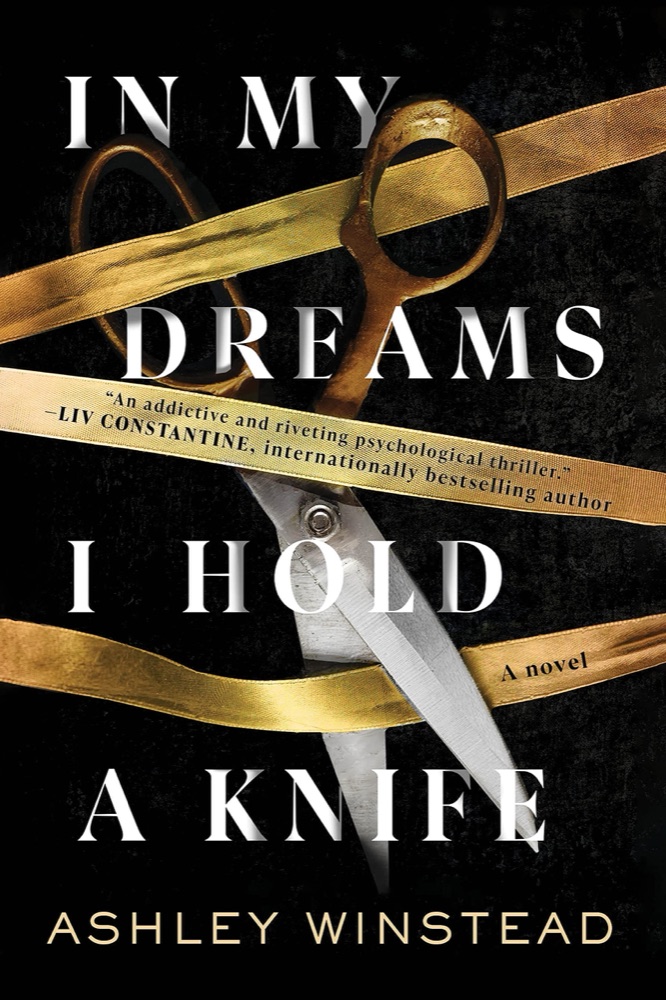 In My Dreams I Hold a Knife
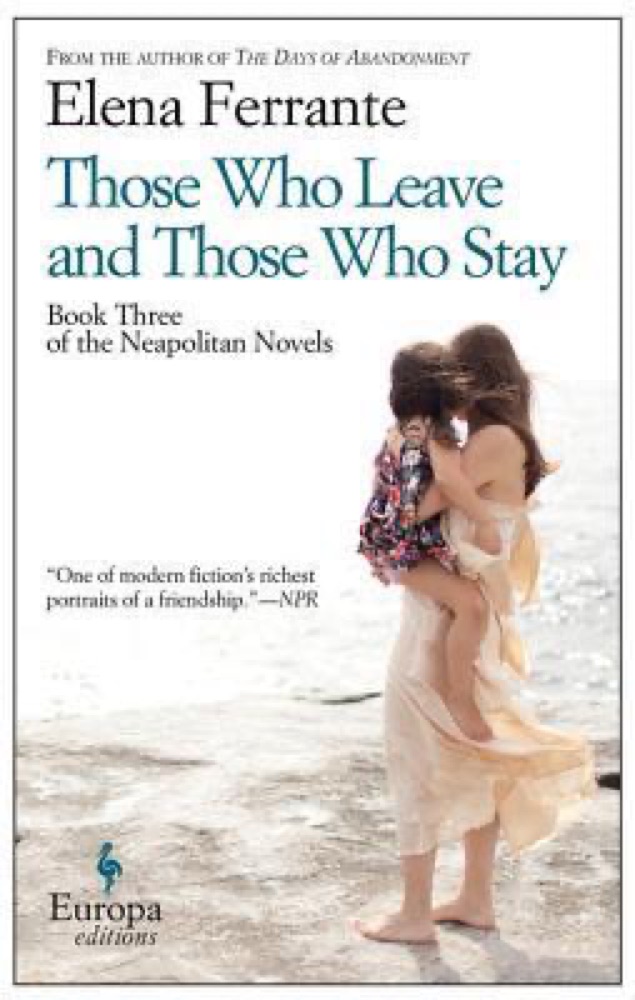 Those Who Leave and Those Who Stay
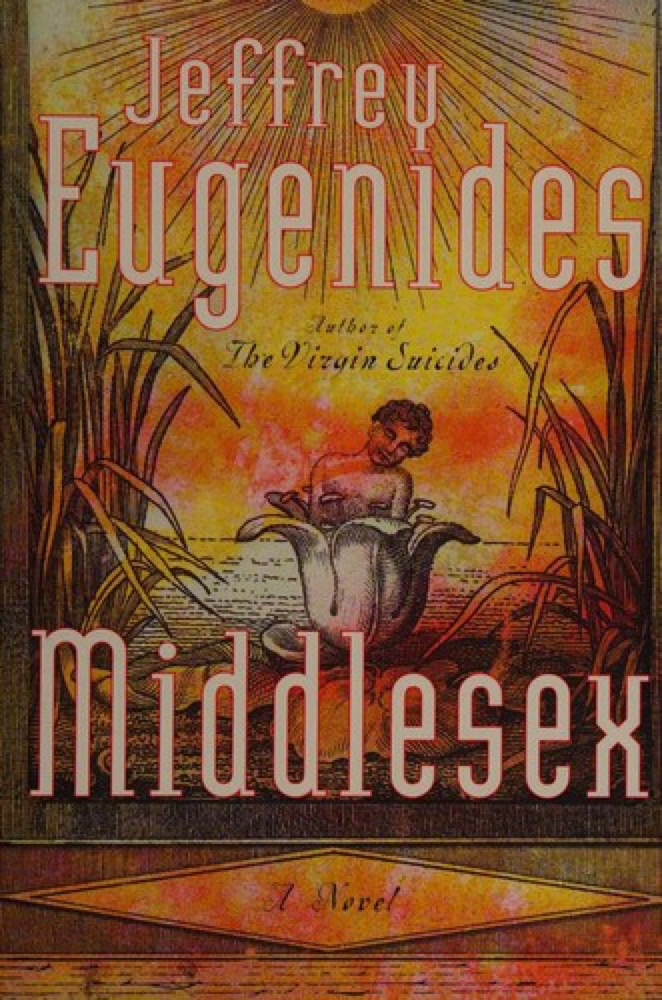 Middlesex
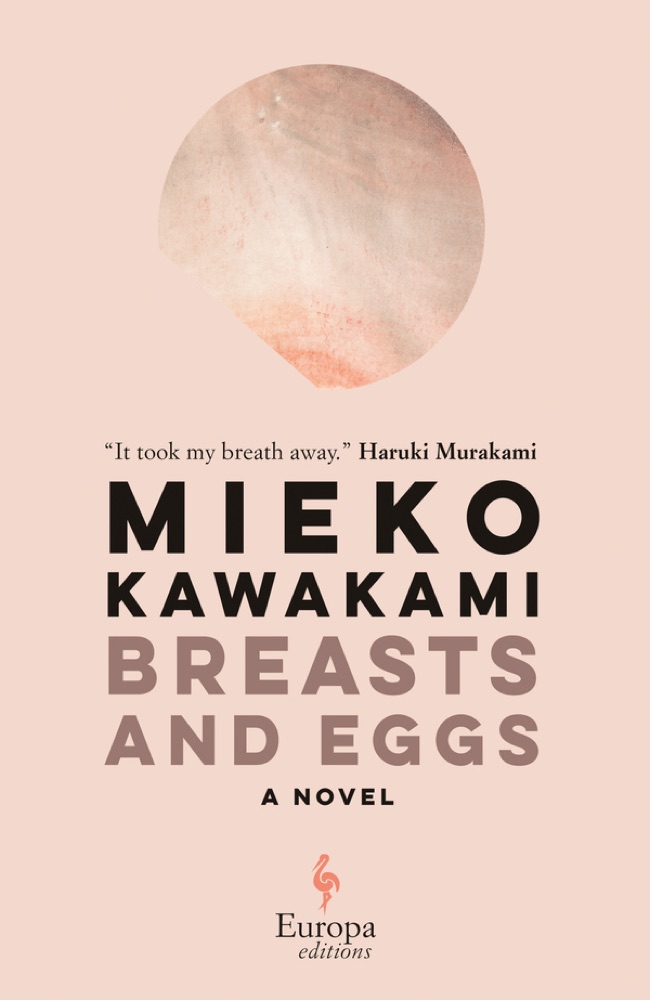 Breasts and Eggs
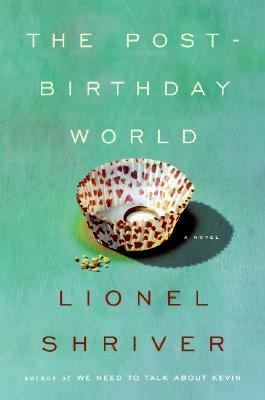 The Post-Birthday World
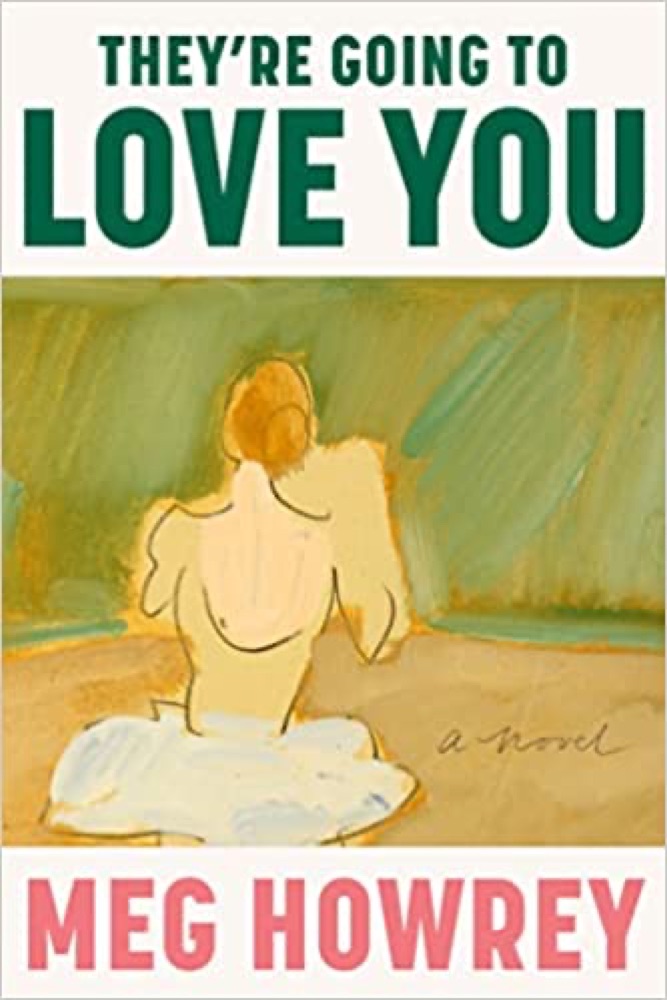 They're Going to Love You
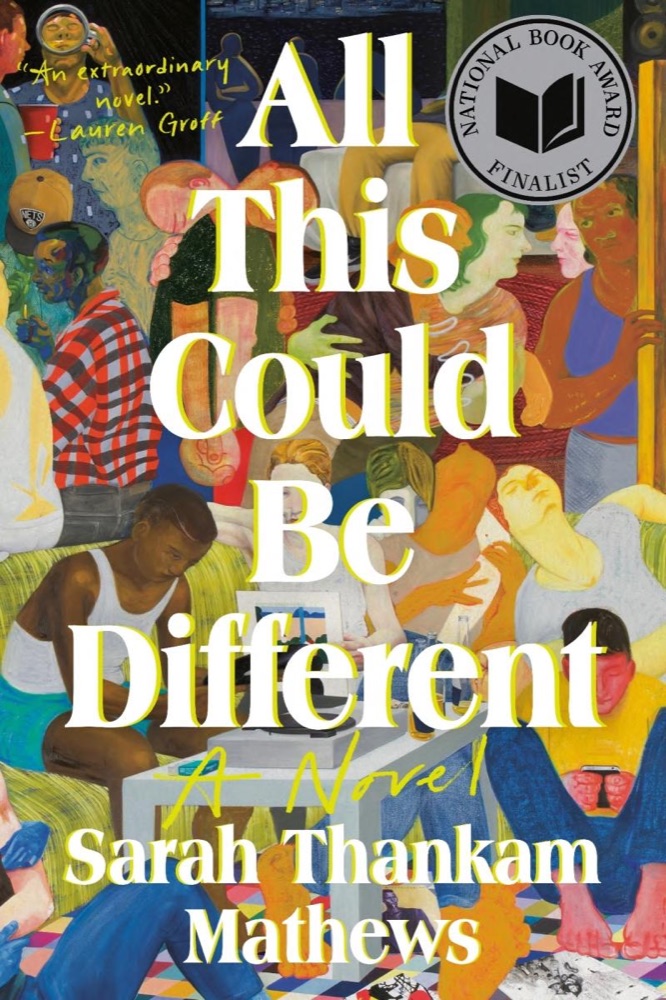 All This Could Be Different
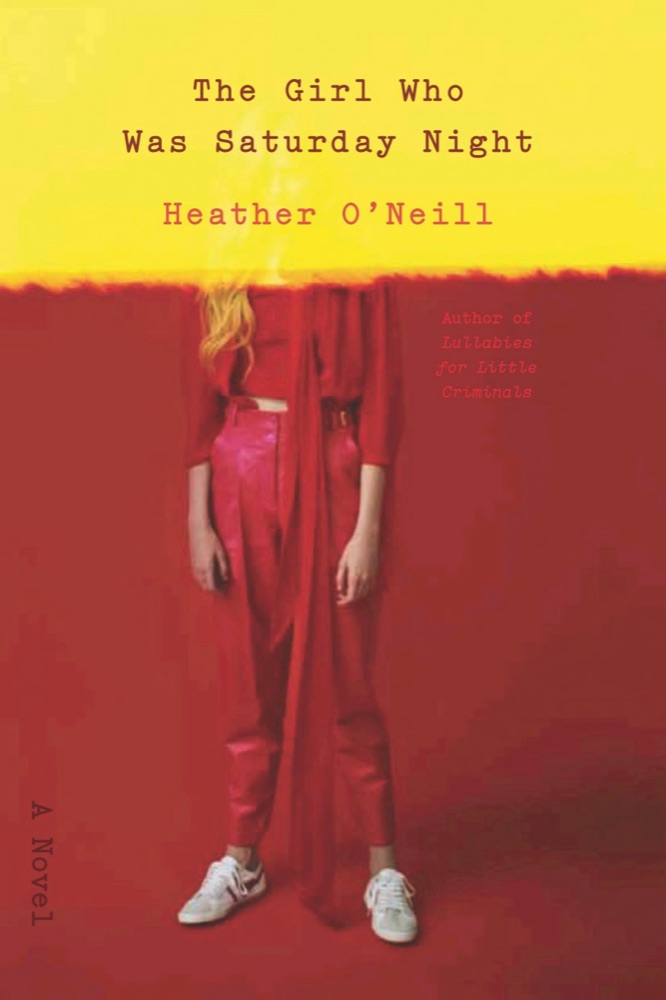 The Girl Who Was Saturday Night
 You Could Make This Place Beautiful
 All the Lovers in the Night
 White Oleander
 Breakable
The First Bad Man
Breakable
The First Bad Man
 Em and The Big Hoom
 One's Company
 On Beauty
 Chlorine
 Scar Tissue
 Gone Girl
 Notes of a Crocodile
 The Reader
 Sign Here
 The Last Summer (of You and Me)
 Milk Fed
 The Folded Clock: A Diary
 Hot Milk
 Happy Hour
 The Days of Abandonment
 Every Exquisite Thing
 Wild Game: My Mother, Her Lover, and Me
 Joan Is Okay
 Unbearable Lightness: A Story of Loss and Gain
 Great House
 An Experiment in Love