
 Capital in the Twenty-First Century
Quotes from the Book
The idea that each country–or worse yet–each person in each country is individually responsible for its production and its wealth, makes little sense from a historical point of view. All wealth is collective in origin.
1
El punto clave es que esta crítica a la democracia contemporánea y a su captura por el dinero debe ir acompañada de propuestas de acuerdos institucionales específicos para avanzar hacia una mayor igualdad. Durante el siglo XX, la crítica a la democracia «burguesa» fue utilizada con demasiada frecuencia como excusa por parte de los gobernantes y las clases burocráticas dominantes en los países del bloque soviético, así como en una serie de nuevos países recién conseguida su independencia, para suprimir las elecciones multipartidistas o tomar el control de los medios de comunicación. Rechazar las urnas nunca está justificado. [...] Esto debe ir acompañado de una multiplicación de los modos de participación política, especialmente en forma de asambleas de ciudadanos y referendos deliberativos, siempre que se aborde con rigor la cuestión de la financiación de las campañas y la igualdad en la producción y difusión de la información.
The movement toward equality still has a long way to go, especially in a world in which the poorest, and particularly the poorest in the poorest countries, are preparing to be subjected, with increasing violence, to climatic and environmental damage caused by the richest people’s way of life.
Although it is easy to denounce the inegalitarian or oppressive nature of established institutions and governments, it is much harder to agree on the alternative institutions that will make it possible to make real progress toward social, economic, and political equality, while at the same time respecting individual rights, including the right to be different. The task is not at all impossible, but it requires us to accept deliberation, the confrontation of differing points of view, compromises, and experimentation. Above all, it requires us to accept the fact that we can learn from the historical trajectories and experiences of others, and especially that the exact content of just institutions is not known a priori and is worth debating as such.
Then the investment in education grew almost tenfold in the course of the twentieth century and reached about 6 percent of the national income in all Western countries during the 1980s and 1990s, making it possible to finance almost universal access to secondary education, with a clear advance in access to higher education. Within this general landscape marked by the expansion of education, the United States’ edge was particularly prominent around the middle of the twentieth century. In the 1950s, the proportion of children aged twelve to seventeen (boys and girls taken together) enrolled in secondary education was already almost 80 percent in the United States. At the same time, the rate of enrollment in secondary schools was between 20 and 30 percent in the United Kingdom and France, and barely reached 40 percent in Germany and Sweden.
The growth of wealth in the Western world, like that in Japan or China, has long been based on the international division of labor and the feverish exploitation of natural and human resources worldwide. All these accumulations of wealth that have taken place on our planet depend on a global economic system, and it is at that level that the question of justice should be raised and the march toward equality pursued.
In the United States, the situation is still more extreme: the poorest 50 percent owned barely 2 percent of the total in 2020, as opposed to 72 percent for the richest 10 percent, and 26 percent for the patrimonial middle class.
Between 1780 and 2020, we see developments tending toward greater equality of status, property, income, genders, and races within most regions and societies on the planet, and to a certain extent when we compare these societies on the global scale.
Watch on YouTube
About Thomas Piketty
We have collected 68 quotes from 3 books by Thomas Piketty on BookQuoters.
More about the author →More by Thomas Piketty
Capital in the Twenty-First Century
 Capital and Ideology
About the book
The world's leading economist of inequality presents a short but sweeping and surprisingly optimistic history of human progress toward equality despite crises, disasters, and backsliding. A perfect introduction to the ideas developed in his monumental earlier books.
It's easy to be pessimistic about inequality. We know it has increased dramatically in many parts of the world over the past two generations. No one has done more to reveal the problem than Thomas Piketty. Now, in this surprising and powerful new work, Piketty reminds us that the grand sweep of history gives us reasons to be optimistic. Over the centuries, he shows, we have been moving toward greater equality.
Piketty guides us with elegance and concision through the great movements that have made the modern world for better and worse: the growth of capitalism, revolutions, imperialism, slavery, wars, and the building o
Book details
- First published
- 2021
- Author
- Thomas Piketty
- Genre
- Nonfiction
- Goodreads rating
- 3.97 (3k ratings)
The buzz
- The New York TimesReview in The New York Timesprofessional review (via Book Marks)
- The Washington PostReview in The Washington Postprofessional review (via Book Marks)
- The Wall Street JournalReview in The Wall Street Journalprofessional review (via Book Marks)
- Publishers WeeklyReview in Publishers Weeklyprofessional review (via Book Marks)
- IrishtimesReview in Irishtimesprofessional review (via Book Marks)
- FtReview in Ftprofessional review (via Book Marks)
Keep reading
Capital and Ideology
Capital in the Twenty-First Century
 Twilight of the Elites: America After Meritocracy
 The Spirit Level: Why More Equal Societies Almost Always Do Better
 Occupy
 Wealth, Poverty and Politics: An International Perspective
 Ill Fares the Land
 Why Nations Fail: The Origins of Power, Prosperity, and Poverty
 23 Things They Don't Tell You About Capitalism
 Political Order and Political Decay: From the Industrial Revolution to the Globalization of Democracy
 The System: Who Rigged It, How We Fix It
 The World Is Flat: A Brief History of the Twenty-first Century
 Utopia for Realists: How We Can Build the Ideal World
 The Tyranny of Merit: What's Become of the Common Good?
 The Road to Serfdom
 Give People Money: The Simple Idea to Solve Inequality and Revolutionise Our Lives
 The Evolution of Everything: How New Ideas Emerge
 Free to Choose: A Personal Statement
 Identity: The Demand for Dignity and the Politics of Resentment
 The Lessons of History
 Upheaval: Turning Points for Nations in Crisis
 Capitalism: A Ghost Story
 The Constitution of Liberty
 The Great Transformation: The Political and Economic Origins of Our Time
 Capitalism: The Unknown Ideal
 A Theory of Justice
 Power and Progress: Our Thousand-Year Struggle Over Technology and Prosperity
 The End of History and the Last Man
 Principles for Dealing with the Changing World Order: Why Nations Succeed and Fail
 This Is What Inequality Looks Like
 Small Is Beautiful: Economics as if People Mattered
 The Dawn of Everything: A New History of Humanity
 The Rational Optimist: How Prosperity Evolves
 What White People Can Do Next: From Allyship to Coalition – An Empowering Guide to Interrogating Whiteness and Creating Justice
 Elite Capture: How the Powerful Took Over Identity Politics
 Four Futures: Life After Capitalism
 Human Action: A Treatise on Economics
 Power Systems: Conversations on Global Democratic Uprisings and the New Challenges to U.S. Empire
 The New Penguin History of The World
 Vulture Capitalism: Corporate Crimes, Backdoor Bailouts, and the Death of Freedom
 A People's History of the United States
 Naked Economics: Undressing the Dismal Science
 Talking to My Daughter About the Economy: or, How Capitalism Works—and How It Fails
 Collapse: How Societies Choose to Fail or Succeed
 A Short History of Progress
 Coming Apart: The State of White America, 1960-2010
 First As Tragedy, Then As Farce
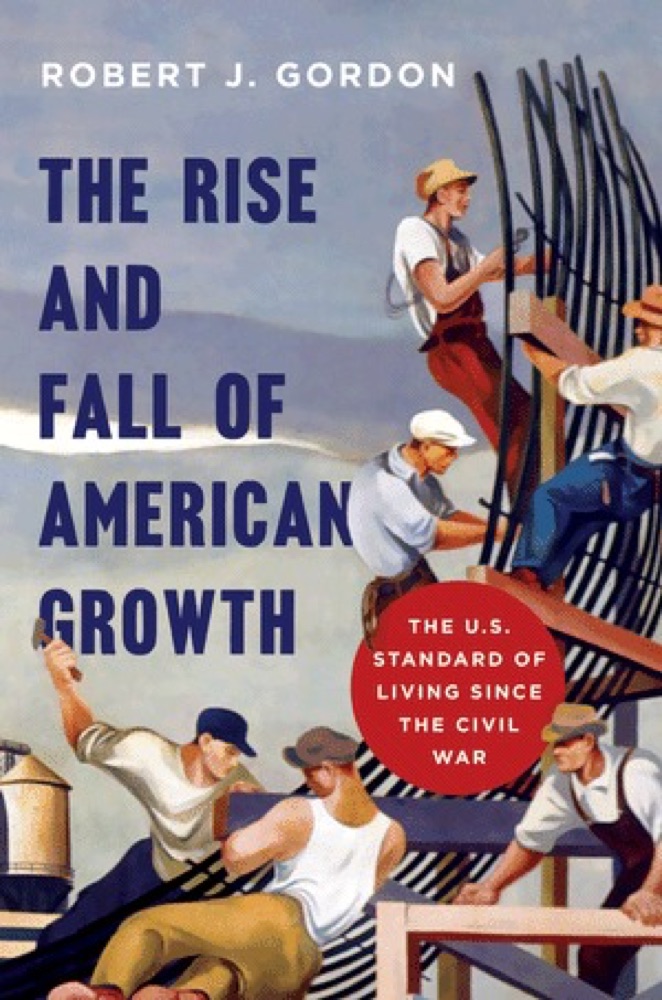 The Rise and Fall of American Growth: The U.S. Standard of Living since the Civil War
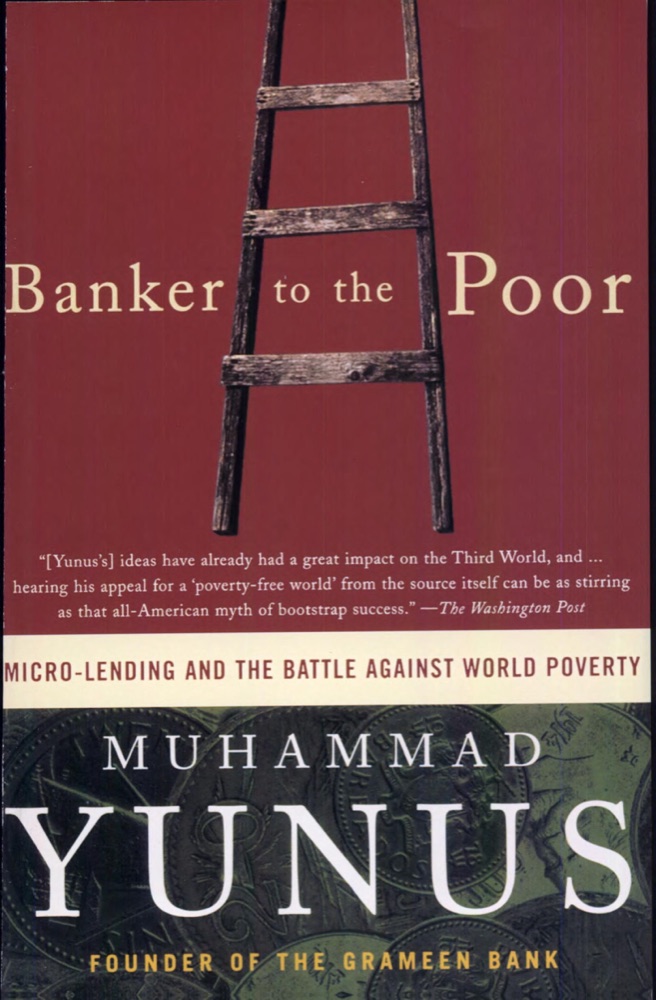 Banker to the Poor: Micro-Lending and the Battle Against World Poverty
 Progress and Poverty
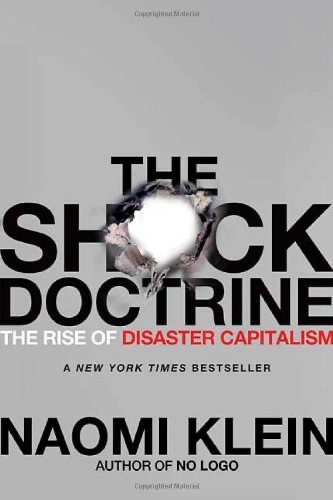 The Shock Doctrine: The Rise of Disaster Capitalism
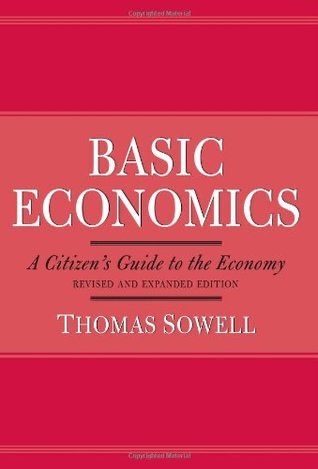 Basic Economics: A Citizen's Guide to the Economy
 The Fatal Conceit: The Errors of Socialism
 India Unbound: The Social and Economic Revolution from Independence to the Global Information Age
 Pathologies of Power: Health, Human Rights, and the New War on the Poor
 Black Rednecks and White Liberals
 Capitalism, Socialism and Democracy
 Feminism for the 99%: A Manifesto
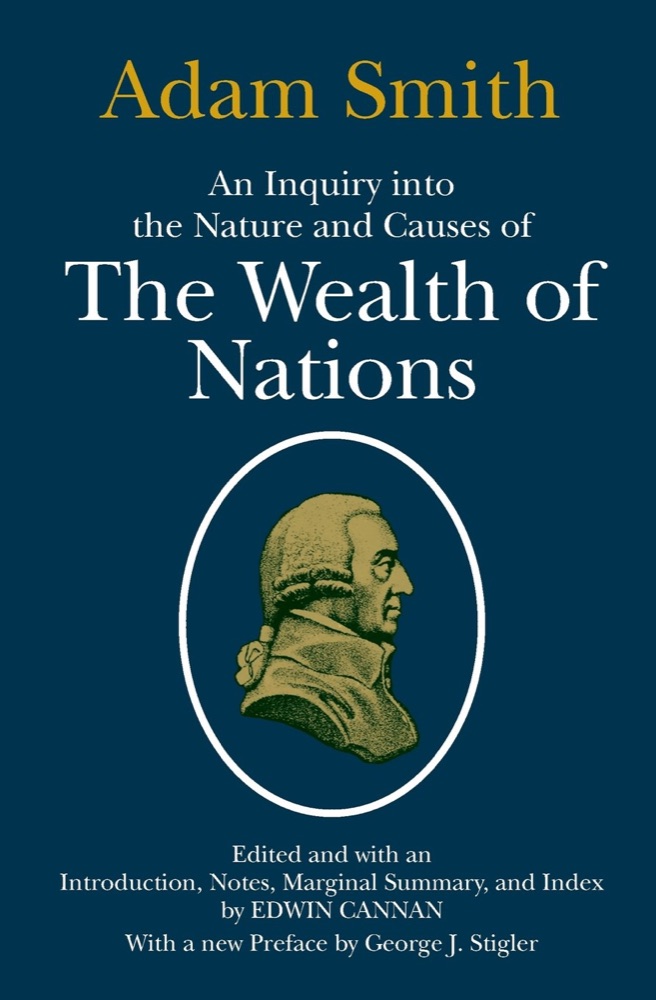 An Inquiry into the Nature and Causes of the Wealth of Nations
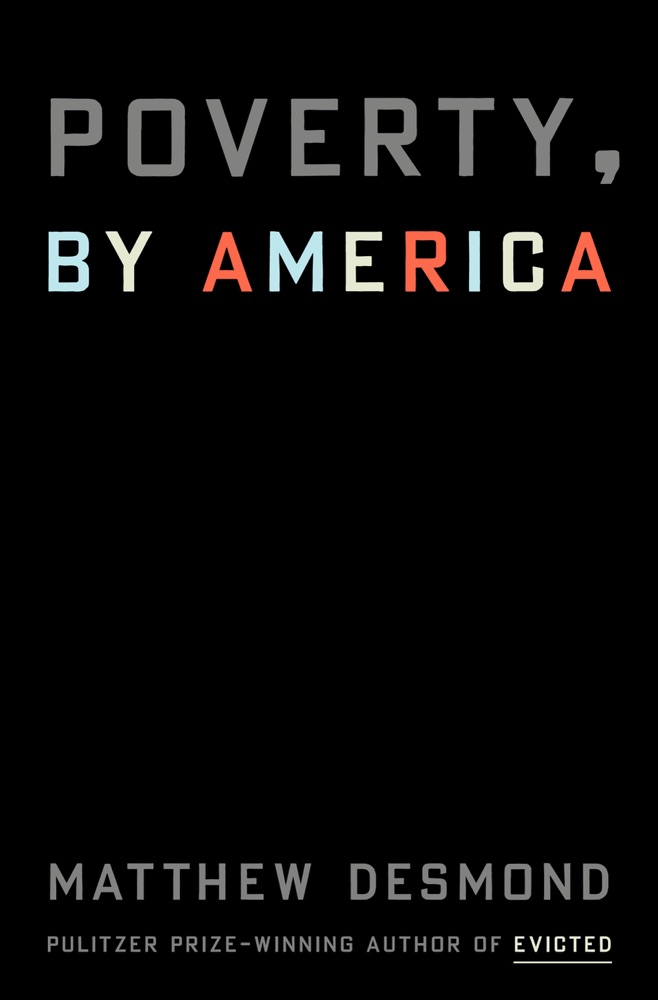 Poverty, by America