
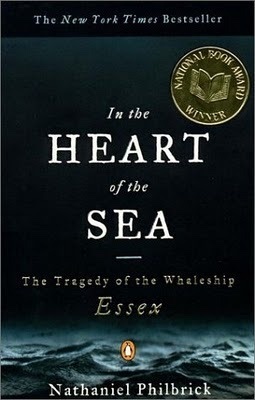
 In the Heart of the Sea: The Tragedy of the Whaleship Essex
Quotes from the Book
Melville's example demonstrates the wisdom of waiting to read the classics. Coming to a great book on your own after having accumulated essential life experience can make all the difference.
21
To write timelessly about the here and now, a writer must approach the present indirectly. The story has to be about more than it at first seems. Shakespeare used the historical sources of his plays as a scaffolding on which to construct detailed portraits of his own age. The interstices between the secondhand historical plots and Shakespeare’s startlingly original insights into Elizabethan England are what allow his work to speak to us today. Reading Shakespeare, we know what it is like, in any age, to be alive. So it is with Moby-Dick, a novel about a whaling voyage to the Pacific that is also about America racing hell-bent toward the Civil War and so much more. Contained in the pages of Moby-Dick is nothing less than the genetic code of America: all the promises, problems, conflicts, and ideals that contributed to the outbreak of a revolution in 1775 as well as a civil war in 1861 and continue to drive this country’s ever-contentious march into the future. This means that whenever a new crisis grips this country, Moby-Dick becomes newly important. It is why subsequent generations have seen Ahab as Hitler during World War II or as a profit-crazed deep-drilling oil company in 2010 or as a power-crazed Middle Eastern dictator in 2011.
6
it was repetitious, soul-crushing work—a form of bodily punishment to which most white Americans refused to submit—that was responsible for the country’s prosperity.
Bildad, Ishmael opines, “had long since come to the sage and sensible conclusion that a man’s religion is one thing, and this practical world quite another. This world pays dividends.
He never used to swear, though, at his men, they said; but somehow he got an inordinate quantity of cruel, unmitigated hard work out of them.
whenever a new crisis grips this country, Moby-Dick becomes newly important. It is why subsequent generations have seen Ahab as Hitler during World War II or as a profit-crazed deep-drilling oil company in 2010 or as a power-crazed Middle Eastern dictator in 2011.
At the center of this benign and blissful scene, a mother whale suckles her baby. Melville, the new father, engrafts the physical delicacy of his infant son into his account of a newborn whale: “The delicate side-fins, and the palms of his flukes, still freshly retained the plaited crumpled appearance of a baby’s ears newly arrived from foreign parts.
As the agnostic writing outside his own uncertain beliefs, Melville is describing the fantasy he desperately needed but could never quite convince himself existed. It is a paradise born of several longings: of the twelve-year-old boy for his dead father; of the author for fame; and of the almost-middle-aged man for a friend. It is the longing that is in all of us, and it is there, in every page of Moby-Dick.
Ishmael’s transformation echoes what was happening to the northern portion of the United States when Melville was working on Moby-Dick. During the fall of 1850 and the winter of 1851, Boston became the epicenter of outrage over the Fugitive Slave Law, and Melville’s father-in-law, Judge Lemuel Shaw, was the reluctant focal point. Although Shaw hated slavery, he also loved his country and its laws, which it was his duty to uphold. So it was Shaw who ordered that a slave who’d made his way to Boston be turned over to his Southern captors. Riots and general bedlam erupted, with Shaw being hanged in effigy after the decision. New England gentlemen who had once viewed the South from the safety of their own mastheads had finally been drawn into slavery’s pernicious vortex. What to do? Nothing, of course. As Starbuck discovers, simply being a good guy with a positive worldview is not enough to stop a force of nature like Ahab, who feeds on the fears and hatreds in us all. “My soul is more than matched,” Starbuck laments, “she’s overmanned; and by a madman!” Just like Starbuck, America’s leaders in the 1850s looked at one another with vacant, deer-in-the-headlights stares as the United States, a great and noble country crippled by a lie, slowly but inevitably sailed toward its cataclysmic encounter with the source of its discontents.
Time passes, fashions come and go, and the past becomes its own hermetically sealed world. It’s easy to laugh at those people under figurative glass, or, even worse, to revere them as exempt from the complexities of our own age. Baloney. Life is life, and the world Melville describes in Moby-Dick is as cutting-edge, confused, and out-there as anything we can dream up in our own time. Take, for example, the square-rigged, bluff-bowed whaleship.
Reading Moby-Dick, we are in the presence of a writer who spent several impressionable years on a whaleship, internalized everything he saw, and seven or so years later, after internalizing Shakespeare, Hawthorne, the Bible, and much more, found the voice and the method that enabled him to broadcast his youthful experiences into the future. And this, ultimately, is where the great, unmatched potency of Moby-Dick, the novel, resides. It comes from an author who not only was there but possessed the capacious and impressionable soul required to appreciate the wonder of what he was seeing.
This is where Melville is perhaps the most profound in his portrait of Ahab as the demagogue and dictator. In the end, even the fiercest of tyrants is done in, not by his own sad, used-up self, but by his enablers, the so-called professionals, who keep whispering in his ear.
As Starbuck discovers, simply being a good guy with a positive worldview is not enough to stop a force of nature like Ahab, who feeds on the fears and hatreds in us all.
To be in the presence of a great leader is to know a blighted soul who has managed to make the darkness work for him. Ishmael says it best: "For all men tragically great are made so through a certain morbidness. Be sure of this, O young ambition, all mortal greatness is but a disease." In chapter 36, "The Quarter-Deck," Melville show us how susceptible we ordinary people are to the seductive power of a great and demented man.
Watch on YouTube
About Nathaniel Philbrick
We have collected 78 quotes from 4 books by Nathaniel Philbrick on BookQuoters.
More about the author →More by Nathaniel Philbrick
In the Heart of the Sea: The Tragedy of the Whaleship Essex
 The Last Stand: Custer, Sitting Bull, and the Battle of the Little Bighorn
 Mayflower: A Story of Courage, Community, and War
About the book
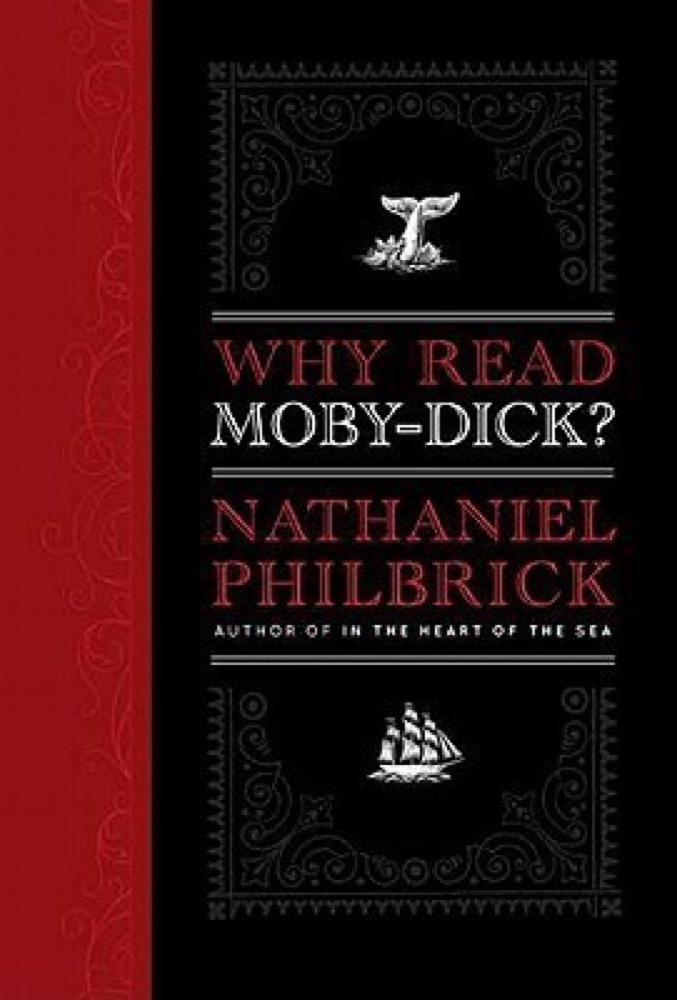
Moby-Dick is perhaps the greatest of the Great American Novels, yet its length and esoteric subject matter create an aura of difficulty that too often keeps readers at bay. Fortunately, one unabashed fan wants passionately to give Melville's masterpiece the broad contemporary audience it deserves. In his National Book Award-winning bestseller, In the Heart of the Sea, Nathaniel Philbrick captivatingly unpacked the story of the wreck of the whaleship Essex, the real-life incident that inspired Melville to write Moby-Dick. Now, he sets his sights on the fiction itself, offering a cabin master's tour of a spellbinding novel rich with adventure and history. Philbrick skillfully navigates Melville's world and illuminates the book's humor and unforgettable characters—finding the thread that binds Ishmael and Ahab to our own time and, indeed, to all times. A perfect match between author and sub
Book details
- First published
- 2010
- Author
- Nathaniel Philbrick
- Genre
- Nonfiction
- Goodreads rating
- 3.78 (5k ratings)
Keep reading
In the Heart of the Sea: The Tragedy of the Whaleship Essex
 The Wager: A Tale of Shipwreck, Mutiny and Murder
 Cannery Row
 Moby-Dick
 The Lincoln Highway
 The Log from the Sea of Cortez
 Notes of a Native Son
 Flaubert's Parrot
 Essays of E.B. White
 The Complete Works of Charles Dickens
 Mumbo Jumbo
 When I Was a Child I Read Books
 J
J
 Henry David Thoreau: A Week, Walden, The Maine Woods, Cape Cod
 Too Like the Lightning
 The Caine Mutiny
 The Great Mistake
 Two Years Before the Mast: A Sailor's Life at Sea
 How to Read Literature
 Chesapeake
 Ahab's Wife, or The Star-Gazer
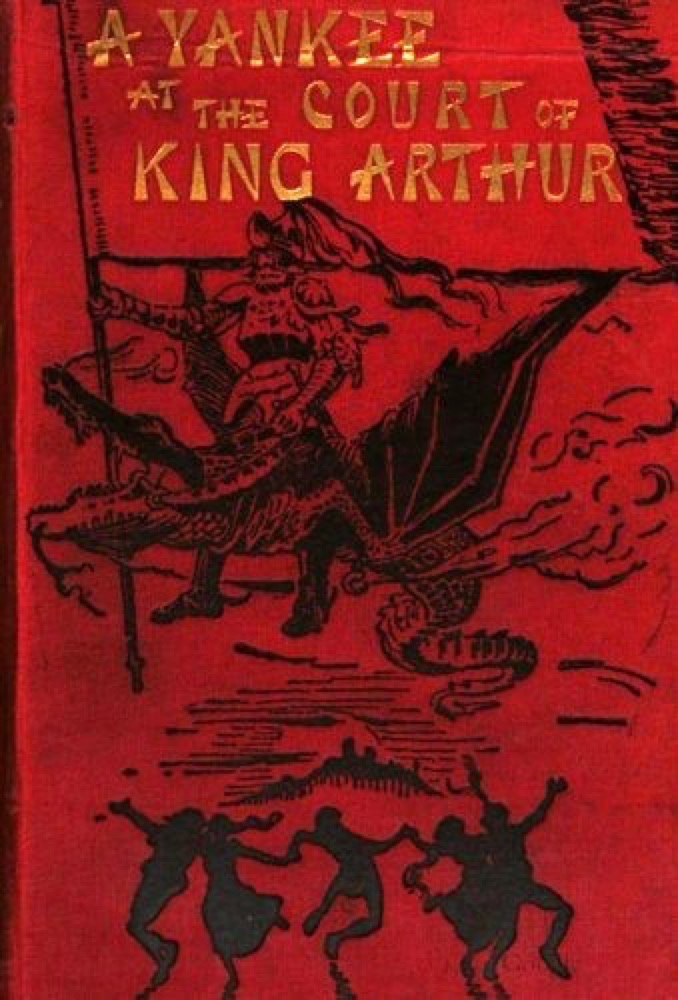 A Connecticut Yankee in King Arthur's Court
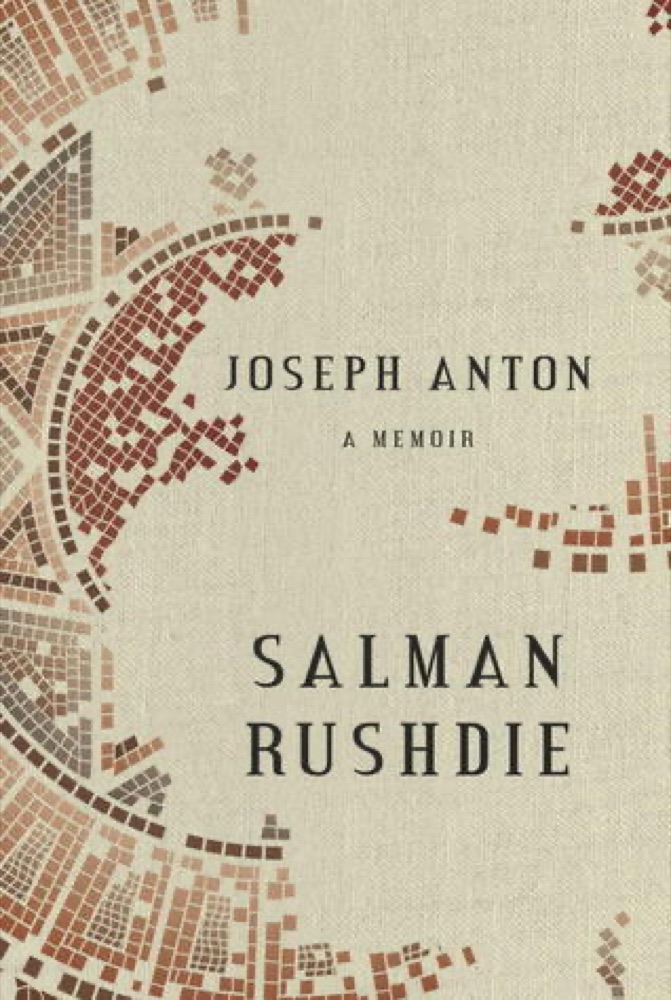 Joseph Anton: A Memoir
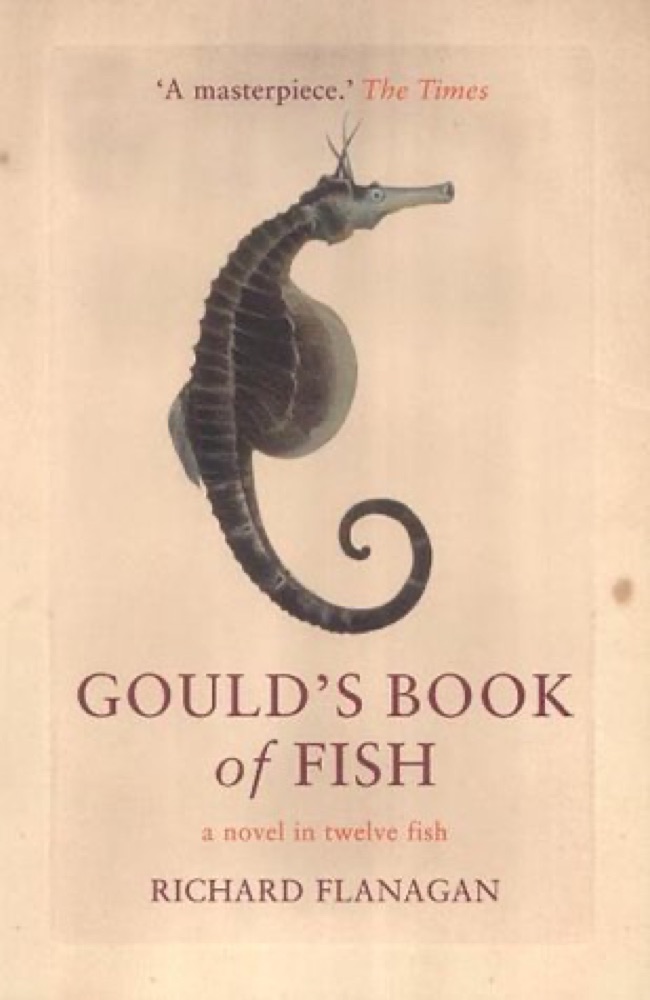 Gould's Book of Fish: A Novel in Twelve Fish
 The Fifth Heart
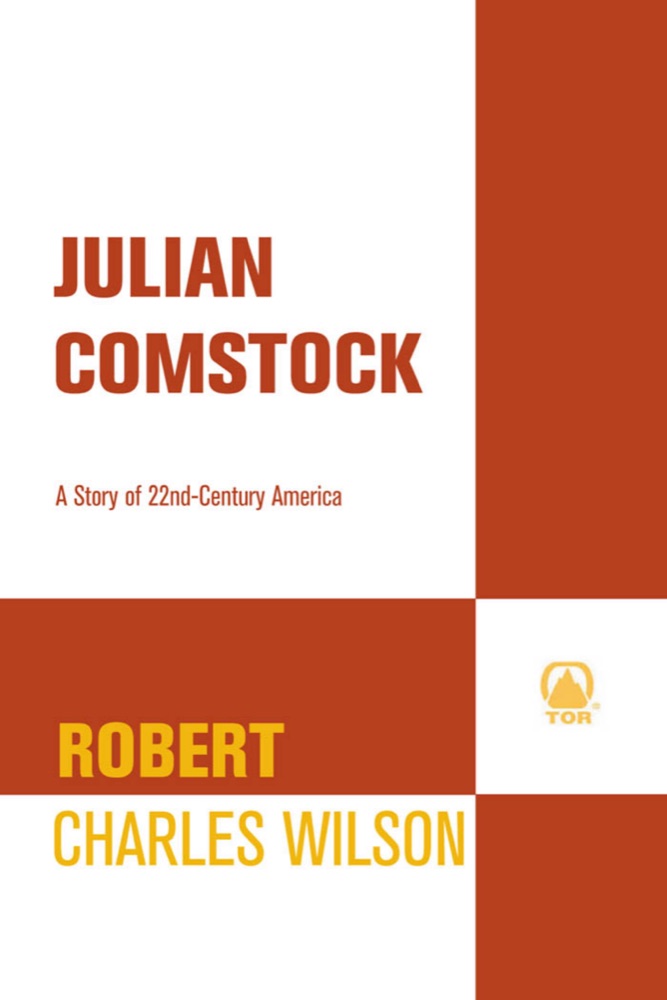 Julian Comstock: A Story of 22nd-Century America
 The Everlasting Man
 Arm of the Sphinx
 The Rise of Silas Lapham
 Maldoror and the Complete Works
 The Golden House
 The Surgeon's Mate
 Post Captain
 Nathaniel's Nutmeg: How One Man's Courage Changed the Course of History
 The Autobiography of Eleanor Roosevelt
 One of Ours
 The Essays of Ralph Waldo Emerson
 The Histories
 Pym
Pym
 Mystery and Manners: Occasional Prose
 The Braindead Megaphone
 The Nutmeg of Consolation
 Quicksilver
 The Greek Way
 You Can't Go Home Again
 Ishmael: An Adventure of the Mind and Spirit
 Unfamiliar Fishes
 Mary Barton
 Barnaby Rudge
 Our Hideous Progeny
 The Accursed
 Ninety-Three
 The System of the World
 Last and First Men
 The Mirror & the Light
 People of the Book
 Walden and other writings
 Miss Lonelyhearts