

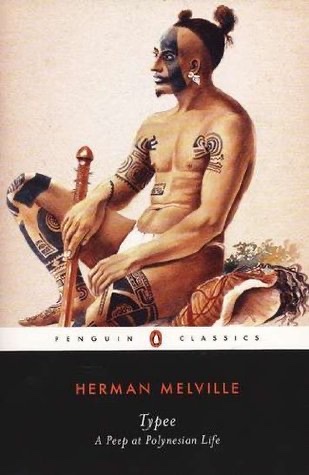
 Typee: A Peep at Polynesian Life
Quotes from the Book
I know not all that may be coming, but be it what it will, I'll go to it laughing.
It is not down on any map; true places never are.
As for me, I am tormented with an everlasting itch for things remote. I love to sail forbidden seas, and land on barbarous coasts.
Whenever I find myself growing grim about the mouth; whenever it is a damp, drizzly November in my soul; whenever I find myself involuntarily pausing before coffin warehouses, and bringing up the rear of every funeral I meet; and especially whenever my hypos get such an upper hand of me, that it requires a strong moral principle to prevent me from deliberately stepping into the street, and methodically knocking people's hats off - then, I account it high time to get to sea as soon as I can.
There are certain queer times and occasions in this strange mixed affair we call life when a man takes this whole universe for a vast practical joke, though the wit thereof he but dimly discerns, and more than suspects that the joke is at nobody's expense but his own.
I try all things, I achieve what I can.
Ignorance is the parent of fear.
Talk not to me of blasphemy, man; I'd strike the sun if it insulted me.
for there is no folly of the beast of the earth which is not infinitely outdone by the madness of men
Consider the subtleness of the sea; how its most dreaded creatures glide under water, unapparent for the most part, and treacherously hidden beneath the loveliest tints of azure. Consider also the devilish brilliance and beauty of many of its most remorseless tribes, as the dainty embellished shape of many species of sharks. Consider, once more, the universal cannibalism of the sea; all whose creatures prey upon each other, carrying on eternal war since the world began. Consider all this; and then turn to the green, gentle, and most docile earth; consider them both, the sea and the land; and do you not find a strange analogy to something in yourself? For as this appalling ocean surrounds the verdant land, so in the soul of man there lies one insular Tahiti, full of peace and joy, but encompassed by all the horrors of the half-known life. God keep thee! Push not off from that isle, thou canst never return!
...and Heaven have mercy on us all - Presbyterians and Pagans alike - for we are all somehow dreadfully cracked about the head, and sadly need mending.
...to the last I grapple with thee; from hell's heart I stab at thee; for hate's sake I spit my last breath at thee.
There is a wisdom that is woe; but there is a woe that is madness. And there is a Catskill eagle in some souls that can alike dive down into the blackest gorges, and soar out of them again and become invisible in the sunny spaces. And even if he for ever flies within the gorge, that gorge is in the mountains; so that even in his lowest swoop the mountain eagle is still higher than other birds upon the plain, even though they soar.
Human madness is oftentimes a cunning and most feline thing. When you think it fled, it may have but become transfigured into some still subtler form.
Think not, is my eleventh commandment; and sleep when you can, is my twelfth.
It is the easiest thing in the world for a man to look as if he had a great secret in him.
A noble craft, but somehow a most melancholy! All noble things are touched with that.
Our souls are like those orphans whose unwedded mothers die in bearing them: the secret of our paternity lies in their grave, and we must there to learn it.
To enjoy bodily warmth, some small part of you must be cold, for there is no quality in this world that is not what it is merely by contrast. Nothing exists in itself. If you flatter yourself that you are all over comfortable, and have been so a long time, then you cannot be said to be comfortable any more. For this reason a sleeping apartment should never be furnished with a fire, which is one of the luxurious discomforts of the rich. For the height of this sort of deliciousness is to have nothing but the blanket between you and your snugness and the cold of the outer air. Then there you lie like the one warm spark in the heart of an arctic crystal.
Squeeze! Squeeze! Squeeze! all the morning long; I squeezed that sperm till I myself almost melted into it; I squeezed that sperm till a strange sort of insanity came over me, and I found myself unwittingly squeezing my co-labourers' hands in it, mistaking their hands for the gentle globules. Such an abounding, affectionate, friendly, loving feeling did this avocation beget; that at last I was continually squeezing their hands, and looking up into their eyes sentimentally, as much as to say,—Oh! my dear fellow beings, why should we longer cherish any social acerbities, or know the slightest ill humour or envy! Come; let us squeeze hands all round; nay, let us all squeeze ourselves into each other; let us squeeze ourselves universally into the very milk and sperm of kindness.
Cannibals? Who is not a cannibal? I tell you it will be more tolerable for the Fejee that salted down a lean missionary in his cellar against a coming famine; it will be more tolerable for that provident Fejee, I say, in the day of judgement, than for thee, civilized and enlightened gourmand, who nailest geese to the ground and feastest on their bloated livers in thy pate de fois gras.
The sea had jeeringly kept his finite body up, but drowned the infinite of his soul. Not drowned entirely, though. Rather carried down alive to wondrous depths, where strange shapes of the unwarped primal world glided to and fro before his passive eyes; and the miser-merman, Wisdom, revealed his hoarded heaps; and among the joyous, heartless, ever-juvenile eternities, Pip saw the multitudinous, God-omnipresent, coral insects, that out of the firmament of waters heaved the colossal orbs. He saw God’s foot upon the treadle of the loom, and spoke it; and therefore his shipmates called him mad. So man’s insanity is heaven’s sense; and wandering from all mortal reason, man comes at last to that celestial thought, which, to reason, is absurd and frantic; and weal or woe, feels then uncompromised, indifferent as his God.
Consider the subtleness of the sea; how its most dreaded creatures glide under water, unapparent for the most part, and treacherously hidden beneath the loveliest tints of azure..... Consider all this; and then turn to this green, gentle , and most docile earth; consider them both, the sea and the land; and do you not find a strange analogy to something in yourself?
Top-heavy was the ship as a dinnerless student with all Aristotle in his head.
All men live enveloped in whale-lines. All are born with halters round their necks; but it is only when caught in the swift, sudden turn of death, that mortals realize the silent, subtle, ever-present perils of life. And if you be a philosopher, though seated in the whale-boat, you would not at heart feel one whit more of terror, than though seated before your evening fire with a poker, and not a harpoon, by your side.
Give not thyself up, then, to fire, lest it invert thee, deaden thee, as for the time it did me. There is a wisdom that is woe; but there is a woe that is madness.
For small erections may be finished by their first architects; grand ones, true ones, ever leave the copestone to posterity. God keep me from ever completing anything. This whole book is but a draught—nay, but the draught of a draught. Oh, Time, Strength, Cash, and Patience!
Did you know?
- The novel was first published in London in October 1851 as The Whale before appearing in the United States as Moby-Dick the following month.
- Melville dedicated the book to his friend and fellow author Nathaniel Hawthorne.
- The story was inspired in part by the 1820 sinking of the Nantucket whaleship Essex, which was rammed by a sperm whale.
- It also drew on accounts of Mocha Dick, an albino sperm whale reported off the coast of Chile.
- The British first edition omitted the epilogue, leaving reviewers puzzled about how the drowned narrator could tell the tale.
- The novel was a commercial failure and out of print at Melville's death in 1891, gaining its reputation as a Great American Novel only in the twentieth century.
About Herman Melville
Herman Melville (1819-1891) was an American novelist, short-story writer, and poet whose early sea adventures drew on his own voyages aboard whaling and merchant ships. Though celebrated early in his career, he died in relative obscurity, and works like Moby-Dick were only recognized as masterpieces long after his death.
More about the author →More by Herman Melville
Typee: A Peep at Polynesian Life
 Pierre: or, the Ambiguities
 Billy Budd and Other Stories
 Benito Cereno
About the book
"Moby-Dick; or, The Whale" is an 1851 epic novel by the American writer Herman Melville. Narrated by the sailor Ishmael, it follows the whaling ship Pequod and its captain, Ahab, whose obsessive quest for vengeance against the great white sperm whale that took his leg drives the crew toward disaster. Around this pursuit Melville weaves detailed digressions on whaling, natural history, and the sea, blending adventure narrative with sermon, drama, and encyclopedic essay.
At its heart the book is a meditation on obsession, fate, and the human search for meaning amid a vast and often inscrutable universe. The white whale becomes a screen onto which Ahab and the crew project their fears and desires, and the novel probes the difficulty of discerning truth behind deceptive appearances. Melville also explores questions of race, camaraderie, and social harmony aboard the multiethnic Pequod, most memorably in the friendship between Ishmael and the harpooneer Queequeg.
Drawing on real events such as the sinking of the whaleship Essex and accounts of an albino whale called Mocha Dick, Melville dedicated the work to his friend Nathaniel Hawthorne. The novel was a commercial failure in his lifetime and was out of print when he died in 1891. Only in the twentieth century did its reputation surge, and it is now widely regarded as one of the greatest American novels ever written and a cornerstone of world literature.
Key characters
- IshmaelSailor and narrator of the voyage
- Captain AhabMonomaniacal captain of the Pequod, bent on revenge
- Moby DickThe great white sperm whale Ahab hunts
- QueequegSkilled Polynesian harpooneer and Ishmael's close friend
- StarbuckLevel-headed Quaker chief mate who opposes Ahab's quest
- StubbCheerful, easygoing second mate from Cape Cod
- PipYoung Black cabin boy driven mad after being left at sea
Book details
- First published
- 1851
- Length
- 635 pages
- Reading time
- 13 hours
- Author
- Herman Melville
- Genre
- Classics
- Goodreads rating
- 3.57 (629k ratings) →
- First line
- “Call me Ishmael.”
Movie & TV adaptations
- IMDb
If you liked this, read…
- 1The Old Man and the SeaAnother spare, iconic tale of one man's obsessive struggle against a great creature of the sea
- 2Heart of DarknessA voyage narrative that turns into a dark meditation on obsession and the unknowable
- 3Blood MeridianAn epic, philosophically ambitious American novel steeped in violence and metaphysical dread
Keep reading
 Faust
Faust
 Dracula
 Daniel Deronda
 The Sea, the Sea
 The Gay Science
 Tropic of Capricorn
 The Magus
 Complete Poems
 Allan Quatermain
 Absalom, Absalom!
 Don Juan
 Uncle Tom's Cabin
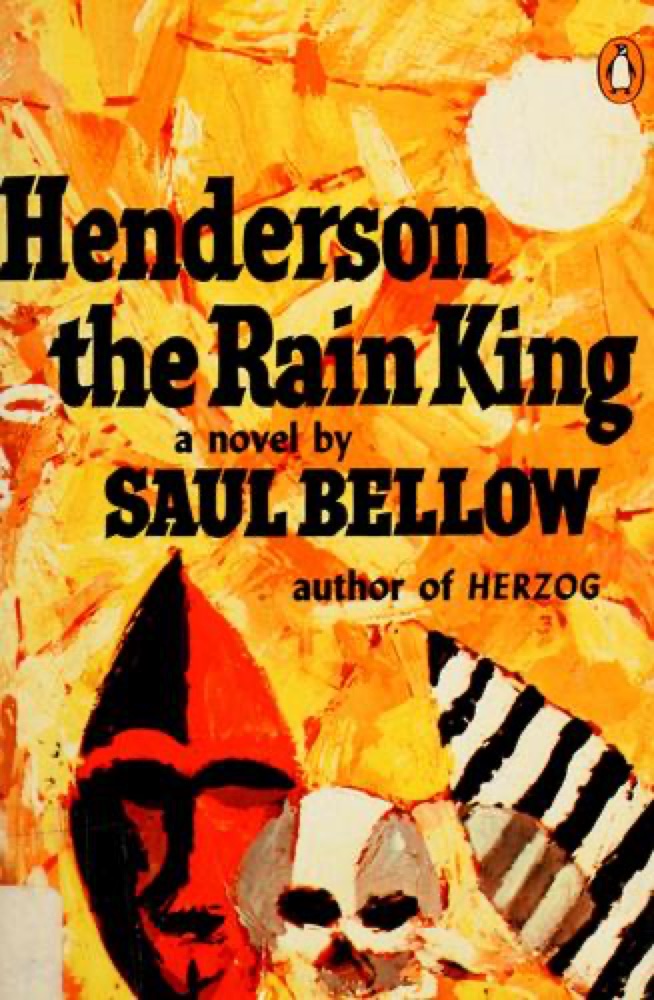 Henderson the Rain King
 King Lear
 The Complete Essays
 Notes from Underground
 Hamlet
 The Man in the High Castle
 The Man Who Laughs
 Island
 The Isle of Blood
 Ulysses
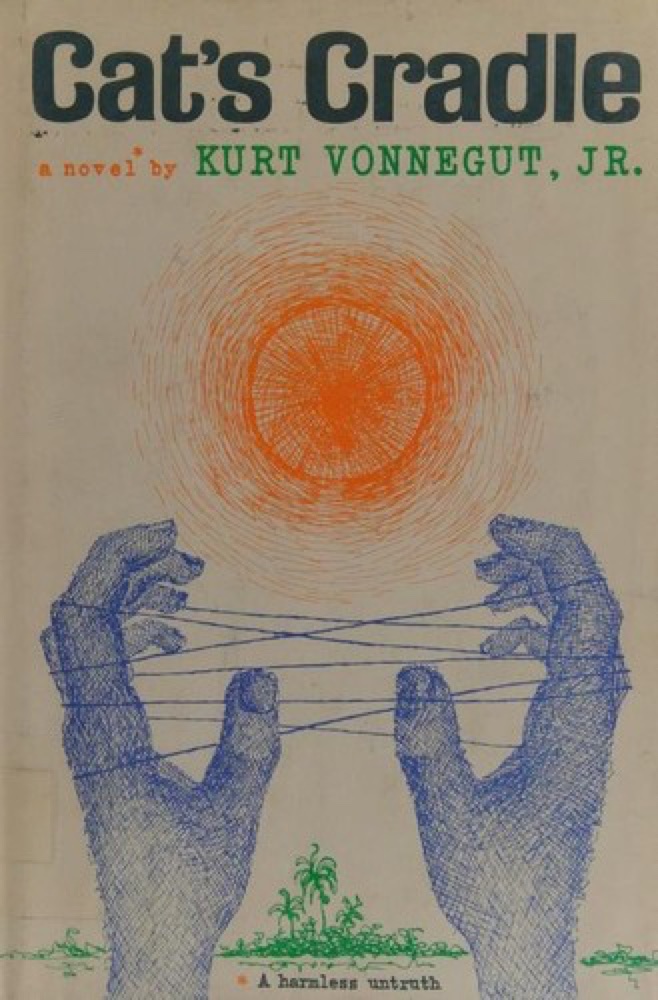 Cat's Cradle
 The Magic Mountain
 She
She
 Toll the Hounds
 The Claw of the Conciliator
 Steppenwolf
 Memories of Ice
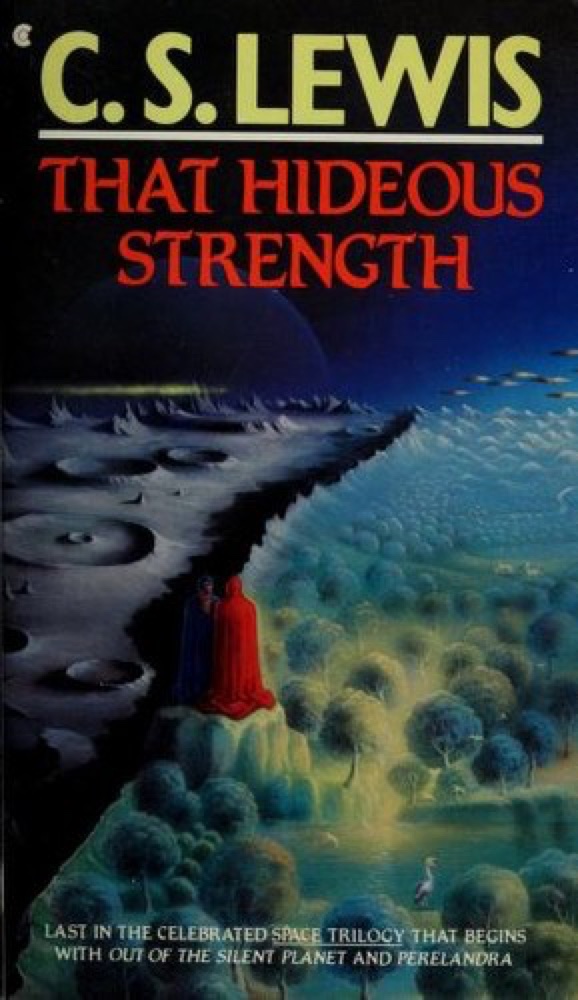 That Hideous Strength
 East of Eden
 Sword & Citadel
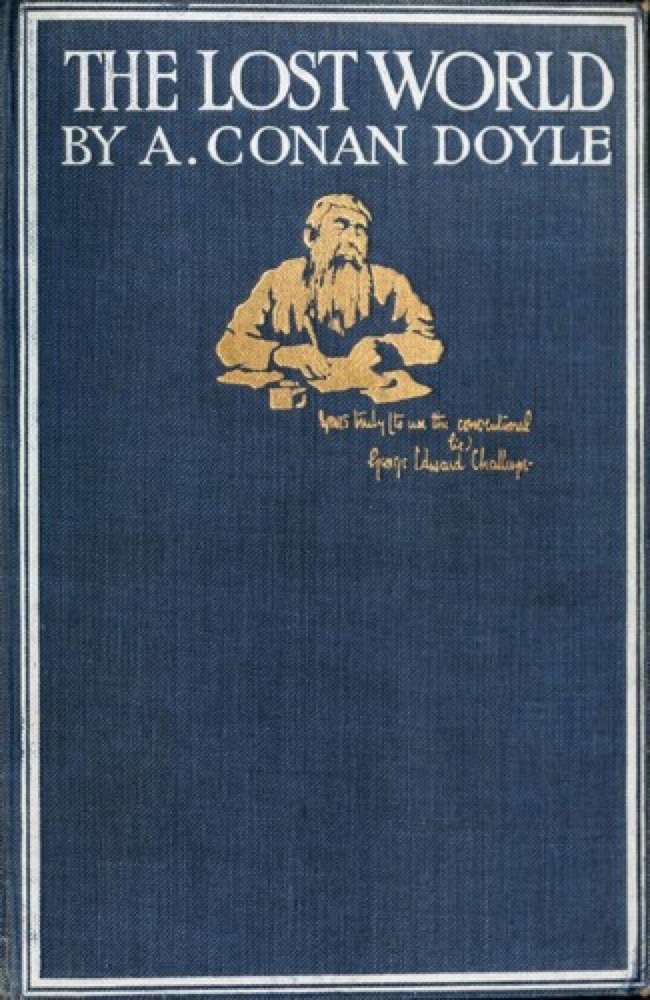 The Lost World
 Lord Jim
 Humboldt's Gift
 Sexus
Sexus
 Odd Thomas
 The Dead in Their Vaulted Arches
 Forever Odd
 Thus Spake Zarathustra
 Troilus and Cressida
 Tropic of Cancer
 The Signature of All Things
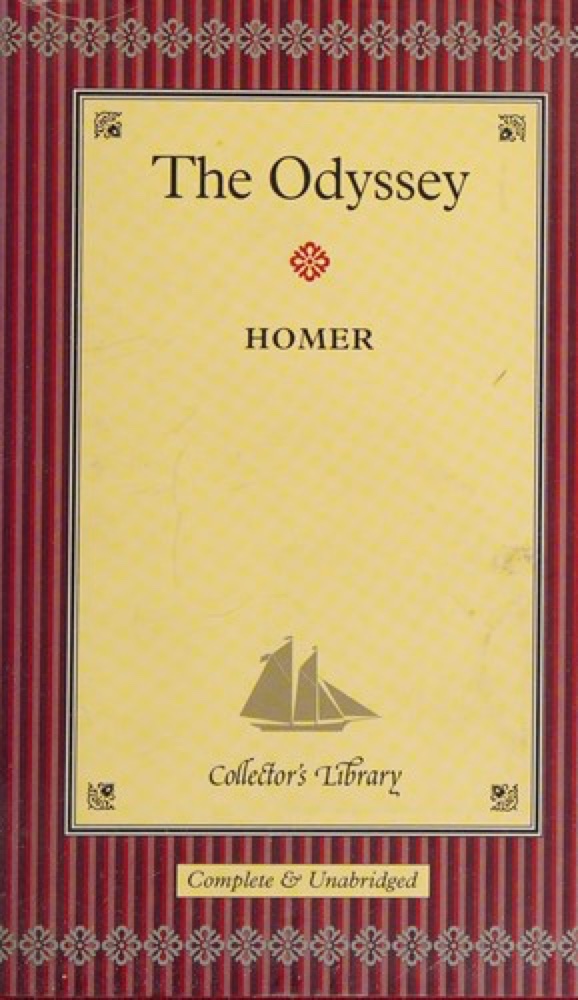 The Odyssey
 The Gadfly
 Selected Poems
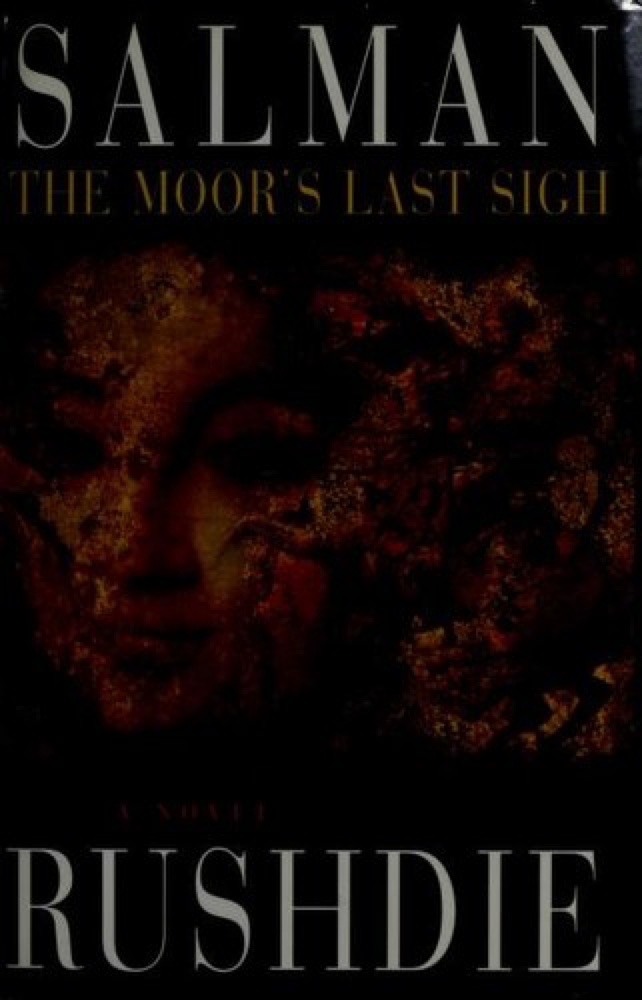 The Moor's Last Sigh
 Crime and Punishment
 Herzog
 Nightwood
 Bleak House
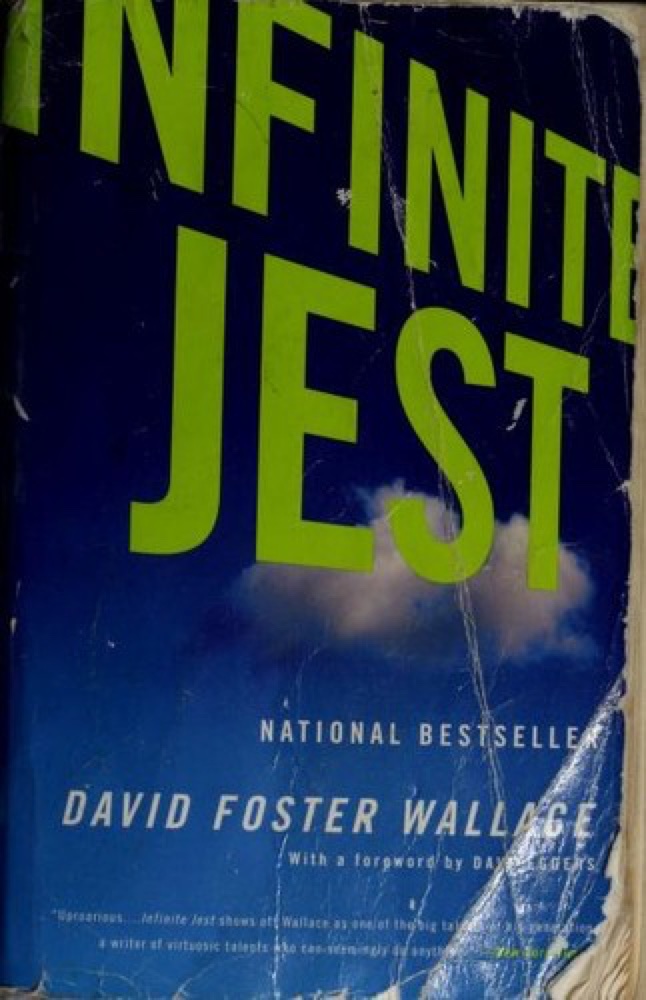 Infinite Jest
 Everyone Burns
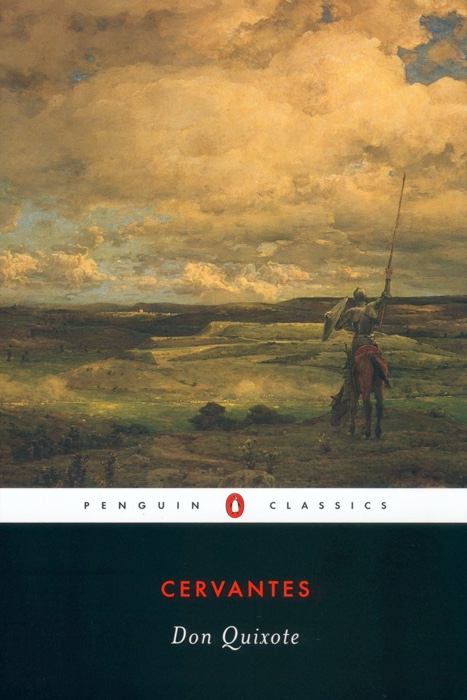 Don Quixote
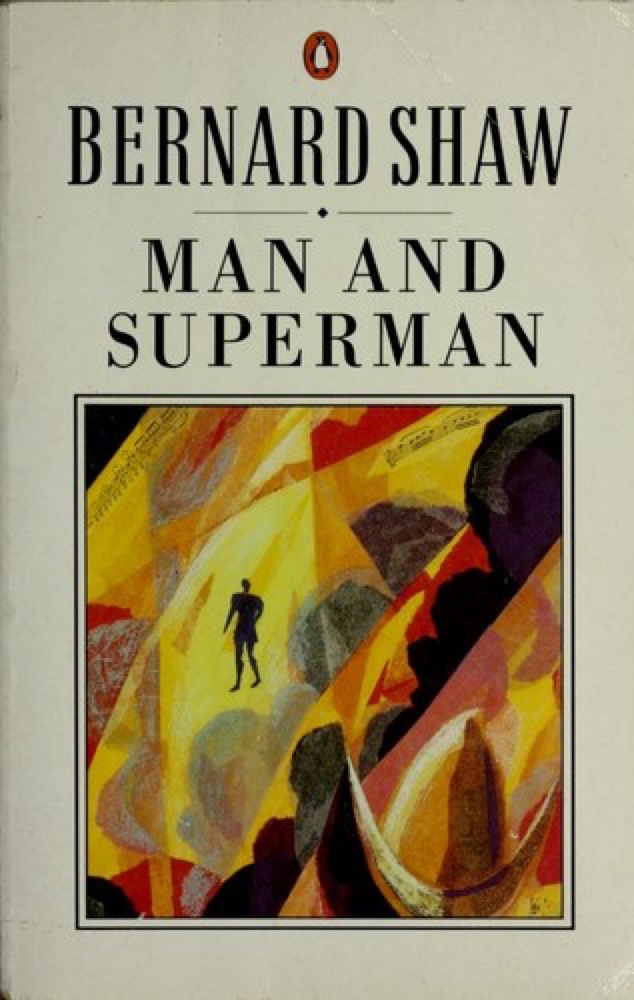 Man and Superman
 Endymion
 Scaramouche
 Point Counter Point
 The Secret Scripture
 The Sea Wolf